
 English
 Chinese
 Dutch
 Arabic
 Spanish
 Portuguese
 Russian
 French
 Italian
 German
 Japanese
In the Bible, girls bear God’s image as boys do, and several girls and young women have stories of their own. Among them are Jairus’s daughter, whom Jesus raised (Mark 5:41-42), the captive girl in Naaman’s house (2 Kings 5:2-3), Rhoda at Peter’s door (Acts 12:13-14) and the orphan Esther (Esther 2:7).
On worth, Genesis 1:27 says God created mankind in his image, “male and female,” the psalmist praises God for knitting him together in his mother’s womb (Psalm 139:13-14), and Jesus tells his disciples they are “worth more than many sparrows” (Luke 12:7). On youth, Paul tells Timothy not to let anyone look down on him for being young (1 Timothy 4:12), and Peter at Pentecost quotes Joel’s promise that “your sons and daughters will prophesy” (Acts 2:17).
Worth before God
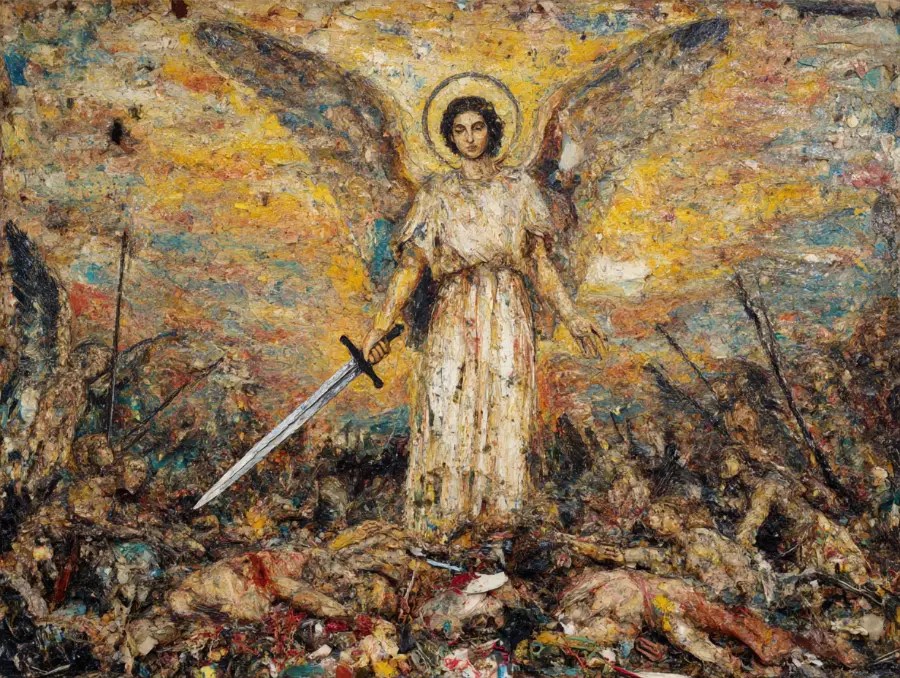
Genesis 1:27
“So God created mankind in his own image, in the image of God he created them; male and female he created them.”
Reflection: The verse comes on the sixth day of creation (Genesis 1:31), after God says, “Let us make mankind in our image, in our likeness” (verse 26). The same sentence that says God created mankind in his image names them “male and female.” Verse 28 gives the blessing and the work of ruling the earth to both of them: “God blessed them and said to them, ‘Be fruitful and increase in number.’”
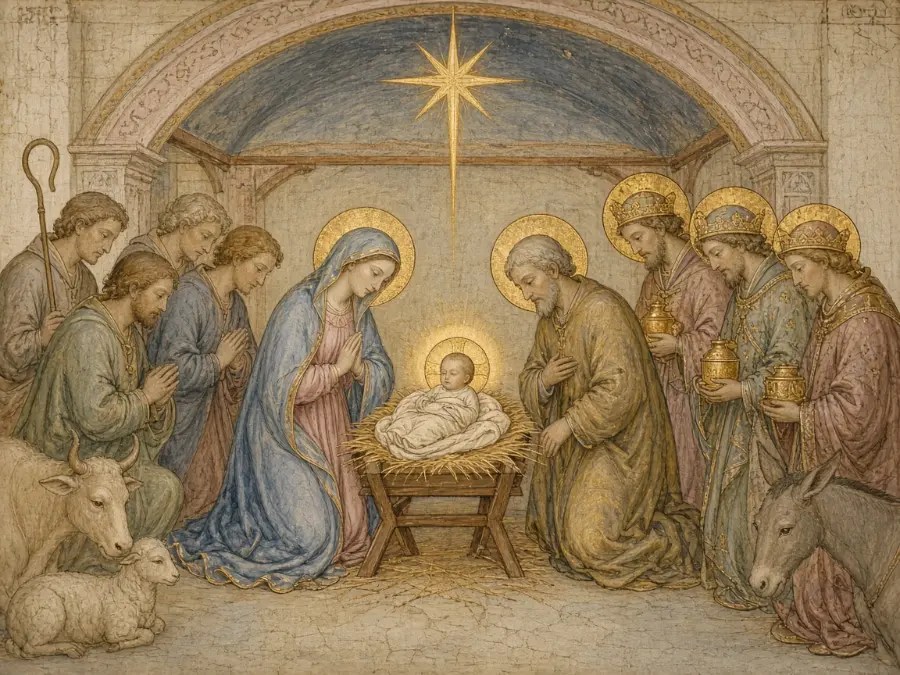
Psalm 139:14
“I praise you because I am fearfully and wonderfully made; your works are wonderful, I know that full well.”
Reflection: The psalmist speaks to God, and the verse before says how he was made: “you knit me together in my mother’s womb” (verse 13). The psalmist praises God for work done before anyone else could see it: “My frame was not hidden from you when I was made in the secret place” (verse 15). Verse 16 goes further back: “Your eyes saw my unformed body; all the days ordained for me were written in your book before one of them came to be.”
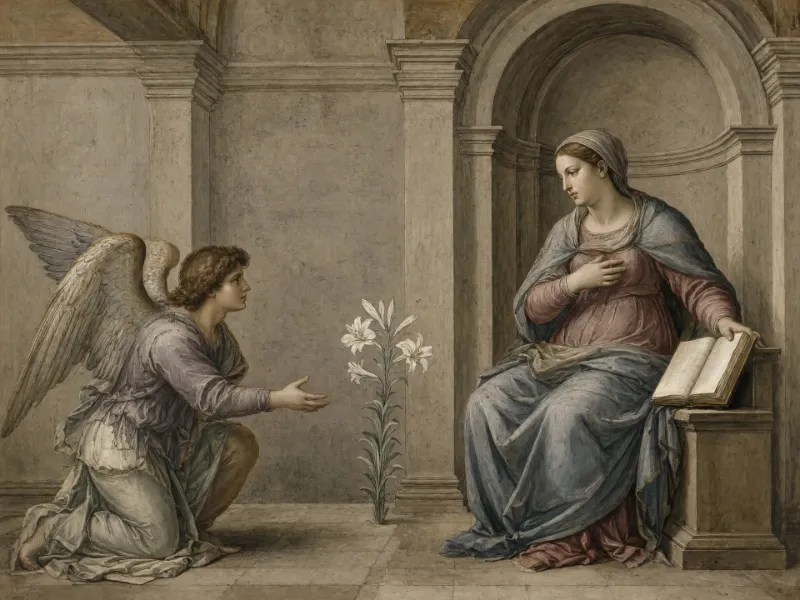
Luke 12:7
“Indeed, the very hairs of your head are all numbered. Don’t be afraid; you are worth more than many sparrows.”
Reflection: Jesus says this first to his disciples (Luke 12:1), whom he calls “my friends” (verse 4), while telling them not to fear “those who kill the body and after that can do no more.” The verse before sets the price of sparrows at five for two pennies and says not one of them “is forgotten by God.” Verses 4-7 begin and end with the same command, “do not be afraid” in verse 4 and “Don’t be afraid” here.
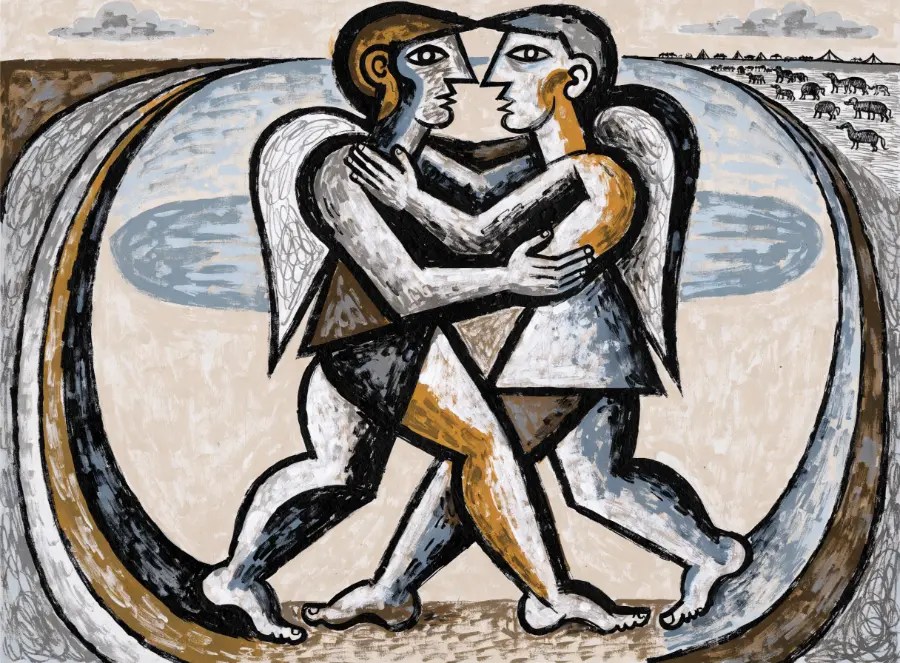
Galatians 3:28
“There is neither Jew nor Gentile, neither slave nor free, nor is there male and female, for you are all one in Christ Jesus.”
Reflection: Paul writes to the churches in Galatia (Galatians 1:2) that “in Christ Jesus you are all children of God through faith” (verse 26), and that all who were baptized into Christ “have clothed yourselves with Christ” (verse 27). Verse 28 names three pairs, Jew and Gentile, slave and free, male and female, and says all of them are “one in Christ Jesus.” Verse 29 then calls everyone who belongs to Christ “Abraham’s seed, and heirs according to the promise.”
Being young

1 Timothy 4:12
“Don’t let anyone look down on you because you are young, but set an example for the believers in speech, in conduct, in love, in faith and in purity.”
Reflection: Paul writes to Timothy, “my true son in the faith” (1 Timothy 1:2), whom he had urged to stay in Ephesus and stop certain people teaching false doctrines (1:3). Paul’s answer to anyone who looks down on Timothy for his age is an example set in five areas: speech, conduct, love, faith and purity. The next verses give him public work as well: the reading of Scripture, preaching and teaching, and the gift given him “when the body of elders laid their hands on you” (verse 14).
Acts 2:17
“‘In the last days, God says, I will pour out my Spirit on all people. Your sons and daughters will prophesy…’”
Reflection: At Pentecost the disciples were filled with the Holy Spirit and “began to speak in other tongues” (Acts 2:4), and Peter explains what the crowd is seeing by quoting the prophet Joel (Joel 2:28-29). The promise names daughters alongside sons and young men alongside old, and verse 18 repeats it for servants, “both men and women.” Later in Acts, Philip the evangelist “had four unmarried daughters who prophesied” (Acts 21:9).
Psalm 144:12
“Then our sons in their youth will be like well-nurtured plants, and our daughters will be like pillars carved to adorn a palace.”
Reflection: The psalm praises God, “who gives victory to kings, who delivers his servant David” (verse 10), and asks for rescue “from the hands of foreigners” (verse 11). Sons and daughters come first in the picture of peace that follows, before full barns, growing flocks and streets with “no cry of distress” (verses 13-14). Verse 15 calls blessed “the people whose God is the Lord.”
Girls and young women in the Bible’s stories
Mark 5:41-42
“He took her by the hand and said to her, ‘Talitha koum!’ (which means ‘Little girl, I say to you, get up!’). Immediately the girl stood up and began to walk around (she was twelve years old). At this they were completely astonished.”
Reflection: Jairus, a synagogue leader, had fallen at Jesus’ feet and pleaded, “My little daughter is dying” (verse 23), and before they reached the house word came that she was dead. Jesus put out the people who were wailing and went in where the child was with her father and mother and the disciples with him, Peter, James and John (verses 37 and 40). Mark gives his words, “Talitha koum,” with their meaning, and records his order afterward to “give her something to eat” (verse 43). Luke’s account adds that she was Jairus’s “only daughter” (Luke 8:42).
2 Kings 5:2-3
“Now bands of raiders from Aram had gone out and had taken captive a young girl from Israel, and she served Naaman’s wife. She said to her mistress, ‘If only my master would see the prophet who is in Samaria! He would cure him of his leprosy.’”
Reflection: The girl is not named. Raiders from Aram had taken her captive from Israel, and she served the wife of Naaman, commander of the army of the king of Aram, who had leprosy (verse 1). Her words reached the king: “Naaman went to his master and told him what the girl from Israel had said” (verse 4), and the king of Aram sent him to Israel with a letter (verse 5). When Naaman washed in the Jordan as the man of God had told him, his flesh “became clean like that of a young boy” (verse 14).
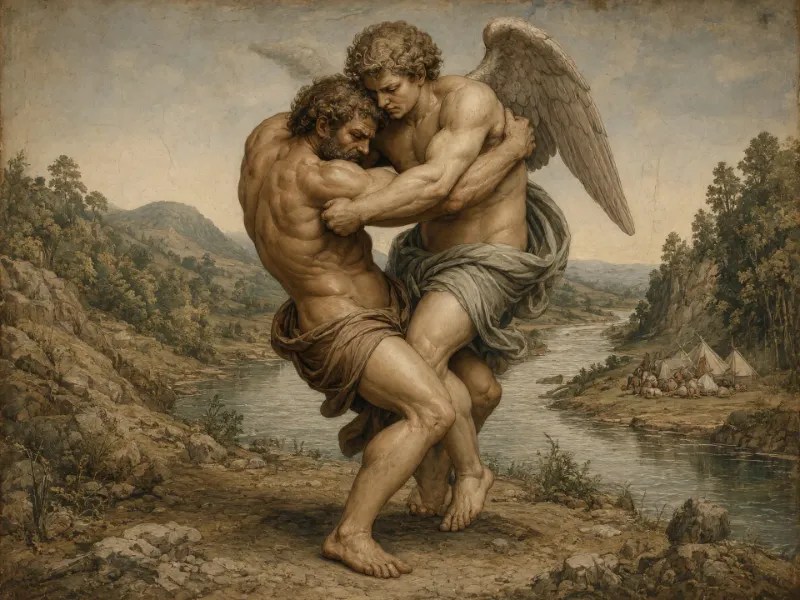
Acts 12:13-14
“Peter knocked at the outer entrance, and a servant named Rhoda came to answer the door. When she recognized Peter’s voice, she was so overjoyed she ran back without opening it and exclaimed, ‘Peter is at the door!’”
Reflection: An angel had just led Peter out of prison (verses 7-10), and he came to the house of Mary the mother of John, also called Mark, where “many people had gathered and were praying” (verse 12). Rhoda knew his voice and ran to tell them without opening the door. They answered, “You’re out of your mind.” When she kept insisting, they said, “It must be his angel” (verse 15), but Peter kept on knocking until they opened the door (verse 16). Acts calls her a paidiske, a feminine diminutive of pais that means a girl, and more specifically a female servant.
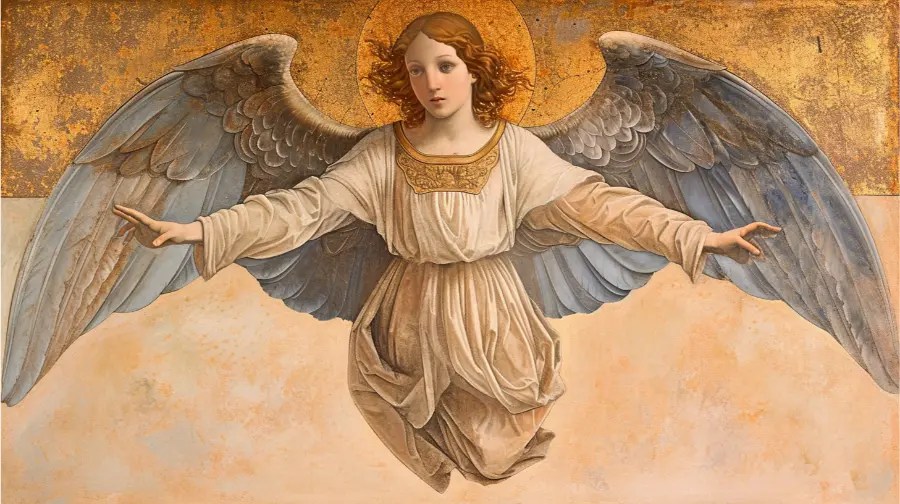
Esther 2:7
“Mordecai had a cousin named Hadassah, whom he had brought up because she had neither father nor mother. This young woman, who was also known as Esther, had a lovely figure and was beautiful. Mordecai had taken her as his own daughter when her father and mother died.”
Reflection: Esther’s cousin Mordecai, a Jew of the tribe of Benjamin living in the citadel of Susa (verse 5), brought her up after her parents died. The verse gives her two names, Hadassah and Esther. When the king’s edict was proclaimed, “many young women were brought to the citadel of Susa,” and Esther was taken to the palace with them (verse 8); on Mordecai’s instructions she did not reveal her nationality or family background (verse 10).
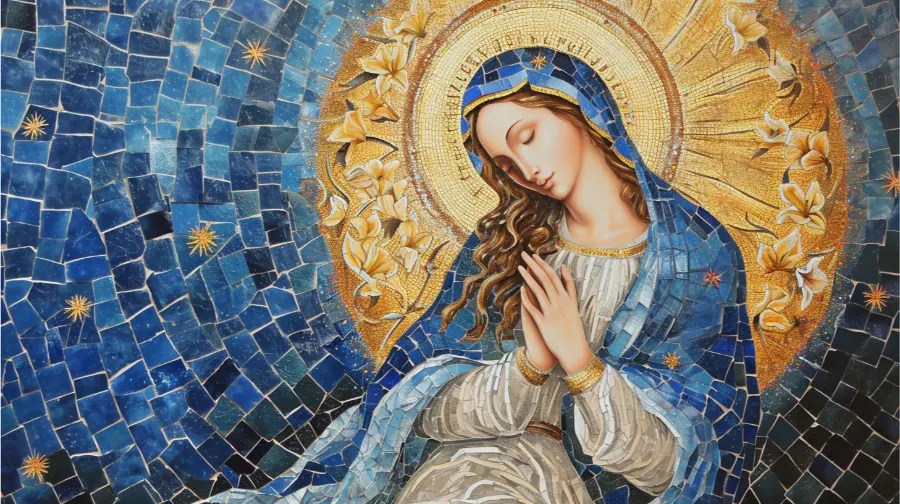
Esther 4:14
“And who knows but that you have come to your royal position for such a time as this?”
Reflection: By now Esther is queen (Esther 2:17). Mordecai sends this message after she has told him that anyone who goes to the king without being summoned is put to death unless the king holds out the gold scepter, and that she has not been called for thirty days (verse 11). He warns her that being in the king’s house will not save her, and that if she remains silent, “relief and deliverance for the Jews will arise from another place.” Her answer asks the Jews of Susa to fast for her for three days and ends, “And if I perish, I perish” (verse 16).


Leave a Reply