
 English
 Chinese
 Dutch
 Arabic
 Spanish
 Portuguese
 Russian
 French
 Italian
 German
 Japanese
Category 1: The Promise of a Prepared Place
These verses speak to the deep human need for security, home, and belonging. They frame heaven not as a vague cosmic ether, but as a place of intentional welcome and preparation.

John 14:2-3
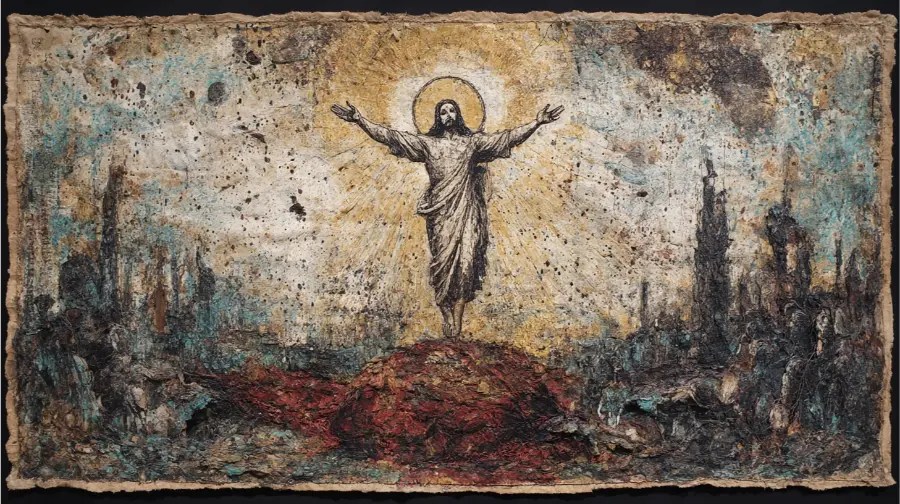
“In my Father’s house are many rooms. If it were not so, would I have told you that I go to prepare a place for you? And if I go and prepare a place for you, I will come again and will take you to myself, that where I am you may be also.”
Reflection: This promise is a profound anchor for the human heart, which so often feels adrift and homeless in a world of uncertainty. The idea that a specific place is being prepared for us, by Love itself, meets our deepest need for security and belonging. It transforms our fear of the unknown into a hopeful anticipation of being personally welcomed into a home where we are known and cherished.
Philippians 3:20
“But our citizenship is in heaven, and from it we await a Savior, the Lord Jesus Christ.”
Reflection: To feel like a foreigner is a deeply unsettling human experience. This verse reframes our entire identity, providing a stable sense of self that is not dependent on earthly approval or location. It assures us that our ultimate belonging is secure, giving us the moral courage and emotional resilience to navigate the challenges of this life as ambassadors of a better, more peaceful kingdom.

Hebrews 11:16
“But as it is, they desire a better country, that is, a heavenly one. Therefore God is not ashamed to be called their God, for he has prepared for them a city.”
Reflection: This speaks to the noble and universal longing for justice, for peace, for a ‘better country’ than the ones we see marred by conflict and failure. This desire is not a foolish fantasy but a God-given orientation. The knowledge that God has already constructed this ‘city’ validates our deepest moral aspirations and gives us a deep sense of purpose, knowing we are journeying toward a reality that fulfills them completely.
2 Corinthians 5:1
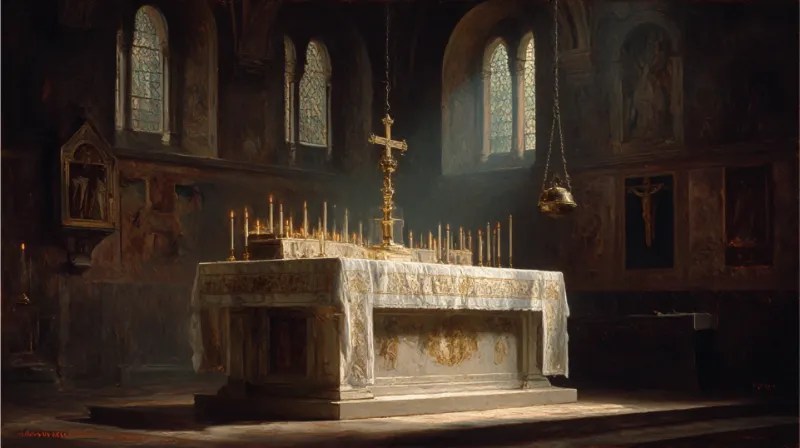
“For we know that if the earthly tent we live in is destroyed, we have a building from God, an eternal house in heaven, not built by human hands.”
Reflection: The feeling of our own fragility and mortality is a source of immense anxiety. This verse offers a powerful emotional reframe. It contrasts the temporary, vulnerable “tent” of our current existence with the permanence and security of a divine “building.” This provides a profound sense of hope and stability, assuring us that our core identity is not extinguishable but is destined for a state of unbreakable permanence and safety.
Psalm 23:6
“Surely goodness and mercy shall follow me all the days of my life, and I will dwell in the house of the LORD forever.”
Reflection: This is the ultimate resolution of a life lived in relationship with God. It extends the feeling of being pursued by love and goodness beyond the boundaries of this life into an eternal state of being. The idea of “dwelling” evokes a sense of settledness, peace, and permanent family. It is the final, comforting answer to the fear of being lost or abandoned, promising an eternity of secure and loving attachment.
Category 2: The End of All Suffering
These passages are a balm for the wounded soul, directly addressing the reality of pain, grief, and trauma and promising their utter and final abolition.

Revelation 21:4
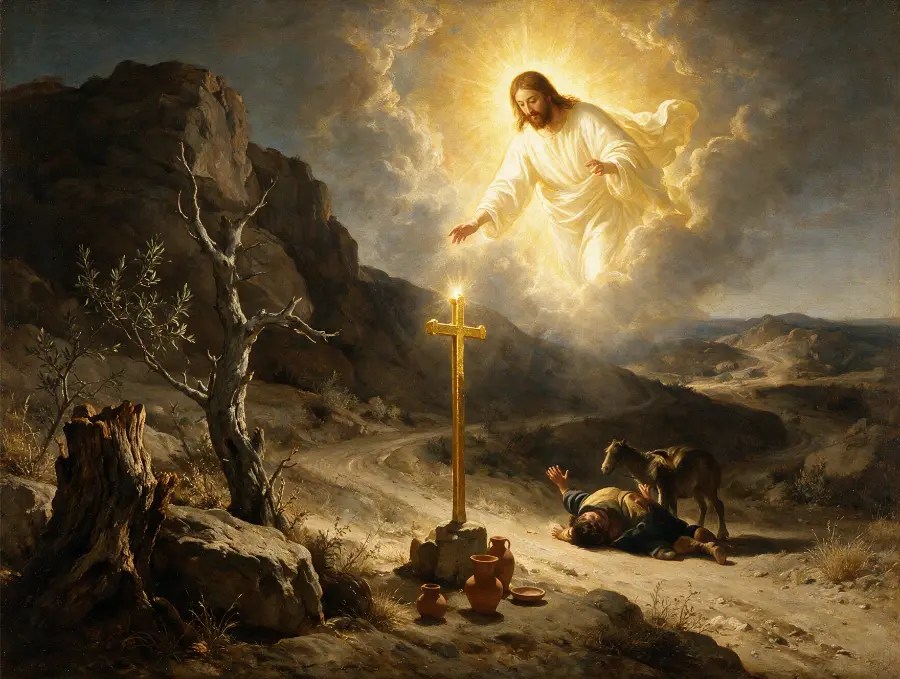
“He will wipe away every tear from their eyes, and death shall be no more, neither shall there be mourning, nor crying, nor pain anymore, for the former things have passed away.”
Reflection: Here is the ultimate answer to the trauma and grief that mark human existence. This isn’t a promise of learning to cope with our pain, but its complete and final erasure by the gentle hand of God. It provides a sacred destination for our tears, assuring us that every heartache has an expiration date and that a future of unhindered wholeness and peace awaits.
Isaiah 25:8
“He will swallow up death forever; and the Lord GOD will wipe away tears from all faces, and the reproach of his people he will take away from all the earth, for the LORD has spoken.”
Reflection: This powerful imagery addresses two of our deepest wounds: the fear of non-existence (‘swallowing up death’) and the pain of shame (‘take away reproach’). For anyone who has felt the sting of humiliation or the terror of mortality, this promise offers complete restoration. It speaks of a future where our dignity is fully restored and our greatest fear is rendered powerless.
Revelation 7:16-17
“They shall hunger no more, neither thirst anymore; the sun shall not strike them, nor any scorching heat. For the Lamb in the midst of the throne will be their shepherd, and he will guide them to springs of living water, and God will wipe away every tear from their eyes.”
Reflection: This passage speaks to the satisfaction of our most basic needs—both physical and emotional. The absence of hunger, thirst, and scorching heat symbolizes a state of perfect provision and safety. The image of the Lamb as a shepherd leading us to “springs of living water” powerfully illustrates a life where our deepest thirst for love, meaning, and peace is eternally quenched.

Isaiah 35:10
“And the ransomed of the LORD shall return and come to Zion with singing; everlasting joy shall be upon their heads; they shall obtain gladness and joy, and sorrow and sighing shall flee away.”
Reflection: This verse beautifully captures the emotional tone of heaven. It is not a stoic or somber place, but one filled with vibrant, expressive joy. For souls weary of a life where happiness is fleeting, the promise of “everlasting joy” is a profound comfort. The idea that sorrow and sighing will “flee away” presents a powerful image of liberation from the heavy emotional burdens we carry.
Revelation 14:13
“And I heard a voice from heaven saying, ‘Write this: Blessed are the dead who die in the Lord from now on.’ ‘Blessed indeed,’ says the Spirit, ‘that they may rest from their labors, for their deeds follow them!’”
Reflection: This provides a compassionate perspective on death for the faithful. It reframes it not as an end, but as a transition into a blessed rest. For the person who feels worn down by the toils and struggles of life, this promise of rest is deeply restorative. The assurance that our “deeds follow” also meets the human need for our lives to have had meaning and lasting significance.
Category 3: The Joy of God’s Presence
The ultimate reality of heaven is not just about a place or an absence of pain, but about a person. These verses highlight the relational core of eternal life: being in the unmediated, joyful presence of God.

1 Thessalonians 4:17
“And so we will always be with the Lord.”
Reflection: Within these seven simple words lies the resolution to humanity’s deepest fear: separation. So much of our anxiety and grief is rooted in the pain of being separated from those we love, and ultimately, from our Creator. This promise offers the ultimate secure attachment. It is the core of heavenly joy—not just a change in location, but an unbreakable, eternal state of togetherness with Love itself.
Psalm 16:11
“You make known to me the path of life; in your presence there is fullness of joy; at your right hand are pleasures forevermore.”
Reflection: This verse describes a state of complete and utter flourishing. It connects God’s presence directly with “fullness of joy,” suggesting that true, unadulterated happiness is a relational experience. It counters the worldly notion that pleasure is finite or leads to emptiness. Here, joy and pleasure are presented as infinite and pure because they flow directly from the source of all goodness.
1 Corinthians 13:12
“For now we see in a mirror dimly, but then face to face. Now I know in part; then I shall know fully, even as I have been fully known.”
Reflection: This speaks to the deep human frustration of incomplete understanding and the pain of being misunderstood. It promises a future of perfect clarity and relational intimacy. The relief of being able to “know fully” without distortion, and the profound security of being “fully known” and yet perfectly loved, is the fulfillment of our deepest relational and intellectual longings.
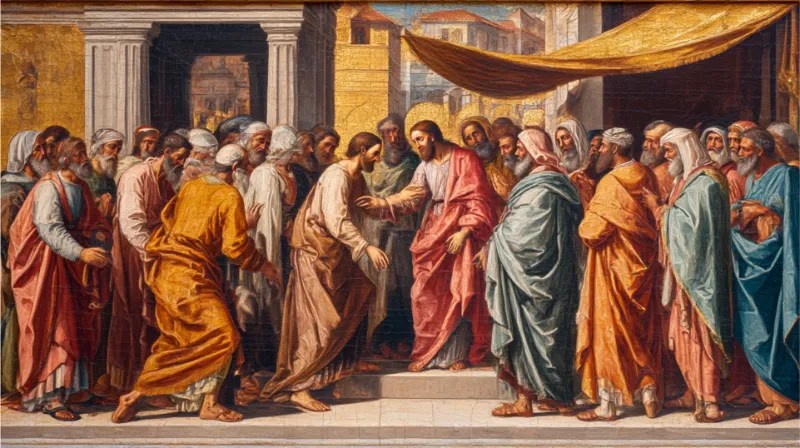
1 John 3:2
“Beloved, we are God’s children now, and what we will be has not yet appeared; but we know that when he appears we shall be like him, because we shall see him as he is.”
Reflection: This verse holds a powerful key to personal transformation. It suggests that the ultimate healing of our character flaws and brokenness comes from direct exposure to the presence of God. The act of “seeing him as he is” has a purifying, restorative effect, making us “like him.” It is a hope that we will not only be with Goodness, but that we will be made wholly good ourselves.
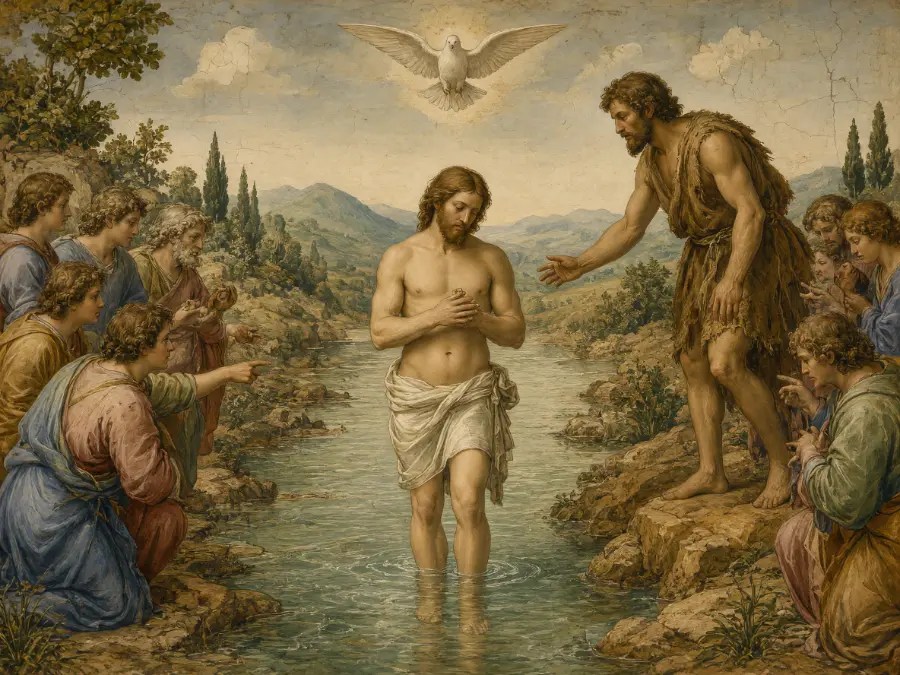
Revelation 22:4
“They will see his face, and his name will be on their foreheads.”
Reflection: In ancient cultures, to see the face of a king was to have access and favor. To see God’s face is the ultimate expression of intimacy and acceptance. His name on our foreheads is a mark of belonging and identity. It is a powerful symbol that erases all insecurity and shame, declaring to the universe that we are His, known, cherished, and forever part of His family.
Category 4: A New, Glorified Reality
These Scriptures describe a complete renewal of creation, including our own bodies. They speak to our desire for wholeness, restoration, and a world set right.

2 Peter 3:13
“But according to his promise we are waiting for new heavens and a new earth in which righteousness dwells.”
Reflection: This promise meets the profound human ache for justice. We live in a world where wrongdoing often seems to triumph. The vision of a new creation defined by “righteousness” is not just wishful thinking; it is a moral anchor. It assures us that the universe’s final state is one of perfect justice, fairness, and moral beauty, which gives meaning to our present struggles for what is right.
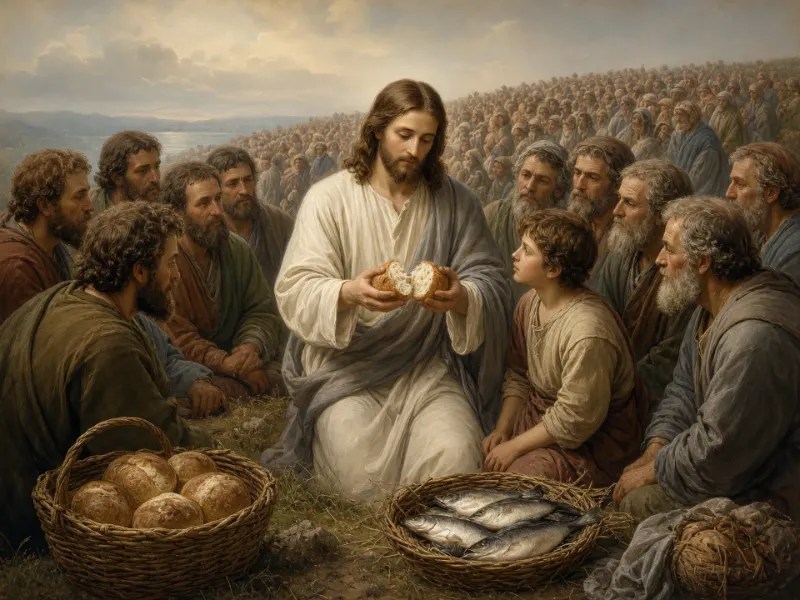
Revelation 21:1
“Then I saw a new heaven and a new earth, for the first heaven and the first earth had passed away, and the sea was no more.”
Reflection: This signifies a complete and total reset. The “first earth,” with all its history of trauma, violence, and decay, is gone. For the ancients, the sea often symbolized chaos and separation. Its absence points to a new reality of perfect order, safety, and unity. It’s a hope for a truly fresh start, unburdened by the scars of the past.
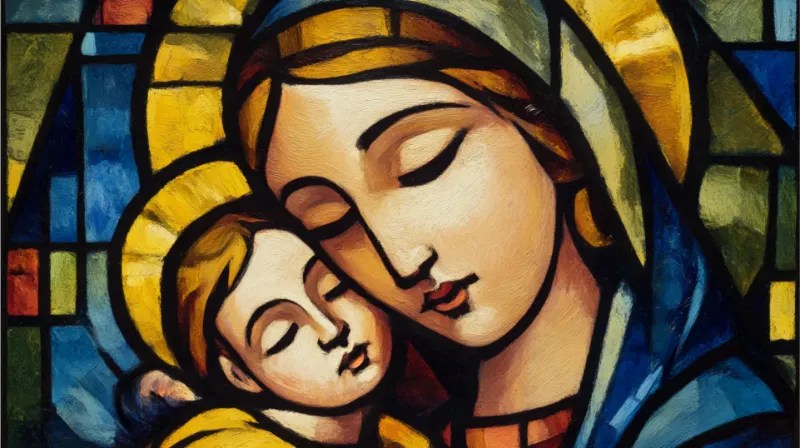
Philippians 3:21
“[He] will transform our lowly body to be like his glorious body, by the power that enables him even to subject all things to himself.”
Reflection: Our physical bodies are sources of both joy and immense suffering through sickness, aging, and disability. This verse speaks directly to that vulnerability. It promises not an escape from embodiment, but the transformation of it. The hope of a “glorious body,” free from pain and decay, provides immense comfort and reframes our relationship with our physical selves, seeing them not as prisons but as precursors to something wonderful.

1 Corinthians 15:52-53
“in a moment, in the twinkling of an eye, at the last trumpet. For the trumpet will sound, and the dead will be raised imperishable, and we shall be changed. For this perishable body must put on the imperishable, and this mortal body must put on immortality.”
Reflection: This passage addresses the primal fear of death and decay with a triumphant declaration of transformation. The language of ‘perishable’ putting on ‘imperishable’ offers a powerful psychological reversal. It asserts that our fundamental nature is not fragile and doomed to end, but is destined for an upgrade to permanence and vitality. This fosters a resilient hope that overrides the dread of our own mortality.

Isaiah 65:17
“For behold, I create new heavens and a new earth, and the former things shall not be remembered or come into mind.”
Reflection: This is a promise of ultimate healing from psychological trauma and painful memories. The idea that the sources of our deepest anguish “shall not be remembered or come into mind” is not about a forced amnesia, but about a healing so complete that the past loses its power to wound us. It offers hope for a mental and emotional landscape of pure peace, unmarred by intrusive thoughts or past grief.
Category 5: Our Eternal Purpose and Reward
These verses show that heaven is not a static state of passive retirement, but a dynamic existence filled with purpose, joy, and meaningful co-regency with God.
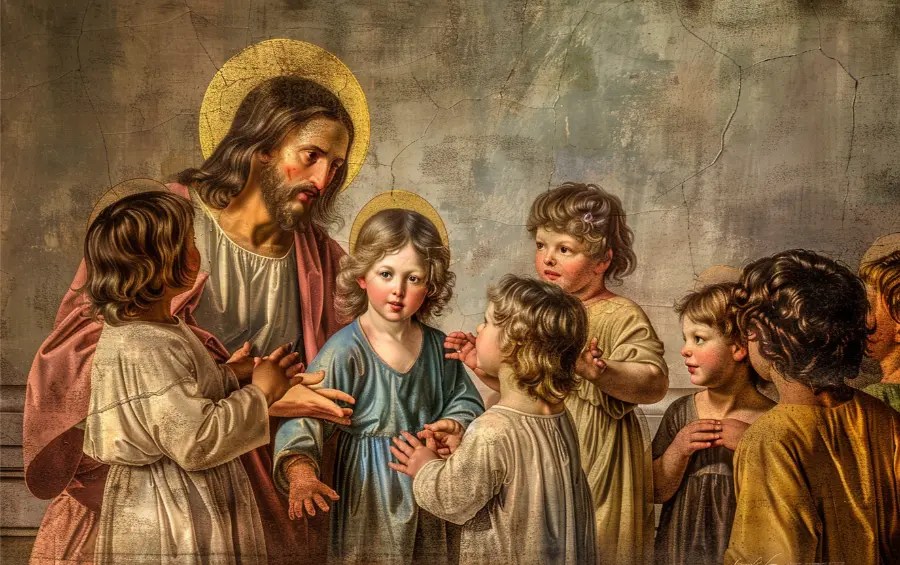
Matthew 25:21
“His master said to him, ‘Well done, good and faithful servant. You have been faithful over a little; I will set you over much. Enter into the joy of your master.’”
Reflection: This speaks to the deep human need for affirmation and for our life’s work to be seen and valued. The words “Well done” are a powerful fulfillment of this need. The promise is not just one of rest, but of increased responsibility and shared joy. It frames our eternal life as a promotion, an entrance into a deeper, more joyful partnership with God, which gives our present faithfulness a profound sense of purpose.

2 Timothy 4:8
“Henceforth there is laid up for me the crown of righteousness, which the Lord, the righteous judge, will award to me on that day, and not only to me but also to all who have loved his appearing.”
Reflection: The “crown of righteousness” is a potent symbol of vindication and honor. For anyone who has felt unjustly judged, misunderstood, or has struggled to do the right thing in a world that doesn’t reward it, this is a promise of ultimate justice. It assures us that our moral strivings are seen and will be publicly honored by the only Judge whose opinion truly matters.
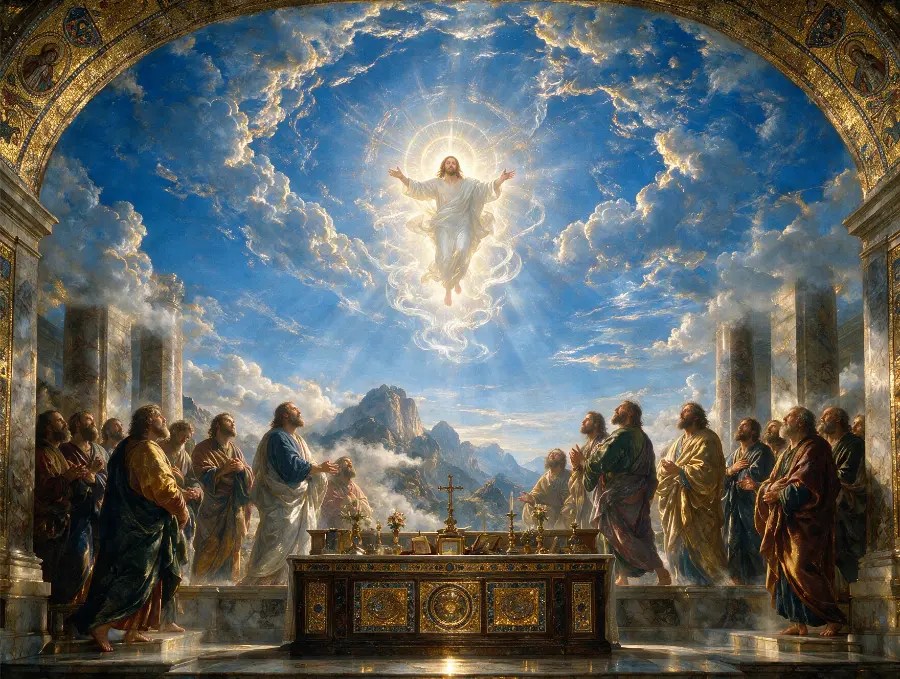
Daniel 12:3
“And those who are wise shall shine like the brightness of the sky above; and those who turn many to righteousness, like the stars forever and ever.”
Reflection: This beautiful imagery speaks to our desire for significance and a lasting, positive impact. The promise isn’t just one of receiving light, but of becoming a source of light ourselves. It suggests that in eternity, our true, restored nature will have a radiant and beautiful quality, and that the good we have done will become a permanent part of our identity, shining with eternal significance.
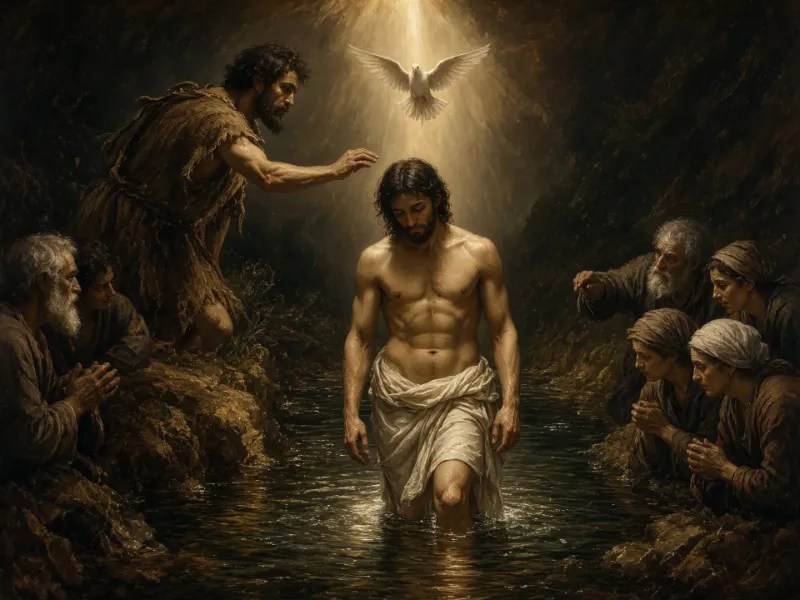
Revelation 22:5
“And night will be no more. They will need no light of lamp or sun, for the Lord God will be their light, and they will reign for ever and ever.”
Reflection: The absence of night dispels all fear associated with darkness, ignorance, and hidden dangers. But the true emotional weight lies in the final clause: “they will reign for ever and ever.” This is the ultimate empowerment. It counters every feeling of helplessness and victimhood we experience in this life. It promises a future where we are no longer subject to the chaotic whims of the world, but are secure, authoritative co-regents in a kingdom of light and love.


Leave a Reply