
 English
 Chinese
 Dutch
 Arabic
 Spanish
 Portuguese
 Russian
 French
 Italian
 German
 Japanese
The Bible gives hopelessness a voice in Job, the prophets and the psalms. Job curses the day he was born (Job 3:11), Elijah asks to die (1 Kings 19:4), Psalm 88 ends in darkness, and the exiles in Ezekiel 37:11 say “our hope is gone.”
Other passages set against it a hope that rests on what God has done and promised. Lamentations 3:21 follows “all that I had hoped from the Lord” with “Yet this I call to mind and therefore I have hope,” Paul writes that he “despaired of life itself” and then “set our hope” on God (2 Corinthians 1:8-10), and Hebrews 6:19 calls hope “an anchor for the soul.”
When a servant of God has had enough
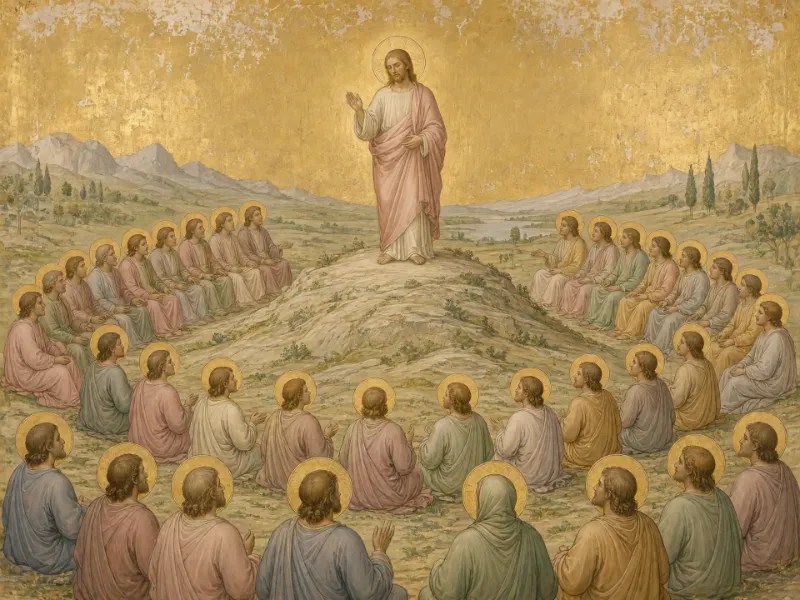
Job 3:11
“Why did I not perish at birth, and die as I came from the womb?”
Reflection: The chapter opens, “Job opened his mouth and cursed the day of his birth” (Job 3:1). He wishes he had died as he came from the womb, because then he “would be lying down in peace” (3:13). The speech ends, “I have no peace, no quietness; I have no rest, but only turmoil” (3:26).
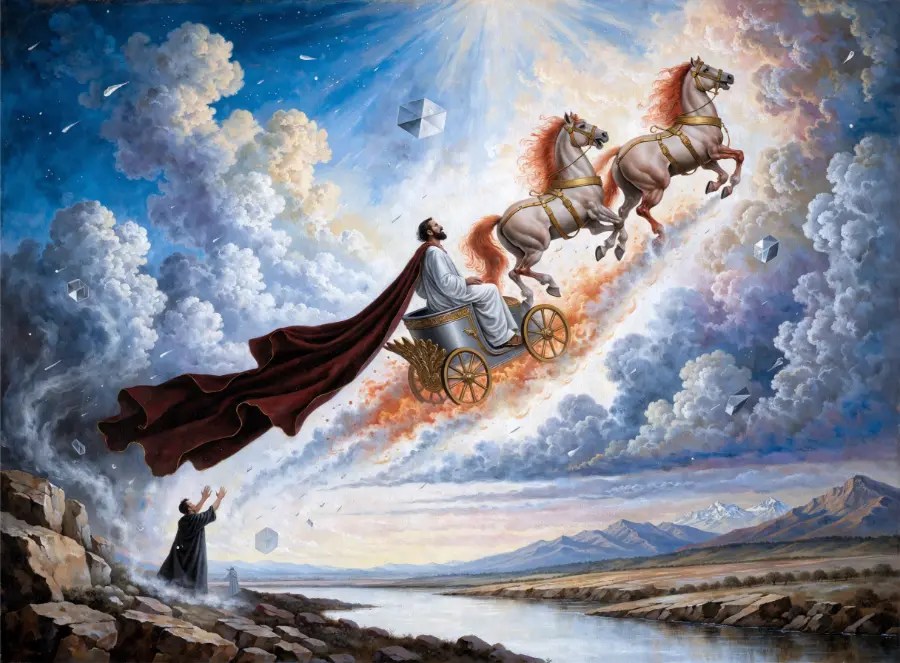
Jeremiah 20:14
“Cursed be the day I was born! May the day my mother bore me not be blessed!”
Reflection: The curse follows straight after a line of praise: “Sing to the Lord! Give praise to the Lord! He rescues the life of the needy” (Jeremiah 20:13). Jeremiah has been mocked “all day long” for the message he was given, yet he cannot keep quiet, because the word is “like a fire, a fire shut up in my bones” (20:8-9). The chapter closes on his question, “Why did I ever come out of the womb to see trouble and sorrow and to end my days in shame?” (20:18).
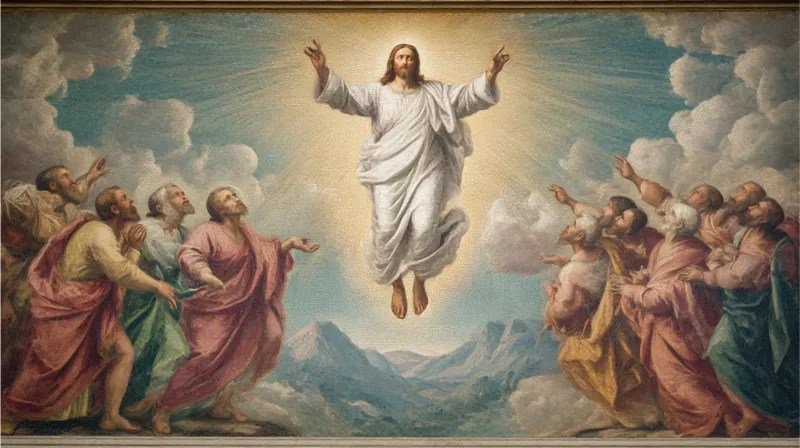
1 Kings 19:4
“…while he himself went a day’s journey into the wilderness. He came to a broom bush, sat down under it and prayed that he might die. ‘I have had enough, Lord,’ he said. ‘Take my life; I am no better than my ancestors.’”
Reflection: Elijah has just had the prophets of Baal killed, and Queen Jezebel swears to take his life by the next day (1 Kings 19:1-2). He runs to Beersheba, goes a day further into the wilderness alone, and asks God to take his life. The answer in the next verses is bread, water and sleep: an angel tells him twice to get up and eat, adding the second time, “for the journey is too much for you” (19:7), and the food carries him forty days to Horeb.
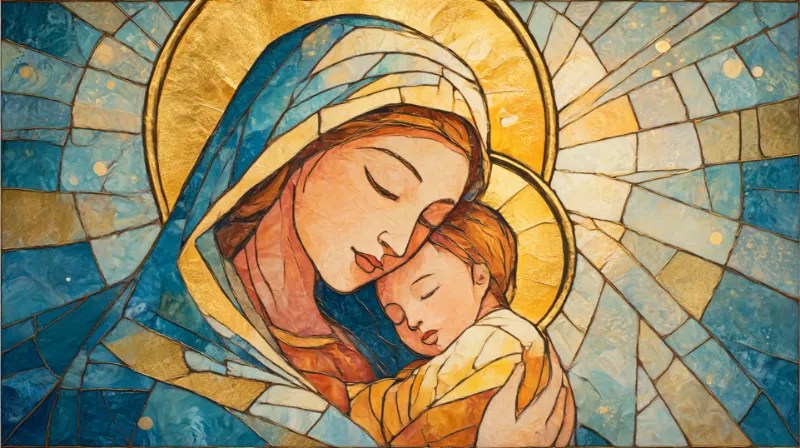
2 Corinthians 1:8
“We do not want you to be uninformed, brothers and sisters, about the troubles we experienced in the province of Asia. We were under great pressure, far beyond our ability to endure, so that we despaired of life itself.”
Reflection: Paul tells the Corinthians about troubles in the province of Asia so severe that “we felt we had received the sentence of death” (2 Corinthians 1:9). He gives the purpose he sees in it: “that we might not rely on ourselves but on God, who raises the dead.” Verse 10 moves from past to future: “He has delivered us from such a deadly peril, and he will deliver us again. On him we have set our hope that he will continue to deliver us.”
Complaints addressed to God
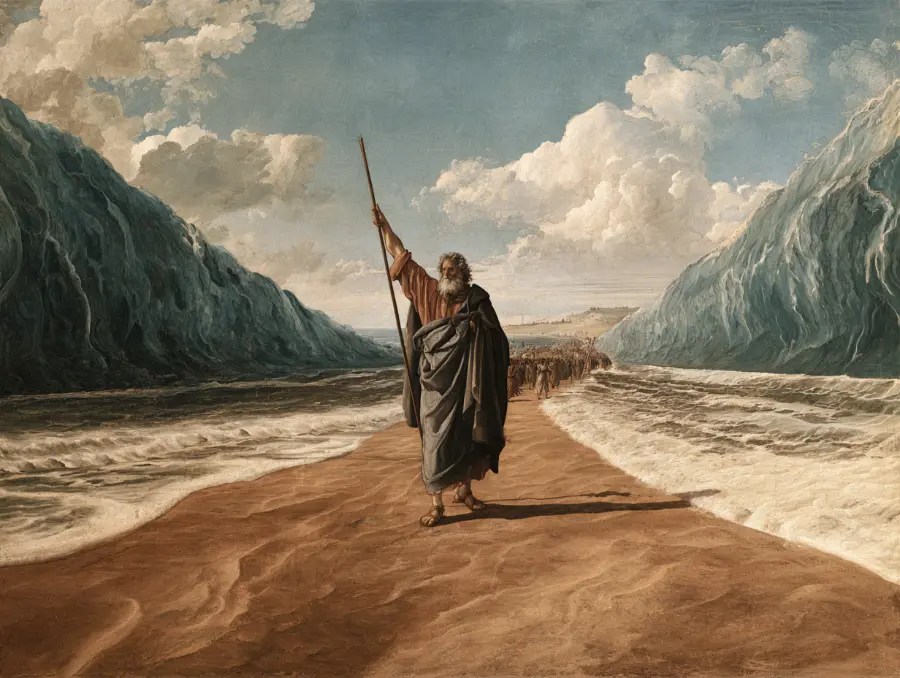
Psalm 13:1-2
“How long, Lord? Will you forget me forever? How long will you hide your face from me? How long must I wrestle with my thoughts and day after day have sorrow in my heart? How long will my enemy triumph over me?”
Reflection: David asks “How long?” four times in two verses, about God’s forgetting, God’s hidden face, his own thoughts and his enemy. The psalm then asks God to “give light to my eyes, or I will sleep in death” (13:3). Its last two verses turn to trust: “But I trust in your unfailing love; my heart rejoices in your salvation” (13:5).
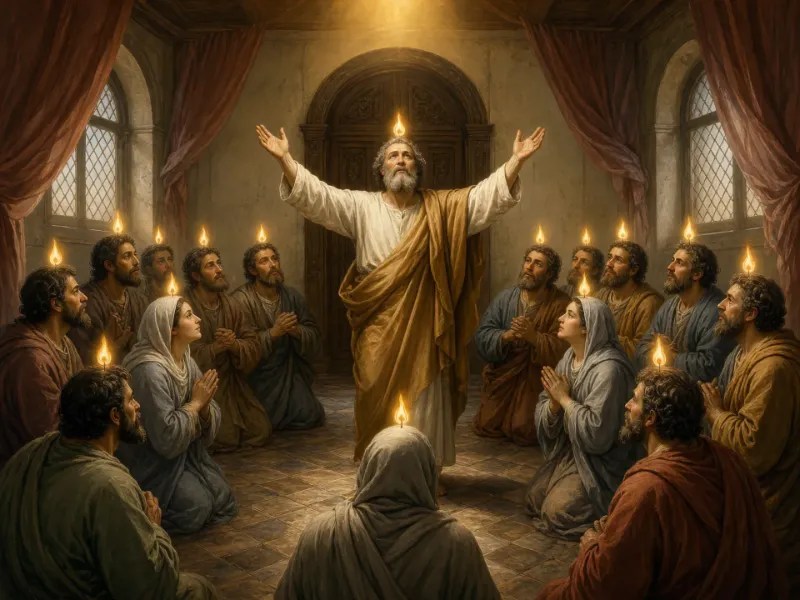
Psalm 22:1
“My God, my God, why have you forsaken me? Why are you so far from saving me, so far from my cries of anguish?”
Reflection: The psalm opens with a question put to God, and verse 2 adds that David cries out by day and is not answered, and by night finds no rest. Matthew 27:46 records Jesus crying out from the cross, “Eli, Eli, lema sabachthani?”, and translates it with this line. Later in the psalm the speaker praises God in the assembly because “he has not hidden his face from him but has listened to his cry for help” (22:24).
Psalm 88:18
“You have taken from me friend and neighbor—darkness is my closest friend.”
Reflection: This is the last line of Psalm 88, a psalm of Heman the Ezrahite. Heman prays “day and night” (88:1) and says, “I have borne your terrors and am in despair” (88:15). Unlike Psalm 13 and Psalm 22, it contains no turn to praise; it is addressed to God from its first word, “Lord, you are the God who saves me,” to its last.
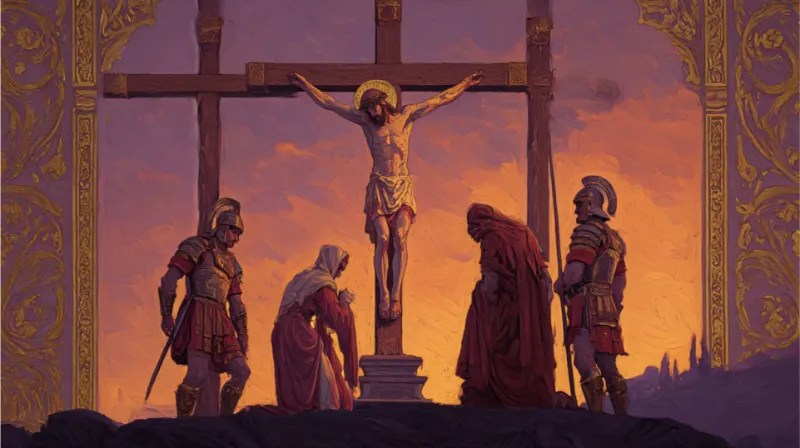
Lamentations 3:17-18
“I have been deprived of peace; I have forgotten what prosperity is. So I say, ‘My splendor is gone and all that I had hoped from the Lord.’”
Reflection: The speaker of Lamentations 3 describes God’s hand against him: walled in, weighed down with chains, his prayers shut out (Lamentations 3:7-8). In verse 18 he says aloud that his hope from the Lord is gone. He adds in verse 20 that he remembers his affliction and “my soul is downcast within me.”
Where the turn comes
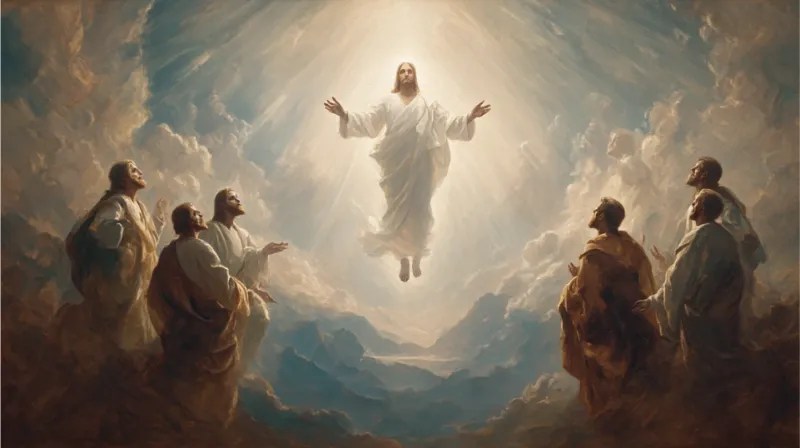
Lamentations 3:21-23
“Yet this I call to mind and therefore I have hope: Because of the Lord’s great love we are not consumed, for his compassions never fail. They are new every morning; great is your faithfulness.”
Reflection: In verse 21 the speaker’s hope comes from what he calls to mind: the Lord’s love and compassion, which “are new every morning.” He goes on, “The Lord is my portion; therefore I will wait for him” (3:24), and “no one is cast off by the Lord forever” (3:31).
Psalm 42:11
“Why, my soul, are you downcast? Why so disturbed within me? Put your hope in God, for I will yet praise him, my Savior and my God.”
Reflection: The psalmist speaks to his own soul here, and the same refrain appears in verse 5. Before the first refrain, his tears have been his food while people ask, “Where is your God?” (42:3). Before the second, he asks God, “Why have you forgotten me?” and the taunt comes again (42:9-10).
Psalm 77:11-12
“I will remember the deeds of the Lord; yes, I will remember your miracles of long ago. I will consider all your works and meditate on all your mighty deeds.”
Reflection: Asaph begins the psalm unable to sleep or speak, asking, “Will the Lord reject forever? … Has his promise failed for all time?” (Psalm 77:7-8). In verse 10 he decides to appeal to “the years when the Most High stretched out his right hand,” and verses 11-12 follow from that decision. The deed he names in verse 15 is the redemption of “the descendants of Jacob and Joseph.”
Habakkuk 3:17-18
“Though the fig tree does not bud and there are no grapes on the vines, though the olive crop fails and the fields produce no food, though there are no sheep in the pen and no cattle in the stalls, yet I will rejoice in the Lord, I will be joyful in God my Savior.”
Reflection: Habakkuk’s prayer opens, “Lord, I have heard of your fame; I stand in awe of your deeds” (Habakkuk 3:2). By verse 16 his heart pounds and his legs tremble at what he has heard, yet he will “wait patiently for the day of calamity to come on the nation invading us.” He then lists a failed harvest: figs, grapes, olives, fields, flocks and herds, and still says he will rejoice in God. The next verse calls “the Sovereign Lord” his strength, and the chapter ends with a direction for the music director and stringed instruments.
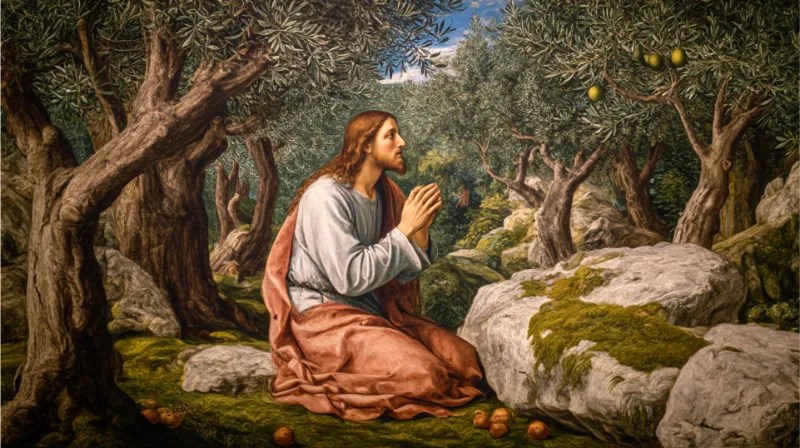
Job 19:25
“I know that my redeemer lives, and that in the end he will stand on the earth.”
Reflection: Job says this in the middle of his losses, two chapters after asking, “Where then is my hope?” (Job 17:15). Just before it he wishes his words could be “engraved in rock forever” (19:24). He goes on to say, “after my skin has been destroyed, yet in my flesh I will see God” (19:26).
Promises to a people in exile
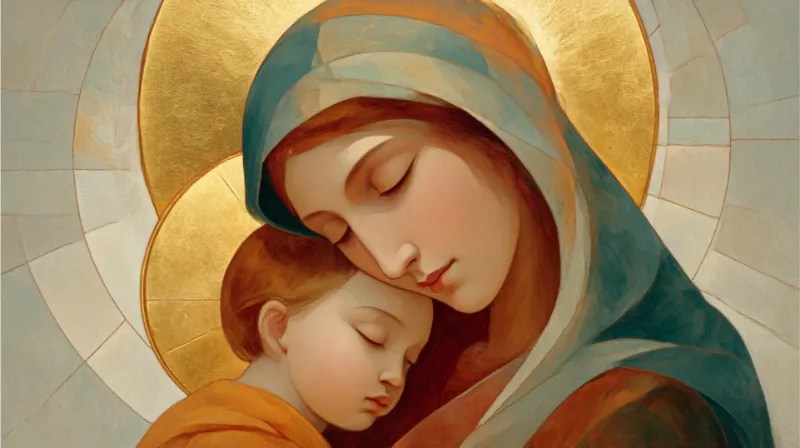
Ezekiel 37:11
“Then he said to me: ‘Son of man, these bones are the people of Israel. They say, ‘Our bones are dried up and our hope is gone; we are cut off.’’”
Reflection: Ezekiel has seen a valley of very dry bones come together and breathe (Ezekiel 37:1-10). God then explains the vision: the bones are the people of Israel, and this is what they are saying. The reply is a promise to open their graves, put God’s Spirit in them and settle them in their own land (37:12-14).
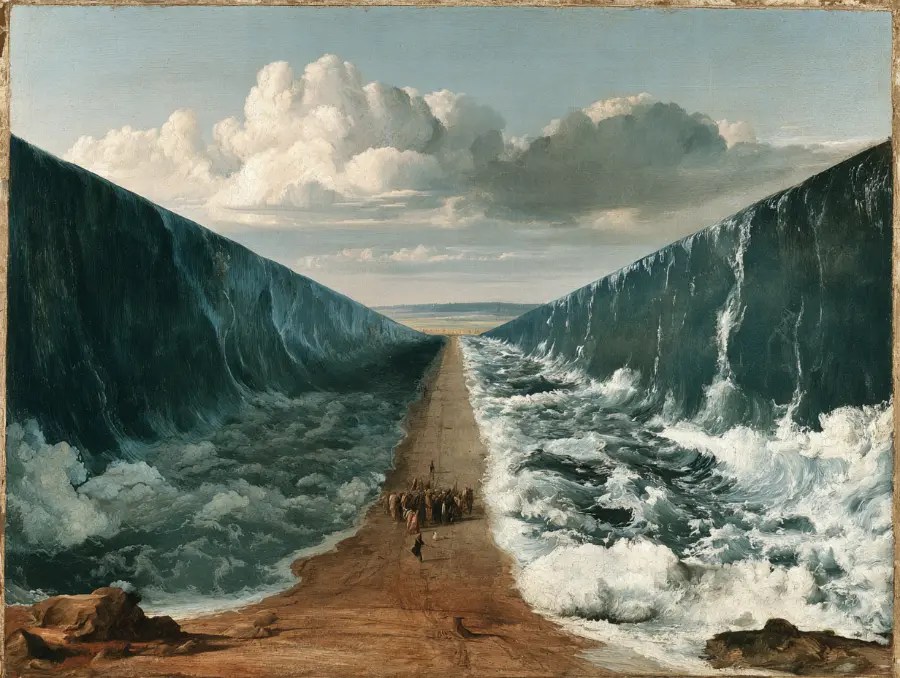
Jeremiah 29:11
“‘For I know the plans I have for you,’ declares the Lord, ‘plans to prosper you and not to harm you, plans to give you hope and a future.’”
Reflection: The verse is part of a letter Jeremiah sent from Jerusalem to the people carried into exile in Babylon (Jeremiah 29:1). The same letter tells them to build houses, plant gardens and seek the peace of the city they were taken to, and it places the return “when seventy years are completed for Babylon” (29:10). The hope and future are promised to the nation, after a long wait: “I will gather you from all the nations … and will bring you back to the place from which I carried you into exile” (29:14).
Hope in the New Testament
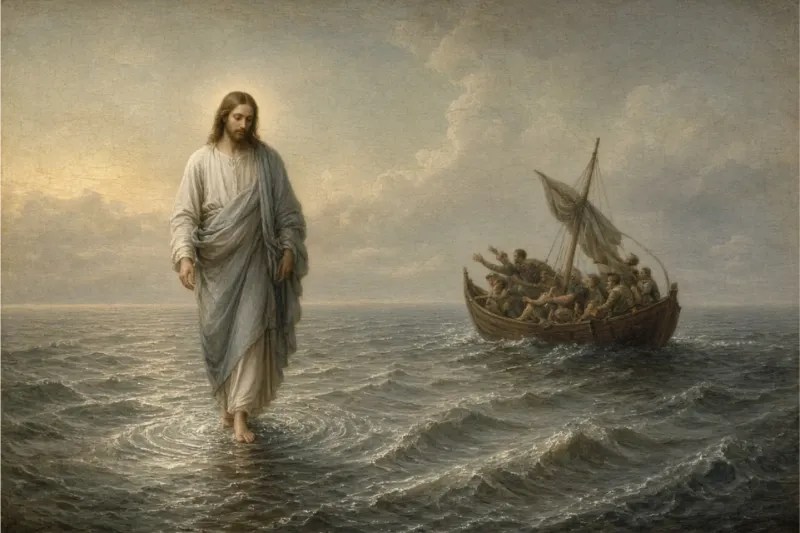
Ephesians 2:12
“remember that at that time you were separate from Christ, excluded from citizenship in Israel and foreigners to the covenants of the promise, without hope and without God in the world.”
Reflection: Paul describes the former state of Gentile believers as “without hope and without God in the world,” joining the two. Verse 13 gives the change: “But now in Christ Jesus you who once were far away have been brought near by the blood of Christ.”
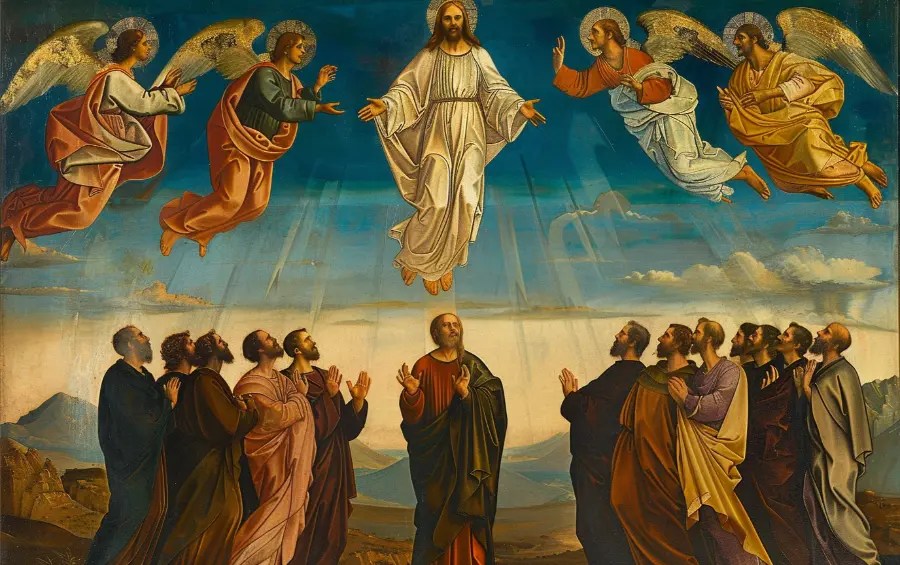
2 Corinthians 4:8-9
“We are hard pressed on every side, but not crushed; perplexed, but not in despair; persecuted, but not abandoned; struck down, but not destroyed.”
Reflection: The four pairs describe Paul and his fellow workers, who carry “this treasure in jars of clay to show that this all-surpassing power is from God and not from us” (2 Corinthians 4:7). A few verses later he writes, “Therefore we do not lose heart. Though outwardly we are wasting away, yet inwardly we are being renewed day by day” (4:16).
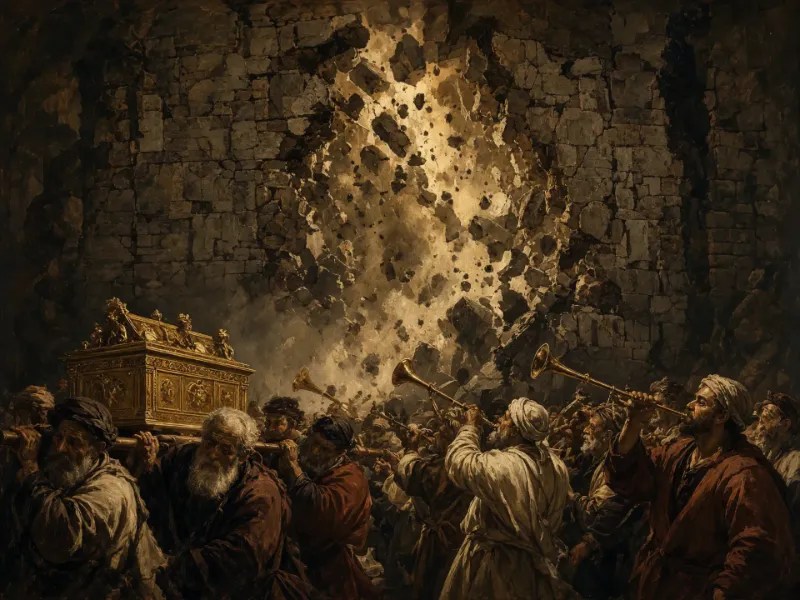
Romans 5:3-5
“Not only so, but we also glory in our sufferings, because we know that suffering produces perseverance; perseverance, character; and character, hope. And hope does not put us to shame, because God’s love has been poured out into our hearts through the Holy Spirit, who has been given to us.”
Reflection: Paul places suffering at the start of a chain that ends in hope, and the chain follows from peace with God through faith (Romans 5:1-2). He gives the reason hope “does not put us to shame”: God’s love has been poured into believers’ hearts by the Holy Spirit.
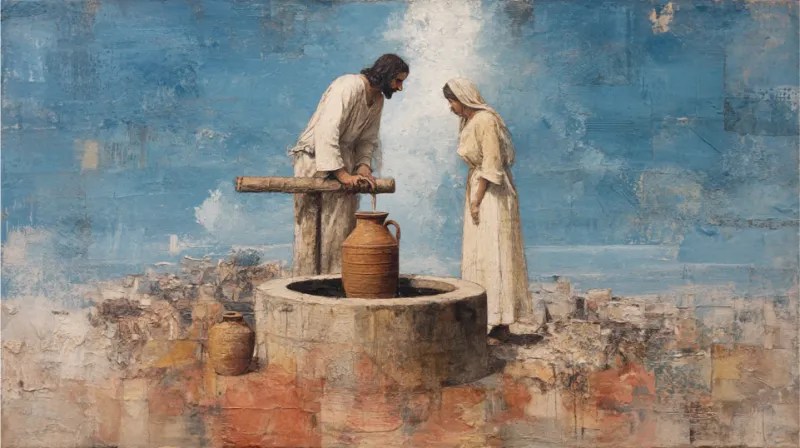
Romans 8:24-25
“For in this hope we were saved. But hope that is seen is no hope at all. Who hopes for what they already have? But if we hope for what we do not yet have, we wait for it patiently.”
Reflection: Paul has just said that the whole creation groans “as in the pains of childbirth” and that believers “groan inwardly” as they wait for “the redemption of our bodies” (Romans 8:22-23). Hope in this passage is for what has not yet arrived, and the posture it asks for is patient waiting.
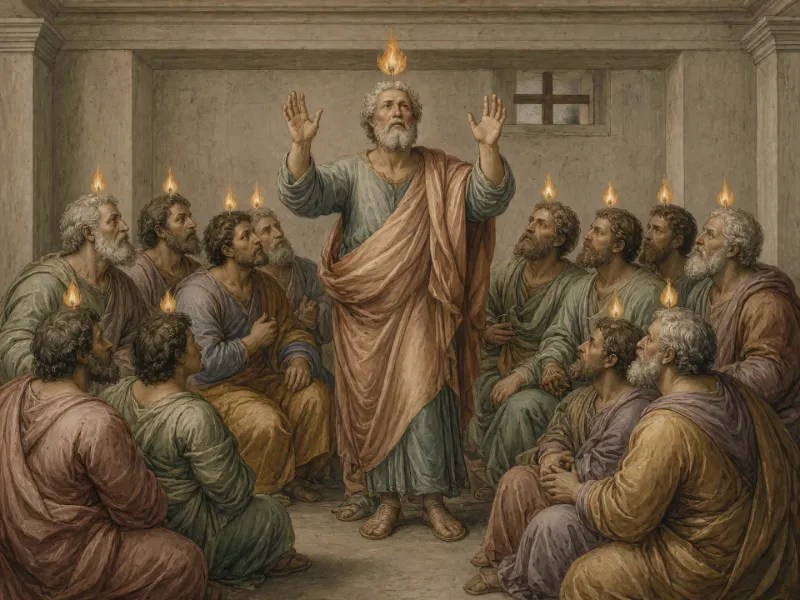
Hebrews 6:19
“We have this hope as an anchor for the soul, firm and secure. It enters the inner sanctuary behind the curtain.”
Reflection: The hope here rests on God’s promise to Abraham, which God confirmed with an oath, “two unchangeable things in which it is impossible for God to lie” (Hebrews 6:17-18). The hope “enters the inner sanctuary behind the curtain, where our forerunner, Jesus, has entered on our behalf” (6:19-20).
Romans 15:13
“May the God of hope fill you with all joy and peace as you trust in him, so that you may overflow with hope by the power of the Holy Spirit.”
Reflection: Paul’s wish for the Roman church comes straight after a string of Old Testament quotations, the last from Isaiah: “in him the Gentiles will hope” (Romans 15:12). Earlier in the chapter he says the Scriptures were written “so that through the endurance taught in the Scriptures and the encouragement they provide we might have hope” (15:4). In verse 13 God fills them “with all joy and peace” as they trust, and hope is what overflows “by the power of the Holy Spirit.”
A verse for how you feel
Choose how you feel today and read a verse from Scripture.
But if we hope for what we do not yet see, we wait for it patiently.
Get a verse each week
Thank you. Your first verse is on its way.
If nothing arrives in a few minutes, look in your spam or promotions folder.
Keep this for another day. A verse for how you feel has a page of its own, with our verses for each feeling.
Each verse is quoted from the Berean Standard Bible.
Praying the complaints as written
Psalm 13, Psalm 22 and Psalm 88 open as prayers addressed to God and can be prayed as written. Psalm 13 ends by speaking of God as one who “has been good to me,” and Psalm 22 turns to praise God in the assembly (22:22). Psalm 88 is addressed to God to its last line, “darkness is my closest friend,” and records no turn.
Matthew 27:46 records Jesus praying the first line of Psalm 22 from the cross. Psalm 42:11 is spoken to the psalmist’s own soul rather than to God, and in Lamentations 3:24 the speaker reasons with himself: “I say to myself, ‘The Lord is my portion; therefore I will wait for him.’”


Leave a Reply