
 English
 Chinese
 Dutch
 Arabic
 Spanish
 Portuguese
 Russian
 French
 Italian
 German
 Japanese
In the Bible, Israel is the name God gives to one man, and then to the nation that comes from him. Jacob receives the name in Genesis 32:28, and Deuteronomy 7:6 calls his descendants a people God chose “for his treasured possession.”
The Old Testament follows that nation from the promise to Abraham (Genesis 12:2-3) through exile (2 Chronicles 36:20-21), the return under Cyrus (Ezra 1:1-3) and the new covenant promised to “the house of Israel and the house of Judah” (Jeremiah 31:31). In the New Testament, Paul asks outright, “has God rejected his people?” and answers “By no means!” (Romans 11:1).
Where the name and the nation come from
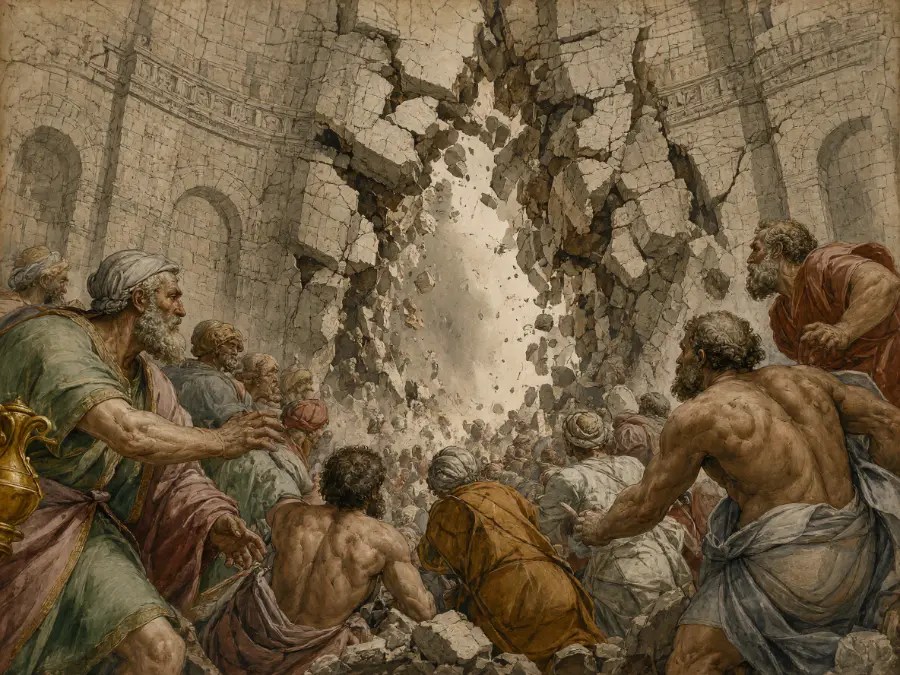
Genesis 32:28
“Your name shall no longer be called Jacob, but Israel, for you have striven with God and with men, and have prevailed.”
Reflection: Jacob wrestles with a man through the night after crossing the ford of the Jabbok, and refuses to let go until he is blessed (32:22-26). The man gives him a new name and the reason for it in the same sentence: he has “striven with God and with men, and … prevailed.” The name then passes to the people descended from him.
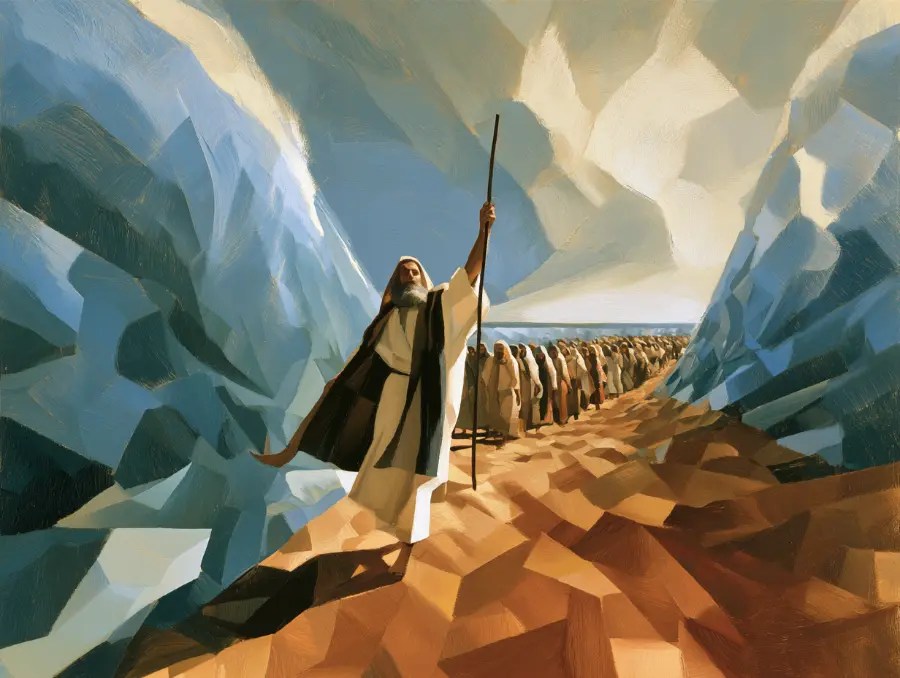
Genesis 12:2-3
“And I will make of you a great nation, and I will bless you and make your name great, so that you will be a blessing. I will bless those who bless you, and him who dishonors you I will curse, and in you all the families of the earth shall be blessed.”
Reflection: God speaks these words to Abram when he tells him to leave his country and his father’s house (12:1). The promise has three parts: a great nation, a great name, and a blessing that reaches “all the families of the earth.” When Abram reaches Canaan, God adds the land: “To your offspring I will give this land” (12:7). Paul quotes the last line of verse 3 in Galatians 3:8, calling it the gospel “preached … beforehand to Abraham.”
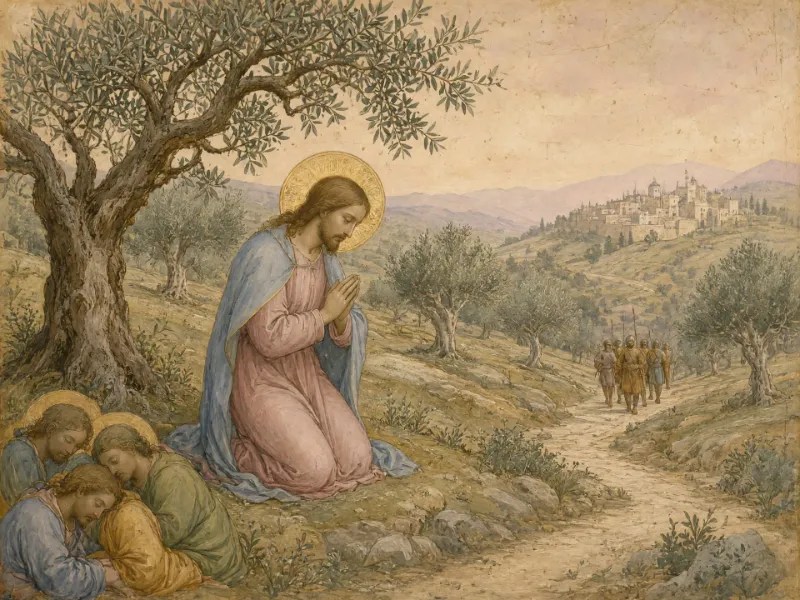
Deuteronomy 7:6
“For you are a people holy to the Lord your God. The Lord your God has chosen you to be a people for his treasured possession, out of all the peoples who are on the face of the earth.”
Reflection: Moses tells Israel they are chosen as God’s “treasured possession” as they are about to enter a land held by “seven nations more numerous and mightier than you” (7:1). The next verses rule out size as the reason for the choice: Israel was “the fewest of all peoples,” and God chose them because he loved them and was “keeping the oath that he swore to your fathers” (7:7-8).
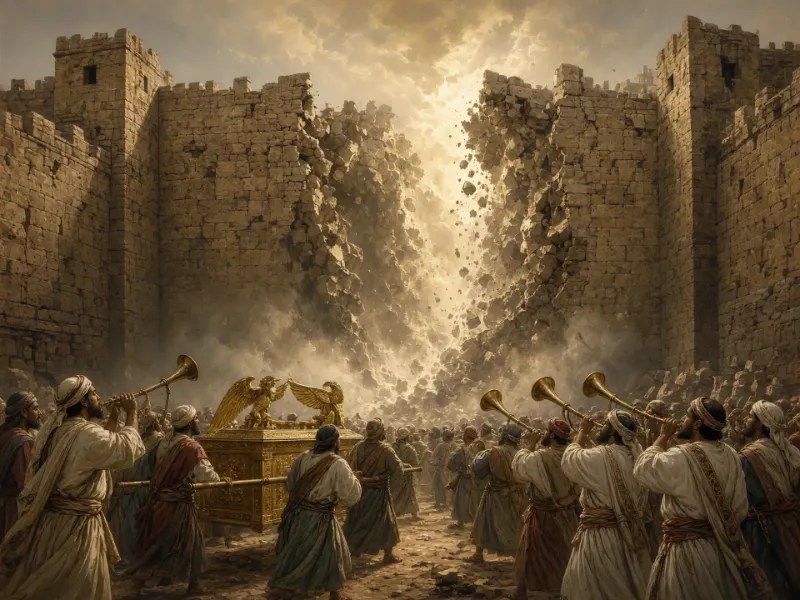
Psalm 105:8-11
“He remembers his covenant forever, the word that he commanded, for a thousand generations, the covenant that he made with Abraham, his sworn promise to Isaac, which he confirmed to Jacob as a statute, to Israel as an everlasting covenant, saying, ‘To you I will give the land of Canaan as your portion for an inheritance.’”
Reflection: The psalm traces one sworn promise through three generations: made with Abraham, sworn to Isaac, confirmed to Jacob. In verse 10, Jacob and Israel are two names for the same man, and the covenant confirmed to him is called “everlasting.” What the covenant promises is named in verse 11: “the land of Canaan as your portion for an inheritance.”
Why Israel went into exile
Jeremiah 7:23-24
“But this command I gave them: ‘Obey my voice, and I will be your God, and you shall be my people. And walk in all the way that I command you, that it may be well with you.’ But they did not obey or incline their ear, but walked in their own counsels and the stubbornness of their evil hearts, and went backward and not forward.”
Reflection: The Lord, speaking through Jeremiah, says that when he brought Israel out of Egypt his command was not about burnt offerings but about obedience (7:22). “I will be your God, and you shall be my people” is the covenant in one sentence. The complaint that follows covers generations: from the exodus “to this day” God sent prophets, “yet they did not listen to me” (7:25-26).
Ezekiel 36:17-18
“Son of man, when the house of Israel lived in their own land, they defiled it by their ways and their deeds. Their ways before me were like the uncleanness of a woman in her menstrual impurity. So I poured out my wrath upon them for the blood that they had shed in the land, for the idols with which they had defiled it.”
Reflection: Ezekiel names two reasons God scattered Israel among the nations: the blood shed in the land and the idols that defiled it. Scattered, they brought more shame on God’s name, since the nations said, “These are the people of the Lord, and yet they had to go out of his land” (36:20). The promise of return that follows is made “for the sake of my holy name,” not for Israel’s sake (36:22), and includes a new heart and a new spirit (36:26).
2 Chronicles 36:20-21
“He took into exile in Babylon those who had escaped from the sword, and they became servants to him and to his sons until the establishment of the kingdom of Persia, to fulfill the word of the Lord by the mouth of Jeremiah, until the land had enjoyed its Sabbaths. All the days that it lay desolate it kept Sabbath, to fulfill seventy years.”
Reflection: These are among the last verses of Chronicles. After the house of God is burned and the wall of Jerusalem broken down (36:19), the survivors are taken to Babylon and serve its kings until Persia rises. The chronicler says the desolate land “kept Sabbath” for seventy years, fulfilling what the Lord had said through Jeremiah.
Return, and the promise of a new covenant
Ezra 1:1-3
“In the first year of Cyrus king of Persia, that the word of the Lord by the mouth of Jeremiah might be fulfilled, the Lord stirred up the spirit of Cyrus king of Persia, so that he made a proclamation throughout all his kingdom and also put it in writing: ‘Thus says Cyrus king of Persia: The Lord, the God of heaven, has given me all the kingdoms of the earth, and he has charged me to build him a house at Jerusalem, which is in Judah. Whoever is among you of all his people, may his God be with him, and let him go up to Jerusalem, which is in Judah, and rebuild the house of the Lord, the God of Israel—he is the God who is in Jerusalem.’”
Reflection: Ezra opens with the same decree that closes 2 Chronicles (2 Chronicles 36:22-23). Cyrus of Persia sends any of God’s people who wish to go back to Jerusalem to rebuild “the house of the Lord, the God of Israel.” The decree also tells their neighbours to help them with silver, gold, goods and animals (1:4).
Jeremiah 31:31-34
“Behold, the days are coming, declares the Lord, when I will make a new covenant with the house of Israel and the house of Judah, not like the covenant that I made with their fathers on the day when I took them by the hand to bring them out of the land of Egypt, my covenant that they broke, though I was their husband, declares the Lord. For this is the covenant that I will make with the house of Israel after those days, declares the Lord: I will put my law within them, and I will write it on their hearts. And I will be their God, and they shall be my people. And no longer shall each one teach his neighbor and each his brother, saying, ‘Know the Lord,’ for they shall all know me, from the least of them to the greatest, declares the Lord. For I will forgive their iniquity, and I will remember their sin no more.”
Reflection: The new covenant is promised by name to “the house of Israel and the house of Judah.” The old covenant was broken; in the new one the law is written on the heart and sin is forgiven. The next verses tie Israel’s survival to the order of sun, moon and stars (31:35-36). Jesus speaks of “the new covenant in my blood” at the Last Supper (Luke 22:20), and Hebrews 8:8-12 quotes this passage.
Ezekiel 37:21-22
“Then say to them, Thus says the Lord God: Behold, I will take the people of Israel from the nations among which they have gone, and will gather them from all around, and bring them to their own land. And I will make them one nation in the land, on the mountains of Israel. And one king shall be king over them all, and they shall be no longer two nations, and no longer divided into two kingdoms.”
Reflection: Ezekiel is told to join two sticks, one labelled for Judah and one for Joseph, into one stick in his hand (37:16-17). These verses explain the sign: the people gathered from the nations back to their own land, and the northern and southern kingdoms made “one nation” again under one king. Verse 24 names that king “my servant David.”
The king promised to Israel
Isaiah 9:6-7
“For to us a child is born, to us a son is given; and the government shall be upon his shoulder, and his name shall be called Wonderful Counselor, Mighty God, Everlasting Father, Prince of Peace. Of the increase of his government and of peace there will be no end, on the throne of David and over his kingdom, to establish it and to uphold it with justice and with righteousness from this time forth and forevermore. The zeal of the Lord of hosts will do this.”
Reflection: The chapter opens with the land of Zebulun and Naphtali, “Galilee of the nations,” where “the people who walked in darkness have seen a great light” (9:1-2). The child’s rule is “on the throne of David and over his kingdom,” with no end to its increase. The promise ends with “The zeal of the Lord of hosts will do this.”
Micah 5:2
“But you, O Bethlehem Ephrathah, who are too little to be among the clans of Judah, from you shall come forth for me one who is to be ruler in Israel, whose coming forth is from of old, from ancient days.”
Reflection: Bethlehem is “too little to be among the clans of Judah,” yet from it comes “one who is to be ruler in Israel.” When Herod asks where the Christ is to be born, the chief priests and scribes answer with this verse (Matthew 2:4-6). Micah goes on to say the ruler will shepherd his flock and “be great to the ends of the earth” (5:4).
Zechariah 9:9
“Rejoice greatly, O daughter of Zion! Shout aloud, O daughter of Jerusalem! Behold, your king is coming to you; righteous and having salvation is he, humble and mounted on a donkey, on a colt, the foal of a donkey.”
Reflection: The king who comes to Jerusalem here rides a donkey. In the next verse the Lord says, “I will cut off the chariot from Ephraim and the war horse from Jerusalem,” and the king “shall speak peace to the nations” (9:10). Matthew quotes the verse when Jesus rides into Jerusalem (Matthew 21:4-5).
Zechariah 12:10
“And I will pour out on the house of David and the inhabitants of Jerusalem a spirit of grace and pleas for mercy, so that, when they look on me, on him whom they have pierced, they shall mourn for him, as one mourns for an only child, and weep bitterly over him, as one weeps over a firstborn.”
Reflection: The promise is to “the house of David and the inhabitants of Jerusalem”: a spirit of grace and pleas for mercy, and mourning over “him whom they have pierced,” like mourning for an only child. John quotes the line after a soldier pierces Jesus’ side with a spear (John 19:34, 37).
Israel in Paul’s letters
Romans 1:16
“For I am not ashamed of the gospel, for it is the power of God for salvation to everyone who believes, to the Jew first and also to the Greek.”
Reflection: Paul’s summary of the gospel keeps an order: “to the Jew first and also to the Greek.” He repeats the same order for judgment and for glory in the next chapter (Romans 2:9-10).
Romans 9:4-5
“They are Israelites, and to them belong the adoption, the glory, the covenants, the giving of the law, the worship, and the promises. To them belong the patriarchs, and from their race, according to the flesh, is the Christ, who is God over all, blessed forever. Amen.”
Reflection: Paul writes these lines after saying he could wish himself “accursed and cut off from Christ” for the sake of his kinsmen (9:3). The list sets out what belongs to Israel: the adoption, the glory, the covenants, the law, the worship, the promises, the patriarchs, and the Christ by descent. The next verse adds, “not all who are descended from Israel belong to Israel” (9:6).
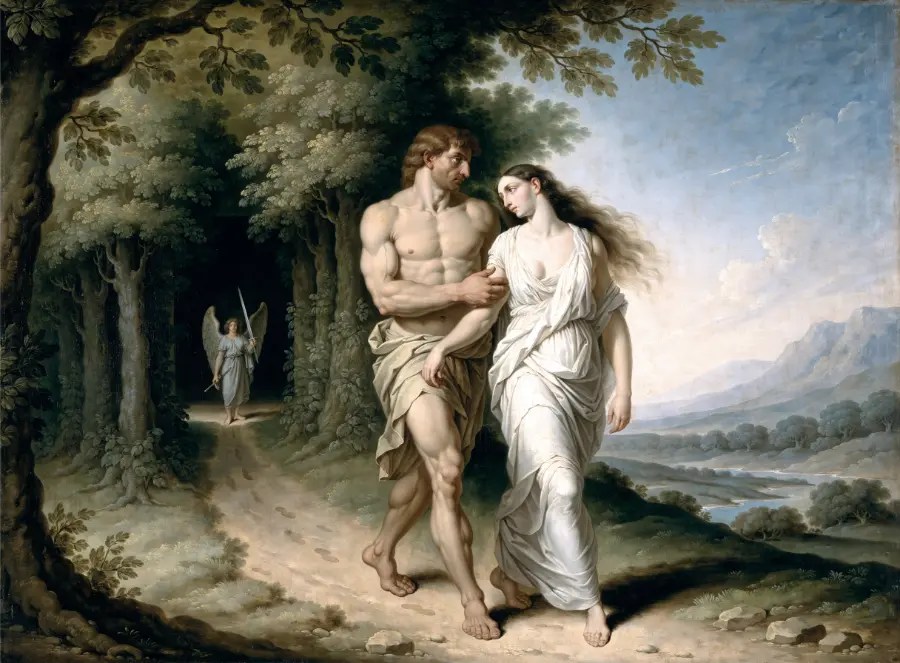
Romans 11:1-2
“I ask, then, has God rejected his people? By no means! For I myself am an Israelite, a descendant of Abraham, a member of the tribe of Benjamin. God has not rejected his people whom he foreknew.”
Reflection: Paul’s first evidence that God has not rejected his people is himself, an Israelite of the tribe of Benjamin. He then recalls Elijah, who thought he alone was left, and God’s reply that he had kept seven thousand. “So too at the present time there is a remnant, chosen by grace” (11:5).
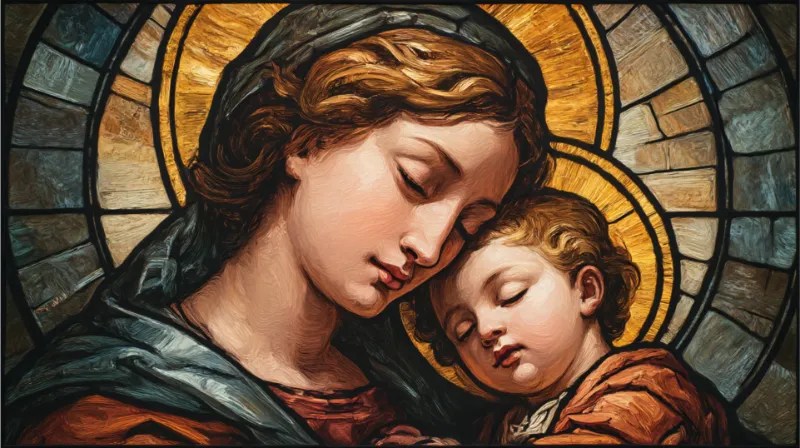
Romans 11:17-18
“But if some of the branches were broken off, and you, although a wild olive shoot, were grafted in among the others and now share in the nourishing root of the olive tree, do not be arrogant toward the branches. If you are, remember it is not you who support the root, but the root that supports you.”
Reflection: Paul pictures Israel as a cultivated olive tree. Some natural branches were broken off “because of their unbelief,” and Gentile believers were grafted in as a wild shoot. The warning is to the Gentiles: the root supports them, and God is able to graft the natural branches back in (11:20-24).
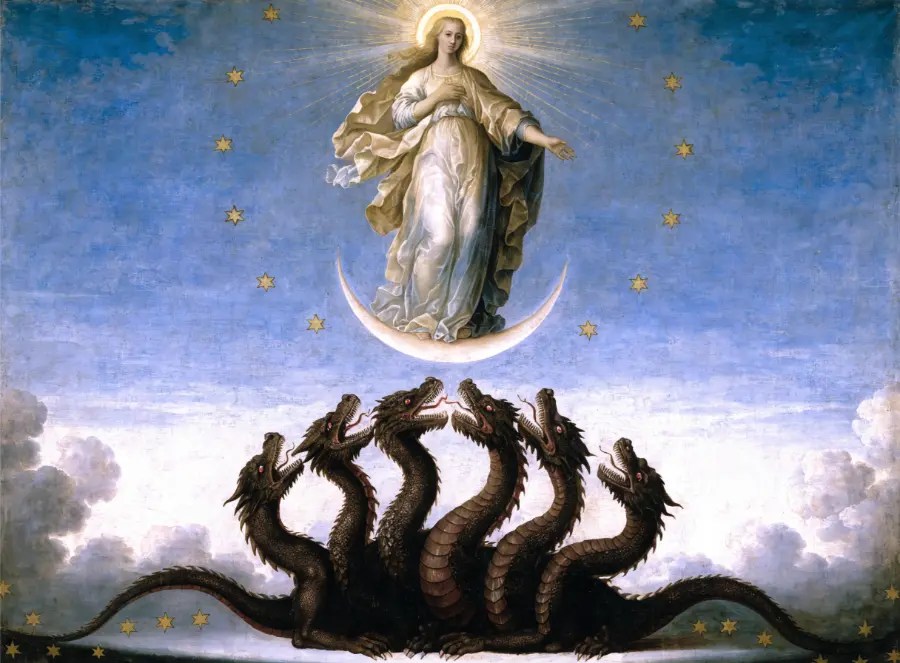
Romans 11:25-26
“Lest you be wise in your own sight, I do not want you to be unaware of this mystery, brothers: a partial hardening has come upon Israel, until the fullness of the Gentiles has come in. And in this way all Israel will be saved, as it is written, ‘The Deliverer will come from Zion, he will banish ungodliness from Jacob’”.
Reflection: Paul calls the hardening “partial” and gives it a limit: “until the fullness of the Gentiles has come in.” Verse 26 backs “all Israel will be saved” with Scripture, “as it is written,” that “the Deliverer will come from Zion” and “banish ungodliness from Jacob.” Verses 28-29 add that Israel, as regards election, is “beloved for the sake of their forefathers,” and that “the gifts and the calling of God are irrevocable.”
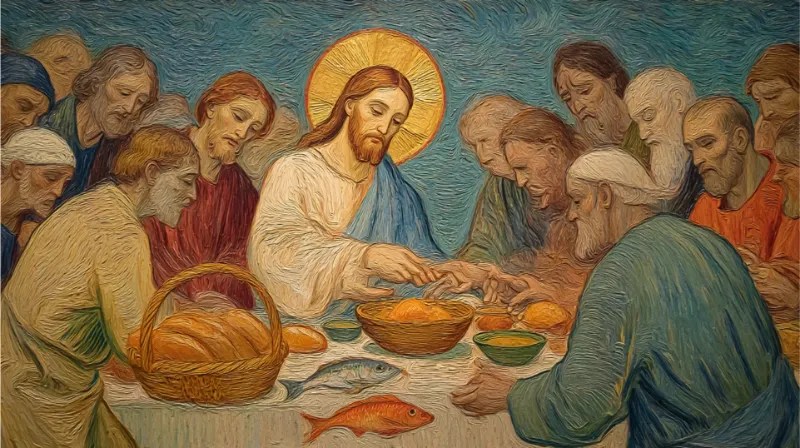
Ephesians 2:14-16
“For he himself is our peace, who has made us both one and has broken down in his flesh the dividing wall of hostility by abolishing the law of commandments expressed in ordinances, that he might create in himself one new man in place of the two, so making peace, and might reconcile us both to God in one body through the cross, thereby killing the hostility.”
Reflection: The “both” are Jews and Gentiles. The verses before describe Gentiles as once “alienated from the commonwealth of Israel and strangers to the covenants of promise” (2:12), and now “brought near by the blood of Christ.” The dividing wall comes down so that God can make “one new man in place of the two.”
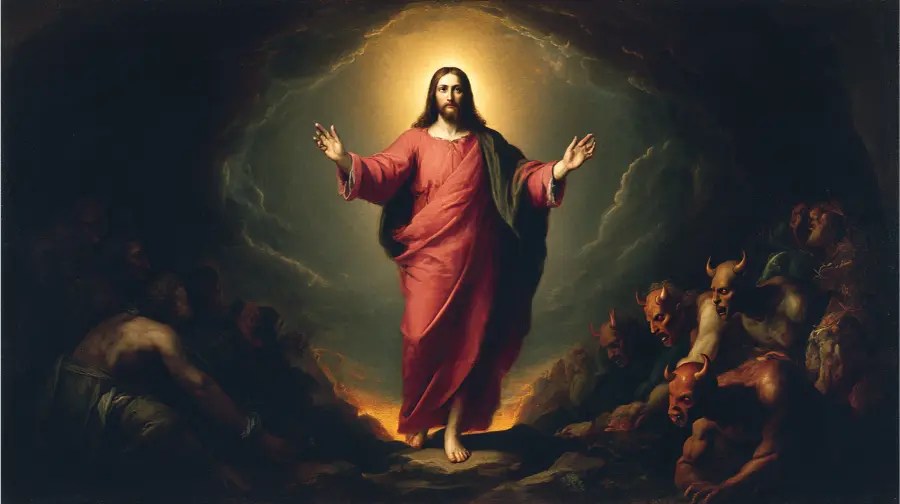
Galatians 6:16
“And as for all who walk by this rule, peace and mercy be upon them, and upon the Israel of God.”
Reflection: This blessing closes a letter that argues “neither circumcision counts for anything, nor uncircumcision, but a new creation” (6:15). The peace and mercy are for “all who walk by this rule.”
Jerusalem and the kingdom still to come

Luke 21:24
“They will fall by the edge of the sword and be led captive among all nations, and Jerusalem will be trampled underfoot by the Gentiles, until the times of the Gentiles are fulfilled.”
Reflection: Jesus is speaking of the day Jerusalem is “surrounded by armies” (21:20). He foretells death, captivity “among all nations,” and a city “trampled underfoot by the Gentiles.” The trampling has a limit, “until the times of the Gentiles are fulfilled,” and the verse does not say what follows.
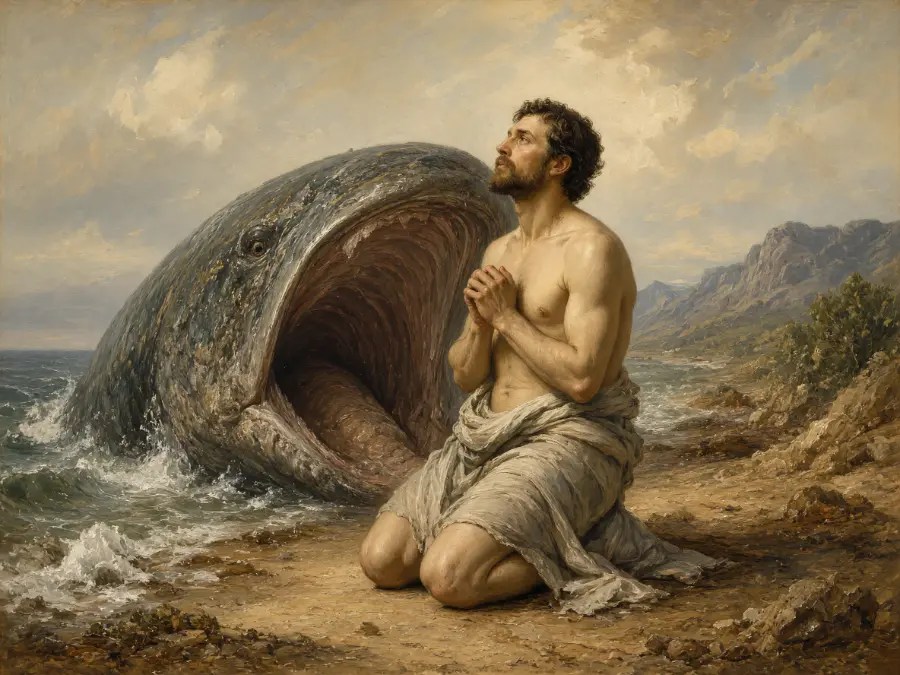
Acts 1:6-7
“So when they had come together, they asked him, ‘Lord, will you at this time restore the kingdom to Israel?’ He said to them, ‘It is not for you to know times or seasons that the Father has fixed by his own authority.’”
Reflection: The risen Jesus had appeared to the disciples “during forty days” and spoken “about the kingdom of God” (1:3) when they ask this. Jesus does not correct the question but refuses to give its timing, then sends them as witnesses “in Jerusalem and in all Judea and Samaria, and to the end of the earth” (1:8).


Leave a Reply