
 English
 Chinese
 Dutch
 Arabic
 Spanish
 Portuguese
 Russian
 French
 Italian
 German
 Japanese
Several passages call Jesus God outright, and others give him titles and honors that belong to God. Isaiah 9:6 names a promised child “Mighty God”, and in the New Testament Jesus is called God in John 1:1, John 20:28 and Hebrews 1:8, among other places.
Other passages give him the title “the First and the Last” (Revelation 1:17, from Isaiah 44:6) and the bowing of every knee (Philippians 2:10-11, from Isaiah 45:23). He forgives sins, which his critics said belonged to “God alone” (Mark 2:5-7), and in John 10:33 his hearers give their reason for stoning him: “you, a mere man, claim to be God.” These texts also keep him distinct from the Father, starting with John 1:1, where the Word “was with God” as well as “was God”.
Where Jesus is called God
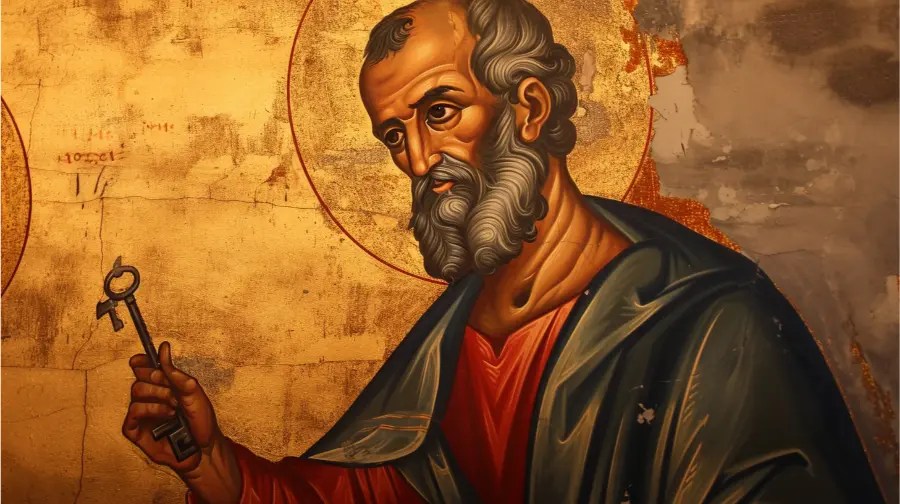
John 1:1
“In the beginning was the Word, and the Word was with God, and the Word was God.”
Reflection: John opens his Gospel with the Word, and verse 14 identifies the Word as the one who “became flesh”. The verse says two things of the Word at once: he “was with God” and he “was God”, and verse 3 adds that “through him all things were made”. The New World Translation, published by Jehovah’s Witnesses, renders the last clause “the Word was a god”, where the NIV has “the Word was God”.
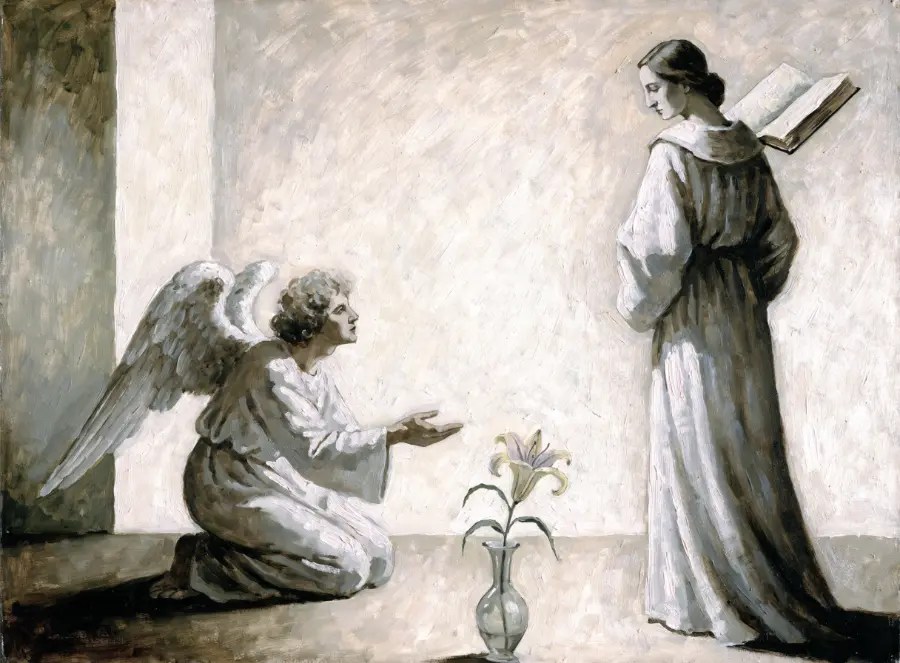
John 1:18
“No one has ever seen God, but the one and only Son, who is himself God and is in closest relationship with the Father, has made him known.”
Reflection: After “the law was given through Moses” (John 1:17), the prologue ends with the statement that “No one has ever seen God”, and names the Son as the one who “has made him known”. The NIV calls the Son “himself God”. Its footnote records that some manuscripts read “but the only Son, who” at this point instead.
John 20:28
“Thomas said to him, ‘My Lord and my God!’”
Reflection: Thomas had said he would not believe unless he put his finger where the nails were (John 20:25). A week later Jesus offers him exactly that, and Thomas answers, “My Lord and my God!” Jesus does not correct him; he replies, “Because you have seen me, you have believed.” John then states the purpose of his book: “that you may believe that Jesus is the Messiah, the Son of God” (John 20:31).
Romans 9:5
“Theirs are the patriarchs, and from them is traced the human ancestry of the Messiah, who is God over all, forever praised! Amen.”
Reflection: Paul lists what belongs to Israel: the adoption, the glory, the covenants, the law, the temple worship, the promises, the patriarchs, and the human ancestry of the Messiah. The NIV then calls the Messiah “God over all”. Its footnotes give two other ways to punctuate the sentence, “Messiah, who is over all. God be forever praised!” and “Messiah. God who is over all be forever praised!” The RSV prints the second of these in its text and puts “Christ, who is God over all” in its footnote.
Titus 2:13
“…while we wait for the blessed hope—the appearing of the glory of our great God and Savior, Jesus Christ.”
Reflection: Paul tells Titus that the grace of God teaches believers to live “self-controlled, upright and godly lives” while they wait for “the blessed hope”. The NIV reads “our great God and Savior, Jesus Christ” as one person. Verse 14 goes on with what that person did: he “gave himself for us to redeem us from all wickedness”.
2 Peter 1:1
“Simon Peter, a servant and apostle of Jesus Christ, To those who through the righteousness of our God and Savior Jesus Christ have received a faith as precious as ours:”
Reflection: The letter’s greeting, “our God and Savior Jesus Christ”, uses almost the same phrase as Titus 2:13, which the NIV again reads as one person. The next verse names the two separately: “Grace and peace be yours in abundance through the knowledge of God and of Jesus our Lord.”
Hebrews 1:8
“But about the Son he says, ‘Your throne, O God, will last for ever and ever; a scepter of justice will be the scepter of your kingdom.’”
Reflection: Hebrews 1 sets the Son above the angels by a chain of Old Testament quotations. Verse 8 takes “Your throne, O God” from Psalm 45:6, a wedding song addressed to Israel’s king, and applies it to the Son. Verse 6 has God command “all God’s angels” to worship him, and verse 10 gives the Son the words of Psalm 102:25: “In the beginning, Lord, you laid the foundations of the earth.”
1 John 5:20
“We know also that the Son of God has come and has given us understanding, so that we may know him who is true. And we are in him who is true by being in his Son Jesus Christ. He is the true God and eternal life.”
Reflection: Near the end of the letter, John makes three statements that begin “We know”. In this one, “him who is true” is the Father, and believers are in him “by being in his Son Jesus Christ”. The sentence “He is the true God and eternal life” follows straight after the name Jesus Christ, though “He” could also point back to “him who is true”. The letter closes with the next line: “Dear children, keep yourselves from idols.”
God in a human body
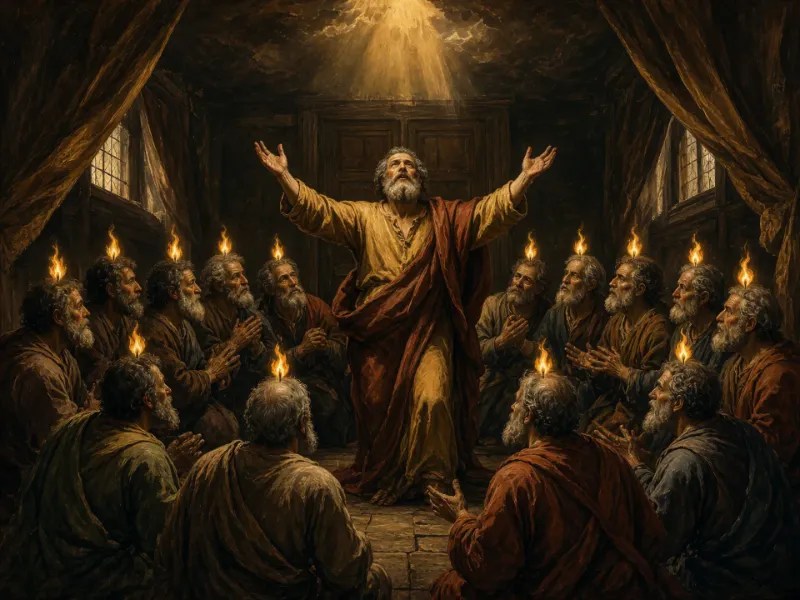
Isaiah 9:6
“For to us a child is born, to us a son is given, and the government will be on his shoulders. And he will be called Wonderful Counselor, Mighty God, Everlasting Father, Prince of Peace.”
Reflection: Isaiah promises a child who will reign “on David’s throne and over his kingdom” (Isaiah 9:7). One of the names given to him, “Mighty God”, is the name Isaiah uses a chapter later for the God of Israel: “A remnant will return, a remnant of Jacob will return to the Mighty God” (Isaiah 10:21).
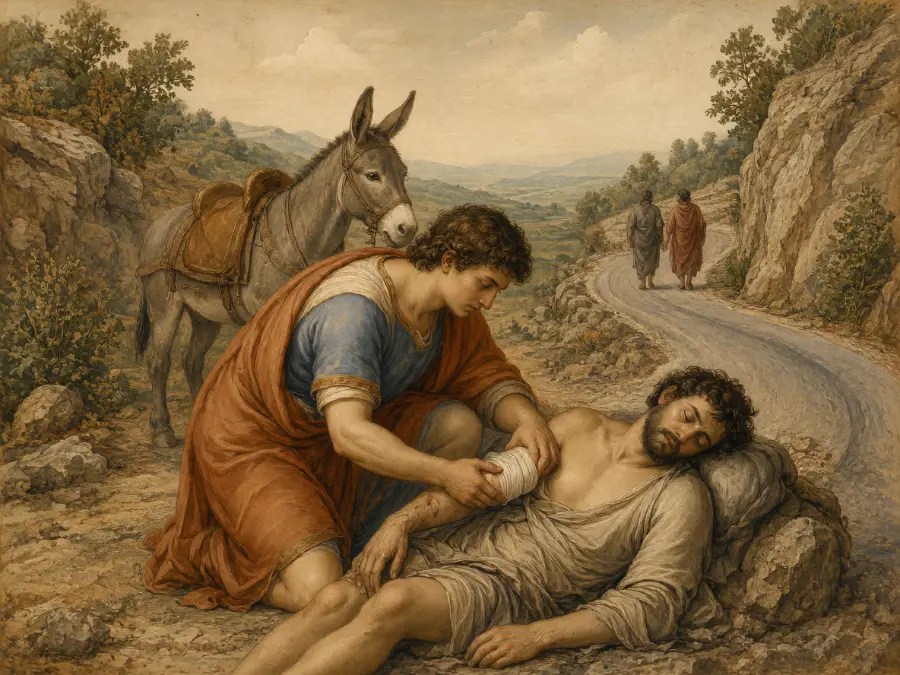
John 1:14
“The Word became flesh and made his dwelling among us. We have seen his glory, the glory of the one and only Son, who came from the Father, full of grace and truth.”
Reflection: The Word who “was God” in John 1:1 here “became flesh”. John the Baptist’s testimony in the next verse says the one who came after him “was before me”, and verse 18 says this Son has made the unseen God known. The glory John’s circle saw is “the glory of the one and only Son, who came from the Father”.
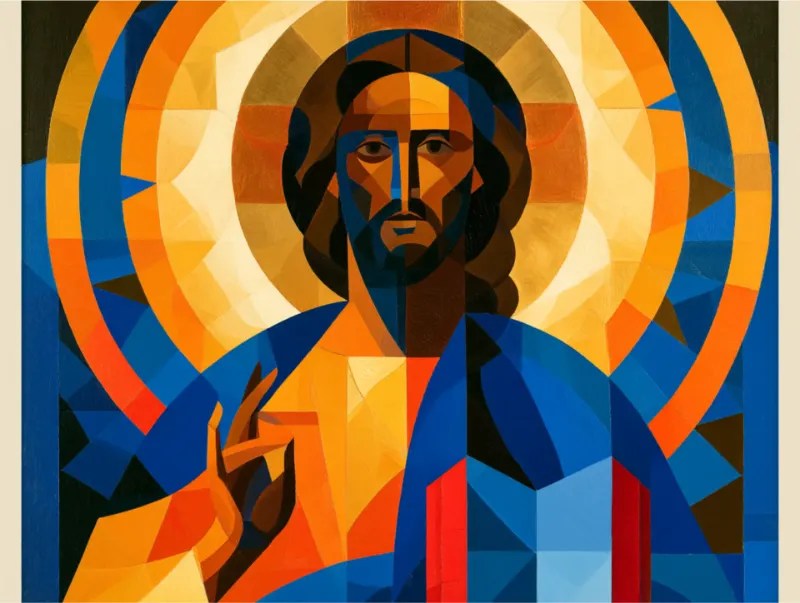
Colossians 2:9
“For in Christ all the fullness of the Deity lives in bodily form.”
Reflection: Paul warns the Colossians against “hollow and deceptive philosophy” that depends on human tradition “rather than on Christ” (Colossians 2:8), and gives the reason with this verse: in Christ “all the fullness of the Deity lives in bodily form”. The next verse turns to the readers, who “have been brought to fullness” in him. Colossians 1:19 had said the same: “God was pleased to have all his fullness dwell in him.”
What Jesus said about himself
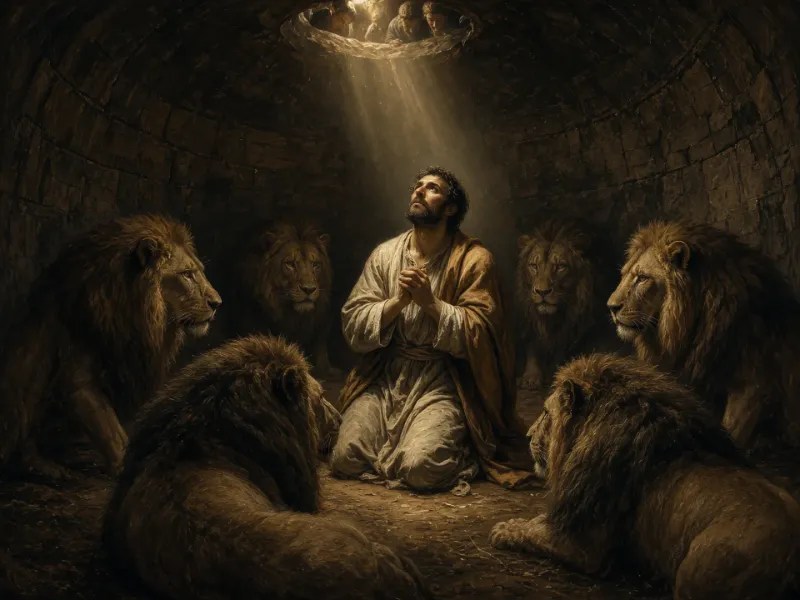
John 8:58
“‘Very truly I tell you,’ Jesus answered, ‘before Abraham was born, I am!’”
Reflection: The argument is about Abraham. Jesus’ opponents object, “You are not yet fifty years old, and you have seen Abraham!” He answers with a present tense set against Abraham’s birth: “before Abraham was born, I am”. The next verse records the response: “they picked up stones to stone him”.
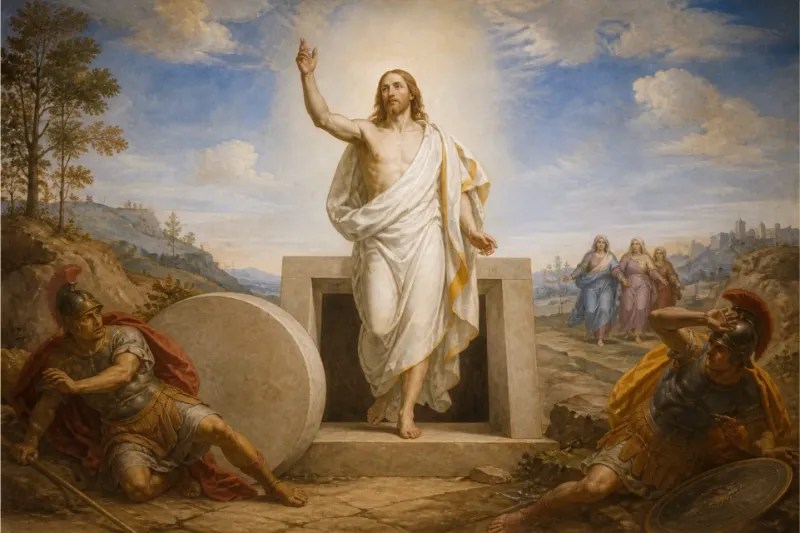
John 10:30
“I and the Father are one.”
Reflection: Jesus is speaking of his sheep: no one will snatch them out of his hand, and no one can snatch them out of his Father’s hand (John 10:28-29). “I and the Father are one” follows. His opponents pick up stones again, and when he asks why, they answer, “for blasphemy, because you, a mere man, claim to be God” (John 10:33).
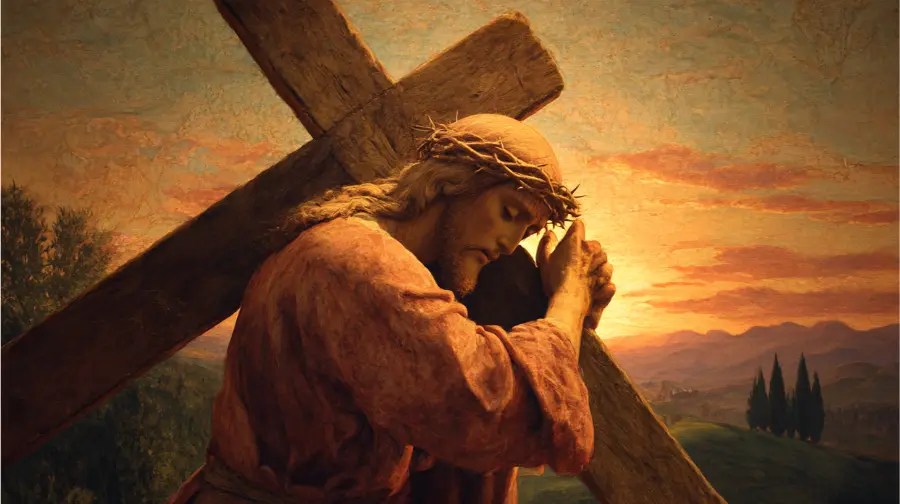
John 14:9
“Jesus answered: ‘Don’t you know me, Philip, even after I have been among you such a long time? Anyone who has seen me has seen the Father.’”
Reflection: Philip has just asked, “Lord, show us the Father and that will be enough for us.” Jesus answers that seeing him is seeing the Father, and goes on, “I am in the Father, and the Father is in me” (John 14:10). He had said much the same in public in John 12:45: “The one who looks at me is seeing the one who sent me.”
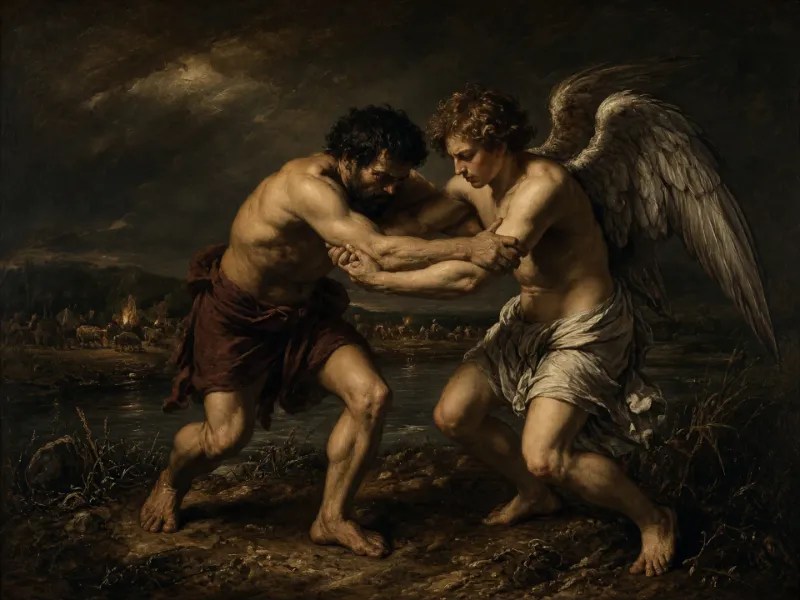
John 5:22-23
“Moreover, the Father judges no one, but has entrusted all judgment to the Son, that all may honor the Son just as they honor the Father. Whoever does not honor the Son does not honor the Father who sent him.”
Reflection: The dispute began when Jesus healed on the Sabbath, and John explains why his opponents wanted to kill him: he was “calling God his own Father, making himself equal with God” (John 5:18). In reply Jesus says the Son gives life as the Father does (John 5:21) and that the Father has entrusted all judgment to the Son, “that all may honor the Son just as they honor the Father”. In the same speech he also says, “the Son can do nothing by himself” (John 5:19).
What belongs to God, given to Jesus
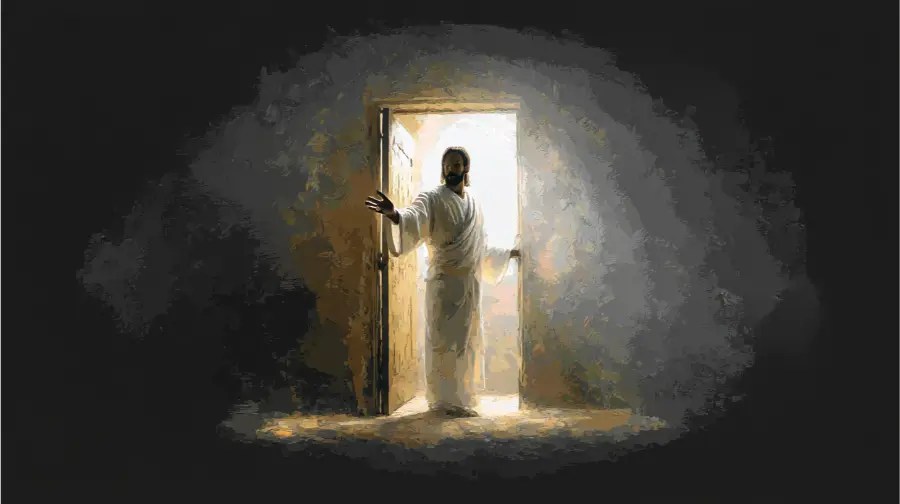
Mark 2:5-7
“When Jesus saw their faith, he said to the paralyzed man, ‘Son, your sins are forgiven.’ Now some teachers of the law were sitting there, thinking to themselves, ‘Why does this fellow talk like that? He’s blaspheming! Who can forgive sins but God alone?’”
Reflection: A paralyzed man is brought to Jesus, and Jesus begins by forgiving his sins. The teachers of the law state the objection themselves: “Who can forgive sins but God alone?” Jesus does not dispute that; he says, “I want you to know that the Son of Man has authority on earth to forgive sins” (Mark 2:10), and then heals the man.
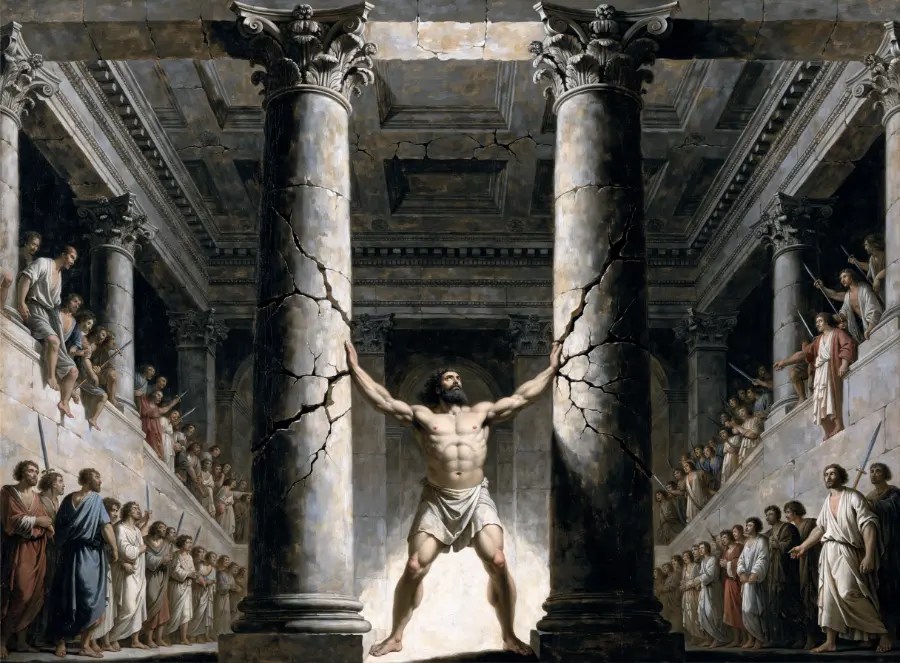
Colossians 1:16-17
“For in him all things were created: things in heaven and on earth, visible and invisible, whether thrones or powers or rulers or authorities; all things have been created through him and for him. He is before all things, and in him all things hold together.”
Reflection: The passage opens with “The Son is the image of the invisible God” (Colossians 1:15) and names him as the one through whom “all things” were made, including “thrones or powers or rulers or authorities”. The verses give him both the making of creation and its continuance: “in him all things hold together.” Hebrews 1:3 says the same of the Son, “sustaining all things by his powerful word”.
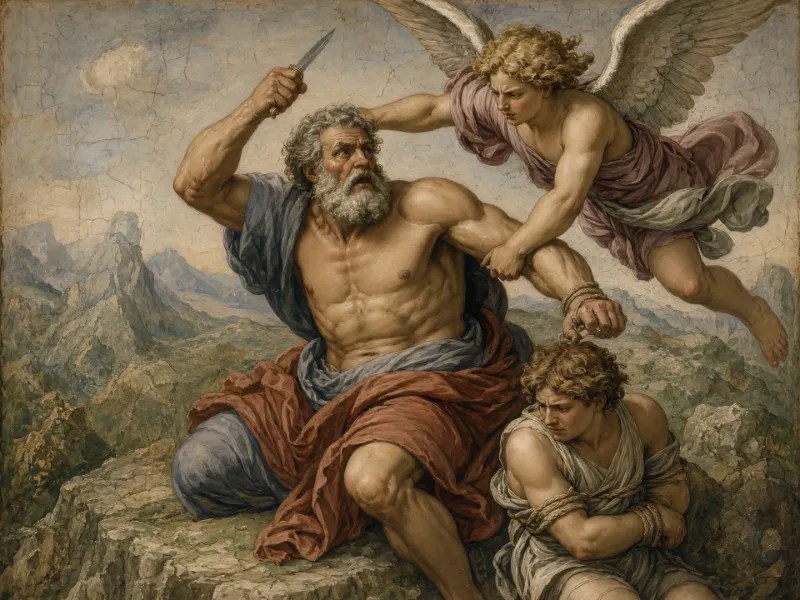
Revelation 1:17-18
“When I saw him, I fell at his feet as though dead. Then he placed his right hand on me and said: ‘Do not be afraid. I am the First and the Last. I am the Living One; I was dead, and now look, I am alive for ever and ever! And I hold the keys of death and Hades.’”
Reflection: On Patmos John sees “someone like a son of man” and falls at his feet. The figure calls himself “the First and the Last”, the title God takes in Isaiah 44:6: “I am the first and I am the last; apart from me there is no God.” He adds “I was dead, and now look, I am alive”, and Revelation 2:8 puts the two together: “him who is the First and the Last, who died and came to life again.”
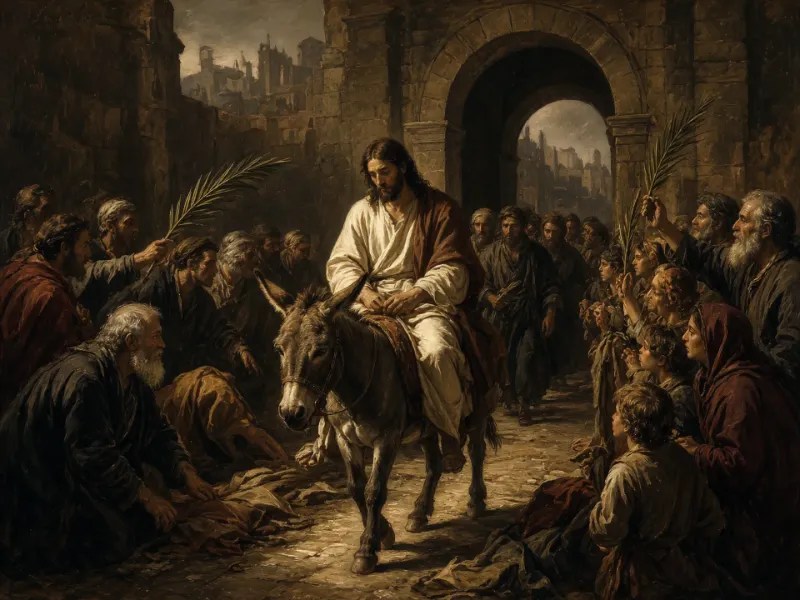
Philippians 2:10-11
“…that at the name of Jesus every knee should bow, in heaven and on earth and under the earth, and every tongue acknowledge that Jesus Christ is Lord, to the glory of God the Father.”
Reflection: Paul is urging the Philippians to share the mindset of Christ, who was “in very nature God” and “made himself nothing” (Philippians 2:6-7). “Therefore God exalted him” and gave him “the name that is above every name”. The bowing knee and the confessing tongue come from Isaiah 45:23, where God says, “Before me every knee will bow; by me every tongue will swear”, one verse after “I am God, and there is no other.”
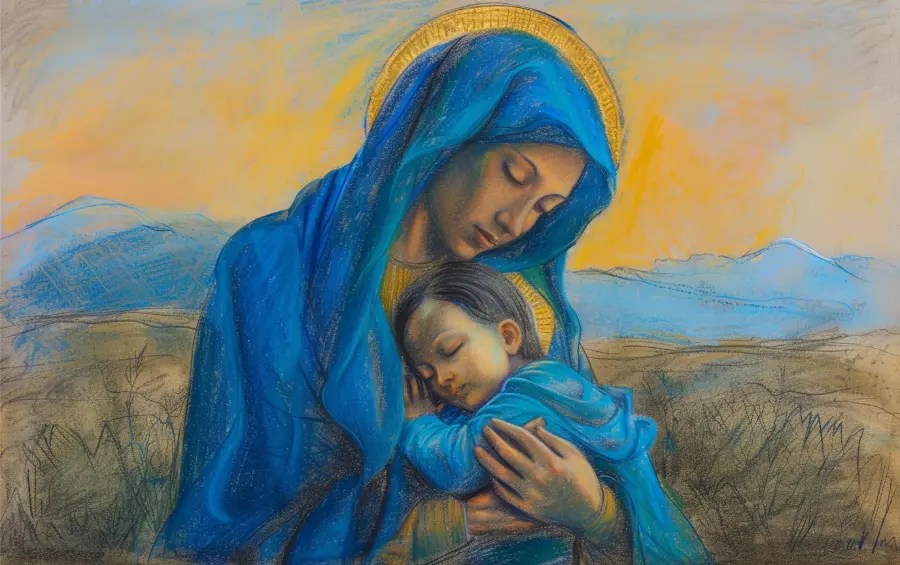
Romans 10:9, 13
“If you declare with your mouth, ‘Jesus is Lord,’ and believe in your heart that God raised him from the dead, you will be saved… for, ‘Everyone who calls on the name of the Lord will be saved.’”
Reflection: Verse 9 makes “Jesus is Lord” the confession that saves. Verse 13 quotes Joel 2:32, where the Lord on whose name people call is the God of Israel. Between them, verse 12 says that “the same Lord is Lord of all and richly blesses all who call on him”.
God, and with God
The passages that call Jesus God also distinguish him from the Father. John 1:1 says the Word “was with God” and “was God” in one sentence. Hebrews 1:8 addresses the Son as God, and the next verse continues the psalm: “God, your God, has set you above your companions.” In John 5:19 “the Son can do nothing by himself”, and Romans 10:9 pairs the confession “Jesus is Lord” with belief “that God raised him from the dead”. 2 Peter 1:1 calls Jesus “our God and Savior” and the next verse speaks of “God and of Jesus our Lord”. The texts set these statements side by side without explaining how they fit together.


Leave a Reply