
 English
 Chinese
 Dutch
 Arabic
 Spanish
 Portuguese
 Russian
 French
 Italian
 German
 Japanese
Category 1: The Great Commandment: The Core of Our Being
This category focuses on the foundational command to love God, which calls for an integrated and all-encompassing devotion of the entire person.
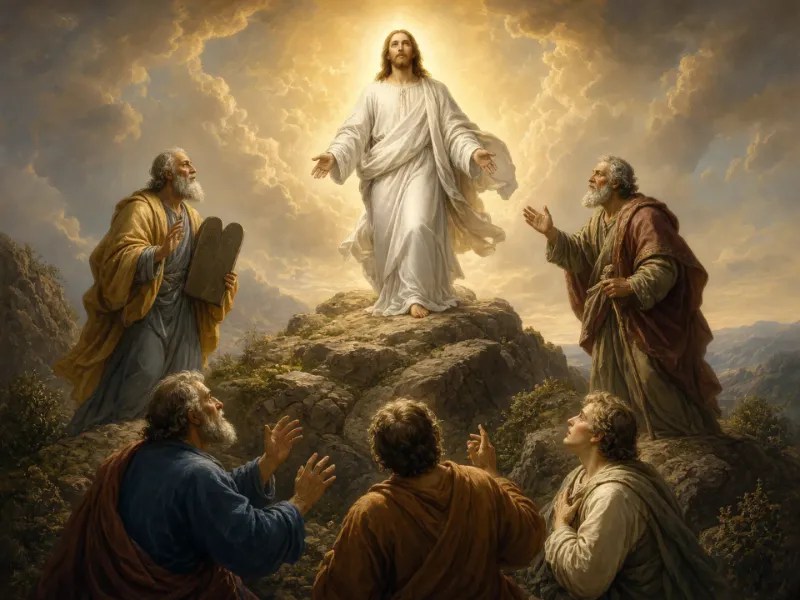
Deuteronomy 6:5
“You shall love the LORD your God with all your heart and with all your soul and with all your might.”
Reflection: This is not a call to a fragmented or compartmentalized affection; it is a summons to wholeness. To love with our “heart” is to direct our core desires and will. To love with our “soul” is to pour out our very life-force and identity. To love with our “might” is to engage all our energy, resources, and actions. This verse describes a psychologically integrated life, where our emotions, our sense of self, and our behaviors are all harmonized around a single, life-giving center of devotion. This is the blueprint for a flourishing and purposeful human existence.

Matthew 22:37-38
“And he said to him, ‘You shall love the Lord your God with all your heart and with all your soul and with all your mind.’ This is the great and first commandment.”
Reflection: Jesus affirms the core command and adds the “mind.” This is profoundly important. Our love for God is not to be a mindless or purely emotional fervor; it must engage our intellect, our reason, our thoughts. A healthy spirituality involves emotional warmth, volitional commitment, and intellectual integrity. It calls us to a love that is thoughtful and considered, one that can withstand doubt and grow in understanding. This integration prevents the spiritual bypassing of difficult questions and fosters a robust, mature faith.
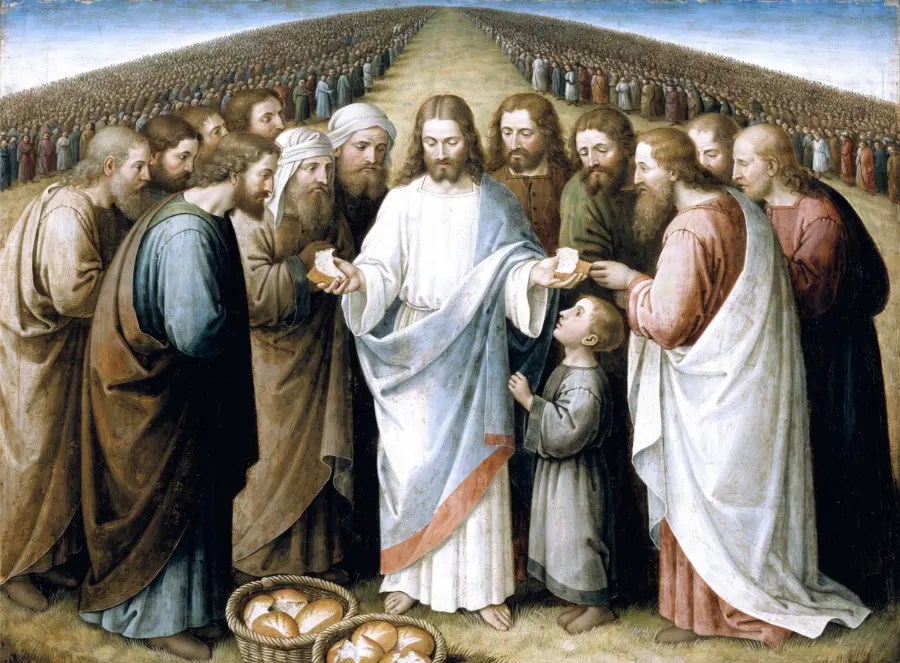
Mark 12:30
“And you shall love the Lord your God with all your heart and with all your soul and with all your mind and with all your strength.”
Reflection: Mark’s account includes all four aspects: heart, soul, mind, and strength. This provides the most complete picture of a fully integrated person. The call is to love God with our emotional core (heart), our essential being (soul), our cognitive faculties (mind), and our physical and practical power (strength). There is no part of the human experience left untouched. This love is the ultimate organizing principle for a healthy personality, bringing all our capacities into a harmonious and directed purpose, which is the very essence of well-being.
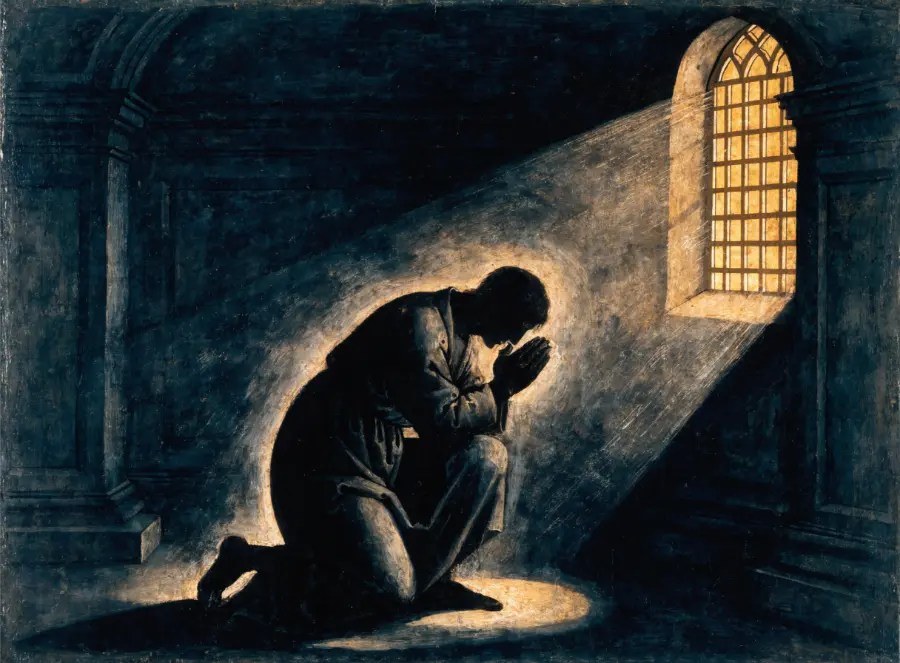
Luke 10:27
“And he answered, ‘You shall love the Lord your God with all your heart and with all your soul and with all your strength and with all your mind, and your neighbor as yourself.’”
Reflection: Here, the vertical love for God is inextricably linked to the horizontal love for others. This is a crucial insight into moral and emotional health. A genuine love for God is not a private, isolating experience; it naturally and necessarily overflows into compassion and care for others. This demonstrates that a healthy spirituality is pro-social. It grounds us in a divine security that frees us to love others generously, without needing them to fulfill our deepest needs, which have already been met in God.
Category 2: The Foundation of Love: God’s Initiative
These verses reveal that our love for God is not something we generate on our own, but rather a response to His initiating and unconditional love for us.

1 John 4:19
“We love because he first loved us.”
Reflection: This is the foundational security for the human heart. Our love for God is not an anxious striving to earn affection, but a natural and healthy response to being profoundly and pre-emptively loved. In psychological terms, God provides the “secure attachment” that allows the soul to rest. Knowing we are already loved frees us from the fear of rejection and empowers us to love in return with openness and gratitude, rather than with a desperate need to perform.
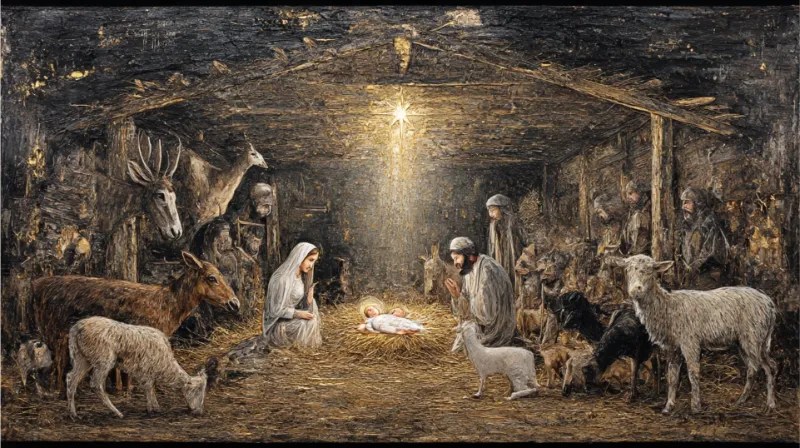
1 John 4:10
“In this is love, not that we have loved God but that he loved us and sent his Son to be the atoning sacrifice for our sins.”
Reflection: This verse clarifies the direction of love’s origin. It protects us from the pride of thinking our love is a great achievement. The emotional and moral weight of this truth is immense: our value is not determined by the intensity of our affection for God, but by the intensity of His for us, demonstrated in the most costly way. This provides a stable sense of self-worth that is not dependent on our fluctuating feelings or performance.

Romans 5:8
“but God shows his love for us in that while we were still sinners, Christ died for us.”
Reflection: This strikes at the heart of shame and unworthiness. God’s love is not a reward for our goodness; it was extended to us in our brokenness and alienation. This is a powerful antidote to perfectionism and self-condemnation. It means that we can approach God honestly, without masks, because His love has already accounted for our deepest flaws. This creates the emotional safety necessary for genuine transformation.
Ephesians 2:4-5
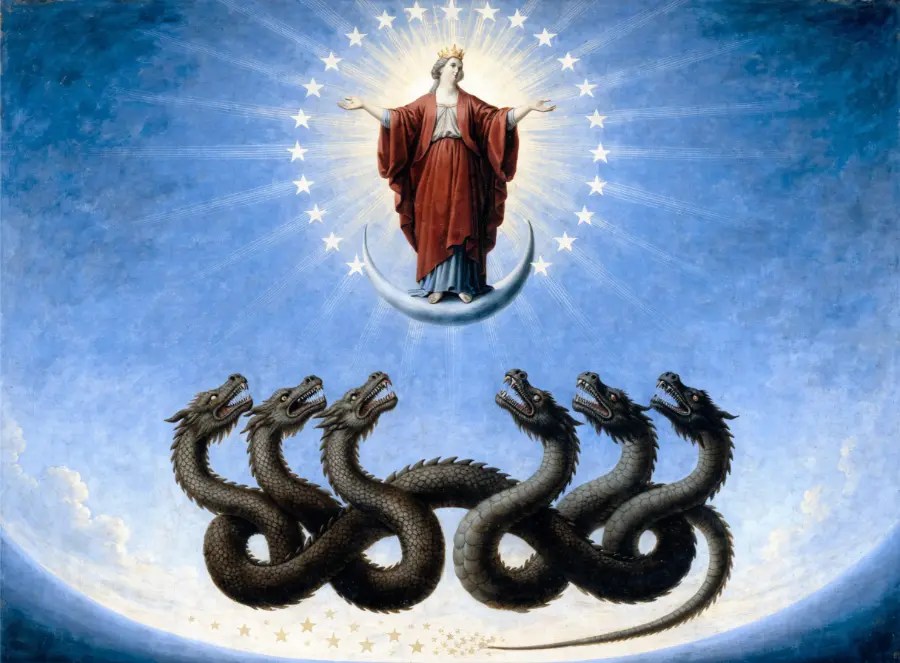
“But God, being rich in mercy, because of the great love with which he loved us, even when we were dead in our trespasses, made us alive together with Christ—by grace you have been saved.”
Reflection: The language of being “dead” and “made alive” is incredibly potent. It speaks to a state of profound helplessness and the experience of a new beginning. God’s love is not just a comforting sentiment; it is a life-giving, resuscitating power. It meets us in our deepest apathy and despair and awakens a capacity for connection and joy that we could not create for ourselves.
Category 3: The Expression of Love: Obedience and Action
This group of verses shows that love is not merely an internal feeling but is authenticated and expressed through our choices and actions.

John 14:15
“If you love me, you will keep my commandments.”
Reflection: This verse beautifully marries our internal world of affection with our external world of action. Love is more than a fleeting feeling; it organizes our behavior. True love naturally seeks to please and honor the beloved, making obedience not a reluctant duty, but a joyful expression of our deepest values. This creates a life of integrity, where our heart’s devotion and our life’s direction are one, resolving the internal conflict that comes from professing one thing and doing another.

1 John 5:3
“For this is the love of God, that we keep his commandments. And his commandments are not burdensome.”
Reflection: The assurance that His commands “are not burdensome” is a profound psychological release. This suggests that God’s guidance is not meant to crush our spirit but to lead us into true flourishing. His commands are like a user manual for the human soul, designed for our protection and ultimate joy. Obedience, then, is not the loss of freedom but the discovery of it—the freedom to become the person we were created to be.

John 14:21
“Whoever has my commandments and keeps them, he it is who loves me. And he who loves me will be loved by my Father, and I will love him and manifest myself to him.”
Reflection: This verse describes a beautiful, virtuous cycle of love and revelation. Acting in alignment with our love for Christ deepens our experience of being loved and opens us up to a more intimate knowledge of Him. It suggests that spiritual insight is not purely an academic exercise; it is often the fruit of a life lived in faithful correspondence with God. Our actions clear the channels of our heart to receive and perceive His presence more vividly.

2 John 1:6
“And this is love, that we walk according to his commandments; this is the commandment, just as you have heard from the beginning, so that you should walk in it.”
Reflection: “Walking” is a metaphor for a lifestyle, a consistent pattern of behavior. Love is not a single decision but a daily orientation. This grounds spirituality in the steady, moment-by-moment choices of our lives. It gives moral and emotional weight to the mundane, seeing every step as an opportunity to move in rhythm with God’s loving guidance, which fosters a deep sense of a coherent and meaningful journey.
Category 4: The Heart of Love: Desire and Devotion
These verses capture the emotional and desiderative core of loving God—the longing, satisfaction, and supreme value we find in Him.

Psalm 73:25-26
“Whom have I in heaven but you? And there is nothing on earth that I desire besides you. My flesh and my heart may fail, but God is the strength of my heart and my portion forever.”
Reflection: This is the cry of a heart that has found its ultimate satisfaction. It speaks to the human search for an “ultimate concern,” an anchor that holds firm when all else fails. This verse models a rightly ordered love, where God is not just one good thing among many, but the supreme good by which all others are measured. This orientation provides immense psychological stability, especially in the face of loss, failure, or mortality.

Psalm 42:1-2
“As a deer pants for flowing streams, so pants my soul for you, O God. My soul thirsts for God, for the living God.”
Reflection: This imagery captures a primal, life-or-death desire. Love for God is not a mild preference but a deep, instinctual thirst for our source of life. This acknowledges the profound spiritual emptiness that we often feel and identifies its true remedy. To feel this “thirst” is not a sign of failure but a sign that our souls are alive and oriented toward their true north.

Psalm 63:1
“O God, you are my God; earnestly I seek you; my soul thirsts for you; my flesh faints for you, as in a dry and weary land where there is no water.”
Reflection: The use of “my flesh faints for you” illustrates how deeply spiritual longing can be felt in the body. Our devotion is not an ethereal concept; it is an embodied reality. This verse gives permission for our love for God to be passionate and intense. It describes a state of being completely consumed with a desire for God’s presence, which is the heart of worship and the most powerful motivator for a life of faith.
Psalm 18:1
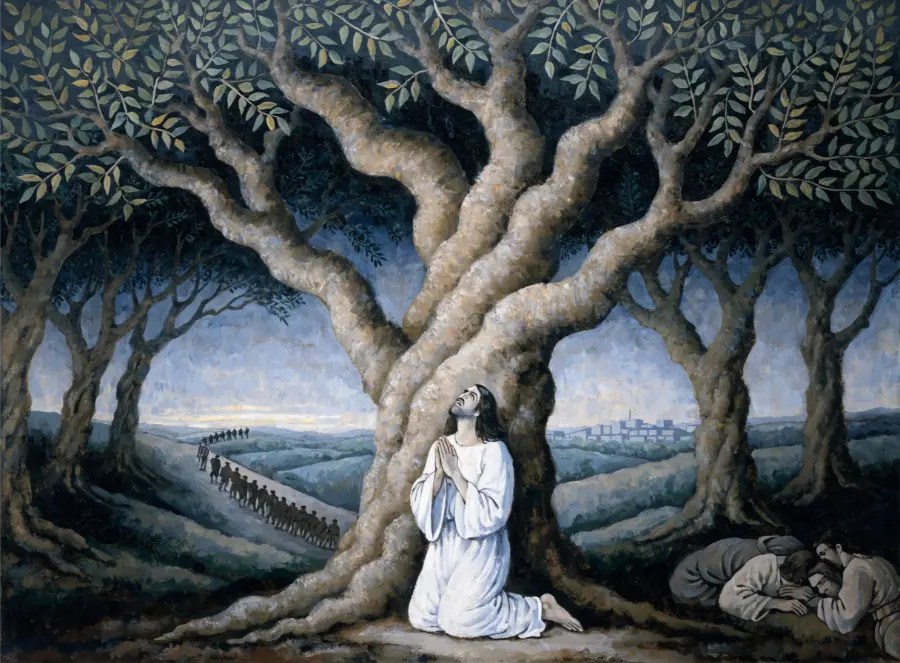
“I love you, O LORD, my strength.”
Reflection: This is one of the most direct and personal declarations of love in the Psalms. It is simple, pure, and powerful. The connection of “love” with “strength” shows that David’s affection is rooted in his experience of God as his rescuer and sustainer. Our love for God is deepened not in abstract theory, but in the concrete reality of our dependence on Him and our experience of His faithfulness in our moments of weakness.
Philippians 3:8
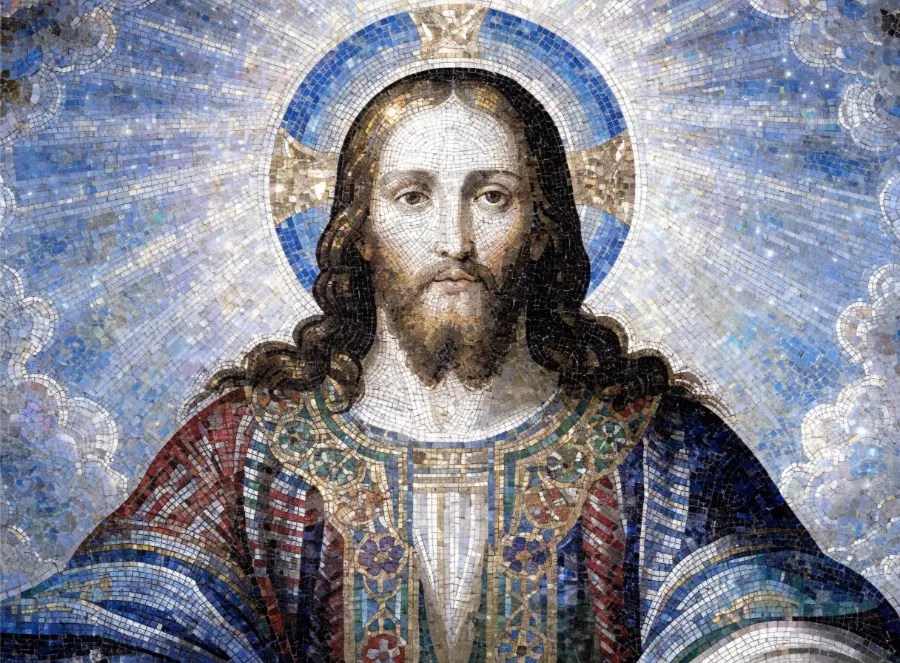
“Indeed, I count everything as loss because of the surpassing worth of knowing Christ Jesus my Lord. For his sake I have suffered the loss of all things and count them as rubbish, in order that I may gain Christ.”
Reflection: This verse describes a radical re-evaluation of values. Paul is modeling a profound cognitive and emotional shift where the value of knowing Christ is so immense that all other life achievements pale in comparison. This is not a denial of earthly goods, but a proper ordering of them. Finding a love of “surpassing worth” brings incredible clarity and single-mindedness, freeing us from the exhausting and endless pursuit of lesser things to secure our identity.
Category 5: The Fruit of Love: Assurance and Hope
This final category highlights the outcomes of a life centered on loving God—the security, hope, and blessing that flow from it.

Romans 8:28
“And we know that for those who love God all things work together for good, for those who are called according to his purpose.”
Reflection: This is a cornerstone of emotional resilience for the believer. It is not a promise that life will be painless, but a promise that no pain will be meaningless. For the person whose life is oriented by love for God, even suffering and hardship can be integrated into a redemptive narrative. This belief fosters a deep sense of trust and hope, allowing one to face adversity not with naive optimism, but with a profound confidence in an ultimate, loving purpose.

1 Corinthians 2:9
“But, as it is written, ‘What no eye has seen, nor ear heard, nor the heart of man imagined, what God has prepared for those who love him.’”
Reflection: This verse opens the human spirit to a sense of wonder and transcendent hope. It tells us that our best and wildest imaginations of goodness and joy are only a faint echo of the reality God has for those who love Him. This cultivates a forward-looking posture of joyful anticipation, which is a powerful antidote to present-day despair or cynicism. It anchors our well-being not just in past memories or present circumstances, but in a future of unimaginable goodness.

James 1:12
“Blessed is the man who remains steadfast under trial, for when he has stood the test he will receive the crown of life, which God has promised to those who love him.”
Reflection: This verse links love for God directly with the virtue of endurance. The promise of the “crown of life” is not a reward earned by grit, but a gift given to those whose love for God is what fuels their steadfastness. It reframes trials not as punishments, but as opportunities for love to be tested and proven genuine. This perspective fosters perseverance and matures character, developing a resilience that is rooted in relationship, not just willpower.

Romans 8:38-39
“For I am sure that neither death nor life, nor angels nor rulers, nor things present nor things to come, nor powers, nor height nor depth, nor anything else in all creation, will be able to separate us from the love of God in Christ Jesus our Lord.”
Reflection: While this speaks of God’s love for us, it is the absolute bedrock upon which our love for Him is built. The conviction of this inseparable bond instills a profound sense of security that is unmatched. It silences our deepest fears of abandonment and cosmic insignificance. To feel this secure in God’s love is what ultimately liberates us to love Him and others freely and courageously, without the paralyzing fear of loss.

Jude 1:21
“keep yourselves in God’s love, waiting for the mercy of our Lord Jesus Christ that leads to eternal life.”
Reflection: “Keep yourselves in God’s love” is a beautiful and active image. It’s like staying in the sunlight. We don’t create the sun, but we can choose to position ourselves in its warmth. This is a call to the daily, intentional practices—prayer, fellowship, meditation on Scripture—that keep our hearts open and receptive to the love that is constantly being offered. It is a posture of active, hopeful waiting, which cultivates a sustainable and peaceful spiritual life.

Psalm 145:20
“The LORD preserves all who love him, but all the wicked he will destroy.”
Reflection: This verse speaks to the deep human need for safety and protection. The word “preserves” (shamar) is the same word used for a watchman or a guard. The emotional core of this promise is that to love God is to place oneself under His vigilant care. This fosters a sense of being “held” and protected, which reduces existential anxiety and allows the soul to rest in a world that often feels chaotic and threatening.

John 15:10
“If you keep my commandments, you will abide in my love, just as I have kept my Father’s commandments and abide in his love.”
Reflection: “Abiding” is a word of deep relational intimacy and stability. It is not a fleeting visit, but the state of making one’s home in His love. Jesus presents this not as a difficult striving, but as the same natural dynamic He shares with the Father. Obedience is the very structure of this loving home. It’s how we furnish the space and live comfortably within it, enjoying the uninterrupted intimacy that comes from a life surrendered to His loving will.


Leave a Reply