
 English
 Chinese
 Dutch
 Arabic
 Spanish
 Portuguese
 Russian
 French
 Italian
 German
 Japanese
Category 1: The Body as a Sacred Dwelling
This foundational group of verses reframes our view of the body from a personal possession to a sacred trust, a place inhabited by God Himself.
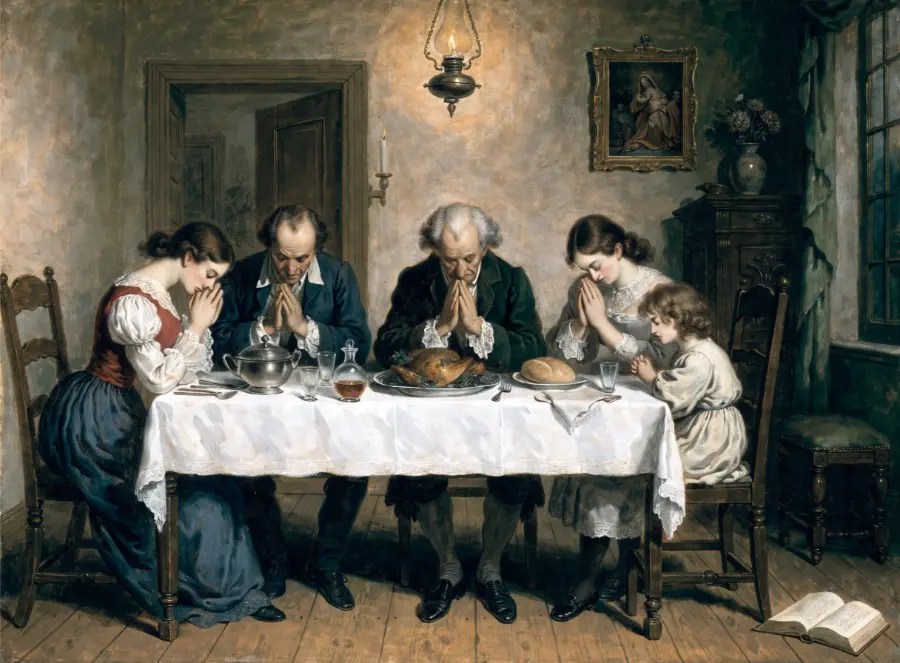
1 Corinthians 6:19-20
“Do you not know that your bodies are temples of the Holy Spirit, who is in you, whom you have received from God? You are not your own; you were bought at a price. Therefore honor God with your bodies.”
Reflection: This is a profound reframing of our physical existence. Our bodies are not mere vehicles to be used and discarded, but sacred spaces, consecrated by the very presence of God. To care for our body—through what we consume, how we move, and how we rest—is therefore not an act of vanity, but an act of worship. It is a tender, reverent stewardship of a place where the Holy Spirit has chosen to dwell, which infuses every choice about our health with deep spiritual significance and love.
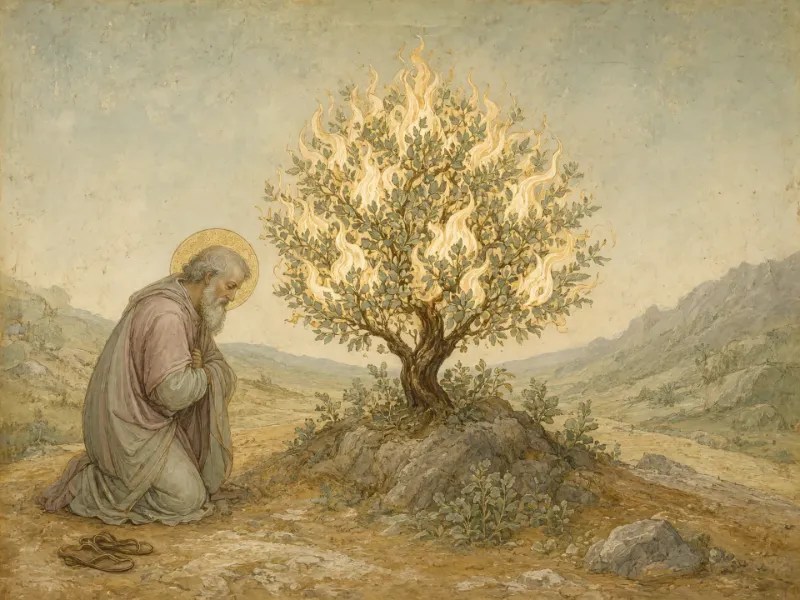
1 Corinthians 3:16-17
“Don’t you know that you yourselves are God’s temple and that God’s Spirit dwells in your midst? If anyone destroys God’s temple, God will destroy that person; for God’s temple is sacred, and you together are that temple.”
Reflection: This passage carries a serious moral weight. It speaks to the deep connection between our physical stewardship and our relationship with God. There is a sacred integrity to our bodies that God Himself defends. This shouldn’t inspire fear, but rather a deep sense of value. It calls us to protect and honor our bodies not just for our own sake, but out of reverence for the God who has consecrated them as His own.

Romans 12:1
“Therefore, I urge you, brothers and sisters, in view of God’s mercy, to offer your bodies as a living sacrifice, holy and pleasing to God—this is your true and proper worship.”
Reflection: Our faith is not an abstract, disembodied experience. This verse calls for an integrated life where our physical actions are an expression of our spiritual devotion. Offering our bodies means dedicating our daily, tangible lives—our energy, our health, our habits—to God. This transforms the mundane into the holy; making a healthy meal or choosing to get enough sleep can be a genuine act of worship, a tangible “thank you” for the mercy we have received.

1 Corinthians 10:31
“So whether you eat or drink or whatever you do, do it all for the glory of God.”
Reflection: This verse provides the ultimate motivation for self-care. It lifts our choices out of the realm of self-improvement or societal pressure and places them into the context of divine purpose. When the goal is to glorify God, our decisions about health are no longer driven by shame or a desire for a certain appearance, but by a joyful desire to honor our Creator with a body that is well-cared for and able to serve His purposes in the world.
Category 2: Designed with Divine Intention
These verses celebrate the body as a masterpiece of God’s creation, instilling a sense of awe and inherent worth.
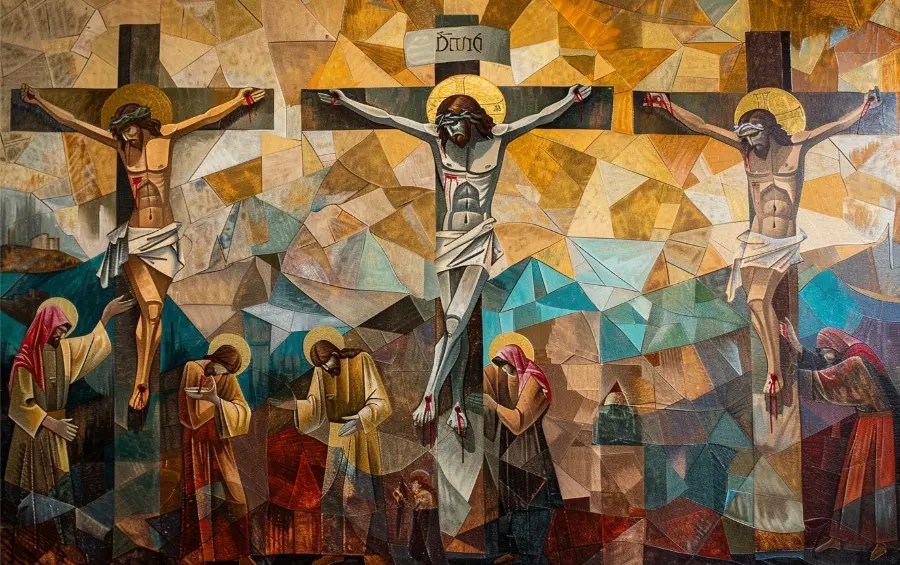
Psalm 139:13-14
“For you created my inmost being; you knit me together in my mother’s womb. I praise you because I am fearfully and wonderfully made; your works are wonderful, I know that full well.”
Reflection: This is an anthem against self-loathing and bodily shame. It declares that our physical form is not an accident but a product of intimate, divine craftsmanship. To be “fearfully and wonderfully made” means we are designed with awe-inspiring complexity and profound intention. Embracing this truth fosters a deep, compassionate gratitude for the body we have been given, allowing us to care for it not as a flawed project, but as a priceless work of art.
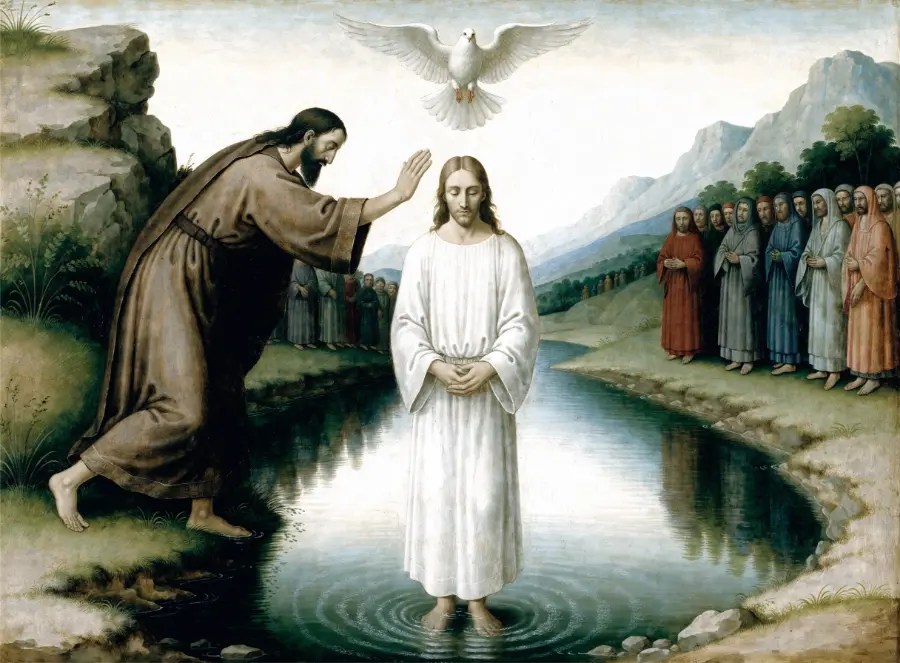
Genesis 1:27
“So God created mankind in his own image, in the image of God he created them; male and female he created them.”
Reflection: This is the bedrock of human dignity. Before any action or accomplishment, our value is established by the simple fact that we bear the image of our Creator. This divine imprint sanctifies our physical being. Caring for our bodies is an affirmation of this truth. It is a way of honoring the Imago Dei within us, recognizing that every part of our being—spirit, soul, and body—is designed to reflect the goodness of God.

Genesis 2:7
“Then the LORD God formed a man from the dust of the ground and breathed into his nostrils the breath of life, and the man became a living being.”
Reflection: This beautiful verse illustrates our dual nature. We are both earthy and divine, formed from the dust and animated by the very breath of God. This prevents us from either deifying the body or despising it. We must tend to our “dust”—our physical, biological needs—with wisdom and care, while remembering that our life, our vitality, is a direct gift from God. This creates a balanced, humble, and grateful approach to our physical health.
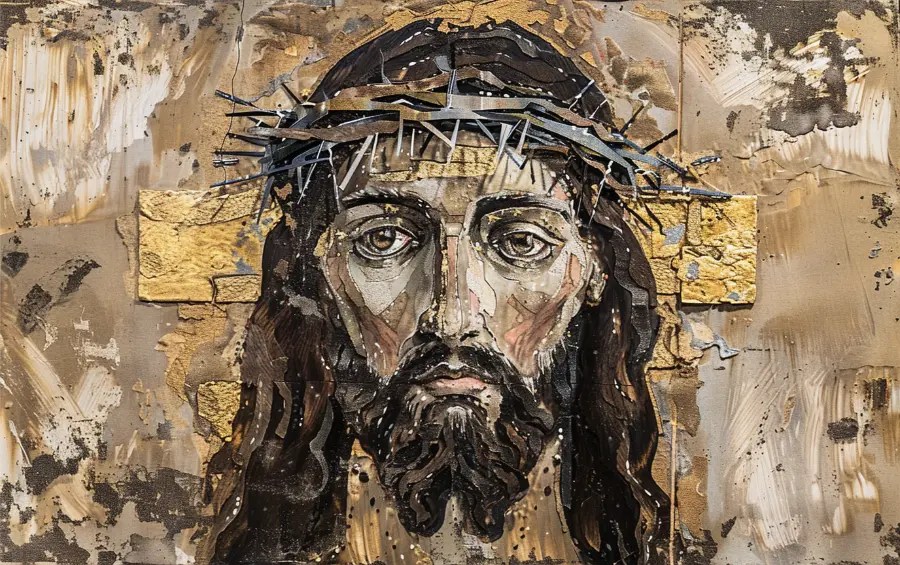
Ephesians 2:10
“For we are God’s handiwork, created in Christ Jesus to do good works, which God prepared in advance for us to do.”
Reflection: Our bodies are not just created by God, but for God’s purposes. This verse connects our physical well-being to our divine calling. A body that is cared for, rested, and nourished is better equipped to fulfill the unique mission God has for each of us. Tending to our health, then, is not selfish; it is a vital preparation for service, ensuring we have the physical and emotional stamina to walk in the “good works” God has planned for our lives.
Category 3: The Harmony of Mind, Body, and Spirit
This group of verses highlights the inextricable link between our emotional, spiritual, and physical states, affirming a holistic view of health.
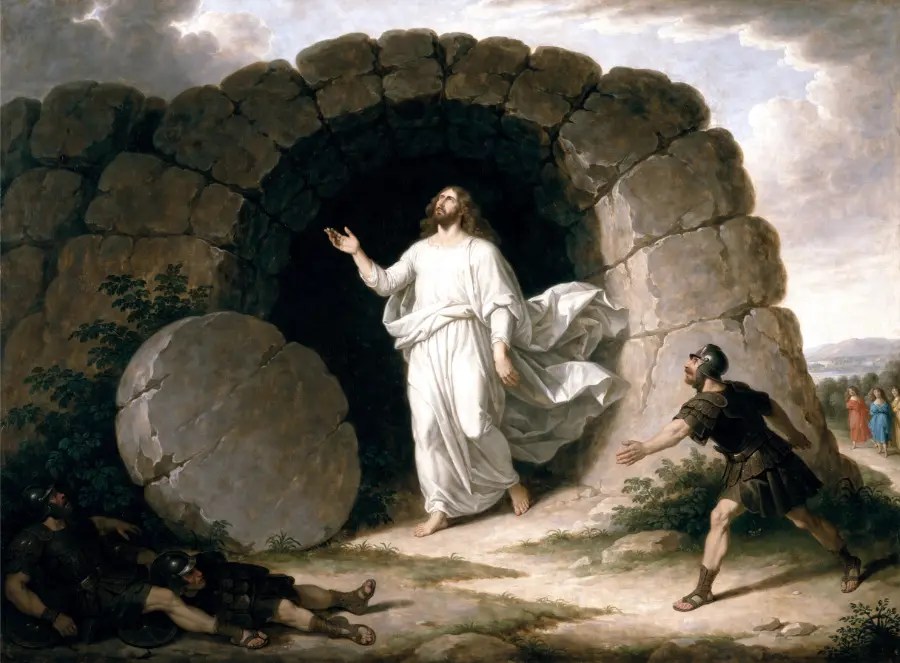
3 John 1:2
“Dear friend, I pray that you may enjoy good health and that all may go well with you, even as your soul is getting along well.”
Reflection: This apostolic prayer reveals God’s heart for our total well-being. It beautifully links our physical health (“good health”) with our spiritual and emotional prosperity (“as your soul is getting along well”). This validates the deep, intuitive sense we have that our inner peace and our outer health are connected. It is a call to nurture our souls, knowing that a flourishing spirit contributes to a flourishing body.
Proverbs 17:22
“A cheerful heart is good medicine, but a crushed spirit dries up the bones.”
Reflection: Ancient wisdom affirms what we now know deeply: our emotional state has a profound physical impact. Joy, hope, and cheerfulness are not just pleasant feelings; they are a vital, life-giving force, a “good medicine.” Conversely, despair and a “crushed spirit” can manifest as physical depletion and illness. This verse is a powerful call to cultivate emotional and spiritual health as an essential component of physical care.
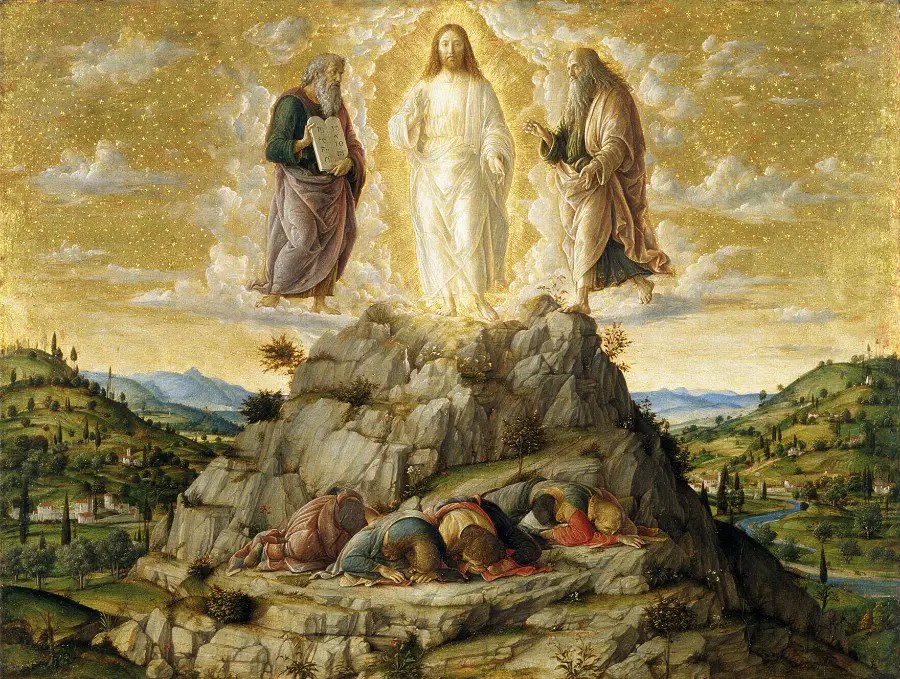
Proverbs 14:30
“A heart at peace gives life to the body, but envy rots the bones.”
Reflection: This verse draws a direct line from our internal orientation to our physical vitality. A heart at peace—a state of contentment, trust, and tranquility—is life-giving. It calms our systems and promotes wellness. Envy, however, is presented as a corrosive force, a spiritual sickness that physically “rots the bones.” This is a stark reminder that tending to our inner world by rooting out toxic emotions is a non-negotiable part of caring for our bodies.
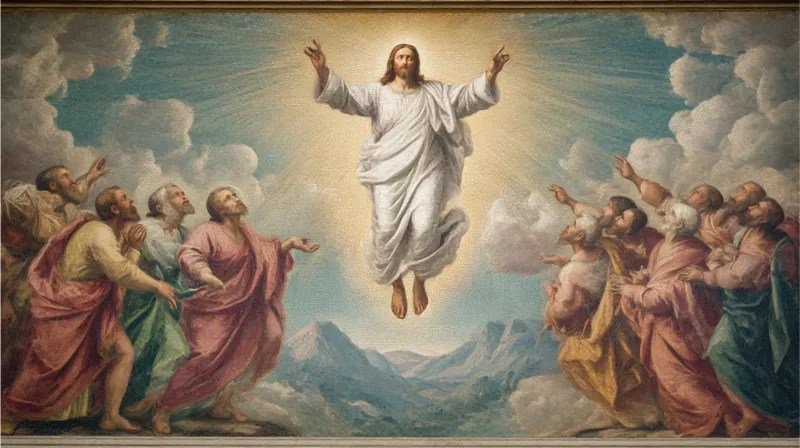
1 Thessalonians 5:23
“May God himself, the God of peace, sanctify you through and through. May your whole spirit, soul and body be kept blameless at the coming of our Lord Jesus Christ.”
Reflection: This blessing affirms the holistic nature of the human person. God’s sanctifying work is not limited to our immaterial spirit; He is concerned with our whole being. The “spirit, soul and body” are presented as an integrated whole, all of which are part of our journey of faith. This encourages us to see physical health not as separate from our spiritual life, but as a vital part of the total person God is redeeming and making whole.
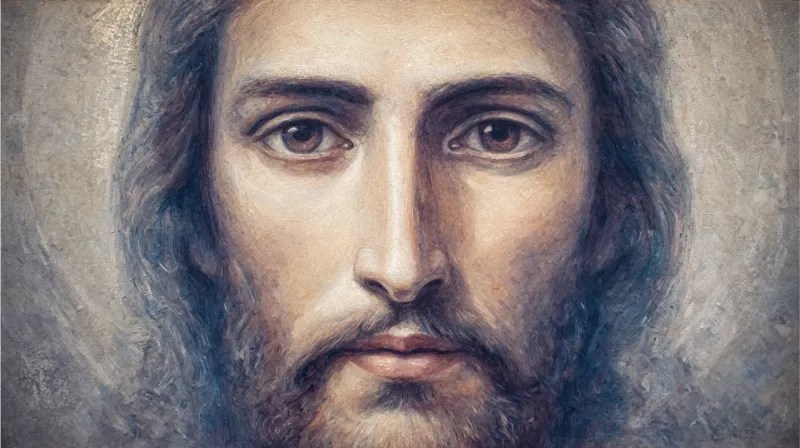
Matthew 11:28-29
“Come to me, all you who are weary and burdened, and I will give you rest. Take my yoke upon you and learn from me, for I am gentle and humble in heart, and you will find rest for your souls.”
Reflection: Jesus acknowledges the deep weariness that afflicts us, a burden that is both emotional and physical. The rest He offers is primarily for the soul, but a soul at rest alleviates so much of the physical tension and exhaustion we carry. This “soul rest” that comes from entrusting our burdens to Christ is the ultimate foundation for physical renewal, calming the anxieties that so often deplete our bodies.
Category 4: The Virtue of Discipline and Moderation
These verses offer practical wisdom, encouraging a disciplined and moderate approach to our appetites and habits.

1 Corinthians 9:25-27
“Everyone who competes in the games goes into strict training. They do it to get a crown that will not last, but we do it to get a crown that will last forever. Therefore I do not run like someone running aimlessly; I do not fight like a boxer beating the air. No, I strike a blow to my body and make it my slave so that after I have preached to others, I myself will not be disqualified for the prize.”
Reflection: This passage frames physical discipline in the context of a higher spiritual purpose. Just as an athlete trains with intention, we are called to be intentional with our bodies. This isn’t about punishment, but about purpose. The language of “making it my slave” speaks to bringing our physical appetites and impulses into alignment with our ultimate goal—honoring God. It is a powerful call to live with intention, rather than being ruled by undisciplined desires.
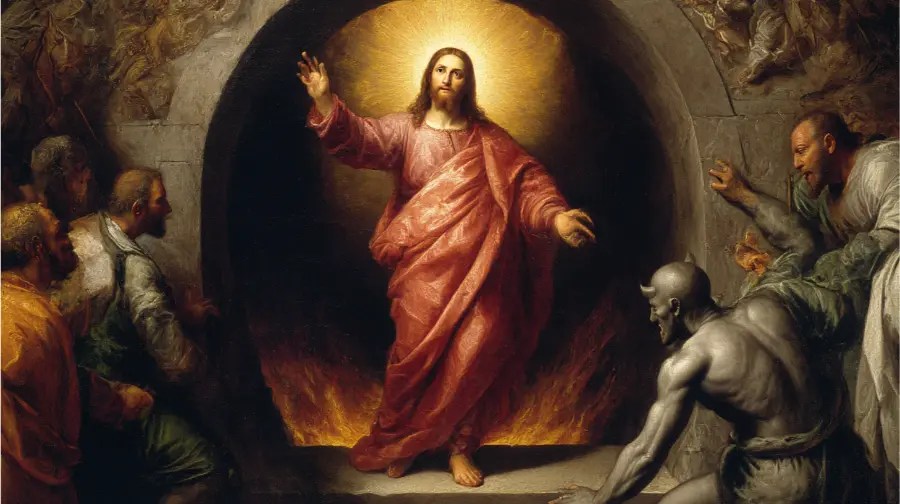
Galatians 5:22-23
“But the fruit of the Spirit is love, joy, peace, forbearance, kindness, goodness, faithfulness, gentleness and self-control. Against such things there is no law.”
Reflection: Self-control is not presented here as a product of sheer willpower, but as a “fruit of the Spirit.” This is deeply encouraging. It means that the ability to make wise, disciplined choices for our bodies is something that God Himself cultivates within us as we yield to Him. Tending to our health becomes a cooperative effort with the Holy Spirit, who empowers us to live with the moderation and wisdom that lead to flourishing.
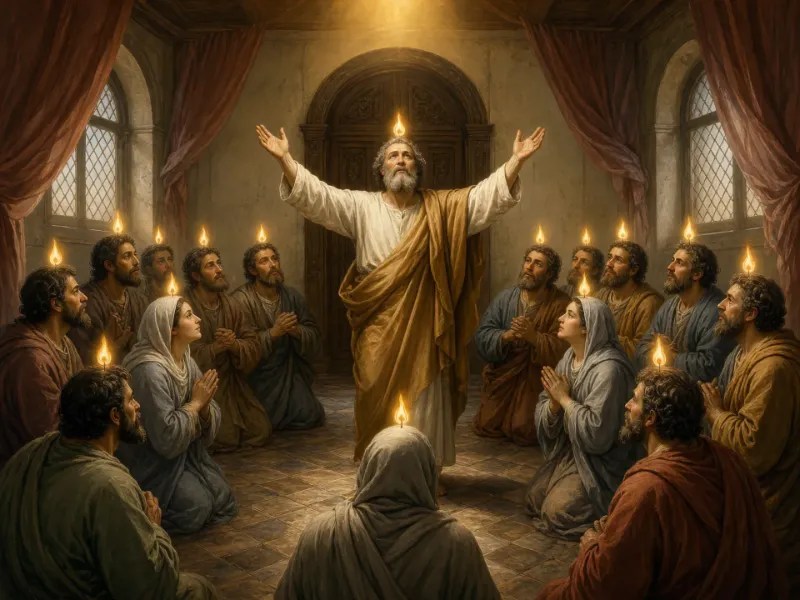
Proverbs 23:2
“and put a knife to your throat if you are given to gluttony.”
Reflection: This is intentionally shocking hyperbole meant to jolt us into awareness. It speaks to the life-and-death seriousness of unchecked appetites. Gluttony isn’t just about food; it’s about a consuming desire for more that is never satisfied. This verse is a stark moral call to govern our desires rather than letting them govern us. It commands us to exercise radical discipline for the sake of our physical and spiritual well-being.

Proverbs 25:16
“If you find honey, eat just enough— too much of it, and you will vomit.”
Reflection: This is a beautiful and simple metaphor for the wisdom of moderation. Honey is a good thing, a blessing. But even good things, when consumed to excess, become harmful. This applies to food, leisure, exercise, and so many other areas of life. It’s a gentle but firm reminder that a core component of a healthy life is learning the wisdom of “just enough.”
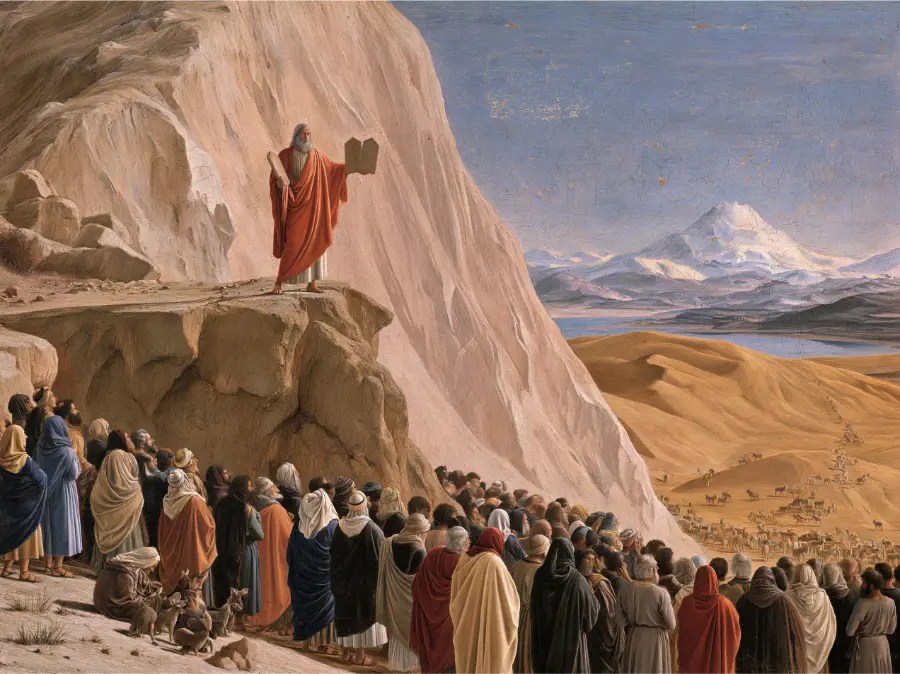
Daniel 1:8
“But Daniel resolved not to defile himself with the royal food and wine, and he asked the chief official for permission not to defile himself this way.”
Reflection: Daniel’s story is a powerful testament to principled living. His decision was not primarily about nutrition but about holiness and identity. He made a conscious choice to align his physical consumption with his spiritual convictions. This challenges us to consider the “why” behind our choices. Sometimes, caring for our bodies means saying “no” to what is offered for the sake of a higher purpose and a clearer conscience.

Proverbs 31:17
“She sets about her work vigorously; her arms are strong for her tasks.”
Reflection: This description of the “virtuous woman” includes her physical strength and capability. It celebrates a body that is fit for its purpose. There is a moral and spiritual beauty in physical readiness and diligence. This verse counters any notion that spirituality is passive or weak, affirming that developing our physical strength can be an act of virtue, equipping us to serve our families and communities with energy and resilience.
Category 5: The Sacred Rhythm of Rest and Renewal
This final set of verses emphasizes the divine command and gift of rest, crucial for physical, mental, and spiritual health.
Mark 6:31
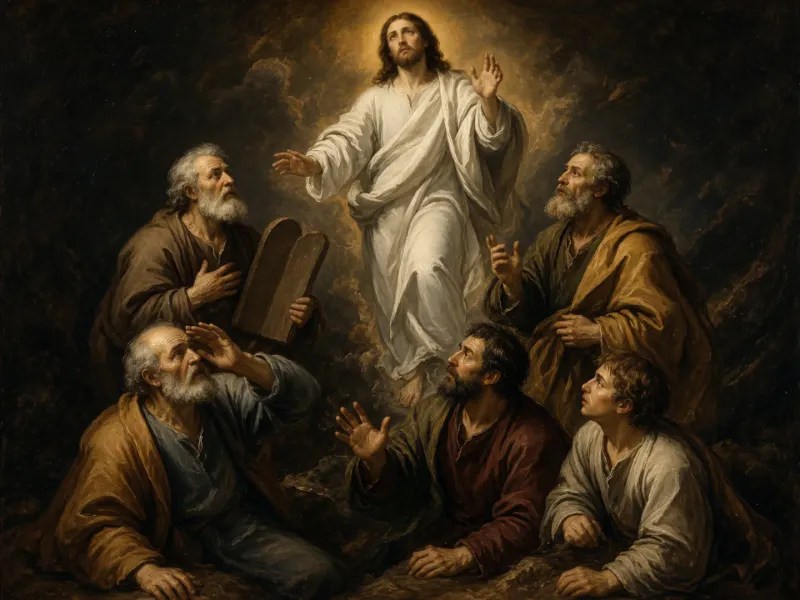
“Then, because so many people were coming and going that they did not even have a chance to eat, he said to them, ‘Come with me by yourselves to a quiet place and get some rest.’”
Reflection: In this moment, Jesus, the Son of God, models a profound truth: rest is not a luxury, but a necessity. He sees his disciples’ depletion and his response is not to demand more, but to invite them into intentional retreat and renewal. This is a compassionate permission slip from our Lord to step away from the endless demands of life to care for our basic human needs for food, quiet, and rest.

Genesis 2:2-3
“By the seventh day God had finished the work he had been doing; so on the seventh day he rested from all his work. Then God blessed the seventh day and made it holy, because on it he rested from all the work of creating that he had done.”
Reflection: Rest is woven into the fabric of creation itself. God did not rest because He was tired, but to establish a holy rhythm for all of life. The Sabbath is a gift, a blessed and holy time set apart for renewal. To honor the Sabbath is to trust that God is in control and that our worth is not defined by our productivity. It is a vital, weekly practice for restoring body and soul.
Psalm 127:2
“In vain you rise early and stay up late, toiling for food to eat— for he grants sleep to those he loves.”
Reflection: This verse tenderly rebukes our anxiety-driven striving. It reframes sleep, not as a necessary inconvenience or a sign of weakness, but as a gift of grace from a loving Father. It is an invitation to release our frantic grip on control and to trust that God provides. Embracing sleep is an act of faith, a declaration that our security rests in God, not in our own tireless efforts.
Exodus 20:9-10
“Six days you shall labor and do all your work, but the seventh day is a sabbath to the Lord your God. On it you shall not do any work…”
Reflection: The command to rest is placed with the same weight as the commands against murder and theft. This is morally significant. It tells us that refusing to rest is not just unwise, it is a violation of a divine precept designed for our good. This command protects us from ourselves—from our own tendencies toward workaholism, burnout, and finding our identity in what we produce.
Psalm 23:2-3
“He makes me lie down in green pastures, he leads me beside quiet waters, he refreshes my soul.”
Reflection: This beloved Psalm paints a picture of the Good Shepherd actively leading his sheep to places of rest and restoration. Sometimes, we do not know how to rest, and our Shepherd must “make us” lie down. This is a comforting thought. God’s care is so complete that it includes guiding us, sometimes compellingly, toward the peace, quiet, and refreshment that our bodies and souls so desperately need.


Leave a Reply