
 English
 Chinese
 Dutch
 Arabic
 Spanish
 Portuguese
 Russian
 French
 Italian
 German
 Japanese
Category 1: The Divine Design and Gift of Sexuality
This group of verses explores sexuality as a good and beautiful gift from God, intended for human flourishing within a specific, sacred context.

Genesis 1:27-28a
“So God created mankind in his own image, in the image of God he created them; male and female he created them. God blessed them and said to them, ‘Be fruitful and increase in number…’”
Reflection: Our sexuality is not an afterthought; it is woven into the very fabric of our creation in God’s image. The distinction and union of male and female reflect a deep truth about God’s own relational nature. The blessing to “be fruitful” is not just about procreation, but about the life-giving, creative, and joyful potential that flows from a healthy, life-long union. It grounds our identity in divine design, offering a profound sense of purpose and belonging.

Genesis 2:24-25
“That is why a man leaves his father and mother and is united to his wife, and they become one flesh. Adam and his wife were both naked, and they felt no shame.”
Reflection: This is the blueprint for human intimacy. The “one flesh” union is not merely physical; it is a profound merging of lives, a sacred attachment. The absence of shame speaks to a state of complete emotional safety and vulnerability, where two people can be fully known and fully accepted. This is the deep, secure belonging our hearts yearn for, a sanctuary from the isolation of the world.

Proverbs 5:18-19
“May your fountain be blessed, and may you rejoice in the wife of your youth. A loving doe, a graceful deer—may her breasts satisfy you always, may you ever be intoxicated with her love.”
Reflection: This verse shatters the idea that the Bible is prudish. It paints a vibrant, passionate picture of marital love. The command to “rejoice” and be “intoxicated” speaks to the goodness of erotic pleasure and delight within the secure covenant of marriage. This emotional and physical satisfaction is a God-given energy that can continually renew a lifelong bond, making it a source of joy and strength.

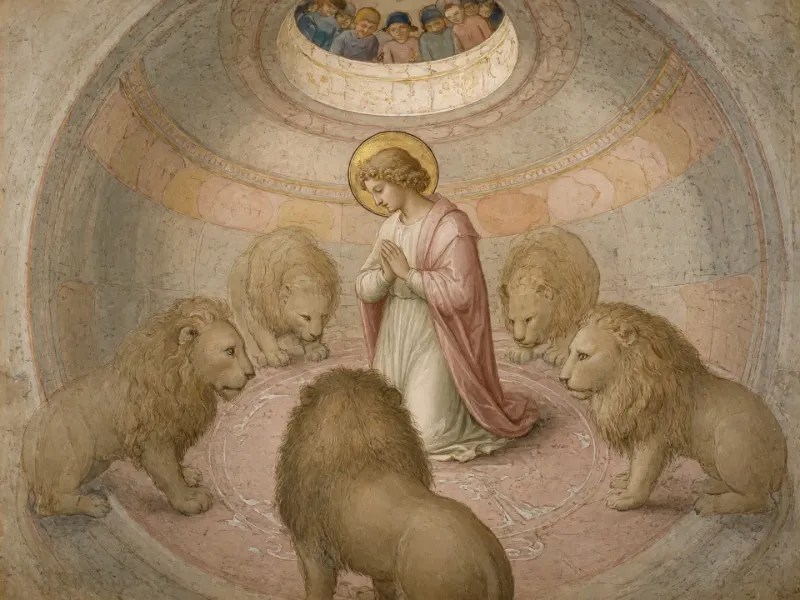
Song of Solomon 4:7
“You are altogether beautiful, my darling; there is no flaw in you.”
Reflection: In a world that often fosters deep bodily insecurity and shame, these words are a healing balm. This is the voice of love that sees the beloved not through a lens of critique, but of total adoration. True intimacy creates a space where we feel safe enough to be seen, not just for our strengths, but in our entirety. This experience of being found “altogether beautiful” by one’s spouse can be deeply restorative to the soul.
Song of Solomon 7:10
“I belong to my beloved, and his desire is for me.”
Reflection: Here lies the beautiful mutuality of desire and a secure sense of belonging. It speaks to a deep emotional truth: it is not enough to love; we long to be wanted, to be the object of our beloved’s focused desire. This security—knowing you belong to one another—is the foundation upon which the freedom of joyful, passionate expression can be built.
Category 2: The Covenant of Marriage as the Sacred Context
These verses establish marriage as the unique, covenantal relationship God designed for the expression of sexual intimacy.

Hebrews 13:4
“Marriage should be honored by all, and the marriage bed kept pure, for God will judge the adulterer and all the sexually immoral.”
Reflection: This verse frames marital intimacy as something sacred and honorable. Keeping the marriage bed “pure” or “undefiled” is about protecting this sacred space from anything that would violate its exclusivity and trust. It’s an emotional and spiritual boundary that guards the profound vulnerability shared between two people, preserving the integrity of their one-flesh bond.

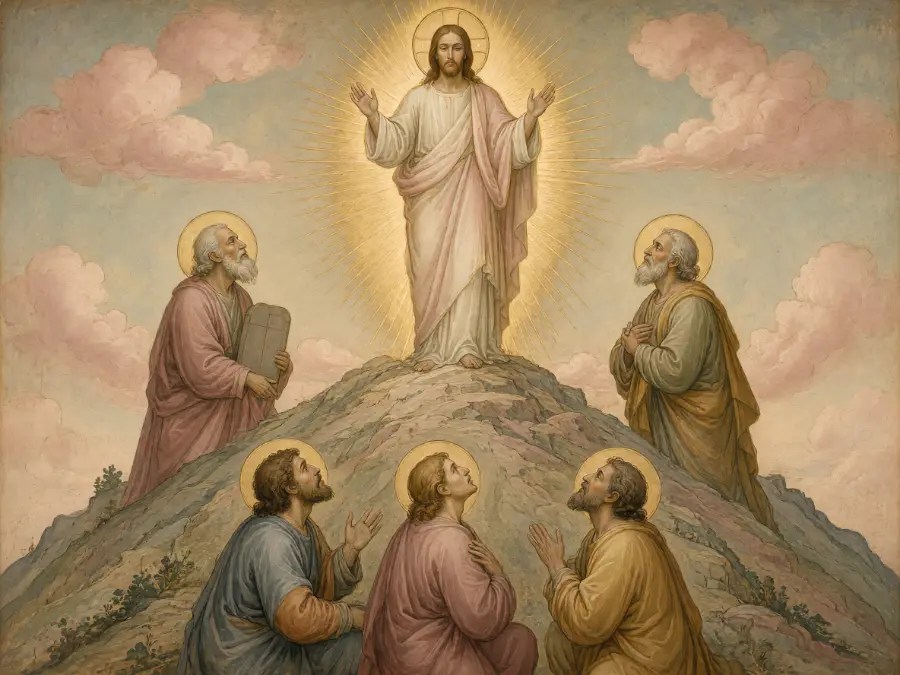
Matthew 19:4-6
“‘Haven’t you read,’ he replied, ‘that at the beginning the Creator “made them male and female,” and said, “For this reason a man will leave his father and mother and be united to his wife, and the two will become one flesh”? So they are no longer two, but one flesh. Therefore what God has joined together, let no one separate.’”
Reflection: Jesus affirms the Genesis account, elevating marriage to a divine act. The union is not just a social contract but a spiritual reality authored by God. The sense that “God has joined” them creates a powerful bond that transcends feelings or circumstances. This perception of a shared identity in a God-ordained union provides immense security and resilience to a relationship.
1 Corinthians 7:3-5
“The husband should fulfill his marital duty to his wife, and likewise the wife to her husband. The wife does not have authority over her own body but yields it to her husband. In the same way, the husband does not have authority over his own body but yields it to his wife. Do not deprive each other except perhaps by mutual consent and for a time…”
Reflection: This passage speaks to a radical mutuality and self-giving. In an honor-shame culture where this was unheard of, Paul places husband and wife on equal footing concerning their physical intimacy. It is a call to a selfless, attentive love that prioritizes the other’s needs. This mutual yielding builds deep trust and generosity, preventing sex from being used as a tool for power or leverage and instead making it an act of intimate service.

Ephesians 5:31-32
“‘For this reason a man will leave his father and mother and be united to his wife, and the two will become one flesh.’ This is a profound mystery—but I am talking about Christ and the church.”
Reflection: Here, human marriage is given its highest possible meaning. Our unions are intended to be a living, breathing picture of the faithful, sacrificial, and unbreakable love between Christ and His people. This perspective infuses marriage with profound purpose. Every act of forgiveness, service, and intimate love within a marriage can be an echo of this greater spiritual reality, lending it transcendent weight and significance.
Category 3: Guarding the Heart and Body
This selection focuses on the internal and external boundaries necessary to protect the gift of sexuality from being misused or distorted.
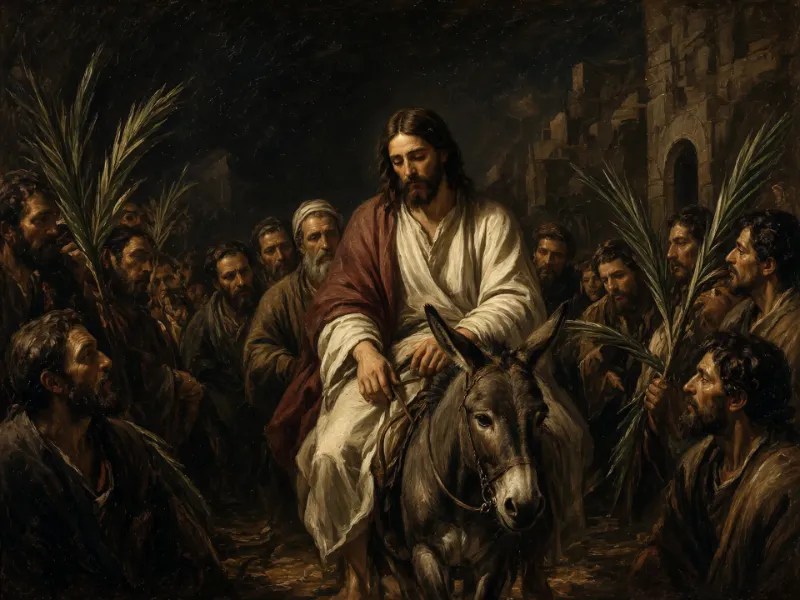
Matthew 5:28
“But I tell you that anyone who looks at a woman lustfully has already committed adultery with her in his heart.”
Reflection: Jesus moves the conversation about sexual purity from mere external actions to the internal world of our thoughts and desires. He understands that our inner life is where our character is truly formed. Lust reduces a whole person, made in God’s image, to an object for personal gratification. This verse is a call to honor others not just with our bodies, but with our minds and imaginations, preserving the integrity of our own hearts.
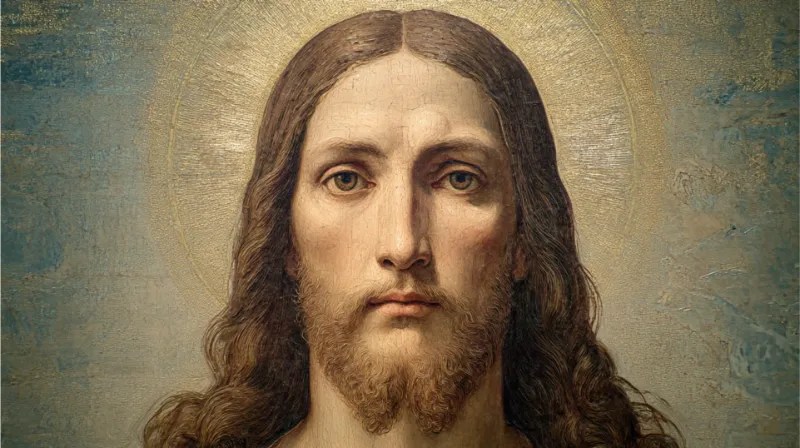
Proverbs 4:23
“Above all else, guard your heart, for everything you do flows from it.”
Reflection: Our heart is the wellspring of our emotional, spiritual, and relational life. This verse is a call to be mindfully aware of what we allow to shape our affections and attachments. A guarded heart, in this sense, is not a closed-off heart, but one that is intentionally protected and curated. A healthy sexuality flows from a heart that is oriented toward love, honor, and purity, rather than one corrupted by exploitation or selfish desire.

1 Thessalonians 4:3-5
“It is God’s will that you should be sanctified: that you should avoid sexual immorality; that each of you should learn to control your own body in a way that is holy and honorable, not in passionate lust like the pagans, who do not know God.”
Reflection: Self-control here is not presented as a joyless suppression, but as a path to holiness and honor. It is a mastering of our impulses for the sake of a higher purpose. Learning to channel our profound sexual energies into a “holy and honorable” context is a mark of emotional and spiritual maturity. It’s the difference between being driven by our appetites and directing them toward a life that honors God and blesses others.

Job 31:1
“I made a covenant with my eyes not to look lustfully at a young woman.”
Reflection: This is a powerful, proactive stance. Job didn’t wait to be tempted; he made a pre-emptive decision to direct his gaze in a way that honored God and others. This speaks to the power of intentionality in our spiritual and psychological lives. Setting conscious boundaries for ourselves is not legalism, but a wise strategy for cultivating a heart of integrity and preventing the emotional and relational damage that follows unchecked desire.

Philippians 4:8
“Finally, brothers and sisters, whatever is true, whatever is noble, whatever is right, whatever is pure, whatever is lovely, whatever is admirable—if anything is excellent or praiseworthy—think about such things.”
Reflection: This verse provides the positive counterpart to guarding our hearts from lust. We are called to actively fill our minds with what is good and beautiful. This practice shapes our desires and affections over time. By focusing our mental energy on what is pure and lovely, we cultivate an inner environment where healthy, honoring relationships can flourish and where lust struggles to find fertile ground.
Category 4: The Holistic Union of Body and Spirit
These verses highlight the profound connection between our physical bodies, our spiritual lives, and our relationship with God. Sexuality is not compartmentalized but involves our whole being.

1 Corinthians 6:13b
“The body, however, is not meant for sexual immorality but for the Lord, and the Lord for the body.”
Reflection: This is a revolutionary statement. Our bodies are not mere vehicles for our souls; they have a sacred purpose and destination. The body is “for the Lord,” and wonderfully, the Lord is “for the body.” This means God cares deeply about our physical existence and our embodiment. Our sexuality, therefore, finds its true meaning when it is integrated into a life lived in relationship with Him.
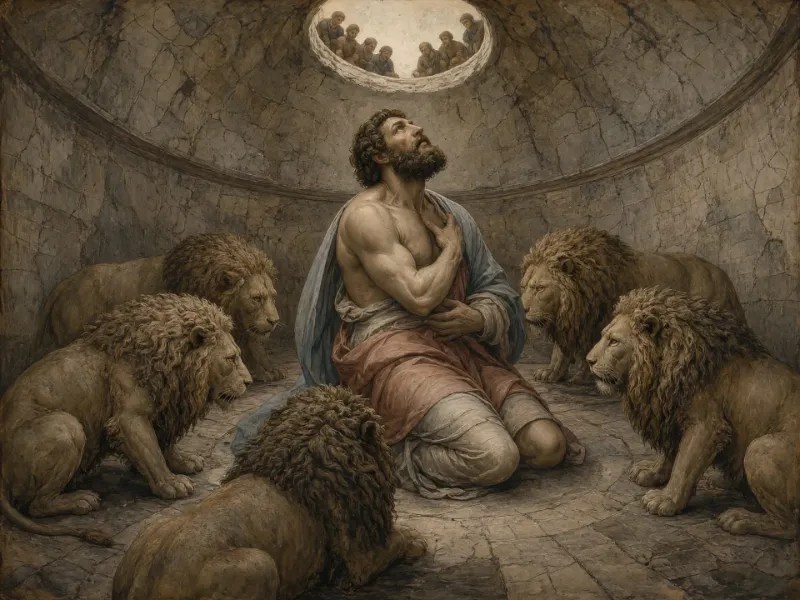
1 Corinthians 6:18
“Flee from sexual immorality. All other sins a person commits are outside the body, but whoever sins sexually, sins against their own body.”
Reflection: This verse reveals a deep insight into the unique nature of sexual sin. Because sexuality involves our whole person in such a vulnerable and integrated way, its misuse causes a unique kind of internal wound. It is a violation against the self—our integrated physical, emotional, and spiritual being. It creates a kind of soul- Pfragmentation that other sins do not, underscoring the need for careful stewardship of this powerful gift.

1 Corinthians 6:19-20
“Do you not know that your bodies are temples of the Holy Spirit, who is in you, whom you have received from God? You are not your own; you were bought at a price. Therefore honor God with your bodies.”
Reflection: This is one of the most profound statements on the sanctity of the human body. To see our body as a “temple”—the very dwelling place of God’s Spirit—changes everything. It moves the motivation for sexual purity from rule-following to a deep sense of reverent relationship. Our bodies are sacred spaces. To honor God with our bodies is to care for this temple, protecting it from defilement and using it for its intended purpose: to be a place of worship and divine presence.
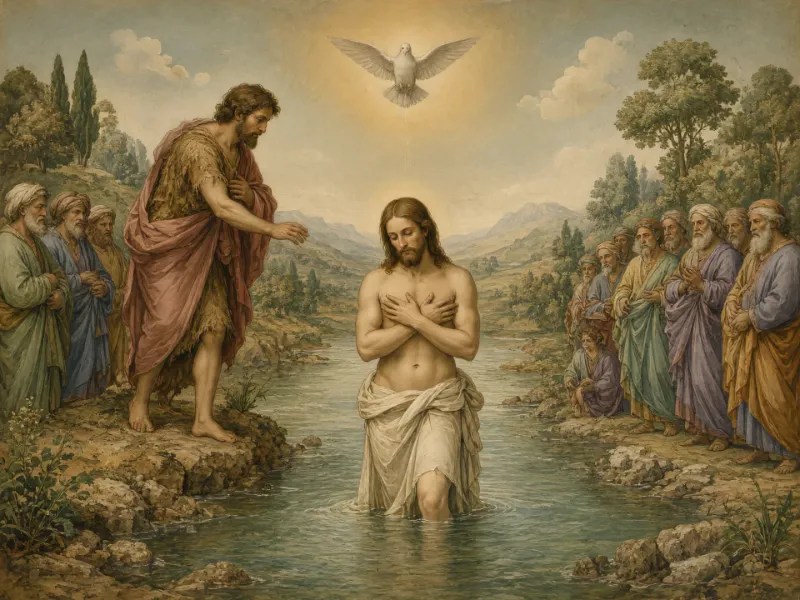
Romans 12:1
“Therefore, I urge you, brothers and sisters, in view of God’s mercy, to offer your bodies as a living sacrifice, holy and pleasing to God—this is your true and proper worship.”
Reflection: Our worship isn’t confined to a Sunday service; it is the offering of our entire, embodied lives. This includes our sexuality. To offer our bodies as a “living sacrifice” means we consciously and willingly place our physical selves, including our desires and sexual energies, under the lordship of Christ. It is an active, moment-by-moment surrender that transforms our very biology into an act of worship.
Category 5: Redemption, Healing, and Wholeness
This final set of verses offers hope, healing, and restoration for all who have experienced brokenness in the area of sexuality.

John 8:10-11
“Jesus… asked her, ‘Woman, where are they? Has no one condemned you?’ ‘No one, sir,’ she said. ‘Then neither do I condemn you,’ Jesus declared. ‘Go now and leave your life of sin.’”
Reflection: This is the beautiful posture of Christ toward our sexual brokenness. He meets us not with stones of condemnation but with a grace that shields and protects. Notice the sequence: grace comes first (“Neither do I condemn you”), which then empowers the call to a new life (“Go and leave your life of sin”). This encounter offers profound emotional healing, replacing shame with safety and creating the secure attachment to God necessary for true transformation.

1 Corinthians 6:11
“And that is what some of you were. But you were washed, you were sanctified, you were justified in the name of the Lord Jesus Christ and by the Spirit of our God.”
Reflection: This verse is a powerful declaration of a new identity. It acknowledges the past without letting it define the present or future. For those haunted by past sexual choices, these are life-changing words. “Washed, sanctified, justified” are not just theological terms; they describe a deep, spiritual, and emotional reality. Our identity is no longer “sinner” but “saint”—one who has been set apart and made new. The past does not have the final say.

Psalm 51:10
“Create in me a pure heart, O God, and renew a steadfast spirit within me.”
Reflection: This is the humble, honest prayer of a heart that recognizes its own brokenness and inability to fix itself. It is a cry for divine intervention and inner renewal. This prayer acknowledges that true purity is not something we achieve through willpower alone, but is a creative act of God within us. It is a posture of dependence that opens us up to the deep, transformative work God wants to do in the hidden places of our desires.
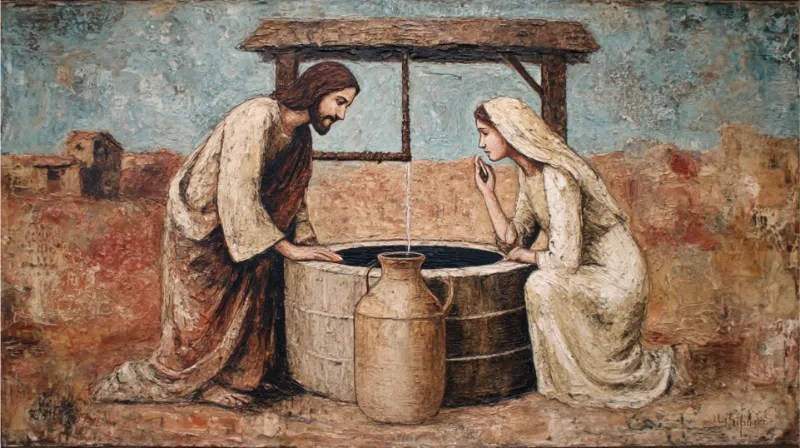
2 Corinthians 5:17
“Therefore, if anyone is in Christ, the new creation has come: The old has gone, the new is here!”
Reflection: This is the ultimate promise of the Gospel, and it applies powerfully to our sexuality. No matter the wounds we carry or have caused, in Christ we are fundamentally new. This is not just a behavioral change but an ontological one—a change in our very being. Clinging to this truth can provide the emotional and spiritual resilience needed to walk in freedom from past shame and to live out our sexuality as the new, whole person God declares us to be.

Ephesians 2:4-5
“But because of his great love for us, God, who is rich in mercy, made us alive with Christ even when we were dead in transgressions—it is by grace you have been saved.”
Reflection: This verse anchors all our efforts and failures in the reality of God’s unshakeable love and mercy. Our spiritual life—including the journey toward sexual wholeness—is not initiated by our strength but by God’s great love. Understanding that we are saved by grace provides a profound sense of emotional security. It means that when we stumble, we fall into the safety net of mercy, not the pit of condemnation. This security is the very ground upon which lasting healing is built.

Romans 8:1
“Therefore, there is now no condemnation for those who are in Christ Jesus.”
Reflection: This is the final word that silences shame. For anyone wrestling with sexual guilt or feelings of being irredeemable, this truth is the bedrock of freedom. Condemnation crushes the human spirit and paralyzes us in our past. The absence of condemnation, promised here, is not a license to sin, but the absolute liberation needed to live a new life, to love freely, and to experience our whole selves—body, soul, and sexuality—as fully redeemed and accepted by God.


Leave a Reply