
 English
 Chinese
 Dutch
 Arabic
 Spanish
 Portuguese
 Russian
 French
 Italian
 German
 Japanese
The Bible places a person’s identity in God’s making and, for those who believe in Christ, in their relationship to him. Genesis 1:27 says human beings are made in the image of God, and Psalm 139:13-14 praises God for forming one person in the womb.
The New Testament calls believers children of God (John 1:12, 1 John 3:1), a new creation (2 Corinthians 5:17), people who belong to God because they were “bought with a price” (1 Corinthians 6:20), and “a chosen race, a royal priesthood, a holy nation” (1 Peter 2:9). Ephesians 2:10 says they were created “for good works,” and Matthew 5:14-16 and 2 Corinthians 5:20 give them work to do as the light of the world and ambassadors for Christ.
Made by God
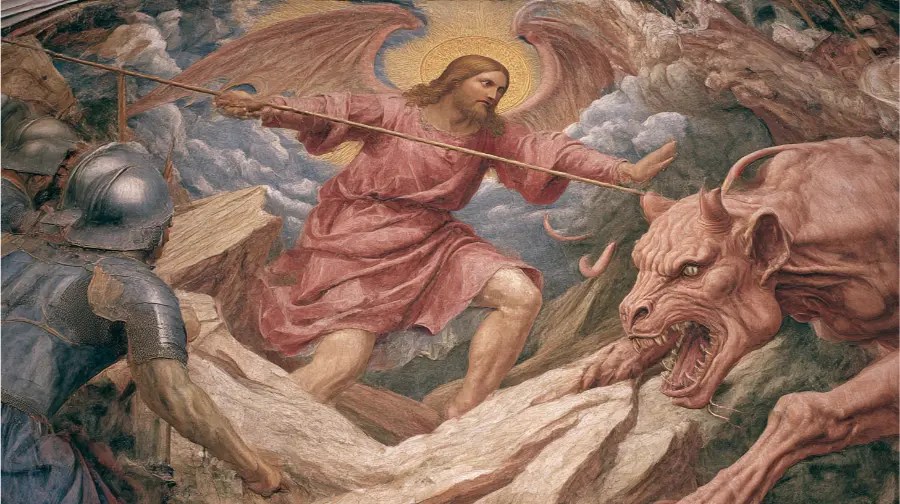
Genesis 1:27
“So God created man in his own image, in the image of God he created him; male and female he created them.”
Reflection: God states the decision in verse 26, “Let us make man in our image, after our likeness,” and verse 27 carries it out. The image is given to humanity as a whole, “male and female,” and verse 26 joins it to a task: dominion over the fish, the birds, the livestock and the earth. Verse 28 repeats that charge as a blessing.
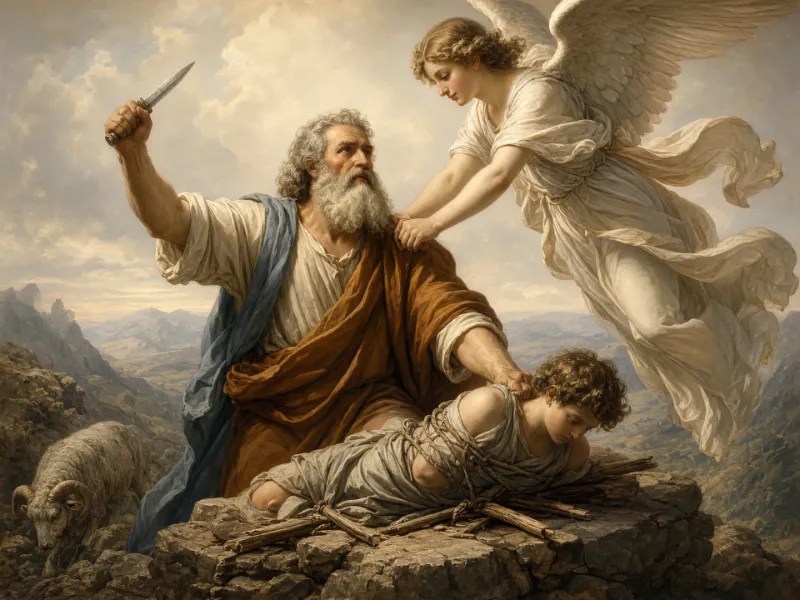
Psalm 139:13-14
“For you formed my inward parts; you knitted me together in my mother’s womb. I praise you, for I am fearfully and wonderfully made. Wonderful are your works; my soul knows it very well.”
Reflection: The psalmist speaks to God about his own making: God formed his inward parts and knitted him together in the womb. The praise in verse 14 is directed at God’s work, “Wonderful are your works.” Verse 16 goes further back still: God’s eyes saw his “unformed substance,” and his days were written in God’s book “when as yet there was none of them.”
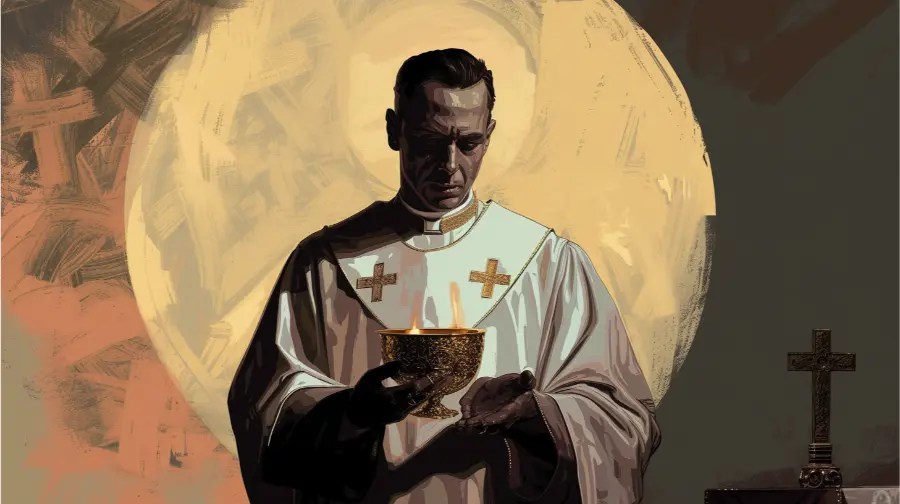
Jeremiah 1:5
“Before I formed you in the womb I knew you, and before you were born I consecrated you; I appointed you a prophet to the nations.”
Reflection: These are the Lord’s words to Jeremiah at his call. The verse sets three acts of God side by side, knowing, consecrating and appointing, and the last names Jeremiah’s office as a prophet to the nations. Jeremiah answers that he is “only a youth” and does not know how to speak, and the Lord replies that he will go where he is sent, adding “I am with you to deliver you” (verse 8). The verse is addressed to one prophet about his office, and it places God’s knowledge of him before his forming in the womb.
Children of God

John 1:12
“But to all who did receive him, who believed in his name, he gave the right to become children of God.”
Reflection: John’s prologue sets this against verse 11: “He came to his own, and his own people did not receive him.” Those who did receive him are given the right to become children of God, and verse 13 says where that birth comes from: “not of blood nor of the will of the flesh nor of the will of man, but of God.” In John’s account, God’s children are those born of God, which he distinguishes from natural descent.
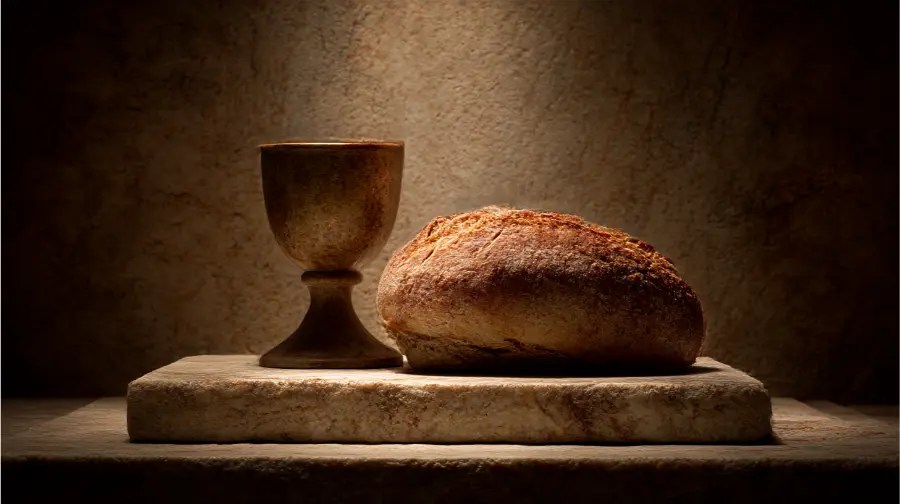
Romans 8:16-17
“The Spirit himself bears witness with our spirit that we are children of God, and if children, then heirs—heirs of God and fellow heirs with Christ, provided we suffer with him in order that we may also be glorified with him.”
Reflection: Paul has just written that believers received “the Spirit of adoption as sons, by whom we cry, ‘Abba! Father!’” in place of “the spirit of slavery to fall back into fear” (verse 15). Verse 16 adds that the Spirit himself confirms the relationship alongside the believer’s own spirit. From children Paul moves to heirs, with a condition attached: the inheritance is shared with Christ “provided we suffer with him.”
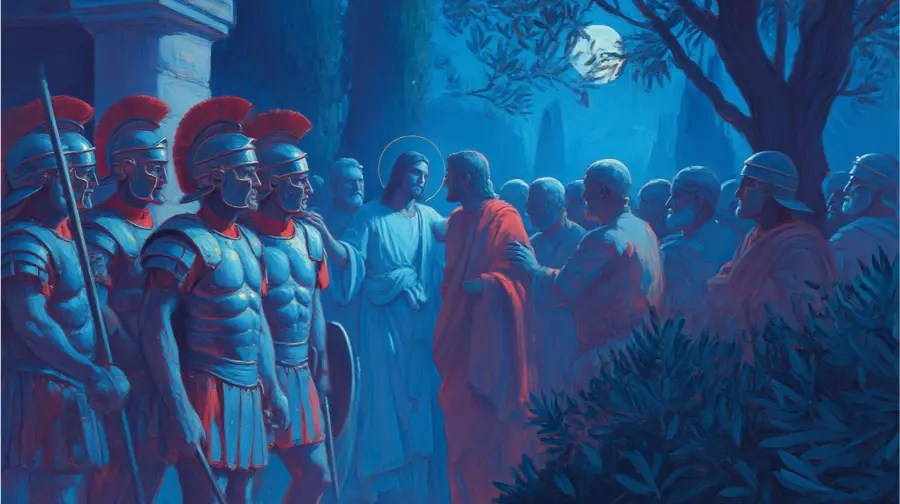
1 John 3:1
“See what kind of love the Father has given to us, that we should be called children of God; and so we are. The reason why the world does not know us is that it did not know him.”
Reflection: John does not leave the title as a name only: “and so we are.” The world does not know believers because “it did not know him,” and the nearest person named in the verse is the Father. Verse 2 separates what is settled from what is still to come: “we are God’s children now, and what we will be has not yet appeared.”
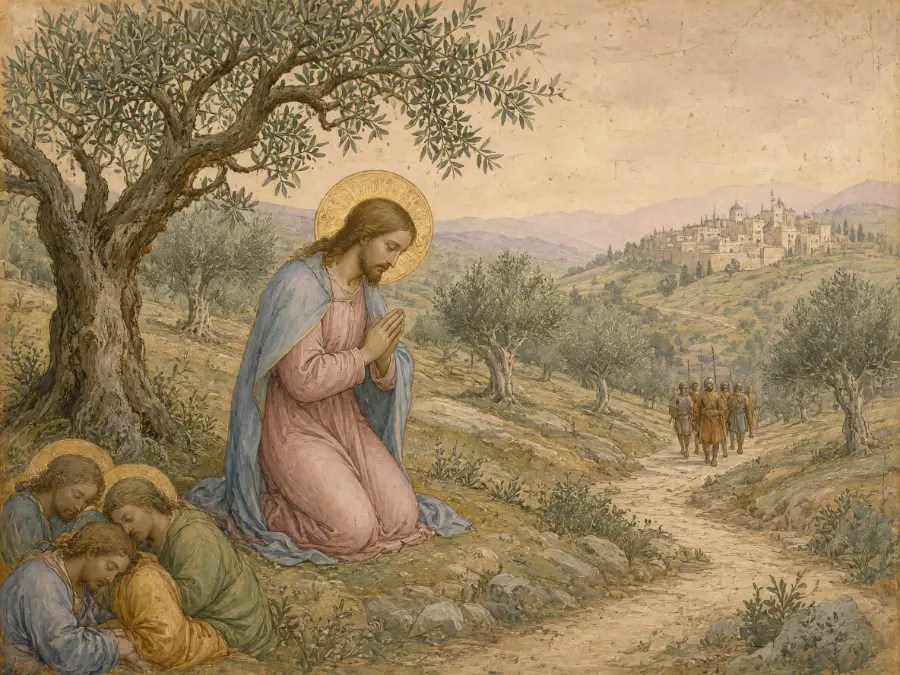
Galatians 3:26-28
“For in Christ Jesus you are all sons of God, through faith. For as many of you as were baptized into Christ have put on Christ. There is neither Jew nor Greek, there is neither slave nor free, there is no male and female, for you are all one in Christ Jesus.”
Reflection: Paul says the sonship comes “through faith” and that those baptized into Christ “have put on Christ.” He then names three divisions of his world, Jew and Greek, slave and free, male and female, and says all are “one in Christ Jesus.” Verse 29 adds that those who belong to Christ are “Abraham’s offspring, heirs according to promise.”
Ephesians 1:4-5
“Even as he chose us in him before the foundation of the world, that we should be holy and blameless before him. In love he predestined us for adoption to himself as sons through Jesus Christ, according to the purpose of his will.”
Reflection: Paul’s opening blessing lists what God has done “in Christ,” beginning with a choosing placed “before the foundation of the world.” Verse 4 states what the choosing was for, that “we should be holy and blameless before him.” Verse 5 speaks of predestining “for adoption to himself as sons through Jesus Christ” and traces it to “the purpose of his will.”
A new creation in Christ
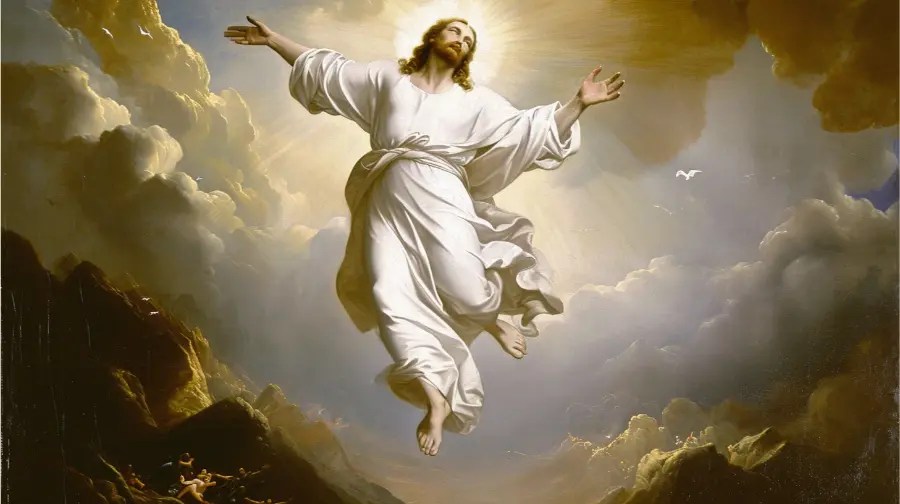
2 Corinthians 5:17
“Therefore, if anyone is in Christ, he is a new creation. The old has passed away; behold, the new has come.”
Reflection: The “therefore” reaches back to verses 14-15: one died for all, “that those who live might no longer live for themselves but for him who for their sake died and was raised.” Verse 16 draws the first consequence, “we regard no one according to the flesh,” and verse 17 the second: whoever is in Christ is a new creation. Verse 18 credits the change to God: “All this is from God.”
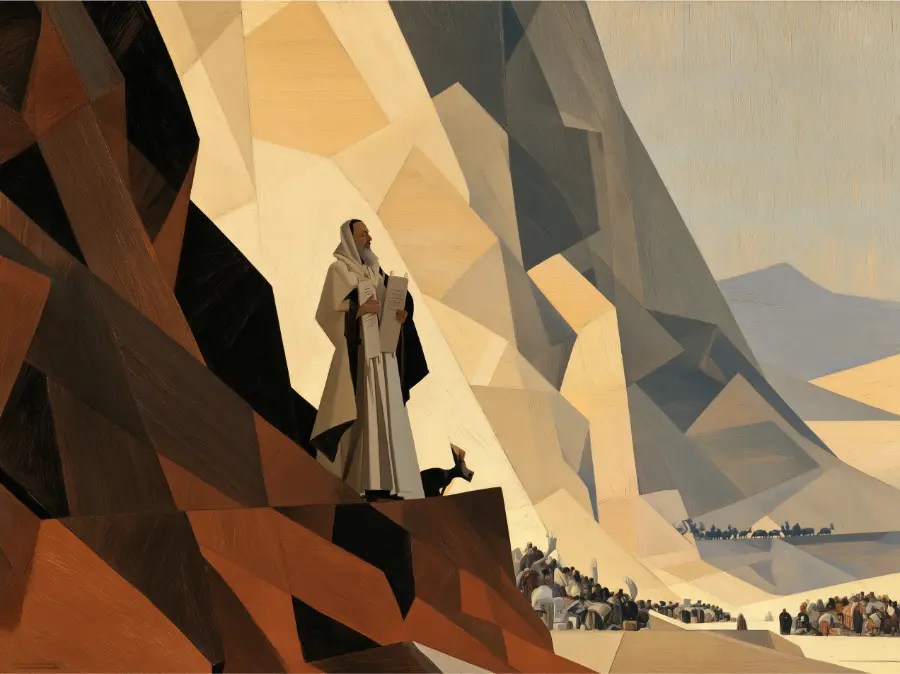
Galatians 2:20
“I have been crucified with Christ. It is no longer I who live, but Christ who lives in me. And the life I now live in the flesh I live by faith in the Son of God, who loved me and gave himself for me.”
Reflection: Paul is arguing that righteousness does not come through the law (verse 21), and in verse 19 he says “through the law I died to the law, so that I might live to God.” Here he calls that death a crucifixion with Christ, and says the life he still lives in the body is lived “by faith in the Son of God.” The verse stays in the first person throughout and ends on Christ “who loved me and gave himself for me.”
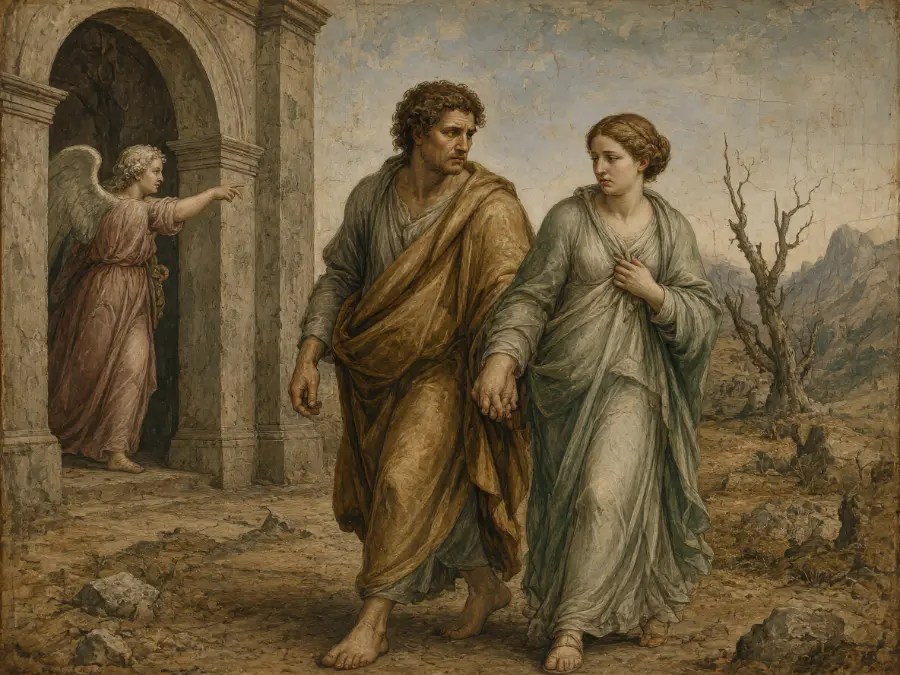
Colossians 1:13-14
“He has delivered us from the domain of darkness and transferred us to the kingdom of his beloved Son, in whom we have redemption, the forgiveness of sins.”
Reflection: Paul prays that the Colossians will walk “in a manner worthy of the Lord,” and the last item in that prayer is “giving thanks to the Father, who has qualified you to share in the inheritance of the saints in light” (verse 12). Verse 13 describes the change as a transfer from “the domain of darkness” to “the kingdom of his beloved Son.” Both verbs are in the past tense, and verse 14 names what believers have in the Son: redemption and the forgiveness of sins.
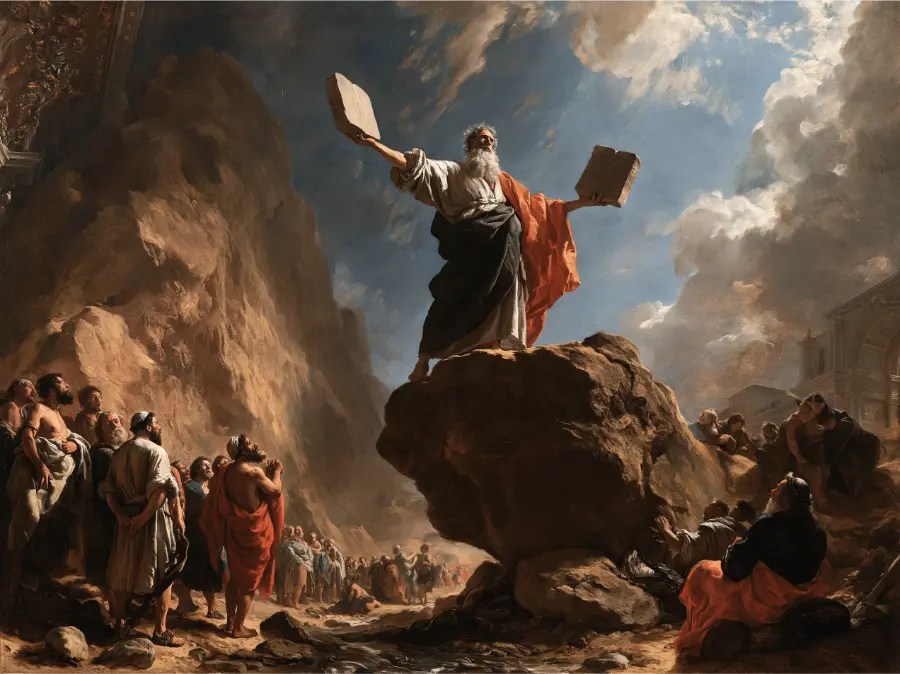
Ephesians 2:10
“For we are his workmanship, created in Christ Jesus for good works, which God prepared beforehand, that we should walk in them.”
Reflection: Verses 8-9 have just said salvation is “not a result of works, so that no one may boast.” Verse 10 then gives works a place after salvation: believers are God’s workmanship, created in Christ Jesus for good works. God prepared those works beforehand, and the believer’s part is to “walk in them.”
Belonging to God and to his people
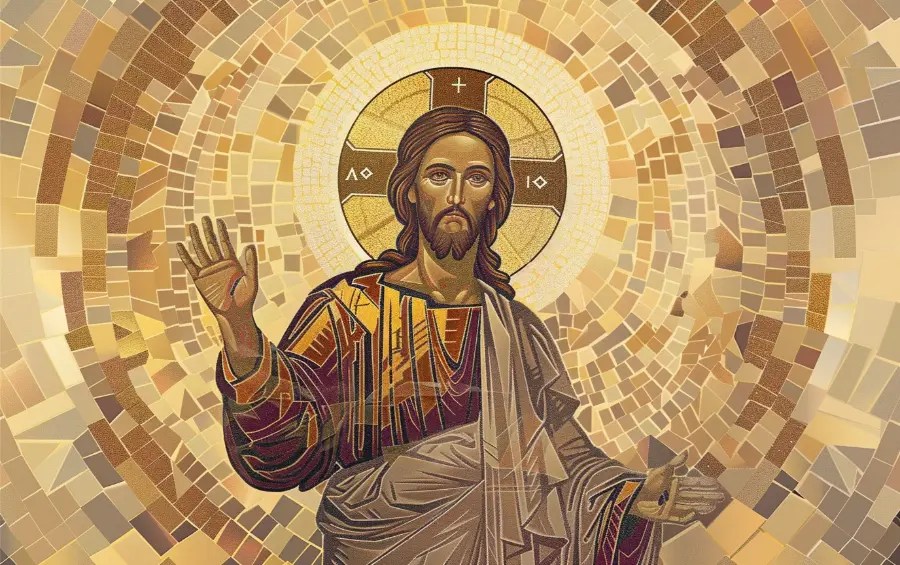
1 Corinthians 6:19-20
“Or do you not know that your body is a temple of the Holy Spirit within you, whom you have from God? You are not your own, for you were bought with a price. So glorify God in your body.”
Reflection: Paul writes this in an argument against sexual immorality in Corinth: a believer’s body is one of the “members of Christ” and must not be joined to a prostitute (verses 15-18). The body is a temple where the Holy Spirit lives, and it belongs to God because it was bought. The conclusion is also about the body: “So glorify God in your body.”
Romans 8:9
“You, however, are not in the flesh but in the Spirit, if in fact the Spirit of God dwells in you. Anyone who does not have the Spirit of Christ does not belong to him.”
Reflection: Paul makes the Spirit the mark of belonging to Christ, and the “if in fact” sets the test: whether the Spirit of God dwells in a person. The verse states it both ways, as a description of the Romans and as a rule for anyone. Verse 14 makes a related claim about being led by the Spirit: “all who are led by the Spirit of God are sons of God.”
1 Peter 2:9
“But you are a chosen race, a royal priesthood, a holy nation, a people for his own possession, that you may proclaim the excellencies of him who called you out of darkness into his marvelous light.”
Reflection: Peter gives believers a string of titles for God’s people, chosen race, royal priesthood, holy nation, a people for God’s own possession, and attaches a task: to proclaim the excellencies of the one who called them out of darkness. Verse 5 has already called them “living stones” being built up as a spiritual house. Verse 10 states the change as before and after: “Once you were not a people, but now you are God’s people.”
What the identity is for
2 Corinthians 5:20
“Therefore, we are ambassadors for Christ, God making his appeal through us. We implore you on behalf of Christ, be reconciled to God.”
Reflection: The ambassador’s title follows from verses 18-19, where God “gave us the ministry of reconciliation” and entrusted “to us the message of reconciliation.” An ambassador speaks on another’s behalf, and Paul says God makes “his appeal through us.” The verse ends by making that appeal directly to the Corinthians: “be reconciled to God.”
Matthew 5:14-16
“You are the light of the world. A city set on a hill cannot be hidden. Nor do people light a lamp and put it under a basket, but on a stand, and it gives light to all in the house. In the same way, let your light shine before others, so that they may see your good works and give glory to your Father who is in heaven.”
Reflection: Jesus says this in the Sermon on the Mount, straight after “You are the salt of the earth” (verse 13). Both sayings begin “You are,” a statement made to his hearers before any command. The command that follows concerns being seen, and it names who receives the credit: people see the good works “and give glory to your Father who is in heaven.”


Leave a Reply