
 English
 Chinese
 Dutch
 Arabic
 Spanish
 Portuguese
 Russian
 French
 Italian
 German
 Japanese
The Bible does not use the term self-harm, but it describes people cutting themselves and forbids one form of it. The law tells Israel not to cut their bodies for the dead (Leviticus 19:28; Deuteronomy 14:1).
Baal’s prophets slash themselves on Mount Carmel (1 Kings 18:28), and the man Jesus meets among the tombs cuts himself with stones (Mark 5:5). Paul calls the body a temple of the Holy Spirit, bought at a price (1 Corinthians 6:19-20), and the Psalms say the LORD is close to the brokenhearted and binds up their wounds (Psalm 34:18; Psalm 147:3).
Where Scripture describes people cutting themselves

Leviticus 19:28
“Do not cut your bodies for the dead or put tattoo marks on yourselves. I am the LORD.”
Reflection: The command sits among the laws of Leviticus 19, and the cutting it forbids is a mourning rite, done “for the dead.” No penalty is attached. The reason given is the speaker himself: “I am the LORD.”
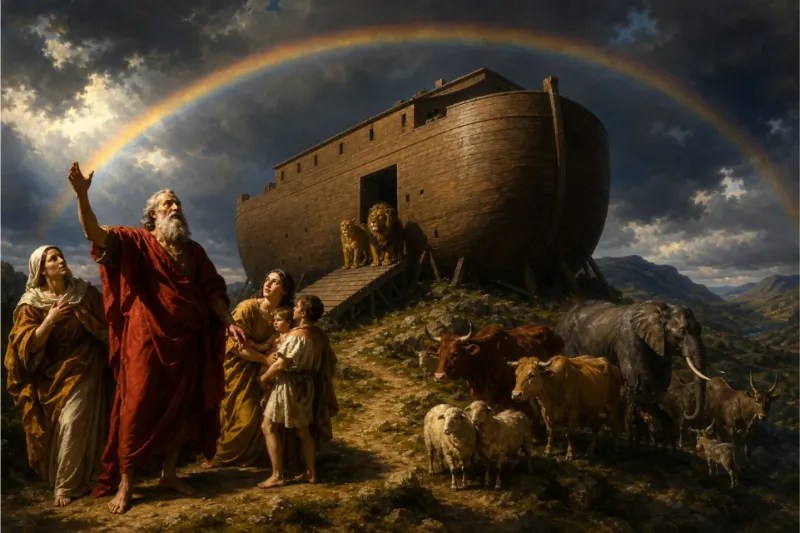
Deuteronomy 14:1-2
“You are the children of the LORD your God. Do not cut yourselves or shave the front of your heads for the dead, for you are a people holy to the LORD your God. Out of all the peoples on the face of the earth, the LORD has chosen you to be his treasured possession.”
Reflection: Moses repeats the ban on cutting for the dead and says why. The people are “the children of the LORD your God,” “a people holy to the LORD,” and his “treasured possession.” The command rests on whom the people belong to.

1 Kings 18:28
“So they shouted louder and slashed themselves with swords and spears, as was their custom, until their blood flowed.”
Reflection: On Mount Carmel, Elijah set the prophets of Baal against the LORD: the god who answered with fire would be God. After a morning of shouting and Elijah’s taunts, Baal’s prophets cut themselves “as was their custom” until they bled. Verse 29 gives the outcome: “no one answered, no one paid attention.”
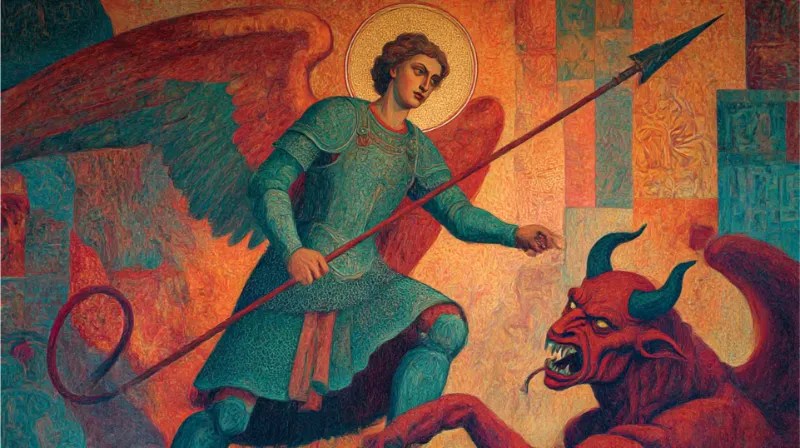
Mark 5:5
“Night and day among the tombs and in the hills he would cry out and cut himself with stones.”
Reflection: Mark describes a man with “an impure spirit” living among the tombs in the region of the Gerasenes, whom no one could hold even with chains. Jesus drives the spirits out, and the townspeople find the man “sitting there, dressed and in his right mind” (Mark 5:15). Jesus then sends him back to his family: “Go home to your own people” (Mark 5:19).
The body, and the person, in God’s care
1 Corinthians 6:19-20
“Do you not know that your bodies are temples of the Holy Spirit, who is in you, whom you have received from God? You are not your own; you were bought at a price. Therefore honor God with your bodies.”
Reflection: Paul is answering a Corinthian slogan, “I have the right to do anything” (1 Corinthians 6:12), and the immediate subject is sexual immorality. His reasons concern the body itself: the Holy Spirit lives in it, and it was bought at a price. “Therefore honor God with your bodies” follows from both.

Ephesians 5:29
“After all, no one ever hated their own body, but they feed and care for their body, just as Christ does the church—”
Reflection: In instructions to husbands, Paul treats care for one’s own body as the ordinary case: people “feed and care for” their bodies. He compares that care to Christ’s care for the church, “for we are members of his body” (Ephesians 5:30).
Romans 12:1
“Therefore, I urge you, brothers and sisters, in view of God’s mercy, to offer your bodies as a living sacrifice, holy and pleasing to God—this is your true and proper worship.”
Reflection: Paul asks for bodies offered as a “living sacrifice,” and he grounds the request in “God’s mercy.” The next verse moves from the body to the mind: “be transformed by the renewing of your mind.”
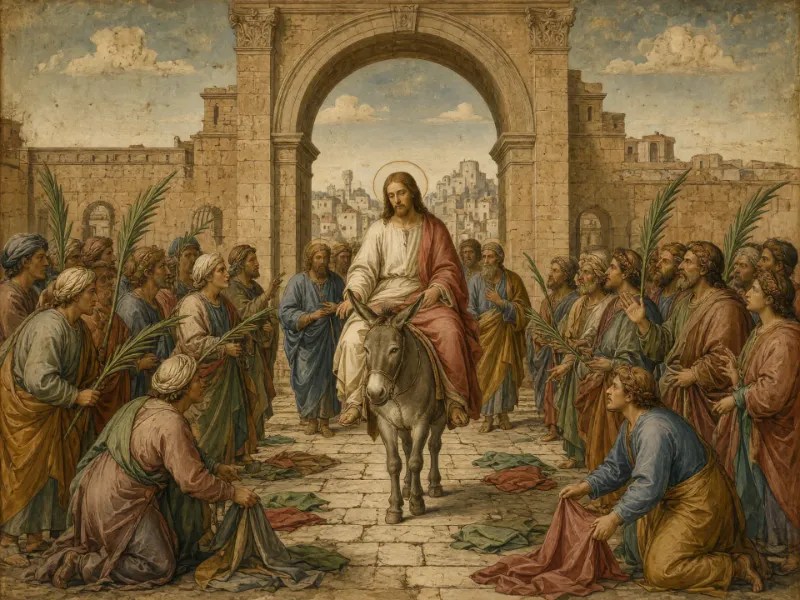
Psalm 139:13-14
“For you created my inmost being; you knit me together in my mother’s womb. I praise you because I am fearfully and wonderfully made; your works are wonderful, I know that full well.”
Reflection: In a psalm of David, the speaker praises God for forming him in the womb. The lines that follow stay with the body: “My frame was not hidden from you,” and “Your eyes saw my unformed body” (Psalm 139:15-16).

Luke 12:7
“Indeed, the very hairs of your head are all numbered. Don’t be afraid; you are worth more than many sparrows.”
Reflection: Jesus says this to his disciples while telling them not to be afraid of “those who kill the body” (Luke 12:4). Sparrows were sold five for two pennies, yet “not one of them is forgotten by God” (Luke 12:6), and the disciples are worth more than many sparrows.
God with people who are hurting
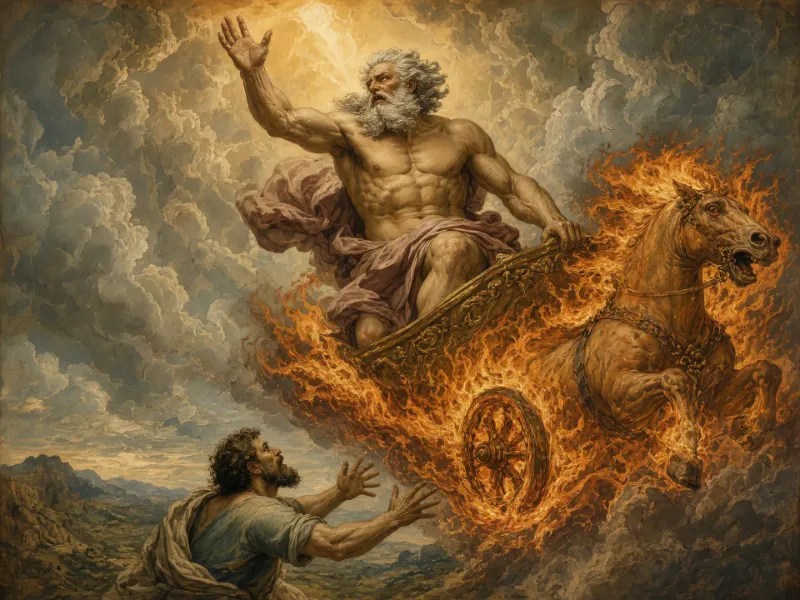
Psalm 34:18
“The LORD is close to the brokenhearted and saves those who are crushed in spirit.”
Reflection: The verses on either side say the LORD hears the righteous when they cry out and that “the righteous person may have many troubles.” The psalm promises God’s nearness to the broken heart without saying the troubles will not come.
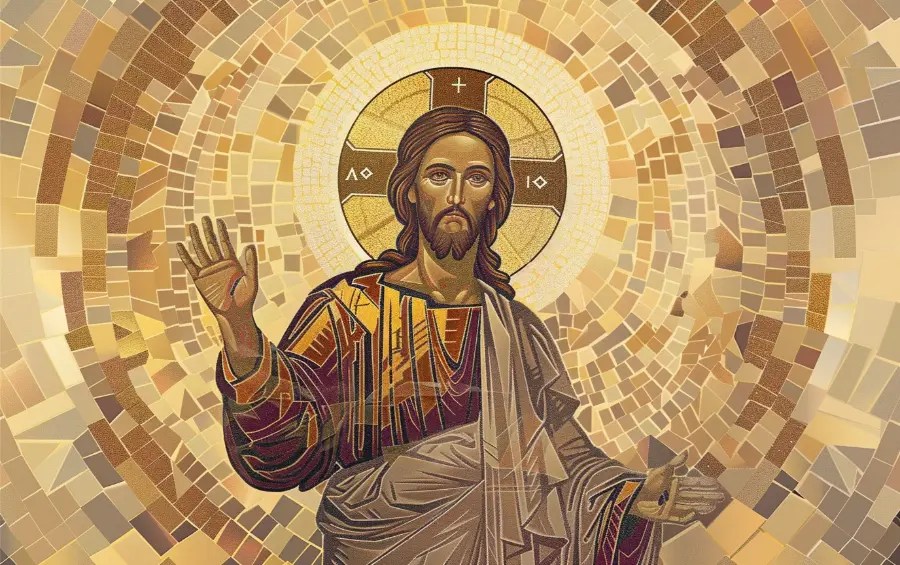
Psalm 147:3
“He heals the brokenhearted and binds up their wounds.”
Reflection: The verse before says the LORD builds up Jerusalem and gathers its exiles, and the healing of the brokenhearted follows it directly. Binding up a wound is the work of dressing it.
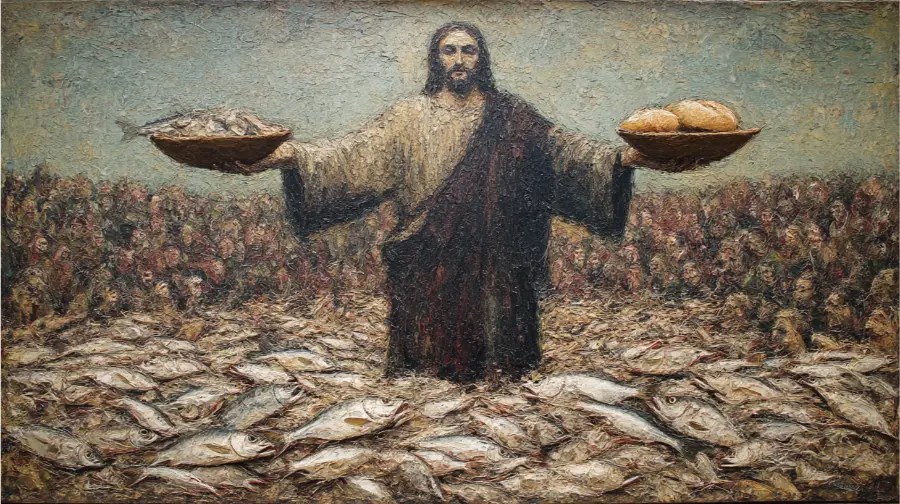
Isaiah 53:5
“But he was pierced for our transgressions, he was crushed for our iniquities; the punishment that brought us peace was on him, and by his wounds we are healed.”
Reflection: The servant in Isaiah 53 “took up our pain and bore our suffering” (Isaiah 53:4), and his wounds bring healing to others. 1 Peter 2:24 applies the line to Jesus: “by his wounds you have been healed.”
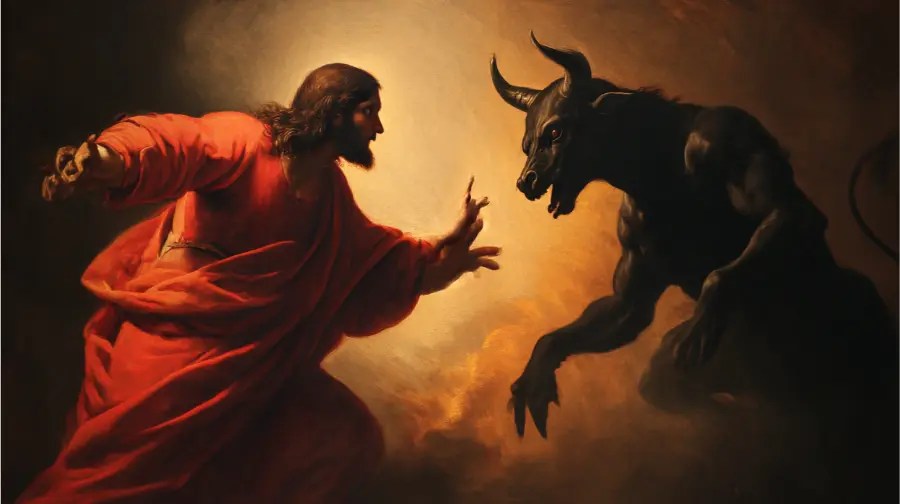
Matthew 11:28-30
“Come to me, all you who are weary and burdened, and I will give you rest. Take my yoke upon you and learn from me, for I am gentle and humble in heart, and you will find rest for your souls. For my yoke is easy and my burden is light.”
Reflection: Jesus invites “all you who are weary and burdened” and describes himself as “gentle and humble in heart.” A yoke was the wooden frame that let an animal carry a load, and the one he offers is “easy” and its burden “light.”
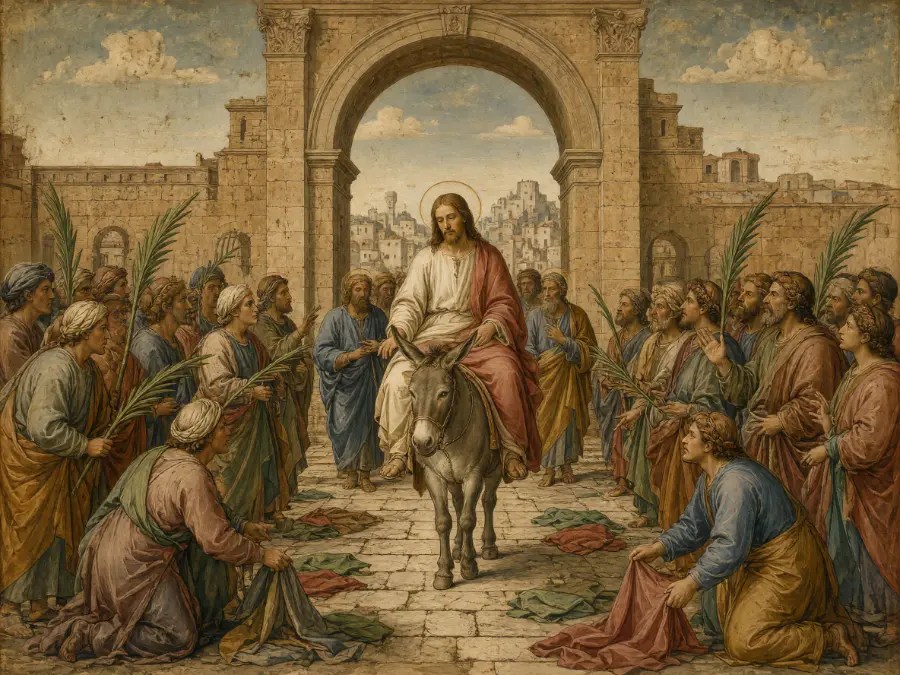
2 Corinthians 1:3-4
“Praise be to the God and Father of our Lord Jesus Christ, the Father of compassion and the God of all comfort, who comforts us in all our troubles, so that we can comfort those in any trouble with the comfort we ourselves receive from God.”
Reflection: Paul opens the letter by praising “the God of all comfort.” Comfort passes on: those God comforts are able to comfort “those in any trouble.” The following verses tie that comfort to sharing in suffering (2 Corinthians 1:5-7).
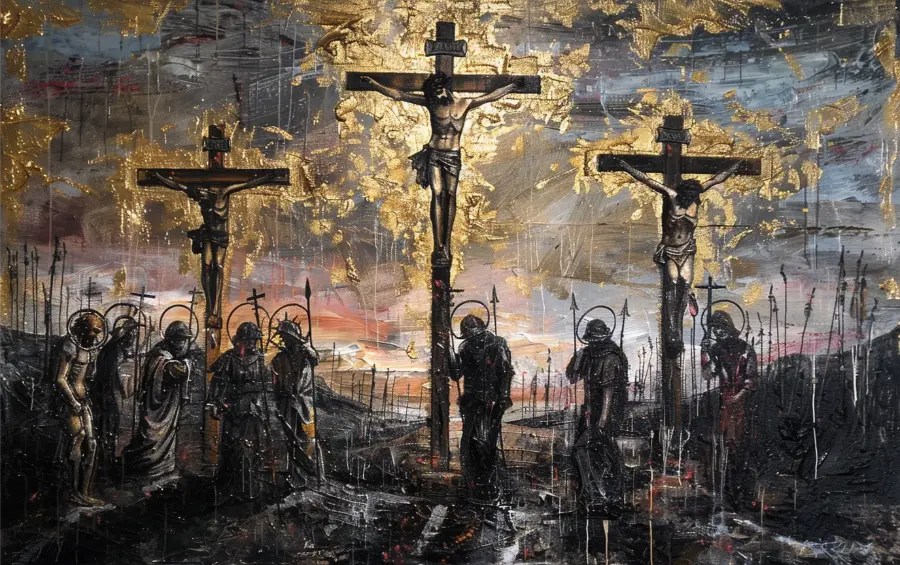
Romans 8:38-39
“For I am convinced that neither death nor life, neither angels nor demons, neither the present nor the future, nor any powers, neither height nor depth, nor anything else in all creation, will be able to separate us from the love of God that is in Christ Jesus our Lord.”
Reflection: Paul answers the question he asked in Romans 8:35: “Who shall separate us from the love of Christ?” His list there includes trouble, hardship and danger, and here it reaches to death, life and “anything else in all creation.”

Revelation 21:4
“‘He will wipe every tear from their eyes. There will be no more death’ or mourning or crying or pain, for the old order of things has passed away.”
Reflection: John hears a voice from the throne announcing that God’s dwelling is now with his people (Revelation 21:3). Pain is named with death, mourning and crying among the things that will end.
Help alongside the verses
2 Corinthians 1:4 describes comfort passed from one person to another, and in Mark 5:19 Jesus sends the healed man home to his own people. Self-harm also calls for medical care. In the United States the 988 Suicide & Crisis Lifeline can be reached by calling or texting 988, or by chat at 988lifeline.org, free and confidential at any hour; in the UK and Ireland, Samaritans answer free on 116 123, 24 hours a day.


Leave a Reply