
 English
 Chinese
 Dutch
 Arabic
 Spanish
 Portuguese
 Russian
 French
 Italian
 German
 Japanese
In the Bible, devotion is love for God that keeps nothing back and serves no rival. Deuteronomy 6:5 commands it, and Jesus calls that command the first and greatest (Matthew 22:37-38). Joshua 24:15, Ruth 1:16-17 and Daniel 3:17-18 show people choosing it; Jeremiah 2:2 and 1 Kings 11:4 show it fading.
The NIV uses “devotion” and “devoted” for three kinds of object. Believers are devoted to God or to Christ (1 Chronicles 28:9; 2 Corinthians 11:3), to one another (Romans 12:10), and to practices: the apostles’ teaching, fellowship, the breaking of bread and prayer (Acts 2:42), or prayer alone (Colossians 4:2).
Loving God with the whole self
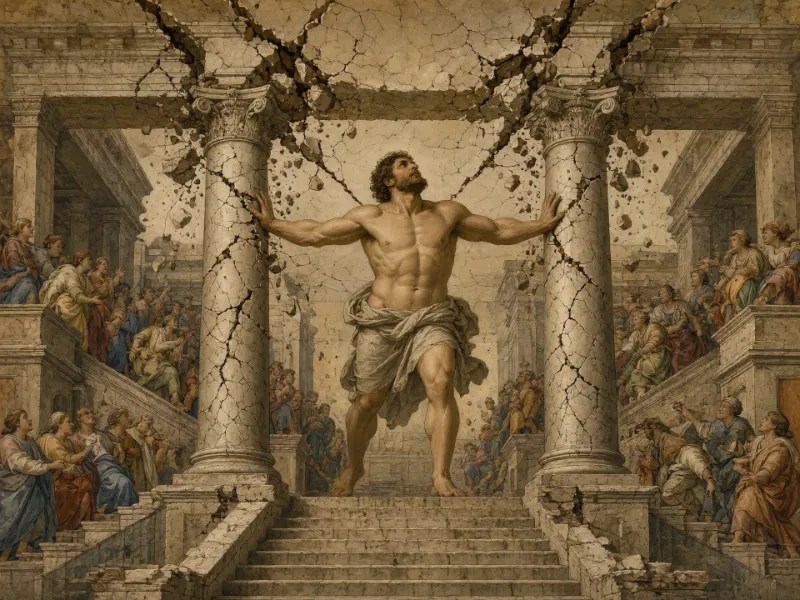
Deuteronomy 6:5
“Love the Lord your God with all your heart and with all your soul and with all your strength.”
Reflection: Moses gives this command to all Israel (Deuteronomy 5:1), straight after “Hear, O Israel: The Lord our God, the Lord is one” (6:4). The verses that follow make the command a household practice: the commandments are to be impressed on children and talked about “when you sit at home and when you walk along the road, when you lie down and when you get up” (6:7).

Matthew 22:37-38
“Jesus replied: ‘Love the Lord your God with all your heart and with all your soul and with all your mind.’ This is the first and greatest commandment.”
Reflection: An expert in the law asks Jesus, as a test, which commandment in the Law is the greatest. Jesus answers with Deuteronomy 6:5, naming heart, soul and mind. He adds a second commandment “like it”, “Love your neighbor as yourself”, and says that “all the Law and the Prophets hang on these two commandments” (22:40).
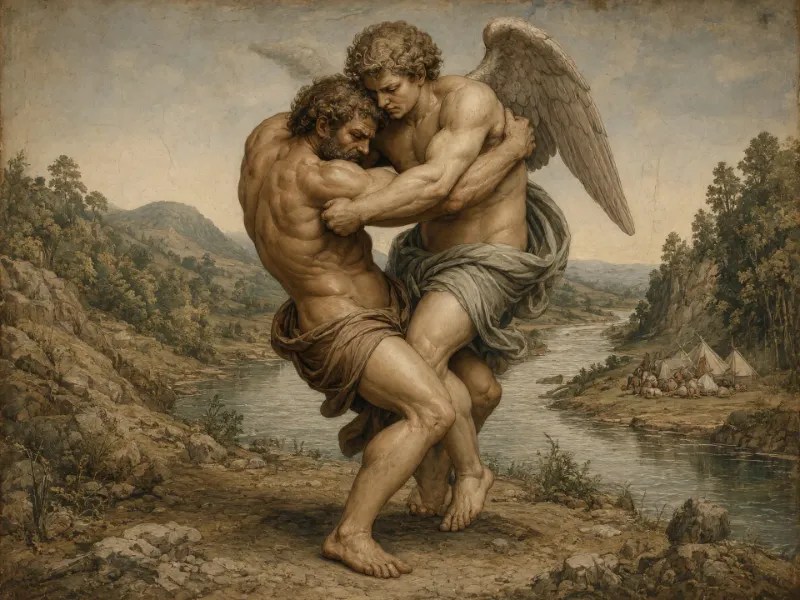
1 Chronicles 28:9
“And you, my son Solomon, acknowledge the God of your father, and serve him with wholehearted devotion and with a willing mind, for the Lord searches every heart and understands every desire and every thought. If you seek him, he will be found by you; but if you forsake him, he will reject you forever.”
Reflection: David gives this charge to Solomon in front of the assembly of Israel, and in the next verse tells him the Lord has chosen him to build the sanctuary. The reason for wholehearted devotion is that God “searches every heart”. The promise “If you seek him, he will be found by you” is close to Jeremiah 29:13, which the Lord later gave to the exiles in Babylon: “You will seek me and find me when you seek me with all your heart.”

Proverbs 3:5-6
“Trust in the Lord with all your heart and lean not on your own understanding; in all your ways submit to him, and he will make your paths straight.”
Reflection: A father tells his son what it means to trust the Lord with his whole heart. That trust shapes the choices his son makes, as verse 7 explains: “fear the Lord and shun evil.”
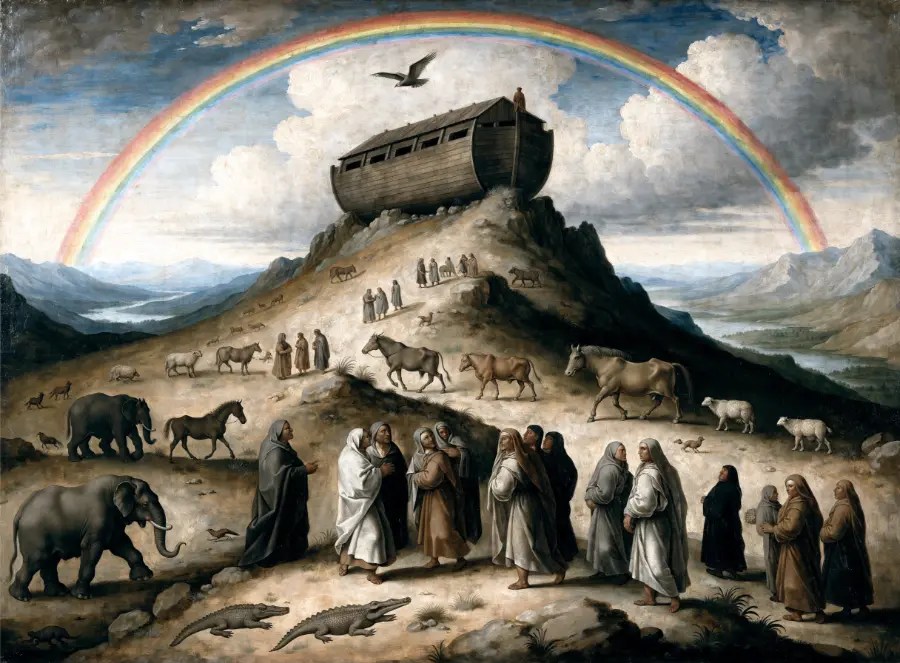
John 14:15
“If you love me, keep my commands.”
Reflection: At the evening meal before the Passover (John 13:1-2), after telling the disciples he will be with them “only a little longer” (13:33), Jesus ties love for him to keeping his commands. He says it twice more in the chapter (14:21, 14:23). What follows each time is a promise of presence: the Father will give “another advocate”, and “we will come to them and make our home with them.”
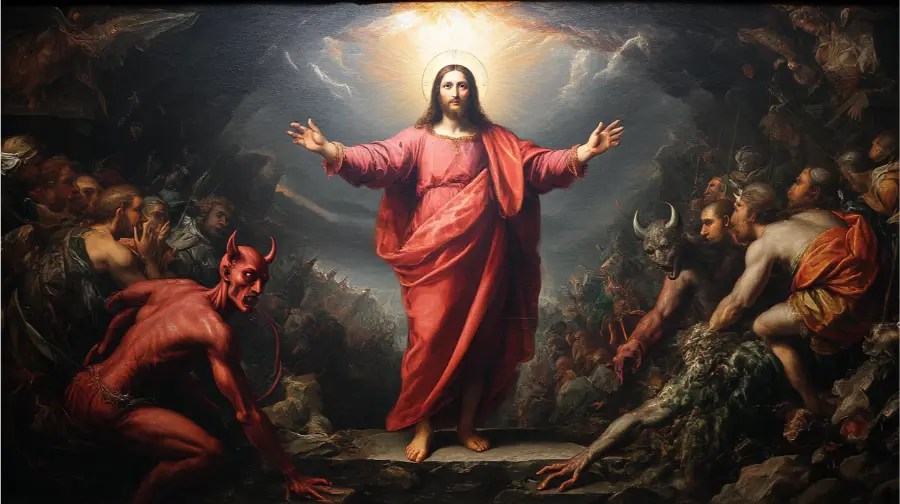
Romans 12:1
“Therefore, I urge you, brothers and sisters, in view of God’s mercy, to offer your bodies as a living sacrifice, holy and pleasing to God—this is your true and proper worship.”
Reflection: Paul asks for the whole body to be offered, alive, as a sacrifice, and calls that “true and proper worship”. The offering is made “in view of God’s mercy”, and the next verse adds the mind: “be transformed by the renewing of your mind.” Later in the same chapter devotion turns toward other believers: “Be devoted to one another in love” (12:10).

1 Corinthians 15:58
“Therefore, my dear brothers and sisters, stand firm. Let nothing move you. Always give yourselves fully to the work of the Lord, because you know that your labor in the Lord is not in vain.”
Reflection: After writing about the resurrection, Paul asks the Corinthians to give themselves fully to the Lord’s work. His reason goes back to verse 57, where he thanks God for victory over death through Jesus Christ.
Choosing one God over others

Matthew 6:24
“No one can serve two masters. Either you will hate the one and love the other, or you will be devoted to the one and despise the other. You cannot serve both God and money.”
Reflection: In the Sermon on the Mount Jesus says a servant cannot divide himself between two masters: he will be “devoted to the one and despise the other.” The rival he names is money. Three verses earlier he has said where the heart goes: “For where your treasure is, there your heart will be also” (6:21).

Joshua 24:15
“But if serving the Lord seems undesirable to you, then choose for yourselves this day whom you will serve, whether the gods your ancestors served beyond the Euphrates, or the gods of the Amorites, in whose land you are living. But as for me and my household, we will serve the Lord.”
Reflection: Joshua has gathered the tribes of Israel at Shechem (24:1) and told them to throw away the gods their ancestors worshiped beyond the Euphrates and in Egypt. He sets the choice before them and makes his own for his household. When the people promise to serve the Lord, Joshua answers, “You are not able to serve the Lord. He is a holy God; he is a jealous God” (24:19), and when they insist, he tells them to throw away the foreign gods among them “and yield your hearts to the Lord” (24:23).

Ruth 1:16-17
“But Ruth replied, ‘Don’t urge me to leave you or to turn back from you. Where you go I will go, and where you stay I will stay. Your people will be my people and your God my God. Where you die I will die, and there I will be buried. May the Lord deal with me, be it ever so severely, if even death separates you and me.’”
Reflection: Ruth is a Moabite widow (1:4), and Naomi has urged her to go back as Orpah did, “to her people and her gods” (1:15). Ruth’s answer binds her to Naomi, to Naomi’s people and to Naomi’s God in one sentence, and she seals it with an oath in the Lord’s name that not even death will separate them. Naomi then saw “that Ruth was determined to go with her” and stopped urging her (1:18).
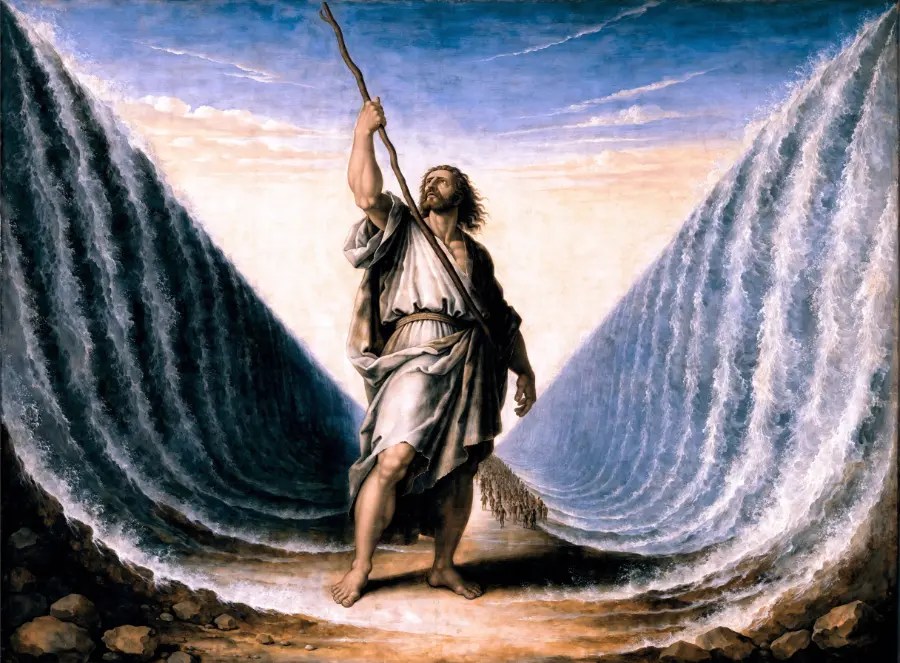
Daniel 3:17-18
“If we are thrown into the blazing furnace, the God we serve is able to deliver us from it, and he will deliver us from Your Majesty’s hand. But even if he does not, we want you to know, Your Majesty, that we will not serve your gods or worship the image of gold you have set up.”
Reflection: Nebuchadnezzar has set up an image of gold and threatened the furnace for anyone who will not worship it, asking, “Then what god will be able to rescue you from my hand?” (3:15). Shadrach, Meshach and Abednego answer that their God is able to deliver them. Then they add “But even if he does not”: their refusal to serve the king’s gods does not depend on being rescued.
When devotion fades

Jeremiah 2:2
“Go and proclaim in the hearing of Jerusalem: ‘This is what the Lord says: I remember the devotion of your youth, how as a bride you loved me and followed me through the wilderness, through a land not sown.’”
Reflection: The Lord sends Jeremiah to proclaim this in Jerusalem. The devotion he remembers is Israel’s early following of him through the wilderness, pictured as a bride following her husband. The memory opens a charge: “What fault did your ancestors find in me, that they strayed so far from me? They followed worthless idols and became worthless themselves” (2:5).
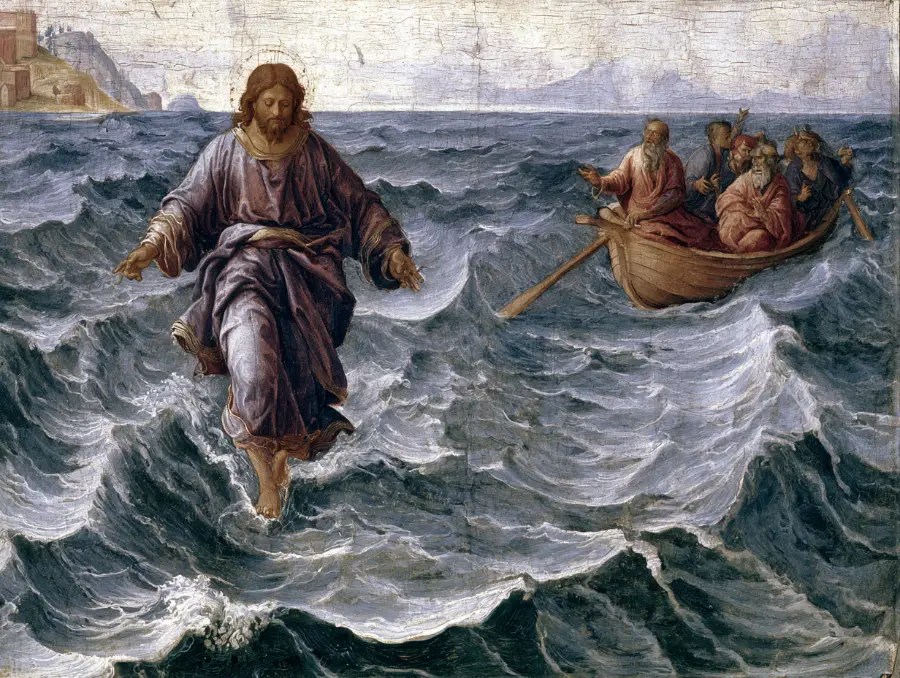
1 Kings 11:4
“As Solomon grew old, his wives turned his heart after other gods, and his heart was not fully devoted to the Lord his God, as the heart of David his father had been.”
Reflection: Solomon, who received David’s charge in 1 Chronicles 28:9, turns in old age: his wives turned his heart after other gods, and the next verse names Ashtoreth and Molek. The measure used is his father. Solomon’s heart was not fully devoted “as the heart of David his father had been”, and verse 6 repeats it: “he did not follow the Lord completely, as David his father had done.”
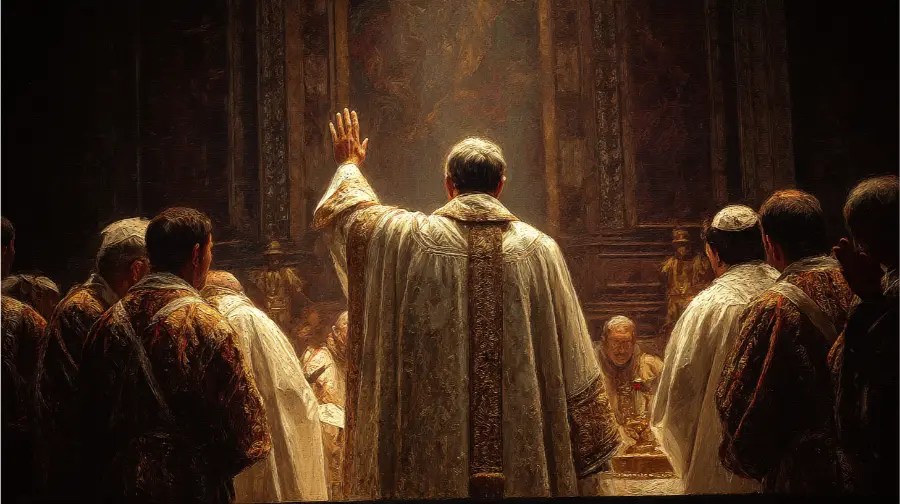
2 Corinthians 11:3
“But I am afraid that just as Eve was deceived by the serpent’s cunning, your minds may somehow be led astray from your sincere and pure devotion to Christ.”
Reflection: Paul writes as the one who promised the Corinthians “to one husband, to Christ” (11:2). He fears their devotion will be led astray the way Eve was deceived. The danger he names next is teaching: someone who “preaches a Jesus other than the Jesus we preached” or a different gospel, which they “put up with easily enough” (11:4).
Longing for God
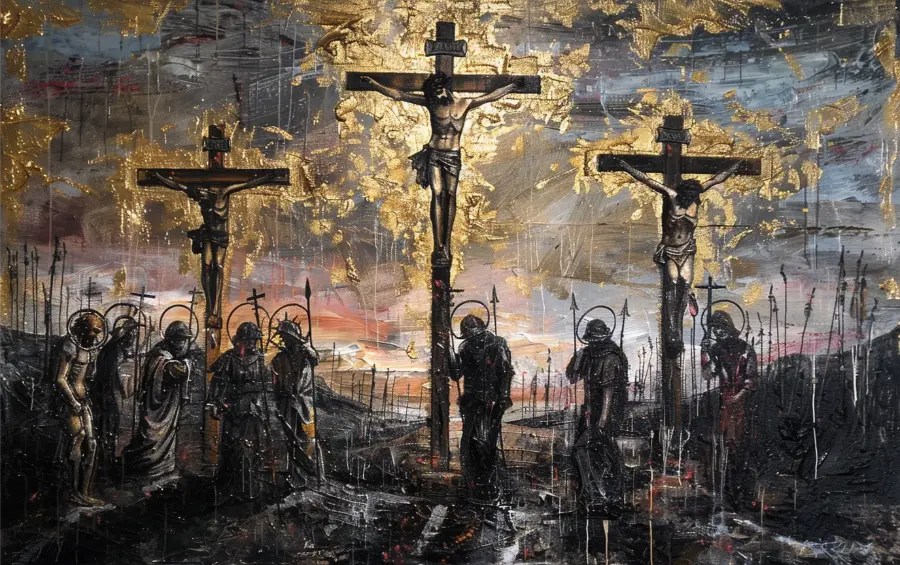
Psalm 63:1
“You, God, are my God, earnestly I seek you; I thirst for you, my whole being longs for you, in a dry and parched land where there is no water.”
Reflection: The psalm is addressed to God from its first words, “You, God, are my God”. The psalmist describes his longing as thirst in a dry land with no water. Later lines add “your love is better than life” (63:3) and describe remembering God “through the watches of the night” (63:6), and verse 8 says, “I cling to you; your right hand upholds me.”
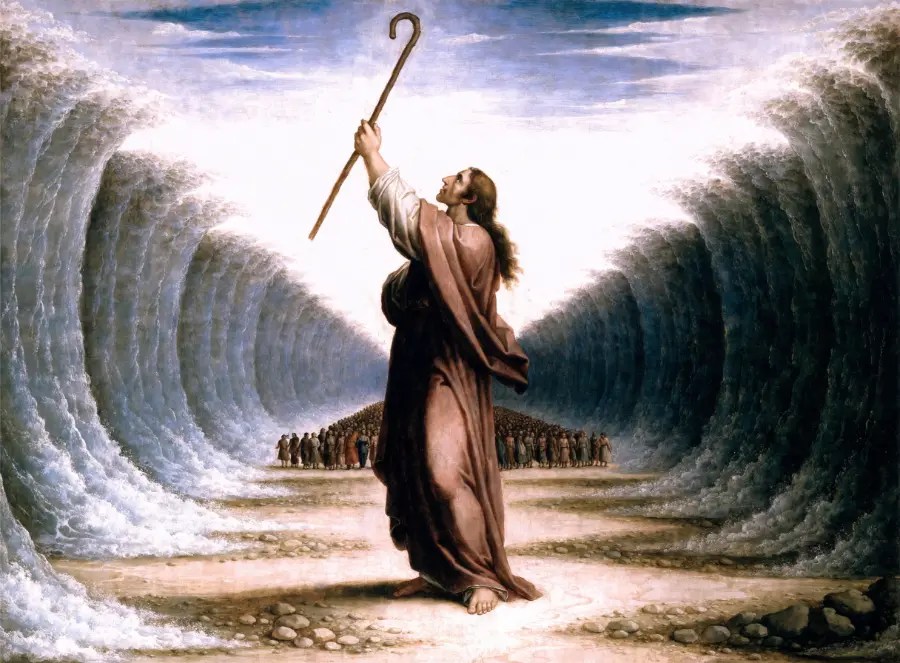
Psalm 27:4
“One thing I ask from the Lord, this only do I seek: that I may dwell in the house of the Lord all the days of my life, to gaze on the beauty of the Lord and to seek him in his temple.”
Reflection: The psalmist reduces every request to “one thing”: to live in the house of the Lord, gaze on his beauty and seek him in his temple. The next verse gives a reason: “in the day of trouble he will keep me safe in his dwelling.” By verse 8 he speaks to God directly: “Your face, Lord, I will seek.”
Devoted to prayer and to each other

Acts 2:42
“They devoted themselves to the apostles’ teaching and to fellowship, to the breaking of bread and to prayer.”
Reflection: These are the people baptized after Peter’s sermon at Pentecost, about three thousand of them (2:41). Luke lists four things they devoted themselves to. Verse 46 adds that they met every day in the temple courts and “broke bread in their homes and ate together with glad and sincere hearts.”

Colossians 4:2
“Devote yourselves to prayer, being watchful and thankful.”
Reflection: Paul joins the command to two conditions, being watchful and thankful. He then asks for prayer for himself: that God would open a door for the message, “for which I am in chains” (4:3).
1 Thessalonians 5:16-18
“Rejoice always, pray continually, give thanks in all circumstances; for this is God’s will for you in Christ Jesus.”
Reflection: In his closing instructions to the Thessalonians, Paul places continual prayer between rejoicing and giving thanks. Each command says when to do it, and the last one includes even those times when giving thanks might seem difficult.
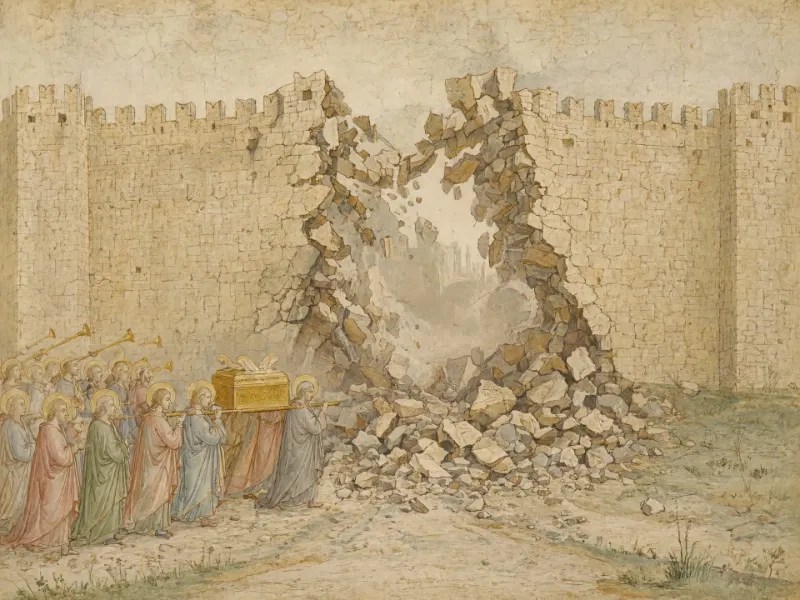
Daniel 6:10
“Now when Daniel learned that the decree had been published, he went home to his upstairs room where the windows opened toward Jerusalem. Three times a day he got down on his knees and prayed, giving thanks to his God, just as he had done before.”
Reflection: King Darius has signed a decree that for thirty days anyone who prays to any god or human being except the king will be thrown into the lions’ den (6:7-9). Daniel knows the decree is published and keeps his habit: three times a day, on his knees, at windows open toward Jerusalem, “just as he had done before.” His opponents then find him “praying and asking God for help” (6:11).
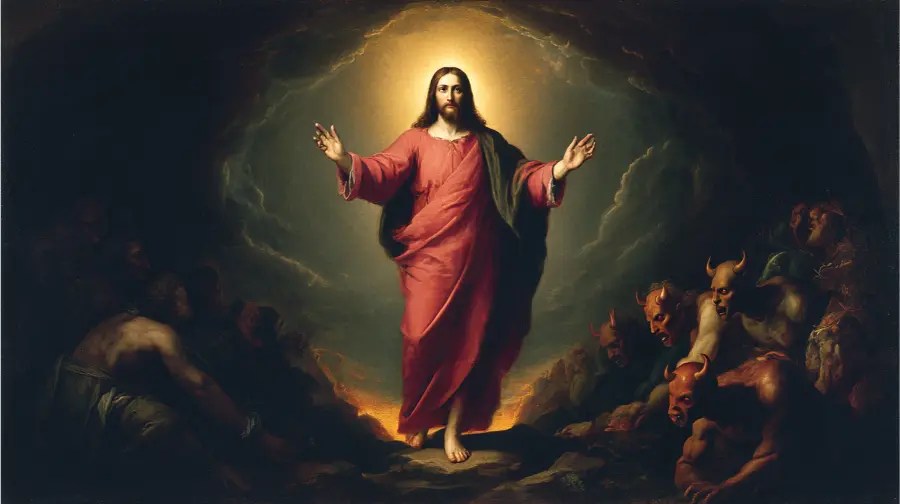
Hebrews 10:24-25
“And let us consider how we may spur one another on toward love and good deeds, not giving up meeting together, as some are in the habit of doing, but encouraging one another—and all the more as you see the Day approaching.”
Reflection: The writer has just urged readers to “draw near to God with a sincere heart” (10:22), by the way opened “by the blood of Jesus” (10:19). The next step is toward one another: thinking about how to spur each other on and not giving up meeting together, “as some are in the habit of doing.” The reason for urgency is “the Day approaching.”
Times and words for daily devotion
Daniel 6:10 gives devotion a set time: Daniel prayed three times a day and kept to it after the decree. Psalm 63:6 places it at night, on the bed, “through the watches of the night”, and Deuteronomy 6:7 ties talk of the commandments to lying down and getting up.
Psalm 63:1 is a prayer and can be prayed as written, as can Psalm 27:8, “Your face, Lord, I will seek.” Ruth 1:16-17 is spoken to Naomi, not to God, though it names the Lord in its oath.


Leave a Reply