
 English
 Chinese
 Dutch
 Arabic
 Spanish
 Portuguese
 Russian
 French
 Italian
 German
 Japanese
Category 1: The Inner Nature of Pride
This group of verses explores the internal state of pride—how it corrupts our core being, distorts our perception, and alienates us from our created purpose.
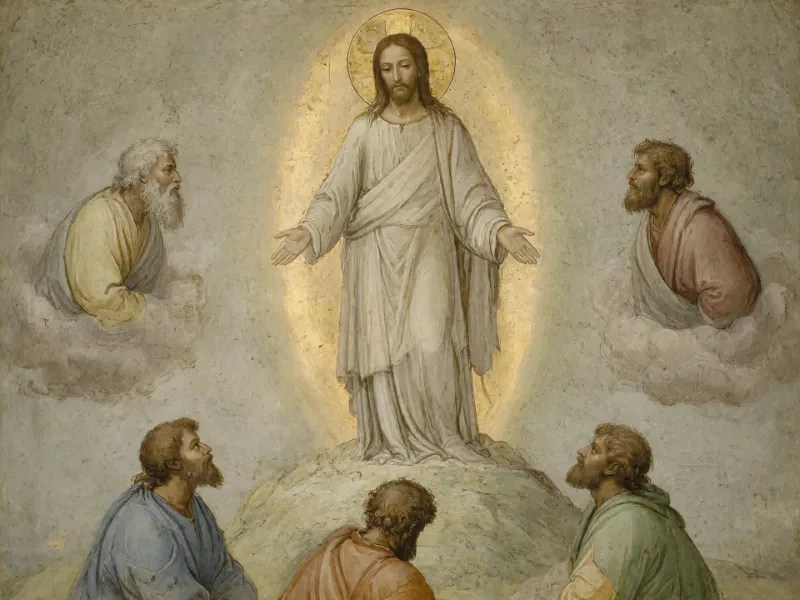
Proverbs 16:5
“The LORD detests all the proud of heart. Be sure of this: They will not go unpunished.”
Reflection: This verse speaks to the deep-seated nature of pride. It isn’t merely an action but a “posture of the heart.” This posture is a form of relational poison. It creates a self that is closed off, believing it is self-sufficient and its own ultimate authority. The feeling of being “detestable” to God is the feeling of being fundamentally misaligned with the source of love and life itself. It’s a state of profound, self-imposed emotional and spiritual isolation.
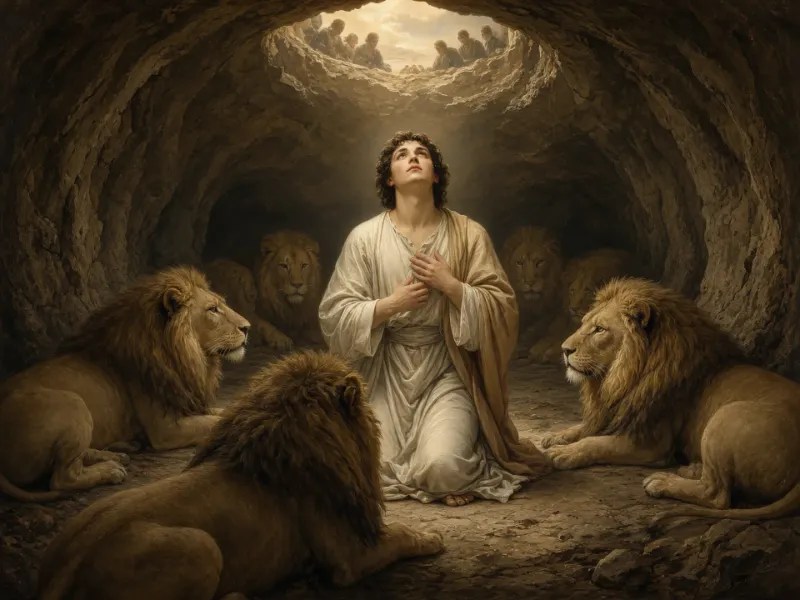
1 John 2:16
“For everything in the world—the lust of the flesh, the lust of the eyes, and the pride of life—comes not from the Father but from the world.”
Reflection: “The pride of life” is a brilliant phrase for the desperate need to build an identity based on external validation—possessions, status, achievements. It’s a constant, anxious striving to prove our worth to the world because we feel an inner hollowness. This is a profound misplacement of our source of value. Instead of finding security in being unconditionally loved by God, we chase the fleeting and exhausting approval of a world that can never truly satisfy that deep need for significance.
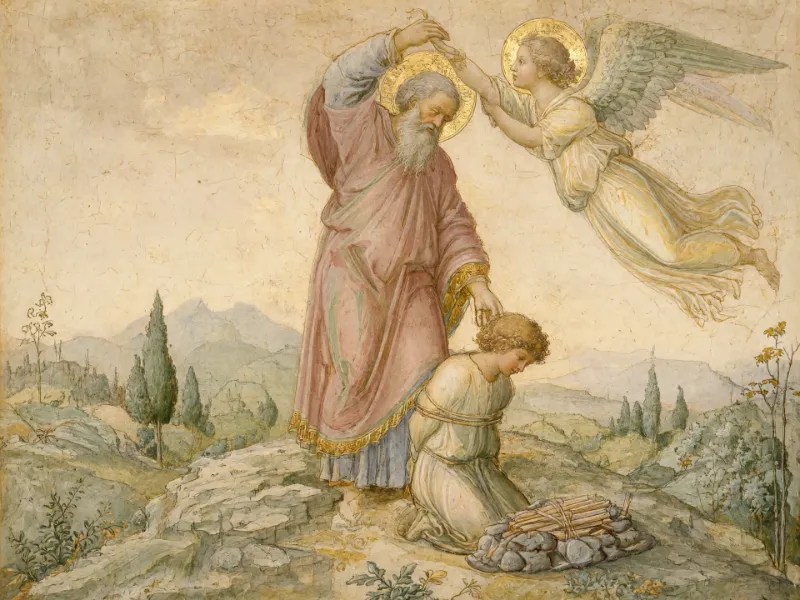
Obadiah 1:3
“The pride of your heart has deceived you, you who live in the clefts of the rocks and make your home on the heights, you who say to yourself, ‘Who can bring me down to the ground?’”
Reflection: Pride is, at its core, a cognitive distortion. It is a fundamental self-deception. It convinces us that our position, our intelligence, or our strengths make us invulnerable. This creates a dangerous illusion of control and safety, cutting us off from healthy interdependence and the need for grace. The emotional tragedy is that this self-deception prevents us from seeking help, admitting fault, or experiencing the profound connection that comes from shared vulnerability.
Psalm 10:4
“In his pride the wicked man does not seek him; in all his thoughts there is no room for God.”
Reflection: This verse reveals the psychological crowding effect of pride. A mind filled with self-obsession, self-congratulation, and self-worry has no empty space for wonder, awe, or communion with God. God isn’t actively rejected as much as He is passively squeezed out by the sheer volume of the ego. It’s an emotional state of being so full of oneself that there is no capacity left to receive from, or even acknowledge, a source of life greater than the self.
Proverbs 8:13
“To fear the LORD is to hate evil; I hate pride and arrogance, evil behavior and perverse speech.”
Reflection: Here, wisdom itself is speaking. The hatred of pride is equated with a healthy “fear of the LORD,” which is less about terror and more about a profound, orienting respect for reality. Pride is a rebellion against reality. It’s an attempt to create our own, which is inherently “evil behavior” because it is false. This verse frames humility not as self-loathing, but as an alignment with truth, and pride as a destructive and delusional detachment from it.
Category 2: The Consequence of Pride: The Inevitable Fall
These verses describe the unavoidable outcome of a life built on the unstable foundation of pride. The “fall” is not just a punishment, but a natural, gravitational consequence.
Proverbs 16:18
“Pride goes before destruction, a haughty spirit before a fall.”
Reflection: This is perhaps the most famous psychological and spiritual law in scripture. Pride isn’t just an attitude; it’s a structural weakness in one’s character. It creates a reality bubble that is destined to be popped by the sharp edges of truth. The “destruction” and “fall” are the painful but necessary encounters with reality when our inflated self-perception can no longer be sustained. It’s the emotional agony that comes when the person we pretended to be collides with the person we truly are.
Proverbs 11:2
“When pride comes, then comes disgrace, but with humility comes wisdom.”
Reflection: Pride creates a desperate need for honor and recognition, yet ironically, it is a magnet for disgrace. A proud person’s constant self-elevation makes their eventual stumbles and failures all the more public and humiliating. It creates an unbearable pressure to be perfect. Humility, conversely, is the emotional freedom to be imperfect. It diffuses the shame of failure by acknowledging our shared human frailty from the outset, which is the very beginning of true wisdom.

Proverbs 29:23
“A man’s pride will bring him low, but a humble spirit will obtain honor.”
Reflection: This speaks to a deep, relational dynamic. Pride pushes people away. It is isolating and makes others feel “less than.” Over time, this social alienation “brings him low.” A humble spirit, however, is magnetic. It creates safety, invites connection, and makes others feel valued. The “honor” obtained by the humble is not sought but is freely given by a community that feels safe and respected in their presence. It is a truly secure form of esteem.
Daniel 4:37
“Now I, Nebuchadnezzar, praise and exalt and glorify the King of heaven, because everything he does is right and all his ways are just. And those who walk in pride he is able to humble.”
Reflection: This is a powerful first-person account of a pride-induced psychosis and the healing that came through forced humility. Nebuchadnezzar lost his sanity when his pride reached its peak, believing he was the sole architect of his own glory. His recovery was not complete until he could re-orient his entire worldview, acknowledging a reality and a power greater than himself. It shows that sometimes the most gracious act God can perform for a proud person is to allow the complete collapse of their self-made world.
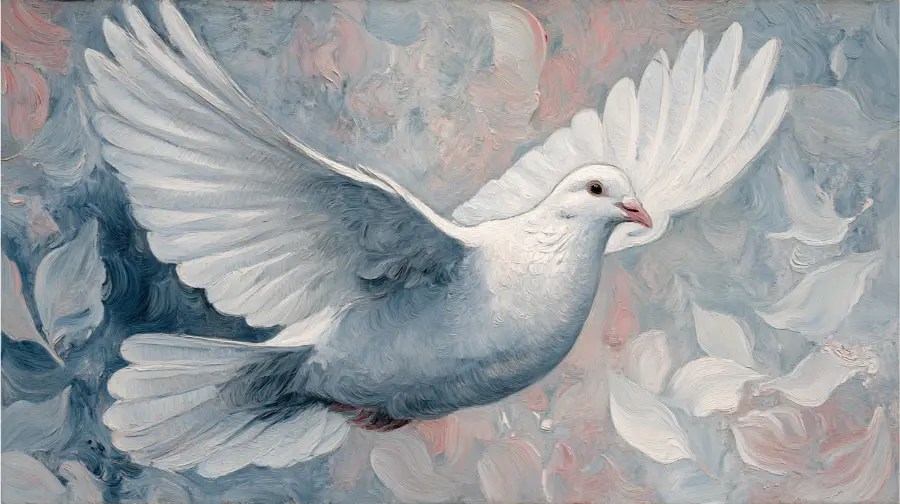
Luke 14:11
“For all those who exalt themselves will be humbled, and those who humble themselves will be exalted.”
Reflection: Jesus presents this as a fundamental law of spiritual and emotional reality. The constant effort of self-exaltation carries an immense psychic weight and is ultimately unsustainable. The universe, and the people in it, will eventually push back. Conversely, choosing humility means willingly taking a lower place, which relieves us of the exhausting burden of performance. The “exaltation” that follows is often a byproduct: we are lifted up by a God and a community to whom we are no longer a threat.
Category 3: The Expression of Pride: The Emptiness of Boasting
Boasting is the audible expression of internal pride. These verses expose its root causes and redirect our source of significance.

Jeremiah 9:23-24
“This is what the LORD says: ‘Let not the wise boast of their wisdom or the strong boast of their strength or the rich boast of their riches, but let the one who boasts boast about this: that they understand and know me, that I am the LORD…’”
Reflection: This is a masterful diagnosis of insecure identity. We tend to boast about the very things we are most afraid of losing: our intellect, our physical power, our financial security. These are unstable sources of self-worth. The verse offers a radical therapeutic alternative: locate your ultimate value and significance not in your own fleeting attributes, but in your connection to the unchanging, loving character of God. This is the only boast that leads to unshakable emotional security.
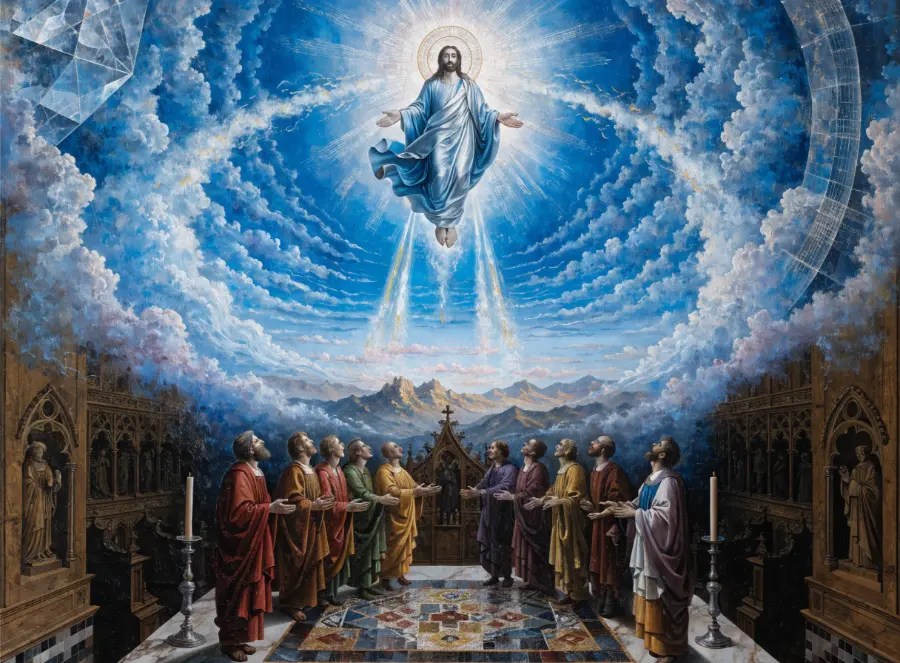
Galatians 6:14
“May I never boast except in the cross of our Lord Jesus Christ, through which the world has been crucified to me, and I to the world.”
Reflection: Paul demonstrates the ultimate re-framing of self-worth. To “boast in the cross” is to find one’s deepest identity in a symbol of utter humiliation, sacrifice, and unconditional love. It is to declare that my value is not in my strengths, but in the reality that I am loved even in my profoundest weakness. This emotionally liberates a person from the “world’s” system of honor and shame. It is the end of the exhausting game of self-justification.
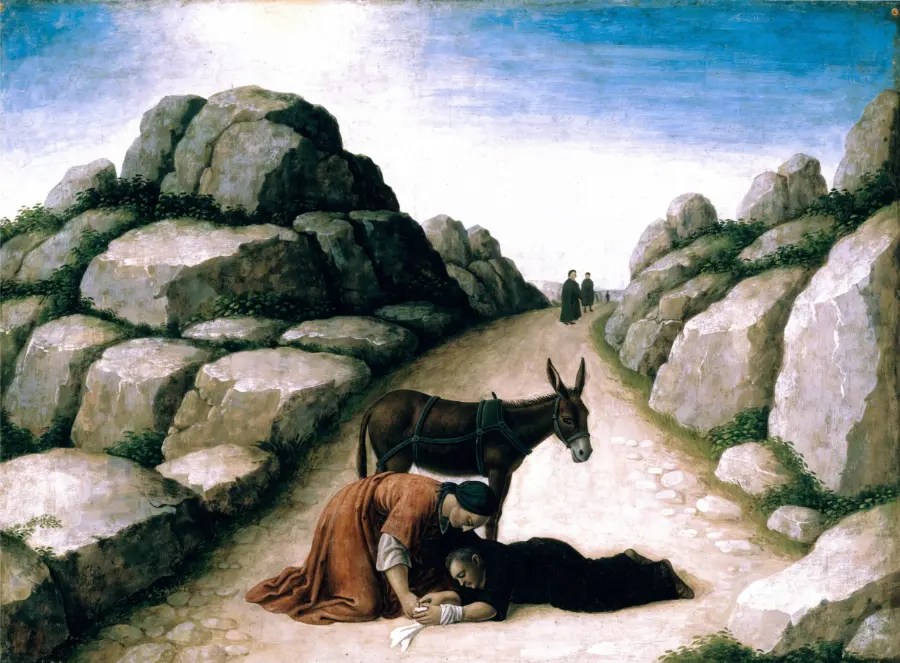
Ephesians 2:8-9
“For it is by grace you have been saved, through faith—and this is not from yourselves, it is the gift of God— not by works, so that no one can boast.”
Reflection: This verse removes the very foundation of spiritual pride. If salvation—our ultimate standing with God—is a free gift, then there is absolutely no room for boasting. It dismantles the ego’s favorite project: earning love and approval. This truth fosters profound emotional health. It means we can rest, knowing our core identity is secure. We are not in a competition with others for God’s favor; we are all equally needy recipients of a gift we could never earn.

2 Corinthians 10:17-18
“But, ‘Let the one who boasts boast in the Lord.’ For it is not the one who commends himself who is approved, but the one whom the Lord commends.”
Reflection: Here we see the futility of self-promotion. We can build an impressive personal brand, but it is an emotionally fragile construct. True, lasting “approval” or validation is not something we can bestow upon ourselves. It is a relational gift, given by another. The verse directs us to seek our sense of “okay-ness” not from our own ego or the applause of the crowd, but from the quiet, steady affirmation of the One who knows us completely and loves us still.

James 4:16
“As it is, you boast in your arrogant schemes. All such boasting is evil.”
Reflection: This pinpoints the pride in our planning and ambition. We lay out our five-year plans and projections as if we are the masters of our destiny. This “boasting” is a denial of life’s fragility and our dependence on a thousand factors beyond our control. It’s called “evil” not because planning is wrong, but because this arrogant certainty closes us off to God’s guidance and the unexpected turns of life, leading to profound disappointment and bitterness when our fragile schemes inevitably shatter.
Category 4: The Antidote to Pride: The Practice of Humility
Humility is not thinking less of yourself, but thinking of yourself less. These verses show that it is an active, liberating practice that fosters connection and wholeness.
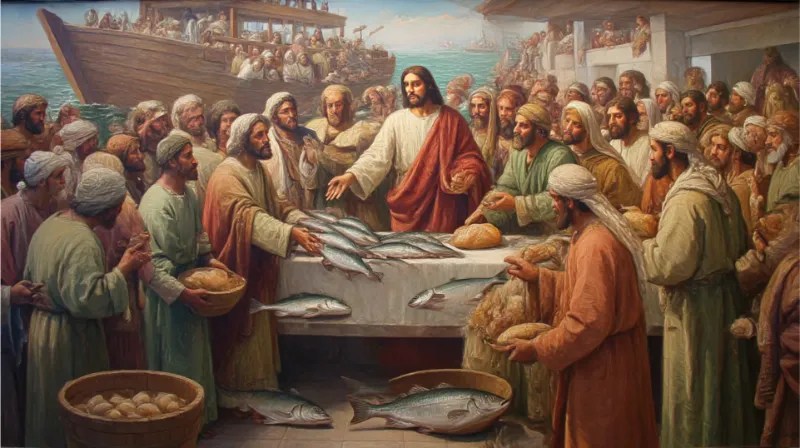
Philippians 2:3-4
“Do nothing out of selfish ambition or vain conceit. Rather, in humility value others above yourselves, not looking to your own interests but each of you to the interests of the others.”
Reflection: This is a revolutionary prescription for relational health. Pride is a state of preoccupation with the self: my rights, my reputation, my needs. Humility is the active choice to de-center the self and become curious and compassionate about the inner world of another person. It is the emotional skill of empathy made into a core life principle. This practice starves the ego and builds incredibly strong, resilient bonds with others.
Micah 6:8
“He has shown you, O mortal, what is good. And what does the LORD require of you? To act justly, to love mercy and to walk humbly with your God.”
Reflection: Humility is presented here as one of the three essential pillars of a well-lived life. The image of “walking humbly with your God” is beautiful. It is not a crawl of shame, but a posture of walking alongside—not running ahead in arrogance or lagging behind in fear. It implies a teachable spirit, a willingness to listen, and an honest acknowledgment that we are not the guide. It is a relational posture of trust and companionship.
1 Peter 5:5-6
“In the same way, you who are younger, submit yourselves to your elders. All of you, clothe yourselves with humility toward one another, because, ‘God opposes the proud but shows favor to the humble.’ Humble yourselves, therefore, under God’s mighty hand, that he may lift you up in due time.”
Reflection: The metaphor “clothe yourselves with humility” is profound. It suggests humility is not a feeling but a conscious choice, a garment we intentionally put on each day. It is the decision to interact with the world from a place of teachability and service. The instruction to “humble yourselves” is empowering; it is an act we initiate, trusting that our security lies not in self-promotion but in resting “under God’s mighty hand.” There is great peace in entrusting our “lifting up” to Him.

Proverbs 22:4
“Humility is the fear of the LORD; its wages are riches and honor and life.”
Reflection: This verse reverses the world’s logic. We chase riches, honor, and life through self-striving and pride, yet this verse claims they are the byproduct of humility. The “riches” are the deep relational wealth that comes from connection. The “honor” is the respect freely given to someone who is safe and not a rival. And the “life” is the abundant, expansive experience of being free from the anxious prison of the ego.
Colossians 3:12
“Therefore, as God’s chosen people, holy and dearly loved, clothe yourselves with compassion, kindness, humility, gentleness and patience.”
Reflection: Humility is placed within a wardrobe of other relational virtues. It is inseparable from kindness and compassion. Importantly, the instruction to be humble comes after the statement of identity: you are already “chosen, holy and dearly loved.” This is key. True, healthy humility does not come from a place of self-hatred, but from a place of deep security in being loved. Because our worth is settled, we are free to be humble.
Category 5: The Divine Response: Grace for the Humble
This final set of verses reveals God’s heart. He does not simply command humility; He is drawn to it, meeting it with grace, favor, and intimacy.
James 4:6
“But he gives us more grace. That is why Scripture says: ‘God opposes the proud but shows favor to the humble.’”
Reflection: This verse frames God’s posture as a direct and active response to our own. Pride is a relational wall; it is a declaration of “I don’t need you.” Naturally, God “opposes” this stance; He will not force Himself upon us. Humility, in contrast, is an open hand and a vulnerable heart. It is the posture of acknowledged need. To this posture, God’s response is an outpouring of “grace” or “favor”—the unmerited help, love, and strength we admit we need.

Isaiah 57:15
“For this is what the high and exalted One says—he who lives forever, whose name is holy: ‘I live in a high and holy place, but also with the one who is contrite and lowly in spirit, to revive the spirit of the lowly and to revive the heart of the contrite.’”
Reflection: This is one of the most beautiful descriptions of God’s character. His majesty doesn’t isolate Him. Instead, He chooses to be present in two places: the heights of heaven and the depths of a humble heart. Pride makes us feel utterly alone, while humility becomes the very meeting place for God. The emotional impact is immense: our lowest moments of contrite self-awareness are precisely where divine comfort and “revival” are to be found.
Luke 18:13-14
“But the tax collector stood at a distance. He would not even look up to heaven, but beat his breast and said, ‘God, have mercy on me, a sinner.’ I tell you that this man, rather than the other, went home justified before God.”
Reflection: This parable is a clinical study in pride and humility. The proud Pharisee’s prayer was a disguised boast, an inventory of his own merits that created a barrier between himself and God. The tax collector’s prayer was a cry of desperation from a place of complete emotional and spiritual honesty. He had no merits to present, only a deep awareness of his need. This raw vulnerability is what “justified” him—it put him into a right relationship with God.

Matthew 5:3
“Blessed are the poor in spirit, for theirs is the kingdom of heaven.”
Reflection: This is the first and foundational Beatitude. To be “poor in spirit” is the essence of humility. It is to recognize our spiritual and emotional bankruptcy apart from God. It is an honest self-assessment, free of illusion. The promise is not that they will get the kingdom, but that it is theirs now. In the very moment of acknowledging our neediness, we enter into the reality of God’s reign, because we have finally stopped trying to be the king ourselves.


Leave a Reply