
 English
 Chinese
 Dutch
 Arabic
 Spanish
 Portuguese
 Russian
 French
 Italian
 German
 Japanese
The Bible asks for God to come before every other god, possession and loyalty. In Exodus 20 the first command God gives is “You shall have no other gods before me” (Exodus 20:3), and when Jesus was asked for the greatest commandment he answered with Deuteronomy 6:5 and called it “the first and greatest commandment” (Matthew 22:37-38).
Jesus tells his hearers to seek God’s kingdom ahead of food and clothing (Matthew 6:33) and says no one can serve both God and money (Matthew 6:24). Proverbs 3:9-10 asks for the firstfruits of the harvest, and Haggai 1:4 rebukes people who paneled their own houses while the Lord’s house lay in ruins. Luke 14:26 and Luke 9:62 set following Jesus ahead of family, Matthew 16:24-25 ahead of a person’s own life, and in Psalm 73:25 the psalmist tells God that “earth has nothing I desire besides you.”
The command that comes before the others
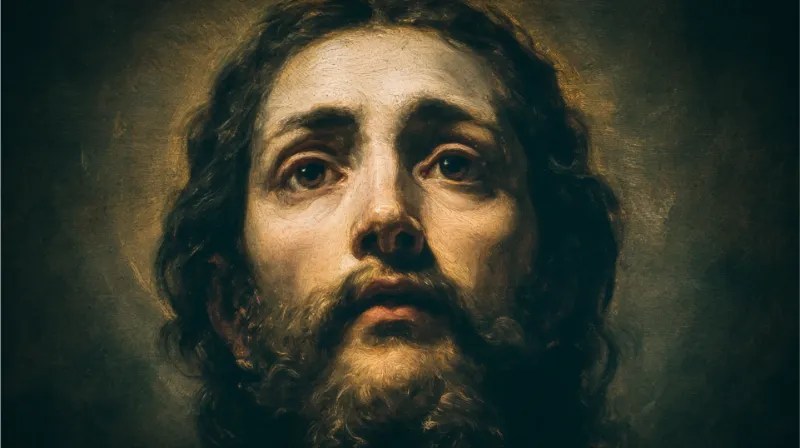
Exodus 20:3
“You shall have no other gods before me.”
Reflection: God introduces himself before he gives the command: “I am the Lord your God, who brought you out of Egypt, out of the land of slavery” (Exodus 20:2). The command follows directly on that statement. The next verses forbid making images and bowing down to them, and give the reason: “I, the Lord your God, am a jealous God” (Exodus 20:5).
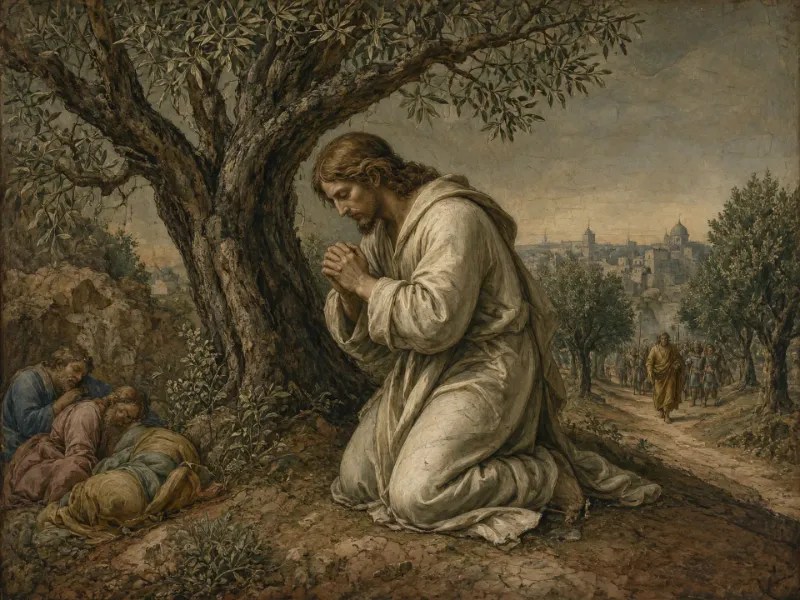
Deuteronomy 6:5
“Love the Lord your God with all your heart and with all your soul and with all your strength.”
Reflection: The verse follows “Hear, O Israel: The Lord our God, the Lord is one” (Deuteronomy 6:4). The verses that follow keep the command in daily view: Israel is to talk about these commandments at home and on the road, teach them to their children, and keep them on their hearts (Deuteronomy 6:6-7).
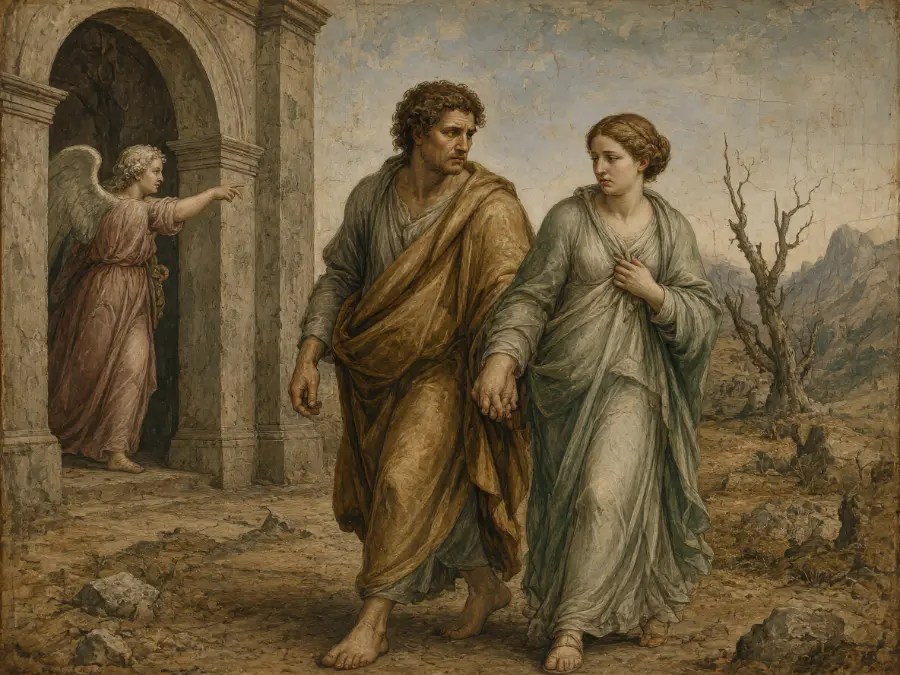
Matthew 22:37-38
“Jesus replied: ‘Love the Lord your God with all your heart and with all your soul and with all your mind.’ This is the first and greatest commandment.”
Reflection: An expert in the law asked the question to test Jesus: “Teacher, which is the greatest commandment in the Law?” Jesus quoted Deuteronomy 6:5, with “mind” where Deuteronomy has “strength” (Mark 12:30 lists all four), and then added a second commandment, “Love your neighbor as yourself.” He said that “all the Law and the Prophets hang on these two commandments” (Matthew 22:40), with love for God named first.
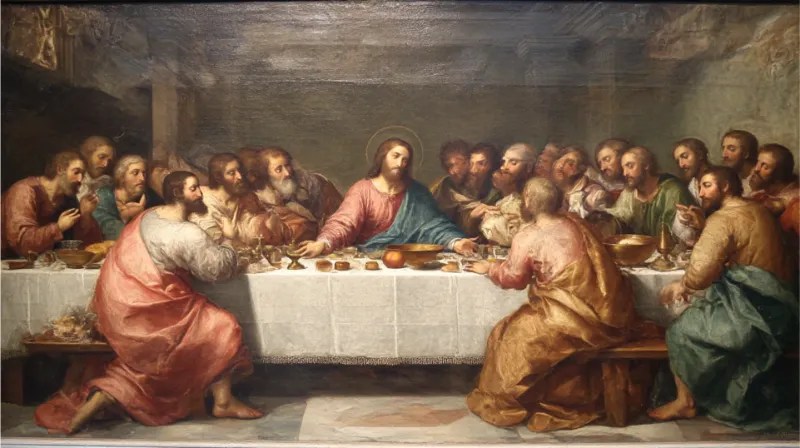
Joshua 24:15
“But if serving the Lord seems undesirable to you, then choose for yourselves this day whom you will serve, whether the gods your ancestors served beyond the Euphrates, or the gods of the Amorites, in whose land you are living. But as for me and my household, we will serve the Lord.”
Reflection: In the verse before, Joshua tells Israel to “throw away the gods your ancestors worshiped beyond the Euphrates River and in Egypt, and serve the Lord” (Joshua 24:14). Here he makes it a choice and announces his own household’s choice before the people answer. They reply by recounting that the Lord brought them out of Egypt and protected them on the way, and conclude, “We too will serve the Lord, because he is our God” (Joshua 24:18).
God before food, money and a house
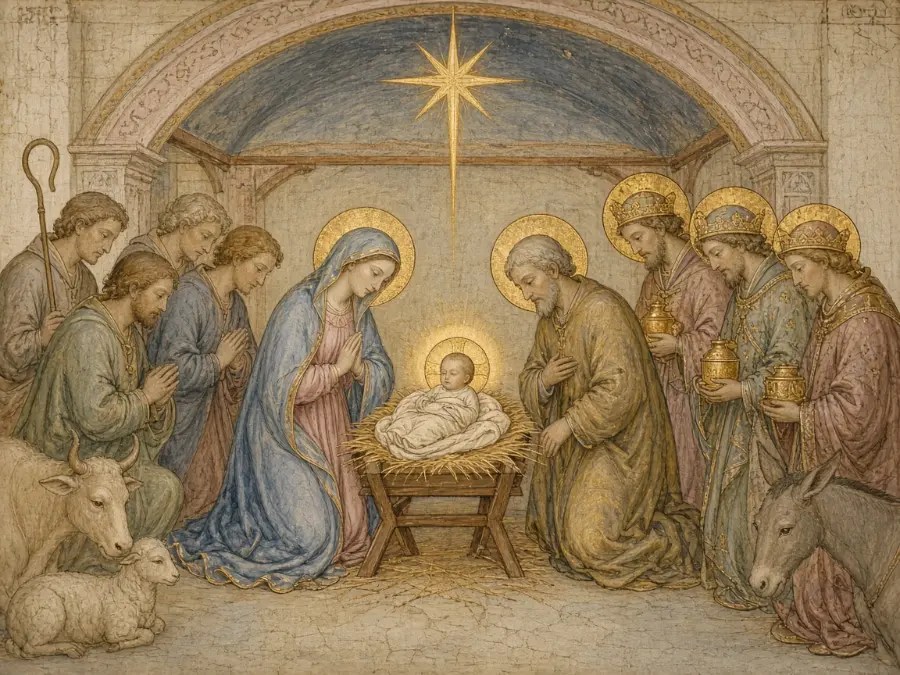
Matthew 6:33
“But seek first his kingdom and his righteousness, and all these things will be given to you as well.”
Reflection: “All these things” are the food, drink and clothing of the previous verses, where Jesus tells his hearers not to worry about what they will eat or wear. He points to the birds God feeds and the flowers he clothes, and says that “your heavenly Father knows that you need them” (Matthew 6:32). The verse sets the kingdom ahead of those needs and promises that they will be given as well.
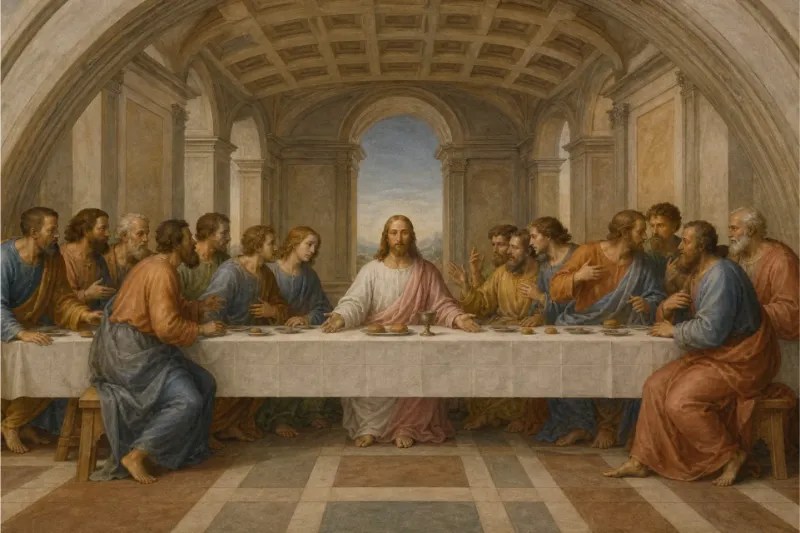
Matthew 6:21
“For where your treasure is, there your heart will be also.”
Reflection: Jesus has just told his hearers to store up treasure in heaven rather than on earth, where moths, vermin and thieves reach it. A few verses later he puts the same point in terms of service: “No one can serve two masters… You cannot serve both God and money” (Matthew 6:24).

Proverbs 3:9-10
“Honor the Lord with your wealth, with the firstfruits of all your crops; then your barns will be filled to overflowing, and your vats will brim over with new wine.”
Reflection: Firstfruits were the first part of a harvest, and the proverb asks for them to be given in honor of the Lord. The promise attached is full barns and vats of new wine. The same chapter opens its teaching on the Lord with “Trust in the Lord with all your heart and lean not on your own understanding” (Proverbs 3:5).
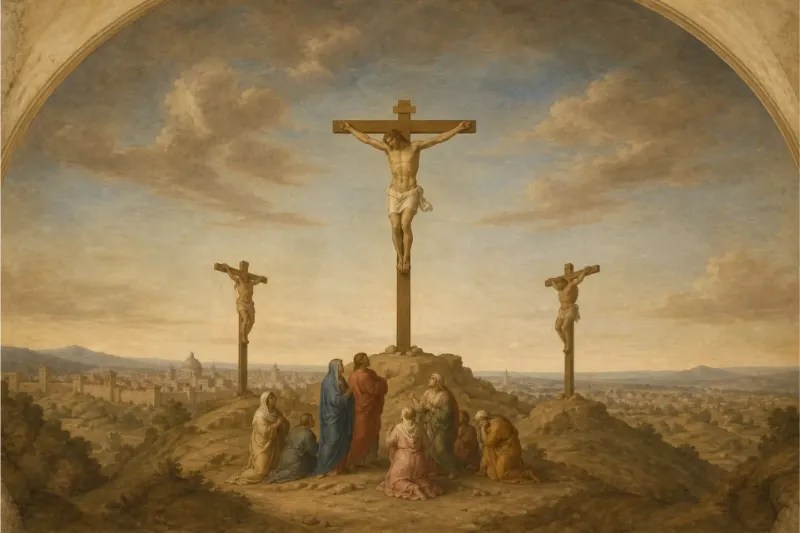
Haggai 1:4
“Is it a time for you yourselves to be living in your paneled houses, while this house remains a ruin?”
Reflection: The people had been saying, “The time has not yet come to rebuild the Lord’s house” (Haggai 1:2). Through Haggai, God answers that they have found time to panel their own houses. Twice he tells them, “Give careful thought to your ways,” and he connects their poor harvests, the wages put “in a purse with holes in it” and the drought to the ruin of his house “while each of you is busy with your own house” (Haggai 1:9).
Following Jesus ahead of family and self
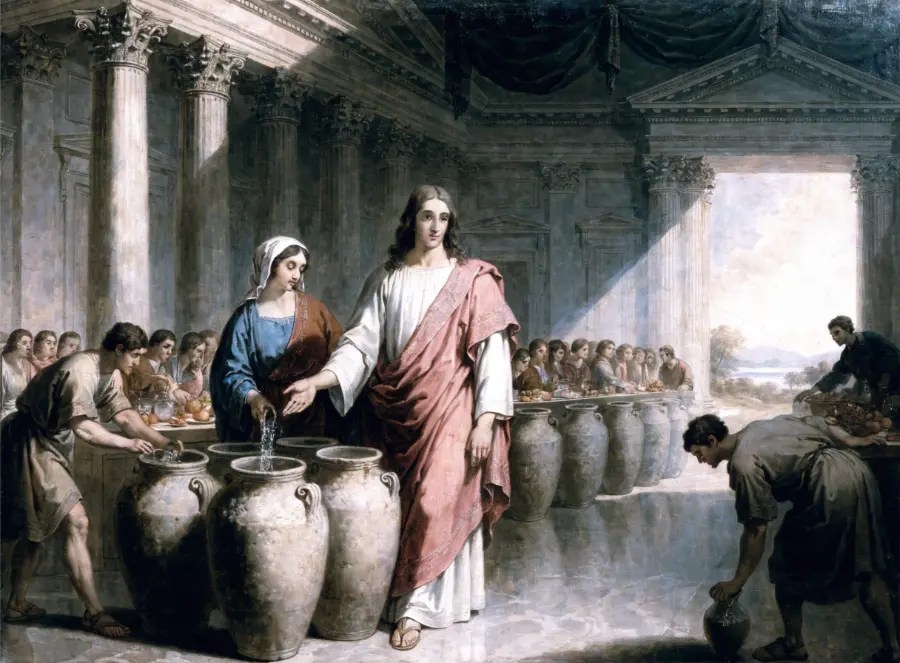
Luke 14:26
“If anyone comes to me and does not hate father and mother, wife and children, brothers and sisters—yes, even their own life—such a person cannot be my disciple.”
Reflection: Jesus said this to the large crowds travelling with him. Matthew 10:37 records a similar saying in terms of love: “Anyone who loves their father or mother more than me is not worthy of me.” Luke follows the saying with two examples of counting the cost first, a builder planning a tower and a king weighing a war, and ends, “those of you who do not give up everything you have cannot be my disciples” (Luke 14:33).
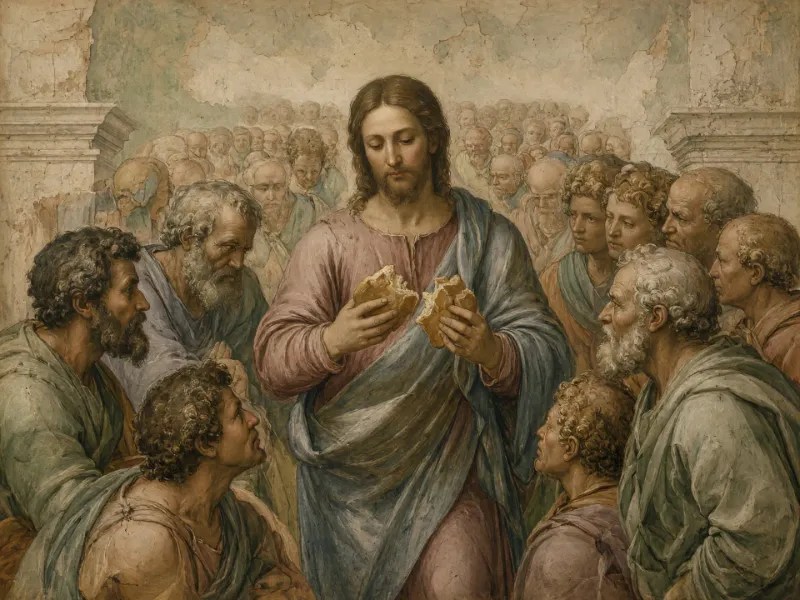
Luke 9:62
“Jesus replied, ‘No one who puts a hand to the plow and looks back is fit for service in the kingdom of God.’”
Reflection: Three people speak to Jesus on the road in Luke 9:57-62. Two of them ask to do something else first: “Lord, first let me go and bury my father,” and “first let me go back and say goodbye to my family.” Jesus answers the man who wants to bury his father by sending him to “proclaim the kingdom of God” (Luke 9:60) and the last with a ploughman who looks back, whom he calls unfit for service in that kingdom.
Matthew 16:24-25
“Then Jesus said to his disciples, ‘Whoever wants to be my disciple must deny themselves and take up their cross and follow me. For whoever wants to save their life will lose it, but whoever loses their life for me will find it.’”
Reflection: Jesus had just told his disciples that he must suffer, be killed and be raised, and Peter rebuked him: “Never, Lord!” Jesus answered that Peter did “not have in mind the concerns of God, but merely human concerns” (Matthew 16:23), and then spoke these words to all the disciples. The next verse sets the choice out in terms of value: “What good will it be for someone to gain the whole world, yet forfeit their soul?”
Setting heart and mind on God
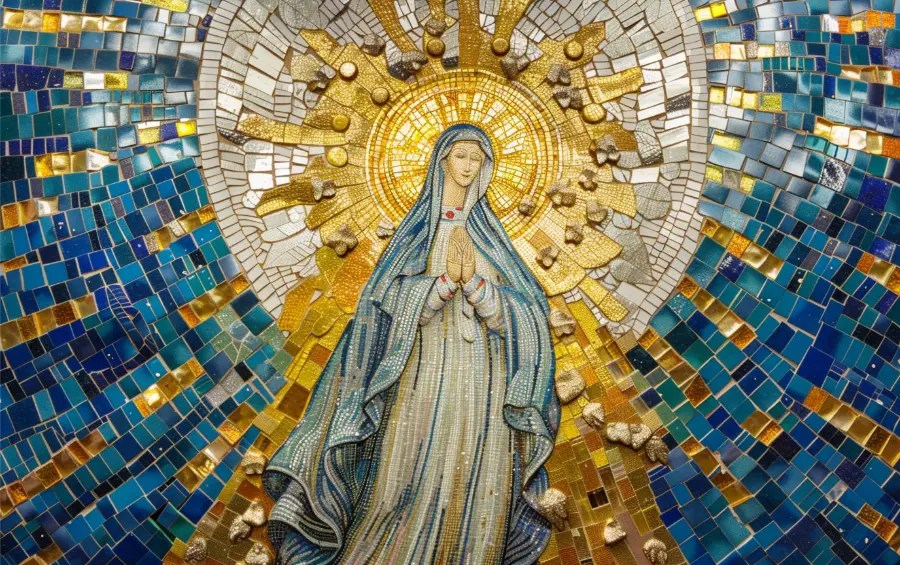
Psalm 73:25-26
“Whom have I in heaven but you? And earth has nothing I desire besides you. My flesh and my heart may fail, but God is the strength of my heart and my portion forever.”
Reflection: Asaph, whom the heading names, begins the psalm by admitting that he “envied the arrogant” when he saw the prosperity of the wicked (Psalm 73:3). The question troubled him “till I entered the sanctuary of God” (Psalm 73:17). In verse 25 he speaks to God directly: there is no one in heaven or on earth he desires besides God. Verse 26 goes on to call God “the strength of my heart and my portion forever,” and verse 28 says, “it is good to be near God.”
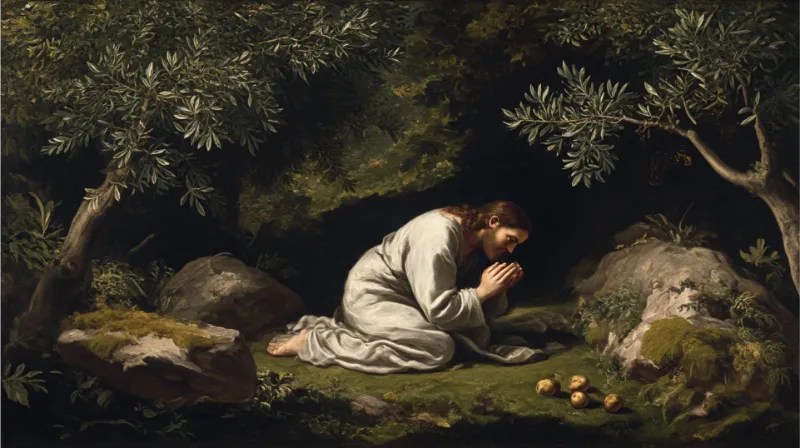
Colossians 3:1-2
“Since, then, you have been raised with Christ, set your hearts on things above, where Christ is, seated at the right hand of God. Set your minds on things above, not on earthly things.”
Reflection: Paul grounds the instruction in something already true of the Colossians: they “have been raised with Christ.” The next verse gives the reason in the same terms: “For you died, and your life is now hidden with Christ in God” (Colossians 3:3).
God first in the body and in ordinary acts
Romans 12:1
“Therefore, I urge you, brothers and sisters, in view of God’s mercy, to offer your bodies as a living sacrifice, holy and pleasing to God—this is your true and proper worship.”
Reflection: “Therefore” and “in view of God’s mercy” tie this appeal to what Paul has written before it. Paul asks for the body itself as the offering, a living sacrifice. The next verse turns to the mind: “Do not conform to the pattern of this world, but be transformed by the renewing of your mind” (Romans 12:2).
1 Corinthians 10:31
“So whether you eat or drink or whatever you do, do it all for the glory of God.”
Reflection: The “eat or drink” is literal. Paul is answering whether Christians in Corinth may eat meat sold in the market or served at an unbeliever’s table when it may have been offered in sacrifice. He allows it, but tells them to refuse if someone points out the sacrifice, for the sake of that person’s conscience. The next verse adds, “Do not cause anyone to stumble” (1 Corinthians 10:32).
Where the Bible says “first”
Jesus calls love for God “the first and greatest commandment” (Matthew 22:38) and tells his hearers to “seek first his kingdom” (Matthew 6:33). Proverbs 3:9 asks for the firstfruits of the harvest. In Luke 9:59-61 the word is on the other side: two would-be followers ask, “first let me go,” and Jesus answers both by pointing them to the kingdom of God.
Luke 14:28-31 uses “first” differently again. The builder and the king each “first sit down” to count the cost before they begin, which is the picture Jesus gives of deciding to follow him.


Leave a Reply