
 English
 Chinese
 Dutch
 Arabic
 Spanish
 Portuguese
 Russian
 French
 Italian
 German
 Japanese
The Bible protects children in two directions: God promises to guard and save them, and people are forbidden to harm them. God tells Zion “I will save your children” (Isaiah 49:25), Exodus 22:22-24 puts the fatherless child under God’s own protection, and Jesus warns against causing “one of these little ones who believe in me” to sin (Matthew 18:6).
Parents are given the daily part of the work: teaching God’s words at home and on the road (Deuteronomy 6:7), training a child in the way he should go (Proverbs 22:6), and not provoking children to anger (Ephesians 6:4). Psalm 121 and Psalm 91 speak of the Lord keeping the one who trusts him, and Proverbs 3:24 is a father’s word to his son about sleeping without fear.
God’s defence of children
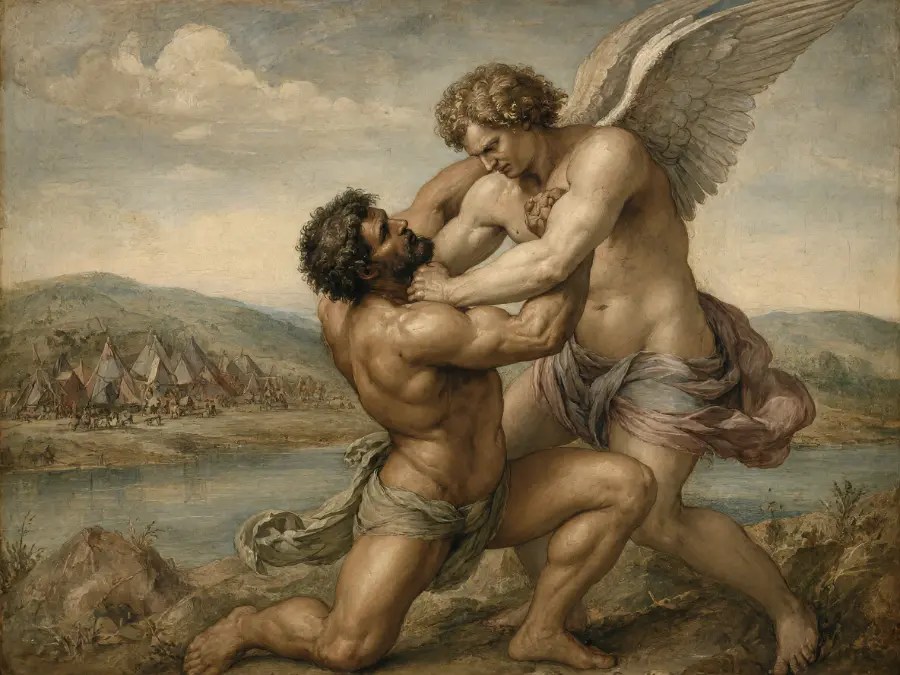
Isaiah 49:25
“For I will contend with those who contend with you, and I will save your children.”
Reflection: The promise answers Zion, pictured as a mother who says “The Lord has forsaken me” (Isaiah 49:14). God replies, “Can a woman forget her nursing child, that she should have no compassion on the son of her womb? Even these may forget, yet I will not forget you” (49:15). In verse 25 the children are captives of a tyrant, and God takes the quarrel on himself: “I will contend with those who contend with you.”

Isaiah 54:13
“All your children shall be taught by the Lord, and great shall be the peace of your children.”
Reflection: The chapter speaks to Jerusalem as “O afflicted one, storm-tossed and not comforted” (Isaiah 54:11) and promises her a city rebuilt in precious stones. Verse 14 goes on to Zion herself: “you shall be far from oppression, for you shall not fear; and from terror, for it shall not come near you.” Jesus quotes the first line of verse 13 in John 6:45: “It is written in the Prophets, ‘And they will all be taught by God.’”
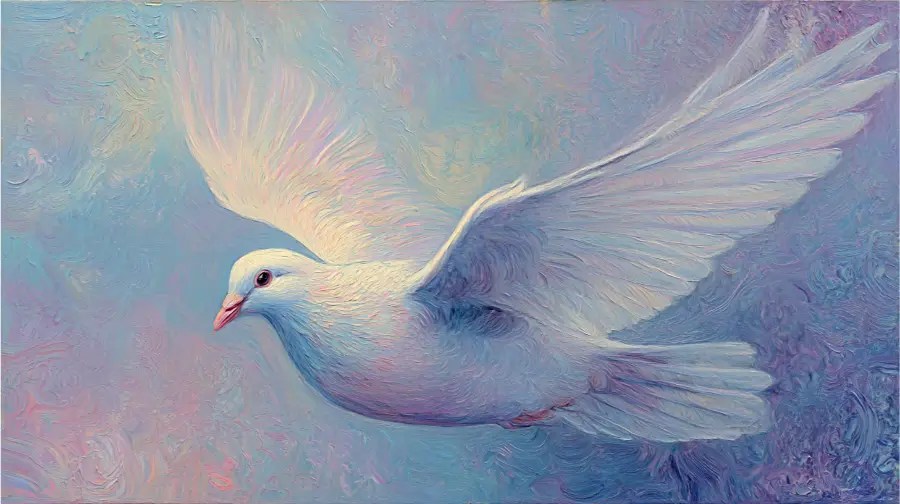
Exodus 22:22-24
“You shall not mistreat any widow or fatherless child. If you do mistreat them, and they cry out to me, I will surely hear their cry, and my wrath will burn, and I will kill you with the sword, and your wives shall become widows and your children fatherless.”
Reflection: This law comes straight after the command not to wrong a sojourner (Exodus 22:21), and it names the widow and the fatherless child together. God says he will hear their cry himself: “If you do mistreat them, and they cry out to me, I will surely hear their cry.” The punishment falls on the oppressor’s own household, whose wives would become widows and whose children would be fatherless. Psalm 68:5 calls God “Father of the fatherless and protector of widows.”
Jesus and the children brought to him
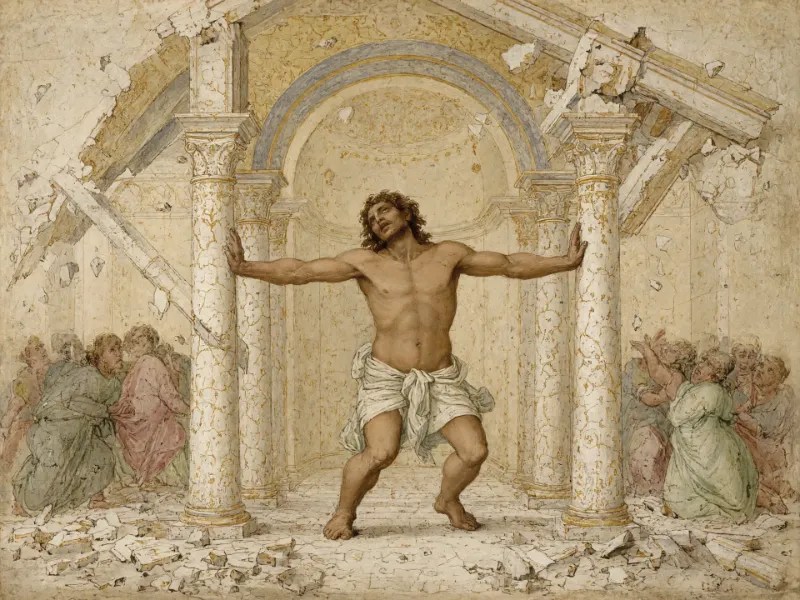
Matthew 19:14
“But Jesus said, ‘Let the little children come to me and do not hinder them, for to such belongs the kingdom of heaven.’”
Reflection: Children were brought to Jesus “that he might lay his hands on them and pray,” and the disciples rebuked the people who brought them (Matthew 19:13). Jesus overruled his own disciples, and the next verse says he “laid his hands on them and went away.” Luke tells the same event and says the people were “bringing even infants to him” (Luke 18:15).
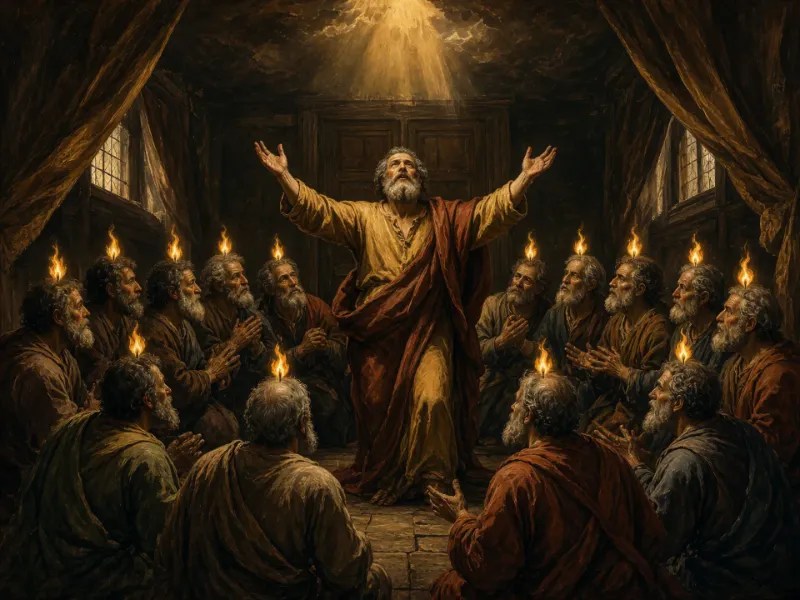
Mark 10:16
“And he took them in his arms and blessed them, laying his hands on them.”
Reflection: Mark adds two details the other accounts leave out. When Jesus saw the disciples turning the children back, “he was indignant” (Mark 10:14), and after speaking he took the children in his arms. Verse 13 gives the reason the children had been brought: “that he might touch them.”
Jesus on “these little ones”
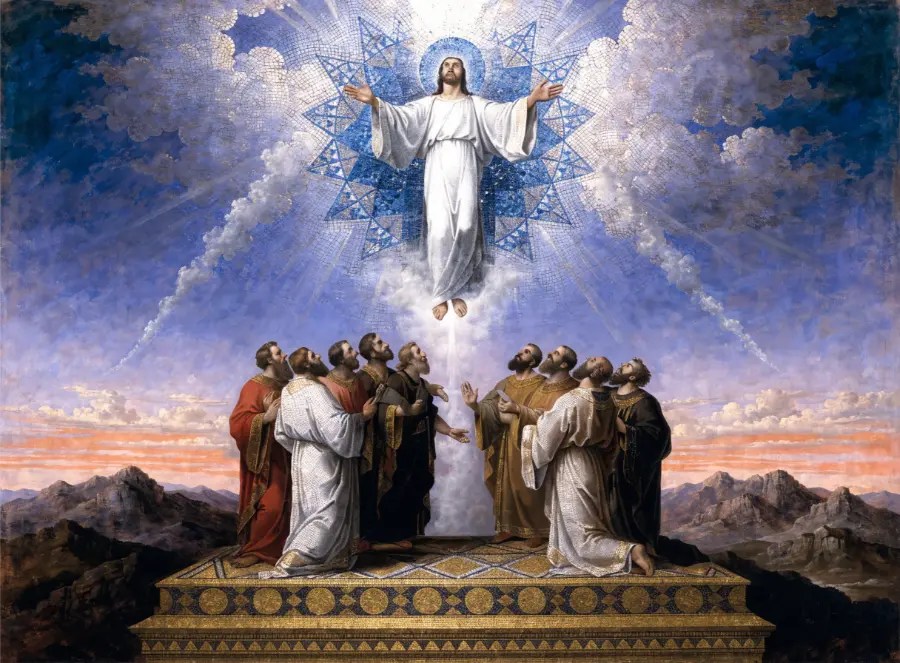
Matthew 18:5-6
“Whoever receives one such child in my name receives me, but whoever causes one of these little ones who believe in me to sin, it would be better for him to have a great millstone fastened around his neck and to be drowned in the depth of the sea.”
Reflection: The disciples had asked who is greatest in the kingdom, and Jesus answered by calling a child and putting him in the midst of them (Matthew 18:1-2). Receiving “one such child” in his name is receiving Jesus himself. The warning that follows is about “these little ones who believe in me,” and the offence is causing them to sin; the next verse adds “woe to the one by whom the temptation comes!” (18:7).

Matthew 18:10
“See that you do not despise one of these little ones. For I tell you that in heaven their angels always see the face of my Father who is in heaven.”
Reflection: Jesus is still speaking of “these little ones,” the phrase he used in verse 6. The reason he gives for not despising one of them is that “their angels always see the face of my Father who is in heaven.” He then tells the parable of the one lost sheep and ends it with “it is not the will of my Father who is in heaven that one of these little ones should perish” (Matthew 18:14).
The Lord who keeps, by day and night
Psalm 121:7-8
“The Lord will keep you from all evil; he will keep your life. The Lord will keep your going out and your coming in from this time forth and forevermore.”
Reflection: Psalm 121 is headed “A Song of Ascents,” and it keeps returning to one verb: the Lord keeps. Earlier the psalm says “he who keeps you will not slumber” (121:3) and “The sun shall not strike you by day, nor the moon by night” (121:6). “Your going out and your coming in” covers leaving home and returning to it, and the last line extends the promise “from this time forth and forevermore.”
Psalm 91:11
“For he will command his angels concerning you to guard you in all your ways.”
Reflection: The promise is made to the one who has “made the Lord your dwelling place” (Psalm 91:9), and the next verse goes on: “On their hands they will bear you up, lest you strike your foot against a stone.” The devil quoted these two verses to Jesus on the pinnacle of the temple and urged him to throw himself down. Jesus answered, “You shall not put the Lord your God to the test” (Matthew 4:5-7).
Proverbs 3:24
“If you lie down, you will not be afraid; when you lie down, your sleep will be sweet.”
Reflection: A father is speaking to “My son” (Proverbs 3:21) and tells him to keep “sound wisdom and discretion.” The promise of walking “on your way securely” (3:23) and of sweet sleep follows that instruction. The next verses add “Do not be afraid of sudden terror” and give the reason: “the Lord will be your confidence and will keep your foot from being caught” (3:25-26).
What parents are told to do
Deuteronomy 6:6-7
“And these words that I command you today shall be on your heart. You shall teach them diligently to your children, and shall talk of them when you sit in your house, and when you walk by the way, and when you lie down, and when you rise.”
Reflection: The command follows directly on “Hear, O Israel: The Lord our God, the Lord is one. You shall love the Lord your God with all your heart and with all your soul and with all your might” (Deuteronomy 6:4-5). The times for teaching run through the whole day, from sitting at home to lying down and rising. The following verses have Israel bind the words on their hands and write them “on the doorposts of your house and on your gates” (6:9).

Proverbs 22:6
“Train up a child in the way he should go; even when he is old he will not depart from it.”
Reflection: The verse sits in the collection headed “The proverbs of Solomon” (Proverbs 10:1). It speaks of the way a child “should go” and of training that lasts into old age. A few verses later the same chapter says “Folly is bound up in the heart of a child, but the rod of discipline drives it far from him” (22:15).
Ephesians 6:4
“Fathers, do not provoke your children to anger, but bring them up in the discipline and instruction of the Lord.”
Reflection: Paul first tells children to obey their parents and quotes “Honor your father and mother” with its promise “that it may go well with you” (Ephesians 6:1-3). The command to fathers comes next: not to provoke their children to anger, and to bring them up “in the discipline and instruction of the Lord.” Colossians 3:21 gives fathers the same command with a reason of its own: “lest they become discouraged.”


Leave a Reply