
 English
 Chinese
 Dutch
 Arabic
 Spanish
 Portuguese
 Russian
 French
 Italian
 German
 Japanese
The Bible separates regret that leads to repentance from regret that leads to death. Paul puts it this way: “Godly sorrow brings repentance that leads to salvation and leaves no regret, but worldly sorrow brings death” (2 Corinthians 7:10).
Matthew tells two stories of regret one after the other: Peter weeps bitterly after denying Jesus (Matthew 26:75), and Judas, “seized with remorse,” returns the silver and hangs himself (Matthew 27:3-5). Regret is put into words in Psalm 51, Psalm 38 and the prodigal son’s rehearsed speech (Luke 15:17-19), and Hebrews 12:16-17 recalls Esau, whose tears could not undo the sale of his birthright. Scripture also says the LORD regretted, over the human race before the flood (Genesis 6:6) and over Saul (1 Samuel 15:35). For the wrong that is regretted, it offers confession and forgiveness (Proverbs 28:13; 1 John 1:9; Psalm 103:12).
Sorrow that leads to repentance, and sorrow that does not

2 Corinthians 7:10
“Godly sorrow brings repentance that leads to salvation and leaves no regret, but worldly sorrow brings death.”
Reflection: Paul is writing about an earlier letter that had grieved the church in Corinth. He says he did regret it when he saw that the letter hurt them, “but only for a little while” (2 Corinthians 7:8), and that he is now glad because their sorrow “led you to repentance.” The next verse lists what that sorrow produced in them: “earnestness,” “eagerness to clear yourselves,” “readiness to see justice done.” The Greek behind “no regret” is ametameletos, unregretted, the same word Romans 11:29 uses for God’s gifts and call, which the NIV renders “irrevocable.”
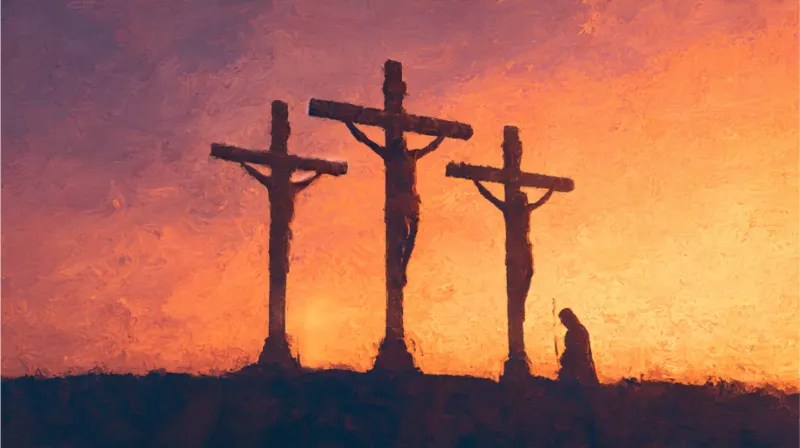
Matthew 26:75
“Then Peter remembered the word Jesus had spoken: ‘Before the rooster crows, you will disown me three times.’ And he went outside and wept bitterly.”
Reflection: The rooster crows immediately after Peter’s third denial, the one made with curses and an oath, and he remembers what Jesus had told him. Matthew records only that he went outside and wept. John 21:15-17 gives the sequel: after the resurrection Jesus asks Peter three times, “Do you love me?”, and each time gives him a charge: “Feed my lambs,” “Take care of my sheep,” “Feed my sheep.”
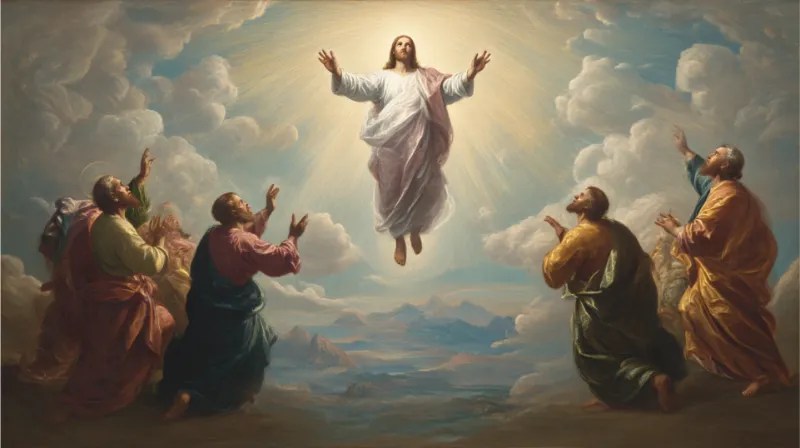
Matthew 27:3-5
“When Judas, who had betrayed him, saw that Jesus was condemned, he was seized with remorse and returned the thirty pieces of silver to the chief priests and the elders. ‘I have sinned,’ he said, ‘for I have betrayed innocent blood.’ ‘What is that to us?’ they replied. ‘That’s your responsibility.’ So Judas threw the money into the temple and left. Then he went away and hanged himself.”
Reflection: Judas’s remorse begins when he sees that Jesus has been condemned. He brings the money back and confesses to the chief priests and elders, who answer, “What is that to us? That’s your responsibility.” The verb Matthew uses for his remorse, metamelomai, is the one Paul uses in 2 Corinthians 7:8 for regretting his letter. Judas admits the wrong and tries to return the price of it, and the passage ends with his death.

Hebrews 12:16-17
“See that no one is sexually immoral, or is godless like Esau, who for a single meal sold his inheritance rights as the oldest son. Afterward, as you know, when he wanted to inherit this blessing, he was rejected. Even though he sought the blessing with tears, he could not change what he had done.”
Reflection: Hebrews recalls two scenes from Genesis: Esau selling his birthright to Jacob for a meal of stew (Genesis 25:29-34), and Esau begging Isaac for the blessing Jacob had already received, until he “wept aloud” (Genesis 27:38). The tears came after the choice, and “he could not change what he had done.” The warning is addressed to a church, in a paragraph that begins “Make every effort to live in peace with everyone and to be holy” (Hebrews 12:14).
When Scripture says the LORD regretted

Genesis 6:6
“The LORD regretted that he had made human beings on the earth, and his heart was deeply troubled.”
Reflection: The LORD’s regret follows what he saw: “every inclination of the thoughts of the human heart was only evil all the time” (Genesis 6:5). The next verse announces the decision to wipe the human race from the earth, and then the exception: “But Noah found favor in the eyes of the LORD” (6:8). The Hebrew verb here is nacham, which can mean to be sorry, to relent or to be comforted.
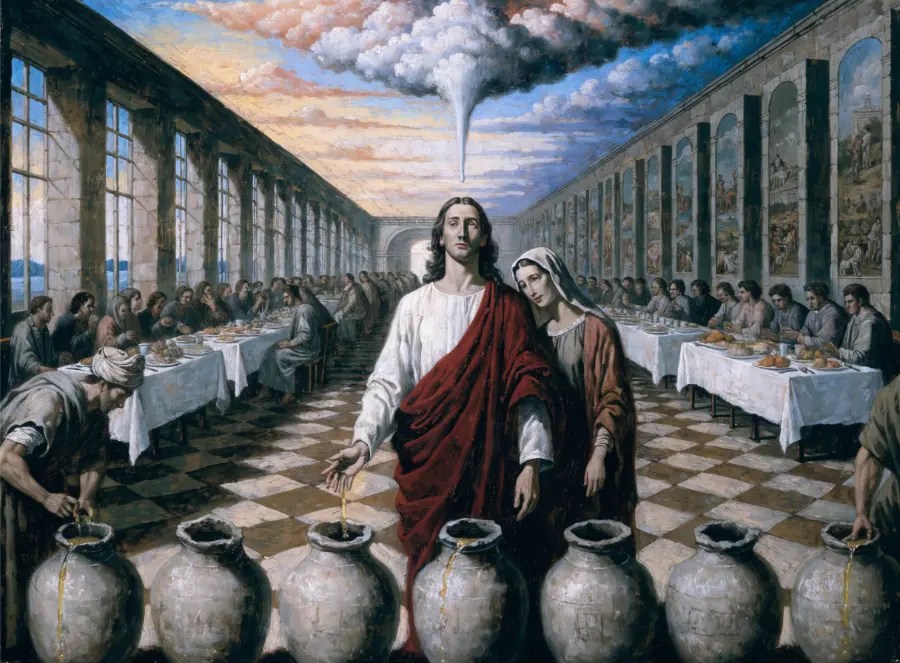
1 Samuel 15:35
“Until the day Samuel died, he did not go to see Saul again, though Samuel mourned for him. And the LORD regretted that he had made Saul king over Israel.”
Reflection: Earlier in the chapter the LORD tells Samuel, “I regret that I have made Saul king, because he has turned away from me” (1 Samuel 15:11), and Samuel tells Saul that God “is not a human being, that he should change his mind” (15:29). The Hebrew verb behind both “regret” and “change his mind” is nacham. The chapter sets these statements side by side without explaining how they fit together. Samuel has told Saul, “The LORD has torn the kingdom of Israel from you today” (15:28). Saul twice says “I have sinned” (15:24, 30), and Samuel goes back with him to worship but does not withdraw that sentence.
Regret put into words

Psalm 38:4
“My guilt has overwhelmed me like a burden too heavy to bear.”
Reflection: The psalm is a petition of David that opens, “LORD, do not rebuke me in your anger.” He describes guilt as something felt in the body, “there is no soundness in my bones because of my sin” (Psalm 38:3), and then as a load too heavy to carry. The whole psalm is addressed to God, so the complaint about guilt is part of a prayer.

Psalm 51:3-4
“For I know my transgressions, and my sin is always before me. Against you, you only, have I sinned and done what is evil in your sight.”
Reflection: According to its heading, David wrote this psalm when Nathan came to him after his adultery with Bathsheba. “My sin is always before me” describes a wrong he cannot stop seeing. He calls it a sin against God: “Against you, you only, have I sinned.” The psalm goes on to ask for more than pardon: “Create in me a pure heart, O God, and renew a steadfast spirit within me” (Psalm 51:10).

Psalm 51:17
“My sacrifice, O God, is a broken spirit; a broken and contrite heart you, God, will not despise.”
Reflection: The verse before this one says God does not delight in sacrifice or take pleasure in burnt offerings. What David brings instead is “a broken spirit,” and he says God will not despise “a broken and contrite heart.”
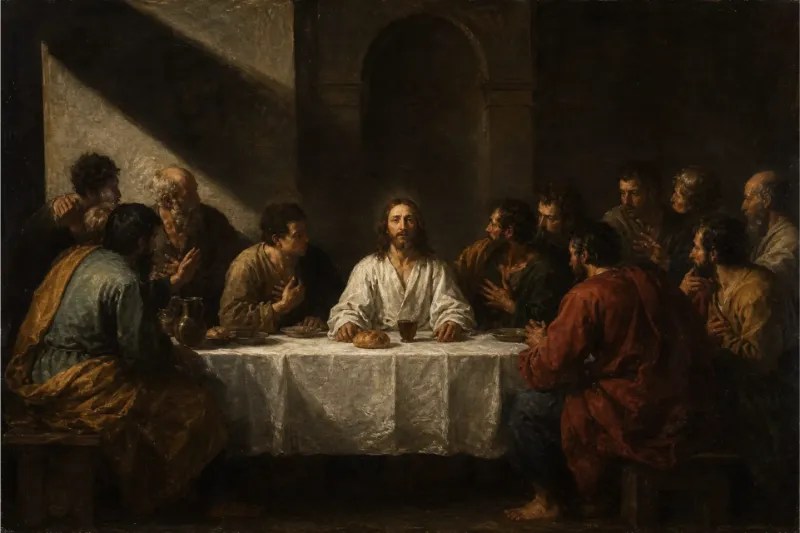
Job 42:6
“Therefore I despise myself and repent in dust and ashes.”
Reflection: Job speaks these words at the end of the book, after the LORD has answered him. What he takes back is what he said: “Surely I spoke of things I did not understand, things too wonderful for me to know” (Job 42:3). The verse opens with “Therefore,” and the reason comes just before it: “My ears had heard of you but now my eyes have seen you” (42:5).

Romans 7:15
“I do not understand what I do. For what I want to do I do not do, but what I hate I do.”
Reflection: Paul describes doing what he hates and failing to do the good he wants, and the passage builds to a cry: “What a wretched man I am! Who will rescue me from this body that is subject to death?” (Romans 7:24). The answer follows at once, “Thanks be to God, who delivers me through Jesus Christ our Lord!”, and the next chapter opens, “Therefore, there is now no condemnation for those who are in Christ Jesus” (Romans 8:1).
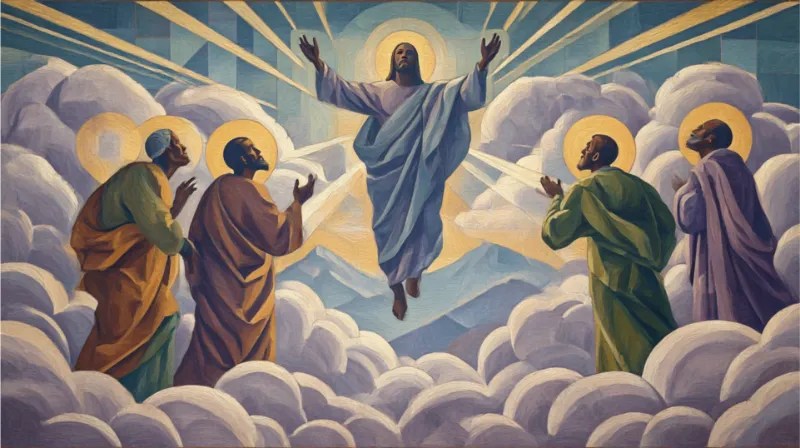
Luke 15:17-19
“When he came to his senses, he said, ‘How many of my father’s hired servants have food to spare, and here I am starving to death! I will set out and go back to my father and say to him: Father, I have sinned against heaven and against you. I am no longer worthy to be called your son; make me like one of your hired servants.’”
Reflection: In Jesus’ parable the younger son’s regret begins with hunger: he is feeding pigs and longing for their pods when he “came to his senses.” He rehearses a confession and a request to be taken on as a hired servant. At home his father runs to meet him while he is still a long way off, and the son gets through the confession, but the father calls for the best robe, a ring and a feast before the son reaches the request (Luke 15:20-23).
What becomes of the wrong that is regretted
Proverbs 28:13
“Whoever conceals their sins does not prosper, but the one who confesses and renounces them finds mercy.”
Reflection: The proverb sets two responses to wrongdoing against each other. Concealing sin “does not prosper”; the person who confesses and renounces it “finds mercy.”

1 John 1:9
“If we confess our sins, he is faithful and just and will forgive us our sins and purify us from all unrighteousness.”
Reflection: John sets this promise between two false claims, that we are without sin (1 John 1:8) and that we have not sinned (1:10). The forgiveness rests on God’s character, since he is “faithful and just,” and the cleansing reaches past the sins confessed to “all unrighteousness.”

Psalm 103:12
“As far as the east is from the west, so far has he removed our transgressions from us.”
Reflection: Two verses earlier the psalm says what the LORD does not do: “he does not treat us as our sins deserve or repay us according to our iniquities” (Psalm 103:10). This verse measures how far he removes transgressions by the distance from east to west. The psalm then gives a reason for his compassion: “he knows how we are formed, he remembers that we are dust” (103:14).
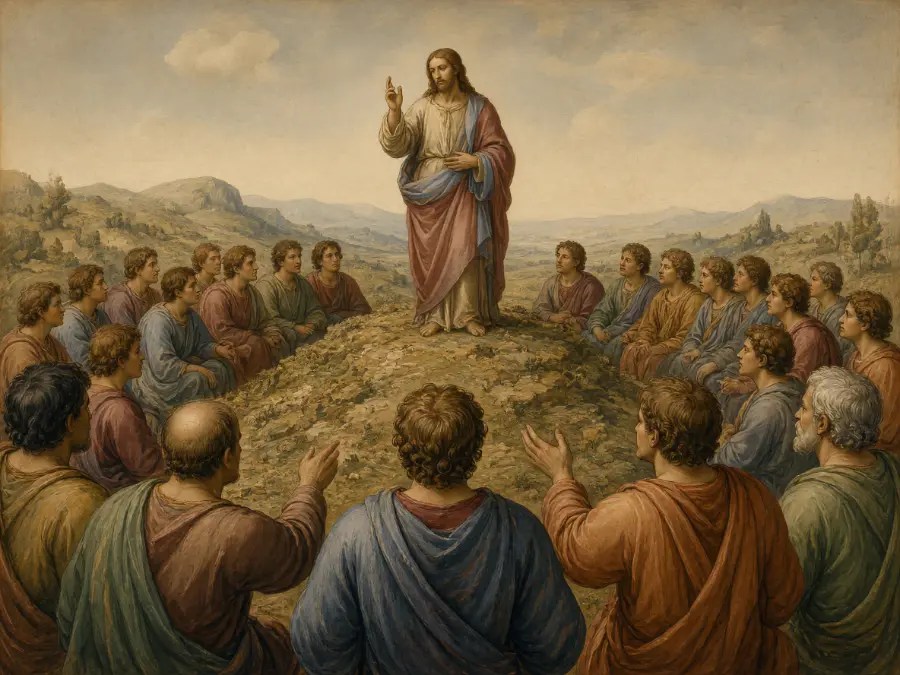
1 Timothy 1:15-16
“Here is a trustworthy saying that deserves full acceptance: Christ Jesus came into the world to save sinners—of whom I am the worst. But for that very reason I was shown mercy so that in me, the worst of sinners, Christ Jesus might display his immense patience as an example for those who would believe in him and receive eternal life.”
Reflection: Paul’s past is set out two verses earlier: “I was once a blasphemer and a persecutor and a violent man” (1 Timothy 1:13). He calls himself the worst of sinners in the present tense, and says the mercy he received was meant as an example, so that Christ could display “his immense patience” to those who would later believe.
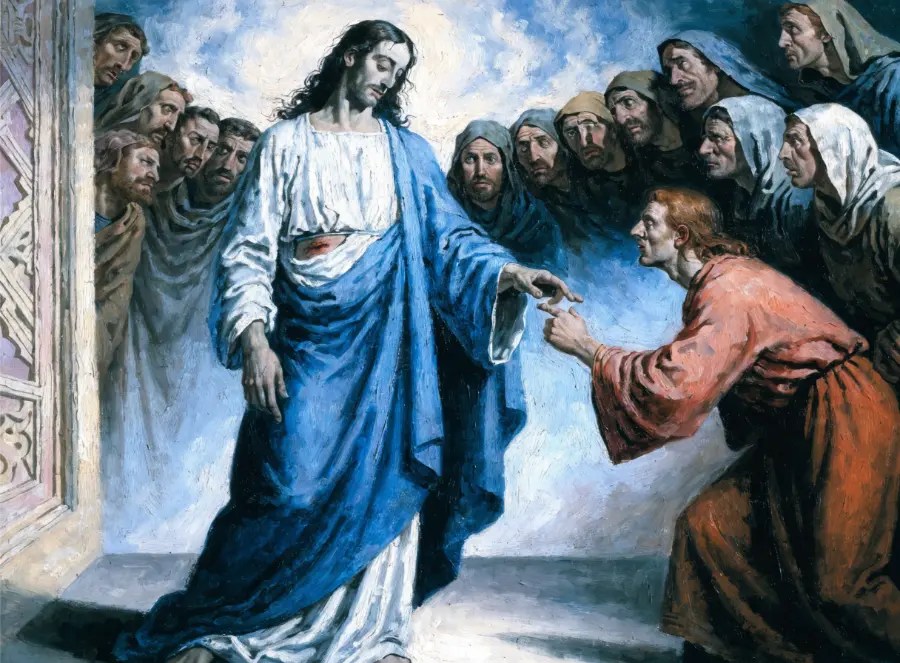
Philippians 3:13-14
“Brothers and sisters, I do not consider myself yet to have taken hold of it. But one thing I do: Forgetting what is behind and straining toward what is ahead, I press on toward the goal to win the prize for which God has called me heavenward in Christ Jesus.”
Reflection: The verse does not say what “what is behind” is. Earlier in the chapter Paul lists his own credentials (Philippians 3:5-6), among them his standing as a Pharisee and his zeal in “persecuting the church,” and says he now counts them as loss for the sake of Christ (3:7-8). Just before this verse he says he has not yet arrived (3:12), and here the forgetting goes with pressing on toward the goal.
A verse for how you feel
Choose how you feel today and read a verse from Scripture.
Give thanks to the LORD, for He is good; His loving devotion endures forever.
Get a verse each week
Thank you. Your first verse is on its way.
If nothing arrives in a few minutes, look in your spam or promotions folder.
Keep this for another day. A verse for how you feel has a page of its own, with our verses for each feeling.
Each verse is quoted from the Berean Standard Bible.


Leave a Reply