
 English
 Chinese
 Dutch
 Arabic
 Spanish
 Portuguese
 Russian
 French
 Italian
 German
 Japanese
The Bible describes speaking in tongues as speech the Holy Spirit gives. At Pentecost the listeners heard it in their own languages (Acts 2:6), and at Corinth it needed an interpreter (1 Corinthians 14:27-28). Acts also records it in the house of Cornelius (Acts 10:45-46) and at Ephesus (Acts 19:6).
Paul lists tongues among the gifts of the Spirit (1 Corinthians 12:10), weighs them against love (1 Corinthians 13:1) and gives 1 Corinthians 14 to their use in prayer and in church meetings. The Greek word translated “tongue” in these passages is glossa, which means both the tongue in the mouth and a language.
Tongues accompanying believers in Mark and Acts
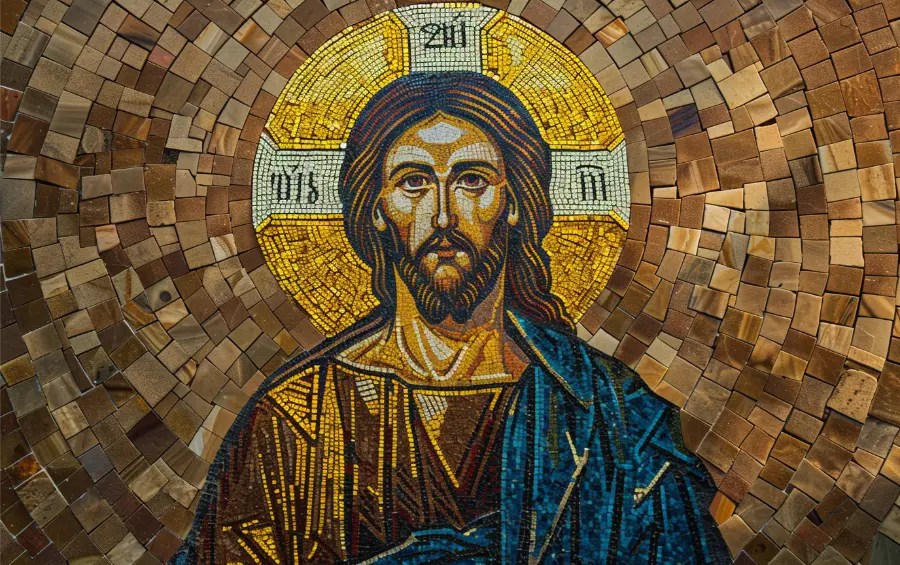
Mark 16:17
“And these signs will accompany those who believe: in my name they will drive out demons; they will speak in new tongues.”
Reflection: Jesus speaks to the Eleven after his resurrection, and new tongues appear in a list of signs with driving out demons, picking up snakes, surviving deadly poison and healing the sick. The NIV prints a note before verse 9: “The earliest manuscripts and some other ancient witnesses do not have verses 9–20.” Verse 20 says the Lord “confirmed his word by the signs that accompanied it.”
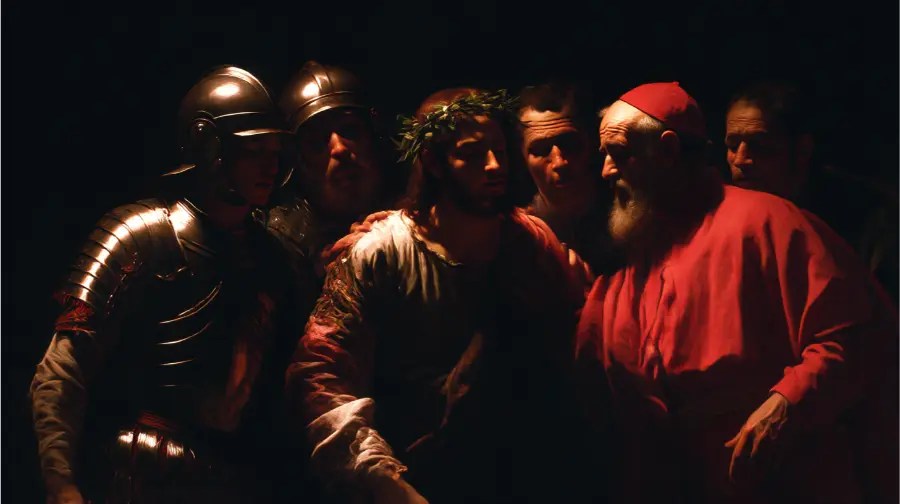
Acts 2:4
“All of them were filled with the Holy Spirit and began to speak in other tongues as the Spirit enabled them.”
Reflection: On the day of Pentecost the disciples were together in one house when a sound like a violent wind filled it and what seemed to be tongues of fire came to rest on each of them. The speaking began “as the Spirit enabled them.” Peter explains the event in verses 16-17 as what the prophet Joel foretold: “I will pour out my Spirit on all people.”
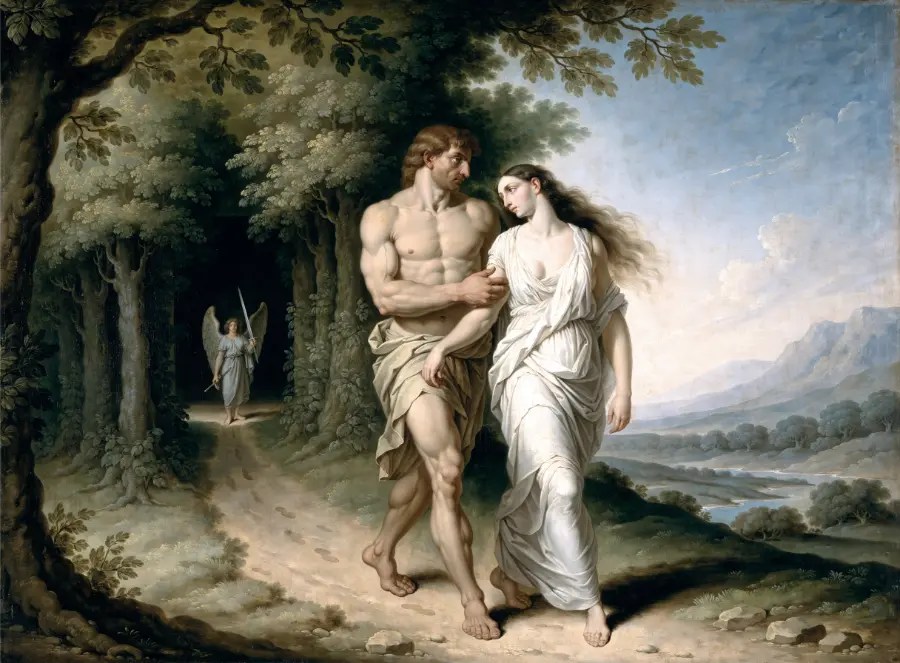
Acts 2:6
“When they heard this sound, a crowd came together in bewilderment, because each one heard their own language being spoken.”
Reflection: The crowd was made up of God-fearing Jews staying in Jerusalem “from every nation under heaven,” and verses 9-11 name places from Parthia and Mesopotamia to Rome, Crete and Arabia. Their question in verses 7-8 shows what they heard: “how is it that each of us hears them in our native language?” Others in the crowd said, “They have had too much wine.”

Acts 10:45-46
“The circumcised believers who had come with Peter were astonished that the gift of the Holy Spirit had been poured out even on Gentiles. For they heard them speaking in tongues and praising God.”
Reflection: Peter was still speaking in the house of Cornelius at Caesarea when the Spirit came on his Gentile listeners. The Jewish believers who came with him knew it had happened because they heard the tongues, and Peter concluded in verse 47, “They have received the Holy Spirit just as we have.” Reporting to the church in Jerusalem, he said the Spirit “came on them as he had come on us at the beginning” (Acts 11:15).

Acts 19:6
“When Paul placed his hands on them, the Holy Spirit came on them, and they spoke in tongues and prophesied.”
Reflection: At Ephesus Paul met about twelve disciples who had received John’s baptism and said, “we have not even heard that there is a Holy Spirit.” They were baptized in the name of the Lord Jesus, and when Paul placed his hands on them they spoke in tongues and prophesied.
Tongues among the gifts of the Spirit
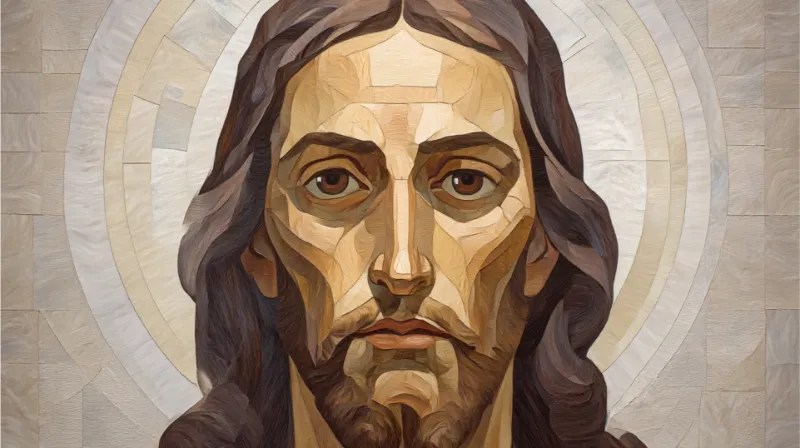
1 Corinthians 12:10
“…to another miraculous powers, to another prophecy, to another distinguishing between spirits, to another speaking in different kinds of tongues, and to still another the interpretation of tongues.”
Reflection: Speaking in tongues and the interpretation of tongues end Paul’s list of gifts in verses 8-10, as two separate gifts given “to another” and “to still another.” Verse 7 says each manifestation of the Spirit is “given for the common good,” and verse 11 says the Spirit “distributes them to each one, just as he determines.”
1 Corinthians 12:28-30
“And God has placed in the church first of all apostles, second prophets, third teachers, then miracles, then gifts of healing, of helping, of guidance, and of different kinds of tongues. Are all apostles? Are all prophets? Are all teachers? Do all work miracles? Do all have gifts of healing? Do all speak in tongues? Do all interpret?”
Reflection: Paul ranks apostles, prophets and teachers first, second and third, and different kinds of tongues come at the end of the list. The questions that follow, including “Do all speak in tongues? Do all interpret?”, come after his picture of the church as one body in which “each one of you is a part of it” (verse 27). Verse 31 then points to “the most excellent way,” which chapter 13 describes as love.
Tongues measured against love
1 Corinthians 13:1
“If I speak in the tongues of men or of angels, but do not have love, I am only a resounding gong or a clanging cymbal.”
Reflection: Chapter 13 sits between the two chapters on spiritual gifts, and Paul begins it with tongues, “of men or of angels.” Without love the speaker is a gong or a cymbal. He returns to musical instruments in 14:7, where a pipe or harp without distinct notes plays no tune anyone can recognize.
1 Corinthians 13:8
“Love never fails. But where there are prophecies, they will cease; where there are tongues, they will be stilled; where there is knowledge, it will pass away.”
Reflection: Tongues are listed with prophecy and knowledge as things that will end, while love “never fails.” Verse 9 continues, “we know in part and we prophesy in part, but when completeness comes, what is in part disappears,” and verse 12 sets “now” against “then”: “then we shall see face to face.” Verse 9 names knowledge and prophecy as partial, and tongues are not mentioned again after verse 8.
Praying in a tongue
1 Corinthians 14:2
“For anyone who speaks in a tongue does not speak to people but to God. Indeed, no one understands them; they utter mysteries by the Spirit.”
Reflection: A tongue is addressed to God, and what is said is “mysteries by the Spirit.” Verse 3 sets prophecy against it, since prophecy speaks to people “for their strengthening, encouraging and comfort.” The comparison between the two gifts runs through the chapter, from “especially prophecy” in verse 1 to “be eager to prophesy” in verse 39.
1 Corinthians 14:4
“Anyone who speaks in a tongue edifies themselves, but the one who prophesies edifies the church.”
Reflection: The verse sets two kinds of building up side by side: the speaker in a tongue is built up, and prophecy builds up the church. Verse 12 turns this into an instruction for Corinthians “eager for gifts of the Spirit”: “try to excel in those that build up the church.”
1 Corinthians 14:14
“For if I pray in a tongue, my spirit prays, but my mind is unfruitful.”
Reflection: Paul describes his own praying in the first person. In a tongue his spirit prays and his mind is “unfruitful,” and verse 16 shows the result for others: someone listening cannot say “Amen” to a thanksgiving when they “do not know what you are saying.”

1 Corinthians 14:15
“So what shall I do? I will pray with my spirit, but I will also pray with my understanding; I will sing with my spirit, but I will also sing with my understanding.”
Reflection: The answer to “So what shall I do?” keeps both kinds of prayer and applies the same rule to singing. Verse 17 grants that the one giving thanks in a tongue is “giving thanks well enough,” but “no one else is edified.”
Tongues when the church meets

1 Corinthians 14:5
“I would like every one of you to speak in tongues, but I would rather have you prophesy. The one who prophesies is greater than the one who speaks in tongues, unless someone interprets, so that the church may be edified.”
Reflection: The exception at the end of the verse is interpretation: an interpreted tongue edifies the church, which is the work verse 4 gives to prophecy. Verse 6 asks what good he would be to them if he came speaking in tongues without “some revelation or knowledge or prophecy or word of instruction.”

1 Corinthians 14:13
“For this reason the one who speaks in a tongue should pray that they may interpret what they say.”
Reflection: The speaker is to pray for the gift of interpretation, which 1 Corinthians 12:10 lists separately from tongues and gives “to still another.” Here the one who speaks in a tongue is told to ask for it as well.
1 Corinthians 14:19
“But in the church I would rather speak five intelligible words to instruct others than ten thousand words in a tongue.”
Reflection: The verse before it reads, “I thank God that I speak in tongues more than all of you.” Paul’s comparison of five words with ten thousand concerns the church meeting, and he describes the five as words “to instruct others.”
1 Corinthians 14:27-28
“If anyone speaks in a tongue, two—or at the most three—should speak, one at a time, and someone must interpret. If there is no interpreter, the speaker should keep quiet in the church and speak to himself and to God.”
Reflection: Paul limits tongues in a meeting to two or at most three speakers, one at a time, with someone interpreting. Without an interpreter the speaker keeps quiet in the meeting and speaks “to himself and to God,” the same direction of speech verse 2 describes.
1 Corinthians 14:40
“But everything should be done in a fitting and orderly way.”
Reflection: The chapter ends with two instructions together. Verse 39 says “be eager to prophesy, and do not forbid speaking in tongues,” and verse 40 adds that everything should be done in order.
Tongues as a sign for unbelievers
Isaiah 28:11-12
“Very well then, with foreign lips and strange tongues God will speak to this people, to whom he said, ‘This is the resting place, let the weary rest’; and, ‘This is the place of repose’— but they would not listen.”
Reflection: Isaiah answers people who mocked his teaching as if he were teaching infants “just taken from the breast” (verse 9). Because they would not listen, verse 13 says, the word of the Lord would come to them as “Do this, do that,” and they would “fall backward” and be “snared and captured.” Paul quotes verse 11 in 1 Corinthians 14:21 and concludes, “Tongues, then, are a sign, not for believers but for unbelievers.”

1 Corinthians 14:23
“So if the whole church comes together and everyone speaks in tongues, and inquirers or unbelievers come in, will they not say that you are out of your mind?”
Reflection: This verse follows the statement that tongues are a sign for unbelievers, and it says what unbelievers would conclude if everyone in the church spoke in tongues: “you are out of your mind.” Prophecy, verses 24-25 say, would lead the same visitor to fall down and worship, exclaiming, “God is really among you!”
What Acts and 1 Corinthians describe differently
In Acts 2:6-11 the hearers understood the tongues as their own native languages. In 1 Corinthians 14:2 “no one understands” the speaker, and 14:5 and 14:13 look to interpretation for the church to be built up. Acts 10:46 and 19:6 do not say whether anyone present understood the words.
Acts records tongues on three occasions when the Spirit came on a group of believers: at Pentecost (Acts 2:4), in the house of Cornelius (Acts 10:46) and at Ephesus (Acts 19:6). In 1 Corinthians 12:30 Paul asks “Do all speak in tongues?” among questions about gifts given to different members of one body.


Leave a Reply