
 English
 Chinese
 Dutch
 Arabic
 Spanish
 Portuguese
 Russian
 French
 Italian
 German
 Japanese
The Bible encourages a husband in two ways: in passages written to husbands, and in passages written to anyone facing fear, hard work, decisions or worry. Ephesians 5:25 asks a husband to love his wife as Christ loved the church, and 1 Peter 3:7 to live with her considerately.
The second group includes God’s charge to Joshua (Joshua 1:9), the promise to a tired Israel in Isaiah 40:31, and Paul’s instruction on anxiety (Philippians 4:6-7). Proverbs 31:11-12 looks at the marriage from the other side, describing a wife whose husband “has full confidence in her.”
What Scripture says to and about husbands
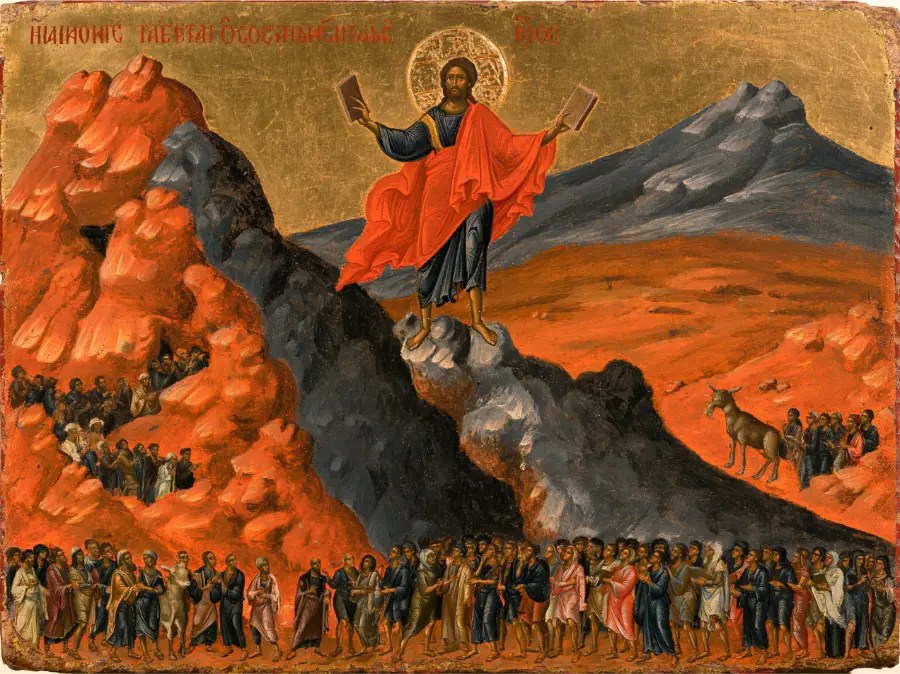
Proverbs 31:11-12
“Her husband has full confidence in her and lacks nothing of value. She brings him good, not harm, all the days of her life.”
Reflection: These lines follow the opening question of the poem that closes Proverbs: “A wife of noble character who can find?” (Proverbs 31:10). Before the poem turns to her work in verse 13, it describes what she is to her husband: someone he trusts, who does him good all her life. Verse 23 adds that her husband “is respected at the city gate, where he takes his seat among the elders of the land.”

Ephesians 5:25
“Husbands, love your wives, just as Christ loved the church and gave himself up for her.”
Reflection: The household instructions in Ephesians 5 begin with verse 21, “Submit to one another out of reverence for Christ,” and then address wives and husbands in turn. The measure Paul gives husbands is Christ, who “gave himself up” for the church, and verses 28-29 add that a husband should love his wife as his own body, which he feeds and cares for. The passage closes by addressing both: each husband must love his wife as himself, “and the wife must respect her husband” (verse 33).

Colossians 3:19
“Husbands, love your wives and do not be harsh with them.”
Reflection: Colossians gives the same household instructions in a shorter form, one sentence each for wives, husbands, children and fathers before a longer word to slaves. To the command to love, Paul adds a prohibition: a husband is not to be harsh with his wife. The next verse gives fathers a similar warning, not to embitter their children “or they will become discouraged.”

1 Peter 3:7
“Husbands, in the same way be considerate as you live with your wives, and treat them with respect as the weaker partner and as heirs with you of the gracious gift of life, so that nothing will hinder your prayers.”
Reflection: Peter’s word to husbands comes after six verses addressed to wives. The same sentence that calls the wife “the weaker partner” also calls her an heir “with you of the gracious gift of life.” Peter attaches a consequence to the instruction: a husband is to live considerately with his wife “so that nothing will hinder your prayers.”
Courage and strength under pressure
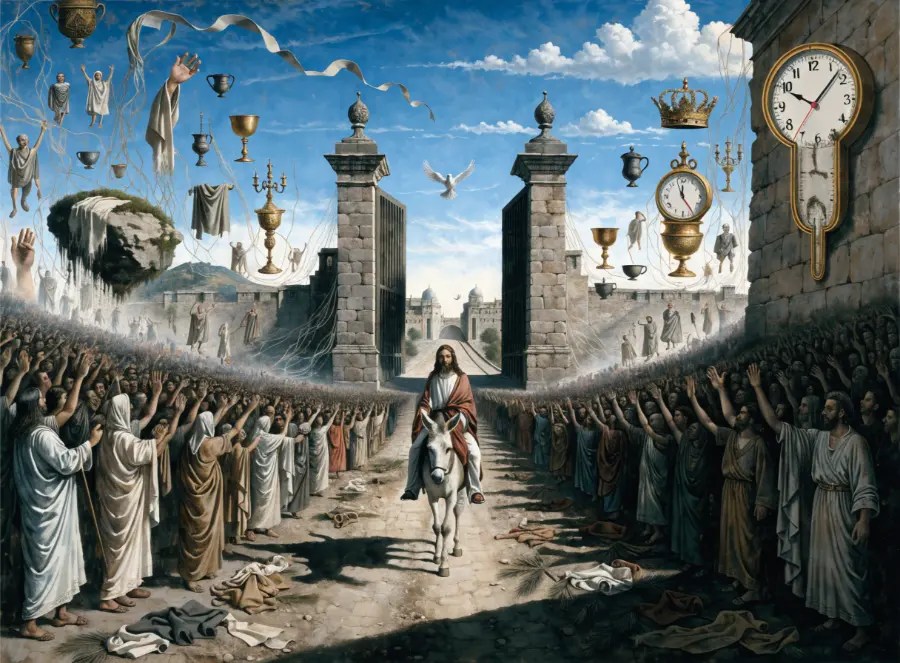
Joshua 1:9
“Have I not commanded you? Be strong and courageous. Do not be afraid; do not be discouraged, for the Lord your God will be with you wherever you go.”
Reflection: The Lord speaks these words to Joshua after the death of Moses, as Joshua is told to get Israel ready to cross the Jordan (Joshua 1:1-2). “Be strong and courageous” comes three times in the speech, in verses 6, 7 and 9, and the middle one joins courage to obeying all the law Moses gave. Verse 9 rests the command on God’s presence: “the Lord your God will be with you wherever you go.”
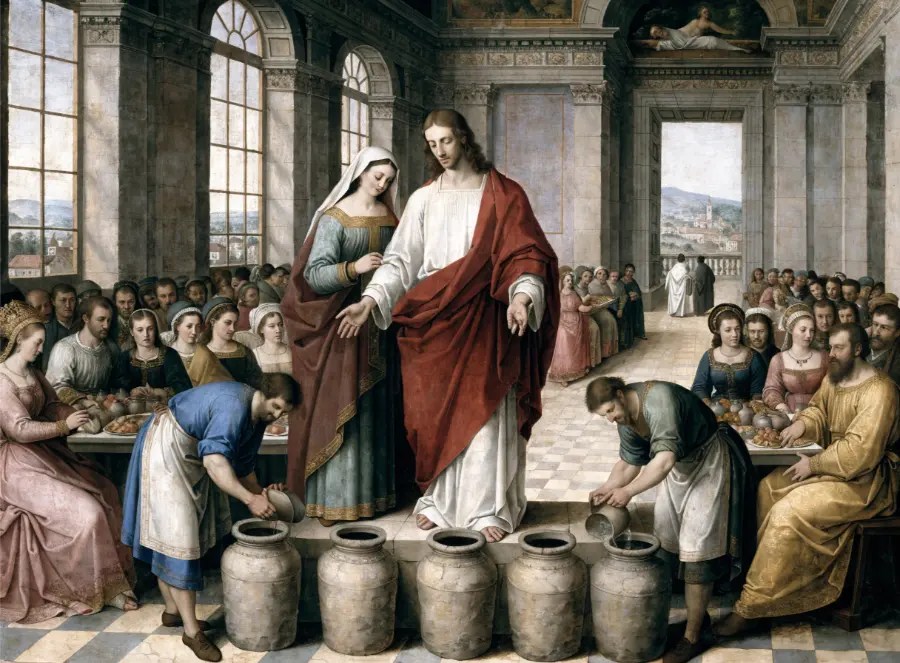
Isaiah 41:10
“So do not fear, for I am with you; do not be dismayed, for I am your God. I will strengthen you and help you; I will uphold you with my righteous right hand.”
Reflection: God addresses Israel as “my servant, Jacob, whom I have chosen” (verse 8) and says he has not rejected them. The promise has three verbs, strengthen, help and uphold, and verse 13 repeats it with God taking hold of the listener’s right hand: “Do not fear; I will help you.”
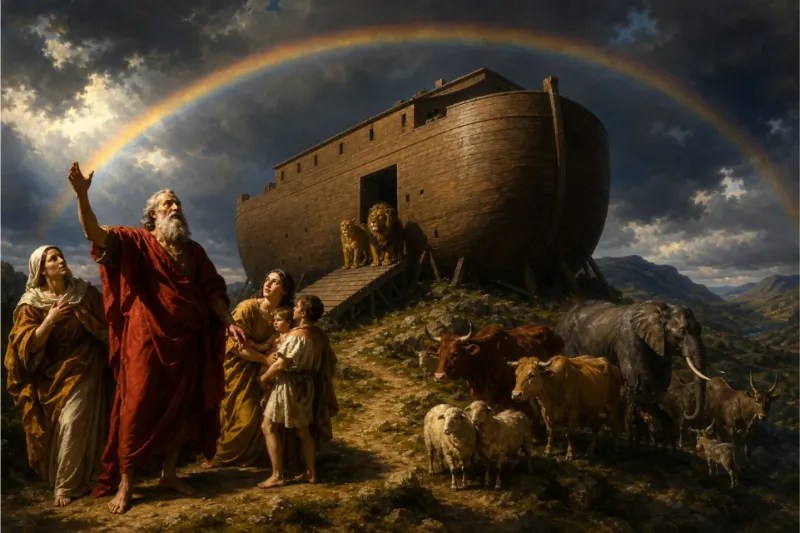
Isaiah 40:31
“But those who hope in the Lord will renew their strength. They will soar on wings like eagles; they will run and not grow weary, they will walk and not be faint.”
Reflection: In verse 27 Israel complains, “My way is hidden from the Lord.” Isaiah replies that the Creator “will not grow tired or weary” and gives strength to the weary, while even youths grow tired and young men stumble and fall. Renewed strength is promised to “those who hope in the Lord.”

Psalm 46:1
“God is our refuge and strength, an ever-present help in trouble.”
Reflection: Psalm 46 is a song of the Sons of Korah, according to its heading. Its opening line leads straight into a “Therefore”: because God is refuge and strength, “we will not fear, though the earth give way.” The refrain “The Lord Almighty is with us; the God of Jacob is our fortress” comes twice, in verses 7 and 11.
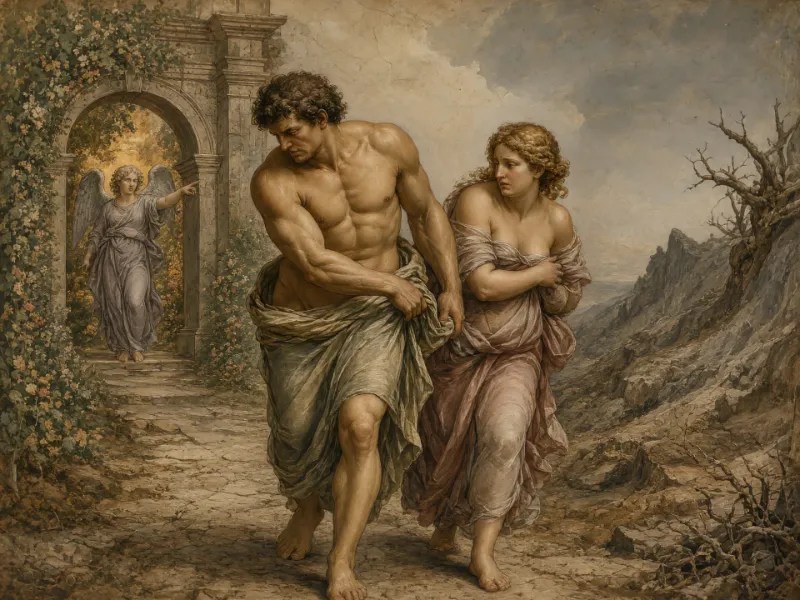
2 Corinthians 4:16-18
“Therefore we do not lose heart. Though outwardly we are wasting away, yet inwardly we are being renewed day by day. For our light and momentary troubles are achieving for us an eternal glory that far outweighs them all. So we fix our eyes not on what is seen, but on what is unseen, since what is seen is temporary, but what is unseen is eternal.”
Reflection: Paul is describing his own life in ministry, “hard pressed on every side, but not crushed” (verse 8), carrying “this treasure in jars of clay” (verse 7). Two verses before this passage he states his hope that the one who raised Jesus “will also raise us with Jesus.” Outward decline and inward renewal happen together, “day by day,” and Paul weighs present troubles against “an eternal glory that far outweighs them all.”
Work, plans, provision and contentment
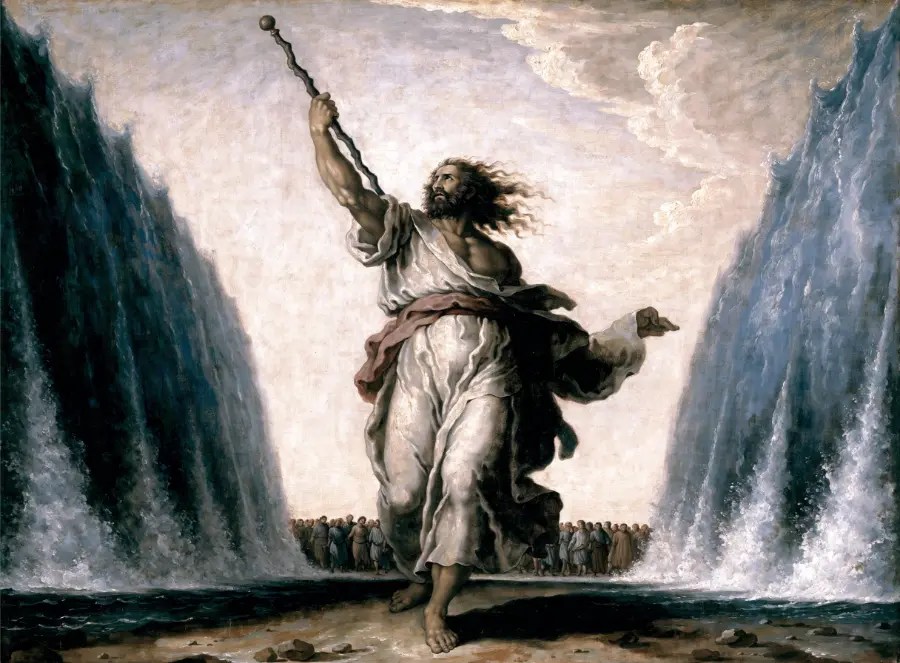
Colossians 3:23-24
“Whatever you do, work at it with all your heart, as working for the Lord, not for human masters, since you know that you will receive an inheritance from the Lord as a reward. It is the Lord Christ you are serving.”
Reflection: These lines are addressed to slaves in the household instructions of Colossians 3, which is why they mention “human masters.” Verse 22 asks for work done “with sincerity of heart,” and not only when the master is watching. Paul names the one they finally serve, “the Lord Christ,” and the reward he gives, an inheritance.
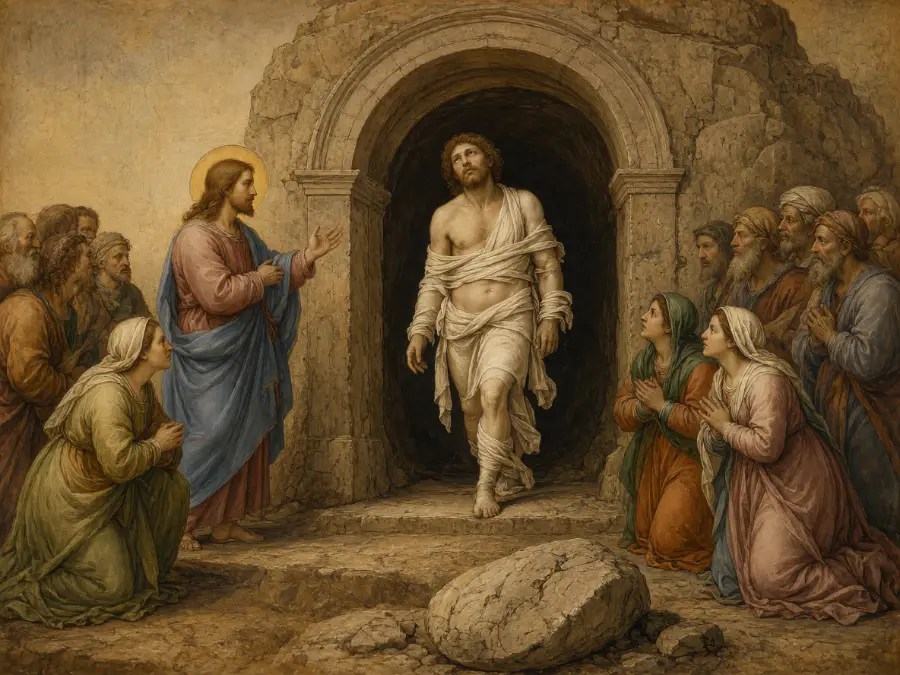
Proverbs 16:3
“Commit to the Lord whatever you do, and he will establish your plans.”
Reflection: The verse sits among sayings about human plans and the Lord’s part in them. Verse 1 says “To humans belong the plans of the heart, but from the Lord comes the proper answer of the tongue,” and verse 2 says the Lord weighs motives. Later in the chapter the same thought returns: “In their hearts humans plan their course, but the Lord establishes their steps” (Proverbs 16:9).
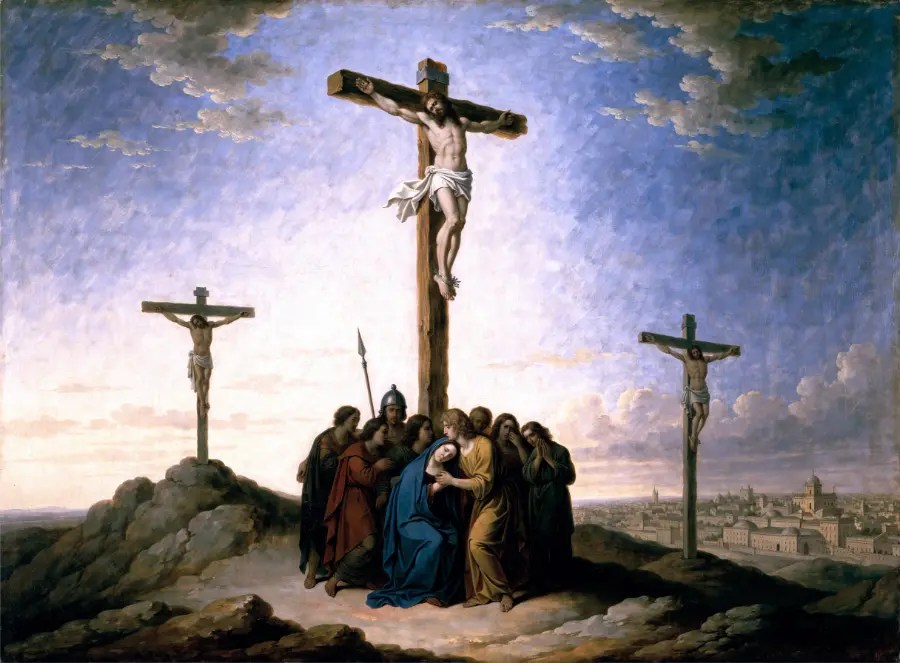
Philippians 4:13
“I can do all this through him who gives me strength.”
Reflection: “All this” refers to the circumstances Paul has just listed in verse 12: being well fed or hungry, living in plenty or in want. He says he has “learned the secret of being content” in each of them, and he names Christ as the source of the strength to do it.

Philippians 4:19
“And my God will meet all your needs according to the riches of his glory in Christ Jesus.”
Reflection: Paul writes this to the church at Philippi after receiving the gifts they sent with Epaphroditus (verse 18). When Paul set out from Macedonia, early in their acquaintance with the gospel, they alone shared with him in giving and receiving (verses 15-16). Having said his own needs are “amply supplied,” he tells them God will meet theirs “according to the riches of his glory in Christ Jesus.”
Decisions and wisdom
Proverbs 3:5-6
“Trust in the Lord with all your heart and lean not on your own understanding; in all your ways submit to him, and he will make your paths straight.”
Reflection: The chapter opens with a teacher addressing “my son,” and these verses belong to that teaching. Trusting the Lord is set against leaning on one’s own understanding, and verse 7 continues: “Do not be wise in your own eyes; fear the Lord and shun evil.” The promise attached is that the Lord “will make your paths straight.”
James 1:5
“If any of you lacks wisdom, you should ask God, who gives generously to all without finding fault, and it will be given to you.”
Reflection: James has just written about “trials of many kinds” (verse 2) and the perseverance they produce, and the request for wisdom follows directly. God gives it “generously to all without finding fault.” Verse 6 adds a condition: the one who asks “must believe and not doubt.”
Psalm 32:8
“I will instruct you and teach you in the way you should go; I will counsel you with my loving eye on you.”
Reflection: Psalm 32, headed “Of David,” begins with confession: while he kept silent his “bones wasted away,” until he confessed and was forgiven (verses 3-5). Verse 7 is spoken to God, “You are my hiding place,” and in verse 8 a voice promises instruction in reply. Verse 9 warns against being like the horse or the mule, which “must be controlled by bit and bridle.”
Worry and peace

Philippians 4:6-7
“Do not be anxious about anything, but in every situation, by prayer and petition, with thanksgiving, present your requests to God. And the peace of God, which transcends all understanding, will guard your hearts and your minds in Christ Jesus.”
Reflection: In place of anxiety Paul sets prayer with thanksgiving, and the result he promises is a guard: God’s peace “will guard your hearts and your minds.” Just before, verse 5 says “The Lord is near,” and verse 8 goes on to what to think about: whatever is true, noble, right, pure, lovely and admirable.
John 14:27
“Peace I leave with you; my peace I give you. I do not give to you as the world gives. Do not let your hearts be troubled and do not be afraid.”
Reflection: Jesus says this to his disciples at the evening meal just before Passover (John 13:1-2), while telling them, “I am going away and I am coming back to you” (verse 28). The peace he leaves is set apart from the world’s giving. “Do not let your hearts be troubled” repeats the first words of the chapter (John 14:1).
Character
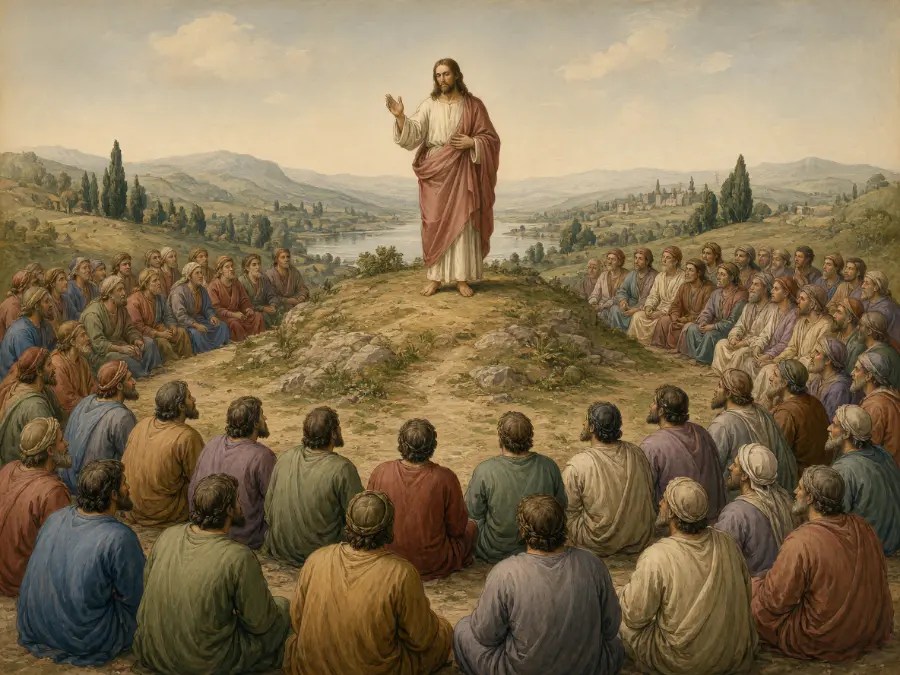
Proverbs 20:7
“The righteous lead blameless lives; blessed are their children after them.”
Reflection: Verse 6 asks, “Many claim to have unfailing love, but a faithful person who can find?” Verse 7 describes the righteous person’s blameless life and says the blessing of it reaches “their children after them.”

1 Timothy 6:11
“But you, man of God, flee from all this, and pursue righteousness, godliness, faith, love, endurance and gentleness.”
Reflection: Paul writes to Timothy and calls him “man of God.” “All this” points back to verses 9-10, the desire to get rich and the love of money, which have led some to wander from the faith. Against it Paul sets six things to pursue, and the next verse adds a further command: “Fight the good fight of the faith.”


Leave a Reply