
 English
 Chinese
 Dutch
 Arabic
 Spanish
 Portuguese
 Russian
 French
 Italian
 German
 Japanese
Category 1: Divine Presence & Protection on the Journey
These verses speak to the core human fear of being alone and vulnerable, especially when away from the familiar. They offer the profound assurance of a constant, protective divine presence.
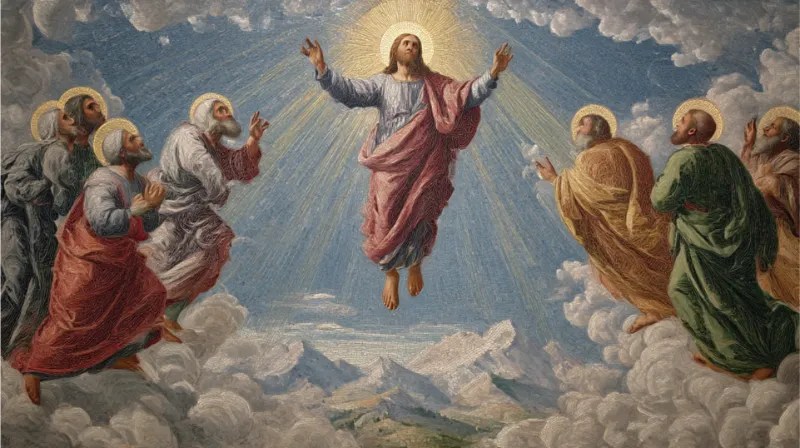
Genesis 28:15
“I am with you and will watch over you wherever you go, and I will bring you back to this land. I will not leave you until I have done what I have promised you.”
Reflection: This promise to Jacob addresses the deep-seated fear of abandonment that can surface when we are in unfamiliar territory. It’s a foundational assurance that our journey is not a solo endeavor. The feeling of being “watched over” fosters a sense of secure attachment to God, allowing our hearts to rest even when our bodies are in motion and our future is uncertain.
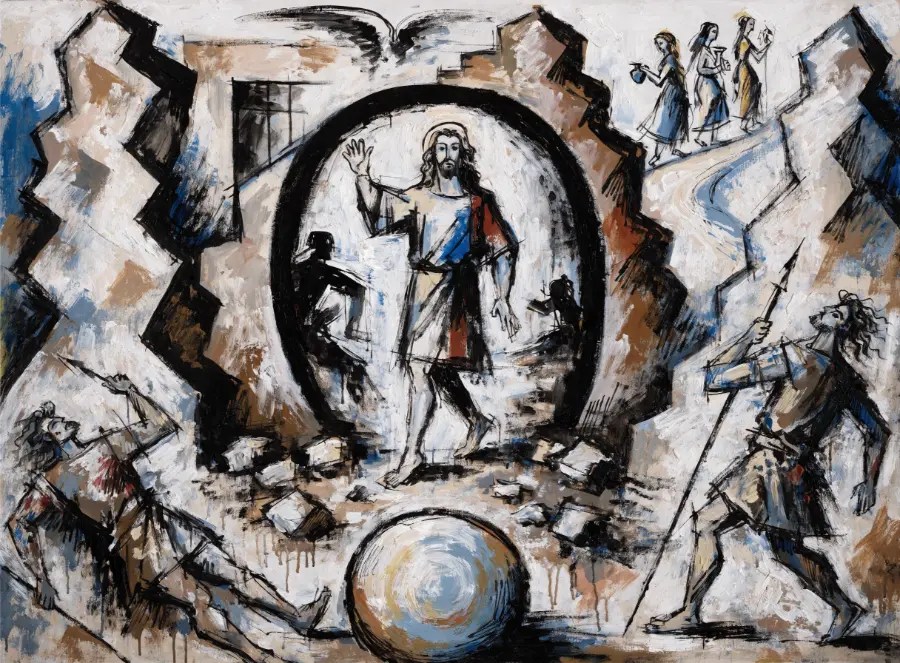
Psalm 121:7-8
“The LORD will keep you from all harm— he will watch over your life; the LORD will watch over your coming and going both now and forevermore.”
Reflection: This is a profound blessing that speaks to the anxieties we feel when stepping into the unknown. It is a declaration that our fundamental well-being is not dependent on circumstances but is held securely in the hands of a loving Guardian. This assurance fosters a courageous peace, freeing our hearts from the tyranny of “what-ifs” and allowing us to be truly present on our journey.
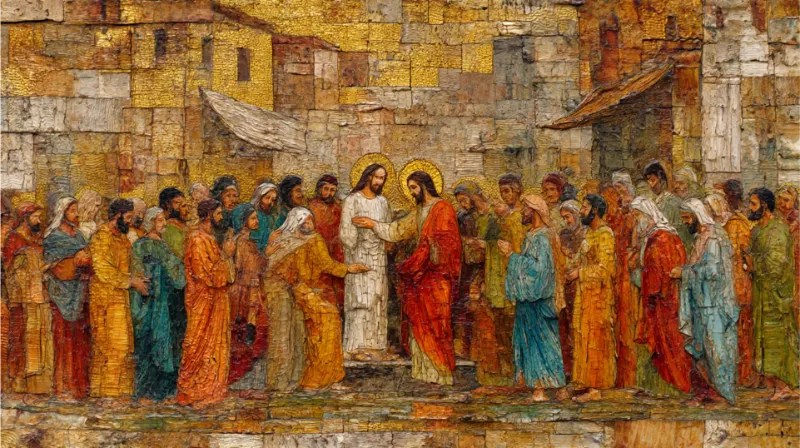
Joshua 1:9
“Have I not commanded you? Be strong and courageous. Do not be afraid; do not be discouraged, for the LORD your God will be with you wherever you go.”
Reflection: Courage is not the absence of fear; it is acting in the face of it. This verse reveals that the source of our courage is not self-generated bravado, but the conscious awareness of God’s presence. It reframes fear from a paralyzing emotion into a signal to lean into the reality of His companionship, which empowers us to move forward with moral and emotional fortitude.
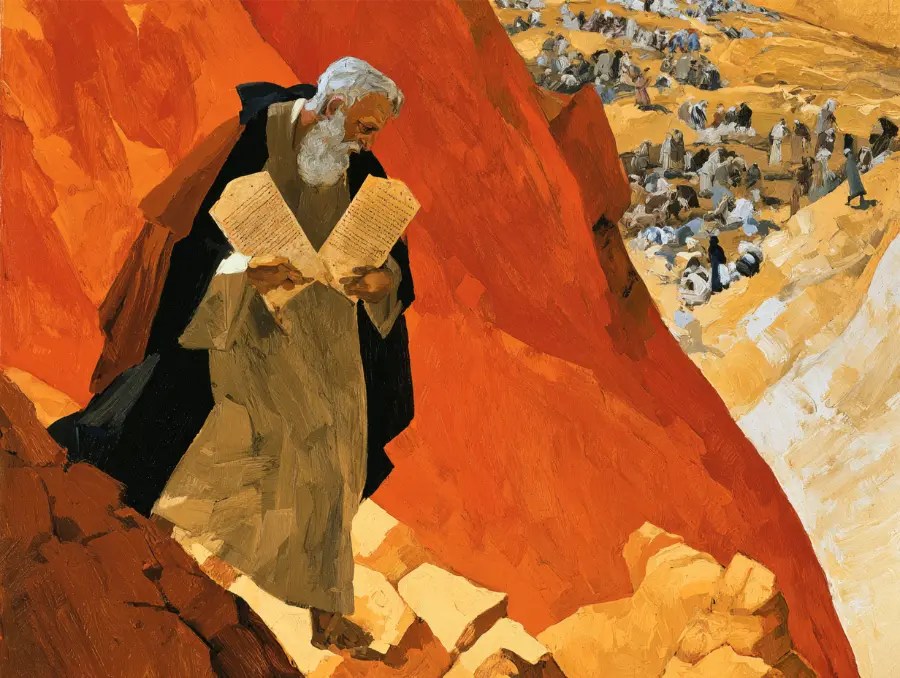
Deuteronomy 31:8
“The LORD himself goes before you and will be with you; he will never leave you nor forsake you. Do not be afraid; do not be discouraged.”
Reflection: One of the greatest emotional burdens of travel is the feeling that we are forging a path into a void. This verse powerfully corrects that distortion. The knowledge that God goes before us transforms our perception of the unknown from a threat into a prepared space. It emotionally grounds us, alleviating the anticipatory anxiety that so often accompanies a new venture.
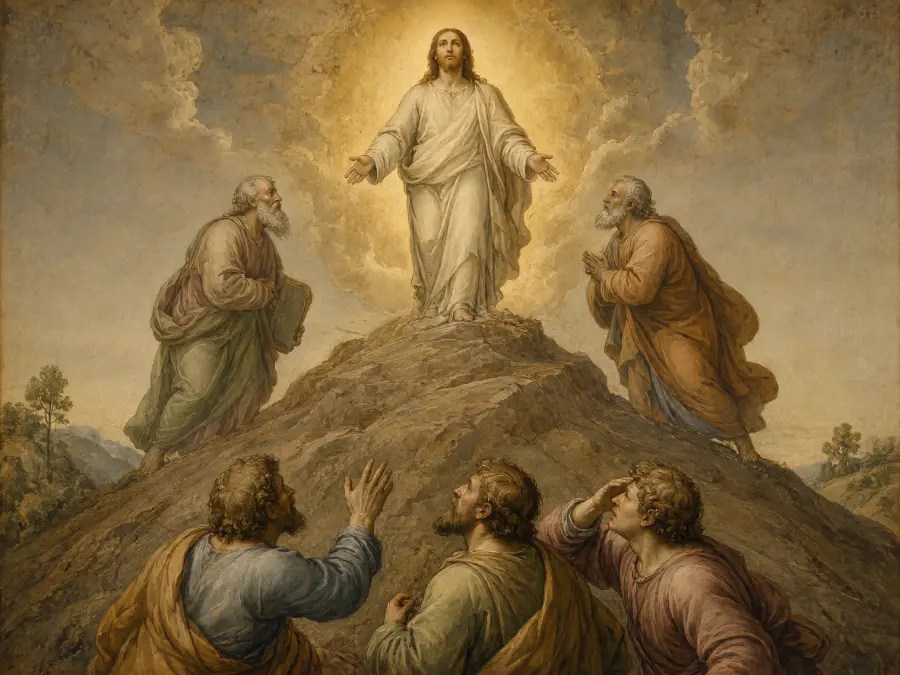
Psalm 139:9-10
“If I take the wings of the morning and dwell in the uttermost parts of the sea, even there your hand shall lead me, and your right hand shall hold me.”
Reflection: This is a beautiful poetic expression of the inescapable love of God. It comforts the part of us that fears being lost, forgotten, or too far gone. No matter how far we travel, physically or emotionally, we cannot out-journey God’s sustaining presence. This truth anchors our identity not in our location, but in our relationship with the One who holds us.
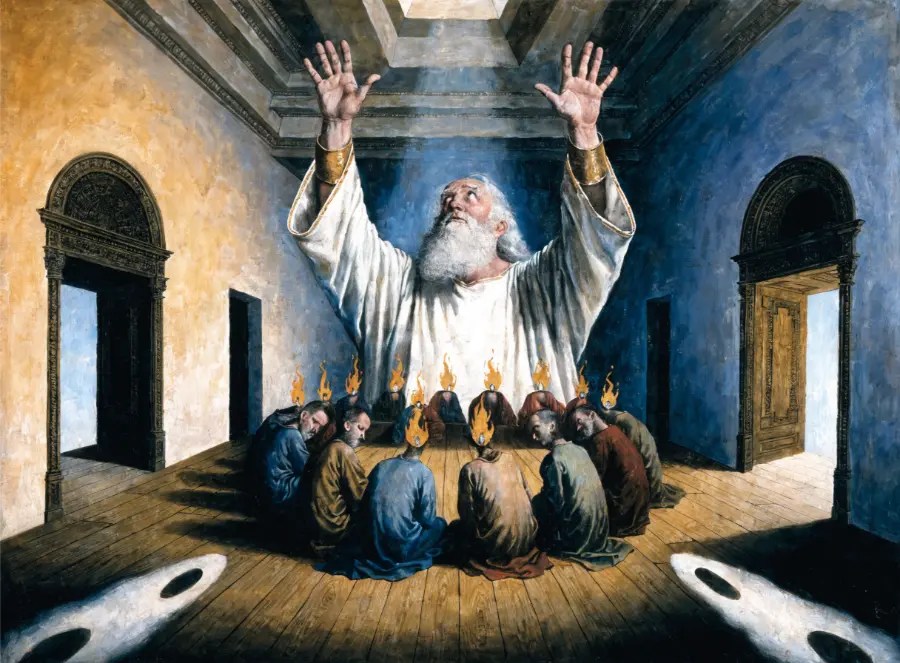
Isaiah 43:2
“When you pass through the waters, I will be with you; and when you pass through the rivers, they will not sweep over you. When you walk through the fire, you will not be burned; the flames will not set you ablaze.”
Reflection: Journeys are not always pleasant; they often involve trials that feel overwhelming, like deep waters or consuming fire. This verse does not promise a life without hardship. Instead, it offers something more resilient: the promise of presence in the struggle. This fosters a profound sense of hope, assuring us that our trials do not have the power to destroy our essential self, which is kept safe in God.
Category 2: God’s Guidance & The Trusting Heart
These verses explore the dynamic between human planning and divine sovereignty. They invite us to hold our plans with humility and to cultivate a heart that is attentive and responsive to God’s direction.

Proverbs 3:5-6
“Trust in the LORD with all your heart and lean not on your own understanding; in all your ways submit to him, and he will make your paths straight.”
Reflection: This is a call to relational trust over cognitive certainty. Our understanding is limited, and our obsessive need for control can create immense anxiety. To “submit” is to loosen our grip, to emotionally exhale and entrust our itinerary to a loving Guide. In return, we are promised not an easy path, but a “straight” one—a life aligned with purpose and integrity.
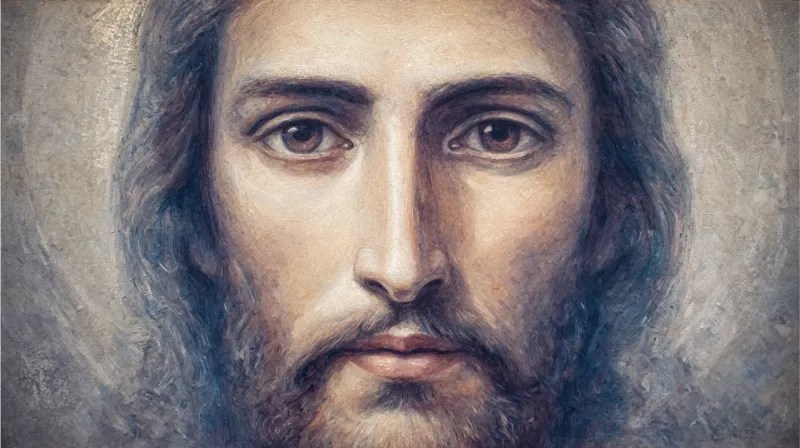
Exodus 13:21
“By day the LORD went ahead of them in a pillar of cloud to guide them on their way and by night in a pillar of fire to give them light, so that they could travel by day or night.”
Reflection: This powerful image speaks to our deep-seated need for a tangible sign of guidance. While we may not have a literal pillar of cloud, this verse attunes our hearts to look for God’s leading in our lives—through counsel, circumstances, and the quiet stirring of our conscience. It’s a reminder that His guidance is sufficient for both the bright, clear days and the dark, uncertain nights of our journey.
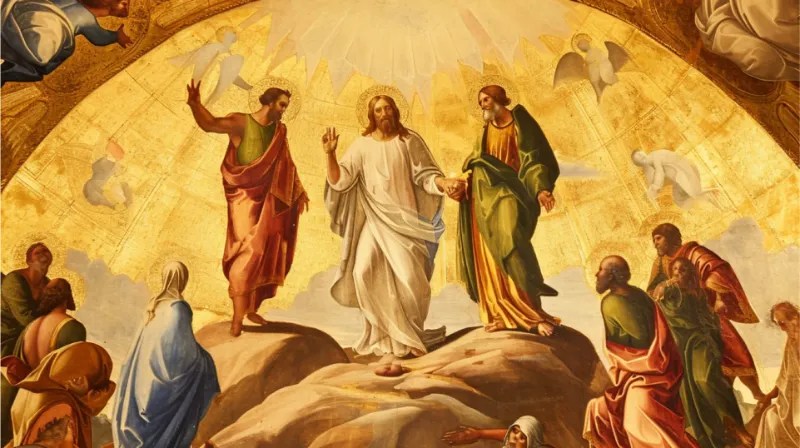
Psalm 119:105
“Your word is a lamp for my feet, a light on my path.”
Reflection: In the darkness of uncertainty, the human heart craves illumination. This verse positions Scripture not as a detailed map of the entire journey, but as a lamp for the very next step. This cultivates a moment-by-moment dependence and relieves the pressure of needing to have everything figured out at once. It builds a patient and attentive character, focused on walking faithfully in the light we have been given.
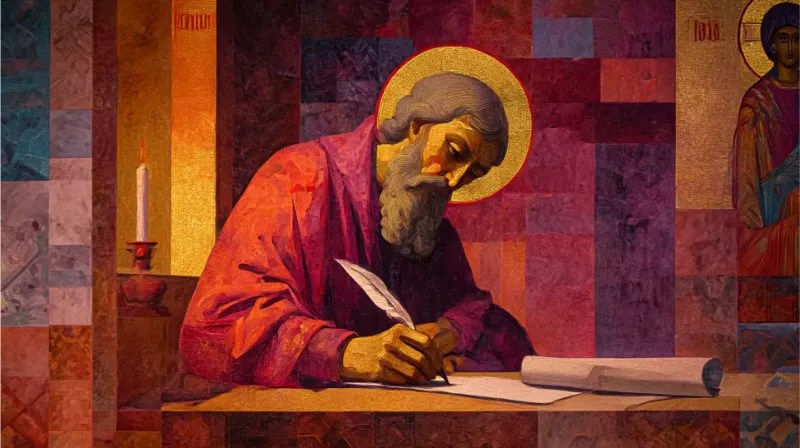
Proverbs 16:9
“In their hearts humans plan their course, but the LORD establishes their steps.”
Reflection: This verse holds in perfect tension our responsibility and God’s sovereignty. It gives us permission to dream, plan, and prepare for our travels, validating our human agency. Yet, it also invites us to hold those plans with an open hand, fostering a spirit of humility and flexibility. This posture protects our hearts from the crushing disappointment that comes when our rigid expectations are not met, allowing us to find peace in a divinely redirected path.

Isaiah 30:21
“Whether you turn to the right or to the left, your ears will hear a voice behind you, saying, ‘This is the way; walk in it.’”
Reflection: This speaks to the intimate, personal nature of divine guidance. It moves beyond external signs to the internal compass of a heart tuned to God. The feeling of being “lost” or making a wrong turn is a profound human fear. This promise offers a corrective, relational whisper that calms our internal chaos and affirms that even our detours can be met with gentle redirection toward the right path.

Psalm 32:8
“I will instruct you and teach you in the way you should go; I will counsel you with my loving eye on you.”
Reflection: Here, God is not a distant, passive observer but an active, personal counselor. The phrase “with my loving eye on you” conveys a deep sense of being seen, known, and cared for. This transforms the process of seeking guidance from a stressful, cognitive exercise into a secure, relational one. It builds confidence not in our ability to choose correctly, but in the loving investment of our Guide.
Category 3: The Call to Go & The Purpose of Our Travels
Travel in a biblical sense is rarely aimless. It is imbued with purpose, often involving a call to leave comfort behind in order to be a blessing to others and bear witness to a greater reality.

Matthew 28:19-20
“Therefore go and make disciples of all nations, baptizing them in the name of the Father and of the Son and of the Holy Spirit, and teaching them to obey everything I have commanded you. And surely I am with you always, to the very end of the age.”
Reflection: This is the ultimate travel mandate, infusing our journeys with profound purpose. It shifts the focus from self-discovery to self-giving. The commission to “go” is emotionally demanding, but it is paired with the greatest possible comfort: the promise of Christ’s unending presence. This linking of purpose and presence is the foundation for a resilient and meaningful life of movement.
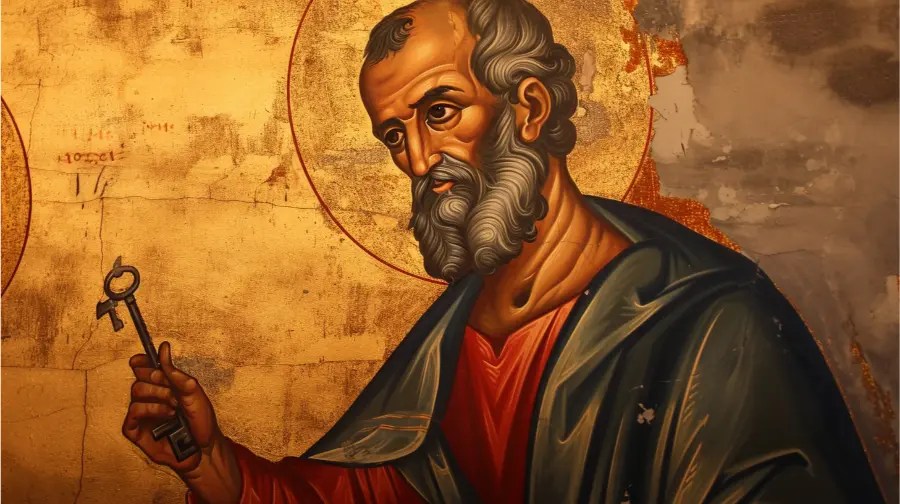
Genesis 12:1
“The LORD had said to Abram, ‘Go from your country, your people and your father’s household to the land I will show you.’”
Reflection: This is the archetypal call to a journey of faith. It involves a profound disruption of Abram’s attachments—to land, culture, and family. This act of leaving is emotionally costly, requiring immense trust. It teaches us that significant growth often requires us to venture beyond our zones of comfort, trusting that what God has for us in the “there” is greater than what we are clinging to in the “here.”
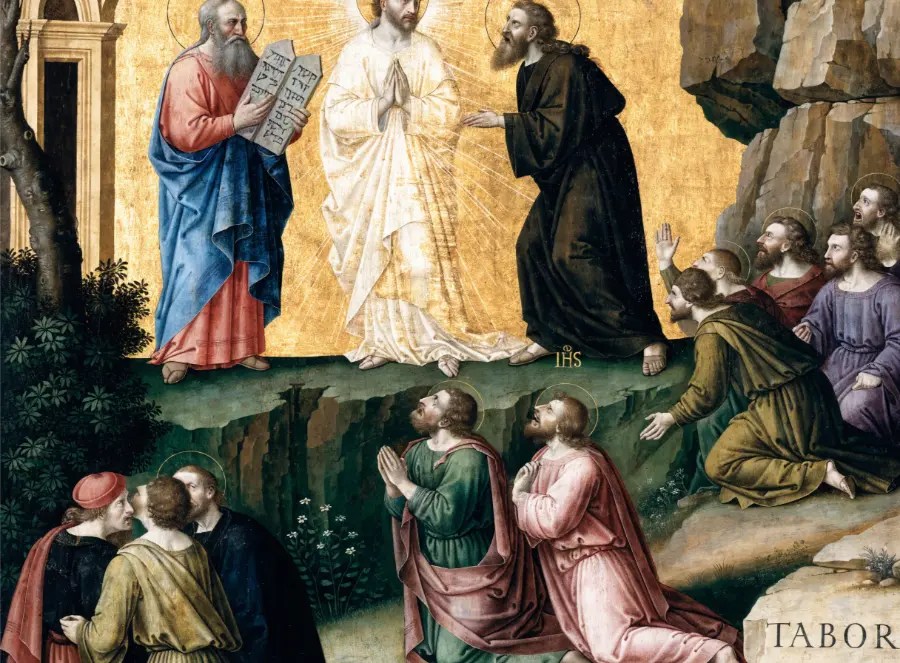
Acts 1:8
“But you will receive power when the Holy Spirit comes on you; and you will be my witnesses in Jerusalem, and in all Judea and Samaria, and to the ends of the earth.”
Reflection: This verse addresses the feeling of inadequacy we often face when called to a daunting task. The “power” promised is not our own, but a divine enabling. The travel plan expands in concentric circles, from the familiar (“Jerusalem”) to the utterly foreign (“the ends of the earth”). It gives us a model for growth, assuring us that we are emotionally and spiritually equipped for each new stage of our outward journey.

Romans 10:15
“And how can anyone preach unless they are sent? As it is written: ‘How beautiful are the feet of those who bring good news!’”
Reflection: This verse imbues the physical act of traveling with sacred dignity. Feet that become dusty and tired from the road are called “beautiful” because they are carrying a message of hope. This reframes the hardships of the journey not as mere inconveniences, but as part of a beautiful, redemptive purpose. It affirms the moral worth of sacrificial movement.

Luke 10:1
“After this the Lord appointed seventy-two others and sent them two by two ahead of him to every town and place where he was about to go.”
Reflection: This verse highlights a crucial emotional truth: we are not meant to journey alone. Jesus sent his followers out in pairs, providing companionship, mutual support, and accountability. This models a healthy interdependence, guarding against the loneliness and vulnerability that can overwhelm a solo traveler. It affirms our deep-seated need for connection, especially when on a mission.

James 4:13-15
“Now listen, you who say, ‘Today or tomorrow we will go to this or that city, spend a year there, carry on business and make money.’ Why, you do not even know what will happen tomorrow. What is your life? You are a mist that appears for a little while and then vanishes. Instead, you ought to say, ‘If it is the Lord’s will, we will live and do this or that.’”
Reflection: This is a sobering call to humility that confronts our illusion of control. The anxiety behind our meticulous, long-term planning is often a defense against the reality of our fragility. By acknowledging life’s brevity and submitting our plans to God’s will, we are freed from the emotional burden of trying to be sovereign over our own lives. This fosters a peaceful surrender and a deeper trust in God’s overarching story.
Category 4: The Lifelong Journey of Faith & Sojourning
This final category reframes our entire existence. It suggests that our ultimate identity is that of a “sojourner,” and our earthly travels are simply part of a much grander pilgrimage toward our true home.

Hebrews 11:13-16
“All these people were still living by faith when they died… And they admitted that they were foreigners and strangers on earth… they were longing for a better country—a heavenly one. Therefore God is not ashamed to be called their God, for he has prepared a city for them.”
Reflection: This passage profoundly shapes our emotional identity. To see ourselves as “foreigners and strangers” is not to feel alienated, but to be liberated from finding our ultimate security and worth in this world. The feeling of “longing” for a better country is a sacred ache, a homesickness for God that orients our entire life’s journey toward a destination of perfect belonging.
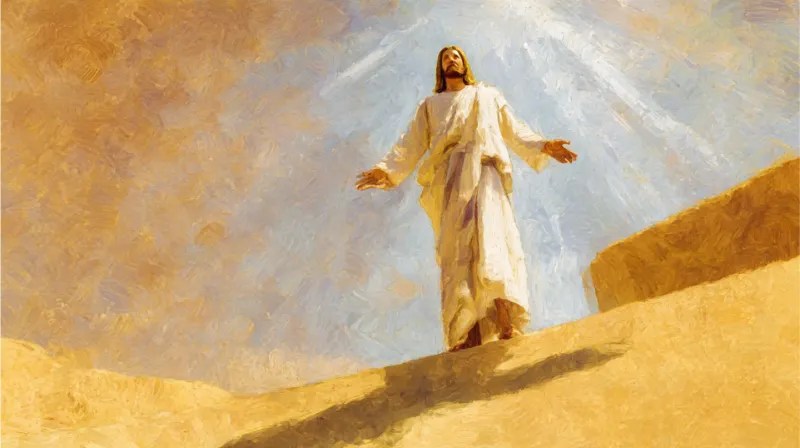
2 Corinthians 5:7
“For we live by faith, not by sight.”
Reflection: This is the core principle of the spiritual journey. Our senses can be deceiving, and circumstances can be discouraging. Living “by sight” leads to an emotionally volatile life, tossed about by every changing scene. Living “by faith” is a courageous act of trusting in an unseen reality, a deeper truth about God’s love and purpose. This cultivates a stable and resilient inner world, regardless of the external landscape.

Philippians 3:20
“But our citizenship is in heaven. And we eagerly await a Savior from there, the Lord Jesus Christ.”
Reflection: Knowing where our ultimate citizenship lies provides a secure identity that transcends any earthly culture or location. It anchors the soul. This doesn’t mean we disengage from the world, but that we engage with it from a position of profound emotional security. The “eager awaiting” is not a passive waiting, but a hopeful, active orientation that fills our present journey with meaning and direction.

Psalm 23:4
“Even though I walk through the darkest valley, I will fear no evil, for you are with me; your rod and your staff, they comfort me.”
Reflection: The Christian life is a journey that inevitably includes “dark valleys”—times of grief, doubt, and suffering. This verse is a powerful declaration of defiant trust. The source of this courage is not a change in circumstances, but the constant presence of the Shepherd. The “rod and staff” are symbols of protection and guidance that provide deep emotional comfort, assuring us that we are never truly alone in our darkest moments.
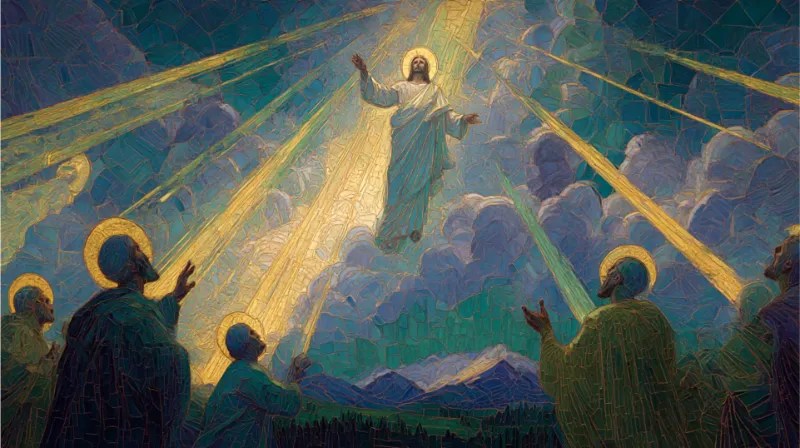
Hebrews 12:1
“Therefore, since we are surrounded by such a great cloud of witnesses, let us throw off everything that hinders and the sin that so easily entangles. And let us run with perseverance the race marked out for us.”
Reflection: This verse frames our life’s journey as a marathon, not a sprint. The “great cloud of witnesses” provides a sense of communal belonging and historical connection, combatting feelings of isolation. The exhortation to “throw off everything that hinders” is a call for emotional and moral decluttering, to travel light and unburdened by past regrets or entangling habits. It inspires a forward-looking perseverance, fueled by the example of those who have run before us.

Isaiah 40:31
“But those who hope in the LORD will renew their strength. They will soar on wings like eagles; they will run and not grow weary, they will walk and not be faint.”
Reflection: The long journey of life inevitably leads to weariness. This verse speaks directly to that emotional and physical fatigue. It reveals that our source of endurance is not found within ourselves, but in a hopeful orientation toward God. This hope is not a passive wish, but an active trust that results in a supernatural renewal of strength, allowing us to continue our walk with resilience and grace.


Leave a Reply