
 English
 Chinese
 Dutch
 Arabic
 Spanish
 Portuguese
 Russian
 French
 Italian
 German
 Japanese
101 does not appear in the Bible. In English the number means the beginner’s course — and that is the better question. Where does Scripture say to start?

The Bible’s own starting list
Hebrews gives one, and it is unusually explicit:
Therefore let us move beyond the elementary teachings about Christ and be taken forward to maturity, not laying again the foundation of repentance from acts that lead to death, and of faith in God, instruction about cleansing rites, the laying on of hands, the resurrection of the dead, and eternal judgment. (Hebrews 6:1-2)
That is the foundation course, named: repentance, faith, the rites, the laying on of hands, resurrection, judgment.
And the instruction is to move beyond it — not to abandon it, but to stop relaying it. A foundation is poured once.
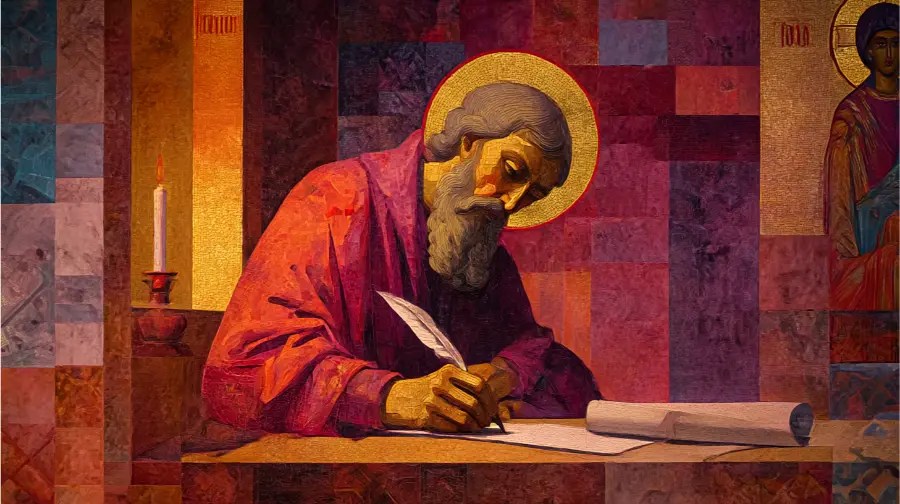
The rebuke before it
The verses immediately preceding are sharper, and they are the reason the passage exists.
In fact, though by this time you ought to be teachers, you need someone to teach you the elementary truths of God’s word all over again. You need milk, not solid food! (Hebrews 5:12)
The complaint is not that they are beginners. It is that they have been beginners for a long time and have arranged their lives so as to stay that way.
Paul makes the same charge in Corinth: I gave you milk, not solid food, for you were not yet ready for it. Indeed, you are still not ready. (1 Corinthians 3:2)
Both writers treat prolonged beginnerhood as a choice rather than a stage.
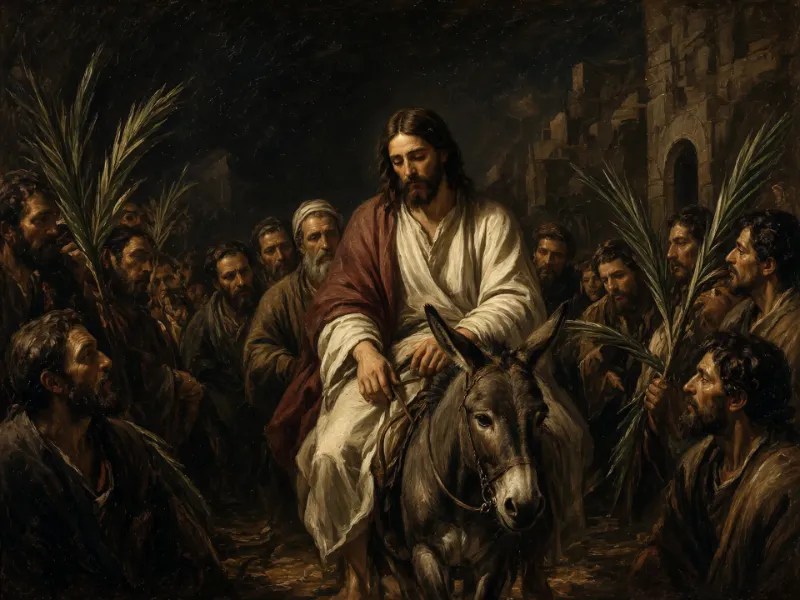
What maturity is measured by
Not knowledge, which is the assumption most people bring.
But solid food is for the mature, who by constant use have trained themselves to distinguish good from evil. (Hebrews 5:14)
By constant use. Trained. The picture is athletic rather than academic: a capacity built by repetition, the way a musician learns to hear a wrong note without thinking about it.
Which means it is entirely possible to know a great deal and still be on milk, and entirely possible to be mature without being able to explain very much.
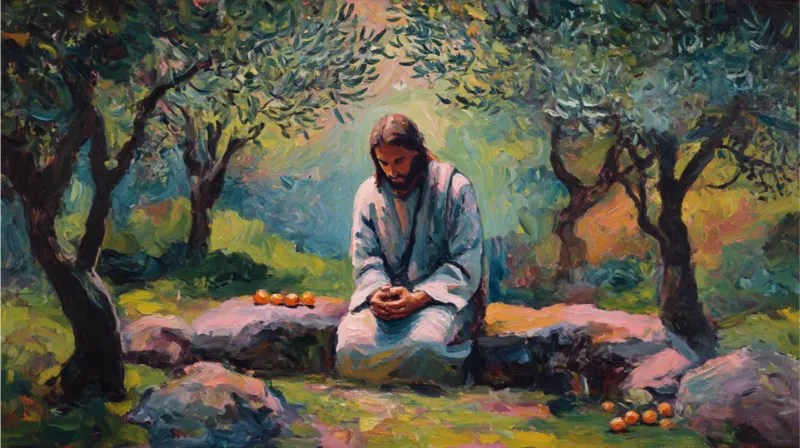
Where to actually start
If the question is practical — someone wants to begin reading — the answers most often given by people who teach are these.
Start with a Gospel rather than Genesis. Mark is short, fast and the earliest. Luke is fuller and gives more context.
Then Acts, which follows directly from Luke and was written by the same person as a second volume.
Then a letter — Philippians or 1 John are short and warm. Romans is the fullest argument and is not the place to begin.
Psalms alongside all of it, a few at a time, because they supply the words for the parts of life that argument does not reach.
Revelation last, and with help.

The shortest possible summary
Asked for the foundation, Jesus gave two sentences:
Love the Lord your God with all your heart and with all your soul and with all your mind. This is the first and greatest commandment. And the second is like it: Love your neighbour as yourself. All the Law and the Prophets hang on these two commandments. (Matthew 22:37-40)
Everything else is commentary, and there is a great deal of commentary because the two sentences are difficult.
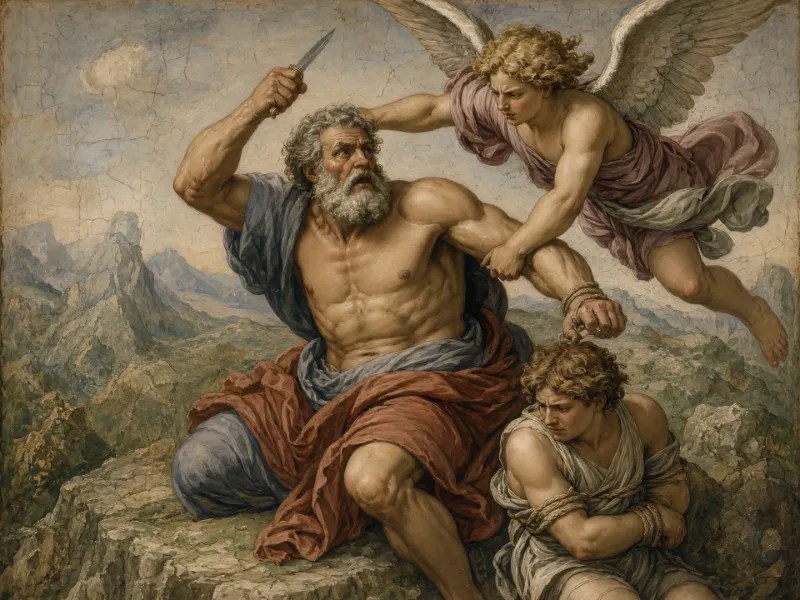
Frequently asked
Does 101 appear in the Bible?
No. The number occurs nowhere and Scripture assigns it no meaning.
What are the elementary teachings in Hebrews?
Repentance, faith in God, instruction about cleansing rites, the laying on of hands, the resurrection of the dead and eternal judgment (Hebrews 6:1-2).
What does the Bible mean by milk and solid food?
Milk is the foundation; solid food is for those who “by constant use have trained themselves to distinguish good from evil” (Hebrews 5:14). Maturity is a trained capacity, not accumulated knowledge.
Where should a beginner start reading?
A Gospel — Mark for speed, Luke for fullness — then Acts, then a short letter such as Philippians or 1 John, with Psalms alongside. Revelation last, and with help.
More from this seriesBiblical NumerologySee all 53 articles

Leave a Reply