
 English
 Chinese
 Dutch
 Arabic
 Spanish
 Portuguese
 Russian
 French
 Italian
 German
 Japanese
Leslie is not in the Bible. It is a Scottish surname, taken from a place in Aberdeenshire, and the most likely reading of it is Gaelic leas celyn — the garden of holly.
A garden. Of all the things a name could turn out to mean, dear friends, that is the one Scripture has most use for, because the whole story happens in gardens.
What does the name Leslie mean?
Garden of holly, probably. It began as a place in Aberdeenshire, became the name of the family who held it, and only in the nineteenth century became a name given to children. In America it was mostly given to boys until the 1940s, and has been chiefly feminine since.
Holly is worth a moment. It is evergreen, so it keeps its colour through a winter that kills everything around it. Its leaves are armed. Its berries come in the dead of the year, when nothing else is offering anything. Christian tradition has long seen the crown of thorns in it, and the blood in the berries, which is why it ends up on our doors at Christmas.
Is Leslie in the Bible?
No — not in Hebrew, Greek or Latin, and not under any older spelling. Gaelic place-names in north-east Scotland lie a very long way from the world of Scripture, and there is no Hebrew root beneath this one.
What is there, from the first pages to the last, is the garden.
Three gardens
The Bible opens in one. Now the Lord God had planted a garden in the east, in Eden; and there he put the man he had formed. God’s first recorded act toward a human being was to plant something and then place him inside it. Not a city, not a temple. A garden, with work in it.
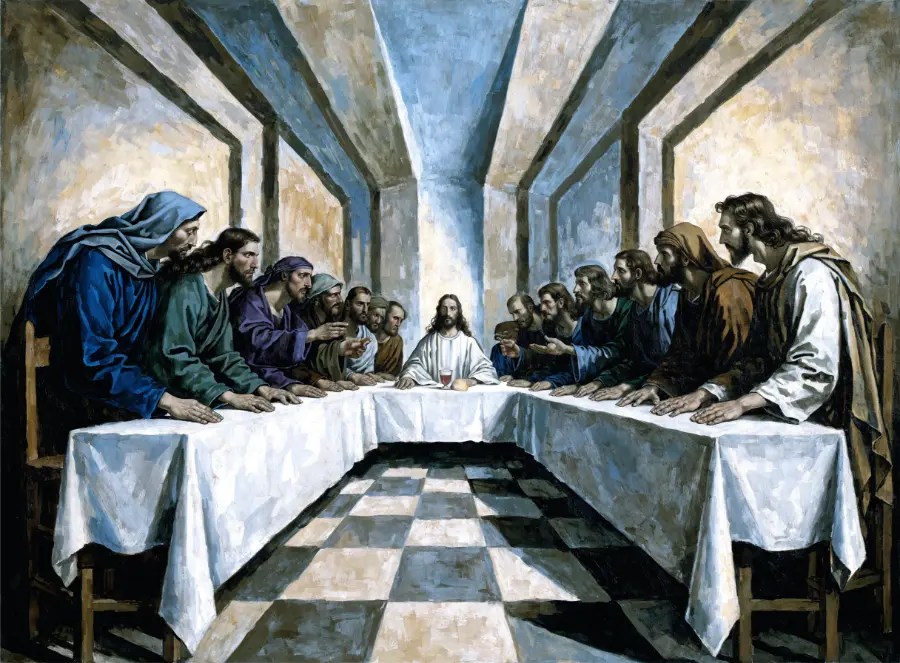
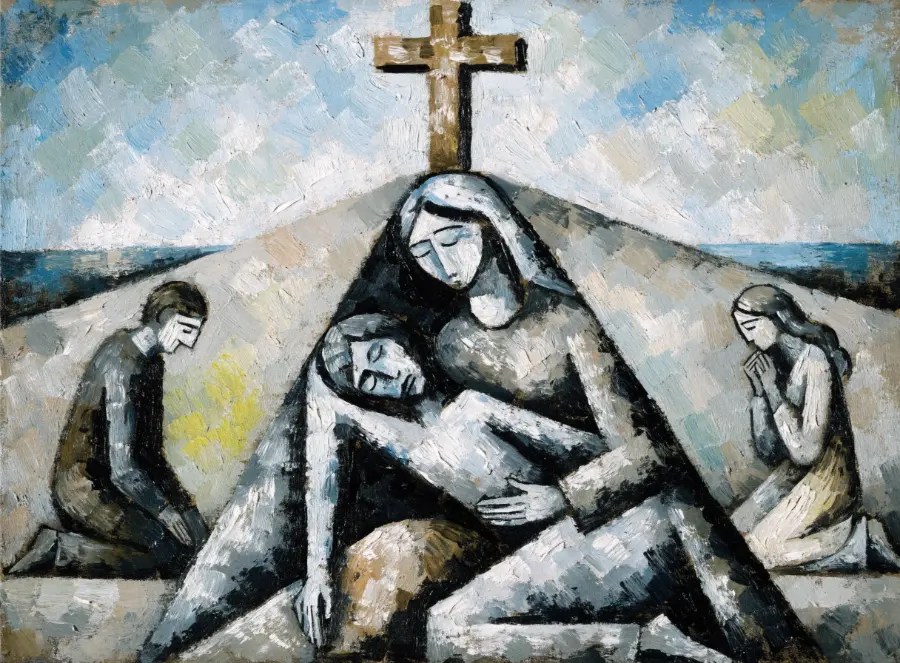
The Bible breaks in another. On the last night our Lord goes out to a garden on a hillside among the olive presses, and sweats, and asks his friends to stay awake, and they cannot. Gethsemane means oil press. Whatever else that garden grew, it crushed what was brought into it.
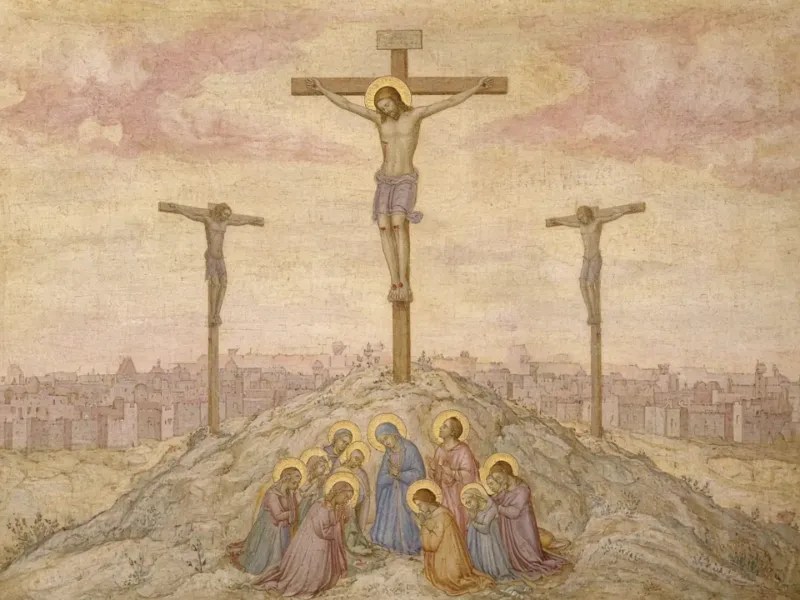
And the Bible turns in a third. On the first morning a woman stands weeping outside a tomb in a garden, and a man asks her why she is crying. She thinks he is the gardener.
She is not entirely wrong.
The garden that is a person
There is one more use of the image, and it is the most intimate in Scripture.
You are a garden locked up, my sister, my bride; you are a spring enclosed, a sealed fountain.
A person described as a walled garden — not as a fortress, but as something cultivated and worth protecting. The Church has read that line about the soul for a very long time, and it says something our age finds difficult: that not everything in us is for everyone, and that this is not coldness but care.
A garden has a wall so that things can grow in it.
For everyone who carries the name
Leslie: a garden of holly.
May we be evergreen in the seasons that strip everyone else bare, and may our colour come from where we are planted rather than from how the year is going.
May we have thorns where we need them, and a wall where it is right to have one.
And may we recognise him sooner than she did — though she is the one he sent to tell the others, so perhaps taking him for the gardener is no great sin after all.
Related reading
- Is Your Name in the Bible? A Directory of 231 Names
- Heather Is Not in the Bible: An English Plant Name and the Flowers of the Field
- Daisy Is Not in the Bible: The “Day’s Eye” and Morning in Scripture


Leave a Reply