
 English
  Chinese
  Dutch
Dutch  Arabic
  Spanish
  Portuguese
  Russian
  French
  Italian
  German
  Japanese
 Go up onto a moor in August and the whole hill has turned purple, and there is nothing else growing on it.
That is heather. Thin soil, wind off the sea, four months of rain, and it blooms anyway — which is more than most things manage, and more than most of us manage.
The name is not in the Bible. It is Old English, from hæddre, and it came to us as a girl’s name only in the last century or so, part of a fashion for calling daughters after flowers. There is no Hebrew behind it, no Greek, and no prophet who carried it.
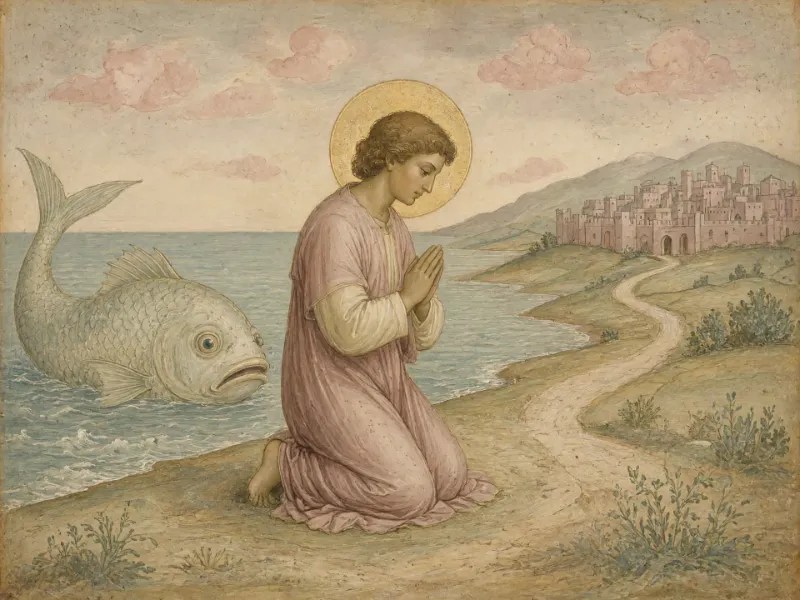
What Jesus said about the ones that do not work
He was sitting on a hillside with a crowd who had every reason to be anxious about money, and he pointed at the weeds. Consider the lilies of the field, how they grow; they toil not, neither do they spin, and yet Solomon in all his glory was not arrayed like one of these.
It is an argument and it is meant to sting. If God dresses the grass of the field, which is alive this morning and thrown into the oven tomorrow, what exactly are we lying awake about?
The flowers he pointed at were Galilean — anemones, most likely, the red ones that come up after the spring rain. If he had been preaching on a Scottish moor he would have pointed at heather, and it would have carried the argument just as well. Small, unremarkable, rooted in ground nothing else wants, and covering an entire hillside in colour.

The Bible keeps reaching for plants
It cannot leave them alone. The one who delights in the law is a tree planted by streams of water. The desert is promised that it will rejoice and blossom as the rose. And Peter, who had watched a great deal wither, writes that all flesh is grass and the glory of it is the flower of the grass — the grass withers, the flower falls, and the word of the Lord stands.
Beauty and brevity, held in the same hand. That is what we are being shown, and it is not a comfortable thought so much as a true one.

Roots in poor ground
What is distinctive about heather is not brilliance. It is endurance. It takes hold in acid soil on exposed slopes and keeps going through weather that would finish anything showier.
Paul is describing something close to it when he writes that we are hard pressed on every side but not crushed, perplexed but not driven to despair, struck down but not destroyed. That is not glamorous faith. It is the faith of people who pray when prayer feels like talking to the ceiling, who show up when nobody notices, who go on believing in thin soil.
It is the faith that covers the moors.

Frequently asked
What does the name Heather mean?
The plant itself — the low, tough shrub that covers Scottish and northern English moorland. It became a girl’s name in the late nineteenth century, part of a fashion for flower names, and carries no meaning beyond the thing it names.
Does heather appear in Scripture?
The plant does not grow in the lands of the Bible, so no. There is a word in Jeremiah sometimes rendered as heath or shrub in the desert, but it describes a bush in dry country, not our moorland heather.
Is it a suitable name for a Christian child?
Entirely. Scripture never asks where a name came from. Half the people in the New Testament carry Greek and Roman names, and God called them anyway.
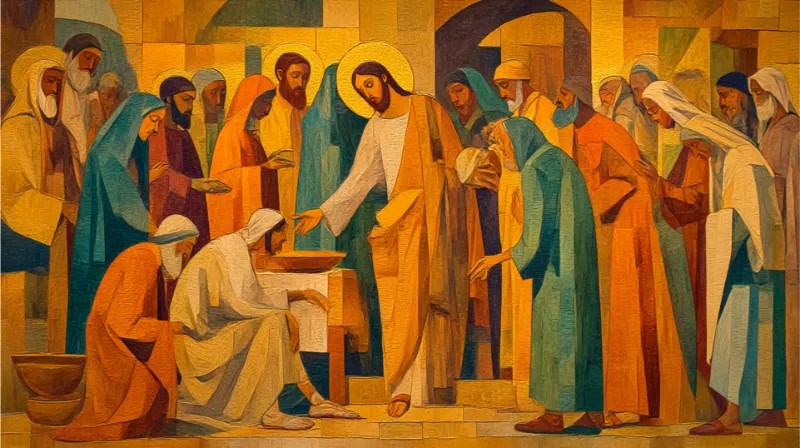
Bloom where you are planted
The saying is stitched on cushions, and underneath the needlework it is asking something hard. Not bloom once conditions improve. Bloom here, in this soil, in this weather.
The qualities the plant has — quiet beauty, deep roots, life in hard places — are the ones Scripture keeps honouring when it could have chosen grander ones. The widow with her two coins. The woman with the jar of ointment, weeping. The seed too small to see.
May the God who dresses the grass of the field, which is here this morning and gone by Thursday, clothe us all in His grace.



Leave a Reply