
 English
 Chinese
 Dutch
 Arabic
 Spanish
 Portuguese
 Russian
 French
 Italian
 German
 Japanese
A thousand is the Bible’s word for “more than you can count.” It is the one large round number Scripture uses with real intent, and almost always to say that a quantity has stopped being a quantity.
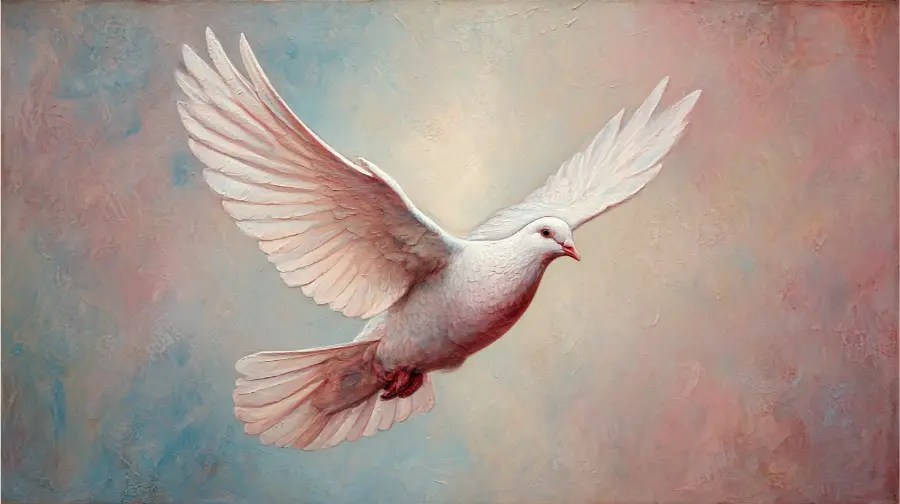
A thousand as a way of saying “all of it”
The clearest case is God explaining that he does not need anything:
For every animal of the forest is mine, and the cattle on a thousand hills. (Psalm 50:10)
The verse is not a survey of hills. It is a way of saying that the sacrificial system was never about supplying God with food, which is the argument the psalm is making.
The same move appears in the covenant language: Know therefore that the Lord your God is God; he is the faithful God, keeping his covenant of love to a thousand generations of those who love him and keep his commandments. (Deuteronomy 7:9)
Set that beside the phrase it answers — punishment to the third and fourth generation — and the asymmetry is the point. Three or four, against a thousand.
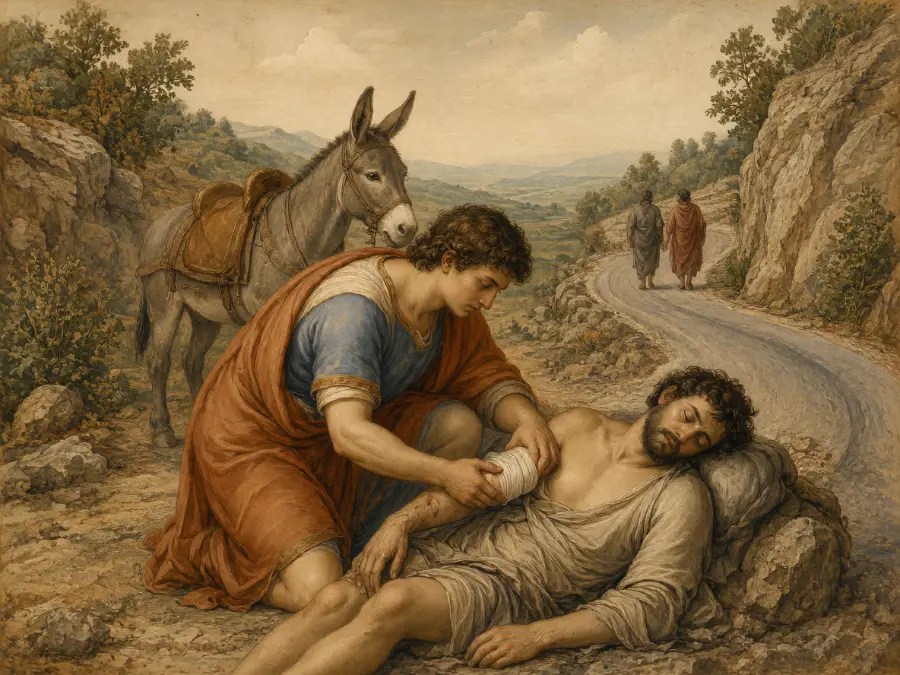
A thousand years
The most quoted use is about time, and it is a statement about perspective rather than arithmetic.
A thousand years in your sight are like a day that has just gone by, or like a watch in the night. (Psalm 90:4)
Peter picks it up and turns it both ways, which is the useful part: With the Lord a day is like a thousand years, and a thousand years are like a day. (2 Peter 3:8)
He is answering people who complained that a promise was taking too long. His reply is not that they should be patient but that they are using the wrong instrument to measure.
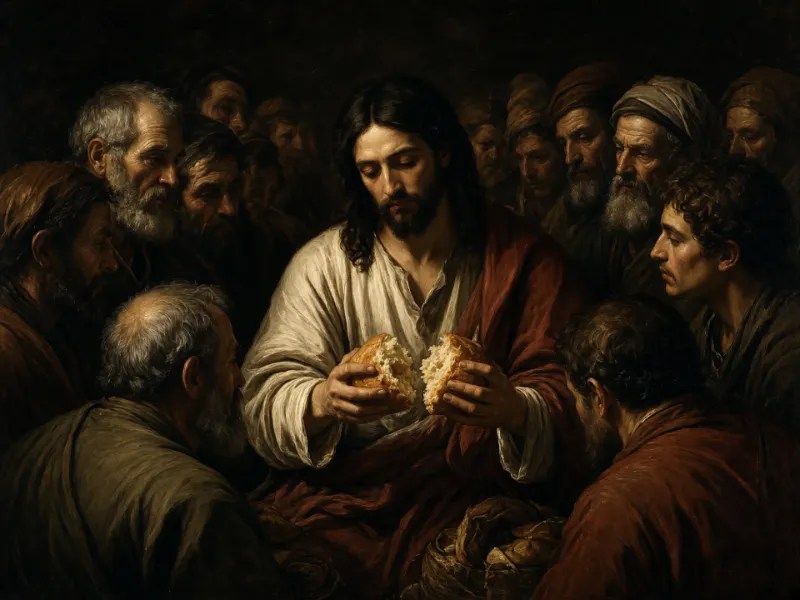
The thousand years in Revelation
Revelation 20 mentions a thousand years six times, and Christians have disagreed about it for most of church history.
The main readings are that it is a literal future period, that it describes the present age between the resurrection and the return, or that it is a symbolic span standing for completeness in the same way the rest of the book’s numbers do.
This page will not settle that, and neither will any page that claims to briefly. What is worth saying is that Revelation is a book in which almost every number is doing symbolic work — seven churches, seven seals, twelve times twelve thousand, forty-two months — which is at least a reason to read its thousand carefully before reading it as a calendar.
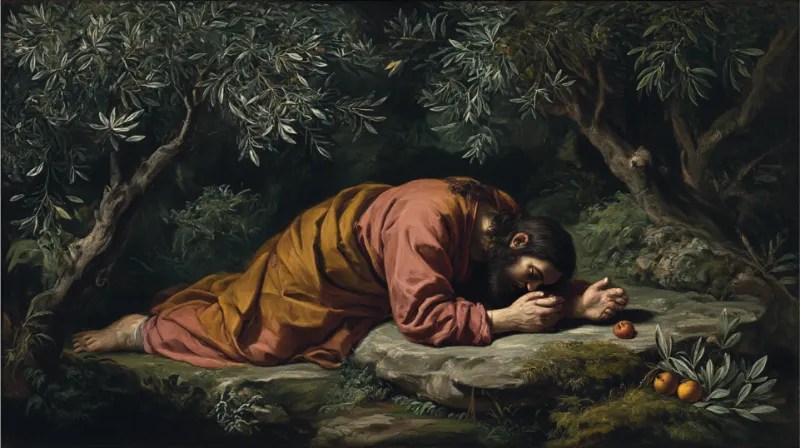
Other thousands
Five thousand fed, and twelve baskets left over (Matthew 14:21). Three thousand added to the church in a day (Acts 2:41). Solomon’s thousand and four hundred chariots, and the thousand burnt offerings he made at Gibeon (1 Kings 3:4) before asking for wisdom instead of wealth.
And one of the finest sentences in the Psalms, which uses the number to make a comparison rather than a count:
Better is one day in your courts than a thousand elsewhere. (Psalm 84:10)
Is a thousand a numerology number?
It is closer to being one than most, and it still is not what numerology claims.
Its meaning in Scripture is not assigned from outside; it is the ordinary force of a large round figure in Hebrew, used the way we say “a million things to do.” The text builds the sense by using it that way over and over, which is exactly how seven, forty and twelve acquire their weight.
What it does not do is carry a fixed spiritual value that can be looked up. A system that gives every number a meaning is supplying what the Bible does not.
Frequently asked
What does the number 1000 mean in the Bible?
Chiefly abundance beyond counting. It is the Hebrew way of saying a quantity has stopped being a quantity, as in “the cattle on a thousand hills.”
Does a thousand years mean a literal thousand?
Psalm 90:4 and 2 Peter 3:8 use it to contrast God’s perspective with ours, not to measure. Revelation 20 is disputed, and Christians have read it three main ways for most of church history.
What does “a thousand generations” mean?
Deuteronomy 7:9 sets it against punishment to the third and fourth generation. The asymmetry is the point.
Which numbers carry meaning in Scripture?
Seven, forty, twelve and three most clearly, and a thousand as a figure of abundance. In every case the meaning comes from the text’s own repeated use.
More from this seriesBiblical NumerologySee all 53 articles

Leave a Reply