
 English
  Chinese
  Dutch
Dutch  Arabic
  Spanish
  Portuguese
  Russian
  French
  Italian
  German
  Japanese
 A short prayer before communion: “Lord Jesus, you gave your body and blood for me. Forgive my sins, make my heart clean, and let me receive you with faith and thanks. Amen.” Traditional communion prayers include the Anglican Prayer of Humble Access, Thomas Aquinas’s prayer, the Orthodox “I believe, O Lord” and the Anima Christi.
Churches understand communion differently, and their prayers show it. Catholic and Orthodox prayers speak of receiving Christ’s body and blood in the sacrament. The Baptist Faith and Message calls the Lord’s Supper “a symbolic act of obedience” by which church members “memorialize the death of the Redeemer and anticipate His second coming.”

Prayers before communion
The Prayer of Humble Access
In the Episcopal Church’s 1928 Book of Common Prayer, the priest kneels at the Lord’s Table just before the people receive and says this prayer “in the name of all those who shall receive the Communion.”
We do not presume to come to this thy Table, O merciful Lord, trusting in our own righteousness, but in thy manifold and great mercies. We are not worthy so much as to gather up the crumbs under thy Table. But thou art the same Lord, whose property is always to have mercy: Grant us therefore, gracious Lord, so to eat the flesh of thy dear Son Jesus Christ, and to drink his blood, that our sinful bodies may be made clean by his body, and our souls washed through his most precious blood, and that we may evermore dwell in him, and he in us. Amen.
The Book of Common Prayer (1928), Holy Communion, p. 82
“Lord, I am not worthy”
At Mass, just before receiving, Catholics say a short prayer adapted from the words of the centurion who asked Jesus to heal his servant: “Lord, I am not worthy that thou shouldest come under my roof: but speak the word only, and my servant shall be healed” (Matthew 8:8). The Catechism of the Catholic Church quotes it at paragraph 1386. An older English form reads:
Lord, I am not worthy that Thou shouldst enter under my roof; but only say the word, and my soul shall be healed.
A Manual of Prayers for the Use of the Catholic Laity (1888), p. 102
Thomas Aquinas’s prayer before communion
The Roman Missal includes this prayer, credited to Thomas Aquinas, among the priest’s prayers of preparation before Mass. A Manual of Prayers, the 1888 prayer book of the Third Plenary Council of Baltimore, prints it for lay Catholics among its devotions for Holy Communion, in this translation.
Almighty, Everlasting God, lo, I draw near to the Sacrament of Thine Only-begotten Son, our Lord Jesus Christ. As sick, I approach to the Physician of Life; unclean, to the Fountain of Mercy; blind, to the Light of eternal Brightness; poor and needy, to the Lord of heaven and earth. I implore Thee, therefore, out of the abundance of Thy boundless mercy, that Thou wouldst vouchsafe to heal my sickness, to wash my defilements, to enlighten my blindness, to enrich my poverty, and to clothe my nakedness; that I may receive the Bread of Angels, the King of kings, the Lord of lords, with such reverence and humility, such contrition and devotion, such purity and faith, such purpose and intention, as is expedient for the health of my soul. Grant, I beseech Thee, that I may receive not only the Sacrament of the Body and Blood of the Lord, but also the whole grace and virtue of that Sacrament. O most merciful God, grant me so to receive the Body of Thine Only-begotten Son, our Lord Jesus Christ, which He took of the Virgin Mary, that I may be found worthy to be incorporated into His mystical Body, and accounted among His members. And, O most loving Father, grant that whom now I purpose to receive under a veil I may at last behold with unveiled face, even Thy beloved Son. Who with Thee and the Holy Ghost ever liveth and reigneth, one God, world without end. Amen.
A Manual of Prayers for the Use of the Catholic Laity (1888), pp. 311–312
The Orthodox prayer before communion
In the Orthodox Divine Liturgy, the priest says this prayer aloud before the people come forward to receive, and the Orthodox service book also prints it among the prayers of preparation for Holy Communion. The second part, “Of thy Mystical Supper,” is also quoted in the Catholic Catechism at paragraph 1386.
I believe, O Lord, and I confess, that thou art in very truth the Christ, the Son of the living God, who didst come into the world to save sinners, of whom I am chief. And I believe that this is, of a truth, thine all-pure Body, and that this is thine own precious Blood. Wherefore, I beseech thee, have mercy upon me, and forgive my transgressions, whether voluntary or involuntary; whether of word or of deed; whether committed with knowledge or in ignorance. And vouchsafe that I may partake without condemnation of thine all-pure Mysteries, unto the remission of my sins, and unto life eternal.
Of thy Mystical Supper, O Son of God, accept me to-day as a communicant: for I will not speak of thy Mystery to thine enemies, neither, like Judas, will I give thee a kiss; but like the thief will I confess thee: Remember me, O Lord, in thy kingdom.
And let not this participation in thy Holy Mysteries be unto judgment upon me, or unto condemnation, O Lord, but unto the healing of soul and body.
Isabel F. Hapgood, trans., Service Book of the Holy Orthodox-Catholic Apostolic Church (1906), pp. 116–117 and 575
Short prayers before communion
Paul told the Corinthians, “But let a man examine himself, and so let him eat of that bread, and drink of that cup” (1 Corinthians 11:28). These short prayers are for that moment.
To confess
Lord, I have sinned against you this week in what I thought, said and did. I will not hide it from you. You have promised, “If we confess our sins, he is faithful and just to forgive us our sins, and to cleanse us from all unrighteousness” (1 John 1:9). I confess, and I trust that promise. Amen.
When you feel unworthy
Jesus, I am not ready, and I cannot make myself ready. I come because you invited me. “Create in me a clean heart, O God; and renew a right spirit within me” (Psalm 51:10). Amen.
When you are holding a grudge
Lord, I am coming to your table angry with [name]. You forgave me first and at far greater cost. Help me to forgive, or at least to want to, before I eat this bread. Amen.
When your mind is elsewhere
Jesus, my mind is on a hundred other things. Quiet it for these few minutes. Let me think of your body broken and your blood shed for me, and of nothing else. Amen.

Prayers over the bread and the cup
Paul’s account of the Lord’s Supper can be read aloud before the bread and the cup are shared:
For I have received of the Lord that which also I delivered unto you, That the Lord Jesus the same night in which he was betrayed took bread: And when he had given thanks, he brake it, and said, Take, eat: this is my body, which is broken for you: this do in remembrance of me. After the same manner also he took the cup, when he had supped, saying, This cup is the new testament in my blood: this do ye, as oft as ye drink it, in remembrance of me. For as often as ye eat this bread, and drink this cup, ye do shew the Lord’s death till he come.
1 Corinthians 11:23–26
In Matthew’s Gospel, Jesus “took bread, and blessed it” and then “took the cup, and gave thanks” (Matthew 26:26–27). A leader can follow that order, with one prayer of thanks over the bread and another over the cup.
The oldest prayer over the cup and bread
The Didache, or Teaching of the Twelve Apostles, is the oldest surviving Christian church order, probably written in Egypt or Syria in the second century. Its ninth chapter gives these thanksgivings, with the cup first.
We thank thee, our Father, for the holy vine of David Thy servant, which Thou madest known to us through Jesus Thy Servant; to Thee be the glory for ever.
We thank Thee, our Father, for the life and knowledge which Thou madest known to us through Jesus Thy Servant; to Thee be the glory for ever. Even as this broken bread was scattered over the hills, and was gathered together and became one, so let Thy Church be gathered together from the ends of the earth into Thy kingdom; for Thine is the glory and the power through Jesus Christ for ever.
The Didache, chapter 9, in Ante-Nicene Fathers, vol. 7 (1886)
Short prayers for a communion service
To open the service
Father, we have come to the table your Son set on the night he was betrayed. Make us honest about our sins, thankful for his death, and ready to receive what he gives. Amen.
Over the bread
Lord Jesus, on the night you were betrayed you took bread, gave thanks and broke it. We thank you for this bread and for your body, given for us. As we eat, help us remember you, and make us one, for “we being many are one bread, and one body: for we are all partakers of that one bread” (1 Corinthians 10:17). Amen.
Over the cup
Father, we thank you for this cup and for the blood of Jesus, “shed for many for the remission of sins” (Matthew 26:28). As we drink, remind us that we are forgiven, and keep us faithful until he comes. Amen.
Words said when giving the bread and the cup
The 1928 Book of Common Prayer gives these words to the minister who hands each person the bread and then the cup:
The Body of our Lord Jesus Christ, which was given for thee, preserve thy body and soul unto everlasting life. Take and eat this in remembrance that Christ died for thee, and feed on him in thy heart by faith, with thanksgiving.
The Blood of our Lord Jesus Christ, which was shed for thee, preserve thy body and soul unto everlasting life. Drink this in remembrance that Christ’s Blood was shed for thee, and be thankful.
The Book of Common Prayer (1928), Holy Communion, pp. 82–83
Prayers after communion
The Prayer Book thanksgiving
After everyone has received, the 1928 Book of Common Prayer has the priest say this prayer for the whole congregation.
Almighty and everliving God, we most heartily thank thee, for that thou dost vouchsafe to feed us who have duly received these holy mysteries, with the spiritual food of the most precious Body and Blood of thy Son our Saviour Jesus Christ; and dost assure us thereby of thy favour and goodness towards us; and that we are very members incorporate in the mystical body of thy Son, which is the blessed company of all faithful people; and are also heirs through hope of thy everlasting kingdom, by the merits of his most precious death and passion. And we humbly beseech thee, O heavenly Father, so to assist us with thy grace, that we may continue in that holy fellowship, and do all such good works as thou hast prepared for us to walk in; through Jesus Christ our Lord, to whom, with thee and the Holy Ghost, be all honour and glory, world without end. Amen.
The Book of Common Prayer (1928), Holy Communion, p. 83
The Anima Christi
The Roman Missal places the Anima Christi (“Soul of Christ”) among the priest’s prayers of thanksgiving after Mass. The prayer is often credited to Ignatius of Loyola, who put it at the start of his Spiritual Exercises, but the Catholic Encyclopedia of 1907 says it dates from the first half of the fourteenth century and appears in manuscripts written a hundred years before Ignatius was born.
Soul of Christ, sanctify me!
Body of Christ, save me!
Blood of Christ, inebriate me!
Water from the side of Christ, wash me!
Passion of Christ, strengthen me!
O Good Jesus, hear me!
Within Thy Wounds hide me!
Suffer me not to be separated from Thee!
From the malicious enemy defend me!
In the hour of my death, call me,
And bid me come to Thee;
That with Thy Saints I may praise Thee
For ever and ever. Amen.A Manual of Prayers for the Use of the Catholic Laity (1888), p. 103
Short prayers after communion
In thanks
Lord, I have eaten and drunk at your table. “What shall I render unto the LORD for all his benefits toward me? I will take the cup of salvation, and call upon the name of the LORD” (Psalm 116:12–13). Thank you. Amen.
For peace
Jesus, you said, “Peace I leave with you, my peace I give unto you: not as the world giveth, give I unto you. Let not your heart be troubled, neither let it be afraid” (John 14:27). I take that peace home with me now. Keep it when the week turns hard. Amen.
For the week ahead
Lord, you said, “Without me ye can do nothing” (John 15:5). Go with me into work, into the decisions I have to make and into the conversations I would rather avoid. Give me courage to speak of you when the moment comes, and patience with the people I find hardest to love. Amen.
For a child’s first communion
Lord Jesus, [name] receives communion for the first time today. Let [him or her] remember this day, grow up knowing you, and come back to your table for the rest of [his or her] life. Amen.

A prayer when you cannot receive communion
Catholics who are not receiving the sacrament can make a “spiritual communion.” The 1888 Manual of Prayers tells those who do not receive at Mass that they “may communicate spiritually.” This short act of spiritual communion is by Alphonsus Liguori:
My Jesus, I believe that Thou art in the Blessed Sacrament. I love Thee above everything, and I long for Thee in my soul. Since I can not now receive Thee sacramentally, come at least spiritually into my heart. As though Thou wert already come, I embrace Thee and unite myself entirely to Thee; allow me not to be separated from Thee.
F. X. Lasance, With God (1911), p. 206
The 1928 Book of Common Prayer makes a similar provision for Episcopalians kept away by “extremity of sickness” or another “just impediment.” If such a person does “truly repent him of his sins, and stedfastly believe that Jesus Christ hath suffered death upon the Cross for him,” the Prayer Book says that “he doth eat and drink the Body and Blood of our Saviour Christ profitably to his soul’s health, although he do not receive the Sacrament with his mouth” (p. 323).
How should you prepare for communion?
Paul asked each believer to examine himself before eating the bread and drinking the cup (1 Corinthians 11:28). Churches add different rules to that.
The Catholic Church teaches that the bread and wine become the body and blood of Christ at the consecration, a change the Council of Trent called transubstantiation (Catechism, paragraph 1376). The Catechism says that “anyone conscious of a grave sin must receive the sacrament of Reconciliation before coming to communion” (paragraph 1385). Canon 919 of the Code of Canon Law asks Catholics to abstain from food and drink, except water and medicine, for at least one hour before communion. The elderly, the sick and those who care for them are excused from that fast.
The 1928 Book of Common Prayer asks each person who receives the bread to “feed on him in thy heart by faith, with thanksgiving.” The Baptist Faith and Message treats the Lord’s Supper as a memorial of Christ’s death that looks ahead to his return, as Paul wrote: “ye do shew the Lord’s death till he come” (1 Corinthians 11:26).

Prayer for a Grateful Heart
Taking Communion is a special time to remember all that God has done for us. A grateful heart opens us up to see His goodness in every part of our lives, especially in the gift of Jesus. This prayer helps us express our thanks for His endless love and mercy.
Dear Heavenly Father,
We come before You today with hearts wanting to overflow with gratitude. Thank You for the beautiful world You created, for the air we breathe, and for the life You have given us. We are so thankful for our families, our friends, and our church community who support us and show us Your love.
Most of all, Lord, we thank You for Jesus. Thank You for His life, His teachings, and His incredible sacrifice for us. As we take this bread and this cup, help us to remember the depth of Your love that gave Him for us. Thank You for the forgiveness He offers and the promise of eternal life.
Fill our hearts with a lasting thankfulness, Lord. Help us to see Your blessings all around us, even in the little things. May our gratitude not just be in words, but in how we live our lives, serving You and others with joy. We want to be people who always remember Your goodness.
In Jesus’ Name, Amen.
Having a grateful heart changes how we see the world. It reminds us of God’s constant presence and His unfailing love. The Bible tells us in 1 Thessalonians 5:18, “Give thanks in all circumstances; for this is God’s will for you in Christ Jesus.” May we always carry thankfulness in our hearts.

Prayer for Forgiveness and Cleansing
Coming to Communion means we want to be close to God. But sometimes, our mistakes and sins can feel like a wall between us and Him. This prayer is about asking God to forgive us, wash us clean, and help us start fresh, remembering the cleansing power of Jesus’ sacrifice.
Dear Lord God,
We humbly come to You, knowing that we are not perfect and that we have all sinned and fallen short of Your glory. We confess the times we have turned away from You, in our thoughts, our words, and our actions. We are truly sorry for the ways we have disobeyed You and hurt others.
Thank You, Father, for Your incredible mercy and grace. Thank You for sending Jesus to die for our sins so that we could be forgiven. As we prepare to receive this Communion, we ask You to wash us clean. Forgive us for our failings and cover us with Your righteousness.
Help us, Lord, to also forgive those who have wronged us, just as You have forgiven us. Create in us a clean heart, O God, and renew a right spirit within us. May this Communion be a powerful reminder of the new beginning You offer us through Christ.
In Jesus’ Name, Amen.
Seeking God’s forgiveness is a vital step in our walk with Him. It allows us to experience the fullness of His love and grace. As it says in 1 John 1:9, “If we confess our sins, he is faithful and just and will forgive us our sins and purify us from all unrighteousness.” This promise gives us comfort and hope.

Prayer for a Deeper Connection with Christ
Communion is an invitation to draw closer to Jesus. It’s more than just a ritual; it’s a sacred moment to connect with Him on a personal level. This prayer is a heartfelt plea to deepen that bond, to know Him more, and to feel His presence in a real way.
Dear Lord Jesus,
As we come to Your table, our hearts long to know You more. We want more than just to know about You; we want to truly connect with You, spirit to Spirit. Thank You for inviting us into this special time of fellowship with You.
Please open our hearts and minds to Your presence here with us now. Help us to feel the warmth of Your love and the comfort of Your nearness. Remove any distractions that might keep us from focusing on You. We want to understand the depth of Your sacrifice and the greatness of Your love for us.
Lord, as we eat this bread and drink this cup, may it be a symbol of our union with You. Strengthen our faith, deepen our understanding, and draw us closer to Your heart. We want our lives to be a reflection of Your love and Your ways. Help us to walk with You daily.
In Jesus’ Name, Amen.
Growing closer to Christ is a lifelong journey, and Communion is a precious opportunity to nurture that relationship. It’s about opening our hearts to Him and allowing Him to transform us. Jesus said in John 15:5, “I am the vine; you are the branches. If you remain in me and I in you, you will bear much fruit; apart from me you can do nothing.”
Prayer for Strength to Follow God’s Will
Remembering Jesus’ sacrifice at Communion can inspire us to live a life that honors Him. This means seeking God’s will and having the strength to follow it, even when it’s difficult. This prayer asks for that divine strength and guidance to live according to His purpose.
O Lord, our Strength and Redeemer,
We thank You for the example of Jesus, who perfectly followed Your will, even unto death on a cross. As we partake in this Communion, we are reminded of His obedience and His love for You and for us. We desire to follow Your will for our lives too, Father.
But we confess, Lord, that sometimes Your path is hard, and we feel weak. Sometimes we don’t know which way to go, or we are afraid of what You might ask of us. We pray for the strength and courage to say “yes” to You, just as Jesus did.
Fill us with Your Holy Spirit, and give us wisdom to understand Your plans. Help us to put aside our own selfish desires and to seek Your kingdom first. Give us the power to overcome temptations and to stand firm in our faith, no matter what challenges come our way.
In Jesus’ Name, Amen.
Following God’s will isn’t always the easiest path, but it is always the most fulfilling. When we ask for His strength, He provides it. Philippians 4:13 reminds us, “I can do all this through him who gives me strength.” Trusting in Him empowers us to live a life that pleases Him.
Prayer for Remembering Jesus’ Sacrifice
Communion is, at its heart, an act of remembrance. Jesus Himself told us to “do this in remembrance of me.” This prayer helps us focus on the incredible sacrifice Jesus made on the cross, understanding the pain He endured and the immense love that motivated Him.
Loving Father,
As we gather for this sacred meal, we want to truly remember what it cost Your Son, Jesus, to save us. We remember His suffering, the crown of thorns, the nails in His hands and feet, and the unbearable weight of our sins that He carried.
Help us never to take this sacrifice lightly, Lord. May the bread and the cup vividly remind us of His broken body and His shed blood. Let the sorrow of that moment be mixed with the overwhelming joy of knowing that His death brought us life, forgiveness, and hope.
We are so incredibly thankful, Jesus, that You loved us enough to go through such agony for our sake. May this remembrance fill us with a profound sense of gratitude and a renewed commitment to live for You. Help us to understand more deeply the mystery and wonder of Your saving grace.
In Jesus’ Name, Amen.
Remembering Jesus’ sacrifice is central to our faith. It’s not just about looking back at a historical event, but about understanding its ongoing power in our lives today. As Paul wrote in 1 Corinthians 11:26, “For whenever you eat this bread and drink this cup, you proclaim the Lord’s death until he comes.” This act of remembrance is a powerful declaration of our faith.
Prayer for Unity with Other Believers
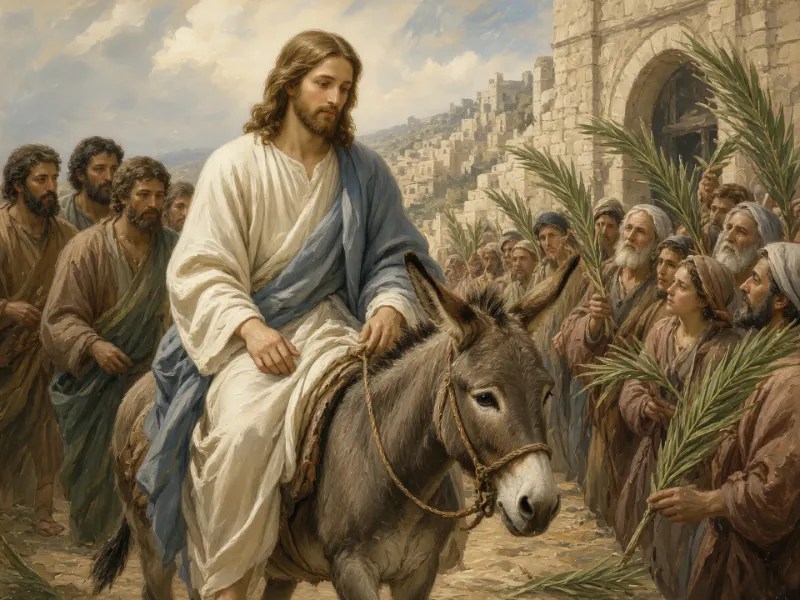
When we take Communion, we are not alone; we are part of a global family of believers. Jesus prayed for His followers to be united. This prayer asks God to help us experience that unity, to love and support our brothers and sisters in Christ, and to work together for His kingdom.
Gracious God,
We thank You that when we come to Your table, we come together as one body in Christ. You have called us from different backgrounds and walks of life, but in Jesus, we are united. We pray for a deeper sense of that unity among us today.
Help us, Lord, to love one another as Christ has loved us. Break down any walls of division, misunderstanding, or prejudice that may exist between us. Teach us to be patient, kind, and forgiving with each other, bearing with one another in love.
May this Communion remind us that we are all part of Your family, connected by the blood of Jesus. Help us to support and encourage each other, to share each other’s burdens, and to rejoice in each other’s joys. May our unity be a powerful witness to Your love in the world.
In Jesus’ Name, Amen.
Unity among believers is so important to God. It shows the world the power of His love to bring people together. Ephesians 4:3 encourages us to “Make every effort to keep the unity of the Spirit through the bond of peace.” Communion is a beautiful opportunity to reaffirm this commitment to one another.

Prayer for Peace in Our Hearts and World
The world around us is often chaotic and troubled, and we too can feel restless and anxious in our own hearts. Jesus is called the Prince of Peace, and Communion can be a time to receive His peace that surpasses all understanding. This prayer asks for that divine peace to fill us and to flow through us into the world.
Prince of Peace, Lord Jesus,
We come to You today seeking the peace that only You can give. Our hearts are often troubled by the worries of this life and the turmoil we see in the world around us. We long for Your calming presence to soothe our anxieties and fears.
As we receive this bread and wine, symbols of Your reconciling love, fill us with Your profound peace. Let it guard our hearts and minds. Help us to trust in Your goodness and Your plan, even when things around us seem uncertain or chaotic.
And Lord, as You fill us with Your peace, make us instruments of Your peace in the world. Help us to bring understanding where there is conflict, hope where there is despair, and love where there is hatred. May Your peace begin in our hearts and spread to our families, communities, and beyond.
In Jesus’ Name, Amen.
Jesus offers us a peace that the world cannot give, a deep inner calm that comes from trusting Him. In John 14:27, Jesus said, “Peace I leave with you; my peace I give you. I do not give to you as the world gives. Do not let your hearts be troubled and do not be afraid.” May we embrace this gift of peace and share it.
Prayer for Guidance in Daily Life
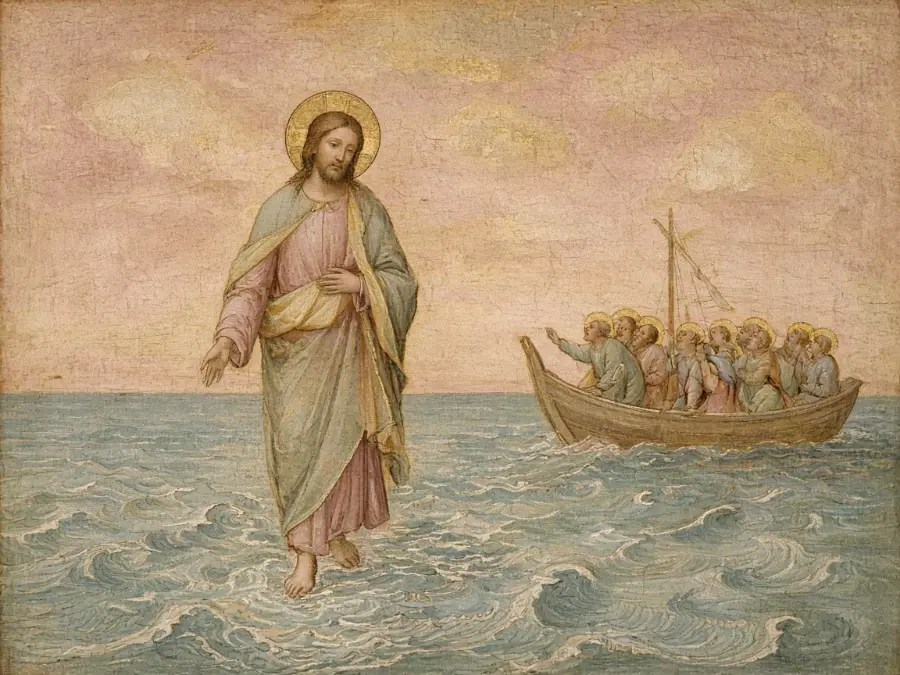
After the quiet reflection of Communion, we return to our daily lives with all their decisions and challenges. We need God’s wisdom to guide our steps. This prayer asks for the Holy Spirit to lead us, so that the choices we make and the paths we take honor Him.
Wise and Loving Guide,
Thank You for this time of Communion, a moment to reconnect with You and be nourished by Your presence. As we prepare to go back into our daily routines, with all their demands and decisions, we ask for Your divine guidance.
Lord, we don’t always know the right way to go. We face choices big and small, and we desire to make ones that please You and align with Your will. Please light our path. Give us wisdom to discern Your leading, and courage to follow where You call us.
Help us to be sensitive to the prompting of Your Holy Spirit. May Your Word be a lamp to our feet and a light for our path. Guide our thoughts, our words, and our actions so that in everything we do, we might bring glory to Your name and be a blessing to others.
In Jesus’ Name, Amen.
Seeking God’s guidance is a sign of humility and trust. When we acknowledge our need for His wisdom, He promises to provide it. Proverbs 3:5-6 tells us, “Trust in the Lord with all your heart and lean not on your own understanding; in all your ways submit to him, and he will make your paths straight.”
Prayer for a Spirit of Humility
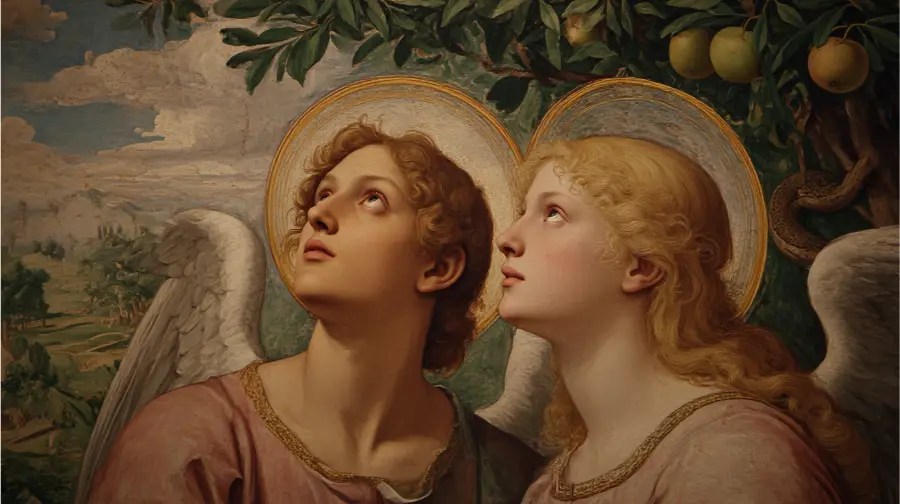
When we approach the Communion table, we do so recognizing our need for God’s grace. Humility is key to receiving all that God wants to give us. This prayer asks for a humble spirit, like that of Jesus, so we can serve others and depend fully on God.
Meek and Humble Lord Jesus,
You showed us the ultimate example of humility, leaving the glory of heaven to come to earth as a servant, even washing Your disciples’ feet and dying a humble death for us. As we remember Your sacrifice in this Communion, we pray for a spirit of humility to grow in our own hearts.
Forgive us, Lord, for the times our pride gets in the way – when we think we know best, when we look down on others, or when we fail to see our own faults. Strip away our arrogance and self-reliance. Help us to see ourselves as You see us, sinners saved by Your amazing grace.
Clothe us with humility, Lord, so that we can serve others willingly and joyfully. Help us to put the needs of others before our own, to listen with an open heart, and to learn from those around us. May we walk humbly with You, our God, depending on Your strength and wisdom each day.
In Jesus’ Name, Amen.
Humility is a beautiful virtue that allows God to work powerfully in and through us. It’s about recognizing our dependence on Him for everything. The Bible says in James 4:6, “God opposes the proud but shows favor to the humble.” May we strive to have hearts that are open and humble before God and others.

Prayer for Hope and Renewal
Life can sometimes leave us feeling weary or discouraged. Communion is a powerful reminder that God offers us fresh starts and a living hope through Jesus. This prayer asks for that hope to be renewed in our hearts, bringing new energy and trust in God’s good plans.
God of Hope,
We come to You today, sometimes feeling tired or a bit worn down by the struggles of life. We thank You that in Jesus, You offer us constant renewal and an unshakeable hope. As we share in this Communion, we ask You to refresh our spirits and fill us with Your living hope.
Remind us, Lord, that because of Jesus’ death and resurrection, we have the promise of new beginnings and eternal life. No matter what we have faced in the past, or what challenges lie ahead, You are with us, and Your plans for us are good. Renew our faith in Your promises.
Lift our eyes from our circumstances to You, the author and perfecter of our faith. Restore our joy, revive our passion for You, and give us a fresh sense of Your purpose for our lives. May this act of remembrance fill us with a hope that anchors our souls and shines brightly to others.
In Jesus’ Name, Amen.
Hope is essential for our spiritual journey. It’s not just wishful thinking, but a confident expectation in God’s goodness and faithfulness. Romans 15:13 says, “May the God of hope fill you with all joy and peace as you trust in him, so that you may overflow with hope by the power of the Holy Spirit.” This divine hope can transform our outlook.

Prayer for Courage to Share Our Faith
Having experienced God’s love and forgiveness, especially as we remember it in Communion, we are called to share that good news with others. This can be daunting. This prayer asks for the courage and wisdom to share our faith gently and respectfully.
Lord of the Harvest,
As we are filled anew with an understanding of Your amazing love and sacrifice for us through this Communion, our hearts are stirred to share this wonderful gift with others. But we confess, Lord, that sometimes fear holds us back. We worry about what people will think, or if we will say the right words.
Please give us courage, Father. Fill us with Your Holy Spirit, who gives us boldness to speak of Your goodness. Help us to see opportunities around us to share Your love, not just in words, but through our actions of kindness and compassion.
Teach us how to share our faith with gentleness and respect, always pointing people to Jesus. May Your love shine so brightly in us that others are drawn to You. Use us, Lord, however You see fit, to be Your witnesses in this world that so desperately needs Your hope.
In Jesus’ Name, Amen.
Sharing our faith is a natural response to experiencing God’s grace. It’s about offering the same hope and love we have found to others. Acts 1:8 tells us, “But you will receive power when the Holy Spirit comes on you; and you will be my witnesses in Jerusalem, and in all Judea and Samaria, and to the ends of the earth.” God equips us for this important task.

Prayer for God’s Love to Fill Us
Communion is a profound expression of God’s love for us – the giving of His own Son. As we receive this symbolic meal, this prayer is an invitation for God’s perfect love to completely fill our hearts, healing us and empowering us to love Him and others more fully.
God of Unfailing Love,
Your love for us is so vast, so deep, so amazing. You demonstrated it perfectly by sending Jesus to die for us while we were still sinners. As we come to this table of remembrance, we open our hearts wide to receive more of Your incredible love.
Pour Your love into every part of our being, Lord. Heal the broken places, calm our fears, and wash away any bitterness or resentment we might be holding onto. Fill us so full of Your love that it overflows from us to everyone we meet.
Help us to love You with all our heart, soul, mind, and strength. And teach us to love our neighbors as ourselves, showing compassion, kindness, and forgiveness. May Your love be the guiding force in all our thoughts, words, and actions, reflecting Your goodness to the world.
In Jesus’ Name, Amen.
God’s love is transformative. When we allow His love to fill us, it changes how we see ourselves, how we treat others, and how we live our lives. 1 John 4:16 reminds us, “And so we know and rely on the love God has for us. God is love. Whoever lives in love lives in God, and God in them.” May we be vessels of His perfect love.
Bibliography:


Leave a Reply