
 English
 Chinese
 Dutch
 Arabic
 Spanish
 Portuguese
 Russian
 French
 Italian
 German
 Japanese
The Bible’s teaching on communion starts with the meal Jesus shared with his disciples on the night he was betrayed, when he gave them bread and a cup and called them his body and his blood. Matthew, Mark and Luke tell the story (Matthew 26:26-28), and Paul repeats it with warnings about eating it rightly (1 Corinthians 11:23-29).
Churches that keep the meal differ over what the bread and cup are. Catholic and Orthodox teaching holds that Christ’s body and blood are really present, and the Catholic Church calls the change of the bread and wine transubstantiation. Lutherans confess Christ’s true body and blood “under the bread and wine” by what the Formula of Concord calls a sacramental union. The Westminster Confession, a Reformed statement, says believers feed on Christ by faith and that his body and blood are present to them “really, but spiritually.” The Baptist Faith and Message holds the memorial view, calling the meal “a symbolic act of obedience” that remembers Christ’s death and looks for his return.
The words at the Last Supper
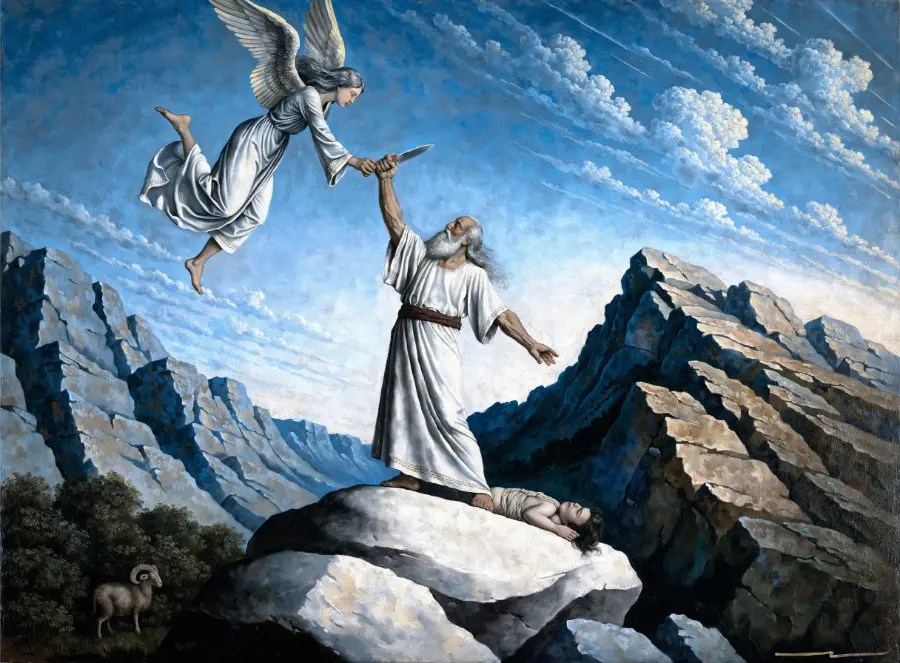
Matthew 26:26-28
“Now as they were eating, Jesus took bread, and after blessing it broke it and gave it to the disciples, and said, ‘Take, eat; this is my body.’ And he took a cup, and when he had given thanks he gave it to them, saying, ‘Drink of it, all of you, for this is my blood of the covenant, which is poured out for many for the forgiveness of sins.’”
Reflection: Matthew sets the meal at the Passover: the disciples ask where to prepare it, and they do (26:17-19). Of the four accounts, his is the one that adds “for the forgiveness of sins” to the words over the cup. “Blood of the covenant” recalls Moses at Sinai, who threw blood on the people and said, “Behold the blood of the covenant that the Lord has made with you” (Exodus 24:8).
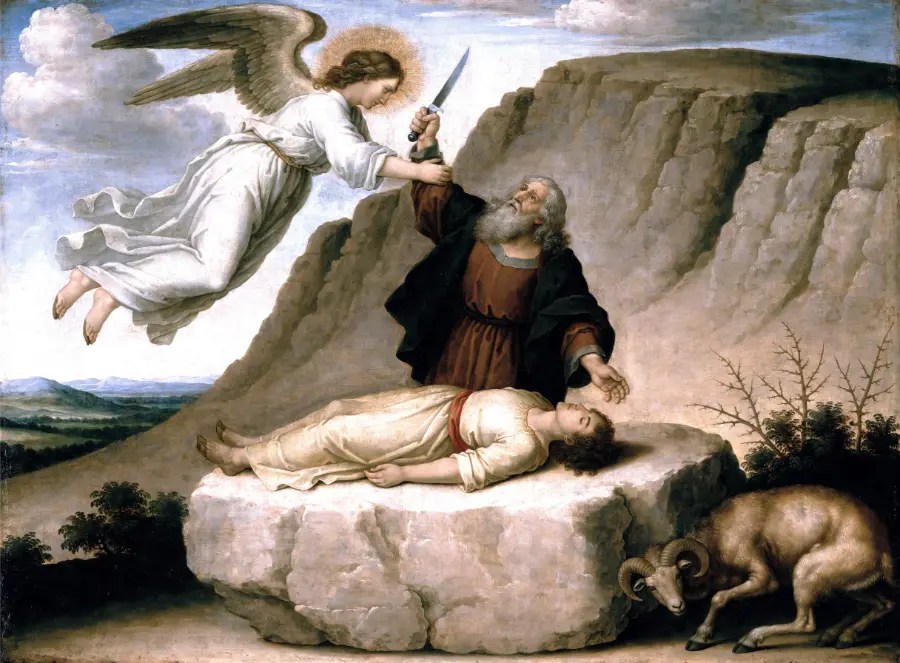
Mark 14:22-24
“And as they were eating, he took bread, and after blessing it broke it and gave it to them, and said, ‘Take; this is my body.’ And he took a cup, and when he had given thanks he gave it to them, and they all drank of it. And he said to them, ‘This is my blood of the covenant, which is poured out for many.’”
Reflection: In Mark the words over the bread are “Take; this is my body,” and Mark notes that “they all drank of it” before Jesus says what the cup is. The Lutheran Formula of Concord cites “they all drank of it” (14:23) when it teaches that Christ’s body and blood are received “not only spiritually by faith, but also orally.” In the next verse Jesus says he will not drink the fruit of the vine again “until that day when I drink it new in the kingdom of God” (14:25).
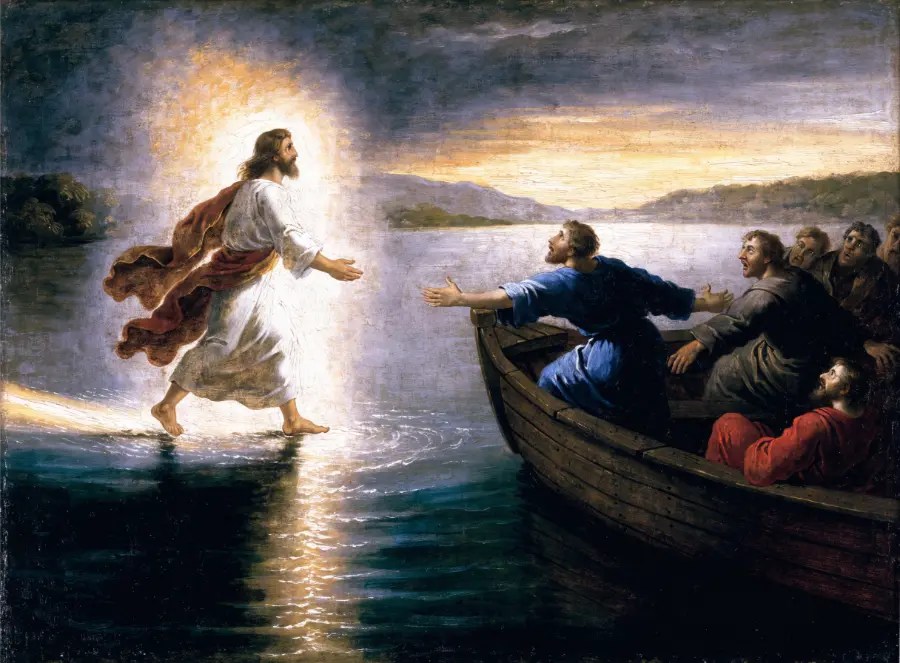
Luke 22:19-20
“And he took bread, and when he had given thanks, he broke it and gave it to them, saying, ‘This is my body, which is given for you. Do this in remembrance of me.’ And likewise the cup after they had eaten, saying, ‘This cup that is poured out for you is the new covenant in my blood.’”
Reflection: Luke begins with Jesus saying, “I have earnestly desired to eat this Passover with you before I suffer” (22:15), and he records two cups, one shared before the bread (22:17) and this one “after they had eaten.” Luke and Paul include “Do this in remembrance of me”; Matthew and Mark do not. “New covenant” is Jeremiah’s phrase, from a promise that ends, “I will remember their sin no more” (Jeremiah 31:31-34).
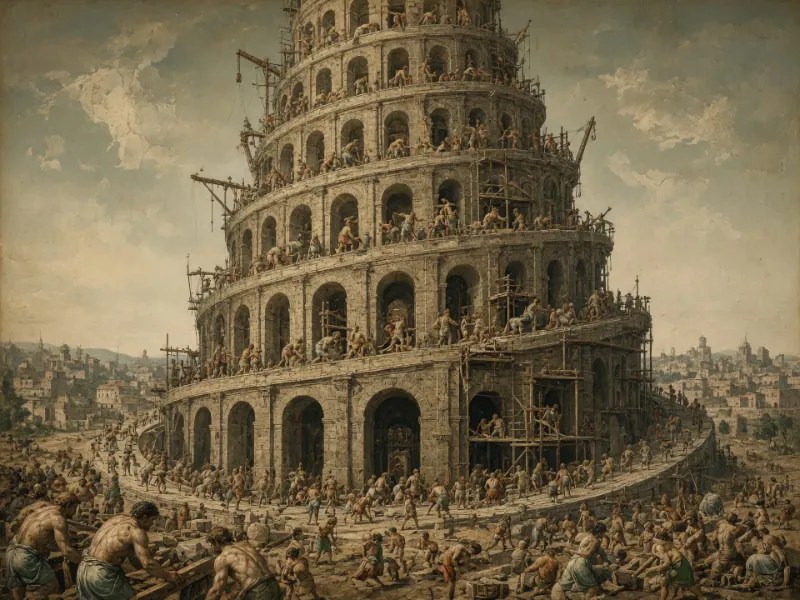
1 Corinthians 11:23-25
“For I received from the Lord what I also delivered to you, that the Lord Jesus on the night when he was betrayed took bread, and when he had given thanks, he broke it, and said, ‘This is my body, which is for you. Do this in remembrance of me.’ In the same way also he took the cup, after supper, saying, ‘This cup is the new covenant in my blood. Do this, as often as you drink it, in remembrance of me.’”
Reflection: Paul reminds the Corinthians of what he “received from the Lord” and had already passed on to them. He repeats it because their gatherings had gone wrong: divisions, each person going ahead with his own meal, “one goes hungry, another gets drunk,” so that “it is not the Lord’s supper that you eat” (11:18-22). His version has “Do this in remembrance of me” twice, over the bread and over the cup.
The Passover behind the meal

Exodus 12:14
“This day shall be for you a memorial day, and you shall keep it as a feast to the LORD; throughout your generations, as a statute forever, you shall keep it as a feast.”
Reflection: The Last Supper was a Passover meal (Luke 22:15), and this is the command that made the Passover a feast to keep “throughout your generations.” It follows the instructions for the first one, eaten in haste with belts fastened and sandals on, the night the blood on the houses marked those the Lord would pass over (12:11-13). Paul draws the line to Christ: “Christ, our Passover lamb, has been sacrificed” (1 Corinthians 5:7).
Exodus 12:26-27
“And when your children say to you, ‘What do you mean by this service?’ you shall say, ‘It is the sacrifice of the LORD’s Passover, for he passed over the houses of the people of Israel in Egypt, when he struck the Egyptians but spared our houses.’”
Reflection: The Passover was meant to be asked about. When children ask, “What do you mean by this service?”, parents answer with what happened in Egypt and tell it in the first person: the Lord “spared our houses.” The chapter records that the people then “bowed their heads and worshiped.”
Sharing in the body and blood

1 Corinthians 10:16
“The cup of blessing that we bless, is it not a participation in the blood of Christ? The bread that we break, is it not a participation in the body of Christ?”
Reflection: Paul’s word for “participation” is koinonia, the word Acts 2:42 translates “the fellowship,” and the King James Version renders it here as communion: “is it not the communion of the blood of Christ?” Paul asks the question to warn the Corinthians away from idolatry (10:14): “You cannot drink the cup of the Lord and the cup of demons” (10:21).
1 Corinthians 10:17
“Because there is one bread, we who are many are one body, for we all partake of the one bread.”
Reflection: The next verse moves from Christ’s body to the church. One loaf, shared by many, makes them one body. Paul presses the same point in chapter 11, where the Corinthians’ meal had split those with plenty from “those who have nothing” (11:22).
John 6:51
“I am the living bread that came down from heaven. If anyone eats of this bread, he will live forever. And the bread that I will give for the life of the world is my flesh.”
Reflection: Jesus says this in the synagogue at Capernaum (6:59), the day after feeding about five thousand people, and it answers the crowd’s talk of the manna their fathers ate in the wilderness (6:31, 49). He calls himself the living bread from heaven and says the bread he will give “for the life of the world is my flesh.” His hearers argue over it at once: “How can this man give us his flesh to eat?” (6:52).
John 6:56
“Whoever feeds on my flesh and drinks my blood abides in me, and I in him.”
Reflection: Jesus speaks these words in a synagogue rather than at a table, and Christians differ on whether the chapter is about communion. The Catechism of the Catholic Church quotes 6:53 as Christ’s invitation to receive him in the Eucharist, while John Calvin wrote that “this discourse does not relate to the Lord’s Supper” but to a feeding on Christ that happens apart from it. The promise in the verse runs both ways: whoever feeds on Christ “abides in me, and I in him.”
Eating and drinking in a worthy manner
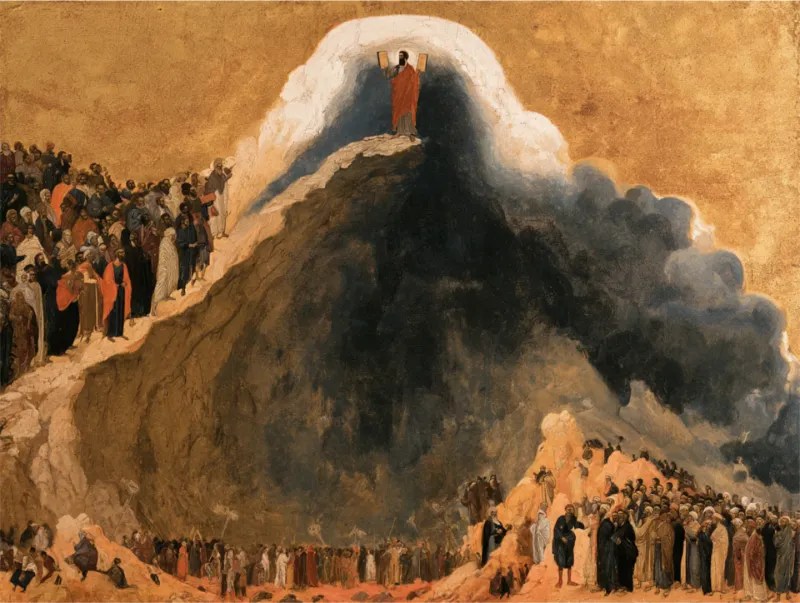
1 Corinthians 11:27
“Whoever, therefore, eats the bread or drinks the cup of the Lord in an unworthy manner will be guilty concerning the body and blood of the Lord.”
Reflection: The “unworthy manner” is the one Paul has just described: a church meal where some go hungry and others get drunk, and the poor are humiliated (11:20-22). Eating that way makes a person “guilty concerning the body and blood of the Lord.” Paul links it to sickness among them: “That is why many of you are weak and ill, and some have died” (11:30).
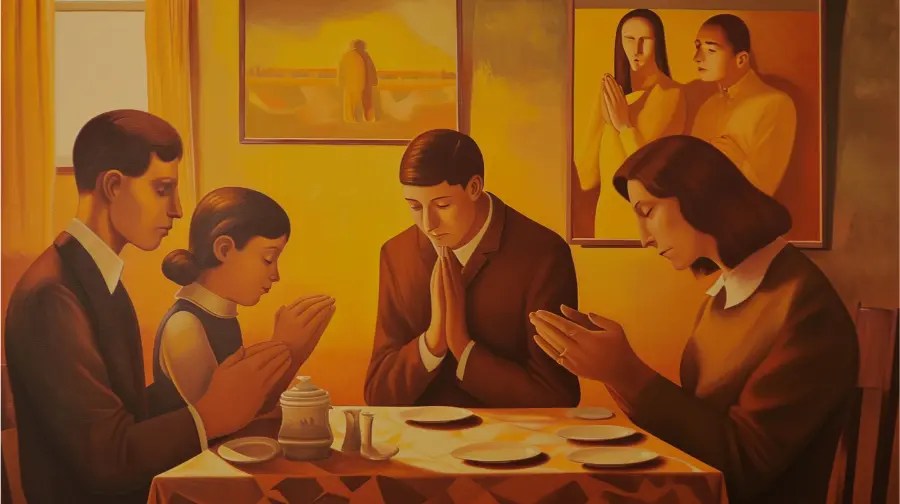
1 Corinthians 11:28
“Let a person examine himself, then, and so eat of the bread and drink of the cup.”
Reflection: Paul tells each person to examine himself and then to eat and drink. He adds, “if we judged ourselves truly, we would not be judged” (11:31). The Catechism of the Catholic Church cites these verses when it asks the faithful to examine their conscience before communion, and it asks anyone conscious of a grave sin to receive the sacrament of Reconciliation first.
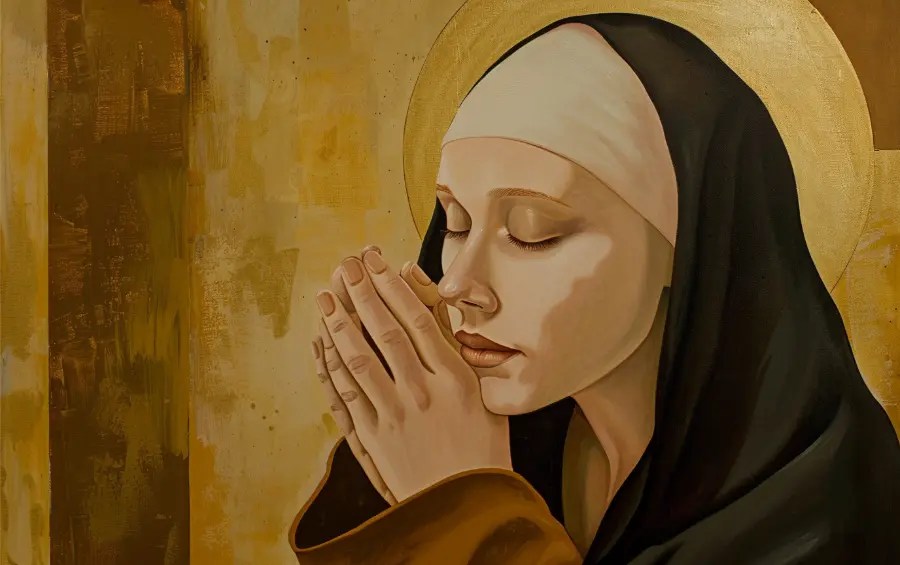
1 Corinthians 11:29
“For anyone who eats and drinks without discerning the body eats and drinks judgment on himself.”
Reflection: The verse can be read two ways: “the body” may mean “the body and blood of the Lord” named two verses earlier, or the “one body” of believers in 10:17. The practical instructions that end the chapter are about the shared meal: “when you come together to eat, wait for one another” (11:33).
Bread broken after the resurrection
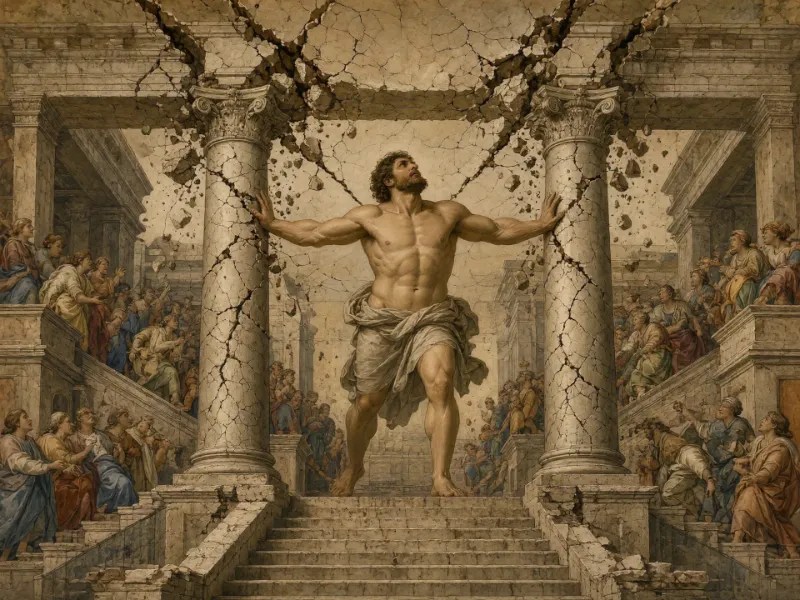
Luke 24:30-31
“When he was at table with them, he took the bread and blessed and broke it and gave it to them. And their eyes were opened, and they recognized him. And he vanished from their sight.”
Reflection: Two disciples walking to Emmaus have spent the road with the risen Jesus without knowing him (24:13-16). At the table he takes the bread, blesses it, breaks it and gives it, the same four actions as at the Last Supper, and they recognize him. When they report back in Jerusalem, they say he “was known to them in the breaking of the bread” (24:35).
Acts 2:42
“And they devoted themselves to the apostles’ teaching and the fellowship, to the breaking of bread and the prayers.”
Reflection: After about three thousand people were baptized in one day (2:41), the believers in Jerusalem devoted themselves to four things, and “the breaking of bread” is one of them. Luke does not say whether he means the Lord’s Supper, shared meals, or both; a few verses later they are “breaking bread in their homes” and receiving “their food with glad and generous hearts” (2:46). The word for “the fellowship” in this verse is koinonia, the word Paul uses for participation in the cup and the bread.
Until he comes
1 Corinthians 11:26
“For as often as you eat this bread and drink the cup, you proclaim the Lord’s death until he comes.”
Reflection: Paul adds his own comment to Jesus’ words: eating and drinking “proclaim the Lord’s death until he comes.” The meal looks back to the cross and forward to the return, and “until he comes” sets its end. Jesus had said something similar at the table, that he would not drink the fruit of the vine again until he drank it new in the kingdom (Mark 14:25).
Revelation 19:9
“And the angel said to me, ‘Write this: Blessed are those who are invited to the marriage supper of the Lamb.’ And he said to me, ‘These are the true words of God.’”
Reflection: An angel tells John to write down a blessing on those invited to “the marriage supper of the Lamb,” just after a great multitude has announced that the Bride “has made herself ready” (19:6-7). At the Last Supper Jesus had spoken of drinking the cup again “new with you in my Father’s kingdom” (Matthew 26:29), and Revelation pictures that kingdom as a wedding feast.


Leave a Reply