
 English
 Chinese
 Dutch
 Arabic
 Spanish
 Portuguese
 Russian
 French
 Italian
 German
 Japanese
In the Bible, salt stands for what lasts. Because salt seasons food and keeps it from spoiling, God calls a lasting promise “a covenant of salt for ever” (Numbers 18:19). Salt also marks ruin, as in the land of Sodom and the pillar that was Lot’s wife, and Jesus calls his disciples “the salt of the earth” (Matthew 5:13).
Think of salt, then, as the thing that does not go bad. Israel put it on every offering and on every table. Jesus gave the same meaning to his followers when he called them salt, and in the same breath he warned them that salt can lose its savour.
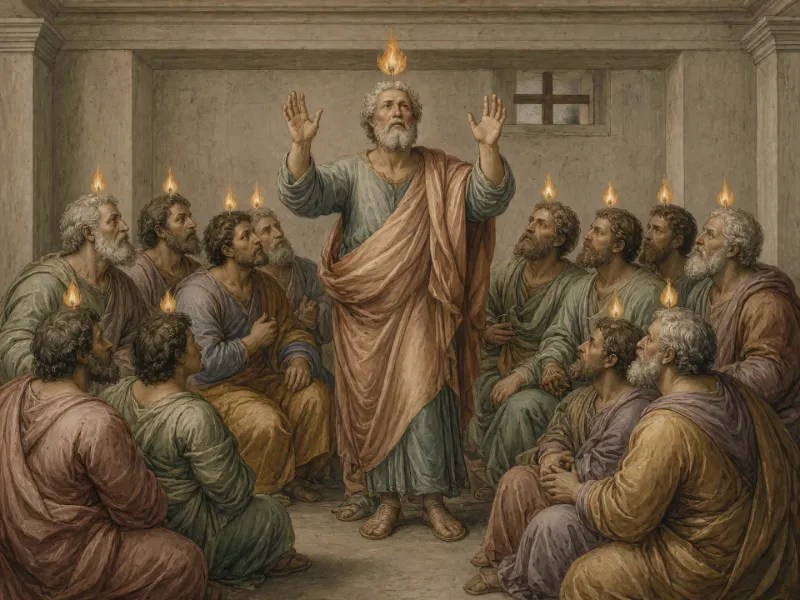
What does salt symbolize in the Bible?
Salt carries two sets of meanings in Scripture, and both grow from the kitchen. A little salt makes food worth eating and keeps it from rotting, so salt stands for faithfulness, friendship and a bond that does not go bad. A lot of salt kills the ground, so salt also stands for barren land and judgment.
| Meaning | Where to read it | In the King James words |
|---|---|---|
| A covenant that lasts | Numbers 18:19; 2 Chronicles 13:5 | “a covenant of salt for ever” |
| A gift on every offering | Leviticus 2:13 | “with all thine offerings thou shalt offer salt” |
| Food worth eating | Job 6:6 | “Can that which is unsavoury be eaten without salt?” |
| Healing by God’s word | 2 Kings 2:19–22 | “I have healed these waters” |
| Barren land and judgment | Deuteronomy 29:23; Judges 9:45 | “sowed it with salt” |
| A warning not to look back | Genesis 19:26; Luke 17:32 | “Remember Lot’s wife.” |
| Disciples in the world | Matthew 5:13; Mark 9:50 | “Ye are the salt of the earth” |
| Gracious speech | Colossians 4:6 | “seasoned with salt” |
Salt was the thing on the table and on the altar that did not spoil, and God used it to say that his promise would not spoil either. Even the hard meanings come from the same salt: too much of it, and nothing grows.

How many times is salt mentioned in the Bible?
The word “salt” appears 41 times in a printed King James Bible: 40 times in 34 verses, and once more in the title of Psalm 60, which recalls a battle “in the valley of salt.” If your online Bible leaves the psalm titles out, you will find 40. Of the 40 in the verses, 30 are in the Old Testament and 10 in the New. Leviticus 2:13 uses the word three times in one verse, and so does Mark 9:50. Nine name “the salt sea,” the Bible’s name for the Dead Sea.
Related words add a few more: “salted” four times (Ezekiel 16:4, Matthew 5:13 and twice in Mark 9:49), “saltness” once (Mark 9:50) and “saltpits” once (Zephaniah 2:9). Other translations give other totals, partly because translators word the same verses differently, but mostly because of place names. The Reina-Valera 1960 calls the Dead Sea “el Mar Salado,” so those nine verses have no “sal” at all. Read verse by verse, the Reina-Valera 1960 uses “sal” for salt 30 times in 24 verses; the same three letters also spell the command “go out,” as in “Sal del arca” (Genesis 8:16), and those 21 verses are left out of the total. The Almeida Revista e Corrigida uses “sal” 31 times in 26 verses. If you check any of these, know that they come from electronic texts of each Bible, not a printed concordance.
What was salt used for in Bible times?
Most of the Bible’s salt is ordinary salt doing ordinary work, and the symbols grow out of that work.
Seasoning food. Job, answering a friend’s poor comfort, reaches for the kitchen: “Can that which is unsavoury be eaten without salt? or is there any taste in the white of an egg?” (Job 6:6).
Every offering. The Law required salt on the grain offering and on all the others: “And every oblation of thy meat offering shalt thou season with salt; neither shalt thou suffer the salt of the covenant of thy God to be lacking from thy meat offering: with all thine offerings thou shalt offer salt” (Leviticus 2:13). “Meat offering” in the King James means the offering of grain. King Darius, decreeing support for the rebuilt temple in Jerusalem, listed “wheat, salt, wine, and oil” among the daily supplies for the priests (Ezra 6:9), and King Artaxerxes later granted Ezra “salt without prescribing how much” (Ezra 7:22). In Ezekiel’s vision of the new temple, “the priests shall cast salt upon them” before the burnt offering (Ezekiel 43:24).
A servant’s bond. Officials writing a letter against Jerusalem to King Artaxerxes said, in the King James wording, “we have maintenance from the king’s palace” (Ezra 4:14). The Aramaic behind that phrase is literally about salt. Keil and Delitzsch translate it “we eat the salt of the palace,” which they explain as being “in the king’s pay.” Whoever ate a ruler’s salt owed him loyalty.
Newborn babies. In a parable about Jerusalem as an abandoned baby, God says, “thou wast not salted at all, nor swaddled at all” (Ezekiel 16:4). The verse lists what a cared-for newborn would have had: the cord cut, a washing, salt rubbed on the skin, and swaddling bands. Newborn babies “were bathed and salted,” as the International Standard Bible Encyclopedia puts it, and the salt was meant “to cleanse and harden the skin,” in the Catholic Encyclopedia’s words. Jerusalem, in the parable, had none of that love.
Ruin. When Abimelech took the city of Shechem, he “beat down the city, and sowed it with salt” (Judges 9:45). It was a way “to prevent a new city from arising in its place,” in the same Bible encyclopedia’s reading, and there was another ancient use too: “by strewing salt on a piece of land they dedicated it to the gods.” Deuteronomy warns that a land under judgment would be “brimstone, and salt, and burning, that it is not sown, nor beareth, nor any grass groweth therein, like the overthrow of Sodom” (Deuteronomy 29:23), and Jeremiah pictured the man who trusts in man living “in a salt land and not inhabited” (Jeremiah 17:6). In Ezekiel’s vision of the river flowing from the temple, the river heals the waters, but “the miry places thereof and the marishes thereof shall not be healed; they shall be given to salt” (Ezekiel 47:11).
Where were the Salt Sea and the Valley of Salt?
The Salt Sea is the Dead Sea, first named in Genesis: “the vale of Siddim, which is the salt sea” (Genesis 14:3). The Valley of Salt was a battlefield. David’s army won there, though the accounts differ in their details. Second Samuel says David “gat him a name when he returned from smiting of the Syrians in the valley of salt” (2 Samuel 8:13); Chronicles says “Abishai the son of Zeruiah slew of the Edomites in the valley of salt eighteen thousand” (1 Chronicles 18:12); and the title of Psalm 60 says Joab “smote of Edom in the valley of salt twelve thousand.” King Amaziah later “slew of Edom in the valley of salt ten thousand” (2 Kings 14:7). Its exact place is uncertain. The salt flats south of the Dead Sea are one candidate, but they are too soft for a battle, and so a valley near Beersheba seems “far more natural” to the International Standard Bible Encyclopedia.
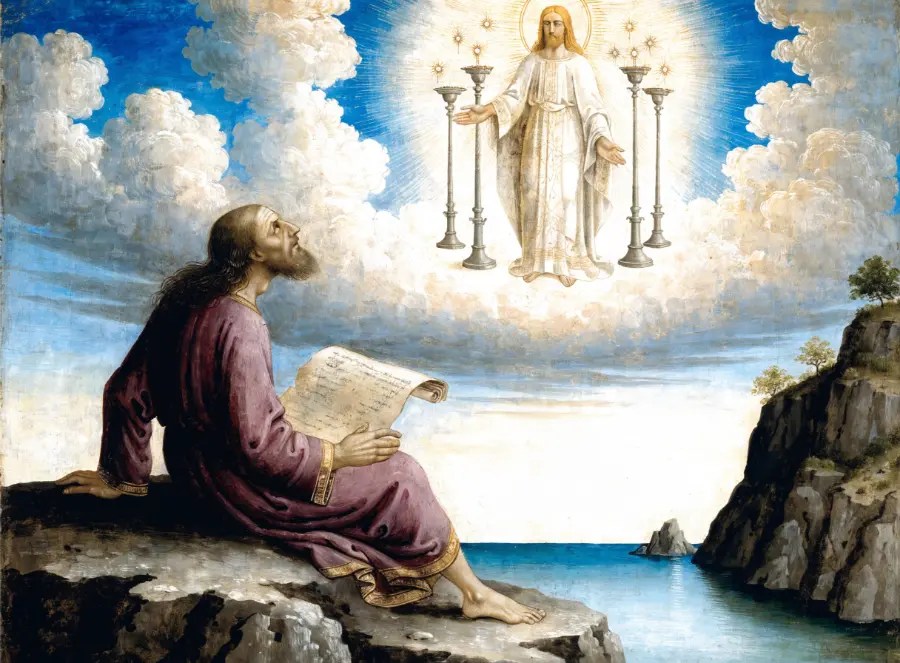
What is the covenant of salt?
A covenant of salt is a promise meant to last for ever. The phrase appears twice. God gave the priests their share of Israel’s offerings “by a statute for ever: it is a covenant of salt for ever before the Lord unto thee and to thy seed with thee” (Numbers 18:19). King Abijah, standing on Mount Zemaraim to address Jeroboam and all Israel, reminded them that “the Lord God of Israel gave the kingdom over Israel to David for ever, even to him and to his sons by a covenant of salt” (2 Chronicles 13:5). Leviticus 2:13 calls the salt on the offerings “the salt of the covenant of thy God.”
The phrase comes from the meal table. People who ate together became bound to each other, and salt was on every table. “Covenants were generally confirmed by sacrificial meals and salt was always present,” one Bible encyclopedia explains, and “since, too, salt is a preservative, it would easily become symbolic of an enduring covenant.” God did not choose a fragile sign. He chose the one thing on the table that would not go bad.
Jewish families still keep salt on the table, for a reason of their own. Since the Temple fell, Chabad.org explains, the family table stands in place of the altar: “If the table is like the altar, the food eaten upon it is like the offerings.” So bread is dipped in salt before it is eaten, and, in the same article’s words, “Salt is a preservative that neither spoils nor decays.” The salt on the loaf recalls a covenant God means to keep.

Why did Lot’s wife turn into a pillar of salt?
Because she looked back at Sodom against the angels’ warning. As they led Lot’s family out of the city, one of them said, “Escape for thy life; look not behind thee, neither stay thou in all the plain” (Genesis 19:17). Then the Lord “rained upon Sodom and upon Gomorrah brimstone and fire” (Genesis 19:24). Genesis tells her end in one sentence: “But his wife looked back from behind him, and she became a pillar of salt” (Genesis 19:26). It gives no reason for her turning and no description of the pillar.
The salt fits the place. The kings of Sodom and Gomorrah fought in “the vale of Siddim, which is the salt sea” (Genesis 14:3), and Deuteronomy remembers their land as “brimstone, and salt, and burning.” Lot’s wife became part of the ruin she turned to see.
Jesus made her a warning for his own followers. Speaking of “the day when the Son of man is revealed,” he said, “he that is in the field, let him likewise not return back. Remember Lot’s wife. Whosoever shall seek to save his life shall lose it; and whosoever shall lose his life shall preserve it” (Luke 17:31–33). He sets her beside the man who turns back for his goods, and the saying that follows names the danger: holding on to the life God has told us to let go.
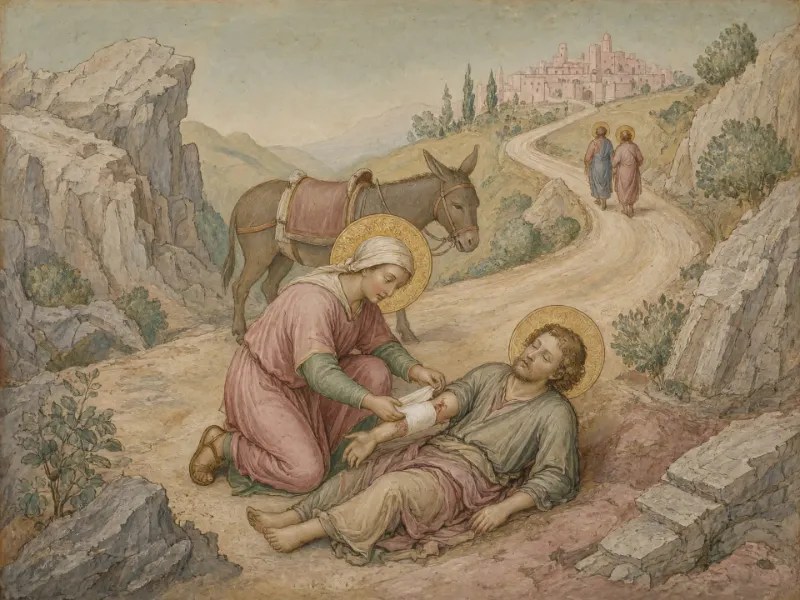
Why did Elisha put salt in the water?
Elisha used salt as a sign, and Scripture gives the healing to God. The men of Jericho told the prophet that their city was pleasant, “but the water is naught, and the ground barren” (2 Kings 2:19). He asked for “a new cruse, and put salt therein,” went to the spring, “and cast the salt in there, and said, Thus saith the Lord, I have healed these waters; there shall not be from thence any more death or barren land. So the waters were healed unto this day, according to the saying of Elisha which he spake” (2 Kings 2:20–22).
The story turns the usual meaning of salt around. Salt in a spring would normally make it worse, and here God uses it to make the water sweet. The words that do the healing are the Lord’s: “I have healed these waters.”
Does the Bible say to use salt for protection?
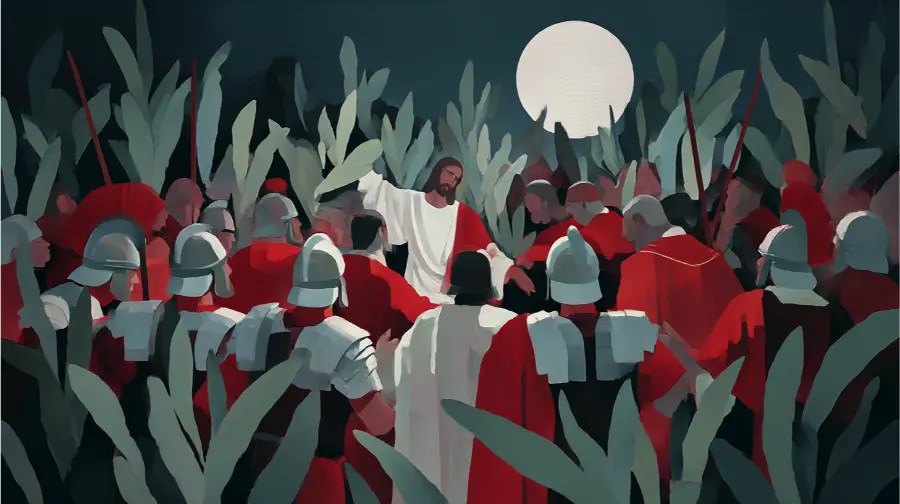
No. No verse tells anyone to bathe in salt, scatter it across a doorway, carry coarse salt for protection or use it against evil spirits. The only person salted in Scripture is the newborn of Ezekiel 16:4, and that verse describes ordinary care for a baby. Elisha’s salt is the nearest thing to a ritual, and the verse credits the healing to God’s word, which Elisha announced, never to the salt itself. What Scripture does say about rescue from evil is set out in what deliverance means in the Bible.
The Catholic Church does bless salt, and it is fair to say how it understands that blessing. Blessed salt is a sacramental, which the Catechism describes as a sacred sign that always includes “a prayer, often accompanied by a specific sign.” Such signs “do not confer the grace of the Holy Spirit in the way that the sacraments do, but by the Church’s prayer, they prepare us to receive grace and dispose us to cooperate with it” (Catechism 1668, 1670). The older Roman Ritual exorcised and blessed salt before mixing it into holy water, and its prayer does ask for protection. It recalls Elisha, naming God “who ordered you to be thrown into the water-spring by Eliseus to heal it of its barrenness,” and then prays: “May all evil fancies of the foul fiend, his malice and cunning, be driven afar from the place where you are sprinkled.” The Catechism calls such a prayer an exorcism: “When the Church asks publicly and authoritatively in the name of Jesus Christ that a person or object be protected against the power of the Evil One and withdrawn from his dominion, it is called exorcism” (Catechism 1673). The protection is asked of God in the Church’s prayer. The older rite of baptism used a separate baptismal salt, “cleansed and sanctified by special exorcisms and prayers,” which was given to the catechumen before he entered the church to be baptized. Augustine remembered that as a boy he “was seasoned with His salt.” The current Book of Blessings no longer includes the exorcism of salt, as the liturgist Edward McNamara explained in 2012, and he notes that “the Greek tradition still excludes the use of salt” in blessing water. How Catholics make and use holy water today is explained in how to make holy water at home.
The same Catechism warns against treating any such object as a charm. Superstition, it says, attributes “an importance in some way magical to certain practices otherwise lawful or necessary,” and “to attribute the efficacy of prayers or of sacramental signs to their mere external performance, apart from the interior dispositions that they demand, is to fall into superstition” (Catechism 2111). On that point the Catechism and the story of Elisha agree: the healing and the protection come from God, and no salt stands in for trusting him.
What did Jesus mean by “the salt of the earth”?
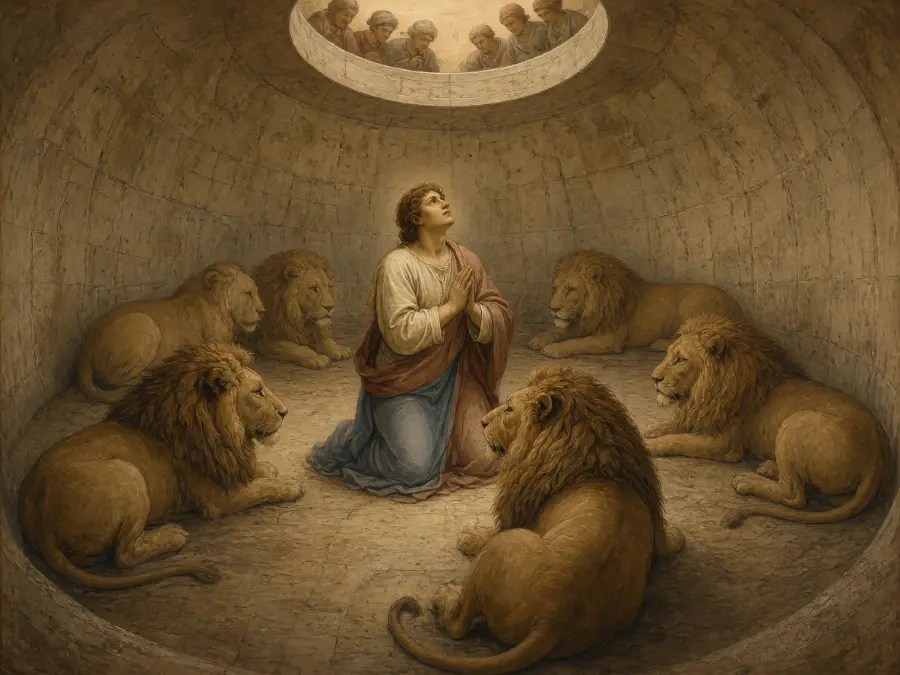
As Augustine and later commentators read it, he meant that his disciples keep the world from going bad and give it its savour, and that a disciple who loses that is good for nothing. In the Sermon on the Mount he told them: “Ye are the salt of the earth: but if the salt have lost his savour, wherewith shall it be salted? it is thenceforth good for nothing, but to be cast out, and to be trodden under foot of men” (Matthew 5:13). Jesus says they already are salt; he does not tell them to become it.
Pure salt does not lose its taste, so how could this salt? The salt of that region, Barnes’ Notes on the Bible explains, “was impure, or mingled with vegetable or earthy substances, so that it might lose the whole of its saltness.” Around 1690 the traveller Maundrell broke off salt whose weathered part “had perfectly lost its savour,” and commentators of the same century as Barnes quoted him, though they disagree about where he found it: Benson places it near Aleppo, Ellicott by the Dead Sea, and Ellicott added, “I am not aware that this has been confirmed by recent travellers.” Meyer’s commentary set the question aside: whether salt can really lose its taste “is not at all the question. Jesus puts the case.” The Greek word behind “lost his savour” is, in Benson’s words, “literally, be infatuated, or, grown foolish.” Tasteless salt is a disciple who has lost his sense.
Augustine read the verse in the light of the persecution Jesus has just described in the Beatitudes. The salt that loses its savour, he wrote, is the disciple “who is rendered savourless by the fear of persecution,” not the one who suffers it. These verses, with the light of the world that follows them, are explained more fully in what it means to be salt and light.
Luke gives the saying with a farmer’s detail: “Salt is good: but if the salt have lost his savour, wherewith shall it be seasoned? It is neither fit for the land, nor yet for the dunghill; but men cast it out” (Luke 14:34–35). Mark joins it to the salt of the altar: “every sacrifice shall be salted with salt. Salt is good: but if the salt have lost his saltness, wherewith will ye season it? Have salt in yourselves, and have peace one with another” (Mark 9:49–50).
Paul brings the image to the way Christians talk: “Let your speech be always with grace, seasoned with salt, that ye may know how ye ought to answer every man” (Colossians 4:6).
Salt on the altar told Israel that God’s promise would not go bad. Now, Jesus says, his people are the salt.
Related reading
- Matthew 5:14-16 Meaning: “Ye Are the Light of the World” (Be the Light)
- What Does Oil Represent in the Bible? Anointing, the Holy Spirit, Healing and Joy
- What Does Bread Symbolize in the Bible?
- What Does “Land Flowing with Milk and Honey” Really Mean?
- What Are the Beatitudes?
- What Was the Sin of Sodom and Gomorrah?


Leave a Reply