
 English
  Chinese
  Dutch
Dutch  Arabic
  Spanish
  Portuguese
  Russian
  French
  Italian
  German
  Japanese
The Cry of the Poor, The Pride of the Powerful: What Was the True Sin of Sodom?
Our purpose is to seek understanding, not to find ammunition for arguments. We will look at what the Bible actually says, listening to the prophets and to Jesus himself. We will see that the sickness of Sodom was deep and complex, and its lessons are more urgent for us today than we might imagine. This is not a journey into condemnation a journey toward the heart of God, who, as we will see, always desires to save, not to destroy.²
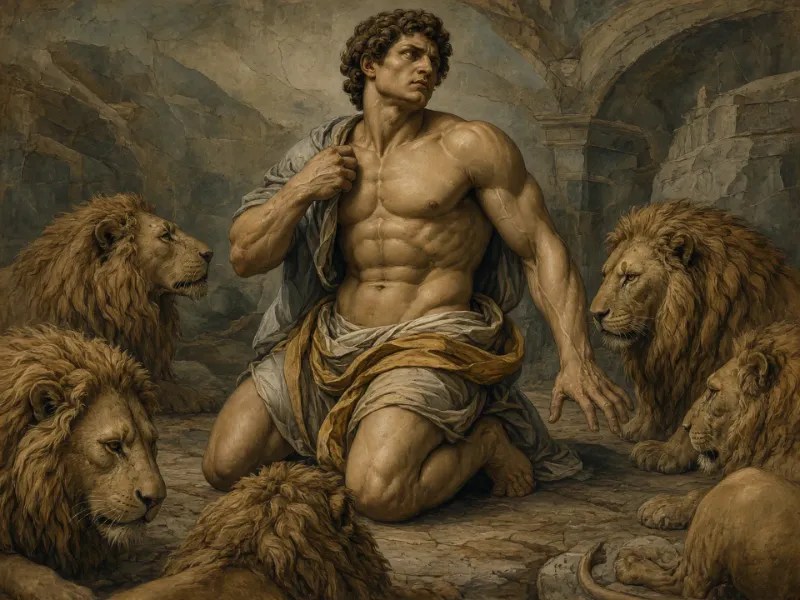
What Happens in the Story of Sodom and Gomorrah?
Setting the Scene: A Land of Plenty, A Land of Sin
We begin in the book of Genesis, where we first meet the city of Sodom. It is a place that looks like a paradise, a land so fertile and lush that it is compared to “the garden of the LORD” (Genesis 13:10).⁴ It is a place of great material wealth and abundance. But even in this beautiful garden, a dark shadow looms. The Bible tells us from the very beginning that “the people of Sodom were wicked and were sinning greatly against the Lord” (Genesis 13:13).⁶ Their sin is not a secret; it is a public scandal. The “outcry” against them is so great and their sin so grievous that God Himself decides to go down and see if it is as bad as the cries that have reached heaven.⁷
This is a crucial point for our hearts to grasp. The judgment on Sodom is not a sudden, angry reaction to a single event. It is a response to a deep, persistent, and public state of sin that has become unbearable.⁹ The heart of the city has become sick, and its sickness cries out for a response.
Abraham’s Plea: The Heart of a Friend of God
Before the fire falls, we witness one of the most moving and beautiful dialogues in all of Sacred Scripture. God, in His friendship, reveals His plan to Abraham. And Abraham does not respond with passive acceptance or with satisfaction that the wicked will get what they deserve. No, he draws near to God and he pleads. He bargains. He wrestles with God for the lives of the people in that sinful city.⁷
“Will you sweep away the righteous with the wicked?” Abraham asks (Genesis 18:23). “What if there are fifty righteous people… Forty-five… Forty… Thirty… Twenty… Ten?” This is not just a clever negotiation; it is the prayer of a heart that reflects God’s own mercy. Abraham shows us that the truly righteous heart does not rejoice in the destruction of anyone intercedes for them, hoping for their salvation.³ He is a true friend of God because his heart beats with the same merciful love.
Lot’s Welcome: A Light in the Darkness
Two angels, appearing as men, arrive at the city gate of Sodom. There they find Lot, Abraham’s nephew. And Lot, like his uncle, shows them extravagant hospitality. He sees the strangers and immediately gets up, bowing with his face to the ground. He insists they come to his home, he washes their feet, and he prepares a great feast for them.⁷ In a city that has forgotten how to welcome the stranger, Lot’s actions shine like a small but powerful light. He is living out the sacred duty of hospitality, a duty that in the ancient world was not just a matter of good manners could be the difference between life and death for a traveler.¹⁴
The Mob’s Fury: The Heart of Sodom Revealed
Before the night is over, the darkness that fills Sodom’s heart erupts in a storm of fury. The Bible tells us that “all the men from every part of the city of Sodom—both young and old—surrounded the house”.⁷ Their demand is chilling and brutal: “Bring them out to us so that we can have sex with them” (Genesis 19:5, NIV).
Let us be very clear about what is happening here. This is not a request for fellowship. It is not an inquiry about the visitors. It is a threat of violent, humiliating, brutal gang rape.⁶ It is the complete and total opposite of the loving hospitality shown by Abraham and Lot. This is the heart of Sodom laid bare: a heart that sees the outsider, the stranger, not as a person to be welcomed and protected as an object to be used, dominated, and violated.¹⁰ The narrative deliberately places two ways of “knowing” in opposition. The mob wants to “know” the visitors through violent domination, while God had “known” Abraham in a covenant of trust, choosing him to teach his children the way of the Lord, which is “doing what is right and just”.⁷ The violence of the mob is the ultimate symptom of a society that has abandoned God’s way of knowing and relating to others.
The Escape and the Judgment
The angels act swiftly to save Lot. They pull him back into the house and strike the raging mob with blindness, so that they cannot even find the door. They urge Lot and his family to flee immediately, for the city’s destruction is at hand.⁷ Then, as the sun rises over the land, the Lord rains down fire and burning sulfur from the heavens. The city that was once like a beautiful garden becomes a smoking ruin, a desolate wasteland.¹¹ The destruction is terrible and total, a permanent warning against a society that has so completely given itself over to evil that not even ten righteous people could be found within it.¹⁷
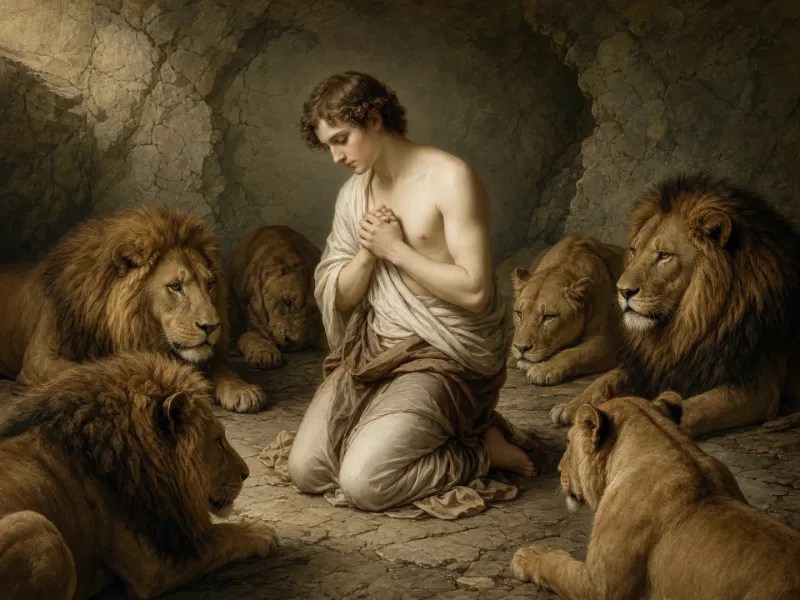
Was the City Destroyed Because of Homosexuality?
A Painful and Misused Question
We must approach this question with great sensitivity and a gentle heart. For too long, this story has been taken up as a weapon, used to wound, condemn, and exclude many of our brothers and sisters.¹⁶ For centuries, many have taught that the primary sin of Sodom, the reason for its fiery destruction, was same-sex behavior.¹¹ But when we look closely at the sacred text, and at the world from which it came, a very different and more complex picture begins to emerge.
Violence and Humiliation, Not Love
The demand of the mob in Genesis 19 was not about love. It was not about affection, or tenderness, or a consensual relationship between two people. It was a clear and unambiguous threat of violent gang rape. In the ancient world, this was a common and brutal tactic of humiliation and domination, a way for a group to assert its power over outsiders, to shame and violate them.¹⁴ The men of Sodom’s intent was violent, not romantic.⁶ To compare this brutal act of coercive violence to a loving, committed, and mutual same-sex relationship is to compare a violent assault to a tender embrace. They are simply not the same thing.
The Parallel Story of Gibeah (Judges 19)
The Bible itself gives us a key to understanding the true nature of this sin. In the book of Judges, we find a story that is a shocking and tragic echo of the events in Sodom. A mob of men in the town of Gibeah surrounds a house and makes the exact same demand about a male guest: “Bring out the man…so we can have sex with him” (Judges 19:22).⁶ In this horrifying case, the mob’s violent lust is redirected, and they seize the man’s concubine, whom they rape and abuse throughout the night until she is dead.
This parallel story makes it painfully clear that the central issue was not the gender of the person being sought the act of violent, dehumanizing rape itself.¹⁴ The sin was the desire to dominate and destroy another human being through sexual violence.
Understanding “Strange Flesh” in Jude
In the New Testament, the Letter of Jude says that the people of Sodom “indulged in gross immorality and went after strange flesh” (Jude 1:7).²² Some have interpreted this phrase, “strange flesh,” to mean homosexual relations. But a closer look at the original Greek,
sarkos heteras, and the context of the letter suggests another, deeper meaning. The verse just before this one (Jude 1:6) speaks of the angels who “abandoned their proper dwelling.” Many scholars, therefore, believe that “strange flesh” refers to the men of Sodom attempting to have relations with angels—flesh of a “different kind” (heteras) from their own human flesh.¹⁴
This points not to a sin of human love to a sin of cosmic arrogance. It is the prideful rebellion of humanity trying to violate the sacred boundaries between the human and the divine, much like the story of the Nephilim in Genesis 6, where heavenly beings had relations with human women.¹⁴ This is a sin against God’s created order, not a simple condemnation of a type of human relationship.
It is also important for us to know that the interpretation of Sodom’s sin has changed over time. The earliest Christian and Jewish interpreters, like the prophets Isaiah and Jeremiah, did not focus on same-sex behavior. They spoke of pride, injustice, and especially inhospitality.¹⁴ It was not until centuries later, in a different cultural context, that the story began to be read primarily as a condemnation of homosexuality.⁶ This history frees us to ask what the text meant in its own time, and what its primary message—about pride, violence, and injustice—says to our hearts today, rather than being bound to a later, more narrow interpretation that has been the cause of so much harm.¹⁹
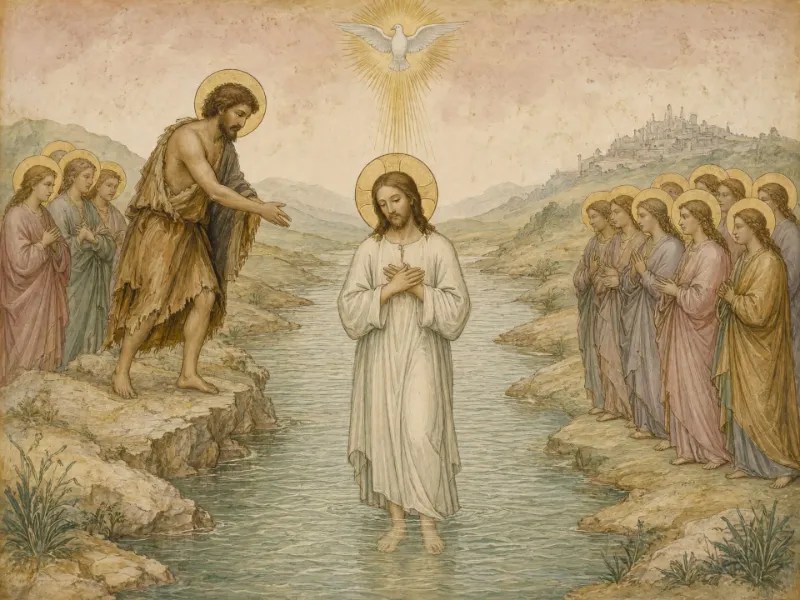
What Does the Prophet Ezekiel Say Was Sodom’s Real Sin?
A Clear Voice from a Prophet
Centuries after the destruction of Sodom, God spoke through the prophet Ezekiel and gave a very clear and direct diagnosis of the city’s sickness. This is not a minor detail or a footnote; it is one of the most important commentaries on the sin of Sodom in the entire Bible. We must listen to it with great care and an open heart.
The Sins of a Complacent Heart
Ezekiel proclaims, “Now this was the sin of your sister Sodom: She and her daughters were arrogant, overfed and unconcerned; they did not help the poor and needy” (Ezekiel 16:49).⁴ Let us pause and feel the weight of these words. The prophet does not begin with sexual sin. He begins with the sins of the heart and the sins of society. Let us look at them one by one.
- Pride and Arrogance: They were “arrogant” and “haughty” (v. 50). This is the root of all sin, what ancient writers called the “queen of all vices”.²⁶ It is the pride that makes us think we are self-sufficient, that we are the masters of our own lives, that we do not need God or our neighbor.²⁷ It is the sin of the corrupt person who justifies their own life and looks down on others with contempt.³⁰
- Prosperity and Indifference: They were “overfed” and “unconcerned.” The Bible says they had an “abundance of idleness”.⁴ Their material prosperity, which should have been a blessing from God to be shared, became a curse. It made them comfortable, lazy, and closed in on themselves. Their hearts grew hard and cold, wrapped in the illusion of their own security.
- Injustice and Lack of Mercy: The terrible result of this pride and comfort was a grave social sin: “they did not help the poor and needy.” They had plenty they refused to share it. They saw the suffering at their city gate they did not “strengthen the hand” of the weak and vulnerable.⁴ This is a direct and scandalous rejection of the justice and righteousness that God had commanded Abraham to teach his children (Genesis 18:19).
The Danger of a “Gospel of Prosperity”
Ezekiel’s powerful words are a timeless warning against what some today call a “gospel of prosperity”.³¹ This is the false and dangerous idea that material wealth is always a sign of God’s favor, and that poverty is a sign of personal failure or a lack of faith.³² This is not the Gospel of Jesus Christ. The Gospel is not about getting rich; it is about healing the wounded, freeing the oppressed, and living in poverty of spirit.³³ The story of Sodom shows us that a life focused on wealth and comfort can lead to a spiritual death, a state where we become so full of ourselves and our things that there is no room left for God or for the poor.³⁵
What About “Abominations”?
The very next verse in Ezekiel says, “They were haughty and did detestable things (abominations) before me” (Ezekiel 16:50). Some have argued that this word, toevah in Hebrew, must refer to the homosexual acts that are condemned as an abomination in the book of Leviticus.³⁷ This is one way to understand the word. But we must be careful. This same word is used over 100 times in the Old Testament, and the vast majority of those times it refers to other sins, especially idolatry and social injustice.¹⁴ In the context of Ezekiel’s prophecy, the “abominations” are the natural and rotten fruit that grows from the poisoned tree of pride and injustice. A heart that has abandoned God and turned its back on the poor will inevitably fall into all kinds of disordered and detestable actions.¹⁶ The sins are all connected, flowing from the same poisoned well of pride.
So, What Was the True Sickness in Sodom’s Heart?
A Sickness of the Whole Person
As we have seen, the sin of Sodom was not one isolated act. It was a deep sickness, a spiritual cancer that had infected the entire city, from the powerful to the ordinary, “both young and old”.⁷ It is like what one might call an “osteoporosis of the soul”—the city may have looked prosperous and strong on the outside its inner structure, its moral bones, were rotten and collapsing.³⁹
The Poisoned Root of Pride
The root of this sickness was pride.⁴ Pride is “the great antagonist,” the sin that “swells the human heart, making us appear to be more than we are”.²⁷ The people of Sodom were arrogant. They were self-sufficient. They forgot that they were creatures, made from
humus, the humble earth.²⁹ This pride poisoned everything. It led them to believe that their wealth was their own doing, that they deserved their comfort, and that they owed nothing to anyone—least of all to the poor at their gates or the stranger seeking shelter.⁴
The Rotten Fruit: A “Throwaway Culture”
This deep-seated pride produced a society that we might today call a “throwaway culture.” It was a culture of powerful and violent inhospitality. The stranger was not seen as a gift from God as a threat to be interrogated or a body to be violated.¹⁰ The poor were not seen as brothers and sisters to be helped as an inconvenience to be ignored and discarded.⁴¹ This is the very essence of their social injustice. They had created a closed society, a fortress of comfort for themselves, and they violently rejected anyone who was outside or in need.
A Cascade of Sins
From this poisoned root of pride and this cold culture of exclusion, all the other sins flowed like dirty water from a polluted spring. The “abominations” and “sensual conduct” that the Bible speaks of were the inevitable result.³⁷ When a society rejects God’s fundamental law of love for neighbor, it loses its moral compass. Human relationships become twisted into contests of power and use, not expressions of love and gift. The attempted gang rape of the angels was the ultimate and horrifying expression of this total corruption: a single act that was violent, inhospitable, prideful, and dehumanizing all at once.⁴³
The Bible presents a unified, yet layered, picture of Sodom’s fall. Different sacred authors highlight different aspects of the same core spiritual sickness, helping us see the problem from all sides.
| Biblical Passage | Key Phrase or Description | Primary Sin Highlighted | Pastoral Insight |
|---|---|---|---|
| Genesis 19:5 | “Bring them out to us, that we may know them.” | Violent Inhospitality; Attempted Gang Rape | A rejection of the sacred duty to protect the stranger, twisting human relations into domination and use. |
| Ezekiel 16:49 | “Arrogant, overfed and unconcerned; they did not help the poor and needy.” | Pride and Social Injustice | A heart closed by comfort and self-sufficiency cannot see or serve the needy neighbor. This is the heart of a “throwaway culture.” |
| Jude 1:7 | “Indulged in sexual immorality and pursued unnatural desire.” | Grave Sexual Depravity; Cosmic Rebellion | A society that has lost its moral compass gives itself over to all forms of disordered passions, even rebelling against God’s created order. |
| Matthew 10:14-15 | “If anyone will not welcome you…it will be more tolerable for Sodom.” | Rejection of God’s Messengers | Closing the door to the Gospel and its bearers is a sin graver than that of Sodom, for it is a direct rejection of God’s offer of mercy. |
How Did Jesus Speak About Sodom?
The Words of the Master
When we truly want to understand the heart of a biblical story, we must always turn to Jesus. How did He understand this story? What lesson did He draw from it for His followers? When Jesus speaks of Sodom, His words are a powerful confirmation of what we have been discovering, and they challenge us deeply.
A Warning Against Inhospitality
In the Gospels of Matthew and Luke, Jesus sends His disciples out on a mission to proclaim the Good News. He tells them to go into the towns and villages, and then He gives them a stark and shocking warning: “If anyone will not welcome you or listen to your words, shake off the dust from your feet as you leave that house or town. Truly I tell you, it will be more tolerable for the land of Sodom and Gomorrah on the day of judgment than for that town” (Matthew 10:14-15).¹¹
A Deeper Sin
This reveals a powerful spiritual truth. The sin of rejecting God’s direct offer of grace and mercy is more severe than the sins of a city that did not have that same revelation. Sodom’s sin was grievous the sin of those who hear the Gospel and turn away is graver still, because it is a rejection of a personal encounter with Jesus Christ.³⁴
A Call to Open Our Doors
Jesus’ use of this story is a powerful lesson for the Church in every age. The Church is called to be a place of welcome, a “field hospital” for the wounded, not a fortress with closed gates and high walls.³⁹ We are called to go out to the peripheries of society and welcome everyone, especially those who feel rejected, judged, or far away from God.⁴⁷ Jesus’s words turn the story of Sodom from a weapon used to exclude people into a powerful challenge for us to open our own doors, and our own hearts, ever wider.
What Can We Learn from Lot’s Troubling Actions?
The Tragedy of a Compromised Heart
We must be honest with the whole story, including the parts that make us deeply uncomfortable and sad. The Bible calls Lot a “righteous man” who was “tormented” day after day by the wickedness he saw around him (2 Peter 2:7-8).⁴² And yet, in a moment of terror and confusion, this same “righteous” man offers his two virgin daughters to a violent, lust-crazed mob.¹³ This is a horrifying and inexcusable act.⁵⁰
Poisoned by the Culture
How could a righteous man do such a thing? The story of Lot is a tragic lesson in the danger of compromise and cultural accommodation.⁵¹ Lot chose to live in Sodom. He began by “pitching his tent toward Sodom” (Genesis 13:12). Little by little, day by day, the poison of that place seeped into his soul. He had lived for so long in a culture that devalued women, that was obsessed with violence and power, that in a moment of crisis, his moral compass failed him.¹³ He made a terrible choice, perhaps thinking he was choosing the “lesser of two evils,” but as the saints teach us, of two sins, we must choose neither.⁵⁰
The Progression of Sin
Lot’s life is a solemn warning to us about the slow, subtle progression of sin.⁵³ We do not wake up one day and decide to abandon God. We drift. We pitch our tent a little closer to the world, a little further from God. We get used to the noise, the injustice, the casual cruelty of the culture around us. We become like the frog in the pot of water that is slowly, imperceptibly being heated to a boil. And then, when a crisis comes, we find that our spiritual strength and our moral clarity are gone. We cannot drift into godliness; it takes daily, focused effort to swim against the current of the world.⁵³
The Sins of the Family
The tragedy does not end with the escape from Sodom. In the darkness of the cave, Lot’s daughters, believing the world has ended and they are the last people on earth, commit incest with their father.⁵⁴ Though Lot has left Sodom, Sodom has not left his family.⁵⁴ The daughters have learned the corrupt values of their culture: to use deception and even violation to get what they want. In a tragic and ironic turn, the man who was willing to offer his daughters to be raped is in a way, raped by his own daughters.¹⁵ Sin has come back on the sinner. This sordid tale shows how sin is a poison that infects not just individuals entire families and generations. The children of these unions, Moab and Ammon, go on to become the enemies of God’s people.¹⁵ It is a powerful reminder that our choices have consequences that ripple out far beyond ourselves.
What About the Fire and Brimstone? Have We Found These Lost Cities?
A Real Event, A Lasting Memory
The destruction of Sodom and Gomorrah was not just a fable or a myth. It was a real, catastrophic event that seared itself into the memory of the people of the Bible.¹² For thousands of years, people have looked for these lost cities, and today, archaeologists are digging in the earth near the Dead Sea, uncovering clues that bring this ancient story to life in a remarkable way.
The Search in the Earth
There are two main theories about where Sodom was located, and both have intriguing evidence.
- The Southern Theory: For many years, scholars looked to the south of the Dead Sea. There they found the ruins of two ancient cities, Bab edh-Dhra and Numeira, that were violently destroyed by fire around the time of Abraham. This area is also rich in natural bitumen and sulfur—the “brimstone” the Bible speaks of. Some believe a great earthquake could have ignited these materials, causing a fiery catastrophe that rained down from the sky.⁵⁷
- The Northern Theory: More recently, another team of archaeologists has been excavating a massive city to the north of the Dead Sea called Tall el-Hammam.⁵⁹ They have found evidence of an incredible, high-temperature explosion that happened in an instant, melting pottery and mudbricks into glass. They believe a meteor may have exploded in the air above the city, a “cosmic airburst” that would have been like the fire from heaven described in Genesis.⁵⁶
The Pastoral Meaning of the Ruins
We do not need to be archaeologists to understand the powerful lesson here. Whether the fire came from the earth below or the heavens above, the message for our hearts is the same. The ruins of these cities, buried for millennia under layers of ash and salt, are a permanent monument. They are, as the apostle Peter wrote, an “example of what is going to happen to the ungodly” (2 Peter 2:6).¹⁷
They are a testament to the reality that sin has consequences, and that a society that completely turns its back on God and on the poor is building itself on unstable ground. God is patient and merciful, as He was with Abraham His justice is also real. These ruins remind us that history is in God’s hands, and that prideful civilizations that seem all-powerful can be brought to nothing in a moment.⁶³
What Is the Message of Sodom for Our Hearts Today?
A Mirror, Not a Stone
We have arrived at the end of our journey together. What have we learned? The most important lesson is this: the story of Sodom is not a stone to be thrown at others. It is a mirror to be held up to our own hearts, our own churches, and our own world.¹⁹ The question is not, “Are they like Sodom?” The question that should pierce our hearts is, “In what ways are we like Sodom?”
The Cry of the Poor
Do we live in a world of “fulness of bread,” surrounded by unimaginable comfort and technology, yet remain “unconcerned” about the poor and the needy at our gates?.⁶⁴ Do we truly hear the cry of the migrant, the refugee, the homeless person, the one who is trafficked and exploited? Or have our hearts become hardened and insulated by our own prosperity? The prophet Ezekiel tells us that the sin of Sodom was to ignore the cry of the poor. This is a sin that should make us tremble.
The Welcome of the Stranger
Are our churches and our communities places of radical hospitality? Do we welcome the stranger, the outsider, the one who is different, the one who makes us uncomfortable? Or have we built walls of “good manners” and “right opinions” that keep people out?.⁴⁷ Jesus Himself warned that it would be more tolerable for Sodom on the day of judgment than for a town that did not welcome His messengers. Let us pray for the grace to have hearts and doors that are always open.
The Sickness of Pride
Do we suffer from the sickness of pride, believing that we are righteous and others are sinners? Do we use our faith as a sign of our own superiority, or as a gift to be shared in humility? Humility, as we are taught, is the “gateway to all the virtues”.²⁹ It is what saves us from the Evil One. The people of Sodom were destroyed by their arrogance. We are saved by the humility of Jesus Christ, who emptied Himself and came to serve, not to be served.
The Final Word is Mercy
In the end, the story begins with Abraham pleading for mercy and ends with God’s judgment. But for us, who live after the Cross and Resurrection of Jesus, the story points to a greater and more beautiful truth. We are all sinners. We have all, in some way, pitched our tents toward Sodom. Our hearts can be proud and our hands can be closed. But God’s mercy is always greater than our sin.¹ He is always waiting for us, His hand outstretched, ready to pull us from the fire.³⁰ The story of Sodom is a dark story it makes the light of God’s mercy—the mercy we see on the face of Jesus—shine all the more brightly. Let us allow ourselves to be enveloped by that mercy, and let us spend our lives sharing its warmth with a world that is so often cold and broken. Amen.
Bibliography:1. Sin – Pope Francis Homilies, accessed June 20, 2025, https://www.popefrancishomilies.com/sin
- Pope Francis: Year of Mercy a Time to Heal, Help, Forgive | America …, accessed June 20, 2025, https://www.americamagazine.org/issue/pope-francis-year-mercy-time-heal-help-forgive
- Genesis 18:16-19 Devotional – Sodom and Gomorrah – Spoken Gospel, accessed June 20, 2025, https://www.spokengospel.com/devotionals/genesis-1816-19
- Ezekiel 16:49 Commentaries: “Behold, this was the guilt of your …, accessed June 20, 2025, https://biblehub.com/commentaries/ezekiel/16-49.htm
- Ezekiel 16:49 – Bible Verse Meaning and Commentary, accessed June 20, 2025, https://www.biblestudytools.com/commentaries/gills-exposition-of-the-bible/ezekiel-16-49.html
- Was Homosexuality the Sin of Sodom and Gomorrah? – The Reformation Project, accessed June 20, 2025, https://reformationproject.org/was-homosexuality-the-sin-of-sodom-and-gomorrah/
- Genesis 18:16-19:29 NIV – Abraham Pleads for Sodom – When the …, accessed June 20, 2025, https://www.biblegateway.com/passage/?search=Genesis%2018%3A16-19%3A29&version=NIV
- Sodom and Gomorrah from an Eschatological Perspective – Digital Commons @ Andrews University, accessed June 20, 2025, https://digitalcommons.andrews.edu/cgi/viewcontent.cgi?article=1319&context=jats
- What Was the Sin of Sodom and Gomorrah? – STR.org, accessed June 20, 2025, https://www.str.org/w/what-was-the-sin-of-sodom-and-gomorrah-
- What Was the Sin of Sodom and Gomorrah? – STR.org, accessed June 20, 2025, https://www.str.org/w/what-was-the-sin-of-sodom-and-gomorrah-1
- Sodom and Gomorrah | Description, Summary, & Controversy – Britannica, accessed June 20, 2025, https://www.britannica.com/place/Sodom-and-Gomorrah
- Sodom and Gomorrah – Bible Story Verses & Meaning, accessed June 20, 2025, https://www.biblestudytools.com/bible-stories/sodom-and-gomorrah.html
- The Escape from Sodom (Gen. 19:1-22) – All Peoples Church, accessed June 20, 2025, https://www.allpeoplesminneapolis.com/sermons-1/4vuoq51x9ucqzf9rj0k85bq5bisija
- Sodom and Gomorrah addresses gang rape, not a loving relationship – The Reformation Project, accessed June 20, 2025, https://reformationproject.org/case/sodom-and-gomorrah/
- Lot Offers the Mob His Daughters . . . and Is Righteous? | Catholic Answers Magazine, accessed June 20, 2025, https://www.catholic.com/magazine/online-edition/lot-offers-the-mob-his-daughters-and-is-righteous
- Was Sodom and Gomorrah Really About Homosexuality? | Catholic Answers Podcasts, accessed June 20, 2025, https://www.catholic.com/audio/caf/was-sodom-and-gomorrah-really-about-homosexuality
- 2 Peter 2:6 – if he condemned the cities of Sodom and Gomorrah b …, accessed June 20, 2025, https://www.biblestudytools.com/2-peter/2-6.html
- Sodom and Gomorrah – Wikipedia, accessed June 20, 2025, https://en.wikipedia.org/wiki/Sodom_and_Gomorrah
- Sermon 05.18.2025: Breaking Bread: Welcome to Sodom & Gomorrah!, accessed June 20, 2025, https://www.calvarypresbyterian.org/worship/05-18-2025-welcome-to-sodom-gomorrah
- Sodom and Gomorrah: What Was the Primary Sin? | Answers in Genesis, accessed June 20, 2025, https://answersingenesis.org/contradictions-in-the-bible/what-was-primary-sin-sodom-gomorrah/
- How should Ezekiel 16:49–50 be read? Is it one sin, two, or a list? – Reddit, accessed June 20, 2025, https://www.reddit.com/r/AcademicBiblical/comments/v8pknb/how_should_ezekiel_164950_be_read_is_it_one_sin/
- as Sodom and Gomorrah, and the cities around them in a similar manner to these, having given themselves over to sexual immorality and gone after strange flesh, are set forth as an example, suffering the vengeance of eternal fire. – Bible.com, accessed June 20, 2025, https://www.bible.com/bible/compare/JUD.1.7
- Jude 7 ESV – just as Sodom and Gomorrah and the… – Biblia, accessed June 20, 2025, https://biblia.com/bible/esv/jude/7
- What is the strange flesh in Jude 1:7? | GotQuestions.org, accessed June 20, 2025, https://www.gotquestions.org/strange-flesh.html
- Jude 1:7 In like manner, Sodom and Gomorrah and the cities around them, who indulged in sexual immorality and pursued strange flesh, are on display as an example of those who sustain the punishment of eternal fire. – Bible Hub, accessed June 20, 2025, https://biblehub.com/jude/1-7.htm
- Pope says vice of pride destroys human relationships – Rome Reports, accessed June 20, 2025, https://www.romereports.com/en/2024/03/06/pope-says-vice-of-pride-destroys-human-relationships/
- http://www.americamagazine.org, accessed June 20, 2025, https://www.americamagazine.org/faith/2024/05/22/pope-francis-general-audience-humility-247997#:~:text=It%20is%20the%20great%20antagonist,limited%2C%20with%20qualities%20and%20flaws.
- Pope at Audience: Humility essential for Christian life, brings world peace – Vatican News, accessed June 20, 2025, https://www.vaticannews.va/en/pope/news/2024-05/pope-at-audience-humility-essential-for-christian-life.html
- Pope Francis: Humility is the path to salvation – America Magazine, accessed June 20, 2025, https://www.americamagazine.org/faith/2024/05/22/pope-francis-general-audience-humility-247997
- Pope Francis’ Theology of Sin for the Year of Mercy| National …, accessed June 20, 2025, https://www.ncregister.com/commentaries/pope-francis-theology-of-sin-for-the-year-of-mercy
- The Dangers of the Prosperity Gospel – Word on Fire, accessed June 20, 2025, https://www.wordonfire.org/articles/barron/the-dangers-of-the-prosperity-gospel/
- The Prosperity (Anti-)Gospel – The University of Chicago Divinity School, accessed June 20, 2025, https://divinity.uchicago.edu/sightings/articles/prosperity-anti-gospel
- Church preaches healing, freedom, not prosperity, pope says | National Catholic Reporter, accessed June 20, 2025, https://www.ncronline.org/blogs/francis-chronicles/church-preaches-healing-freedom-not-prosperity-pope-says
- “Evangelii Gaudium”: Apostolic Exhortation on the Proclamation of the Gospel in Today’s World (24 November 2013) | Francis – The Holy See, accessed June 20, 2025, https://www.vatican.va/content/francesco/en/apost_exhortations/documents/papa-francesco_esortazione-ap_20131124_evangelii-gaudium.html
- Pope Francis Denounces Prosperity Gospel Preachers Who Worship Money – Christian Post, accessed June 20, 2025, https://www.christianpost.com/news/pope-francis-denounces-prosperity-gospel-preachers-who-worship-money.html
- Pope Francis rips ‘bloodsucking’ bosses and prosperity theology | America Magazine, accessed June 20, 2025, https://www.americamagazine.org/issue/pope-francis-rips-bloodsucking-bosses-and-prosperity-theology
- IDENTIFYING THE SIN OF SODOM IN EZEKIEL 16:49–50 – Evangelical Theological Society, accessed June 20, 2025, https://etsjets.org/wp-content/uploads/2018/07/files_JETS-PDFs_61_61-2_JETS_61.2_307-320_-Peterson.pdf
- Pride Month and Ezekiel 16:49 – Denny Burk, accessed June 20, 2025, https://www.dennyburk.com/pride-month-and-ezekiel-1649/
- A way with words: Pope Francis wove vivid metaphors – Catholic …, accessed June 20, 2025, https://catholicreview.org/a-way-with-words-pope-francis-wove-vivid-metaphors/
- The art of the word: Pope Francis’ vivid metaphors – Omnes, accessed June 20, 2025, https://www.omnesmag.com/en/news/pope-francisco-metaphors/
- Pope Francis: be merciful towards others to receive mercy from the Lord – Vatican News, accessed June 20, 2025, https://www.vaticannews.va/en/pope-francis/mass-casa-santa-marta/2018-02/pope-francis-homily-santa-marta-lent-not-judging-mercy.html
- 2 Peter 2:6-9 Share – Bible.com, accessed June 20, 2025, https://www.bible.com/bible/compare/2PE.2.6-9
- THE SIN OF SODOM REVISITED: READING GENESIS 19 IN LIGHT …, accessed June 20, 2025, https://etsjets.org/wp-content/uploads/2016/03/files_JETS-PDFs_59_59-1_JETS_59-1_17-31_Peterson.pdf
- Sodom’s Sin: What Does the Bible Actually Say? | Christian Feminism Today, accessed June 20, 2025, https://eewc.com/sodoms-sin-bible-actually-say/
- Aren’t Jesus’ mentions of Sodom and Gomorrah problematic? : r/Christianity – Reddit, accessed June 20, 2025, https://www.reddit.com/r/Christianity/comments/12cn6hb/arent_jesus_mentions_of_sodom_and_gomorrah/
- The substance behind Pope Francis’ style – UCA News, accessed June 20, 2025, https://www.ucanews.com/news/the-substance-behind-pope-francis-style/70956
- Analysis: Pope Francis leaves multifaceted legacy in style, message …, accessed June 20, 2025, https://www.osvnews.com/analysis-pope-francis-leaves-multifaceted-legacy-in-style-message/
- ANALYSIS: Pope Francis leaves multifaceted legacy in style, message, communications – New Outlook – Diocese of Tucson, accessed June 20, 2025, https://news.diocesetucson.org/news/analysis-pope-francis-leaves-multifaceted-legacy-in-style-message-communications
- 2 Peter 2:6-9 KJV – And turning the cities of Sodom and – Bible Gateway, accessed June 20, 2025, https://www.biblegateway.com/passage/?search=2%20Peter%202%3A6-9&version=KJV
- Genesis 19 Commentary – Matthew Henry Commentary on the Whole Bible (Complete) | Bible Study Tools, accessed June 20, 2025, https://www.biblestudytools.com/commentaries/matthew-henry-complete/genesis/19.html
- Sodom and Gomorrah | Reformed Bible Studies & Devotionals at Ligonier.org, accessed June 20, 2025, https://learn.ligonier.org/devotionals/sodom-and-gomorrah
- No Compromise: Lessons from Lot in Genesis 19 | Knollwood Baptist Church, accessed June 20, 2025, https://www.knollwood.ca/blog/no-compromise-lessons-from-lot-in-genesis-19
- Surviving Sodom: Four Lessons From Lot | JD Greear Ministries, accessed June 20, 2025, https://jdgreear.com/surviving-sodom-four-lessons-from-lot/
- Genesis – The Fall of Lots Household (Genesis 19:30-38) – All Peoples Church, accessed June 20, 2025, https://www.allpeoplesminneapolis.com/sermons-1/genesis-the-fall-of-lots-household-genesis-1930-38
- The Story of Sodom and Gomorrah is Beyond Disturbing. : r/Christianity – Reddit, accessed June 20, 2025, https://www.reddit.com/r/Christianity/comments/1gv57bo/the_story_of_sodom_and_gomorrah_is_beyond/
- Sodom and Gomorrah | A Historical, Archaeological and Theological …, accessed June 20, 2025, https://www.theotivity.com/post/sodom-and-gomorrah-a-historical-archaeological-and-theological-analysis/
- The Discovery of the Sin Cities of Sodom & Gomorrah, accessed June 20, 2025, https://biblearchaeology.org/research/patriarchal-era/2364-the-discovery-of-the-sin-cities-of-sodom-and-gomorrah
- Have We Found Sodom? | Answers in Genesis, accessed June 20, 2025, https://answersingenesis.org/archaeology/have-we-found-sodom/
- Uncovering the Biblical City of Sodom | ArmstrongInstitute.org, accessed June 20, 2025, https://armstronginstitute.org/1178-uncovering-the-biblical-city-of-sodom
- The Search for Sodom: Claims and Controversy Part 2 – Montgomery Community Media, accessed June 20, 2025, https://www.mymcmedia.org/the-search-for-sodom-claims-and-controversy-part-2/
- Archaeology and the Destruction of Sodom – Aish.com, accessed June 20, 2025, https://aish.com/archaeology-and-the-destruction-of-sodom/
- 2 Peter 2:6 if He condemned the cities of Sodom and Gomorrah to destruction, reducing them to ashes as an example of what is coming on the ungodly; – Bible Hub, accessed June 20, 2025, https://biblehub.com/2_peter/2-6.htm
- Annihilationism, 2 Peter 2:6, Sodom and Gomorrah were reduced to ashes – CARM.org, accessed June 20, 2025, https://carm.org/annihilationism/annihilationism-and-2-peter-26-sodom-and-gomorrah-were-reduced-to-ashes/
- Acts of mercy – Pope Francis Homilies, accessed June 20, 2025, https://www.popefrancishomilies.com/acts-of-mercy
- The poor cannot keep waiting for justice, solidarity, pope says | USCCB, accessed June 20, 2025, https://www.usccb.org/news/2024/poor-cannot-keep-waiting-justice-solidarity-pope-says
- General Audience of 22 May 2024 – Cycle of Catechesis. Vices and Virtues. 20. Humility | Francis – The Holy See, accessed June 20, 2025, https://www.vatican.va/content/francesco/en/audiences/2024/documents/20240522-udienza-generale.html


Leave a Reply