
 English
 Chinese
 Dutch
 Arabic
 Spanish
 Portuguese
 Russian
 French
 Italian
 German
 Japanese
The Bible traces wickedness to the human heart and gives two answers to it: God judges it, and God calls the wicked to turn and live. Exodus 34:7 sets forgiveness and punishment in one sentence.
Genesis 6:5 and Mark 7:21-23 locate wickedness in the heart, and Ezekiel 18:23 says the Lord takes no pleasure in the death of the wicked. In Romans 3:10-18 Paul builds one charge out of the Old Testament, quoting Psalm 14, Psalm 5, Psalm 140, Psalm 10, Isaiah 59 and Psalm 36 to support his statement that “Jews and Gentiles alike are all under the power of sin” (Romans 3:9).
Where wickedness starts

Genesis 6:5
“The LORD saw how great the wickedness of the human race had become on the earth, and that every inclination of the thoughts of the human heart was only evil all the time.”
Reflection: The verse comes just before the flood. The next verses say the Lord “regretted that he had made human beings on the earth” and resolved to wipe them out, and then: “But Noah found favor in the eyes of the Lord” (Genesis 6:8). After the flood God describes the human heart in almost the same words, and this time with a promise: “Never again will I curse the ground because of humans, even though every inclination of the human heart is evil from childhood” (Genesis 8:21).

Jeremiah 17:9
“The heart is deceitful above all things and beyond cure. Who can understand it?”
Reflection: Jeremiah sets this line after a contrast between the person who trusts in man, “like a bush in the wastelands,” and the one who trusts in the Lord, “like a tree planted by the water” (Jeremiah 17:5-8). The question “Who can understand it?” is answered in the next verse: “I the Lord search the heart and examine the mind, to reward each person according to their conduct.”
Mark 7:21-23
“For it is from within, out of a person’s heart, that evil thoughts come—sexual immorality, theft, murder, adultery, greed, malice, deceit, lewdness, envy, slander, arrogance and folly. All these evils come from inside and defile a person.”
Reflection: Jesus is explaining to his disciples, in the house, a saying he had given the crowd: nothing that goes into a person defiles them, but what comes out does. Mark adds, “In saying this, Jesus declared all foods clean” (Mark 7:19). The list runs from acts such as theft and murder to attitudes such as envy, arrogance and folly, and Jesus says all of them come from inside. Matthew 15:19 records the same teaching with a shorter list.
Romans 3:10-12
“As it is written: ‘There is no one righteous, not even one; there is no one who understands; there is no one who seeks God. All have turned away, they have together become worthless; there is no one who does good, not even one.’”
Reflection: Paul opens with “As it is written” and quotes Psalm 14:1-3, where the Lord looks down from heaven “to see if there are any who understand, any who seek God.” He follows it with lines from Psalm 5:9, Psalm 140:3, Psalm 10:7, Isaiah 59:7-8 and Psalm 36:1 (Romans 3:13-18). Verse 20 draws the conclusion: “no one will be declared righteous in God’s sight by the works of the law; rather, through the law we become conscious of our sin.”
What wickedness does

Proverbs 6:16-19
“There are six things the LORD hates, seven that are detestable to him: haughty eyes, a lying tongue, hands that shed innocent blood, a heart that devises wicked schemes, feet that are quick to rush into evil, a false witness who pours out lies and a person who stirs up conflict in the community.”
Reflection: The list moves through the body, from eyes and tongue to hands, heart and feet, and then names two kinds of person: the false witness and the one who “stirs up conflict in the community.” The verses just before describe a troublemaker who “plots evil with deceit in his heart” and “always stirs up conflict” (Proverbs 6:14), and the seventh item repeats that phrase.

Psalm 36:1-4
“I have a message from God in my heart concerning the sinfulness of the wicked: There is no fear of God before their eyes. In their own eyes they flatter themselves too much to detect or hate their sin. The words of their mouths are wicked and deceitful; they fail to act wisely or do good. Even on their beds they plot evil; they commit themselves to a sinful course and do not reject what is wrong.”
Reflection: David describes the wicked from the inside: no fear of God, a self-flattery that keeps them from seeing their own sin, and plans made “even on their beds.” The psalm then turns to God, whose love “reaches to the heavens” (Psalm 36:5), and ends with the evildoers “thrown down, not able to rise” (Psalm 36:12). Paul quotes “There is no fear of God before their eyes” in Romans 3:18.
Isaiah 59:7-8
“Their feet rush into sin; they are swift to shed innocent blood. They pursue evil schemes; acts of violence mark their ways. The way of peace they do not know; there is no justice in their paths. They have turned them into crooked roads; no one who walks along them will know peace.”
Reflection: The chapter opens: “Surely the arm of the Lord is not too short to save, nor his ear too dull to hear. But your iniquities have separated you from your God” (Isaiah 59:1-2). Tongue, hands and feet appear in the charge that follows, as they do in Proverbs 6:16-19. Paul uses these lines in Romans 3:15-17.

Galatians 5:19-21
“The acts of the flesh are obvious: sexual immorality, impurity and debauchery; idolatry and witchcraft; hatred, discord, jealousy, fits of rage, selfish ambition, dissensions, factions and envy; drunkenness, orgies, and the like. I warn you, as I did before, that those who live like this will not inherit the kingdom of God.”
Reflection: Paul sets the acts of the flesh against “the fruit of the Spirit” in the next verses: love, joy, peace, forbearance, kindness, goodness, faithfulness, gentleness and self-control (Galatians 5:22-23). His list puts hatred, discord, jealousy and factions beside sexual immorality and drunkenness. The warning, given “as I did before,” is that “those who live like this will not inherit the kingdom of God.”
Romans 6:23
“For the wages of sin is death, but the gift of God is eternal life in Christ Jesus our Lord.”
Reflection: In verse 19 Paul describes his readers as former slaves to “ever-increasing wickedness.” He asks what they gained from the things they now regret. Death was the only wage sin paid them, while eternal life comes as God’s gift in Christ.
When the wicked prosper, and how they end
Psalm 10:7
“His mouth is full of lies and threats; trouble and evil are under his tongue.”
Reflection: The psalm opens with a complaint, “Why, Lord, do you stand far off?” It describes a wicked man whose “ways are always prosperous” (Psalm 10:5), who hunts down the weak and says to himself, “God will never notice” (Psalm 10:11). The psalmist answers with a request: “Break the arm of the wicked man; call the evildoer to account for his wickedness that would not otherwise be found out” (Psalm 10:15).

Psalm 73:3
“For I envied the arrogant when I saw the prosperity of the wicked.”
Reflection: Asaph admits his feet “had almost slipped” (Psalm 73:2) when he watched the wicked stay healthy and “go on amassing wealth” (Psalm 73:12), while he wondered whether he had kept his heart pure “in vain” (Psalm 73:13). The question troubled him “till I entered the sanctuary of God; then I understood their final destiny” (Psalm 73:16-17).
Psalm 1:4-6
“Not so the wicked! They are like chaff that the wind blows away. Therefore the wicked will not stand in the judgment, nor sinners in the assembly of the righteous. For the LORD watches over the way of the righteous, but the way of the wicked leads to destruction.”
Reflection: The psalm sets two ways side by side. The person whose delight is in the law of the Lord is “like a tree planted by streams of water” (Psalm 1:3); the wicked are chaff, the light husk the wind carries off. The last verse sets the way of the righteous, which the Lord watches over, against the way of the wicked, which “leads to destruction.”
Proverbs 10:25
“When the storm has swept by, the wicked are gone, but the righteous stand firm forever.”
Reflection: The proverb does not say what the storm is, but the sayings around it make the same contrast in plain terms: “What the wicked dread will overtake them” (Proverbs 10:24), and “The righteous will never be uprooted, but the wicked will not remain in the land” (Proverbs 10:30).
How God answers wickedness
Psalm 5:4-5
“For you are not a God who is pleased with wickedness; with you, evil people are not welcome. The arrogant cannot stand in your presence; you hate all who do wrong.”
Reflection: David says this in a morning prayer: “In the morning, Lord, you hear my voice” (Psalm 5:3). Two verses later he gives the ground on which he himself comes before God: “But I, by your great love, can come into your house” (Psalm 5:7). Paul quotes verse 9 of this psalm, “Their throat is an open grave,” in Romans 3:13.
Isaiah 57:20-21
“But the wicked are like the tossing sea, which cannot rest, whose waves cast up mire and mud. ‘There is no peace,’ says my God, ‘for the wicked.’”
Reflection: Just before these lines the Lord promises to live “with the one who is contrite and lowly in spirit” (Isaiah 57:15) and says, “Peace, peace, to those far and near … And I will heal them” (Isaiah 57:19). The wicked are set against that promise as a sea that cannot rest. The refrain “There is no peace … for the wicked” also appears at Isaiah 48:22.
Exodus 34:7
“…maintaining love to thousands, and forgiving wickedness, rebellion and sin. Yet he does not leave the guilty unpunished; he punishes the children and their children for the sin of the parents to the third and fourth generation.”
Reflection: The Lord speaks these words when he comes down in the cloud and passes in front of Moses, proclaiming his name: “The Lord, the Lord, the compassionate and gracious God, slow to anger, abounding in love and faithfulness” (Exodus 34:6). Forgiving wickedness and not leaving the guilty unpunished stand in one sentence. Ezekiel 18:20 says of each person’s guilt, “The child will not share the guilt of the parent, nor will the parent share the guilt of the child.”
Nahum 1:3
“The LORD is slow to anger but great in power; the LORD will not leave the guilty unpunished. His way is in the whirlwind and the storm, and clouds are the dust of his feet.”
Reflection: Nahum’s prophecy concerns Nineveh (Nahum 1:1). The first half of the verse repeats words from Exodus 34:6-7, “slow to anger” and “will not leave the guilty unpunished,” and turns them against that city. Verse 7 adds the other side: “The Lord is good, a refuge in times of trouble. He cares for those who trust in him.”

2 Peter 2:9
“…if this is so, then the Lord knows how to rescue the godly from trials and to hold the unrighteous for punishment on the day of judgment.”
Reflection: This is the end of a long sentence that begins in verse 4. Peter lists the angels who sinned, the flood, from which God protected Noah “and seven others,” and Sodom and Gomorrah, from which he rescued Lot, “a righteous man, who was distressed by the depraved conduct of the lawless” (2 Peter 2:7). The chapter is about false teachers, whose “condemnation has long been hanging over them” (2 Peter 2:1-3).
God’s call to the wicked to turn
Ezekiel 18:23
“Do I take any pleasure in the death of the wicked? declares the Sovereign LORD. Rather, am I not pleased when they turn from their ways and live?”
Reflection: The question comes in a chapter where the Israelites say, “The way of the Lord is not just” (Ezekiel 18:29). The Lord answers that a wicked person who turns from their sins “will surely live,” and that none of their offenses “will be remembered against them” (Ezekiel 18:21-22). The chapter ends with the same point addressed to everyone: “For I take no pleasure in the death of anyone, declares the Sovereign Lord. Repent and live!” (Ezekiel 18:32).

Isaiah 55:7
“Let the wicked forsake their ways and the unrighteous their thoughts. Let them turn to the LORD, and he will have mercy on them, and to our God, for he will freely pardon.”
Reflection: The invitation follows “Seek the Lord while he may be found” (Isaiah 55:6). The wicked are told to give up both their ways and their thoughts, and the next verse gives the reason in the same two words: “For my thoughts are not your thoughts, neither are your ways my ways” (Isaiah 55:8).

1 John 1:9
“If we confess our sins, he is faithful and just and will forgive us our sins and purify us from all unrighteousness.”
Reflection: John places the promise of forgiveness between two warnings about denying sin. Verse 8 says that anyone who claims to be without sin is self-deceived. For those who acknowledge their sins, John says that God both forgives what they have done and cleanses them from unrighteousness.

Isaiah 1:18
“‘Come now, let us settle the matter,’ says the LORD. ‘Though your sins are like scarlet, they shall be as white as snow; though they are red as crimson, they shall be like wool.’”
Reflection: The Lord addresses his people as “rulers of Sodom” and “people of Gomorrah” (Isaiah 1:10). He refuses their sacrifices and prayers, saying “Your hands are full of blood!” (Isaiah 1:15), and tells them to “take up the cause of the fatherless; plead the case of the widow” (Isaiah 1:17). The offer of scarlet made white comes with a condition: “If you are willing and obedient, you will eat the good things of the land; but if you resist and rebel, you will be devoured by the sword” (Isaiah 1:19-20).

Ezekiel 36:26
“I will give you a new heart and put a new spirit in you; I will remove from you your heart of stone and give you a heart of flesh.”
Reflection: In Ezekiel 18:31 the people are told to “get a new heart and a new spirit”; here the Lord promises to give them. The promise belongs to a return: “I will gather you from all the countries and bring you back into your own land. I will sprinkle clean water on you, and you will be clean” (Ezekiel 36:24-25). The next verse adds, “I will put my Spirit in you and move you to follow my decrees.”
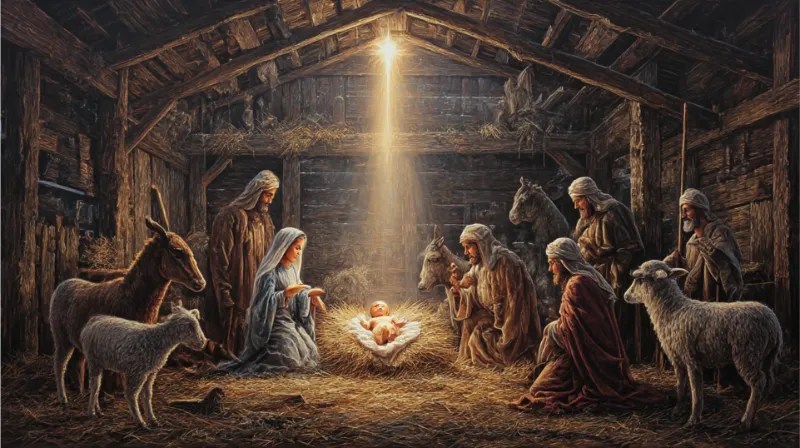
Romans 5:8
“But God demonstrates his own love for us in this: While we were still sinners, Christ died for us.”
Reflection: Two verses earlier Paul writes that “Christ died for the ungodly” (Romans 5:6), and two verses later that this happened “while we were God’s enemies” (Romans 5:10). Earlier in the letter he has written “There is no one righteous, not even one” (Romans 3:10); here he says Christ died for people while they were still sinners.
Judgment and pardon in the same passages
Exodus 34:6-7 holds forgiveness and punishment in one sentence: the Lord forgives “wickedness, rebellion and sin” and does not leave the guilty unpunished. Isaiah 57 places “Peace, peace” (Isaiah 57:19) beside “‘There is no peace,’ says my God, ‘for the wicked’” (Isaiah 57:21), Isaiah 1:18-20 offers cleansing with the sword as the alternative, and Ezekiel 18:21 states the condition plainly: a wicked person who turns away from their sins “will surely live.”
Psalm 5 and Psalm 10 are addressed to God and can be prayed as written. Psalm 10:15 asks God to “call the evildoer to account,” and Psalm 73 records the question of why the wicked prosper being settled when Asaph enters the sanctuary of God (Psalm 73:17).


Leave a Reply