
 English
  Chinese
  Dutch
Dutch  Arabic
  Spanish
  Portuguese
  Russian
  French
  Italian
  German
  Japanese
 The Bible treats purity as something God requires and something God gives. Psalm 24:3-4 asks for clean hands and a pure heart, David prays for God to create one (Psalm 51:10), and 1 John 1:9 promises that God will “purify us from all unrighteousness.” Jesus blesses the pure in heart (Matthew 5:8).
In the Law of Moses purity includes the distinction between clean and unclean animals (Leviticus 20:25-26). The letters apply it to sexual conduct (1 Thessalonians 4:3-4, Hebrews 13:4), to thought (Philippians 4:8) and to care for widows and orphans (James 1:27). Two Greek words for pure recur in the New Testament verses below: katharos, clean (Matthew 5:8, Titus 1:15, James 1:27), and hagnos, pure or free from fault (Philippians 4:8, James 3:17, 1 John 3:3).
A pure heart
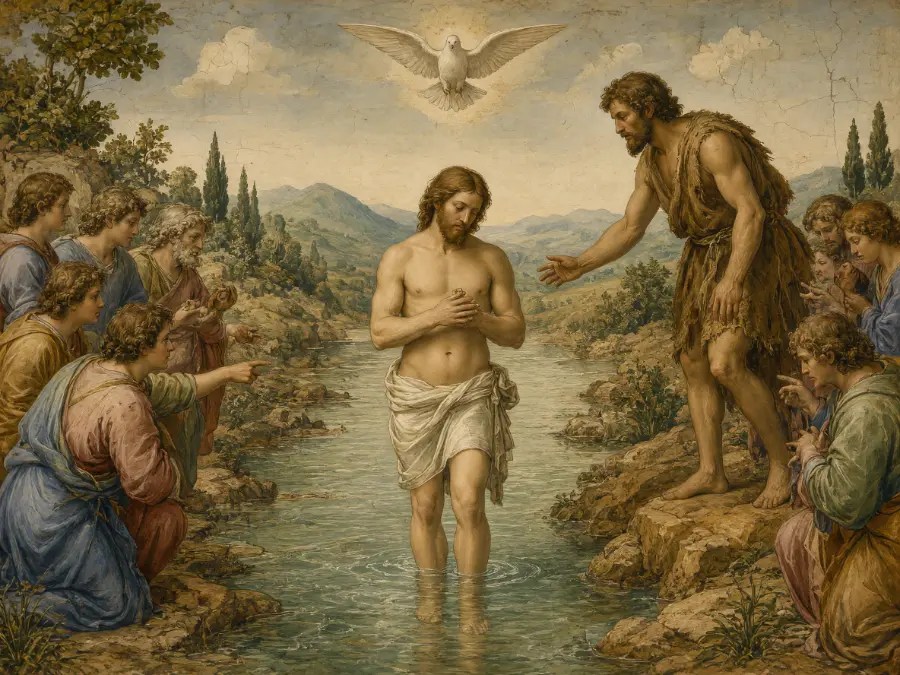
Matthew 5:8
“Blessed are the pure in heart, for they will see God.”
Reflection: Jesus is teaching his disciples on a mountainside at the start of the Sermon on the Mount, and this is the sixth of the beatitudes. The word for pure is katharos, clean, and the promise attached to it is seeing God. Psalm 24 ties a pure heart to the same hope of coming into God’s presence.
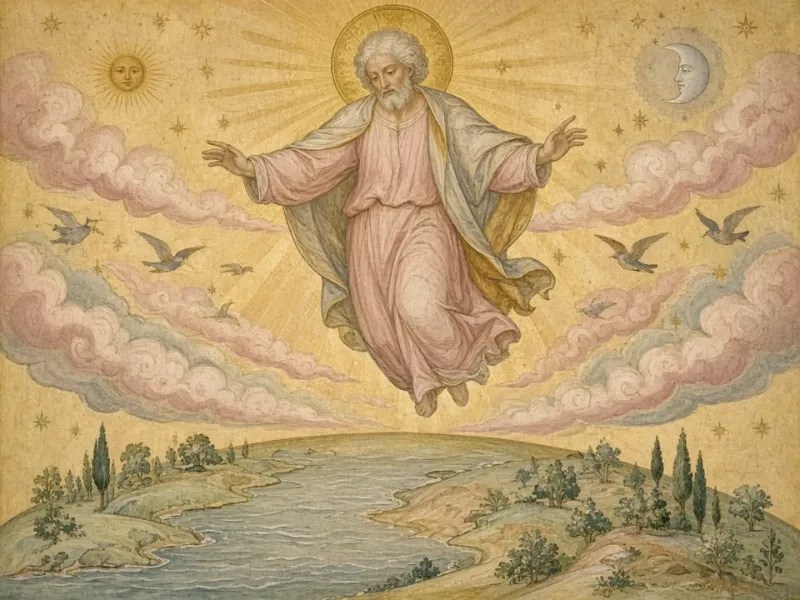
Psalm 24:3-4
“Who may ascend the mountain of the Lord? Who may stand in his holy place? The one who has clean hands and a pure heart, who does not trust in an idol or swear by a false god.”
Reflection: The psalm asks who may go up the Lord’s mountain and stand in his holy place. The answer pairs clean hands with a pure heart and then names what it has in mind: not trusting an idol or swearing by a false god. Verse 6 calls such people “the generation of those who seek him.”
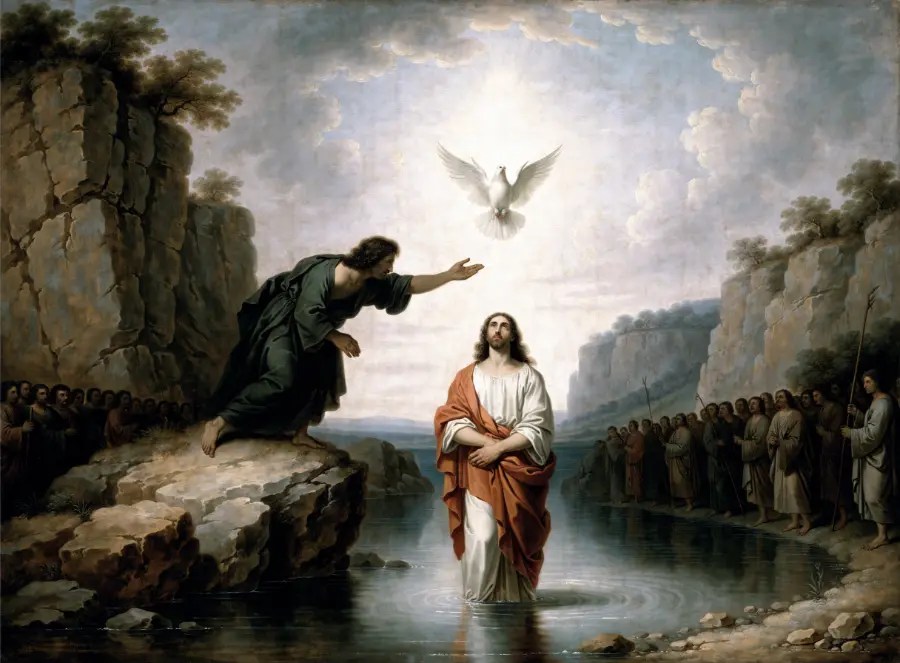
Psalm 51:10
“Create in me a pure heart, O God, and renew a steadfast spirit within me.”
Reflection: The psalm’s heading places it after the prophet Nathan confronted David over his adultery with Bathsheba. Earlier in the psalm David asks to be washed: “Cleanse me with hyssop, and I will be clean” (verse 7). Here he asks God to create a pure heart, and the Hebrew verb is bara, the verb Genesis 1:1 uses for God creating the heavens and the earth.

Proverbs 16:2
“All a person’s ways seem pure to them, but motives are weighed by the Lord.”
Reflection: Proverbs sets a person’s own verdict against the Lord’s. People count their own ways pure, while the Lord weighs the motives behind them. Verse 1 makes a similar contrast between the plans of the heart and the answer that comes from the Lord.
What counts as clean
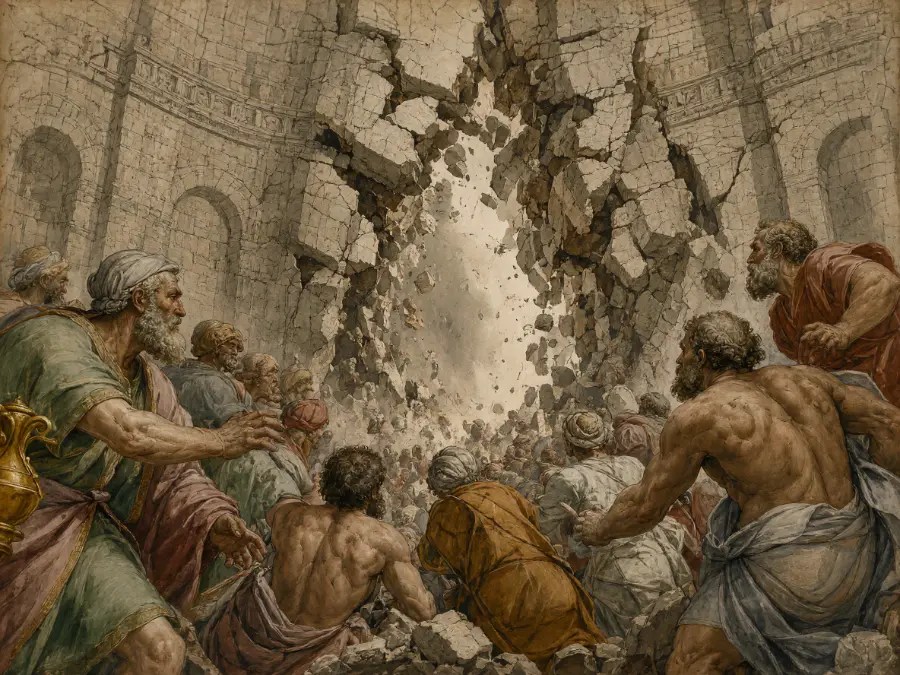
Leviticus 20:26
“You are to be holy to me because I, the Lord, am holy, and I have set you apart from the nations to be my own.”
Reflection: The verse stands near the end of a chapter of laws on Molech worship, mediums and sexual sins. Verse 25 has just told Israel to distinguish clean from unclean animals and birds, and verse 26 gives the reason: God has set Israel apart from the nations to be his own. Food laws and sexual laws stand in the same chapter under the same command to be holy.
Titus 1:15
“To the pure, all things are pure, but to those who are corrupted and do not believe, nothing is pure. In fact, both their minds and consciences are corrupted.”
Reflection: The saying follows a warning about “those of the circumcision group,” “Jewish myths” and “merely human commands.” Paul places purity in the person: to the pure all things are pure, while those who are corrupted and do not believe have corrupted minds and consciences. Mark 7:19 records a comparable ruling on food: “In saying this, Jesus declared all foods clean.”
James 1:27
“Religion that God our Father accepts as pure and faultless is this: to look after orphans and widows in their distress and to keep oneself from being polluted by the world.”
Reflection: James defines the religion God accepts as “pure and faultless” by two things: looking after orphans and widows in their distress, and keeping oneself unpolluted by the world. The verse before it gives a test of speech. Those who do not keep a tight rein on their tongues deceive themselves, and their religion is “worthless.”
Who does the purifying
Malachi 3:3-4
“He will sit as a refiner and purifier of silver; he will purify the Levites and refine them like gold and silver. Then the Lord will have men who will bring offerings in righteousness, and the offerings of Judah and Jerusalem will be acceptable to the Lord, as in days gone by, as in former years.”
Reflection: Malachi announces a messenger who will prepare the way, and then the Lord coming to his temple “like a refiner’s fire or a launderer’s soap” (verse 2). The refining begins with the Levites, the priestly tribe, so that the offerings of Judah and Jerusalem will again be acceptable. In Matthew 11:10 Jesus applies the messenger of verse 1 to John the Baptist.
1 John 1:9
“If we confess our sins, he is faithful and just and will forgive us our sins and purify us from all unrighteousness.”
Reflection: John’s letter opens with the message that “God is light” (verse 5), and verse 7 says that “the blood of Jesus, his Son, purifies us from all sin.” Verse 9 attaches that purifying to confession. The verse before it warns that anyone who claims to be without sin is self-deceived.
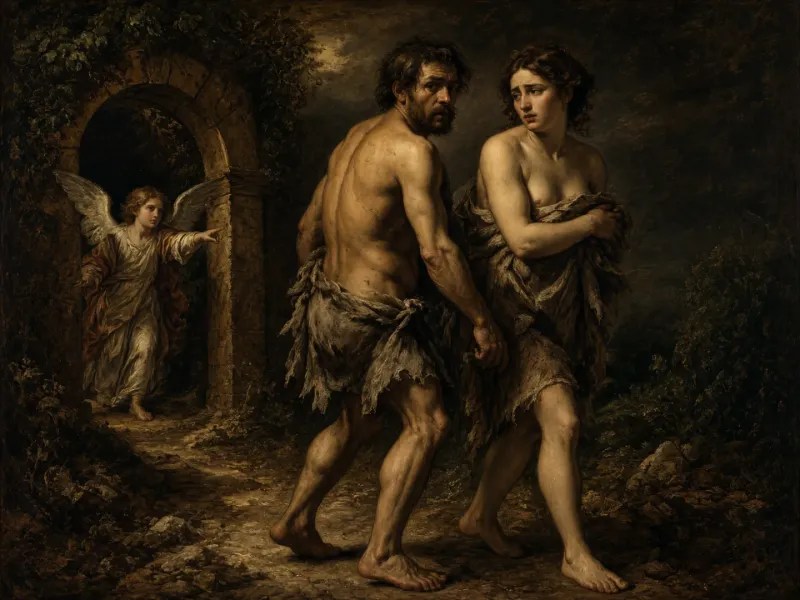
Titus 2:14
“Who gave himself for us to redeem us from all wickedness and to purify for himself a people that are his very own, eager to do what is good.”
Reflection: The purifying here is Christ’s own purpose in giving himself: to redeem a people from all wickedness and purify them as his own. The verses before it describe the grace of God teaching believers to say “No” to ungodliness while they wait for his appearing.
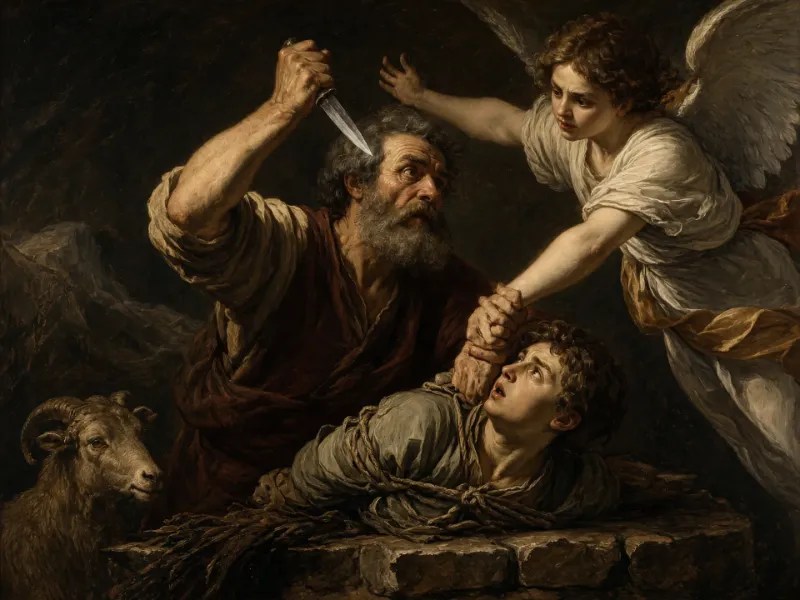
1 Peter 1:22
“Now that you have purified yourselves by obeying the truth so that you have sincere love for each other, love one another deeply, from the heart.”
Reflection: Peter speaks of purifying as already done, “by obeying the truth,” and names its aim: sincere love for one another. Peter’s readers were redeemed, he says in verse 19, “with the precious blood of Christ, a lamb without blemish or defect,” and verse 23 says they have been born again “through the living and enduring word of God.”
1 John 3:3
“All who have this hope in him purify themselves, just as he is pure.”
Reflection: The hope in this verse is stated just before it: when Christ appears, “we shall be like him, for we shall see him as he is” (verse 2). John says that everyone who holds that hope purifies themselves now, and he measures their purity by Christ’s: “just as he is pure.”

2 Timothy 2:21
“Those who cleanse themselves from the latter will be instruments for special purposes, made holy, useful to the Master and prepared to do any good work.”
Reflection: Paul pictures a large house with articles of gold and silver and of wood and clay, some for special purposes and some for common use (verse 20). In the NIV, “the latter” points back to the articles for common use, and those who cleanse themselves from them become instruments “useful to the Master.” The next verse turns the picture into practice: “Flee the evil desires of youth and pursue righteousness, faith, love and peace, along with those who call on the Lord out of a pure heart.”
Purity of the body
1 Thessalonians 4:3-4
“It is God’s will that you should be sanctified: that you should avoid sexual immorality; that each of you should learn to control your own body in a way that is holy and honorable.”
Reflection: Paul calls the Thessalonians’ sanctification God’s will and spells it out as avoiding sexual immorality and controlling one’s body “not in passionate lust like the pagans” (verse 5). The Greek word behind “body” is skeuos, vessel. Thayer’s lexicon notes that some read it here as a wife, as the RSV does (“take a wife for himself in holiness and honor”), while others, like the NIV and ESV, take it as the body. Verse 7 gives the principle: “God did not call us to be impure, but to live a holy life.”
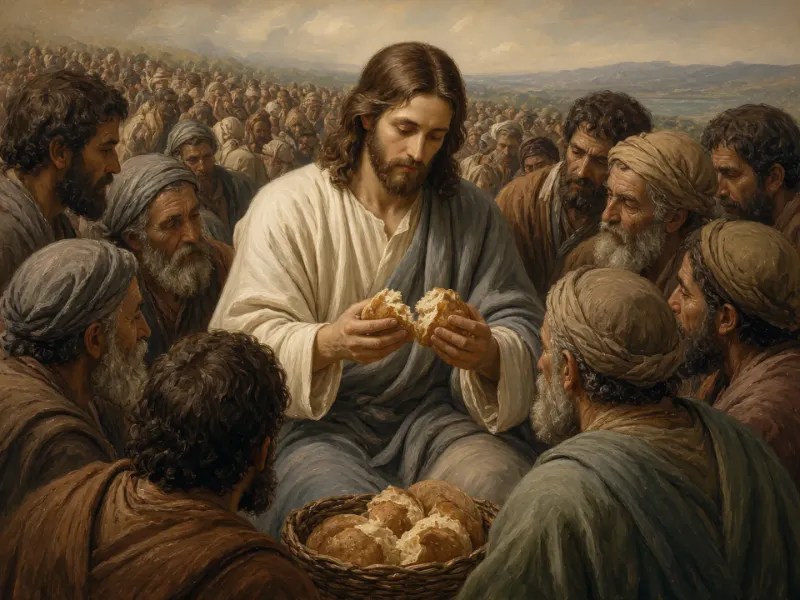
Hebrews 13:4
“Marriage should be honored by all, and the marriage bed kept pure, for God will judge the adulterer and all the sexually immoral.”
Reflection: The instruction stands in a list of closing commands in Hebrews: keep loving one another, show hospitality, remember prisoners, honor marriage, and stay free from the love of money. The marriage bed is to be kept pure, and the verse names the two groups God will judge, adulterers and the sexually immoral.
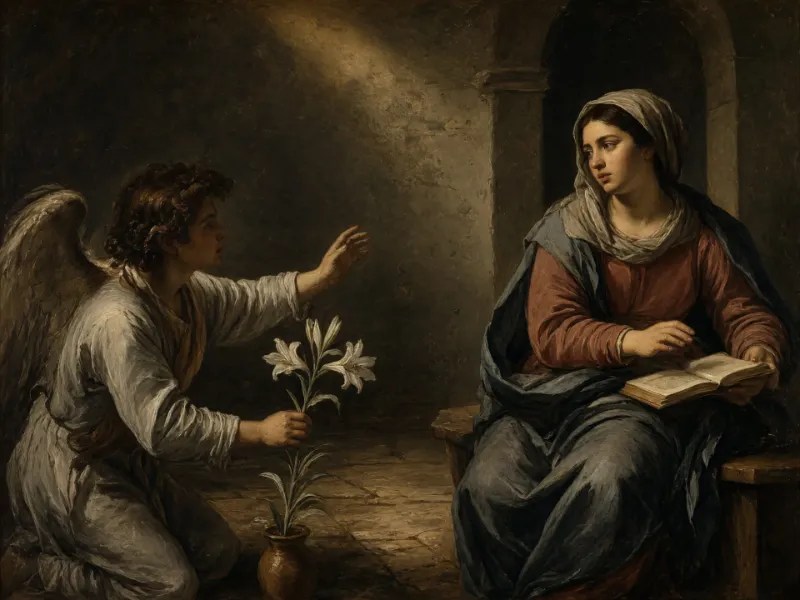
Ephesians 5:3
“But among you there must not be even a hint of sexual immorality, or of any kind of impurity, or of greed, because these are improper for God’s holy people.”
Reflection: The command follows a call to “walk in the way of love, just as Christ loved us” (verse 2). Paul lists impurity between sexual immorality and greed, and verse 5 repeats all three, saying that such a person has no “inheritance in the kingdom of Christ and of God.”
Purity in thought, speech and conduct
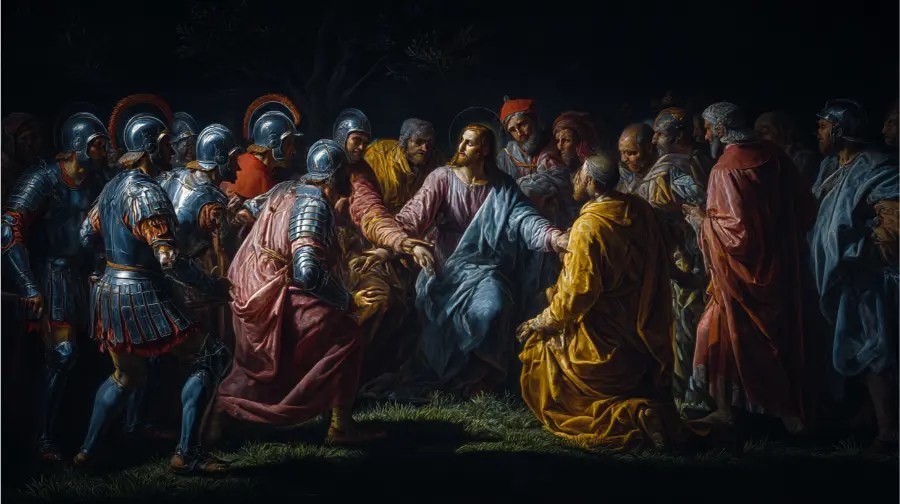
Psalm 119:9
“How can a young person stay on the path of purity? By living according to your word.”
Reflection: The psalmist asks how a young person keeps to the path of purity and answers with God’s word. Two verses later he describes his own practice: “I have hidden your word in my heart that I might not sin against you.”
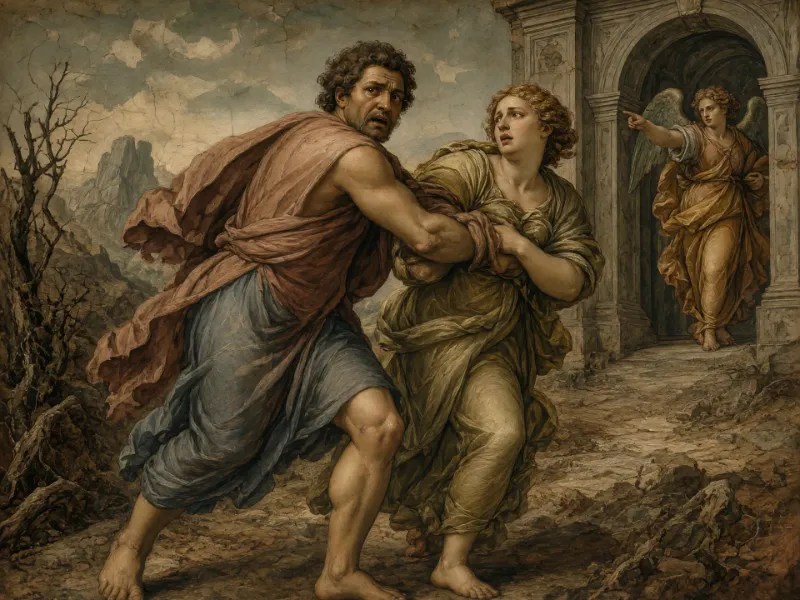
Philippians 4:8
“Finally, brothers and sisters, whatever is true, whatever is noble, whatever is right, whatever is pure, whatever is lovely, whatever is admirable—if anything is excellent or praiseworthy—think about such things.”
Reflection: Pure stands in a list with true, noble, right, lovely and admirable, as things the Philippians are to think about. The verse before promises that the peace of God “will guard your hearts and your minds in Christ Jesus,” and the verse after tells them to put into practice what they learned from Paul and saw in him.

Proverbs 15:26
“The Lord detests the thoughts of the wicked, but gracious words are pure in his sight.”
Reflection: The proverb sets two things before the Lord: the thoughts of the wicked, which he detests, and gracious words, which are pure in his sight. Speech is the subject of the proverbs around it: verse 23 praises “a timely word,” and verse 28 says the heart of the righteous weighs its answers while “the mouth of the wicked gushes evil.”
1 Timothy 4:12
“Don’t let anyone look down on you because you are young, but set an example for the believers in speech, in conduct, in love, in faith and in purity.”
Reflection: Paul writes to Timothy, whom he had urged to stay in Ephesus (1:3), and names five areas in which a young leader is to set an example, with purity last. The letter returns to purity in 5:2, telling Timothy to treat “younger women as sisters, with absolute purity.”
James 3:17
“But the wisdom that comes from heaven is first of all pure; then peace-loving, considerate, submissive, full of mercy and good fruit, impartial and sincere.”
Reflection: James contrasts two kinds of wisdom: one marked by “bitter envy and selfish ambition” (verse 14), which he calls “earthly, unspiritual, demonic,” and the wisdom that comes from heaven. Purity comes first in his list of its marks, ahead of being peace-loving, considerate, submissive, merciful, impartial and sincere.


Leave a Reply