
 English
 Chinese
 Dutch
 Arabic
 Spanish
 Portuguese
 Russian
 French
 Italian
 German
 Japanese
No single passage is named the Bible’s most calming verse, yet John 14:27, Philippians 4:6-7, Isaiah 26:3, and Psalm 4:8 answer fear, anxiety, and sleeplessness directly. Beyond inner calm, Scripture ties peace to reconciliation with God and life with other people.
Peace God gives his people
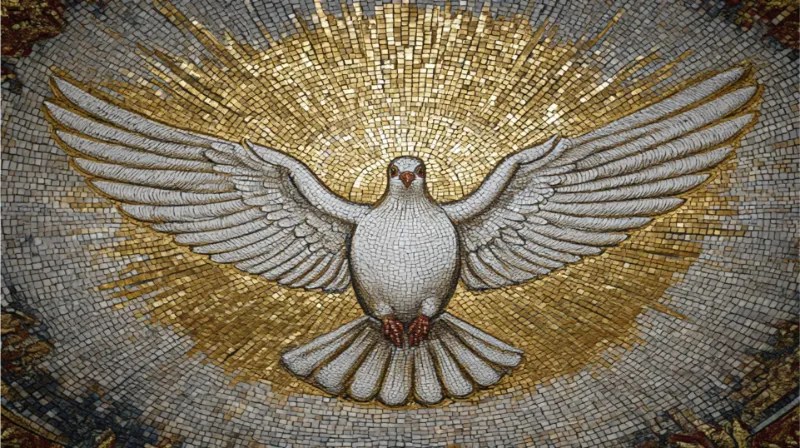
John 14:27
“Peace I leave with you; my peace I give to you. Not as the world gives do I give to you. Let not your hearts be troubled, neither let them be afraid.”
Reflection: Jesus speaks at supper with his disciples (John 13:2) shortly before his arrest, while telling them “I am going away” (verse 28). He leaves his peace as a parting gift right after promising the Holy Spirit, echoing the chapter’s opening command, “Let not your hearts be troubled” (John 14:1).

Philippians 4:6-7
“Do not be anxious about anything, but in everything by prayer and supplication with thanksgiving let your requests be made known to God. And the peace of God, which surpasses all understanding, will guard your hearts and your minds in Christ Jesus.”
Reflection: Paul writes from imprisonment (Philippians 1:13) and promises that God’s peace will guard hearts and minds without saying how each request will be answered. Verse 9 adds that “the God of peace will be with you”; for more passages on worry, see Bible verses about anxiety and depression.
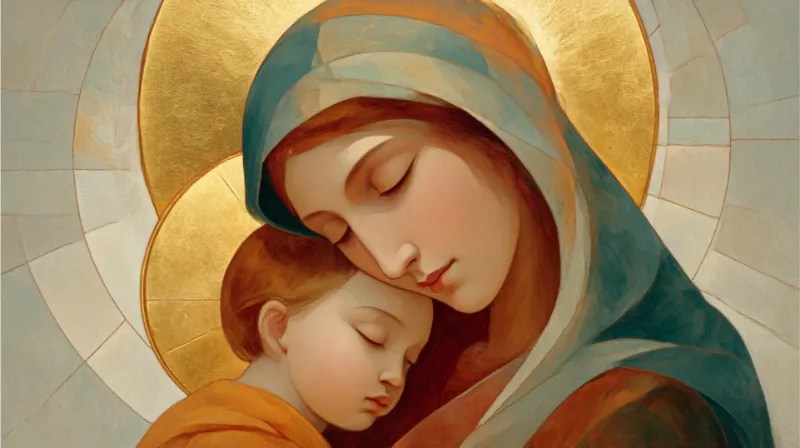
Isaiah 26:3
“You keep him in perfect peace whose mind is stayed on you, because he trusts in you.”
Reflection: “Perfect peace” translates the Hebrew word shalom—completeness, soundness, welfare, and peace—written twice in a row. Part of a song for Judah about a strong city with salvation for walls (verse 1), the line rests peace on trust in “an everlasting rock” (verse 4).
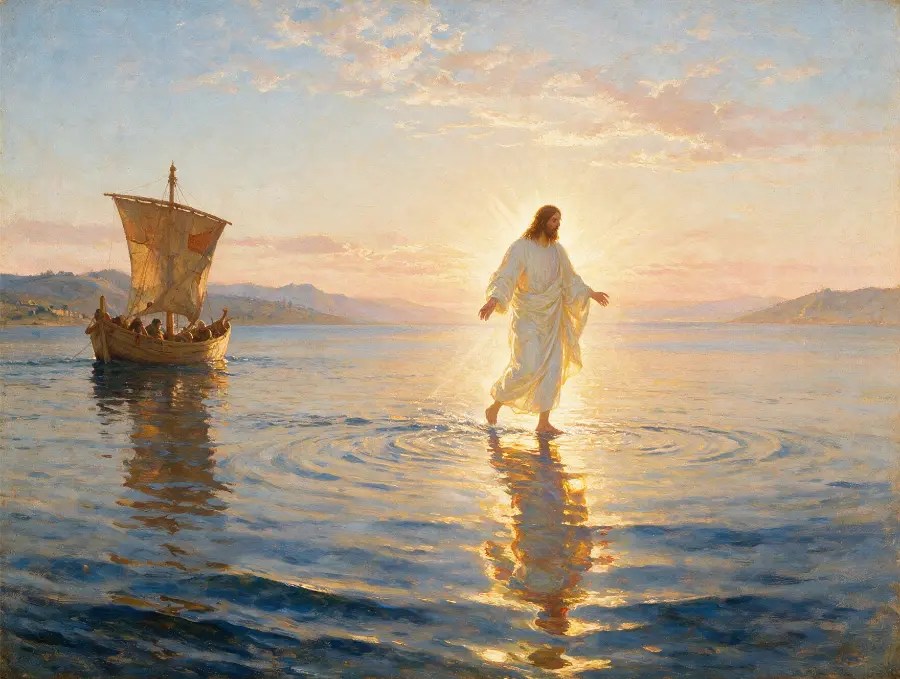
Psalm 4:8
“In peace I will both lie down and sleep; for you alone, O Lord, make me dwell in safety.”
Reflection: David opens by recalling that God gave him relief “when I was in distress” (verse 1), questions men who “love vain words and seek after lies” (verse 2), and tells them to “ponder in your own hearts on your beds, and be silent” (verse 4). By the final verse he says he will lie down and sleep in peace because safety rests in the Lord alone.
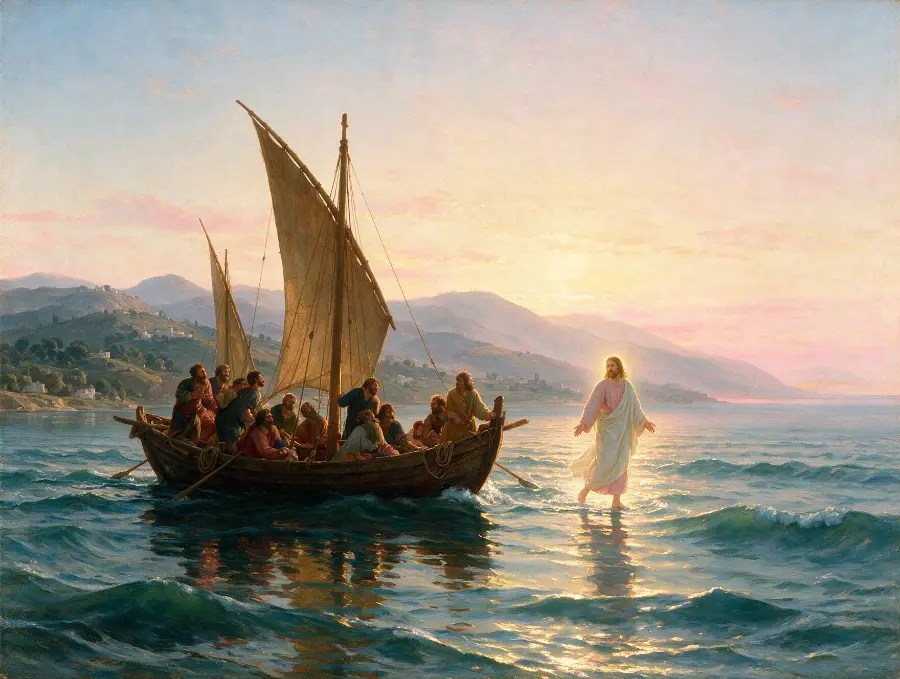
John 16:33
“I have said these things to you, that in me you may have peace. In the world you will have tribulation. But take heart; I have overcome the world.”
Reflection: This line closes Jesus’ conversation with his disciples in John 13–16, right after he tells them they will be scattered “and will leave me alone” (verse 32). He sets peace “in me” beside tribulation “in the world,” promising both and grounding courage in his victory over the world.
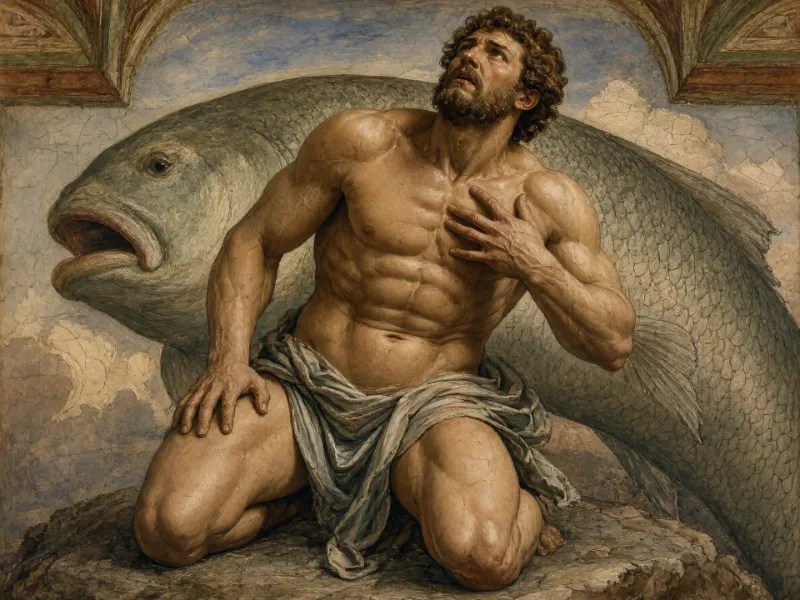
2 Thessalonians 3:16
“Now may the Lord of peace himself give you peace at all times in every way. The Lord be with you all.”
Reflection: Near the end of a letter correcting church members who “walk in idleness, not busy at work, but busybodies” (verse 11), Paul turns to a closing benediction addressed to the church. Naming God “the Lord of peace himself,” he speaks a blessing of peace over them in every circumstance; for written prayers on this subject, see prayers for inner peace.

Numbers 6:24-26
“The Lord bless you and keep you; the Lord make his face to shine upon you and be gracious to you; the Lord lift up his countenance upon you and give you peace.”
Reflection: The Lord gives these words to Moses for Aaron and the priests to speak over Israel, placing peace last after keeping, grace, and God’s face turned toward his people. Verse 27 adds: “So shall they put my name upon the people of Israel, and I will bless them.”
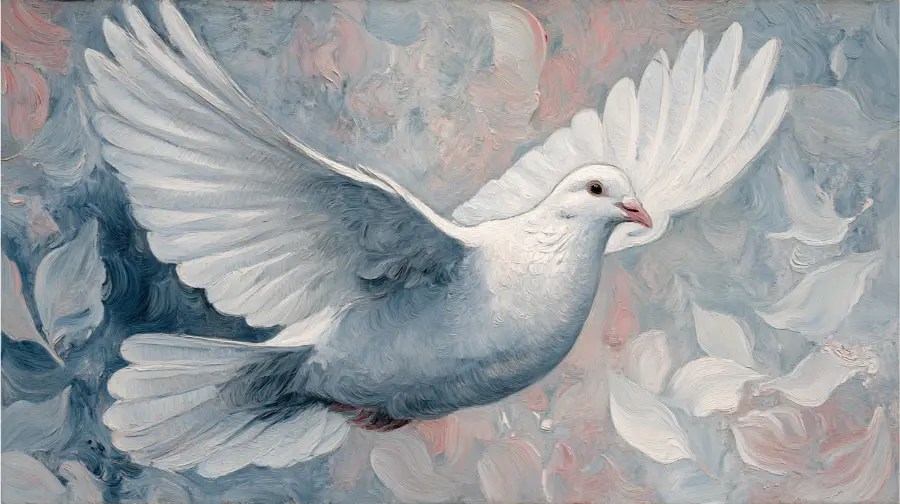
Psalm 29:11
“May the Lord give strength to his people! May the Lord bless his people with peace!”
Reflection: Psalm 29 describes the voice of the Lord thundering “over many waters” (verse 3) and the Lord enthroned “over the flood” as king forever (verse 10). After the storm, the psalm closes with a prayer that the same Lord give his people strength and peace.

Psalm 85:8
“Let me hear what God the Lord will speak, for he will speak peace to his people, to his saints; but let them not turn back to folly.”
Reflection: The psalm opens by remembering that the Lord “restored the fortunes of Jacob” and “forgave the iniquity of your people” (verses 1–2). In verse 8 the psalmist waits to hear what God will speak and expects peace, with a warning not to turn back to folly. Two verses later, “righteousness and peace kiss each other.”
Pick a Bible verse for one of 18 feelings, or get a random verse, to copy, share, or save as a picture.
Peace between God and people

Romans 5:1
“Therefore, since we have been justified by faith, we have peace with God through our Lord Jesus Christ.”
Reflection: Peace here is a changed standing before God through Jesus. Verse 10 names what it replaced—”while we were enemies we were reconciled to God by the death of his Son”—and verse 2 adds that believers have “access by faith into this grace in which we stand.”
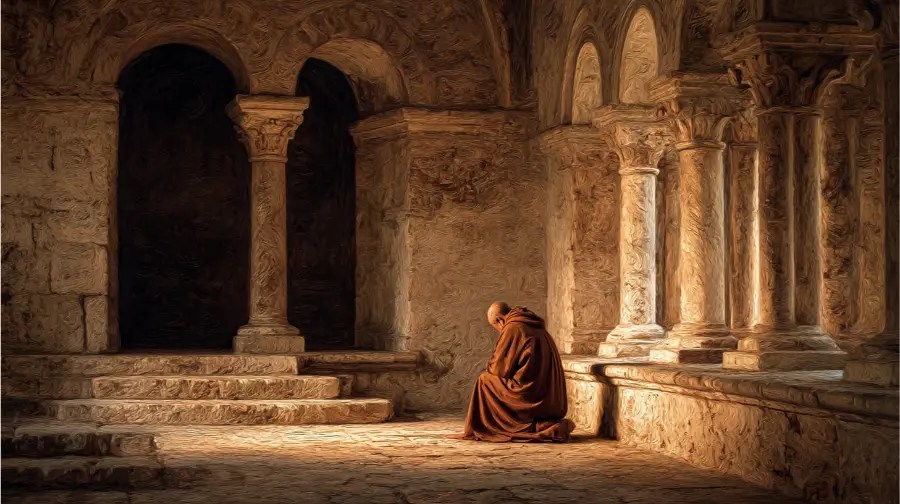
Colossians 1:20
“And through him to reconcile to himself all things, whether on earth or in heaven, making peace by the blood of his cross.”
Reflection: Paul describes Christ as the one in whom “all the fullness of God was pleased to dwell” (verse 19), then widens peace-making by the cross to “all things, whether on earth or in heaven.” Verses 21–22 apply it to the Colossians, who were “once alienated and hostile in mind.”

Ephesians 2:14
“For he himself is our peace, who has made us both one and has broken down in his flesh the dividing wall of hostility.”
Reflection: Paul addresses “you Gentiles in the flesh” (verse 11), once “alienated from the commonwealth of Israel.” Christ makes Jews and Gentiles “one new man in place of the two” and reconciles both to God “in one body through the cross” (verses 15–16).
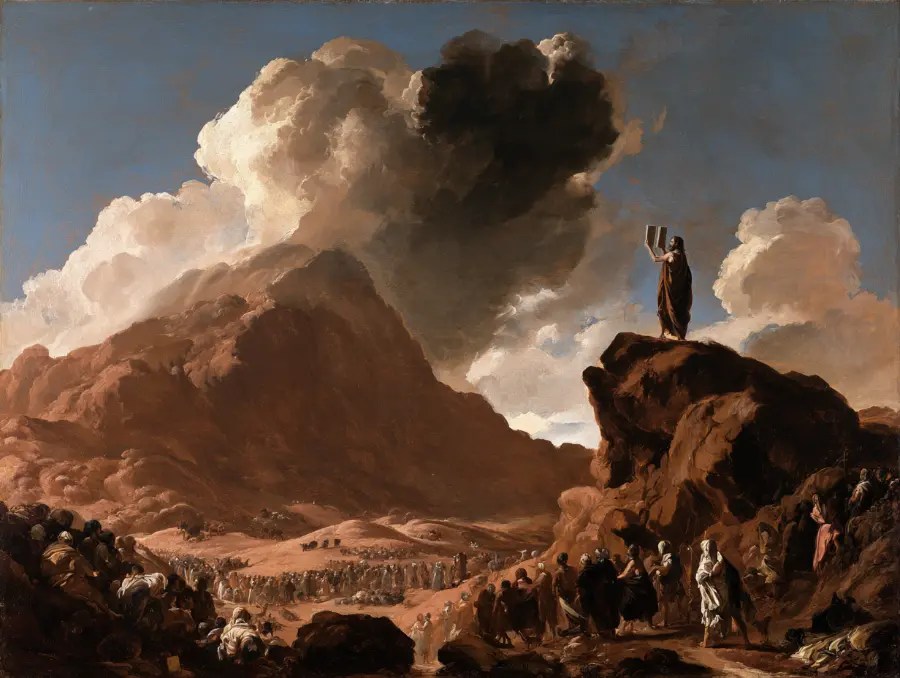
Isaiah 9:6
“For to us a child is born, to us a son is given; and the government shall be upon his shoulder, and his name shall be called Wonderful Counselor, Mighty God, Everlasting Father, Prince of Peace.”
Reflection: Prince of Peace is the child’s final title, and verse 7 promises that “of the increase of his government and of peace there will be no end, on the throne of David.” Matthew 4:14–16 quotes Isaiah 9:1–2 about Jesus beginning his work in Galilee, and Christians read the child of verse 6 as Jesus.
Making peace with other people
Matthew 5:9
“Blessed are the peacemakers, for they shall be called sons of God.”
Reflection: This beatitude from the Sermon on the Mount returns later in the chapter, where Jesus promises the same name to those who love their enemies: “Love your enemies and pray for those who persecute you, so that you may be sons of your Father who is in heaven” (Matthew 5:44–45).
Romans 12:18
“If possible, so far as it depends on you, live peaceably with all.”
Reflection: Two limits—”if possible” and “so far as it depends on you”—allow that peace with some people may not be reached. The verses around it name what does depend on the believer: repay no one evil for evil (verse 17), never take revenge (verse 19), and feed a hungry enemy (verse 20).
Hebrews 12:14
“Strive for peace with everyone, and for the holiness without which no one will see the Lord.”
Reflection: The writer of Hebrews asks the whole community to pursue peace with everyone and to seek holiness. Verse 15 tells them to look out for one another, since a “root of bitterness” can spring up and cause trouble for many.
Psalm 34:14
“Turn away from evil and do good; seek peace and pursue it.”
Reflection: The psalmist teaches “the fear of the Lord” (verse 11) and sets the pursuit of peace right after keeping the tongue from evil and deceit (verse 13). Peter quotes these lines in 1 Peter 3:10–11 straight after “Do not repay evil for evil or reviling for reviling” (1 Peter 3:9).
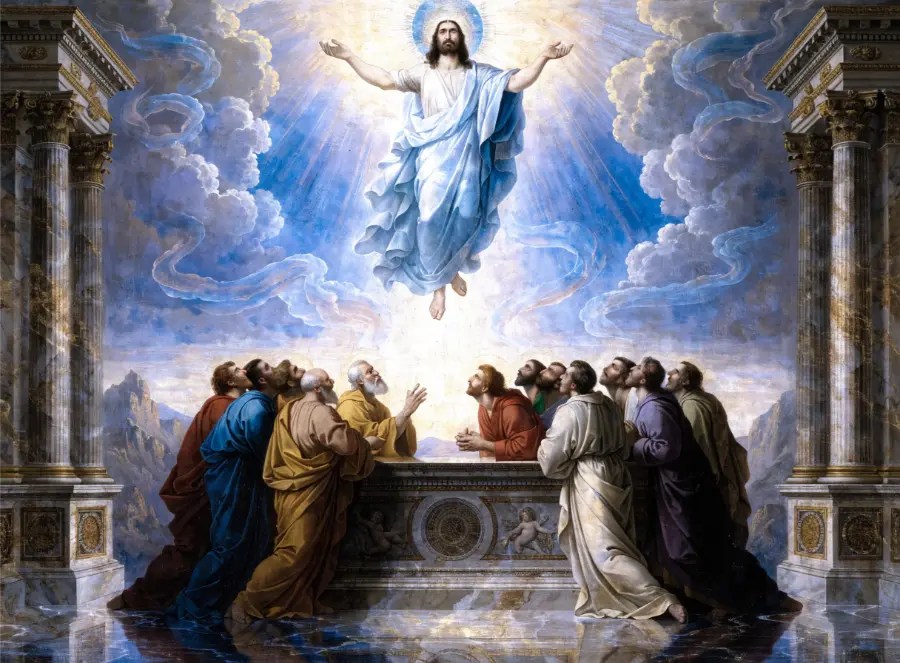
Colossians 3:15
“And let the peace of Christ rule in your hearts, to which indeed you were called in one body. And be thankful.”
Reflection: The verb “rule” is Greek brabeuo, which Strong’s traces to a word for an umpire. Coming after calls to bear with one another, forgive complaints (verse 13), and put on love (verse 14), “called in one body” makes Christ’s peace settle matters between believers as well as inside one heart.

Ephesians 4:3
“eager to maintain the unity of the Spirit in the bond of peace.”
Reflection: Paul urges the Ephesians to preserve the unity they already share. Verse 2 describes how they can live at peace, with patience and humility, “bearing with one another in love.”

James 3:18
“And a harvest of righteousness is sown in peace by those who make peace.”
Reflection: James contrasts two kinds of wisdom: jealousy and selfish ambition bring “disorder and every vile practice” (verse 16), while “the wisdom from above is first pure, then peaceable, gentle, open to reason” (verse 17). Peacemakers sow in peace and reap righteousness.
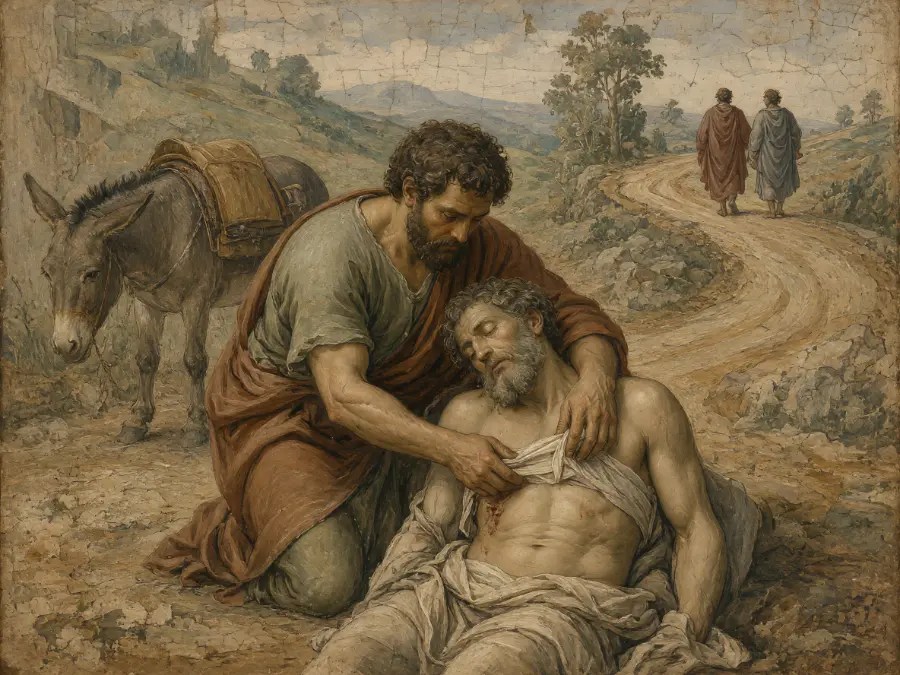
Proverbs 12:20
“Deceit is in the heart of those who devise evil, but those who plan peace have joy.”
Reflection: Both halves of the proverb describe people making plans. Those who plot harm carry deceit in their hearts, while those who plan peace find joy. Verse 18 gives an example of the good that words can do when it says that “the tongue of the wise brings healing.”

Romans 14:17
“For the kingdom of God is not a matter of eating and drinking but of righteousness and peace and joy in the Holy Spirit.”
Reflection: The Roman church was divided over food (verse 15). Paul answers that dispute with righteousness, peace, and joy in the Holy Spirit, then concludes two verses later: “let us pursue what makes for peace and for mutual upbuilding.”
Peace that follows righteousness
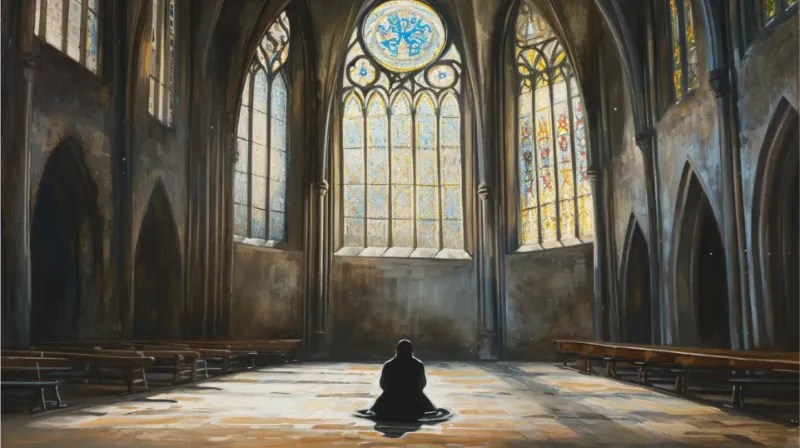
Isaiah 32:17
“And the effect of righteousness will be peace, and the result of righteousness, quietness and trust forever.”
Reflection: The chapter looks ahead to a time when “the Spirit is poured upon us from on high” (verse 15) and justice and righteousness settle in the land (verse 16). Verse 18 pictures the peace that follows in concrete terms: “a peaceful habitation, in secure dwellings, and in quiet resting places.”
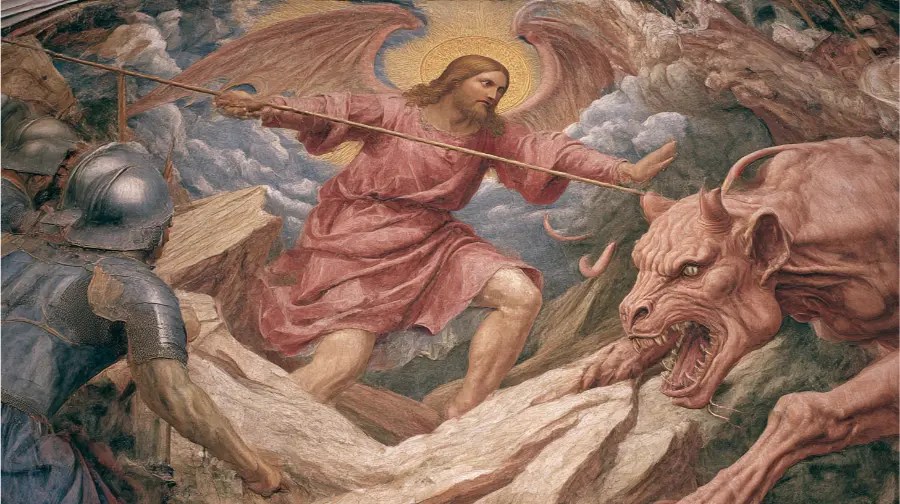
Isaiah 48:18
“Oh that you had paid attention to my commandments! Then your peace would have been like a river, and your righteousness like the waves of the sea.”
Reflection: The Lord speaks as Israel’s Redeemer “who leads you in the way you should go” (verse 17) and mourns what disobedience cost. The chapter closes with the reverse: “There is no peace,” says the Lord, “for the wicked” (verse 22).
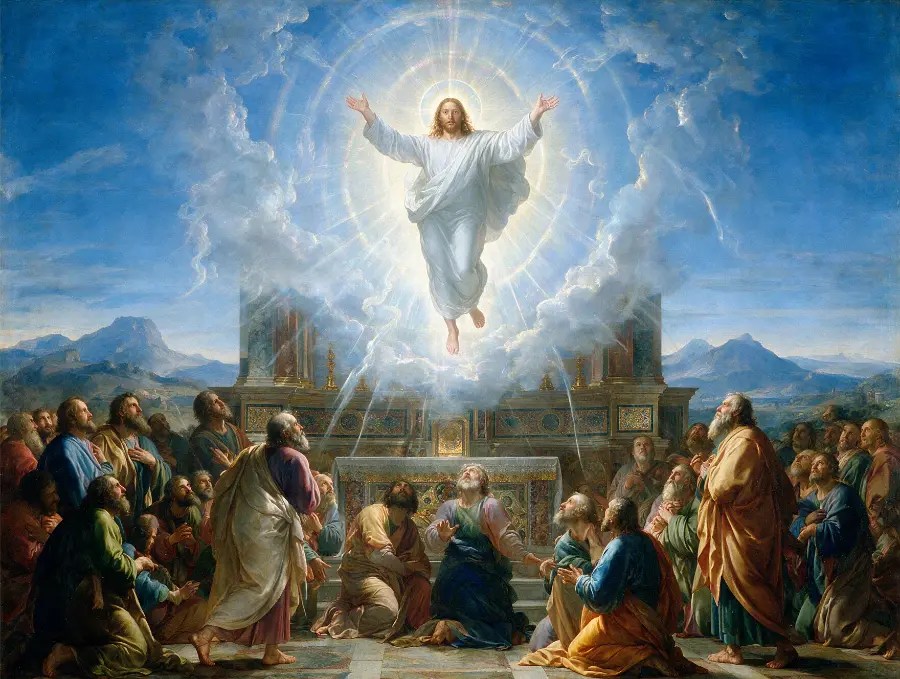
Psalm 119:165
“Great peace have those who love your law; nothing can make them stumble.”
Reflection: In a long psalm devoted to God’s law, peace is paired with steadiness: those who love the law do not stumble.
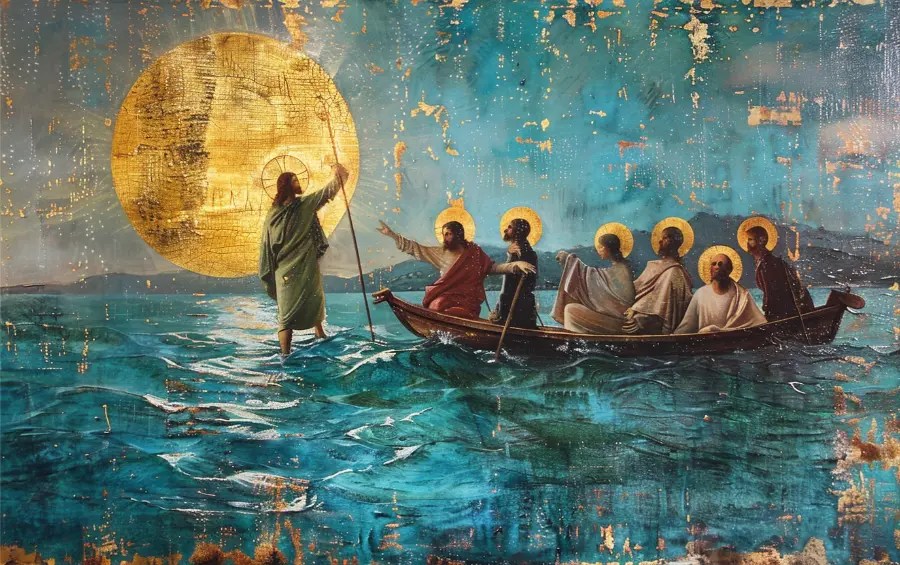
Proverbs 3:1-2
“My son, do not forget my teaching, but let your heart keep my commandments, for length of days and years of life and peace they will add to you.”
Reflection: A father tells his son that keeping his teaching will bring both long life and peace. The image of the heart returns in verse 3, where he tells his son to write steadfast love and faithfulness on it.
A verse for how you feel
Choose how you feel today and read a verse from Scripture.
I have told you these things so that in Me you may have peace. In the world you will have tribulation. But take courage; I have overcome the world!”
Get a verse each week
Thank you. Your first verse is on its way.
If nothing arrives in a few minutes, look in your spam or promotions folder.
Keep this for another day. A verse for how you feel has a page of its own, with our verses for each feeling.
Each verse is quoted from the Berean Standard Bible.


Leave a Reply