
 English
 Chinese
 Dutch
 Arabic
 Spanish
 Portuguese
 Russian
 French
 Italian
 German
 Japanese
When the Bible tells people not to be afraid, it often gives a reason. In Isaiah 41:10 the reason is God’s presence: “So do not fear, for I am with you.”
Moses gives Israel the same reason (Deuteronomy 31:6), the Lord gives it to Joshua (Joshua 1:9), and David gives it in Psalm 23:4. Other verses give other reasons: the battle belongs to God (2 Chronicles 20:15), the Father cares for sparrows (Matthew 10:29-31), and love drives out fear of punishment (1 John 4:18).
The Psalms speak from inside danger (Psalm 27:1, Psalm 56:3-4), and in the Gospels Jesus speaks to fear of other people (Matthew 10:28-31) and to his disciples’ fear on a lake at night (Matthew 14:27).
Commands given before a battle or a crossing
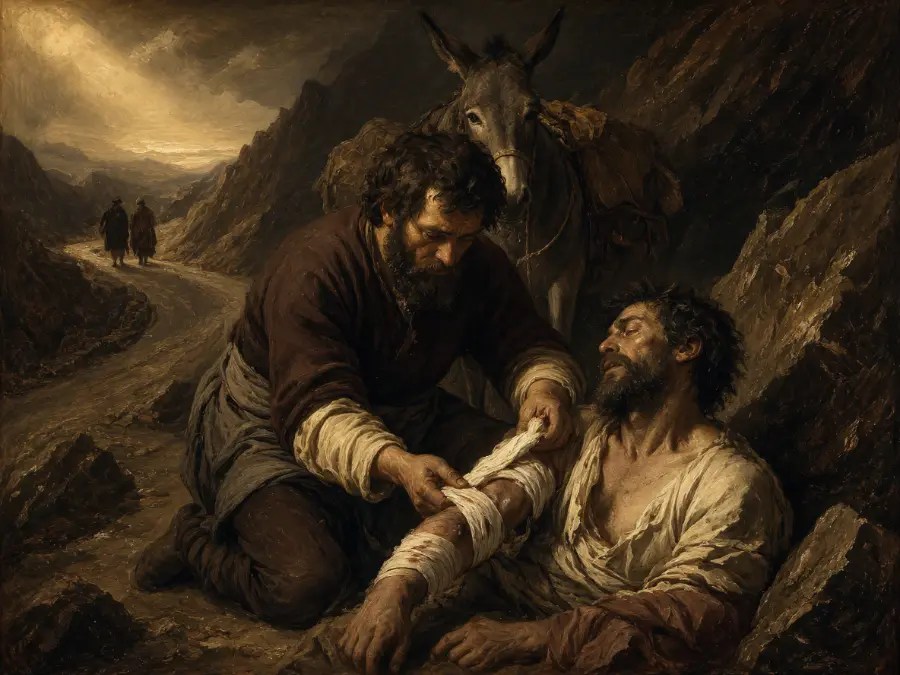
Deuteronomy 31:6
“Be strong and courageous. Do not be afraid or terrified because of them, for the LORD your God goes with you; he will never leave you nor forsake you.”
Reflection: Moses, now a hundred and twenty years old and told he will not cross the Jordan, speaks to all Israel before they enter the land without him. The reason for not being afraid is that “the LORD your God goes with you.” In verse 7 he summons Joshua in the presence of all Israel, and in verse 8 he repeats the promise and the command to him: “Do not be afraid; do not be discouraged” (Deuteronomy 31:8).

Joshua 1:9
“Have I not commanded you? Be strong and courageous. Do not be afraid; do not be discouraged, for the LORD your God will be with you wherever you go.”
Reflection: After the death of Moses, the Lord speaks to Joshua, who now has to lead the people across the Jordan. “Be strong and courageous” comes three times in Joshua 1:6-9, and the middle one ties courage to keeping the Book of the Law (verse 7). The promise in verse 5, “I will never leave you nor forsake you,” repeats what Moses said in Deuteronomy 31.
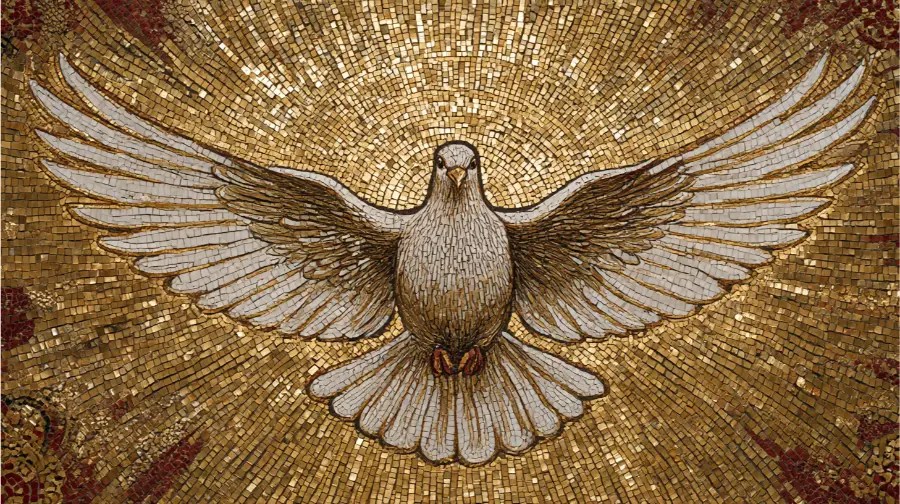
2 Chronicles 20:15
“He said: ‘Listen, King Jehoshaphat and all who live in Judah and Jerusalem! This is what the LORD says to you: ‘Do not be afraid or discouraged because of this vast army. For the battle is not yours, but God’s.’”
Reflection: An army of Moabites, Ammonites and Meunites is marching on Judah, and King Jehoshaphat has just prayed, “We do not know what to do, but our eyes are on you” (verse 12). The answer comes through Jahaziel, a Levite on whom the Spirit of the Lord came in the assembly. Verse 17 says what “the battle is not yours” means in practice: “You will not have to fight this battle. Take up your positions; stand firm and see the deliverance the LORD will give you.”
God’s own “do not fear” in Isaiah
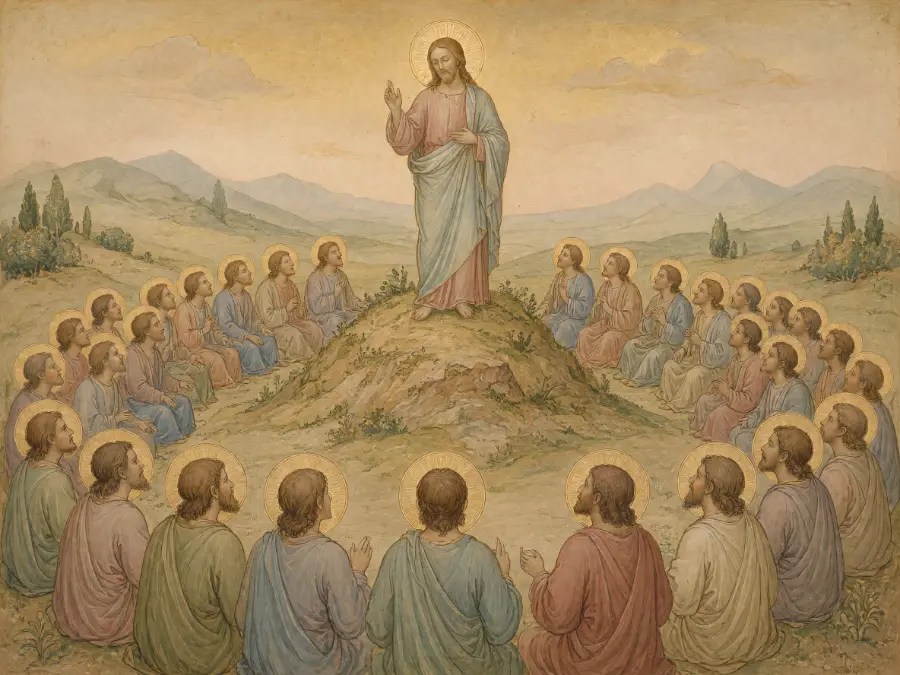
Isaiah 41:10
“So do not fear, for I am with you; do not be dismayed, for I am your God. I will strengthen you and help you; I will uphold you with my righteous right hand.”
Reflection: God speaks to Israel as “my servant, Jacob, whom I have chosen,” the descendants of “Abraham my friend” (verse 8). The command not to fear rests on two statements, “I am with you” and “I am your God,” and three promises: strength, help and a hand to hold them up. The passage says it again in verses 13-14, “Do not fear; I will help you,” addressed to “you worm Jacob, little Israel.”
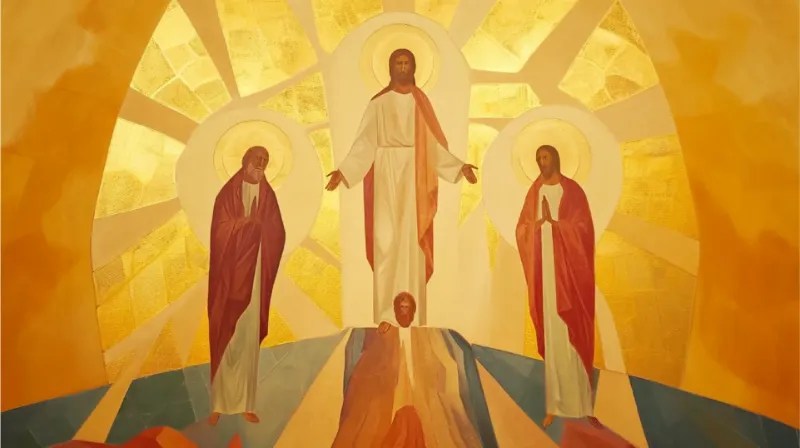
Isaiah 43:1-2
“But now, this is what the LORD says— he who created you, Jacob, he who formed you, Israel: ‘Do not fear, for I have redeemed you; I have summoned you by name; you are mine. When you pass through the waters, I will be with you; and when you pass through the rivers, they will not sweep over you.’”
Reflection: The reasons given here look back rather than forward: God created Jacob, formed Israel, redeemed them and called them by name. The promise covers waters, rivers and, in the rest of verse 2, fire: “When you walk through the fire, you will not be burned.”
Psalms that name the danger and trust anyway
Psalm 23:4
“Even though I walk through the darkest valley, I will fear no evil, for you are with me; your rod and your staff, they comfort me.”
Reflection: The first three verses of this psalm of David speak about the Lord as “he”; in verse 4 the psalm turns and speaks to him as “you.” The psalmist walks through the darkest valley, and the reason he gives for fearing no evil is “for you are with me.” The shepherd’s rod and staff are the tools the psalm says bring comfort.
Psalm 27:1
“The LORD is my light and my salvation—whom shall I fear? The LORD is the stronghold of my life—of whom shall I be afraid?”
Reflection: The two questions, “whom shall I fear?” and “of whom shall I be afraid?”, are followed in verses 2-3 by the threats David has in view: the wicked advancing “to devour me,” an army besieging, war breaking out. Verse 3 says that even then “my heart will not fear.”
Psalm 46:1-3
“God is our refuge and strength, an ever-present help in trouble. Therefore we will not fear, though the earth give way and the mountains fall into the heart of the sea, though its waters roar and foam and the mountains quake with their surging.”
Reflection: This song of the Sons of Korah pictures the earth giving way and mountains falling into the sea and still says “we will not fear.” The reason is in the first line, God as “refuge and strength,” and in verse 7: “The LORD Almighty is with us; the God of Jacob is our fortress.”
Psalm 34:4
“I sought the LORD, and he answered me; he delivered me from all my fears.”
Reflection: The heading places this psalm after David pretended to be insane before Abimelek and was driven away. He sought the Lord and was delivered “from all my fears,” and verse 6 tells the same story again: “This poor man called, and the LORD heard him.” The next verse uses fear in another sense: “The angel of the LORD encamps around those who fear him.”
When the threat is other people
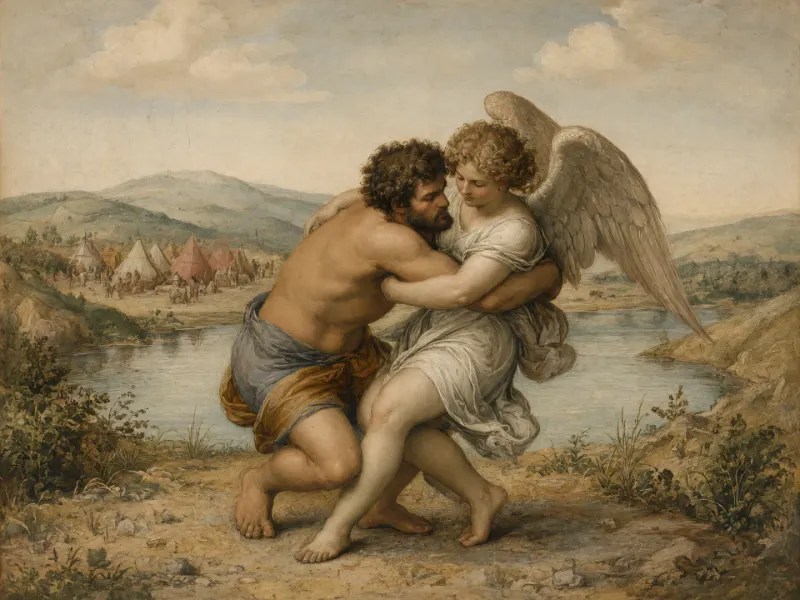
Proverbs 29:25
“Fear of man will prove to be a snare, but whoever trusts in the LORD is kept safe.”
Reflection: The proverb sets two things side by side: fear of other people, which traps a person, and trust in the Lord, which keeps a person safe.
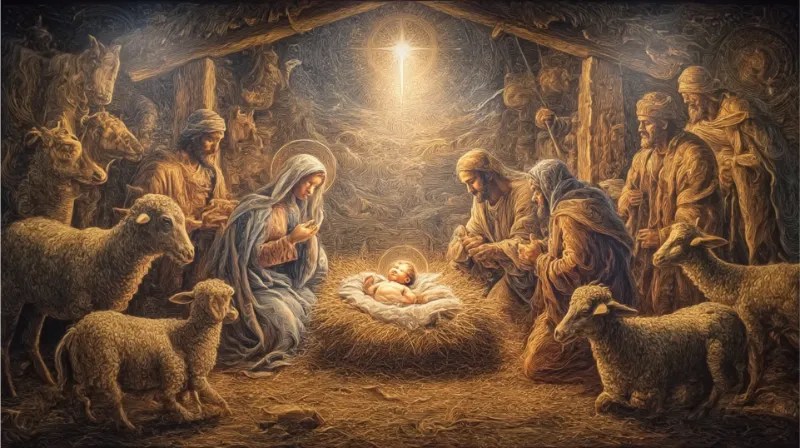
Psalm 56:3-4
“When I am afraid, I put my trust in you. In God, whose word I praise—in God I trust and am not afraid. What can mere mortals do to me?”
Reflection: The heading places the psalm “when the Philistines had seized him in Gath,” and verses 1-2 describe enemies in hot pursuit all day long. Verse 3 admits the fear, “When I am afraid, I put my trust in you,” and verse 4 answers it: “in God I trust and am not afraid.” His closing question, “What can mere mortals do to me?”, is the same question Psalm 118:6 asks.
Psalm 118:6
“The LORD is with me; I will not be afraid. What can mere mortals do to me?”
Reflection: The line comes right after “When hard pressed, I cried to the LORD; he brought me into a spacious place” (verse 5). Verses 8-9 draw the conclusion: “It is better to take refuge in the LORD than to trust in humans.” Hebrews 13:6 takes up this verse together with verse 7, “The LORD is with me; he is my helper.”
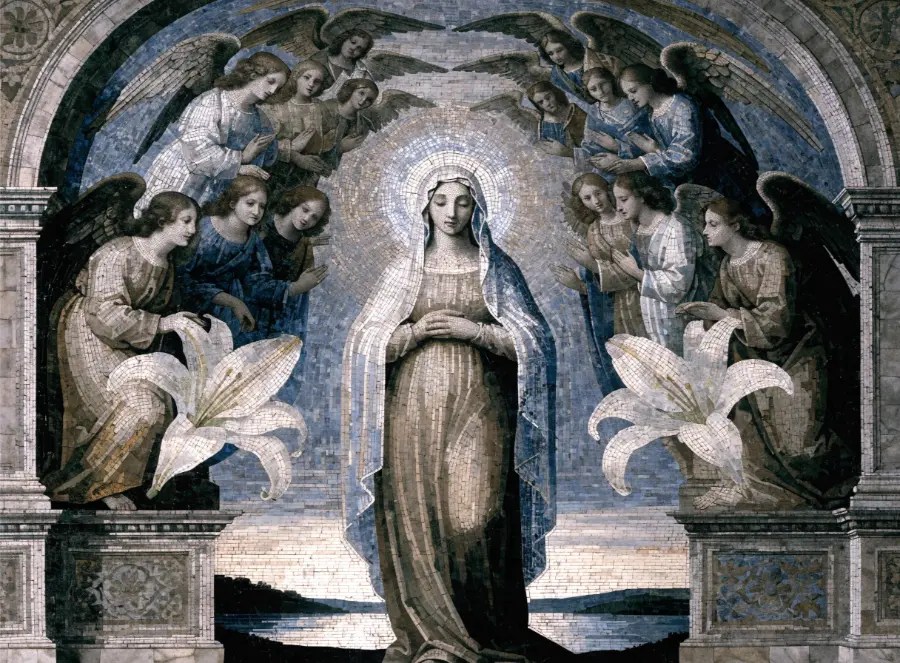
Hebrews 13:5-6
“Keep your lives free from the love of money and be content with what you have, because God has said, ‘Never will I leave you; never will I forsake you.’ So we say with confidence, ‘The Lord is my helper; I will not be afraid. What can mere mortals do to me?’”
Reflection: The setting is money: the letter tells its readers to be content with what they have. The promise it gives, “Never will I leave you; never will I forsake you,” matches what God said to Joshua (Joshua 1:5) and what Moses said to Israel (Deuteronomy 31:6). Its reply, “The Lord is my helper; I will not be afraid,” uses words from Psalm 118:6-7, where the NIV reads “The LORD is with me; I will not be afraid” and, in verse 7, “he is my helper.”
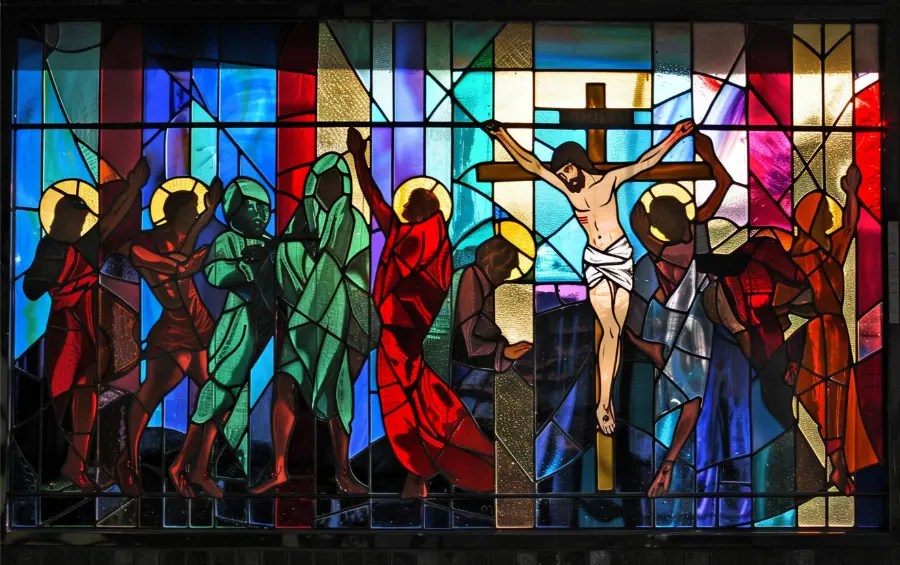
Matthew 10:28-31
“Do not be afraid of those who kill the body but cannot kill the soul. Rather, be afraid of the One who can destroy both soul and body in hell. Are not two sparrows sold for a penny? Yet not one of them will fall to the ground outside your Father’s care. And even the very hairs of your head are all numbered. So don’t be afraid; you are worth more than many sparrows.”
Reflection: Jesus tells his disciples three times in this passage not to be afraid (verses 26, 28 and 31), and once to be afraid: of “the One who can destroy both soul and body in hell.” Fear of those who can only kill the body is set against that. The sparrows, sold two for a penny, answer the fear from the other side: none of them falls “outside your Father’s care,” and the disciples are “worth more than many sparrows.”
Jesus and the apostles on fear
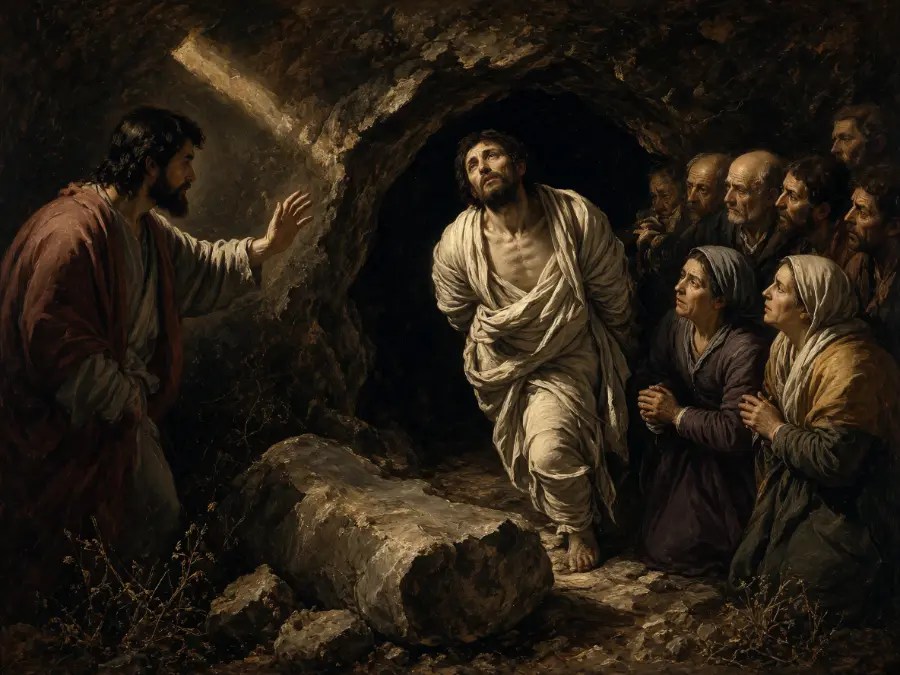
Matthew 14:27
“But Jesus immediately said to them: ‘Take courage! It is I. Don’t be afraid.’”
Reflection: Shortly before dawn, the disciples in the boat see Jesus walking on the lake, are terrified and cry out that he is a ghost. Jesus answers at once, “Take courage! It is I. Don’t be afraid.” In the next verses Peter walks toward him on the water, sees the wind, becomes afraid and begins to sink, and Jesus catches him with the question “why did you doubt?”
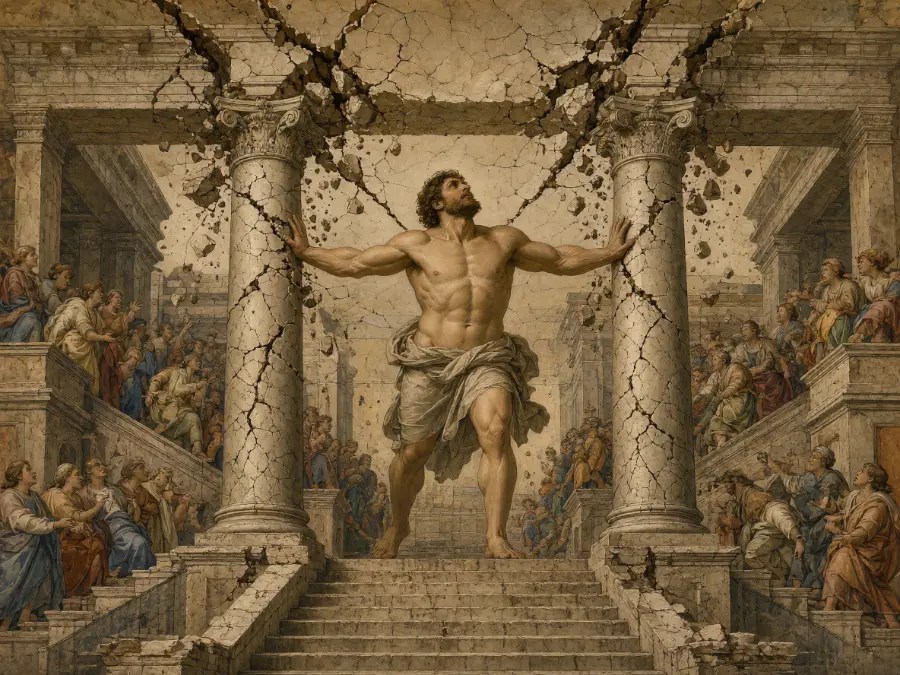
John 14:27
“Peace I leave with you; my peace I give you. I do not give to you as the world gives. Do not let your hearts be troubled and do not be afraid.”
Reflection: Jesus says this to his disciples as he prepares to leave them. The verses around it explain what they will have in his absence: the Holy Spirit, who will “remind you of everything I have said to you” (verse 26), and his promise, “I am going away and I am coming back to you” (verse 28).
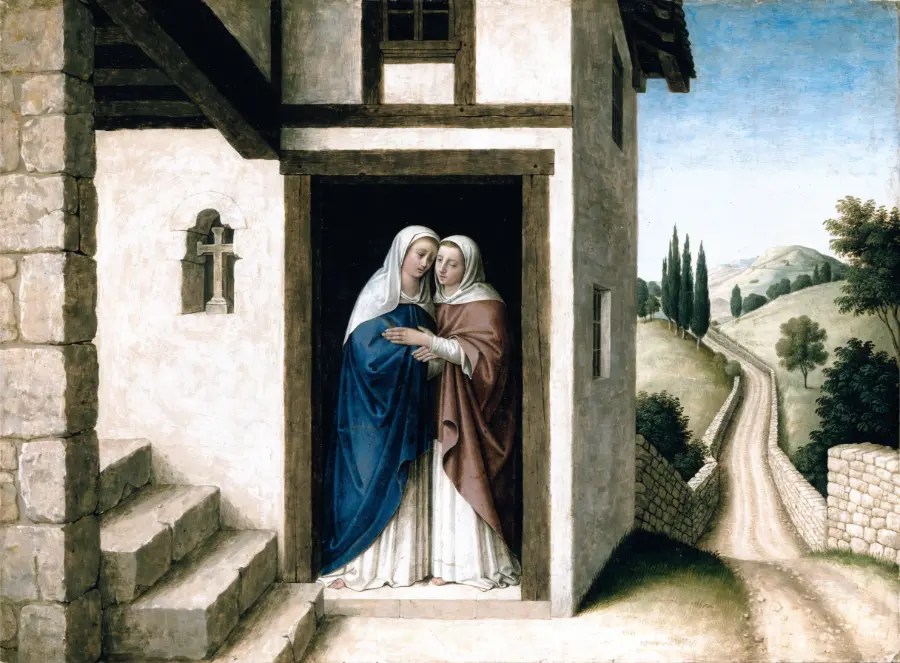
Romans 8:15
“The Spirit you received does not make you slaves, so that you live in fear again; rather, the Spirit you received brought about your adoption to sonship. And by him we cry, ‘Abba, Father.’”
Reflection: Paul contrasts two ways of relating to God: as slaves who “live in fear,” or as adopted children who call him “Abba, Father.” The next verse adds that “the Spirit himself testifies with our spirit that we are God’s children.”
2 Timothy 1:7
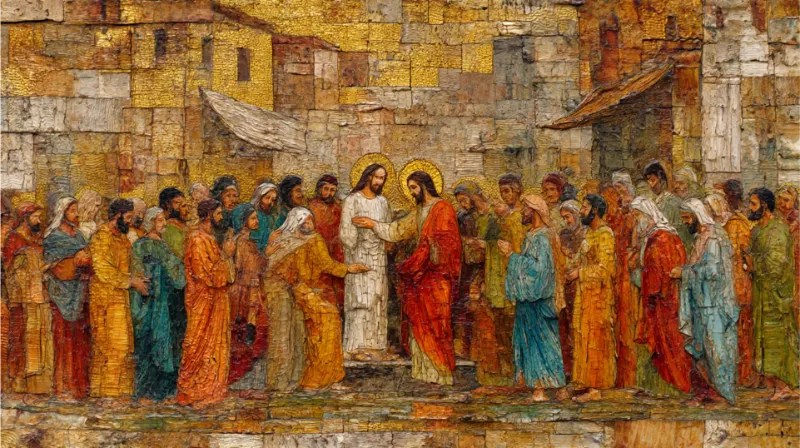
“For the Spirit God gave us does not make us timid, but gives us power, love and self-discipline.”
Reflection: Paul writes to Timothy, reminding him to “fan into flame the gift of God” he received through the laying on of Paul’s hands (verse 6). The timidity he rules out is specific: the next verse says, “do not be ashamed of the testimony about our Lord or of me his prisoner. Rather, join with me in suffering for the gospel.”
1 John 4:18
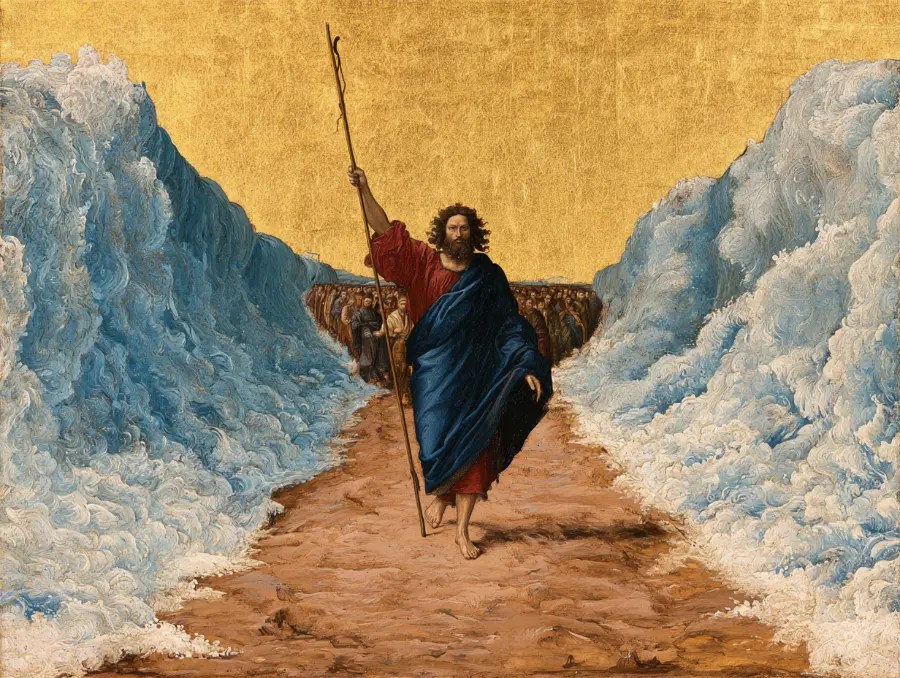
“There is no fear in love. But perfect love drives out fear, because fear has to do with punishment. The one who fears is not made perfect in love.”
Reflection: The fear this verse drives out is named: “fear has to do with punishment.” The verse before says that love is made complete among believers “so that we will have confidence on the day of judgment.”
Anxiety handed over to God
Philippians 4:6-7
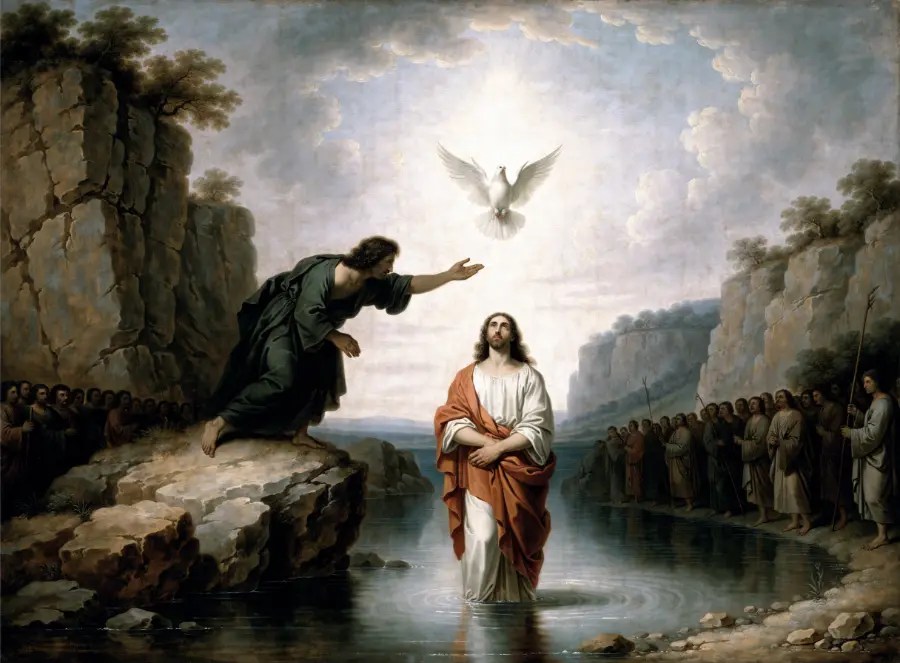
“Do not be anxious about anything, but in every situation, by prayer and petition, with thanksgiving, present your requests to God. And the peace of God, which transcends all understanding, will guard your hearts and your minds in Christ Jesus.”
Reflection: Paul’s instruction comes straight after “The Lord is near” (verse 5). He replaces anxiety with prayer about everything, made “with thanksgiving,” and the result he promises is peace that guards the heart and mind.
1 Peter 5:7
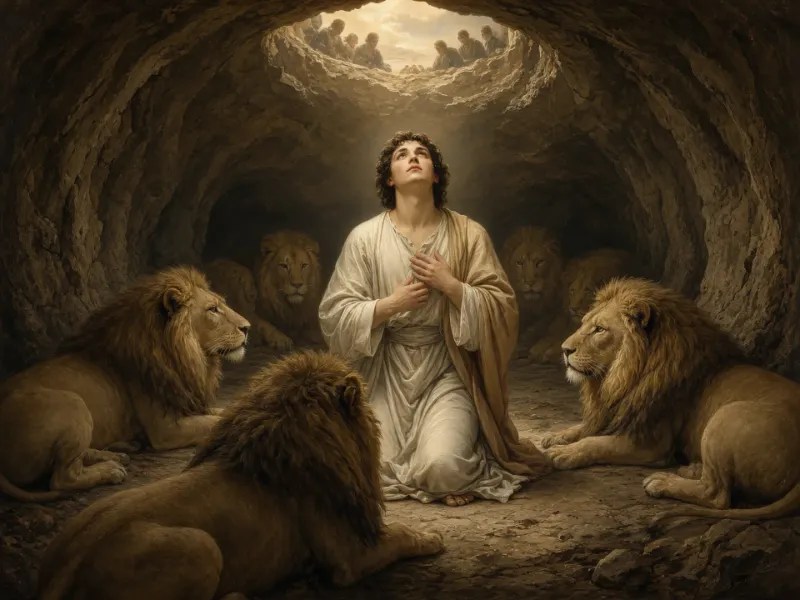
“Cast all your anxiety on him because he cares for you.”
Reflection: The verse sits between “Humble yourselves… under God’s mighty hand” (verse 6) and a warning that the devil “prowls around like a roaring lion” (verse 8). The letter’s readers were suffering, and verse 9 tells them that believers “throughout the world” were undergoing the same kind of sufferings.
A verse for how you feel
Choose how you feel today and read a verse from Scripture.
Even though I walk through the valley of the shadow of death, I will fear no evil, for You are with me; Your rod and Your staff, they comfort me.
Get a verse each week
Thank you. Your first verse is on its way.
If nothing arrives in a few minutes, look in your spam or promotions folder.
Keep this for another day. A verse for how you feel has a page of its own, with our verses for each feeling.
Each verse is quoted from the Berean Standard Bible.


Leave a Reply