
 English
 Chinese
 Dutch
 Arabic
 Spanish
 Portuguese
 Russian
 French
 Italian
 German
 Japanese
Several times in the Old Testament the command “Be strong and courageous” comes with a promise that God goes with the person. Moses says it to Israel and to Joshua (Deuteronomy 31:6-8), God to Joshua (Joshua 1:9), and David to Solomon (1 Chronicles 28:20).
Strength, in Isaiah 40:29-31 and 2 Corinthians 12:9-10, is given by God to the weary and the weak. The Psalms set fear and trust side by side (Psalm 56:3-4), and the song at the Red Sea, a psalm of David and the prayer of Habakkuk each call the Lord himself “my strength” (Exodus 15:2; Psalm 28:7; Habakkuk 3:19). Esther, Shadrach, Meshach and Abednego, and Peter and John show courage in front of rulers (Esther 4:16; Daniel 3:17-18; Acts 4:13), and the New Testament letters give the command to whole churches (1 Corinthians 16:13; Ephesians 6:10).
The charge passed from one leader to the next
Deuteronomy 31:6
“Be strong and courageous. Do not be afraid or terrified because of them, for the Lord your God goes with you; he will never leave you nor forsake you.”
Reflection: Moses, now a hundred and twenty years old and told he will not cross the Jordan, speaks to all Israel before they enter the land. The command rests on one reason: “the Lord your God goes with you.” In the next two verses Moses summons Joshua and repeats the charge to him in front of the people: “The Lord himself goes before you and will be with you.”
Joshua 1:7
“Be strong and very courageous. Be careful to obey all the law my servant Moses gave you; do not turn from it to the right or to the left, that you may be successful wherever you go.”
Reflection: Here the command gains the word “very,” and an instruction follows at once: obey all the law Moses gave, without turning “to the right or to the left.” Verse 8 names the means, keeping “this Book of the Law” on his lips and meditating on it day and night, and names the result: “Then you will be prosperous and successful.”
Joshua 1:9
“Have I not commanded you? Be strong and courageous. Do not be afraid; do not be discouraged, for the Lord your God will be with you wherever you go.”
Reflection: God speaks to Joshua after “Moses my servant is dead” (verse 2), with the crossing of the Jordan still ahead. The verse puts courage in the form of an order, “Have I not commanded you?”, and adds two prohibitions: do not be afraid, do not be discouraged. The promise it ends with was first given in verse 5: “As I was with Moses, so I will be with you.”
1 Chronicles 28:20
“David also said to Solomon his son, ‘Be strong and courageous, and do the work. Do not be afraid or discouraged, for the Lord God, my God, is with you. He will not fail you or forsake you until all the work for the service of the temple of the Lord is finished.’”
Reflection: David has given Solomon the plans for the temple (verses 11-18) and said he has them “in writing” (verse 19). He then uses the words Moses used for Joshua, and here the courage is for a building project: “do the work.” The promise has an end point: God will not fail or forsake Solomon “until all the work for the service of the temple of the Lord is finished.”
Fear, trust and boldness in the Psalms
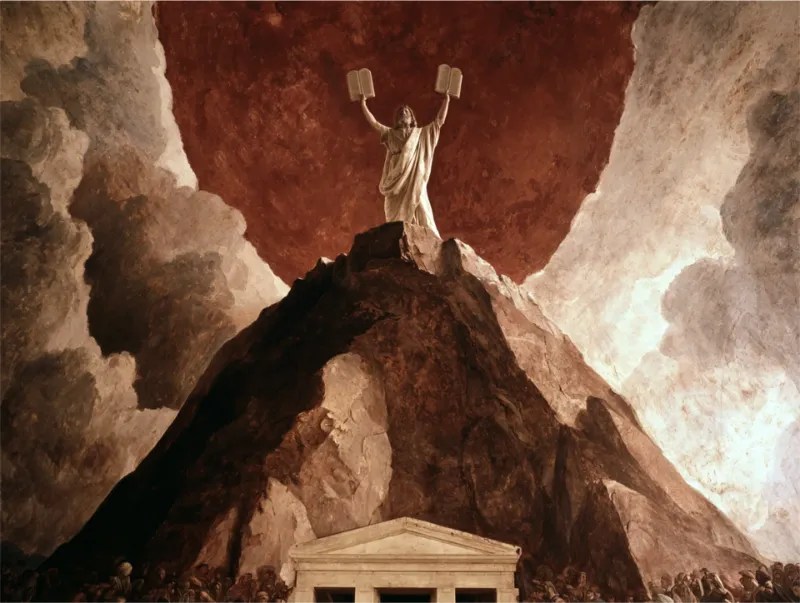
Psalm 27:1
“The Lord is my light and my salvation—whom shall I fear? The Lord is the stronghold of my life—of whom shall I be afraid?”
Reflection: A psalm of David. Verse 3 carries the two questions into war: “Though an army besiege me, my heart will not fear.” The psalm ends with a command that begins and ends with waiting: “Wait for the Lord; be strong and take heart and wait for the Lord” (verse 14).
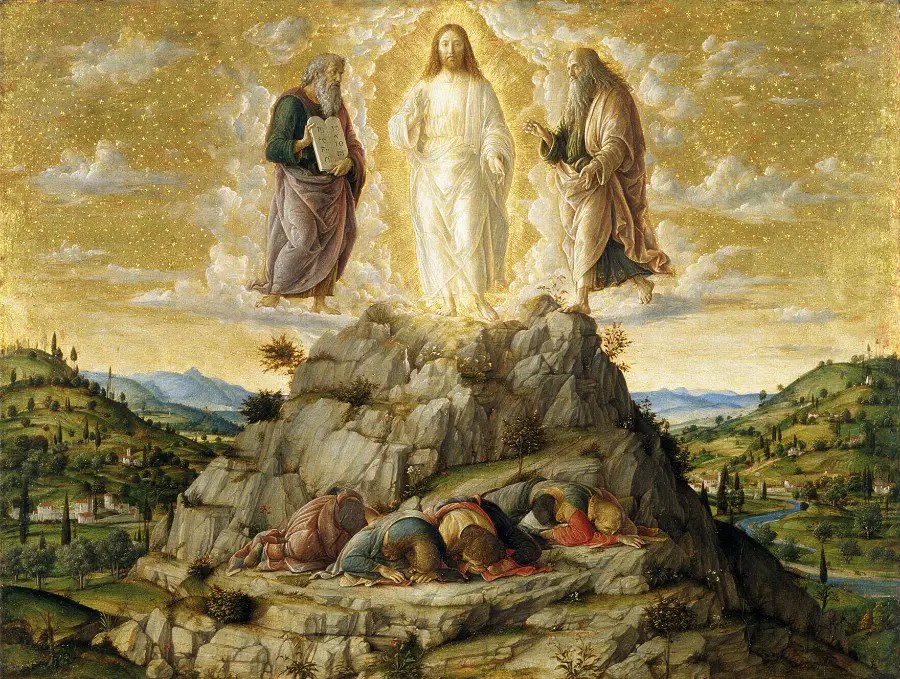
Psalm 56:3-4
“When I am afraid, I put my trust in you. In God, whose word I praise—in God I trust and am not afraid. What can mere mortals do to me?”
Reflection: The heading places this psalm at the time the Philistines had seized David in Gath, and verses 1-2 describe enemies in “hot pursuit.” The words “When I am afraid” admit the fear, and trust is what David does with it. Verses 10-11 repeat the lines as a refrain, ending “What can man do to me?”
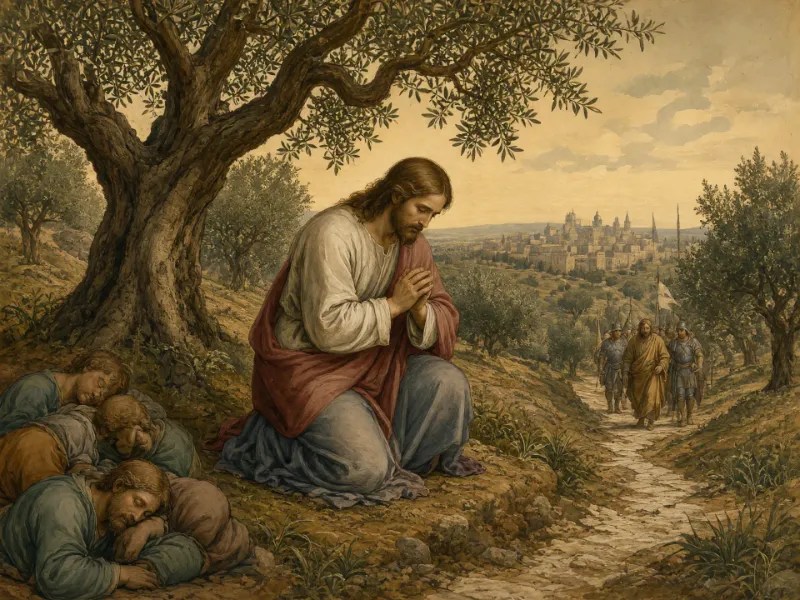
Psalm 31:24
“Be strong and take heart, all you who hope in the Lord.”
Reflection: The last line of the psalm, addressed to “all you who hope in the Lord.” Earlier, in verses 21-22, the psalmist recalls being “in a city under siege” and saying “I am cut off from your sight!”, and then being heard. The King James Version reads “Be of good courage, and he shall strengthen your heart,” joining courage and strength in one line.
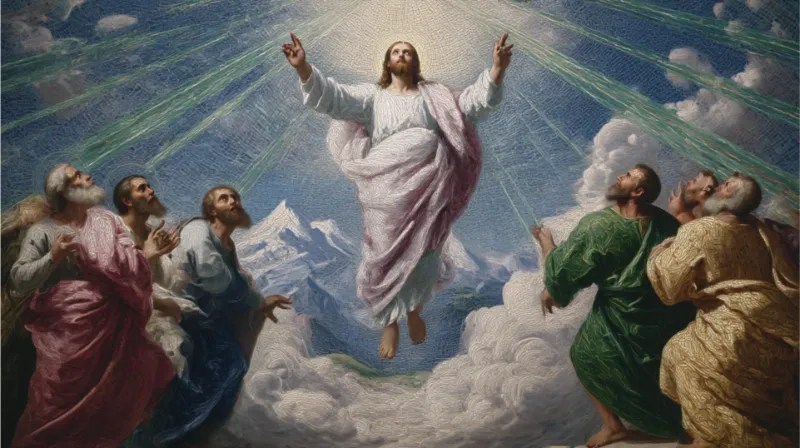
Psalm 138:3
“When I called, you answered me; you greatly emboldened me.”
Reflection: David praises God “with all my heart” (verse 1) and for his “unfailing love” and “faithfulness” (verse 2) before recalling the answered call in verse 3. Verse 7 looks ahead to more trouble: “Though I walk in the midst of trouble, you preserve my life.”
When the Lord is called my strength
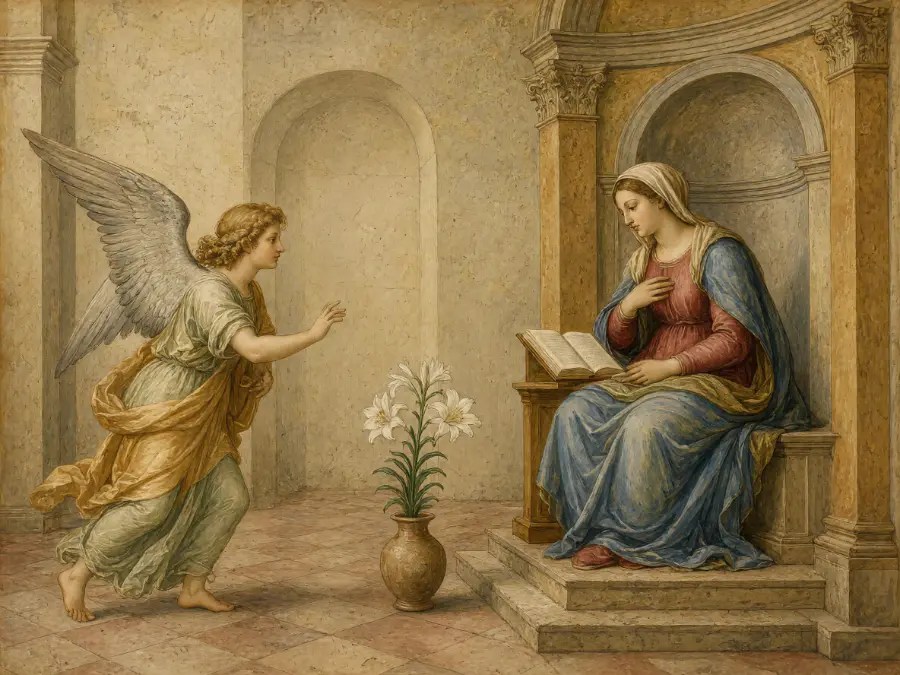
Exodus 15:2
“The Lord is my strength and my defense; he has become my salvation. He is my God, and I will praise him, my father’s God, and I will exalt him.”
Reflection: Moses and the Israelites sing this on the far side of the sea, where the Lord has hurled “both horse and driver” into the water (verse 1). The strength they name is what they have just seen done for them, and verse 3 goes on, “The Lord is a warrior.” Psalm 118:14 repeats the first half of the verse word for word, and Isaiah 12:2 repeats it with “the Lord himself” added.
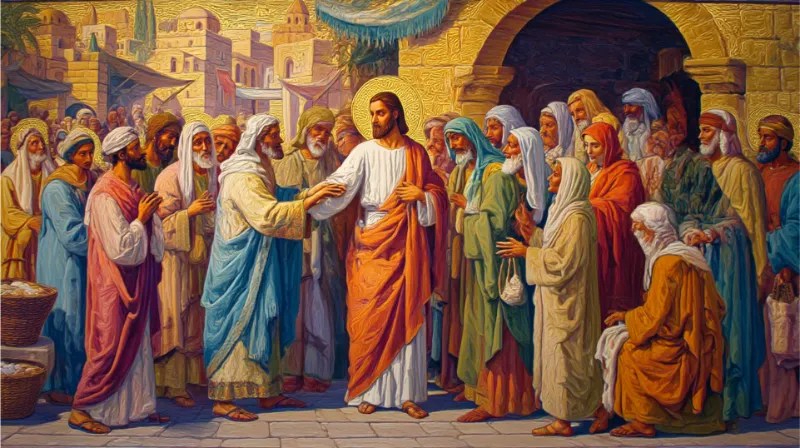
Isaiah 12:2
“Surely God is my salvation; I will trust and not be afraid. The Lord, the Lord himself, is my strength and my defense; he has become my salvation.”
Reflection: Isaiah 12 is a song for “that day” (verse 1), sung by someone who says God’s anger “has turned away” and that God has given comfort. Verse 3 goes on to drawing water “from the wells of salvation,” and verse 4 turns the song outward: “make known among the nations what he has done.”
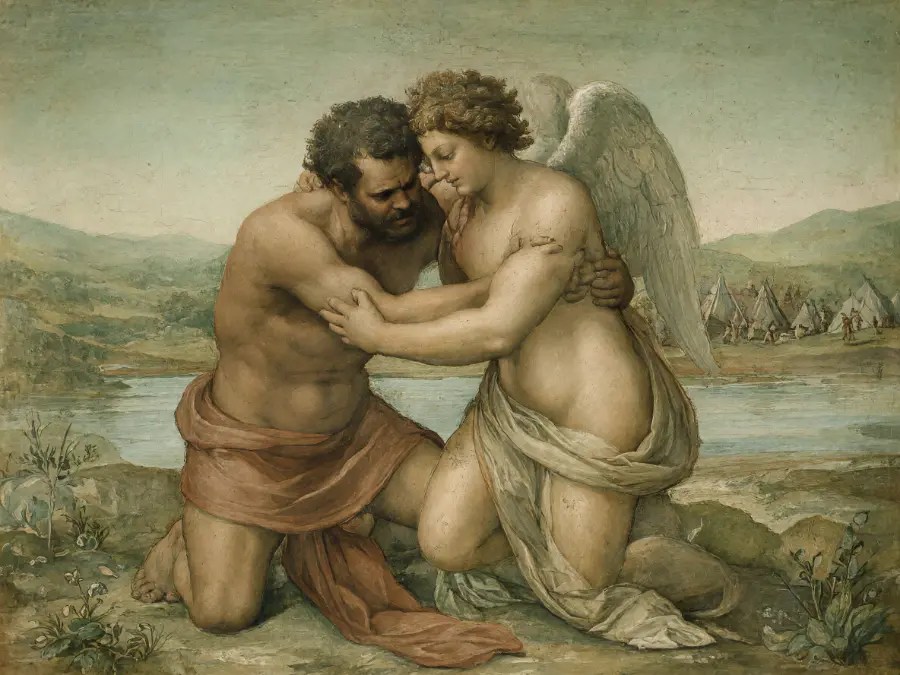
Psalm 28:7
“The Lord is my strength and my shield; my heart trusts in him, and he helps me. My heart leaps for joy, and with my song I praise him.”
Reflection: In verses 1-5 David pleads not to be dragged away with the wicked. Verse 6 turns to praise because the Lord “has heard my cry for mercy,” and verse 7 pairs strength with a shield and with trust: “my heart trusts in him, and he helps me.” Verse 8 applies the same title to the whole nation: “The Lord is the strength of his people.”
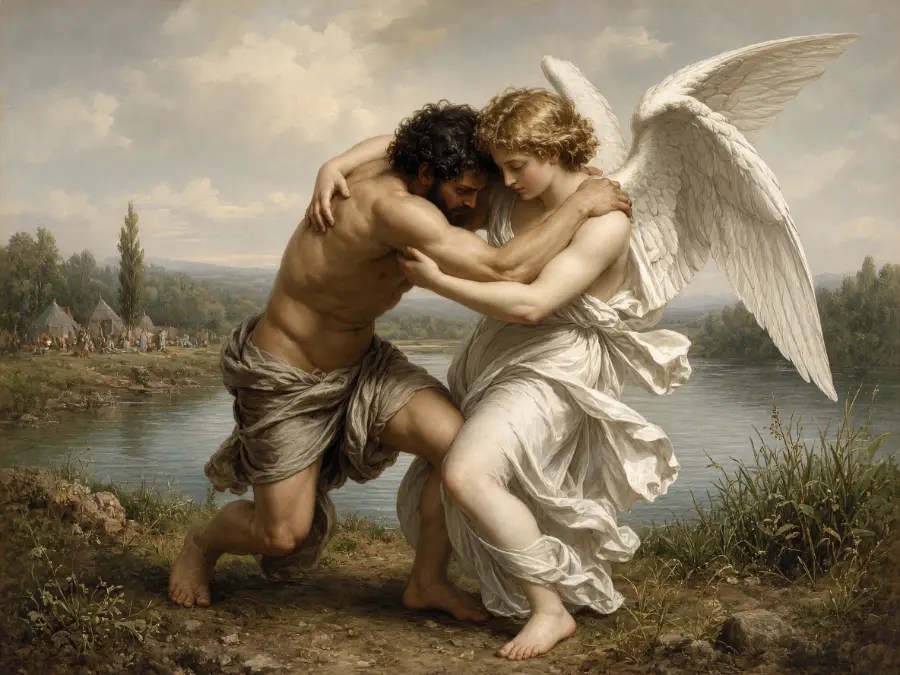
Habakkuk 3:19
“The Sovereign Lord is my strength; he makes my feet like the feet of a deer, he enables me to tread on the heights.”
Reflection: The line closes Habakkuk’s prayer after a list of failures in verse 17: no figs, no grapes, no olives, no food from the fields, no sheep in the pen and no cattle in the stalls. Verse 18 answers the list with “yet I will rejoice in the Lord.” After naming the Lord as his strength, the prophet says what the Lord does for him: he makes his feet “like the feet of a deer.” A note for the director of music follows, setting the prayer for stringed instruments.
Strength given to the weary and the weak
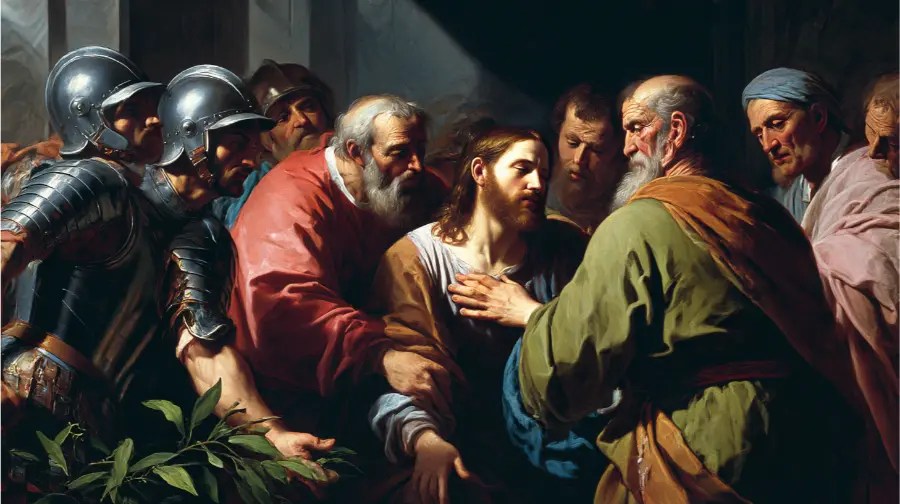
Isaiah 40:29-31
“He gives strength to the weary and increases the power of the weak. Even youths grow tired and weary, and young men stumble and fall; but those who hope in the Lord will renew their strength. They will soar on wings like eagles; they will run and not grow weary, they will walk and not be faint.”
Reflection: Verse 26 points to the stars, which God brings out “one by one” and calls by name: “Because of his great power and mighty strength, not one of them is missing.” Verse 29 says the same God gives strength to the weary and power to the weak. Verse 31 moves from soaring to running to walking, and promises that those who hope in the Lord will not grow weary or faint.
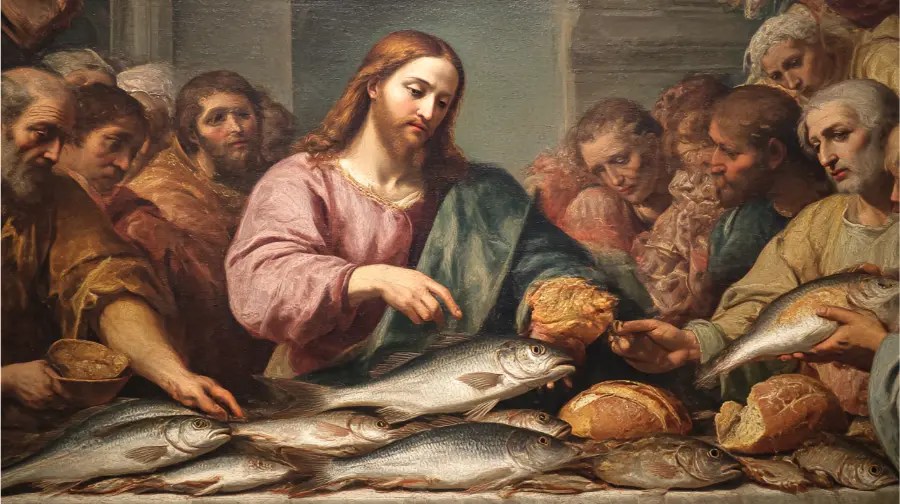
Isaiah 41:10
“So do not fear, for I am with you; do not be dismayed, for I am your God. I will strengthen you and help you; I will uphold you with my righteous right hand.”
Reflection: The fear this verse answers has a cause: verses 11-12 speak of those who “rage against you” and “wage war against you,” and God says they “will be as nothing.” Verse 14 turns back to Israel, calling it “you worm Jacob, little Israel,” and verse 15 promises to make Israel “a threshing sledge, new and sharp,” that will “thresh the mountains.”
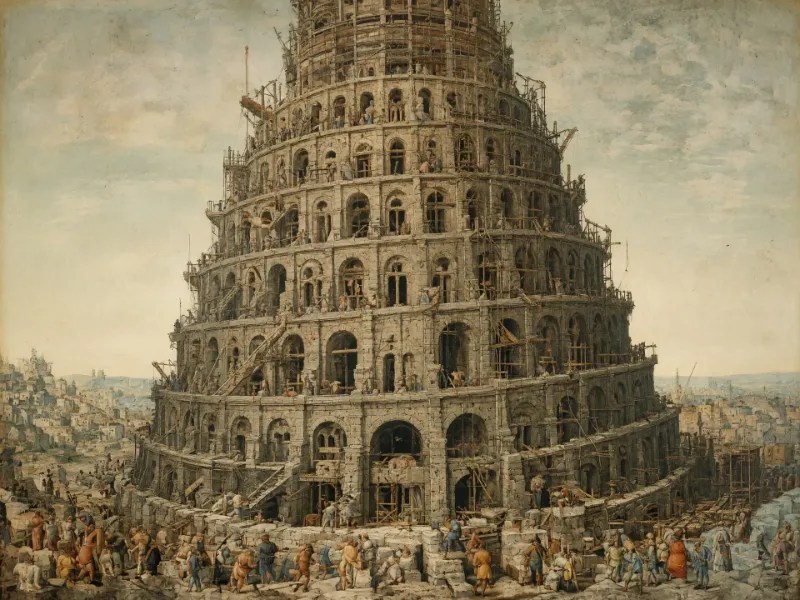
Psalm 119:28
“My soul is weary with sorrow; strengthen me according to your word.”
Reflection: In the Daleth stanza of Psalm 119 the psalmist is “laid low in the dust” (verse 25). The request for strength “according to your word” repeats the phrase verse 25 uses when he asks God to preserve his life, and verse 29 adds another request: “be gracious to me and teach me your law.”
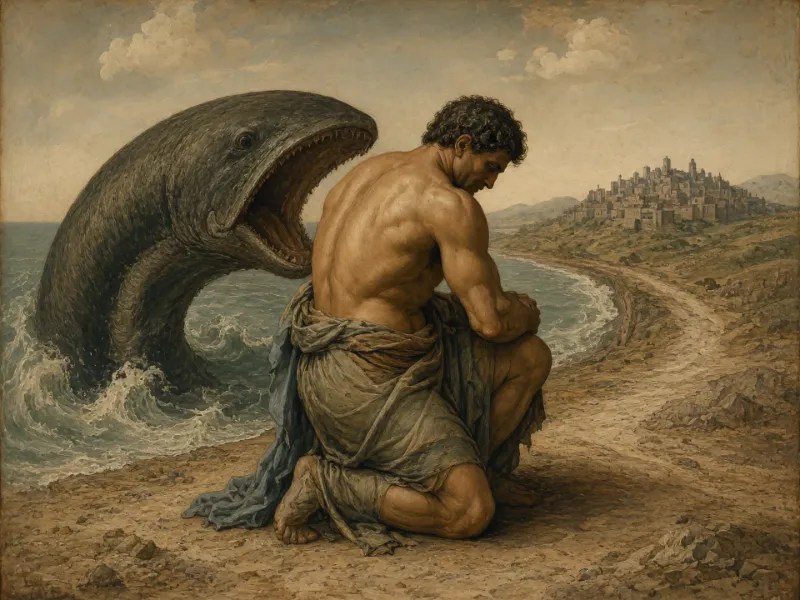
2 Corinthians 12:9-10
“But he said to me, ‘My grace is sufficient for you, for my power is made perfect in weakness.’ Therefore I will boast all the more gladly about my weaknesses, so that Christ’s power may rest on me. That is why, for Christ’s sake, I delight in weaknesses, in insults, in hardships, in persecutions, in difficulties. For when I am weak, then I am strong.”
Reflection: The passage follows Paul’s account of a man “caught up to paradise” who heard “inexpressible things” (verses 2-4), after which Paul says he will not boast about himself “except about my weaknesses” (verse 5). The Lord speaks only the first sentence of verse 9. Everything from “Therefore” on is Paul’s reply: he will boast “all the more gladly” about his weaknesses “so that Christ’s power may rest on me,” and verse 10 counts insults, hardships, persecutions and difficulties among them.
Courage in front of kings and councils
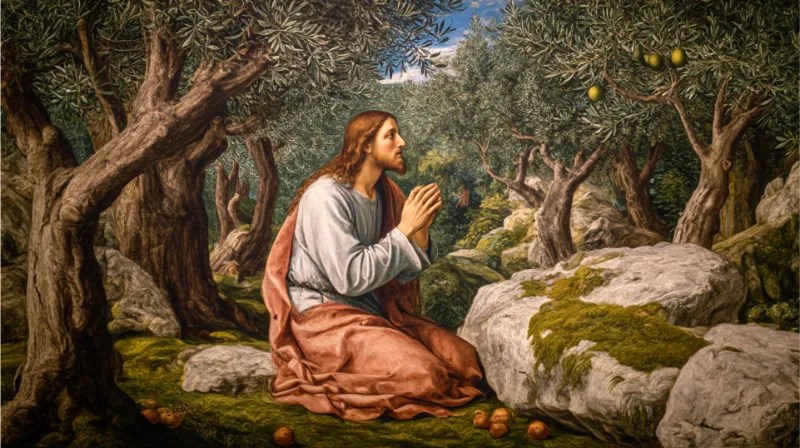
Esther 4:16
“Go, gather together all the Jews who are in Susa, and fast for me. Do not eat or drink for three days, night or day. I and my attendants will fast as you do. When this is done, I will go to the king, even though it is against the law. And if I perish, I perish.”
Reflection: Esther has told Mordecai that anyone who approaches the king unsummoned is put to death unless the king extends the gold scepter, and that she has not been called for thirty days (verse 11). After Mordecai’s reply, “for such a time as this,” she asks the Jews of Susa to fast for three days and then goes. “If I perish, I perish” is how she states the risk.
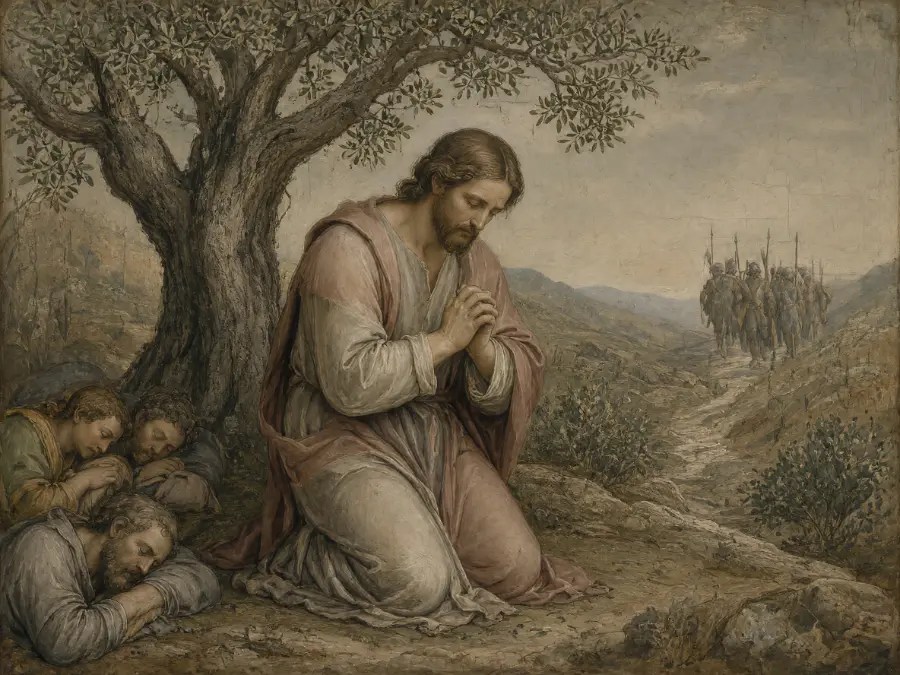
Daniel 3:17-18
“If we are thrown into the blazing furnace, the God we serve is able to deliver us from it, and he will deliver us from Your Majesty’s hand. But even if he does not, we want you to know, Your Majesty, that we will not serve your gods or worship the image of gold you have set up.”
Reflection: Nebuchadnezzar has threatened the blazing furnace and asked, “what god will be able to rescue you from my hand?” (verse 15). Shadrach, Meshach and Abednego answer that God is able to deliver them and will, then add “But even if he does not.” Verse 19 records the king’s reply: he ordered the furnace “heated seven times hotter than usual.”
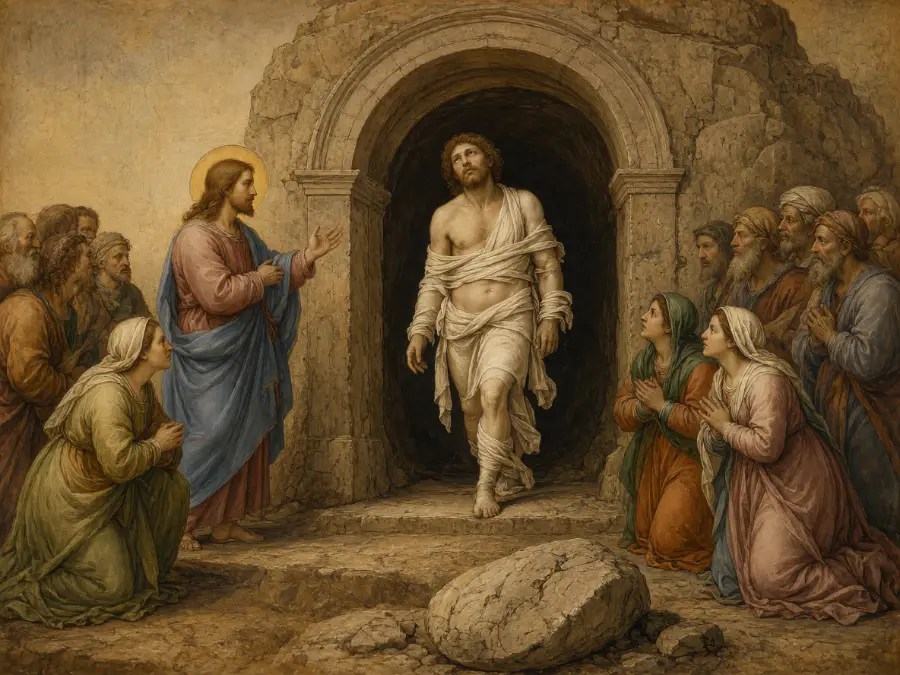
Acts 4:13
“When they saw the courage of Peter and John and realized that they were unschooled, ordinary men, they were astonished and they took note that these men had been with Jesus.”
Reflection: Peter, “filled with the Holy Spirit” (verse 8), has told the rulers and elders that the lame man stands healed by the name of Jesus, “whom you crucified.” Verse 14 says why the council had no reply: the man who had been healed was “standing there with them.”
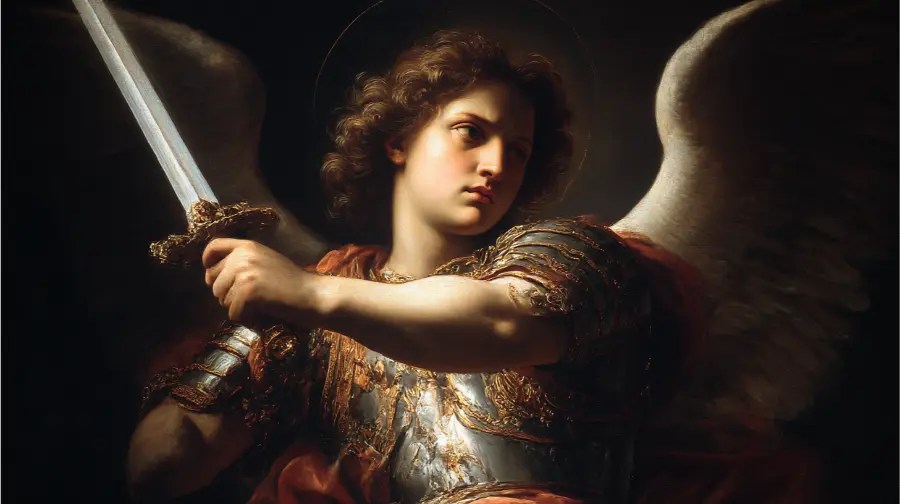
Acts 4:29
“Now, Lord, consider their threats and enable your servants to speak your word with great boldness.”
Reflection: The prayer hands the rulers’ threats to God and asks for boldness to keep speaking. Verse 31 records what followed: the place was shaken, and “they were all filled with the Holy Spirit and spoke the word of God boldly.”
Courage and strength in Paul’s letters
1 Corinthians 16:13
“Be on your guard; stand firm in the faith; be courageous; be strong.”
Reflection: Four short commands among Paul’s closing instructions to the church in Corinth. Just before them Paul asks the church to see that Timothy “has nothing to fear” when he comes (verse 10), and just after them comes a fifth command: “Do everything in love” (verse 14).

Ephesians 6:10
“Finally, be strong in the Lord and in his mighty power.”
Reflection: “Finally” opens the letter’s last section, on the armor of God. The strength is “in the Lord and in his mighty power,” and verses 11-13 say what it is for: to stand against “the devil’s schemes,” since “our struggle is not against flesh and blood.”

Ephesians 3:16
“I pray that out of his glorious riches he may strengthen you with power through his Spirit in your inner being.”
Reflection: Paul says he kneels before the Father (verse 14) and reports what he asks for the Ephesians: strength “in your inner being.” Verse 17 gives the purpose, “so that Christ may dwell in your hearts through faith.”
2 Timothy 1:7
“For the Spirit God gave us does not make us timid, but gives us power, love and self-discipline.”
Reflection: Paul writes recalling Timothy’s tears (verse 4) and the faith that “first lived in your grandmother Lois and in your mother Eunice” (verse 5). Power, love and self-discipline are set against timidity, and Paul’s own case follows in verse 12: he is suffering, “Yet this is no cause for shame, because I know whom I have believed.” Where the NIV has “timid,” the King James Version reads “the spirit of fear.”


Leave a Reply