
 English
 Chinese
 Dutch
 Arabic
 Spanish
 Portuguese
 Russian
 French
 Italian
 German
 Japanese
The Bible describes its own words as breathed out by God. Paul calls all Scripture “God-breathed” (2 Timothy 3:16), and 2 Peter 1:21 says the prophets spoke from God “as they were carried along by the Holy Spirit.”
The King James Version uses the word inspiration in 2 Timothy 3:16 and Job 32:8, and the New International Version calls David’s last words his “inspired utterance” (2 Samuel 23:1). In everyday English, inspiration also means encouragement. Isaiah 40:31, 2 Corinthians 12:9 and Lamentations 3:22-23 are verses of that second kind: they speak of strength and hope, and they do not use the word inspiration.
How Scripture came from God
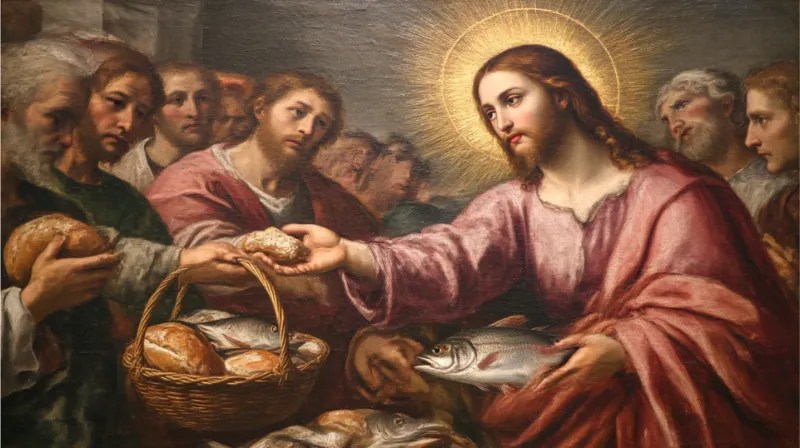
2 Timothy 3:16-17
“All Scripture is God-breathed and is useful for teaching, rebuking, correcting and training in righteousness, so that the servant of God may be thoroughly equipped for every good work.”
Reflection: Paul writes to Timothy about “the Holy Scriptures” Timothy had known from infancy, which “are able to make you wise for salvation through faith in Christ Jesus” (3:15). The Greek word for God-breathed is theopneustos, and Strong’s lists this verse as its one occurrence in the New Testament. The purpose Paul gives is practical: teaching, correcting and equipping “the servant of God” for good work.
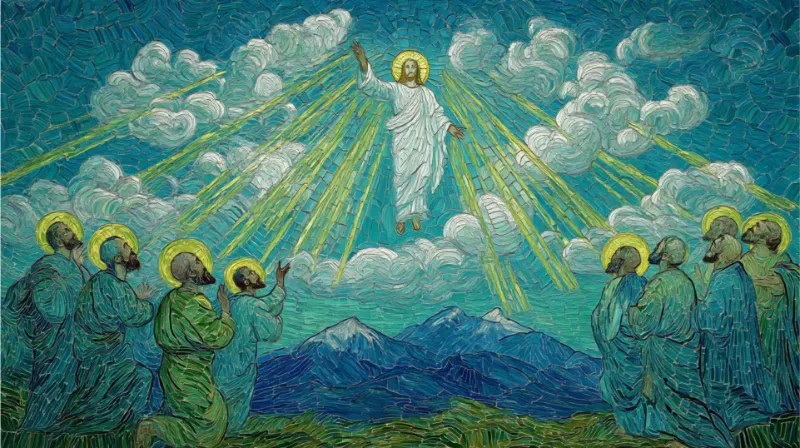
2 Peter 1:21
“For prophecy never had its origin in the human will, but prophets, though human, spoke from God as they were carried along by the Holy Spirit.”
Reflection: Peter has just recalled hearing the Father’s voice “on the sacred mountain” (1:17-18), and he says the prophetic message is “completely reliable” (1:19). “Carried along” translates the Greek verb phero, which Luke uses in Acts 27:15 for a ship caught by a storm and “driven along.” The verse holds both sides together: the prophets were “human”, and what they said came from God.
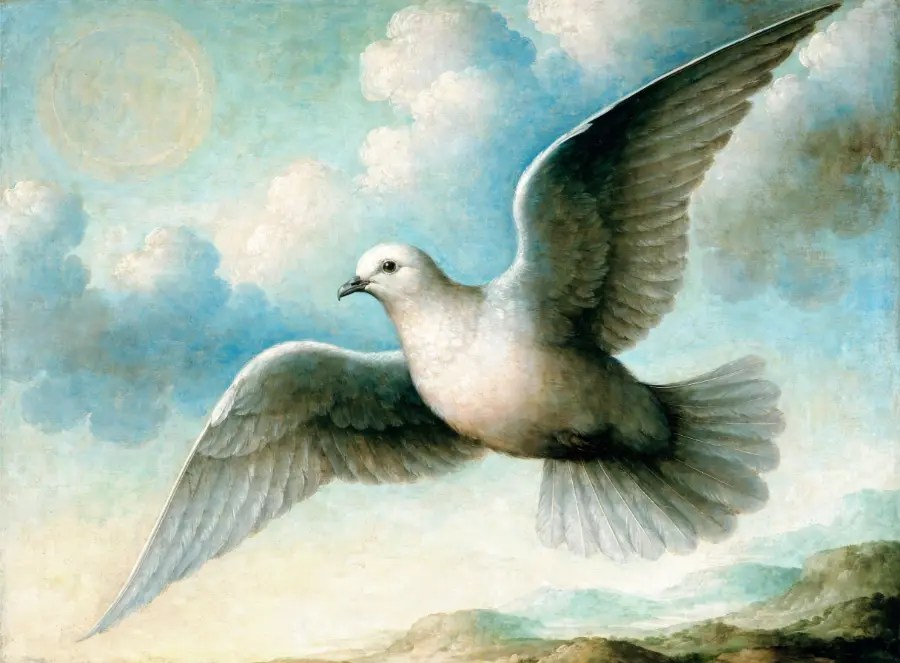
2 Samuel 23:2
“The Spirit of the Lord spoke through me; his word was on my tongue.”
Reflection: The chapter introduces these as “the last words of David” and calls them “the inspired utterance of David son of Jesse” (23:1). David credits the Spirit of the Lord with speaking through him, and the next line repeats the claim: “The God of Israel spoke, the Rock of Israel said to me.”
The breath of the Almighty in a person

Job 32:8
“But it is the spirit in a person, the breath of the Almighty, that gives them understanding.”
Reflection: Elihu, who says “I am young in years, and you are old,” has waited while Job and his friends spoke, “not daring to tell you what I know” (32:6). He answers the idea that age alone teaches wisdom: “It is not only the old who are wise” (32:9). The Hebrew word for breath is neshamah, the word Genesis 2:7 uses when God breathes “the breath of life” into the first man, and the King James Version translates it here as “inspiration”.
What the inspired word does
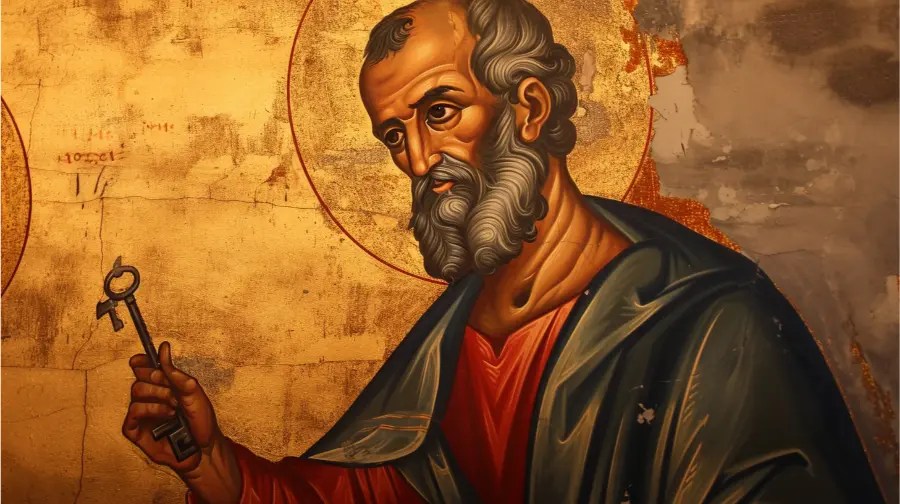
Hebrews 4:12
“For the word of God is alive and active. Sharper than any double-edged sword, it penetrates even to dividing soul and spirit, joints and marrow; it judges the thoughts and attitudes of the heart.”
Reflection: Hebrews has been quoting Psalm 95 and presents it as God speaking “through David”: “Today, if you hear his voice, do not harden your hearts” (4:7). The psalm serves as a warning to those who have yet to enter God’s rest. The word judges thoughts and attitudes, and the next verse moves from the word to God himself: “Nothing in all creation is hidden from God’s sight.”
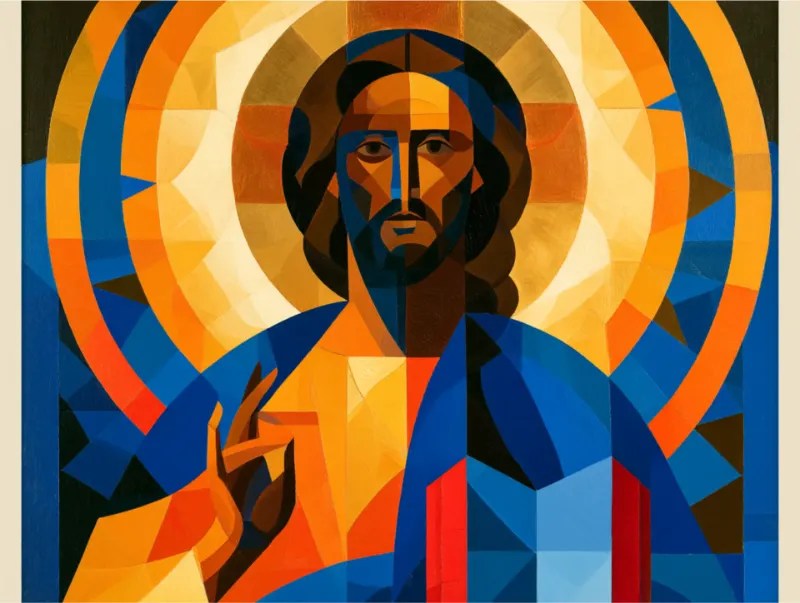
Psalm 19:7
“The law of the Lord is perfect, refreshing the soul. The statutes of the Lord are trustworthy, making wise the simple.”
Reflection: David’s psalm opens with the heavens declaring the glory of God (19:1) and turns at this verse to the law. Verses 7 and 8 name God’s word as law, statutes, precepts and commands, and give each an effect: refreshing the soul, making the simple wise, giving joy to the heart and giving light to the eyes. Verse 9 adds the decrees of the Lord, which “are firm, and all of them are righteous.”
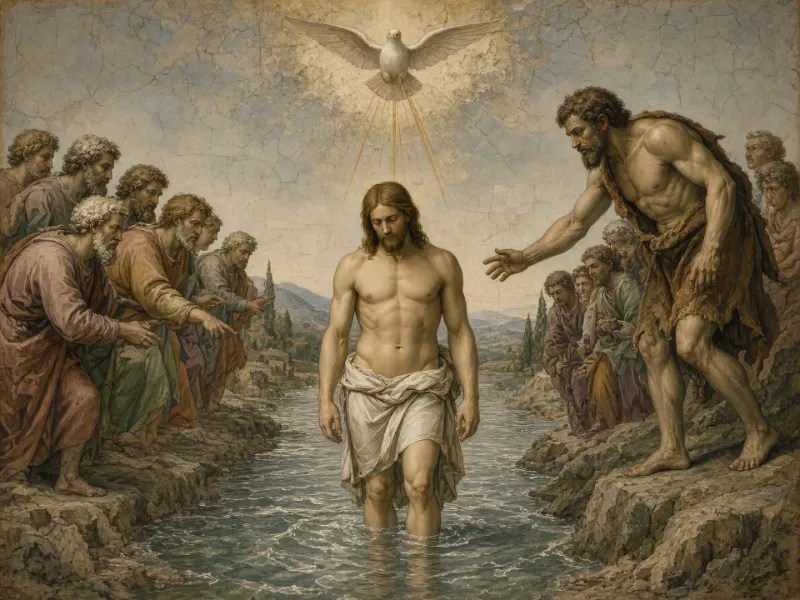
Psalm 119:105
“Your word is a lamp for my feet, a light on my path.”
Reflection: The verse opens the section of Psalm 119 headed by the Hebrew letter Nun, and it is addressed to God. The psalmist follows it with a promise: “I have taken an oath and confirmed it, that I will follow your righteous laws” (119:106).
Strength and courage from God
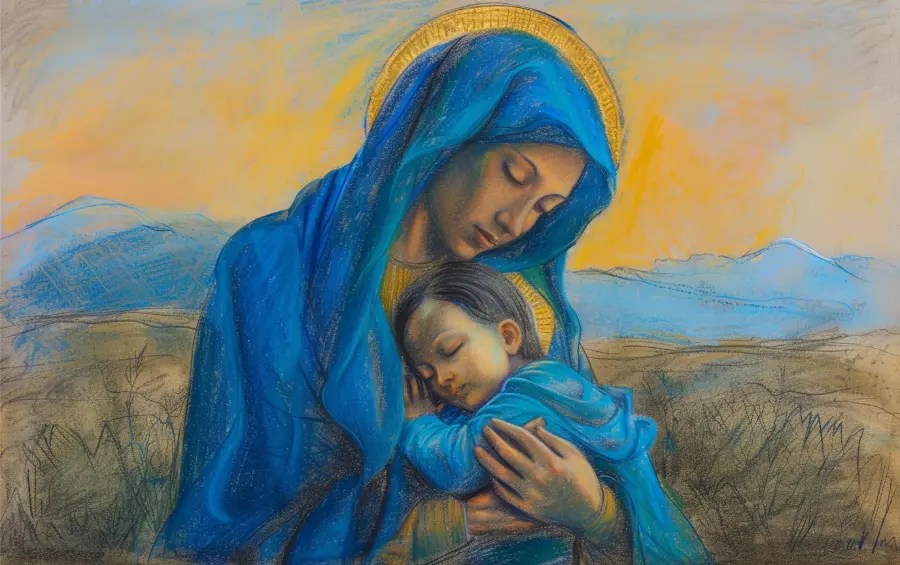
Isaiah 40:31
“but those who hope in the Lord will renew their strength. They will soar on wings like eagles; they will run and not grow weary, they will walk and not be faint.”
Reflection: Isaiah answers Israel’s complaint, “My way is hidden from the Lord” (40:27), by describing a God who “will not grow tired or weary” and “gives strength to the weary” (40:28-29). The verse before sets up the contrast: “Even youths grow tired and weary, and young men stumble and fall” (40:30).
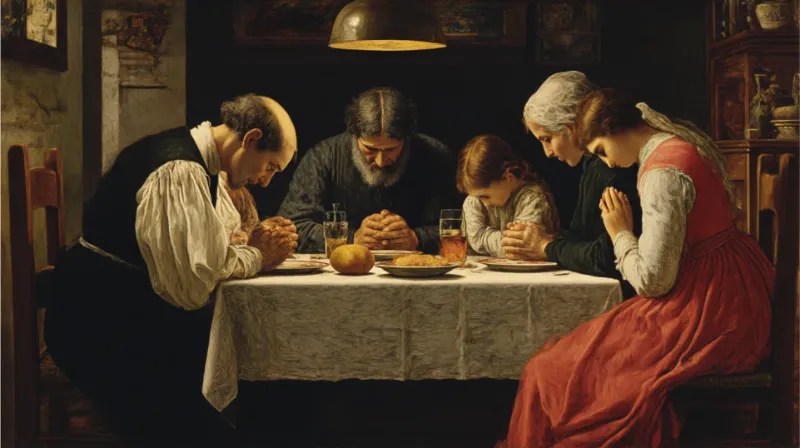
2 Corinthians 12:9
“But he said to me, ‘My grace is sufficient for you, for my power is made perfect in weakness.’ Therefore I will boast all the more gladly about my weaknesses, so that Christ’s power may rest on me.”
Reflection: Paul had been “caught up to paradise” and given “surpassingly great revelations” (12:4, 12:7), and was then given a thorn in his flesh. He pleaded three times for it to be taken away (12:8), and this answer is what he received instead. He draws the conclusion in the next verse: “For when I am weak, then I am strong.”
Philippians 4:13
“I can do all this through him who gives me strength.”
Reflection: “All this” refers to the verse before it: being content “whether well fed or hungry, whether living in plenty or in want” (4:12). Paul writes it while thanking the Philippians for renewing their concern for him (4:10). The strength he names is the strength to be content in either condition.
Isaiah 41:10
“So do not fear, for I am with you; do not be dismayed, for I am your God. I will strengthen you and help you; I will uphold you with my righteous right hand.”
Reflection: God speaks to “Israel, my servant, Jacob, whom I have chosen” (41:8), and each promise in the verse rests on his presence: “I am with you”, “I am your God.” The following verses say that those who rage against Israel will be ashamed, and repeat the right hand of verse 10: “I am the Lord your God who takes hold of your right hand” (41:13).
Joshua 1:9
“Have I not commanded you? Be strong and courageous. Do not be afraid; do not be discouraged, for the Lord your God will be with you wherever you go.”
Reflection: The Lord speaks to Joshua after the death of Moses, as the people prepare to cross the Jordan (1:1-2). The command to be strong and courageous comes in verses 6, 7 and 9, and verse 8 ties it to keeping “this Book of the Law always on your lips.” The courage is grounded in the closing promise that the Lord will be with Joshua wherever he goes.
Hope that holds
Lamentations 3:22-23
“Because of the Lord’s great love we are not consumed, for his compassions never fail. They are new every morning; great is your faithfulness.”
Reflection: Lamentations mourns the fall of Jerusalem (1:7), and the speaker in chapter 3 has just said, “my soul is downcast within me” (3:20). The next line turns: “Yet this I call to mind and therefore I have hope” (3:21). What he calls to mind is the Lord’s love and faithfulness, and he ends, “The Lord is my portion; therefore I will wait for him” (3:24).

Romans 15:13
“May the God of hope fill you with all joy and peace as you trust in him, so that you may overflow with hope by the power of the Holy Spirit.”
Reflection: Paul has just quoted Isaiah, “in him the Gentiles will hope” (15:12), and closes the passage with this blessing on the church in Rome. Hope here comes “by the power of the Holy Spirit”, and the joy and peace Paul wishes on his readers come “as you trust in him.”
Hebrews 6:19
“We have this hope as an anchor for the soul, firm and secure.”
Reflection: The hope rests on God’s promise to Abraham, which God confirmed by swearing by himself (6:13-14, 6:17). The promise and the oath are “two unchangeable things in which it is impossible for God to lie” (6:18), and this verse calls the hope they secure an anchor for the soul. The next verse says this hope “enters the inner sanctuary behind the curtain, where our forerunner, Jesus, has entered on our behalf.”


Leave a Reply