
 English
 Chinese
 Dutch
 Arabic
 Spanish
 Portuguese
 Russian
 French
 Italian
 German
 Japanese
The Bible tells its readers to read it aloud together, to meditate on it daily, to read it with understanding and to do what it says. Ezra had the law read and explained to an assembly (Nehemiah 8:8), and Israel’s king was to read his own copy every day (Deuteronomy 17:19).
Reading in the Bible is often done aloud. Philip “heard him reading”, Revelation blesses “the one who reads aloud” and “those who hear”, and the Hebrew verb for meditating on the law in Joshua 1:8 and Psalm 1:2, hagah, is also used for muttering and uttering.
Reading and teaching when God’s people gather
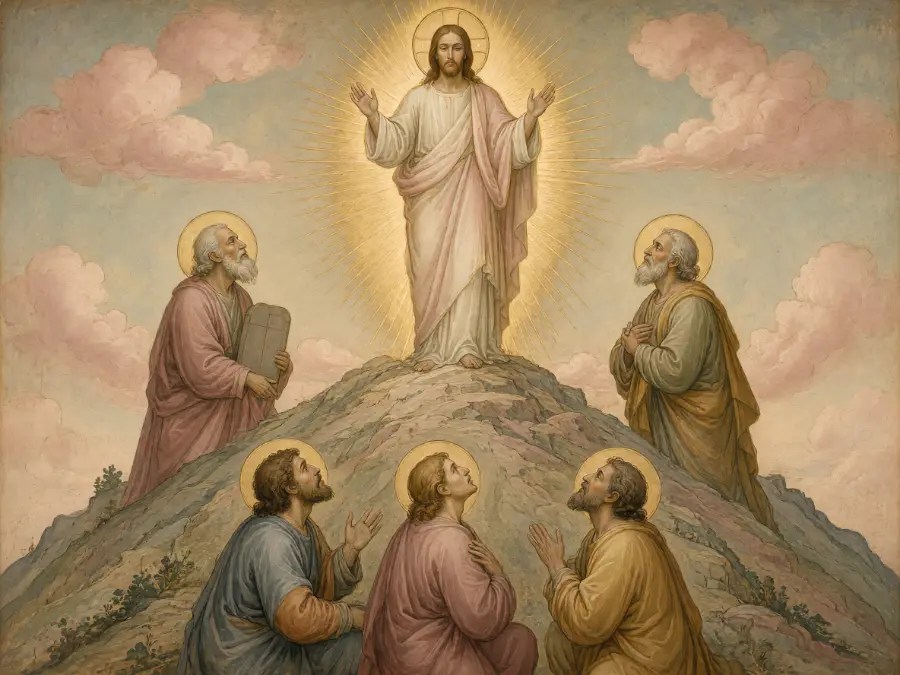
Nehemiah 8:8
“They read from the book, from the Law of God, clearly, and they gave the sense, so that the people understood the reading.”
Reflection: Ezra brought the Book of the Law of Moses before “both men and women and all who could understand what they heard” and read from it “from early morning until midday” (Nehemiah 8:2-3). The Levites named in verse 7 “helped the people to understand the Law”, so the reading came with its sense explained. Verses 9-12 record the people weeping as they heard the words, then going home to eat and drink “and to make great rejoicing, because they had understood the words that were declared to them.”
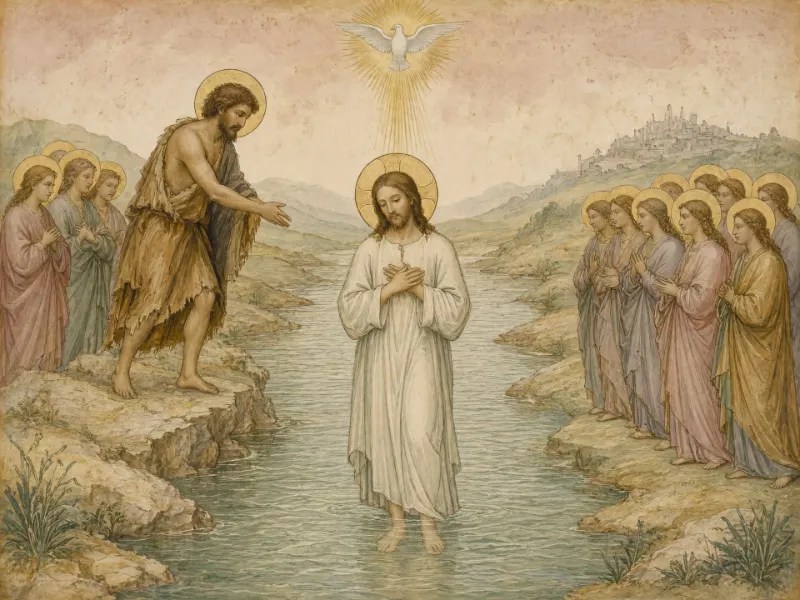
1 Timothy 4:13
“Until I come, devote yourself to the public reading of Scripture, to exhortation, to teaching.”
Reflection: Paul tells Timothy what to give himself to until Paul arrives: reading, exhortation and teaching. The Greek has simply “the reading”, anagnosis, the word Acts 13:15 uses for “the reading from the Law and the Prophets” in the synagogue before visitors were invited to speak; the ESV’s “public reading” names that setting. Three verses later Paul adds, “by so doing you will save both yourself and your hearers.”
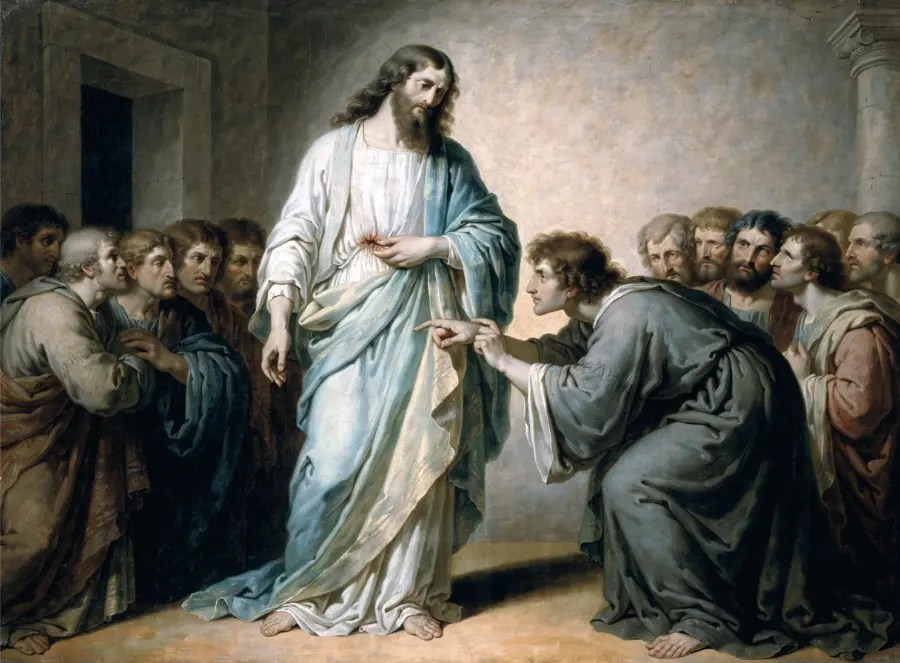
Revelation 1:3
“Blessed is the one who reads aloud the words of this prophecy, and blessed are those who hear, and who keep what is written in it, for the time is near.”
Reflection: The book is addressed “to the seven churches that are in Asia” (Revelation 1:4), and its opening blessing has one reader and many listeners: “the one who reads aloud” and “those who hear”. The blessing also reaches those “who keep what is written in it”, so hearing is joined to keeping.

Revelation 22:18-19
“I warn everyone who hears the words of the prophecy of this book: if anyone adds to them, God will add to him the plagues described in this book, and if anyone takes away from the words of the book of this prophecy, God will take away his share in the tree of life and in the holy city, which are described in this book.”
Reflection: Revelation opens with a blessing for the person who reads the prophecy aloud and for those who hear and keep it (Revelation 1:3). At the close, those same hearers receive a warning about adding words to the prophecy or taking words from it. Both consequences come from the book itself, which describes the plagues as well as the tree of life and the holy city.

Colossians 3:16
“Let the word of Christ dwell in you richly, teaching and admonishing one another in all wisdom, singing psalms and hymns and spiritual songs, with thankfulness in your hearts to God.”
Reflection: Paul writes in the plural to a whole church, and the word of Christ dwells in it as its members teach, admonish and sing to one another. Near the end of the same letter he asks that, “when this letter has been read among you,” it also be read in the church of the Laodiceans, and that the Colossians read the letter from Laodicea (Colossians 4:16). The letter was written to be read aloud and passed on.
Reading every day, and doing what is read

Deuteronomy 17:19
“And it shall be with him, and he shall read in it all the days of his life, that he may learn to fear the Lord his God by keeping all the words of this law and these statutes, and doing them,”
Reflection: In Moses’ law for a future king of Israel, the king is to write out his own copy of the law, “approved by the Levitical priests” (Deuteronomy 17:18), and keep it with him. The reading has stated purposes: to learn to fear the Lord, to keep and do the law’s words, and “that his heart may not be lifted up above his brothers” (17:20).
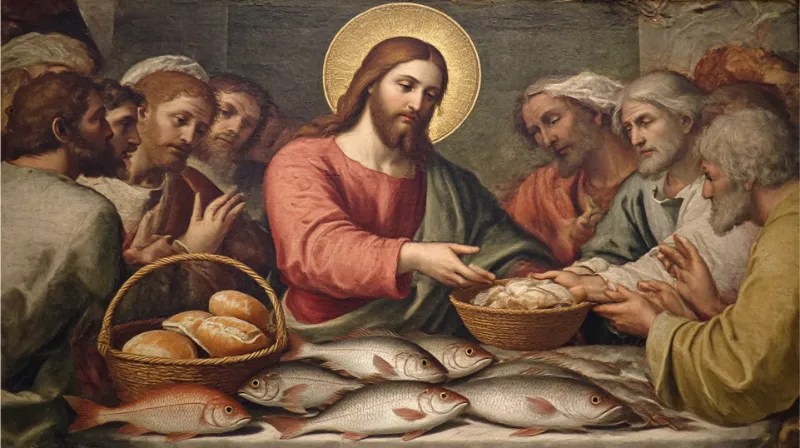
Joshua 1:8
“This Book of the Law shall not depart from your mouth, but you shall meditate on it day and night, so that you may be careful to do according to all that is written in it. For then you will make your way prosperous, and then you will have good success.”
Reflection: After the death of Moses, the Lord charges Joshua to keep “all the law that Moses my servant commanded you” and not to turn from it “to the right hand or to the left” (Joshua 1:7). The verb for meditate is hagah, which Strong’s also glosses as moan, mutter and utter, and the verse ties it to speech: the book “shall not depart from your mouth”. The meditation is for doing, “so that you may be careful to do according to all that is written in it.”
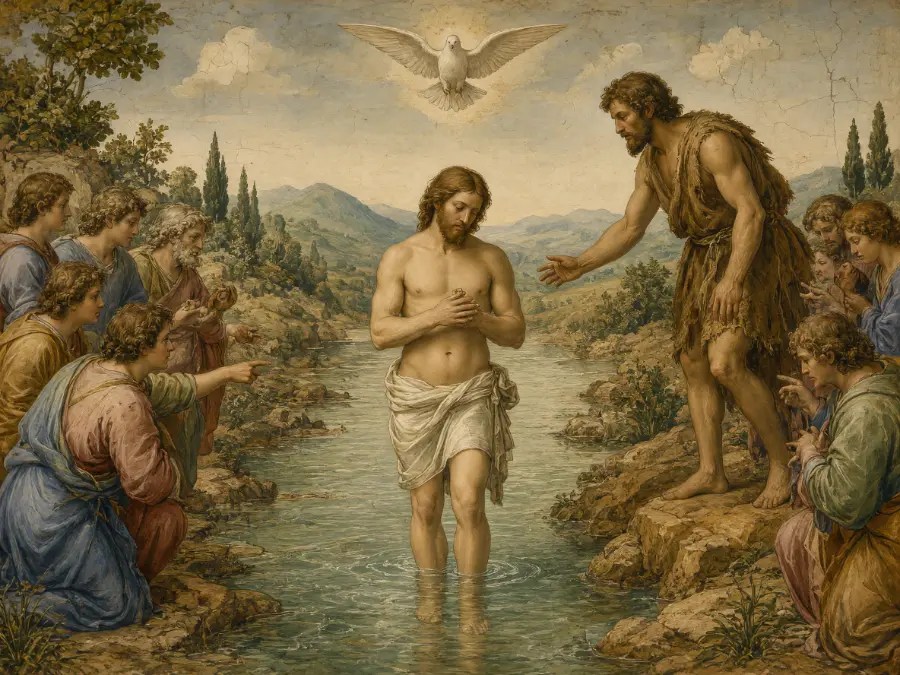
Psalm 1:2
“But his delight is in the law of the Lord, and on his law he meditates day and night.”
Reflection: The first psalm sets the man who delights in the law of the Lord against those who walk in “the counsel of the wicked” (Psalm 1:1). It uses the same verb as Joshua 1:8, hagah, for meditating on the law “day and night”. Verse 3 compares that man to “a tree planted by streams of water that yields its fruit in its season”.
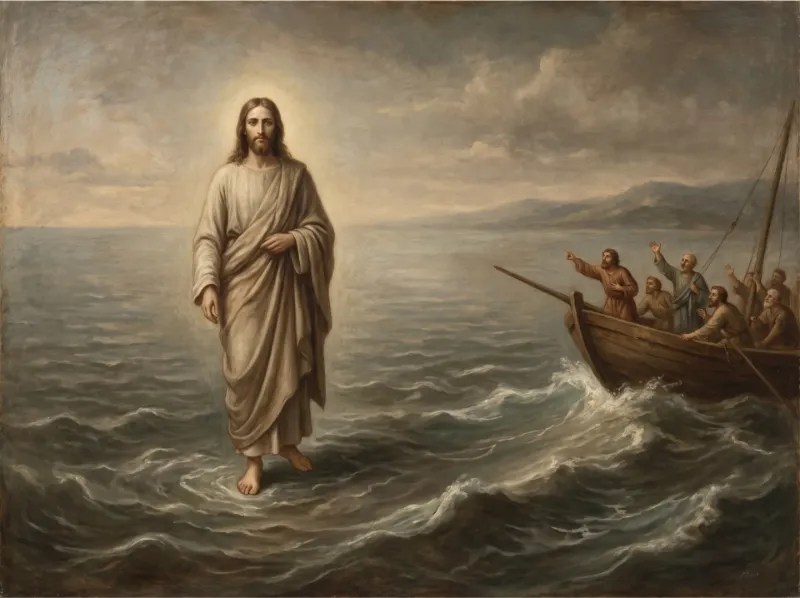
James 1:22-25
“But be doers of the word, and not hearers only, deceiving yourselves. For if anyone is a hearer of the word and not a doer, he is like a man who looks intently at his natural face in a mirror. For he looks at himself and goes away and at once forgets what he was like. But the one who looks into the perfect law, the law of liberty, and perseveres, being no hearer who forgets but a doer who acts, he will be blessed in his doing.”
Reflection: James compares someone who hears the word and does nothing to a man who looks at his face in a mirror and “at once forgets what he was like.” The one who “looks into the perfect law, the law of liberty, and perseveres” is the one blessed, and the blessing is “in his doing”. The verse before tells his readers to “receive with meekness the implanted word, which is able to save your souls” (James 1:21).
Reading to understand
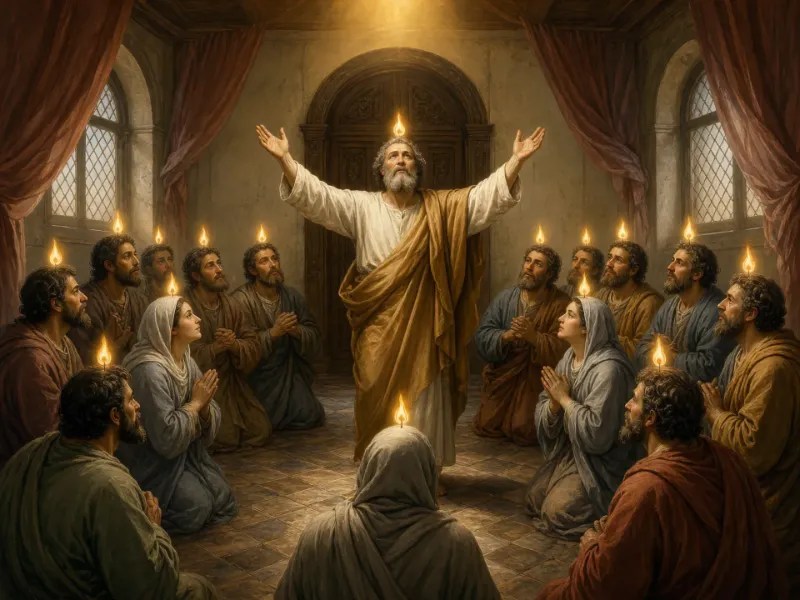
Acts 8:30-31
“So Philip ran to him and heard him reading Isaiah the prophet and asked, ‘Do you understand what you are reading?’ And he said, ‘How can I, unless someone guides me?’ And he invited Philip to come up and sit with him.”
Reflection: An Ethiopian court official, returning from worship in Jerusalem, is reading the prophet Isaiah in his chariot, and Philip hears him (Acts 8:27-28). The passage is the one now numbered Isaiah 53:7-8, about one led “like a sheep” to the slaughter, and the official asks whether the prophet means himself or someone else. “Beginning with this Scripture”, Philip tells him the good news about Jesus (Acts 8:35).
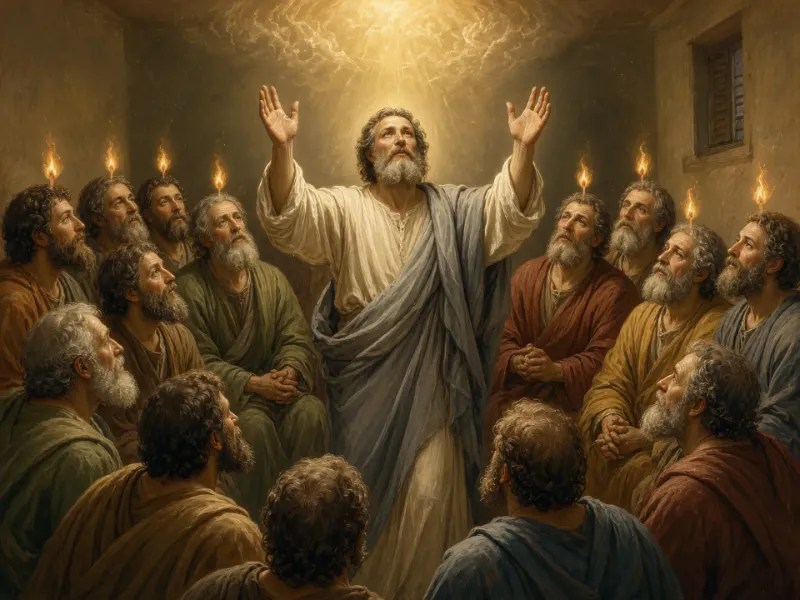
Acts 17:11
“Now these Jews were more noble than those in Thessalonica; they received the word with all eagerness, examining the Scriptures daily to see if these things were so.”
Reflection: Paul and Silas had been sent away from Thessalonica by night and preached in the synagogue at Berea (Acts 17:10). Luke calls the Bereans “more noble” for two things together: they received the word “with all eagerness” and they checked what they heard against the Scriptures every day. Verse 12 goes on, “Many of them therefore believed.”

2 Timothy 2:15
“Do your best to present yourself to God as one approved, a worker who has no need to be ashamed, rightly handling the word of truth.”
Reflection: The King James Version begins the verse “Study to shew thyself approved unto God” and renders the last phrase “rightly dividing the word of truth.” Paul sets rightly handling the word against quarrelling “about words, which does no good, but only ruins the hearers” (2 Timothy 2:14) and against “irreverent babble” (2:16). He then names Hymenaeus and Philetus, who “have swerved from the truth, saying that the resurrection has already happened” (2:18).
John 5:39-40
“You search the Scriptures because you think that in them you have eternal life; and it is they that bear witness about me, yet you refuse to come to me that you may have life.”
Reflection: Jesus says this to his opponents, and it warns that reading the Scriptures closely can still miss what they are about. The ESV reads the first words as a statement, “You search the Scriptures”, while the King James Version reads them as a command, “Search the scriptures”. Either way the Scriptures “bear witness about me”, and a few verses later Jesus says of Moses, “he wrote of me” (John 5:46).
What the Scriptures are written for
2 Timothy 3:16-17
“All Scripture is breathed out by God and profitable for teaching, for reproof, for correction, and for training in righteousness, that the man of God may be complete, equipped for every good work.”
Reflection: Paul reminds Timothy that he has known “the sacred writings” from childhood and that they “are able to make you wise for salvation through faith in Christ Jesus” (2 Timothy 3:15). He lists four uses, teaching, reproof, correction and training in righteousness, and one aim: that “the man of God may be complete, equipped for every good work.”

Romans 15:4
“For whatever was written in former days was written for our instruction, that through endurance and through the encouragement of the Scriptures we might have hope.”
Reflection: Paul has just applied a line of Psalm 69:9, “The reproaches of those who reproached you fell on me,” to Christ, and this verse explains why an old psalm can be read that way: what was written earlier was written “for our instruction”. Hope comes “through endurance and through the encouragement of the Scriptures”, and the next verses pray that the church may glorify God “with one voice” (Romans 15:6).
Psalm 119:105
“Your word is a lamp to my feet and a light to my path.”
Reflection: The line belongs to a run of verses in which the psalmist says the law is “my meditation all the day” (Psalm 119:97) and that its words are “sweeter than honey to my mouth” (119:103). A lamp at the feet lights the next step. Verse 104 gives the result the psalmist claims, “Through your precepts I get understanding”, and verse 106 answers with an oath “to keep your righteous rules.”
Hebrews 4:12
“For the word of God is living and active, sharper than any two-edged sword, piercing to the division of soul and of spirit, of joints and of marrow, and discerning the thoughts and intentions of the heart.”
Reflection: The verse follows a call to “strive to enter that rest, so that no one may fall by the same sort of disobedience” (Hebrews 4:11). Here the reader is the one examined: the word discerns “the thoughts and intentions of the heart”. Verse 13 moves from the word to God himself, before whom “all are naked and exposed”.
Scripture described as food

Deuteronomy 8:3
“And he humbled you and let you hunger and fed you with manna, which you did not know, nor did your fathers know, that he might make you know that man does not live by bread alone, but man lives by every word that comes from the mouth of the Lord.”
Reflection: Moses tells Israel to remember “the whole way that the Lord your God has led you these forty years in the wilderness” (Deuteronomy 8:2). The hunger was part of the lesson as well as the manna: the Lord “let you hunger and fed you with manna” so that Israel would know that people live by every word from his mouth.

Matthew 4:4
“But he answered, ‘It is written, “Man shall not live by bread alone, but by every word that comes from the mouth of God.”’”
Reflection: After forty days of fasting, Jesus answers the tempter’s first challenge with Deuteronomy 8:3. He answers all three temptations with “it is written” (Matthew 4:4, 7, 10), and all three come from Deuteronomy (8:3, 6:16 and 6:13). The devil quotes Scripture too, Psalm 91:11-12 in verse 6, and Jesus answers that text with another.

Jeremiah 15:16
“Your words were found, and I ate them, and your words became to me a joy and the delight of my heart, for I am called by your name, O Lord, God of hosts.”
Reflection: The verse comes in the middle of Jeremiah’s complaint to God about his persecutors (Jeremiah 15:15). Eating the words gave him joy, and the next verses say what came with it: “I sat alone, because your hand was upon me,” and “Why is my pain unceasing?” (15:17-18).

1 Peter 2:2
“Like newborn infants, long for the pure spiritual milk, that by it you may grow up into salvation.”
Reflection: The milk follows Peter’s words about being born again “through the living and abiding word of God” (1 Peter 1:23), where he quotes Isaiah 40:6-8, “the word of the Lord remains forever”, and adds, “this word is the good news that was preached to you” (1:25). Before the milk comes a list of things to put away: “all malice and all deceit and hypocrisy and envy and all slander” (2:1).
Reading together and reading alone
Ezra reads to an assembly, Revelation blesses a reader and listeners, and Colossians 4:16 asks for the letter to be read in two churches. Deuteronomy 31:10-13 commands the law to be read before all Israel every seven years at the Feast of Booths, to “men, women, and little ones, and the sojourner”, so that children “who have not known it, may hear and learn to fear the Lord”.
Reading alone appears as well: the king in his own copy (Deuteronomy 17:19), and the official in his chariot until Philip hears him (Acts 8:28-30). In Nehemiah 8 and Acts 8 the reading comes with someone who explains it.


Leave a Reply