
 English
 Chinese
 Dutch
 Arabic
 Spanish
 Portuguese
 Russian
 French
 Italian
 German
 Japanese
The Bible treats faith in hard times as trust in God’s presence and promises while the trouble is still going on. In Psalm 23:4 David trusts that God is with him in the valley of the shadow of death, and Isaiah 43:2 promises Israel God’s company through water and fire.
Lamentations 3:22-23 holds on to God’s mercy in the middle of affliction, Habakkuk 3:17-18 resolves to rejoice in God even if the crops fail and the herds are lost, James 1:2-4 and Romans 5:3-5 say what trials produce, and Romans 8:35-39 lists the hardships that cannot separate a believer from the love of Christ. Hebrews 11:1 defines faith as “the conviction of things not seen”, and the same chapter ends with people who were tortured, imprisoned and killed and “did not receive what was promised” (Hebrews 11:39).
God’s presence in the trouble
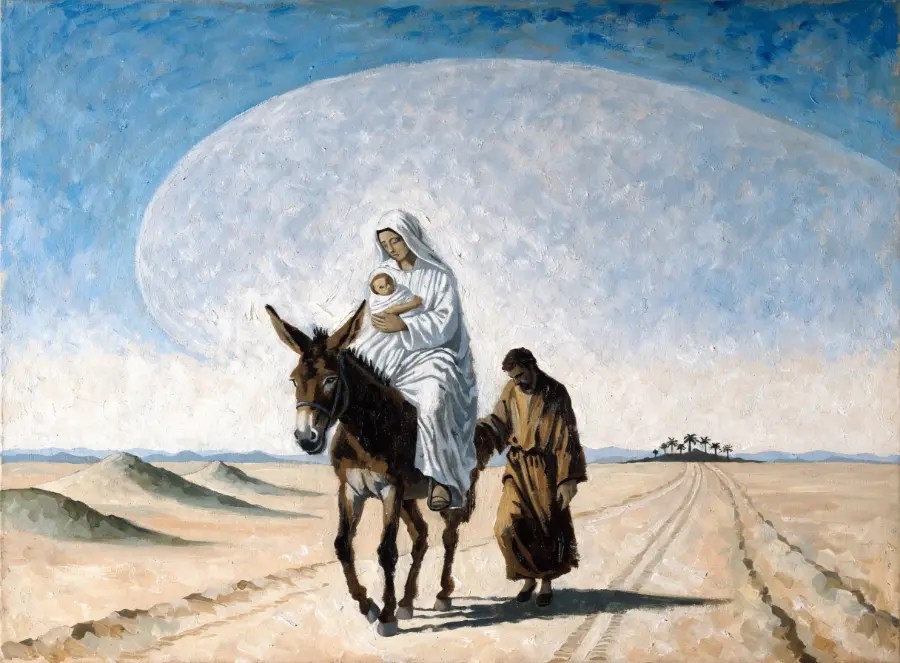
Psalm 23:4
“Even though I walk through the valley of the shadow of death, I will fear no evil, for you are with me; your rod and your staff, they comfort me.”
Reflection: In the first three verses of this psalm of David, the shepherd is spoken about: “He makes me lie down”, “He leads me”. At the valley of the shadow of death the psalmist turns and speaks to him directly: “for you are with me.” The rod and staff that comfort him are the shepherd’s own, and the psalm goes on to a table prepared “in the presence of my enemies” (verse 5).
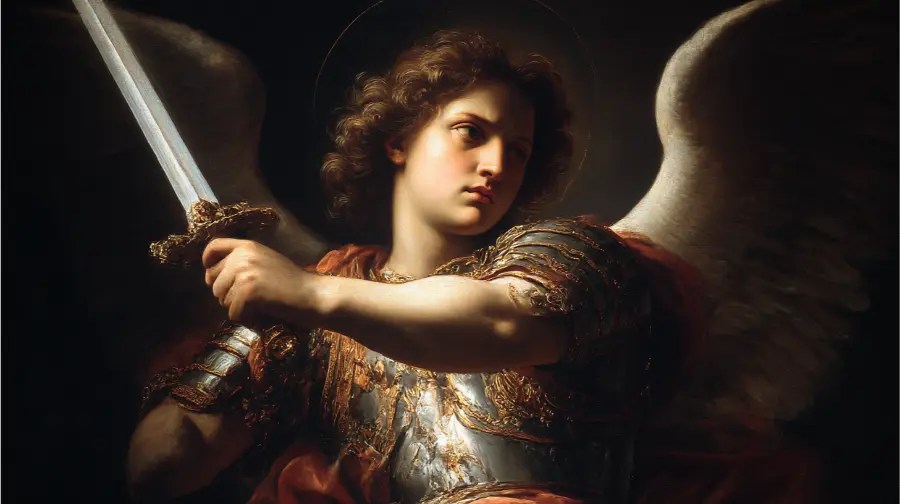
Isaiah 41:10
“Fear not, for I am with you; be not dismayed, for I am your God; I will strengthen you, I will help you, I will uphold you with my righteous right hand.”
Reflection: God speaks to Israel, called “my servant” and “the offspring of Abraham, my friend” in verse 8, and tells them “I have chosen you and not cast you off.” The verse gives the reason for not fearing before it gives any promise: “for I am with you… for I am your God.” Verse 13 repeats the picture from the other side, with God holding Israel’s right hand and saying, “Fear not, I am the one who helps you.”

Isaiah 43:2
“When you pass through the waters, I will be with you; and through the rivers, they shall not overwhelm you; when you walk through fire you shall not be burned, and the flame shall not consume you.”
Reflection: The verse assumes that Israel will pass through the waters and walk through fire. What it promises is that the rivers will not overwhelm them and the flame will not consume them. Verse 1 gives the ground for it: “Fear not, for I have redeemed you; I have called you by name, you are mine.”
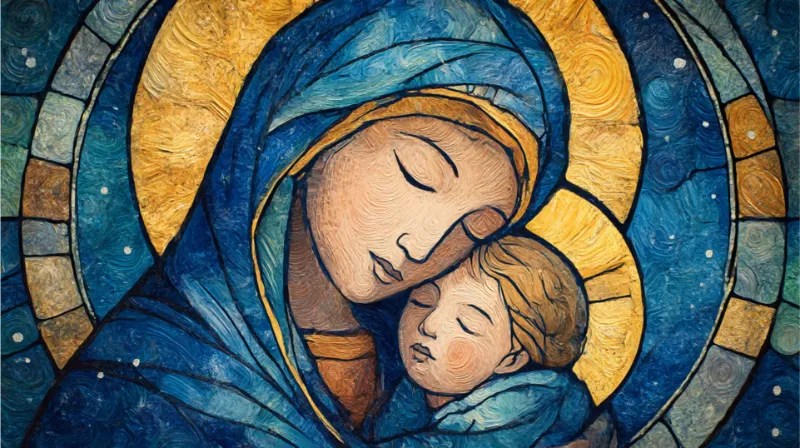
Zephaniah 3:17
“The Lord your God is in your midst, a mighty one who will save; he will rejoice over you with gladness; he will quiet you by his love; he will exult over you with loud singing.”
Reflection: Zephaniah speaks these words to Jerusalem after promising that the Lord has taken away the judgments against the city and cleared away its enemies (verse 15). The line just before it tells the people, “Fear not, O Zion; let not your hands grow weak” (verse 16). The verses that follow add that God will gather those who mourn, deal with all their oppressors, and save the lame and the outcast (verses 18-19).
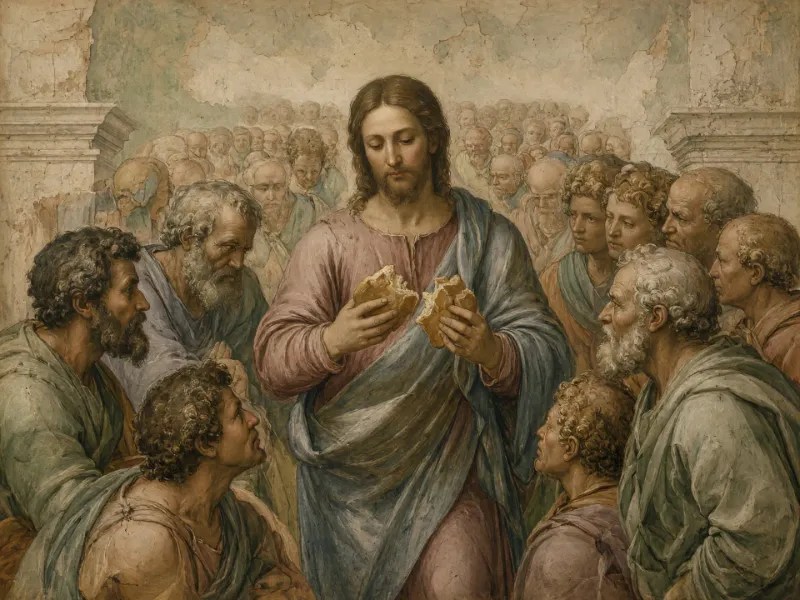
Psalm 46:1-2
“God is our refuge and strength, a very present help in trouble. Therefore we will not fear though the earth give way, though the mountains be moved into the heart of the sea.”
Reflection: This song of the Sons of Korah pictures the earth giving way and mountains falling into the sea, and says “we will not fear” even then. The rest of the psalm sets a city with a river in the middle of raging nations, where “God will help her when morning dawns” (verse 5). Twice the refrain answers the upheaval with “The Lord of hosts is with us”, and verse 10 gives God’s own words: “Be still, and know that I am God.”
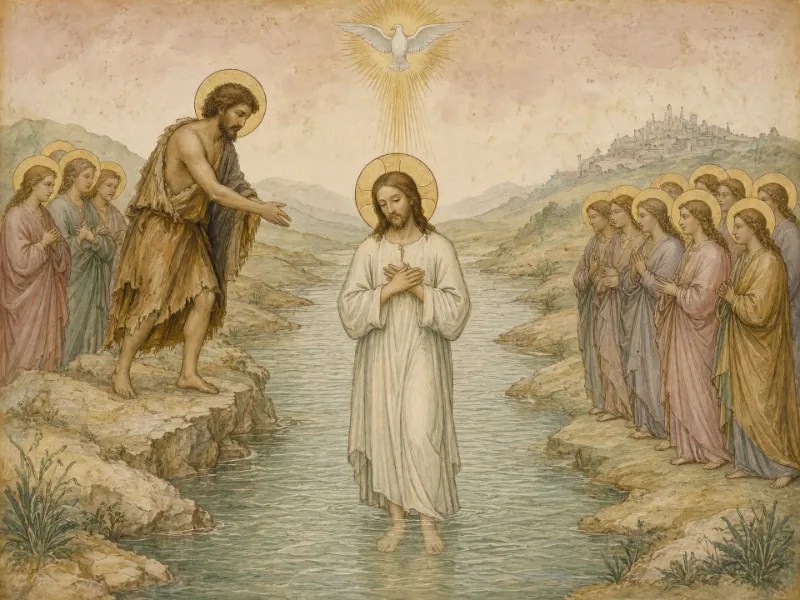
Psalm 34:17-18
“When the righteous cry for help, the Lord hears and delivers them out of all their troubles. The Lord is near to the brokenhearted and saves the crushed in spirit.”
Reflection: The heading ties this psalm to the time David “changed his behavior before Abimelech” and was driven out. The psalmist says in verse 6, “This poor man cried, and the Lord heard him and saved him out of all his troubles.” Verse 19 keeps both halves in view: “Many are the afflictions of the righteous, but the Lord delivers him out of them all.” The righteous are not spared the afflictions, and the Lord is said to be near to the brokenhearted and the crushed in spirit.
Holding on while nothing has changed
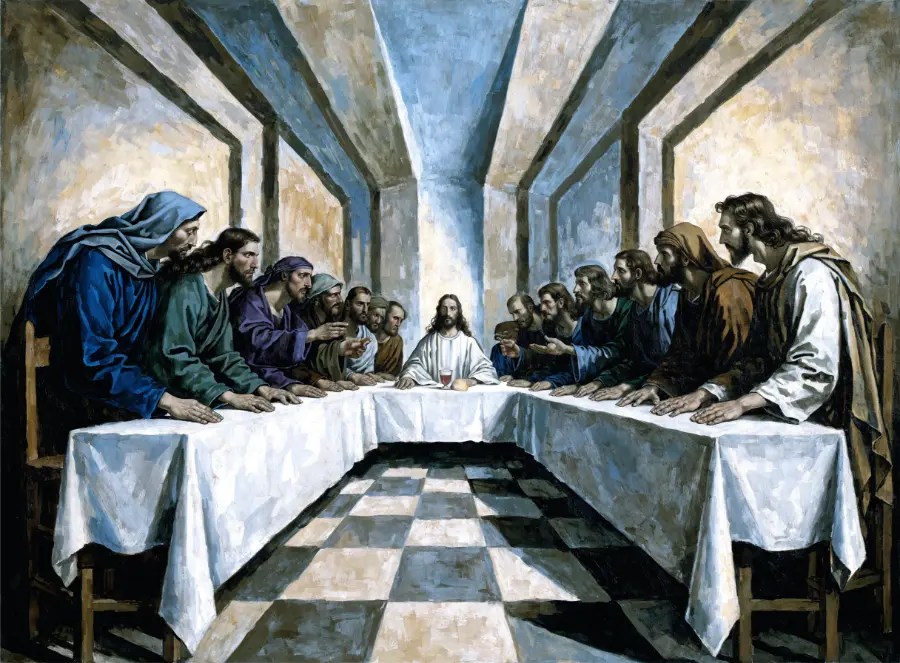
Psalm 62:5-8
“For God alone, O my soul, wait in silence, for my hope is from him. He only is my rock and my salvation, my fortress; I shall not be shaken. On God rests my salvation and my glory; my mighty rock, my refuge is God. Trust in him at all times, O people; pour out your heart before him; God is a refuge for us.”
Reflection: Verses 3-4 of this psalm describe men who “attack a man to batter him, like a leaning wall, a tottering fence” and “bless with their mouths, but inwardly they curse” (verses 3-4). Verses 5-6 repeat the psalm’s opening lines almost word for word, but where verse 2 says “I shall not be greatly shaken”, verse 6 drops “greatly”. Verse 8 turns from the psalmist’s own soul to the people: “Trust in him at all times, O people; pour out your heart before him.”
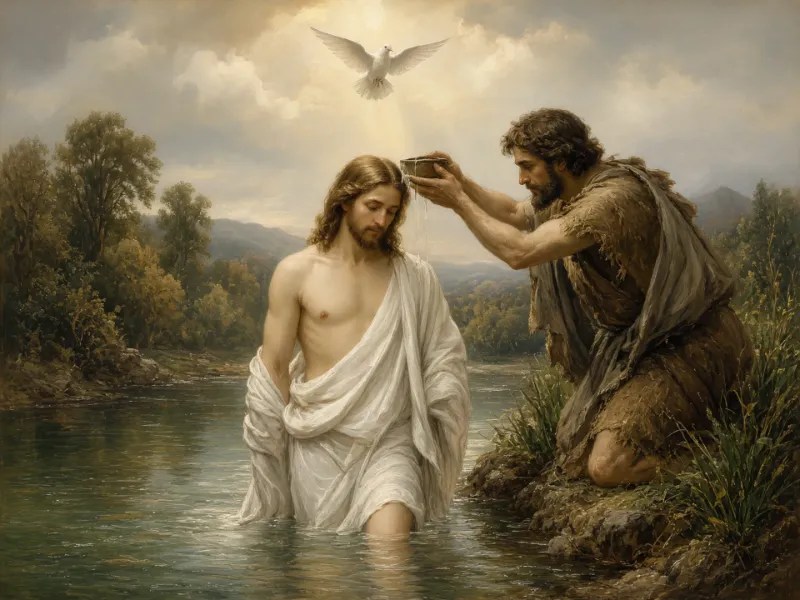
Lamentations 3:22-23
“The steadfast love of the Lord never ceases; his mercies never come to an end; they are new every morning; great is your faithfulness.”
Reflection: The chapter opens with a long complaint in which the speaker says God has “broken my bones”, “shuts out my prayer” and “made me dwell in darkness”. In verse 18 he says, “My endurance has perished; so has my hope from the Lord.” Verse 21 turns with “But this I call to mind, and therefore I have hope”, and these two verses are what he calls to mind. Nothing in his circumstances has changed between verse 18 and verse 22; verses 31-32 add that “the Lord will not cast off forever, for, though he cause grief, he will have compassion.”
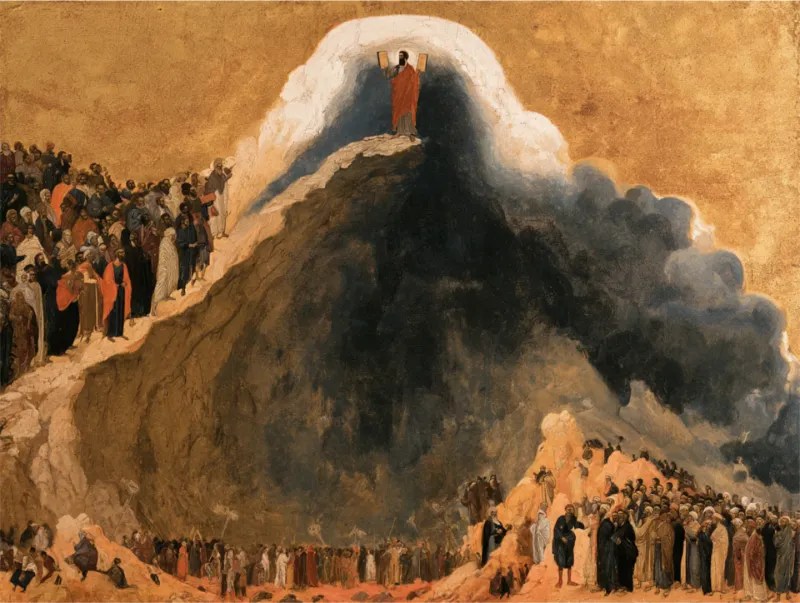
Habakkuk 3:17-18
“Though the fig tree should not blossom, nor fruit be on the vines, the produce of the olive fail and the fields yield no food, the flock be cut off from the fold and there be no herd in the stalls, yet I will rejoice in the Lord; I will take joy in the God of my salvation.”
Reflection: Chapter 3 is headed “A prayer of Habakkuk the prophet.” In verse 16 he trembles as he waits “for the day of trouble to come upon people who invade us.” He then lists fig, vine, olive, field, flock and herd, and says he will rejoice in the Lord even if all of them fail. Verse 19 names what he rejoices in: “God, the Lord, is my strength.”
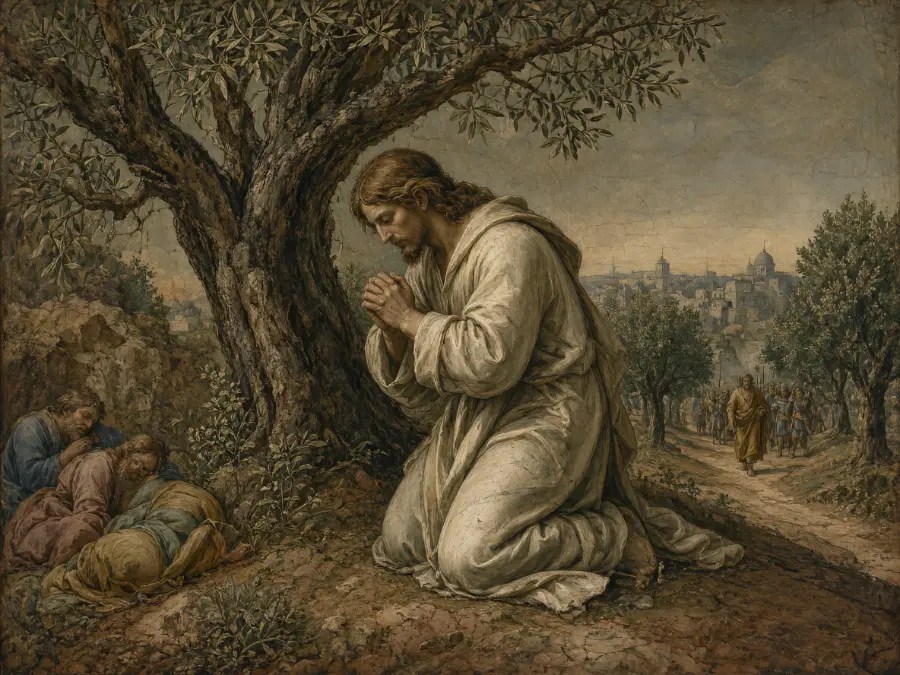
1 Peter 5:6-7
“Humble yourselves, therefore, under the mighty hand of God so that at the proper time he may exalt you, casting all your anxieties on him, because he cares for you.”
Reflection: Casting anxieties on God comes in the same sentence as the command to humble yourselves “under the mighty hand of God”, and the reason given is “because he cares for you.” The next verses name the pressure: the devil “prowls around like a roaring lion”, and the readers are to resist him “firm in your faith, knowing that the same kinds of suffering are being experienced by your brotherhood throughout the world.” Verse 10 promises that God will restore and strengthen them “after you have suffered a little while.”
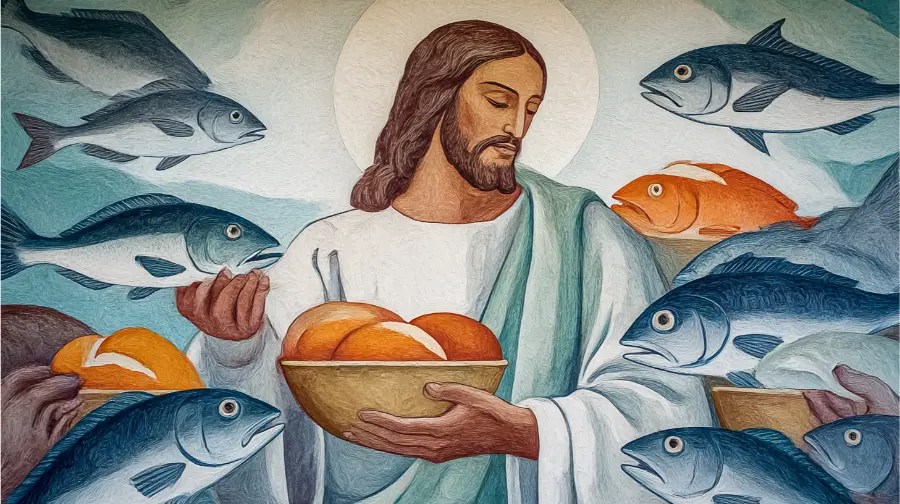
Philippians 4:6-7
“do not be anxious about anything, but in everything by prayer and supplication with thanksgiving let your requests be made known to God. And the peace of God, which surpasses all understanding, will guard your hearts and your minds in Christ Jesus.”
Reflection: Paul gives this instruction to the church in Philippi straight after writing, “Rejoice in the Lord always” and “The Lord is at hand” (verses 4-5). Anxiety is answered by bringing every request to God in prayer and supplication with thanksgiving, and the promise that follows is the peace of God guarding hearts and minds in Christ Jesus. Verse 9 closes the thought by telling the Philippians to practice what they learned and saw in him, adding that “the God of peace will be with you.”

Philippians 4:13
“I can do all things through him who strengthens me.”
Reflection: Paul writes this from imprisonment (Philippians 1:13) while thanking the Philippians for a gift. The “all things” of this verse are the ones in verse 12: “plenty and hunger, abundance and need.” He says he has “learned, in whatever situation I am, to be content”, and in verse 14 he still calls his situation “my trouble”.
What trials do to faith
James 1:2-4
“Count it all joy, my brothers, when you meet trials of various kinds, for you know that the testing of your faith produces steadfastness. And let steadfastness have its full effect, that you may be perfect and complete, lacking in nothing.”
Reflection: James writes to “the twelve tribes in the Dispersion” and calls trials a “testing of your faith” that produces steadfastness. Verse 5 tells anyone who lacks wisdom to ask God, and to “ask in faith, with no doubting.” Verse 12 names where the steadfastness leads: “Blessed is the man who remains steadfast under trial, for when he has stood the test he will receive the crown of life.”
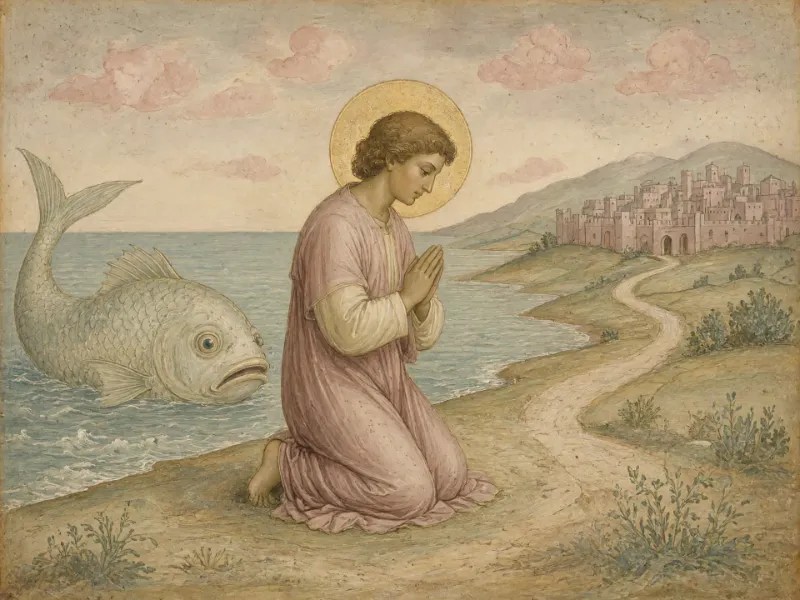
Romans 5:3-5
“Not only that, but we rejoice in our sufferings, knowing that suffering produces endurance, and endurance produces character, and character produces hope, and hope does not put us to shame, because God’s love has been poured into our hearts through the Holy Spirit who has been given to us.”
Reflection: The rejoicing in sufferings follows from verses 1-2: those “justified by faith” have peace with God and “rejoice in hope of the glory of God.” Paul then runs a chain from suffering to endurance to character to hope. Hope “does not put us to shame”, he says, “because God’s love has been poured into our hearts through the Holy Spirit.”
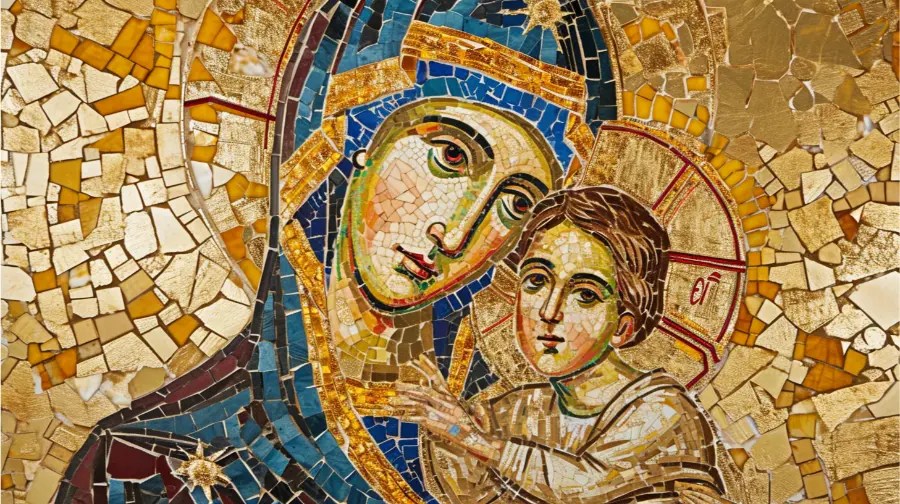
2 Corinthians 4:17-18
“For this light momentary affliction is preparing for us an eternal weight of glory beyond all comparison, as we look not to the things that are seen but to the things that are unseen. For the things that are seen are transient, but the things that are unseen are eternal.”
Reflection: Paul calls the affliction “light” and “momentary” after describing it in verses 8-9: “afflicted in every way, but not crushed; perplexed, but not driven to despair; persecuted, but not forsaken; struck down, but not destroyed.” Verse 16 says “our outer self is wasting away” while “our inner self is being renewed day by day.” In verse 13 he describes this as “the same spirit of faith” as the psalmist who wrote, “I believed, and so I spoke.”

2 Corinthians 1:3-4
“Blessed be the God and Father of our Lord Jesus Christ, the Father of mercies and God of all comfort, who comforts us in all our affliction, so that we may be able to comfort those who are in any affliction, with the comfort with which we ourselves are comforted by God.”
Reflection: A few verses later Paul says how heavy the affliction was: in Asia he and his companions were “so utterly burdened beyond our strength that we despaired of life itself” (verse 8). He says it happened “to make us rely not on ourselves but on God who raises the dead” (verse 9). The comfort he receives is meant to be passed on, so that he can comfort “those who are in any affliction.”
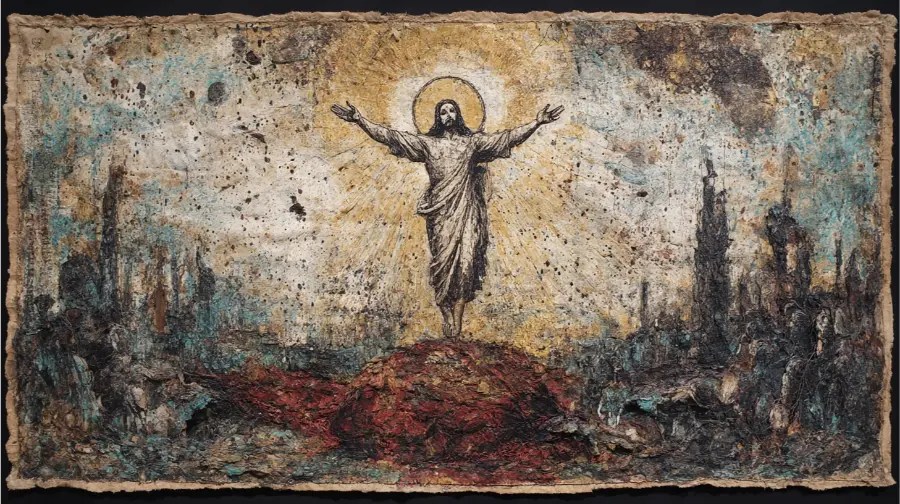
Hebrews 11:1
“Now faith is the assurance of things hoped for, the conviction of things not seen.”
Reflection: The letter has just reminded its readers of the days when they “endured a hard struggle with sufferings” and “joyfully accepted the plundering of your property”, and urged them not to throw away their confidence (Hebrews 10:32-35). Chapter 11 then defines faith and lists those who lived by it. Its last verses include people who were tortured, flogged, imprisoned and killed, and it says of all of them that they “did not receive what was promised” (11:39).
Promises that reach past the trouble

Romans 8:28
“And we know that for those who love God all things work together for good, for those who are called according to his purpose.”
Reflection: Paul has just said that “the sufferings of this present time are not worth comparing with the glory that is to be revealed to us” (verse 18) and that “the Spirit helps us in our weakness” when “we do not know what to pray for as we ought” (verse 26). The next verse says those he foreknew he “predestined to be conformed to the image of his Son.”
Romans 8:35-39
“Who shall separate us from the love of Christ? Shall tribulation, or distress, or persecution, or famine, or nakedness, or danger, or sword? As it is written, ‘For your sake we are being killed all the day long; we are regarded as sheep to be slaughtered.’ No, in all these things we are more than conquerors through him who loved us. For I am sure that neither death nor life, nor angels nor rulers, nor things present nor things to come, nor powers, nor height nor depth, nor anything else in all creation, will be able to separate us from the love of God in Christ Jesus our Lord.”
Reflection: The list of tribulation, distress, persecution, famine, nakedness, danger and sword describes what believers may actually suffer, and Paul backs it with Psalm 44:22: “we are regarded as sheep to be slaughtered.” His answer is that “in all these things we are more than conquerors through him who loved us.” The final list reaches from death and life to “anything else in all creation.”
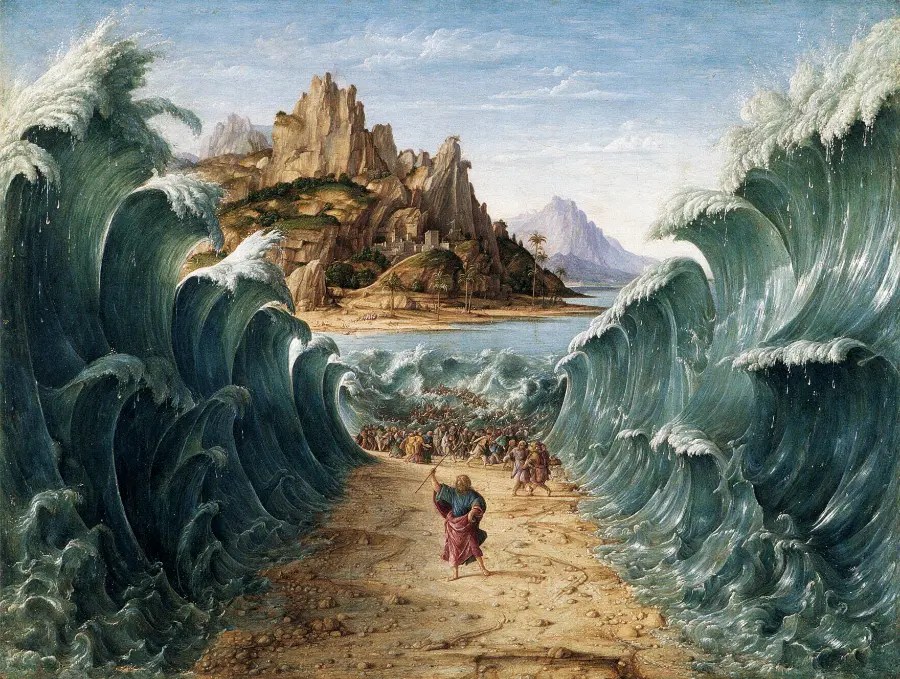
John 16:33
“I have said these things to you, that in me you may have peace. In the world you will have tribulation. But take heart; I have overcome the world.”
Reflection: Jesus says this to his disciples just after telling them they will be scattered and will leave him alone, adding, “Yet I am not alone, for the Father is with me” (verse 32). The verse sets peace “in me” beside tribulation “in the world”, and the reason for taking heart is a victory Jesus speaks of as already won: “I have overcome the world.”

1 John 5:4
“For everyone who has been born of God overcomes the world. And this is the victory that has overcome the world—our faith.”
Reflection: John writes to believers that God’s commandments “are not burdensome” (verse 3), and then gives the reason: everyone born of God overcomes the world through faith. The verse before it links love for God with keeping his commandments, and verse 1 defines the one born of God as “everyone who believes that Jesus is the Christ.” Verse 5 answers its own question to make the point plain: “Who is it that overcomes the world except the one who believes that Jesus is the Son of God?”

Jeremiah 29:11
“For I know the plans I have for you, declares the Lord, plans for welfare and not for evil, to give you a future and a hope.”
Reflection: This promise is part of a letter Jeremiah sent from Jerusalem to the people Nebuchadnezzar had taken into exile in Babylon. The same letter tells them to build houses, plant gardens, marry and “seek the welfare of the city where I have sent you into exile” (verses 5-7), and verse 10 says the return will come “when seventy years are completed for Babylon.” Verses 12-14 add that they will seek God and find him, and that he will bring them back to the place from which he sent them.
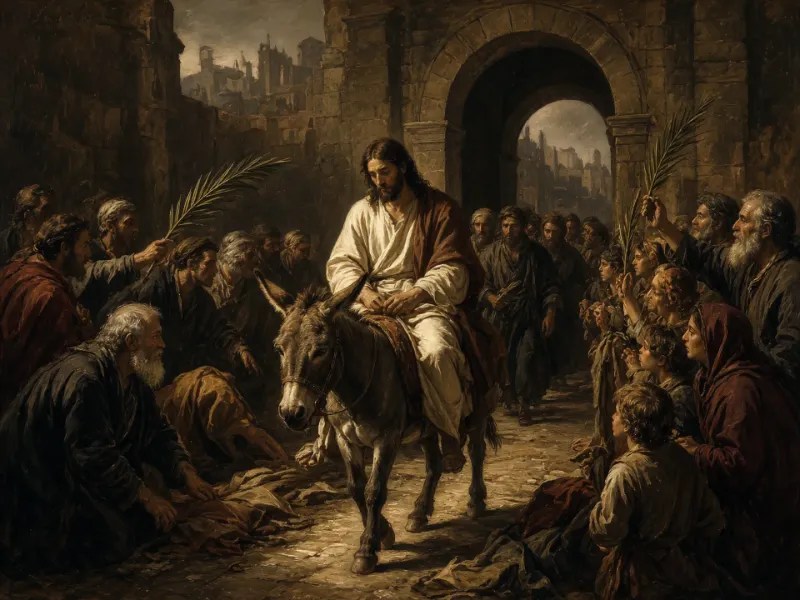
Revelation 21:4
“He will wipe away every tear from their eyes, and death shall be no more, neither shall there be mourning, nor crying, nor pain anymore, for the former things have passed away.”
Reflection: John hears this from the throne after seeing “a new heaven and a new earth” and the holy city coming down from God. The verse before it says “the dwelling place of God is with man”, so the end of tears comes with God living among his people. Verse 5 adds, “Behold, I am making all things new,” and John is told to write it down “for these words are trustworthy and true.”
Prayers from Psalm 23, Lamentations 3 and Habakkuk 3
Psalm 23:4, Lamentations 3:22-23 and Habakkuk 3:17-18 are spoken to God or headed as prayer, and can be prayed as written. Habakkuk 3:1 calls the chapter “A prayer of Habakkuk the prophet”, and Lamentations 3:23 ends with “great is your faithfulness.”
Habakkuk 3 and Hebrews 11:39 describe faith held with no outcome recorded. Lamentations 3 does record one later in the chapter: “You came near when I called on you; you said, ‘Do not fear!’” (Lamentations 3:57).


Leave a Reply