
 English
 Chinese
 Dutch
 Arabic
 Spanish
 Portuguese
 Russian
 French
 Italian
 German
 Japanese
The Bible calls God faithful because he keeps what he has said, even when his people do not. In the words of 2 Timothy 2:13, “he cannot deny himself.”
Moses names him “a God of faithfulness” (Deuteronomy 32:4), and Lamentations 3:22-23 says “great is your faithfulness” from the ruins of Jerusalem. The covenant is kept “to a thousand generations” (Deuteronomy 7:9), and not one of the promises to Israel failed (Joshua 21:45). The New Testament letters say “God is faithful” and then say what he will do (1 Corinthians 10:13; compare 1 Thessalonians 5:24, “He who calls you is faithful”).
In Deuteronomy 32:4, Psalm 36:5, Psalm 89:33, Psalm 119:90 and Lamentations 3:23, faithfulness translates the Hebrew noun emunah, which Strong’s defines as firmness, security and fidelity. In the New Testament letters the word is the Greek pistos, and Thayer’s lexicon groups these verses together as the places where it describes God “abiding by his promises”.
What the Old Testament says God is like
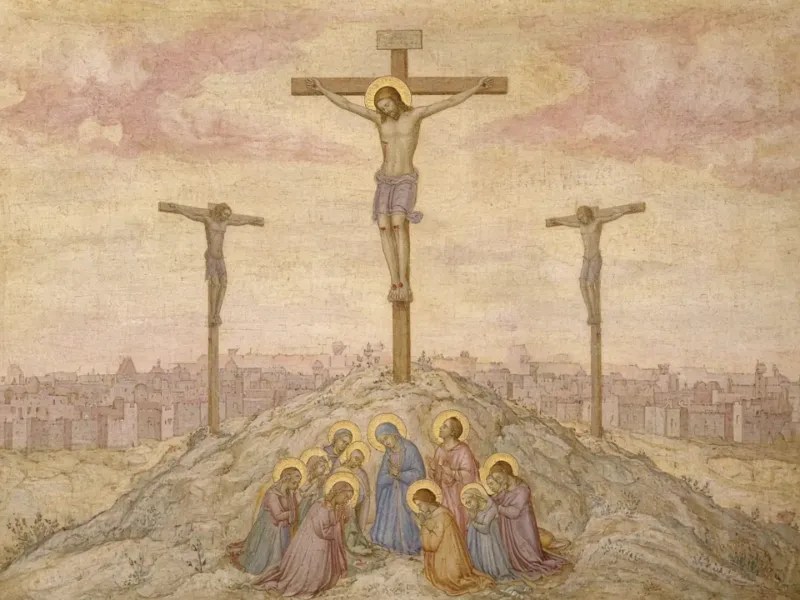
Deuteronomy 32:4
“The Rock, his work is perfect, for all his ways are justice. A God of faithfulness and without iniquity, just and upright is he.”
Reflection: Moses speaks this song “in the ears of all the assembly of Israel” (Deuteronomy 31:30), and verse 4 calls God “the Rock” and “a God of faithfulness”. The next verse sets Israel beside him: “They have dealt corruptly with him… they are a crooked and twisted generation.” The song describes God’s faithfulness and Israel’s corruption one after the other.

Psalm 36:5
“Your steadfast love, O Lord, extends to the heavens, your faithfulness to the clouds.”
Reflection: David spends the first four verses of the psalm on the wicked man who “plots trouble while on his bed” (36:4), then turns to God and measures his steadfast love and faithfulness against the heavens and the clouds. Verse 7 adds: “The children of mankind take refuge in the shadow of your wings.”
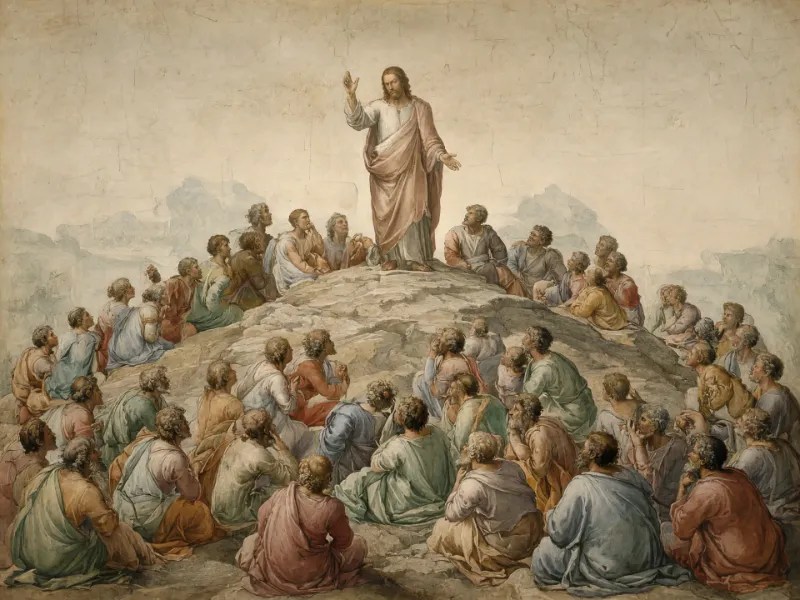
Psalm 119:90
“Your faithfulness endures to all generations; you have established the earth, and it stands fast.”
Reflection: In the Lamedh stanza of Psalm 119, three fixed things stand side by side: God’s word, “firmly fixed in the heavens” (119:89), his faithfulness through all generations, and the earth, which “stands fast”. Verse 91 gives the reason the earth stands: “By your appointment they stand this day, for all things are your servants.”
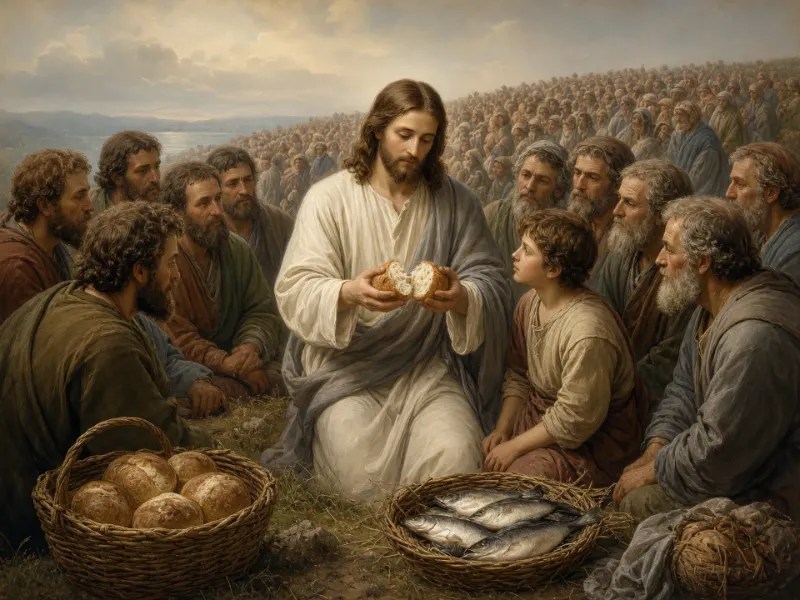
Malachi 3:6
“For I the Lord do not change; therefore you, O children of Jacob, are not consumed.”
Reflection: God speaks through Malachi, and the verse makes its own link: because the Lord does not change, the children of Jacob “are not consumed”. The next verse explains why that matters: “From the days of your fathers you have turned aside from my statutes and have not kept them. Return to me, and I will return to you.”
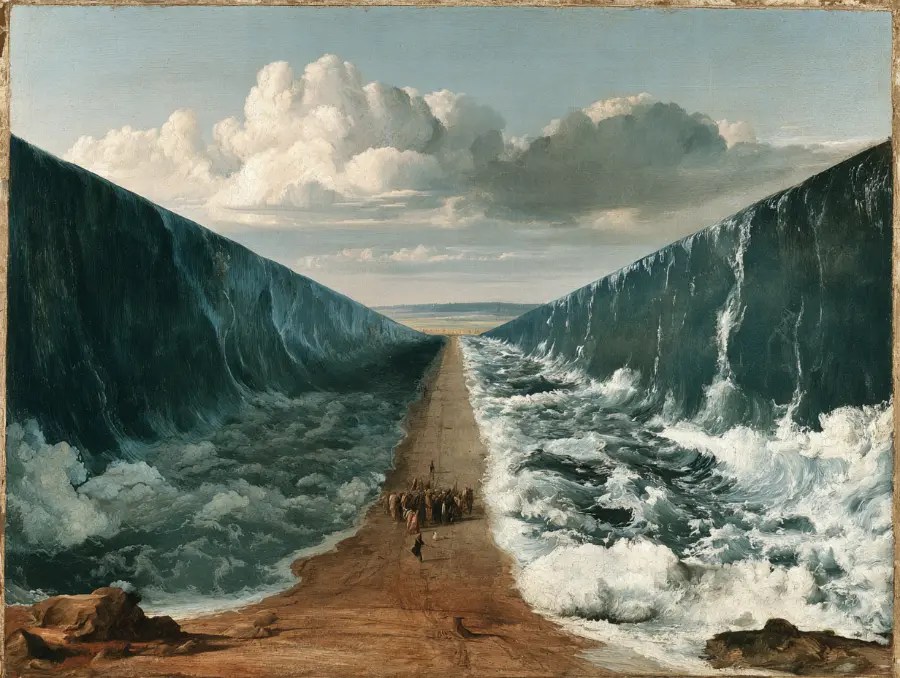
Numbers 23:19
“God is not man, that he should lie, or a son of man, that he should change his mind. Has he said, and will he not do it? Or has he spoken, and will he not fulfill it?”
Reflection: Balaam speaks these words to Balak, the king of Moab who had hired him to curse Israel (Numbers 22:4-6). Instead of a curse he delivers a second blessing, and verse 20 applies the point about God not changing his mind to his own position: “I received a command to bless: he has blessed, and I cannot revoke it.”
Keeping the covenant and its promises

Deuteronomy 7:9
“Know therefore that the Lord your God is God, the faithful God who keeps covenant and steadfast love with those who love him and keep his commandments, to a thousand generations.”
Reflection: Moses has just told Israel that God did not choose them for their numbers, “for you were the fewest of all peoples”, but because he loves them and “is keeping the oath that he swore to your fathers” (7:7-8). Verse 9 draws the conclusion with “therefore”: the faithful God keeps covenant for a thousand generations. Verse 10 adds the other side, that he “repays to their face those who hate him”.
Joshua 21:45
“Not one word of all the good promises that the Lord had made to the house of Israel had failed; all came to pass.”
Reflection: The verse closes the account of the land divided among the tribes. Verses 43-44 say the Lord gave Israel “all the land that he swore to give to their fathers” and “rest on every side just as he had sworn”. Joshua repeats the claim in his farewell speech: “not one word has failed of all the good things that the Lord your God promised concerning you” (Joshua 23:14).

Psalm 89:33-34
“but I will not remove from him my steadfast love or be false to my faithfulness. I will not violate my covenant or alter the word that went forth from my lips.”
Reflection: In Psalm 89, God’s covenant with David includes a condition for his descendants: if they forsake his law, he will “punish their transgression with the rod” (89:30-32). Punishment does not cancel the covenant, and verse 35 adds an oath: “I will not lie to David.” The psalm then turns to complaint, “You have renounced the covenant with your servant” (89:39), so it holds the promise and the apparent failure of the promise side by side.
Psalm 145:13
“Your kingdom is an everlasting kingdom, and your dominion endures throughout all generations. The Lord is faithful in all his words and kind in all his works.”
Reflection: The ESV notes that Psalm 145 is an acrostic, each verse beginning with the next letter of the Hebrew alphabet. It prints the second half of verse 13 in square brackets, because those lines are “supplied by one Hebrew manuscript, Septuagint, Syriac (compare Dead Sea Scroll)”. The bracketed line sets faithfulness in God’s words beside kindness in his works.
Hebrews 6:18
“so that by two unchangeable things, in which it is impossible for God to lie, we who have fled for refuge might have strong encouragement to hold fast to the hope set before us.”
Reflection: Hebrews looks back to God’s promise to Abraham: having no one greater to swear by, “he swore by himself” (6:13). Verse 17 says God guaranteed his promise with an oath to show “the unchangeable character of his purpose”, and verse 18 speaks of “two unchangeable things, in which it is impossible for God to lie”. Verse 19 calls the hope they support “a sure and steadfast anchor of the soul”.
Hebrews 10:23
“Let us hold fast the confession of our hope without wavering, for he who promised is faithful.”
Reflection: The letter has just described the “new and living way” Jesus opened through his flesh and his role as “a great priest over the house of God” (10:20-21). Three exhortations follow: draw near, hold fast, and “stir up one another to love and good works”. The second one rests on God’s faithfulness: “he who promised is faithful.”
Faithful when his people fail

Lamentations 3:22-23
“The steadfast love of the Lord never ceases; his mercies never come to an end; they are new every morning; great is your faithfulness.”
Reflection: Lamentations mourns a ruined Jerusalem, and this part of the third poem begins with “my affliction and my wanderings, the wormwood and the gall” (3:19). Verse 21 marks the turn: “But this I call to mind, and therefore I have hope.” What the poet calls to mind is the steadfast love and new mercies of verses 22-23, and he draws the conclusion in verse 24: “The Lord is my portion… therefore I will hope in him.”
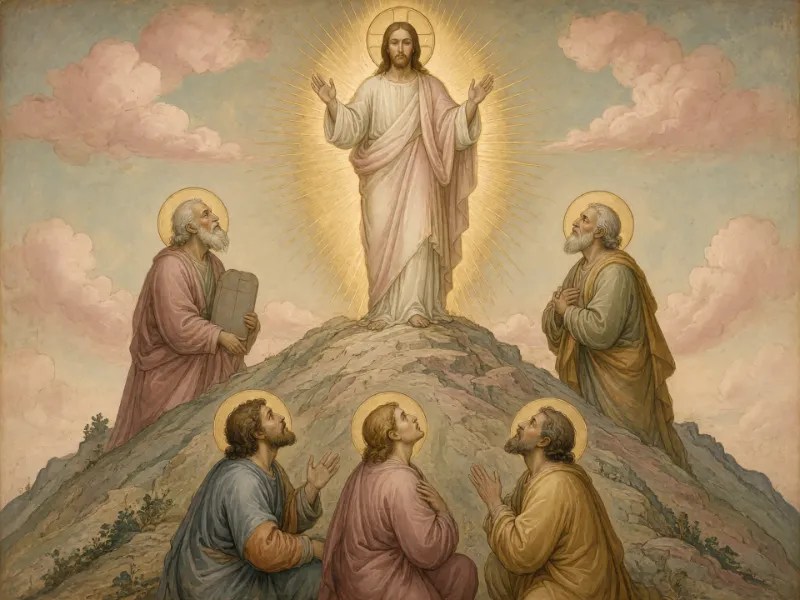
2 Timothy 2:13
“…if we are faithless, he remains faithful—for he cannot deny himself.”
Reflection: Paul quotes a saying he calls “trustworthy” (2:11), four lines that each begin with “if”. The first three lines match what we do with what follows: dying with him and living with him, enduring and reigning, denying him and being denied. The fourth line breaks the pattern: when we are faithless, he remains faithful, and the reason given is that “he cannot deny himself”.
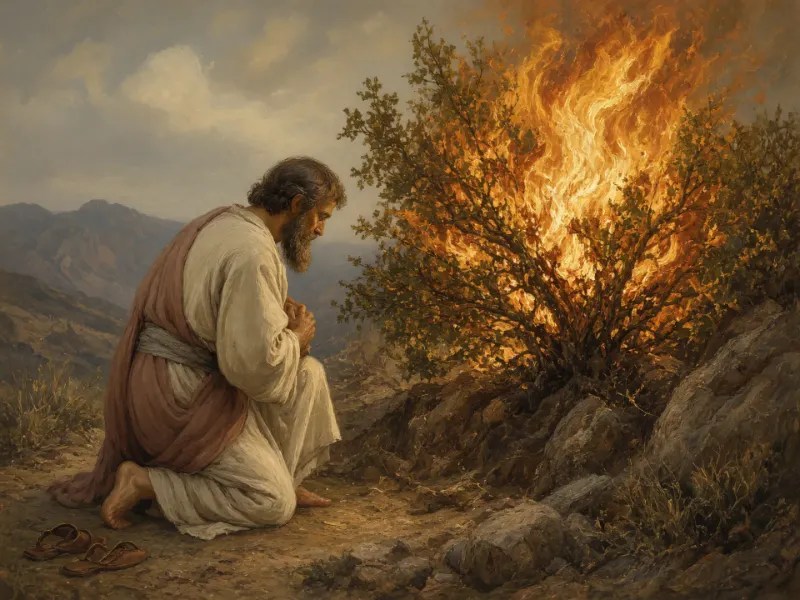
1 John 1:9
“If we confess our sins, he is faithful and just to forgive us our sins and to cleanse us from all unrighteousness.”
Reflection: John places the verse between two false claims: “If we say we have no sin” (1:8) and “If we say we have not sinned” (1:10). Between them, confession meets a God who is “faithful and just” to forgive and cleanse. Thayer’s lexicon lists this verse among those where pistos describes God keeping his promises.
What God’s faithfulness does for believers
1 Corinthians 1:8-9
“…who will sustain you to the end, guiltless in the day of our Lord Jesus Christ. God is faithful, by whom you were called into the fellowship of his Son, Jesus Christ our Lord.”
Reflection: Paul opens the letter by thanking God for a church “not lacking in any gift” as it waits for the revealing of Christ (1:7). He adds, “God is faithful, by whom you were called into the fellowship of his Son.” The same letter goes on to address divisions in that church (1:10) and lawsuits between its members (6:1).
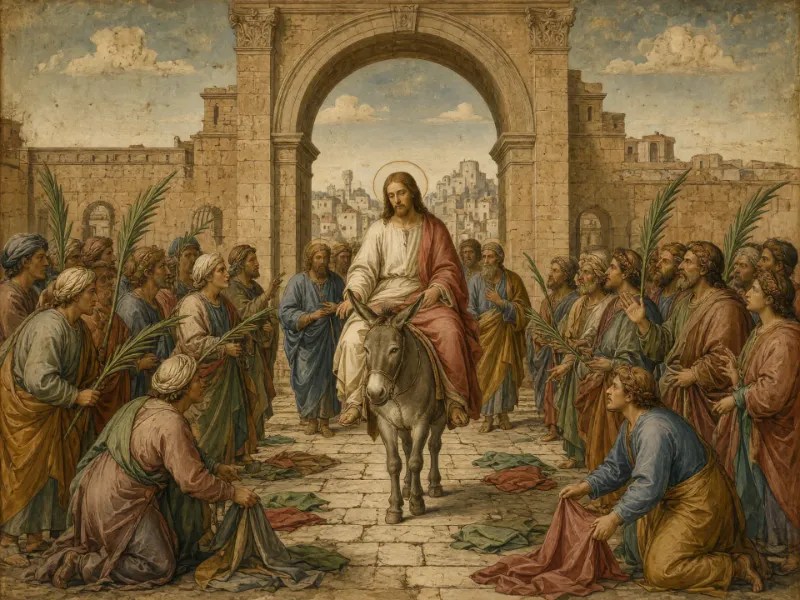
1 Corinthians 10:13
“No temptation has overtaken you that is not common to man. God is faithful, and he will not let you be tempted beyond your ability, but with the temptation he will also provide the way of escape, that you may be able to endure it.”
Reflection: Paul has just retold Israel’s years in the wilderness, when “with most of them God was not pleased” (10:5), and warned, “let anyone who thinks that he stands take heed lest he fall” (10:12). He then names God’s faithfulness and says what it does: God sets a limit on temptation and provides “the way of escape, that you may be able to endure it”.
2 Thessalonians 3:3
“But the Lord is faithful. He will establish you and guard you against the evil one.”
Reflection: Paul asks the Thessalonians to pray that he may be “delivered from wicked and evil men. For not all have faith” (3:2). Verse 3 turns from people to God: not all have faith, “but the Lord is faithful”, and he will establish and guard them. In Greek the two words are related, pistis (faith) and pistos (faithful).

1 Thessalonians 5:24
“He who calls you is faithful; he will surely do it.”
Reflection: Paul’s closing wish, that the God of peace sanctify the Thessalonians “completely” and that their “spirit and soul and body be kept blameless” until Christ comes (5:23), is followed by verse 24, which says who will do it: the one who calls them is faithful, and “he will surely do it”.
When the promise has not yet been seen
Two of the passages speak of God’s faithfulness while the loss is still present. Lamentations 3:22-23 comes in the middle of a lament over a ruined city, and verse 26 adds, “It is good that one should wait quietly for the salvation of the Lord.” Psalm 89 records God’s oath to David and then says to God, “You have renounced the covenant with your servant” (89:39), without resolving the two.
Psalm 36:5 and Psalm 119:90 are addressed to God, and Lamentations 3:23 turns to him: “great is your faithfulness”. All three can be prayed as written. Hebrews 10:23 and 1 Corinthians 10:13 apply God’s faithfulness to what a church does in the meantime: hold fast and endure.


Leave a Reply