
 English
 Chinese
 Dutch
 Arabic
 Spanish
 Portuguese
 Russian
 French
 Italian
 German
 Japanese
The Bible says God is one, holy, spirit and love, the maker and ruler of everything, true to his word, present everywhere, and both just and merciful. To Moses he calls himself “merciful and gracious, slow to anger, and abounding in steadfast love and faithfulness” (Exodus 34:6).
Moses tells Israel “the Lord is one” (Deuteronomy 6:4), the seraphim call him “Holy, holy, holy” (Isaiah 6:3), Jesus says “God is spirit” (John 4:24), and John writes “God is love” (1 John 4:8). Jeremiah prays to the maker of heaven and earth (Jeremiah 32:17), Balaam says “God is not man, that he should lie” (Numbers 23:19), David asks where he could flee from God’s presence (Psalm 139:7-10), and Paul says God put Christ forward “so that he might be just and the justifier of the one who has faith in Jesus” (Romans 3:26).
How God is named and described
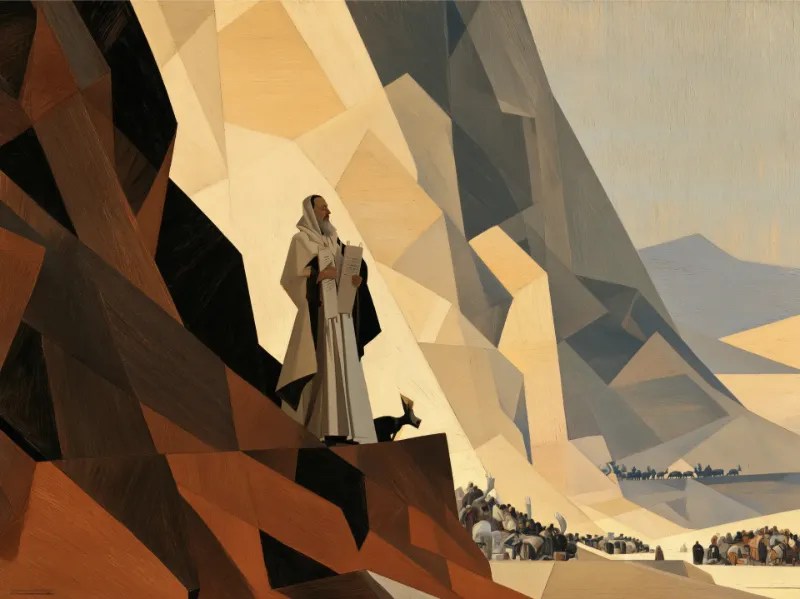
Exodus 34:6-7
“The Lord passed before him and proclaimed, ‘The Lord, the Lord, a God merciful and gracious, slow to anger, and abounding in steadfast love and faithfulness, keeping steadfast love for thousands, forgiving iniquity and transgression and sin, but who will by no means clear the guilty, visiting the iniquity of the fathers on the children and the children’s children, to the third and the fourth generation.’”
Reflection: Moses had asked, “Please show me your glory” (Exodus 33:18), and God answered that he would proclaim his name before him. This is that proclamation, and it holds mercy and judgment together: God forgives “iniquity and transgression and sin” and yet “will by no means clear the guilty.” Later books repeat parts of it: Numbers 14:18 takes up “slow to anger and abounding in steadfast love” together with the warning, Psalm 103:8 and Joel 2:13 repeat “merciful,” “gracious,” “slow to anger” and “abounding in steadfast love,” and Jonah quotes the same description to God as his reason for fleeing to Tarshish (Jonah 4:2).
Deuteronomy 6:4
“Hear, O Israel: The Lord our God, the Lord is one.”
Reflection: Moses addresses these words to Israel, and the next verse follows at once with the command to love the Lord “with all your heart and with all your soul and with all your might.” When a scribe asked Jesus “Which commandment is the most important of all?”, Jesus answered by quoting this verse and the one after it (Mark 12:28-30).

Isaiah 6:3
“And one called to another and said: ‘Holy, holy, holy is the Lord of hosts; the whole earth is full of his glory!’”
Reflection: Isaiah dates the vision to the year King Uzziah died and sees the Lord on a throne, the train of his robe filling the temple, with seraphim calling to one another. The threefold “holy” is joined to a claim about the whole earth being full of his glory. Isaiah’s response is fear: “Woe is me! For I am lost; for I am a man of unclean lips” (Isaiah 6:5). In Revelation 4:8 the four living creatures repeat the cry: “Holy, holy, holy, is the Lord God Almighty.”
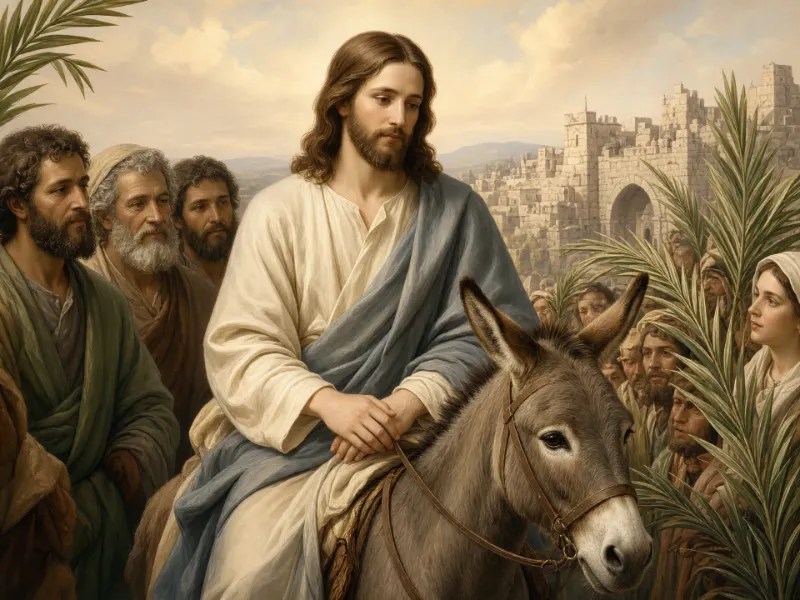
John 4:24
“God is spirit, and those who worship him must worship in spirit and truth.”
Reflection: Jesus says this to a Samaritan woman who had raised the dispute over where to worship: “Our fathers worshiped on this mountain, but you say that in Jerusalem is the place” (John 4:20). He had already told her that the hour was coming when the Father would be worshiped “neither on this mountain nor in Jerusalem” (4:21). In the same sentence Jesus joins “God is spirit” to the requirement that those who worship him “must worship in spirit and truth.”
1 John 4:8
“Anyone who does not love does not know God, because God is love.”
Reflection: John writes this inside an appeal: “Beloved, let us love one another, for love is from God” (1 John 4:7). The next two verses say where that love was shown, in that God “sent his only Son into the world” to be “the propitiation for our sins.” John repeats “God is love” in verse 16, and earlier in the same letter he writes that “God is light, and in him is no darkness at all” (1 John 1:5).
Maker and ruler of everything
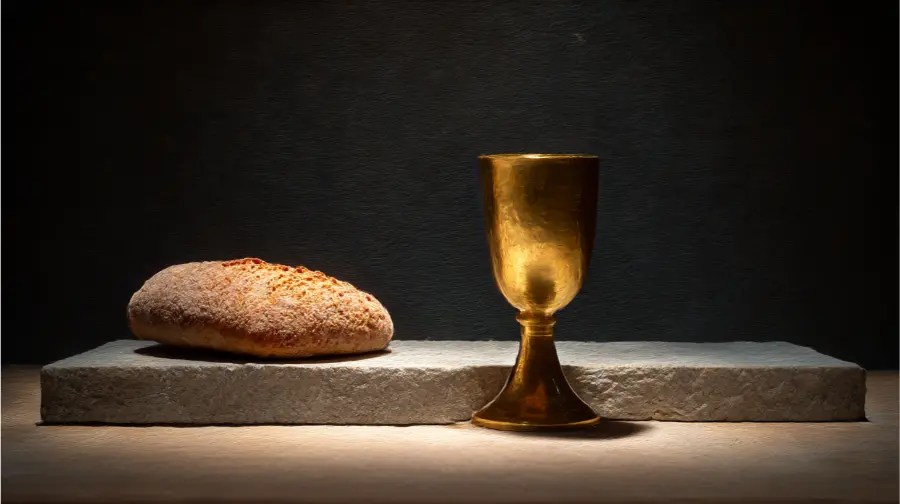
Jeremiah 32:17
“Ah, Lord God! It is you who have made the heavens and the earth by your great power and by your outstretched arm! Nothing is too hard for you.”
Reflection: Jeremiah prays this while “shut up in the court of the guard” as the Babylonian army besieges Jerusalem (Jeremiah 32:2). God had told him to buy his cousin Hanamel’s field at Anathoth, and the prayer opens with creation before it reaches Jeremiah’s puzzlement that he was told to buy land “though the city is given into the hands of the Chaldeans” (32:25). God’s reply takes up his words: “Behold, I am the Lord, the God of all flesh. Is anything too hard for me?” (32:27).
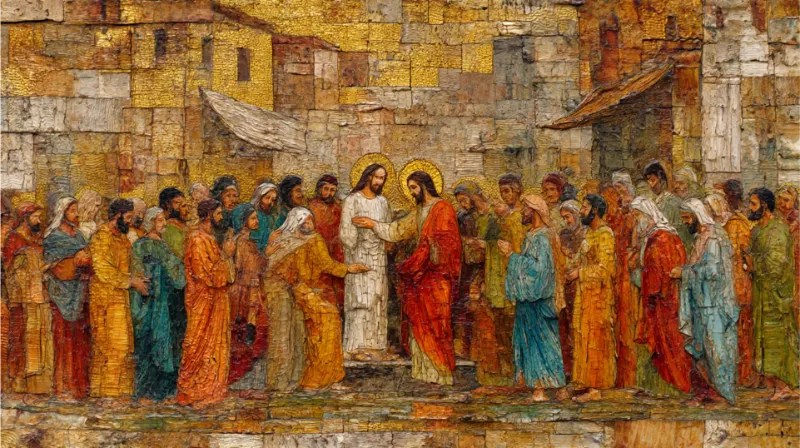
Colossians 1:16-17
“For by him all things were created, in heaven and on earth, visible and invisible, whether thrones or dominions or rulers or authorities—all things were created through him and for him. And he is before all things, and in him all things hold together.”
Reflection: The “him” is God’s “beloved Son” (Colossians 1:13), whom verse 15 calls “the image of the invisible God.” Paul says everything was created through him and for him, thrones and authorities included, and that “in him all things hold together.” Verse 18 goes on to call him the head of the church and “the firstborn from the dead.”
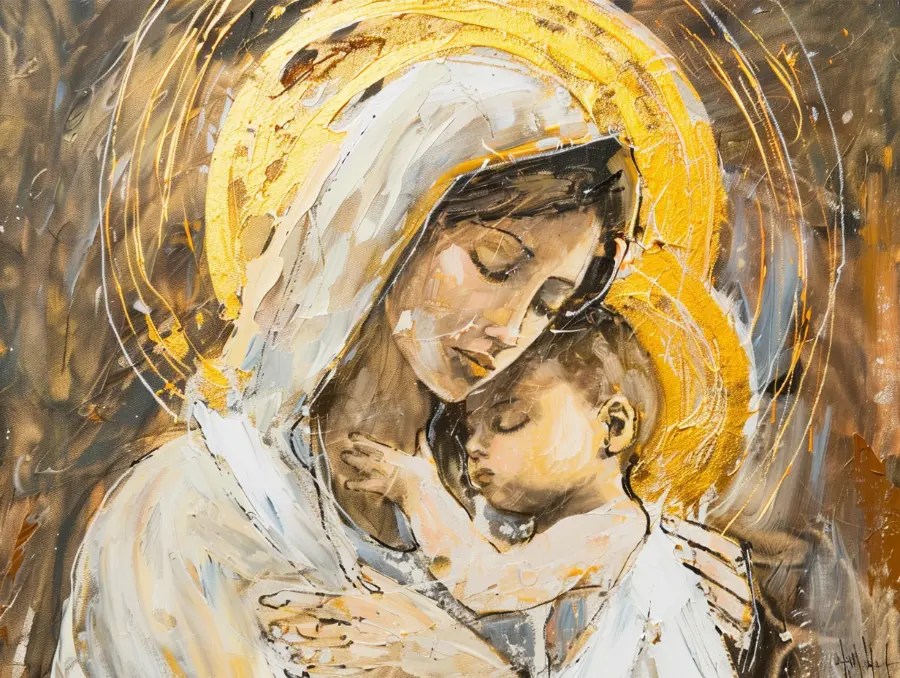
Psalm 103:19
“The Lord has established his throne in the heavens, and his kingdom rules over all.”
Reflection: Psalm 103, headed “Of David,” opens with David telling his own soul to bless the Lord and to “forget not all his benefits.” Verse 19 places God’s throne in the heavens with a kingdom that “rules over all.” The closing verses call on angels, all his hosts and “all his works, in all places of his dominion” to bless him as well.
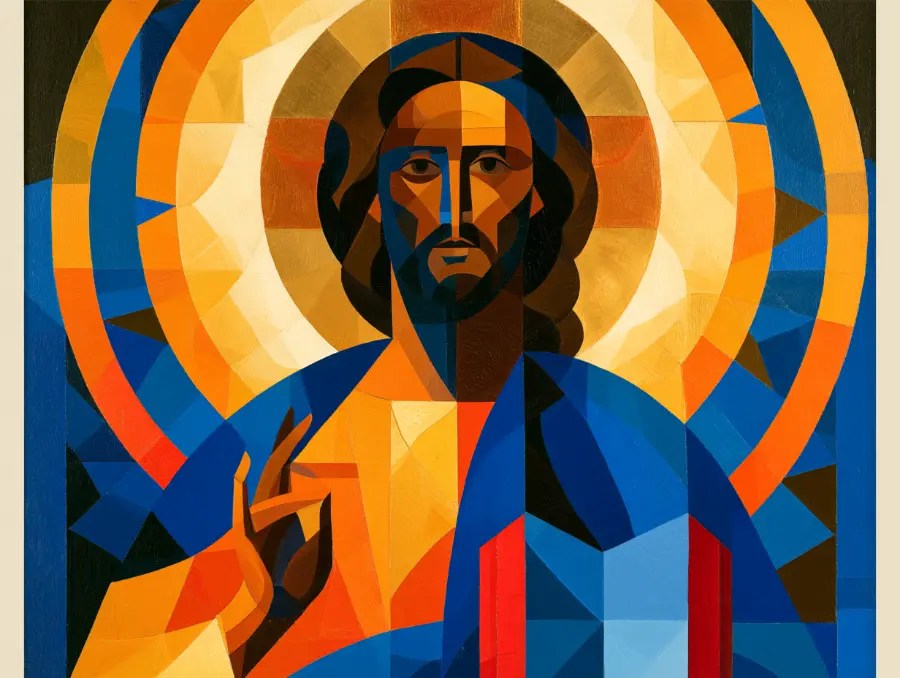
Proverbs 19:21
“Many are the plans in the mind of a man, but it is the purpose of the Lord that will stand.”
Reflection: The saying stands on its own, with no story around it. It sets the many plans in a person’s mind beside the purpose of the Lord and states which of the two will stand.
Psalm 147:5
“Great is our Lord, and abundant in power; his understanding is beyond measure.”
Reflection: The verse before it says God “determines the number of the stars” and “gives to all of them their names.” Verse 5 then speaks of God himself: great, “abundant in power,” with understanding “beyond measure.” The next verse turns that power toward people: “The Lord lifts up the humble; he casts the wicked to the ground.”
Beyond human understanding
Isaiah 55:8-9
“For my thoughts are not your thoughts, neither are your ways my ways, declares the Lord. For as the heavens are higher than the earth, so are my ways higher than your ways and my thoughts than your thoughts.”
Reflection: The verses follow a call to “seek the Lord while he may be found” and a promise that God “will abundantly pardon” the wicked who return to him (Isaiah 55:6-7). The higher thoughts and ways are introduced with “For,” as the ground of that promise of pardon. Verses 10 and 11 go on to compare God’s word to the rain and snow that water the earth.

Romans 11:33
“Oh, the depth of the riches and wisdom and knowledge of God! How unsearchable are his judgments and how inscrutable his ways!”
Reflection: Paul breaks into this praise at the end of his argument about Israel and the Gentiles, straight after writing that “God has consigned all to disobedience, that he may have mercy on all” (Romans 11:32). He goes on to ask who has known the mind of the Lord or been his counselor, and closes: “For from him and through him and to him are all things. To him be glory forever. Amen.” (Romans 11:36).
1 Corinthians 1:25
“For the foolishness of God is wiser than men, and the weakness of God is stronger than men.”
Reflection: Paul is writing about the preaching of “Christ crucified, a stumbling block to Jews and folly to Gentiles” (1 Corinthians 1:23). The foolishness and weakness he assigns to God are the cross as others saw it, and verse 24 calls the crucified Christ “the power of God and the wisdom of God.”
God’s love shown in his Son
John 3:16
“For God so loved the world, that he gave his only Son, that whoever believes in him should not perish but have eternal life.”
Reflection: In the ESV these words are part of Jesus’ conversation with Nicodemus, “a ruler of the Jews” who came to him by night (John 3:1-2). God’s love for the world is measured by what he gave, “his only Son.” The next verse states the purpose: “God did not send his Son into the world to condemn the world, but in order that the world might be saved through him.”
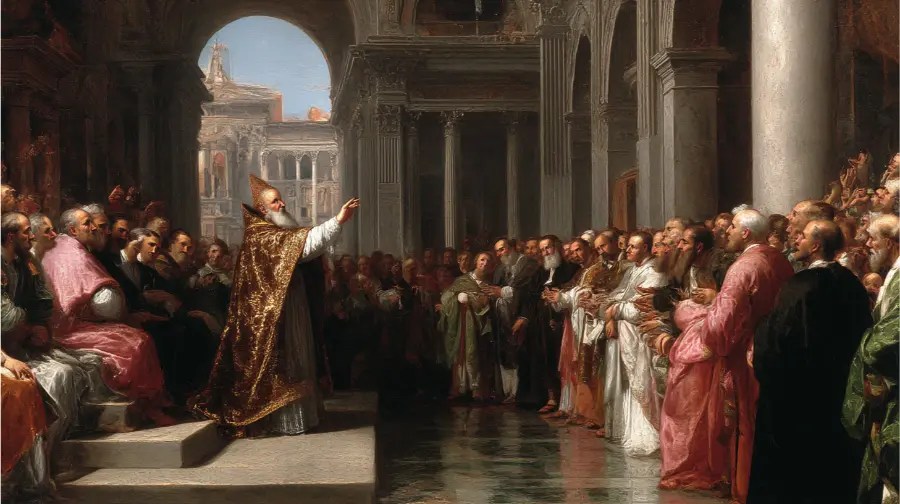
Romans 5:8
“But God shows his love for us in that while we were still sinners, Christ died for us.”
Reflection: Two verses earlier Paul writes that “at the right time Christ died for the ungodly” (Romans 5:6), and in between he notes that a person will scarcely die even for a righteous person. Paul sets God’s love against that: Christ died for people “while we were still sinners.”
A God who does not lie or change
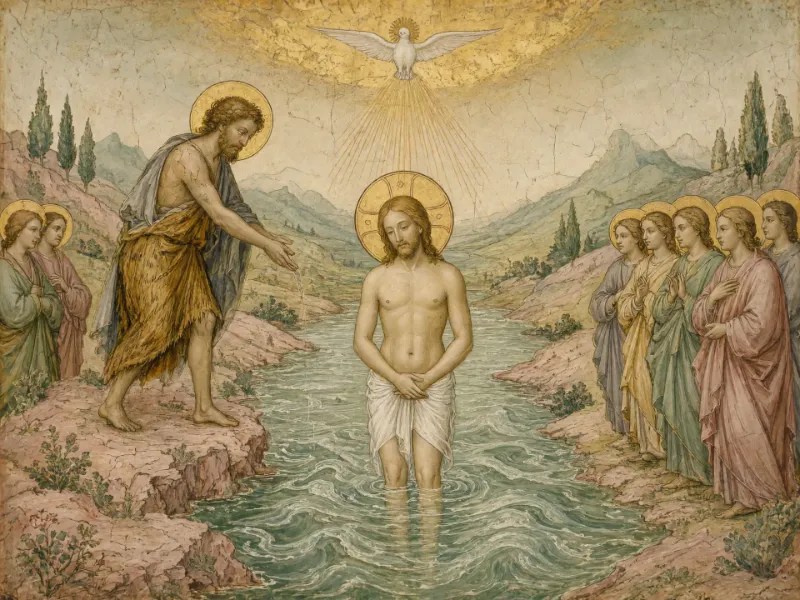
Numbers 23:19
“God is not man, that he should lie, or a son of man, that he should change his mind. Has he said, and will he not do it? Or has he spoken, and will he not fulfill it?”
Reflection: The speaker is Balaam, brought by Balak, king of Moab, to curse Israel. Balak complained, “I took you to curse my enemies, and behold, you have done nothing but bless them” (Numbers 23:11), and this oracle is Balaam’s answer. God has blessed Israel, Balaam says, “and I cannot revoke it” (23:20).
Malachi 3:6
“For I the Lord do not change; therefore you, O children of Jacob, are not consumed.”
Reflection: God speaks through Malachi to a people who, as the next verse says, have turned aside from his statutes “from the days of your fathers.” The verse itself links their survival to his constancy: because he does not change, they are “not consumed.” Verse 7 then makes the offer: “Return to me, and I will return to you.”

James 1:17
“Every good gift and every perfect gift is from above, coming down from the Father of lights, with whom there is no variation or shadow due to change.”
Reflection: A few verses earlier James rejects the idea that God tempts anyone: “God cannot be tempted with evil, and he himself tempts no one” (James 1:13). Good and perfect gifts come from the “Father of lights,” in whom there is “no variation or shadow due to change.” Verse 18 continues: “Of his own will he brought us forth by the word of truth.”

Lamentations 3:22-23
“The steadfast love of the Lord never ceases; his mercies never come to an end; they are new every morning; great is your faithfulness.”
Reflection: Chapter 3 is spoken by “the man who has seen affliction under the rod of his wrath” (Lamentations 3:1). After recalling “the wormwood and the gall,” he says, “this I call to mind, and therefore I have hope,” and what he calls to mind is God’s steadfast love and mercy. The words turn from speaking about the Lord to addressing him: “great is your faithfulness.”
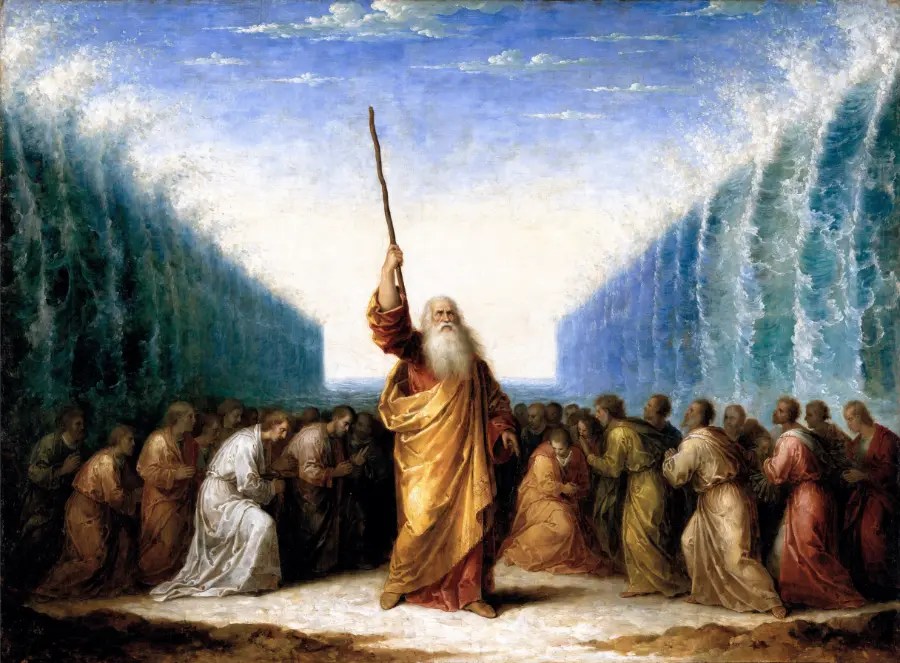
2 Timothy 2:13
“If we are faithless, he remains faithful— for he cannot deny himself.”
Reflection: Paul introduces the lines with “The saying is trustworthy” (2 Timothy 2:11), and they run in pairs: dying and living with Christ, enduring and reigning, denying and being denied. The last pair breaks the pattern. If we are faithless, “he remains faithful,” and the reason given is “he cannot deny himself.”
Present everywhere and near his people

Psalm 139:7-10
“Where shall I go from your Spirit? Or where shall I flee from your presence? If I ascend to heaven, you are there! If I make my bed in Sheol, you are there! If I take the wings of the morning and dwell in the uttermost parts of the sea, even there your hand shall lead me, and your right hand shall hold me.”
Reflection: David’s psalm opens, “O Lord, you have searched me and known me!” Here he asks where he could go to escape God’s Spirit and presence, and heaven, Sheol and “the uttermost parts of the sea” all give the same answer: God is there, and his hand leads and holds. The next two verses add that darkness hides no one from him: “even the darkness is not dark to you.”

Jeremiah 23:23-24
“Am I a God at hand, declares the Lord, and not a God far away? Can a man hide himself in secret places so that I cannot see him? declares the Lord. Do I not fill heaven and earth? declares the Lord.”
Reflection: Jeremiah 23 opens with a woe against the shepherds who scatter the flock (23:1) and from verse 9 turns to the prophets, who “speak visions of their own minds, not from the mouth of the Lord” (23:16). God asks these questions in the middle of that charge. The next verse continues: “I have heard what the prophets have said who prophesy lies in my name.”
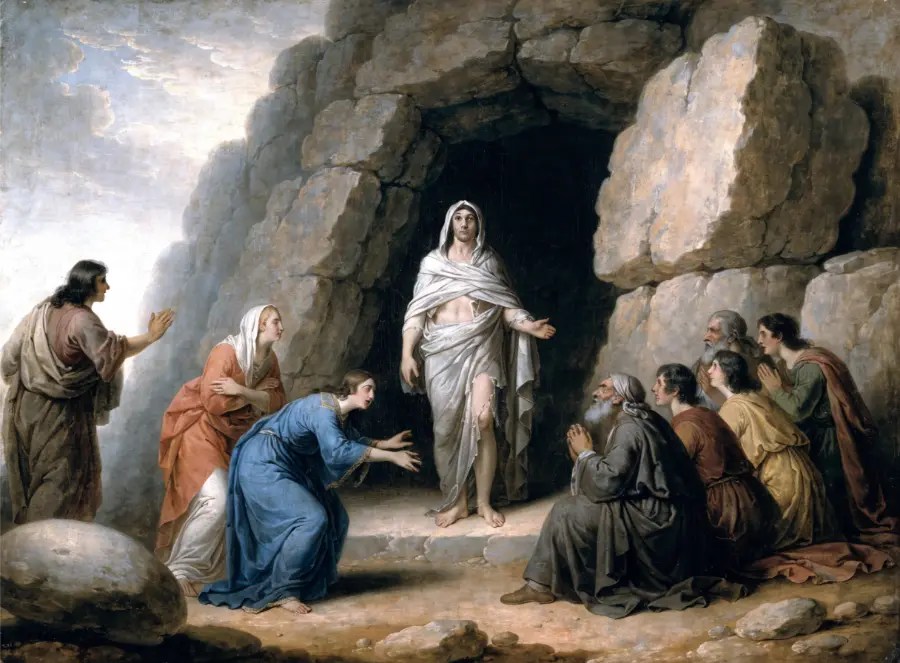
Psalm 46:1
“God is our refuge and strength, a very present help in trouble.”
Reflection: Psalm 46 is a song of the Sons of Korah, written for the choirmaster. God as refuge and strength is set against an earth that gives way and seas that roar, and verse 2 draws the consequence: “Therefore we will not fear.” The psalm places God with his people in one city: “God is in the midst of her; she shall not be moved” (Psalm 46:5), and the refrain in verse 7 says, “The Lord of hosts is with us; the God of Jacob is our fortress.”
Just and merciful
Deuteronomy 32:4
“The Rock, his work is perfect, for all his ways are justice. A God of faithfulness and without iniquity, just and upright is he.”
Reflection: Moses opens his song by calling heaven and earth to listen and announcing, “I will proclaim the name of the Lord; ascribe greatness to our God!” (Deuteronomy 32:3). Verse 4 goes on to call God “The Rock” and describes God’s work as perfect and his ways as justice.
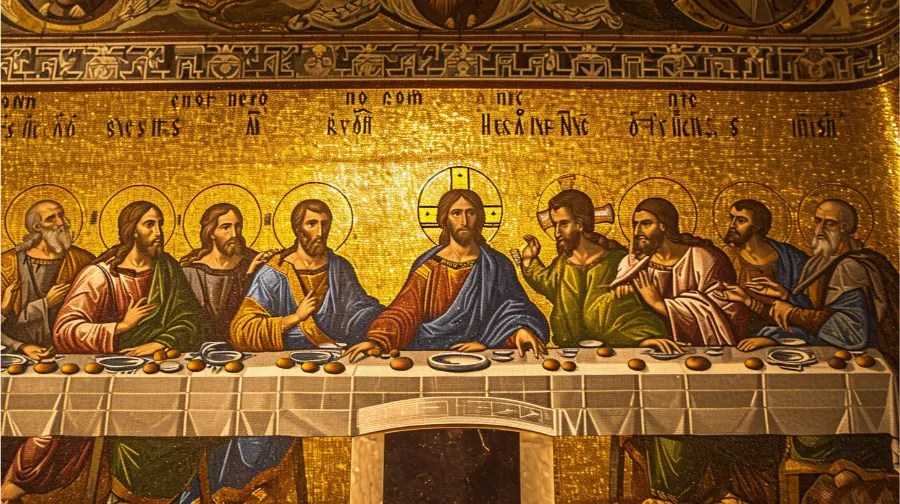
Psalm 89:14
“Righteousness and justice are the foundation of your throne; steadfast love and faithfulness go before you.”
Reflection: Psalm 89, a maskil of Ethan the Ezrahite, opens with a promise to make known the Lord’s faithfulness “to all generations.” Verse 14 names righteousness and justice as the foundation of God’s throne and has steadfast love and faithfulness going before him. Steadfast love and faithfulness are the same pair God uses of himself in Exodus 34:6.
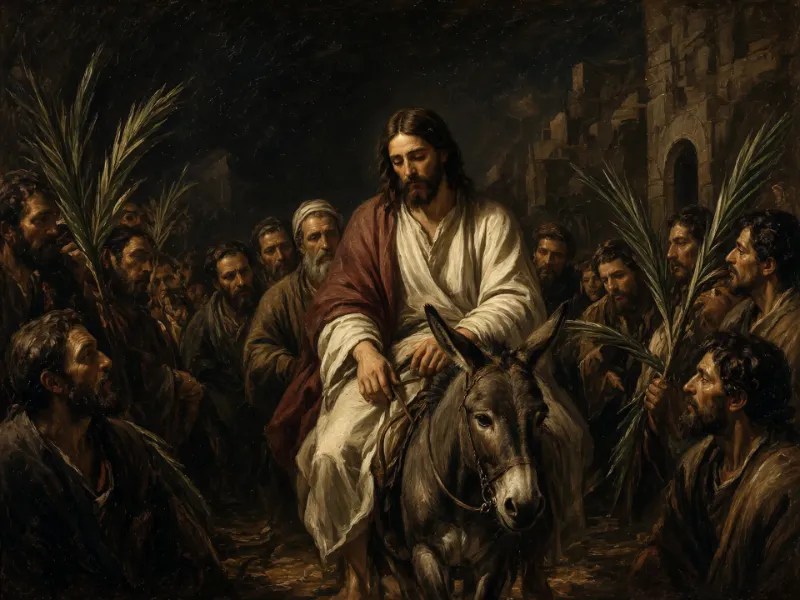
Isaiah 30:18
“Therefore the Lord waits to be gracious to you, and therefore he exalts himself to show mercy to you. For the Lord is a God of justice; blessed are all those who wait for him.”
Reflection: The people had set out “to go down to Egypt, without asking for my direction” (Isaiah 30:2), and they refused the offer “In returning and rest you shall be saved” (30:15). The “therefore” of verse 18 follows that refusal: the Lord waits to be gracious. In the same verse Isaiah calls him “a God of justice.”
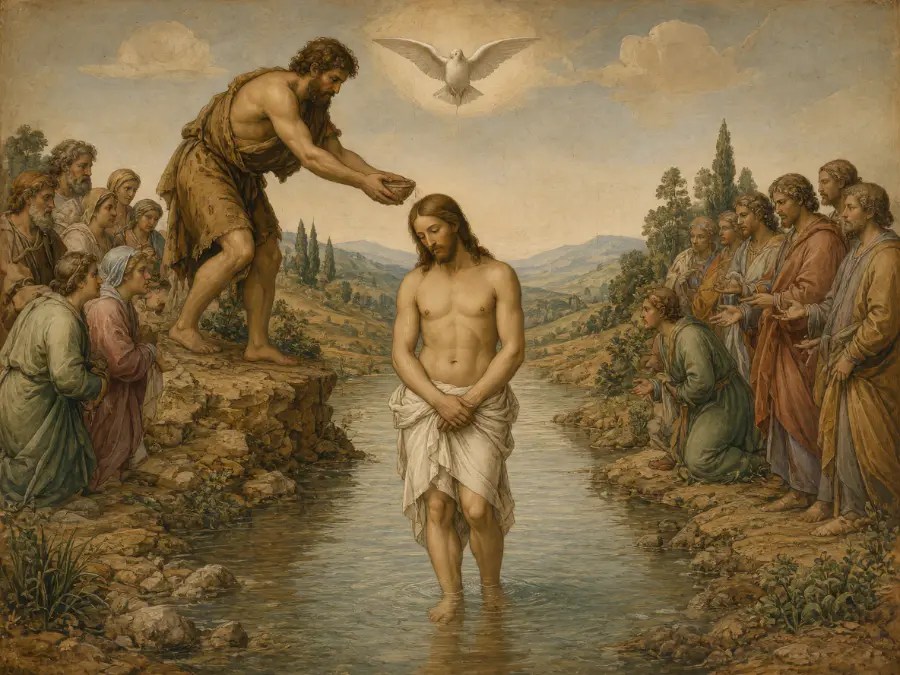
Romans 3:25-26
“Whom God put forward as a propitiation by his blood, to be received by faith. This was to show God’s righteousness, because in his divine forbearance he had passed over former sins. It was to show his righteousness at the present time, so that he might be just and the justifier of the one who has faith in Jesus.”
Reflection: Paul has just written that “all have sinned and fall short of the glory of God” and are “justified by his grace as a gift” (Romans 3:23-24). God had passed over former sins “in his divine forbearance,” and Paul says Christ was put forward to show God’s righteousness in that, so that God is both “just and the justifier of the one who has faith in Jesus.”
Words God speaks and words addressed to him
God speaks about himself in Exodus 34:6-7, Isaiah 55:8-9, Jeremiah 23:23-24 and Malachi 3:6. Jesus speaks in John 4:24, to the Samaritan woman, and in John 3:16 as the ESV punctuates it. Numbers 23:19 comes from Balaam, a prophet brought in to curse Israel.
Jeremiah 32:17, Psalm 89:14 and Psalm 139:7-10 are addressed to God and can be prayed as written, and Lamentations 3:22-23 turns into a prayer halfway through, with “great is your faithfulness.” Romans 11:33 is praise that Paul writes into the middle of a letter, speaking about God rather than to him.


Leave a Reply