
 Dutch
 English
 Chinese
 Arabic
 Spanish
 Portuguese
 Russian
 French
 Italian
 German
 Japanese
Across Scripture, strength belongs to God first, and he gives it to the weary, the weak, and anyone asked to step forward while afraid.
Strength when you feel weary or weak
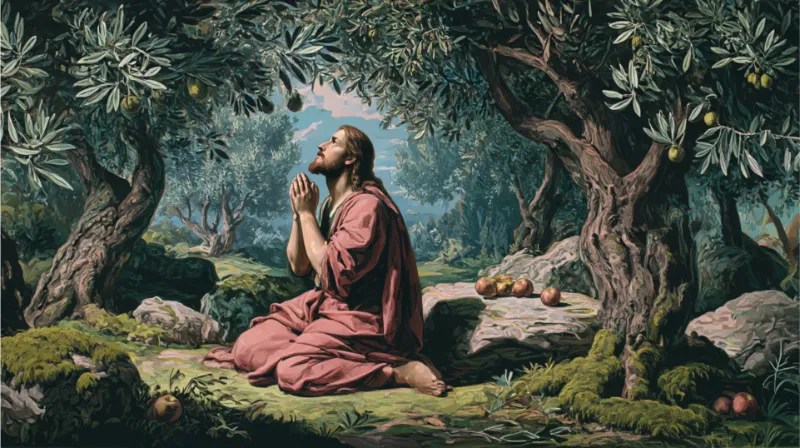
Jesaja 40:29-31
“Hij geeft de vermoeiden kracht en vermenigvuldigt de macht van de zwakken. Zelfs jongeren worden moe en mat, en jonge mannen struikelen en vallen; maar wie op de Heer hoopt, zal zijn kracht vernieuwen. Zij zullen opstijgen met vleugels als arenden; zij zullen rennen en niet moe worden, zij zullen lopen en niet bezwijken.”
Reflectie: Three verses earlier, Isaiah points to the stars God calls by name so that “not one of them is missing,” then turns that same power toward exhausted people. The promise descends from soaring to running to ordinary walking, meeting you even on a day when you only have strength for the next step.
Jesaja 41:10
“Wees niet bevreesd, want Ik ben met u; wees niet verschrikt, want Ik ben uw God. Ik sterk u, ook help Ik u, ook ondersteun Ik u met Mijn rechterhand, die gerechtigheid brengt.”
Reflectie: God speaks to Israel while enemies “rage against you” and “wage war against you” (verses 11-12), answering a real threat with his presence and hand. Whatever stands against you today, this promise grounds your courage in God’s nearness beside you.
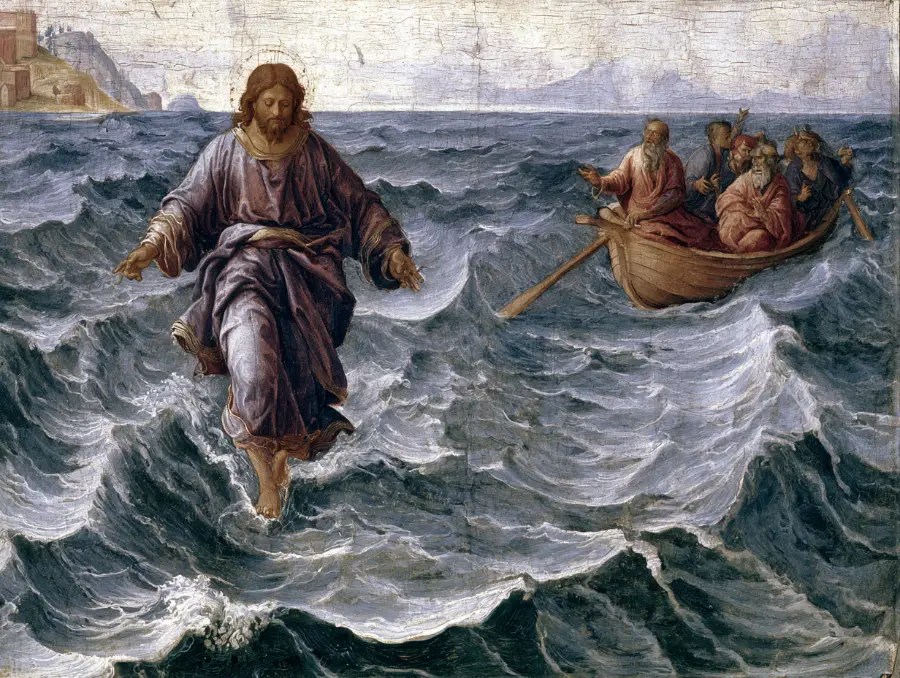
2 Korinthiërs 12:9-10
“Maar Hij heeft tegen mij gezegd: Mijn genade is voor u genoeg, want Mijn kracht wordt in zwakheid volbracht. Daarom zal ik veel liever roemen in mijn zwakheden, opdat de kracht van Christus in mij komt wonen. Daarom heb ik welbehagen in zwakheden, in smaad, in noden, in vervolgingen, in benauwdheden, om Christus' wil. Want wanneer ik zwak ben, dan ben ik machtig.”
Reflectie: Only the first sentence of verse 9 is the Lord’s reply; from “Therefore” on, Paul answers by listing insults, hardships, persecutions and difficulties. Your limits do not shut Christ’s power out of your day, because he meets you inside them.
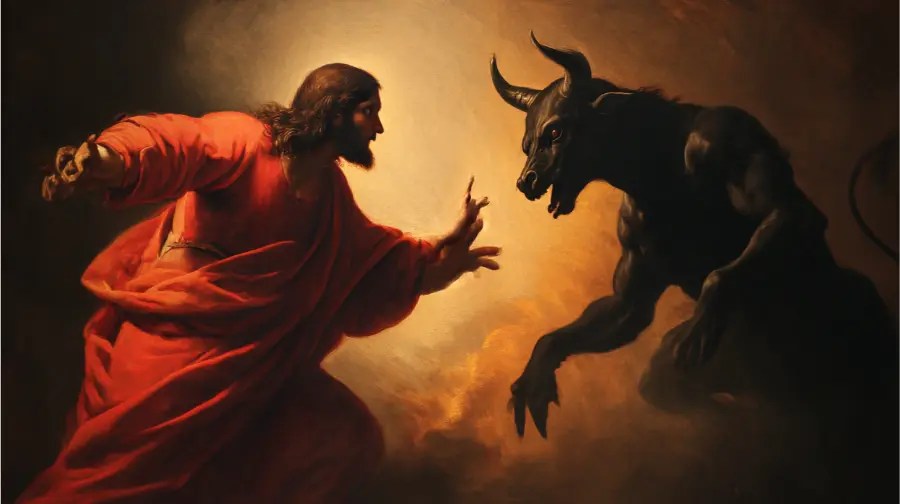
Filippenzen 4:13
“Ik vermag alle dingen door Christus, Die mij kracht geeft.”
Reflectie: Right before this line, Paul explains that he has learned to be content with plenty and with little (4:11-12). Those changing circumstances are the “all things” he means. This verse meets you on days when supplies run low and you still have to keep going.
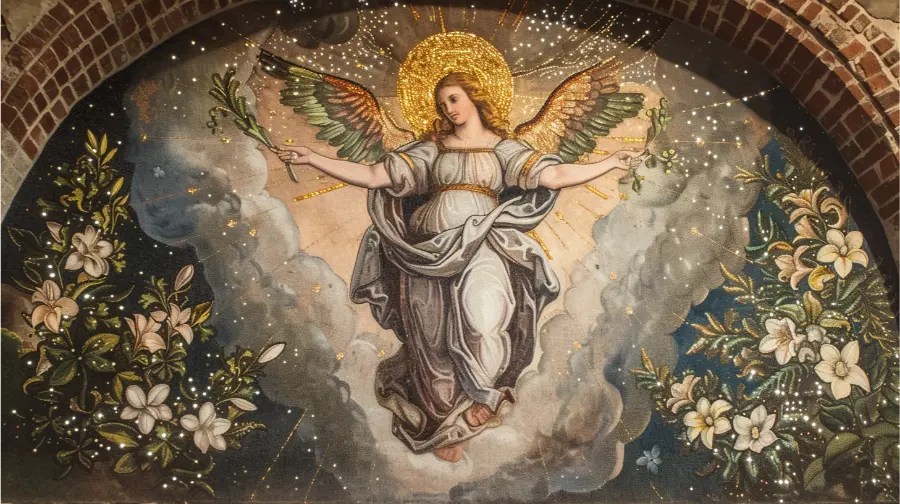
Psalmen 73:26
“My flesh and my heart faileth: but God is the strength of my heart, and my portion for ever.”
Reflectie: Earlier in the psalm, the writer admits his feet “were almost gone” while envying the wicked (verses 2-3). Everything turns when he enters “the sanctuary of God” (verse 17) and sees God holding his right hand (verse 23). Even when body and resolve fail, God stays with you as your lasting strength.
Psalmen 119:28
“Mijn ziel is vermoeid van verdriet; versterk mij volgens uw woord.”
Reflectie: In the Daleth stanza of Psalm 119, the psalmist lies “laid low in the dust” (verse 25) and asks God to keep him alive “according to your word.” Grief leaves few words, and this single line can be prayed straight back to God.
Want one Bible verse for how you feel today? Pick a feeling in our verse finder to copy, share, or save as a picture.
Wanneer de Heer mijn kracht wordt genoemd
Psalmen 46:1
“God is ons een toevlucht en kracht; Hij is in hoge mate een hulp gebleken in benauwdheden.”
Reflectie: Verse 2 pictures the earth giving way and mountains sliding into the sea, and still answers, “we will not fear.” You do not have to wait for the ground to steady before turning to God as shelter.

Psalmen 28:7
“De Heer is mijn kracht en mijn schild; mijn hart vertrouwt op Hem, en Hij helpt mij. Mijn hart springt op van vreugde, en met mijn lied loof ik Hem.”
Reflectie: David opens this psalm pleading not to be dragged away with the wicked (verses 1-5), then breaks into praise once God “has heard my cry for mercy” (verse 6). Trust comes before the song, letting you lean on God as a shield while you wait for relief.
Exodus 15:2
“De Heer is mijn kracht en mijn verdediging; hij is mijn redding geworden. Hij is mijn God, en ik zal hem prijzen, de God van mijn vader, en ik zal hem verheffen.”
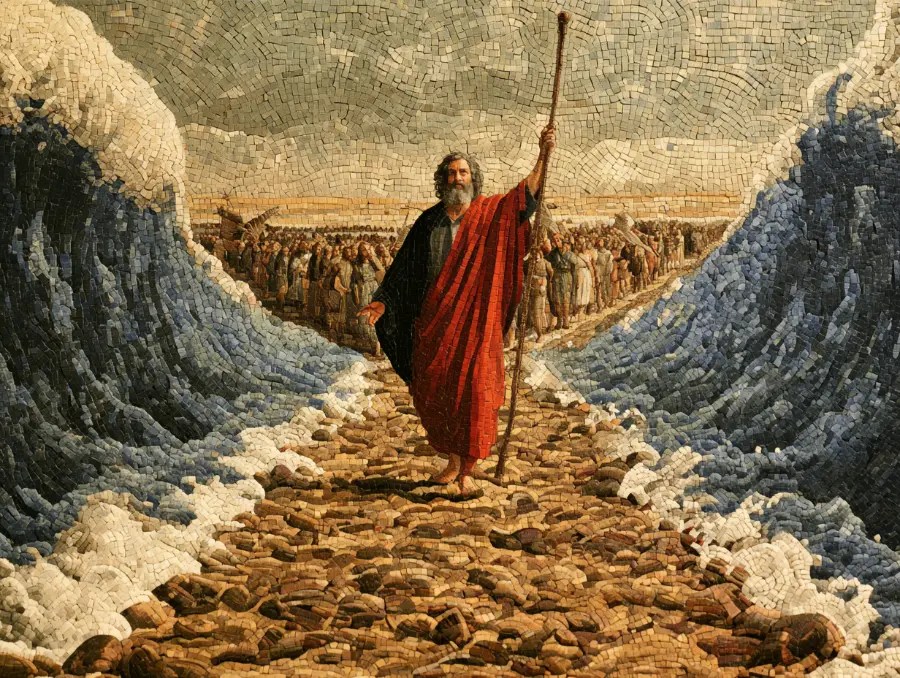
Reflectie: Moses and Israel sing this on the far shore of the sea after God hurled “both horse and driver” into the water (verse 1). Psalm 118:14 later repeats the first half of Exodus 15:2 word for word. Remembering where God has already rescued you gives you courage for what lies ahead.
Jesaja 12:2
“Voorwaar, God is mijn heil; ik zal vertrouwen en niet vrezen. De Heer, de Heer zelf, is mijn kracht en mijn verdediging; Hij is mijn heil geworden.”
Reflectie: Isaiah 12 echoes the first half of Exodus 15:2 with “the Lord himself” added, sung on the day God’s anger “has turned away” and comfort replaces it (verse 1). Verse 3 follows with drawing water “from the wells of salvation,” inviting you to rest in God’s mercy when fear weighs on you.
Habakuk 3:19
“De HEERE Heere is mijn kracht; Hij maakt mijn voeten als die van de hinden, Hij doet mij treden op mijn hoogten.”
Reflectie: Habakkuk closes his prayer after naming total loss in verse 17—no figs, grapes, olives, crops, sheep or cattle—and answering, “yet I will rejoice in the Lord” (verse 18). Even when every earthly supply fails, God can keep your feet steady on steep ground.
2 Samuël 22:33
“Deze God is mijn sterke toevlucht en Hij maakt mijn weg volkomen.”
Reflectie: Near the end of David’s story, in a song nearly identical to Psalm 18, David credits God with both his shelter and his path. After a long, exhausting season, you can ask God to guard both your life and your next steps.

Nehemia 8:10
“Ga heen, eet het vet en drink de zoete wijn en stuur porties naar wie niets klaar heeft, want deze dag is heilig voor onze Heere. En wees niet bedroefd, want de vreugde van de Heere is uw kracht.”
Reflectie: The people wept as they heard the law read aloud (8:9), and Nehemiah told them to share a meal and send food to those with nothing. Gratitude and shared gladness before God renew your strength on hard days.
If you want written words to pray straight from these promises, read our gebeden om kracht for worn-out, anxious, or hard days.
Commands to be strong and courageous
Jozua 1:9
“Heb Ik het u niet geboden? Wees sterk en moedig, wees niet bevreesd en wees niet ontsteld, want de HEERE, uw God, is met u, overal waar u heen gaat.”
Reflectie: God gives this charge to Joshua after “Moses my servant is dead” (verse 2), with the Jordan still uncrossed. It repeats the promise of verse 5: “As I was with Moses, so I will be with you.” Whenever a duty feels larger than you are, that same promise goes with you into it.
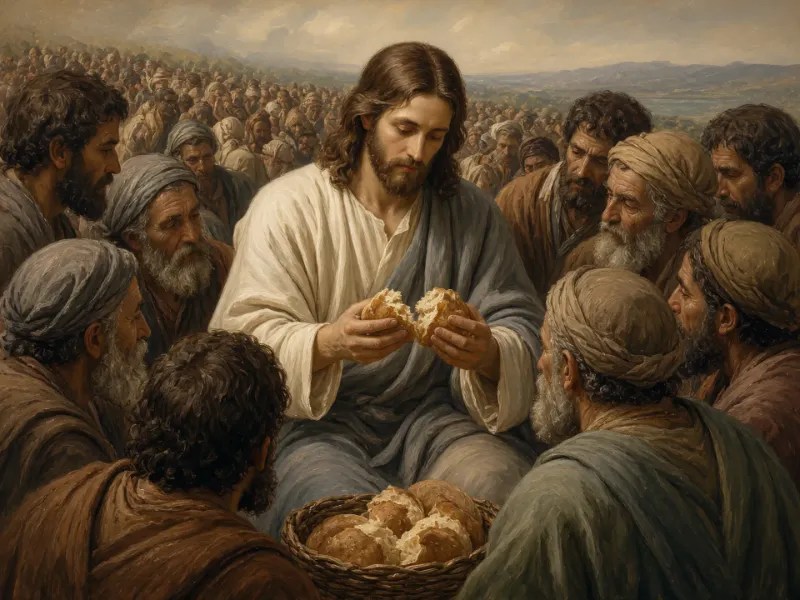
Deuteronomium 31:6
“Wees sterk en moedig. Wees niet bevreesd en wees niet ontsteld voor hen, want de HEERE, uw God, Die gaat met u mee. Hij zal u niet loslaten en u niet verlaten.”
Reflectie: At a hundred and twenty years old, knowing he will not cross the Jordan, Moses steadies all Israel and repeats the charge to Joshua (verses 7-8). Through any major transition, the ground of courage is that the Lord goes with you.
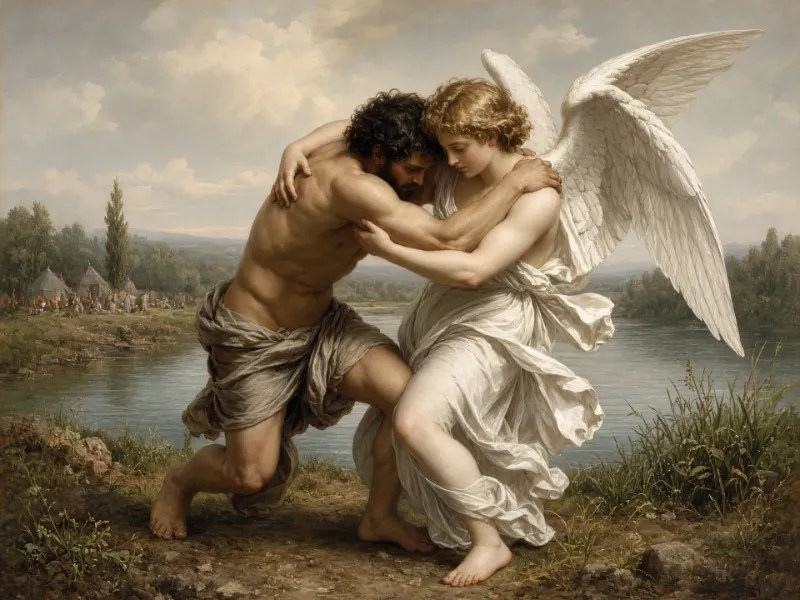
Jozua 1:7
“Wees sterk en zeer moedig. Zorg ervoor dat u de hele wet gehoorzaamt die mijn dienaar Mozes u heeft gegeven; wijk er niet van af naar rechts of naar links, opdat u succesvol zult zijn waar u ook gaat.”
Reflectie: Here the command adds the word “very” and ties courage directly to keeping “this Book of the Law” (verse 8) on Joshua’s lips day and night. Daily courage shows itself in faithful obedience to what God has already made clear.
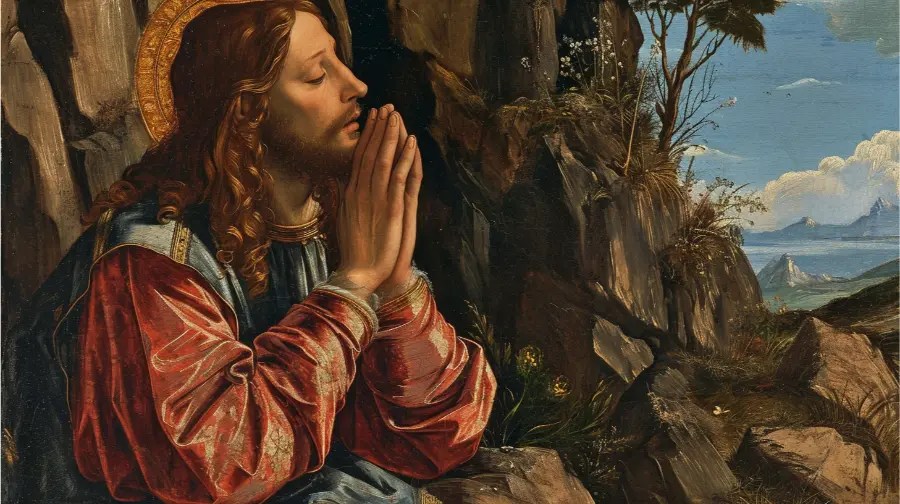
1 Kronieken 28:20
“David zei ook tegen zijn zoon Salomo: ‘Wees sterk en moedig, en doe het werk. Wees niet bang en wees niet ontmoedigd, want de HEERE God, mijn God, is met u. Hij zal u niet begeven en niet verlaten totdat al het werk voor de dienst van het huis van de HEERE voltooid is.’”
Reflectie: David has already given Solomon the temple plans “in writing” (verse 19), and he adapts Moses’ charge for a specific task: “do the work.” When an unfinished job intimidates you, God’s promised presence is reason enough to begin.
Angst, vertrouwen en vrijmoedigheid in de Psalmen
Psalmen 27:1
“De HEER is mijn licht en mijn heil—voor wie zou ik vrezen? De HEER is de vesting van mijn leven—voor wie zou ik beven?”
Reflectie: David carries those two questions into siege in verse 3 (“Though an army besiege me, my heart will not fear”) and closes with “Wait for the Lord; be strong and take heart” (verse 14). Remembering who God is first reduces the power of what tries to intimidate you today.
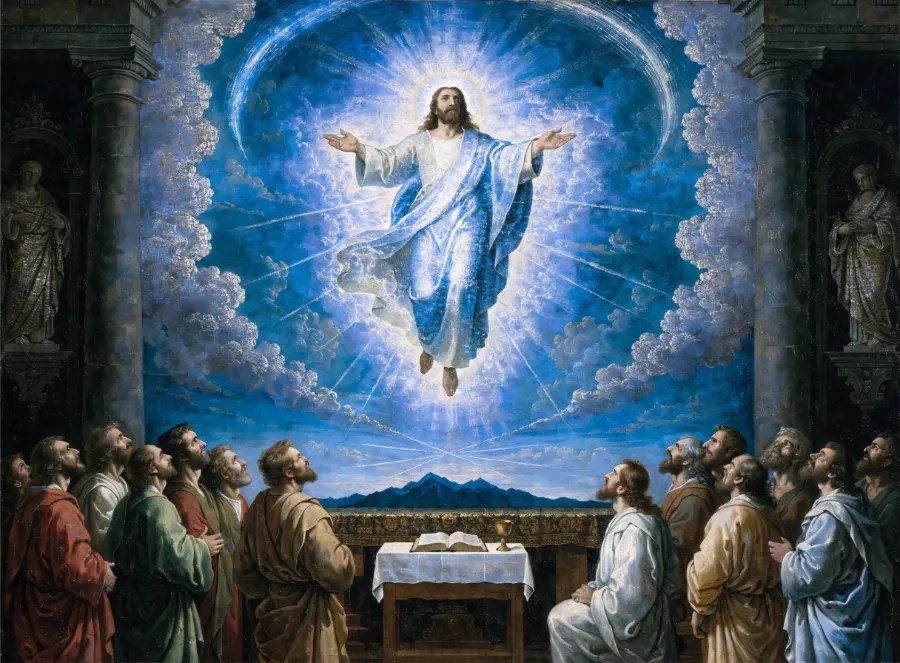
Psalmen 56:3-4
“Wanneer ik bang ben, vertrouw ik op U. In God, wiens woord ik prijs—in God vertrouw ik en ik ben niet bang. Wat kunnen stervelingen mij doen?”
Reflectie: The psalm’s heading places these words when the Philistines seized David in Gath with enemies in “hot pursuit” (verses 1-2), and verses 10-11 repeat them as a refrain. Saying “When I am afraid” admits the fear plainly and gives you a line to pray the moment fear arrives.
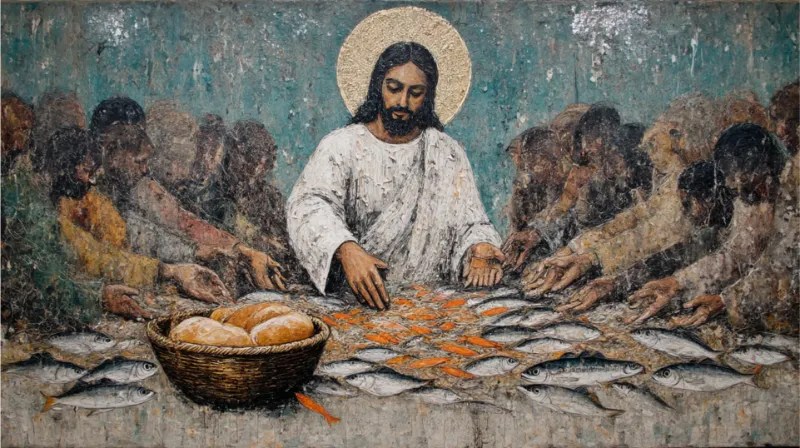
Psalmen 31:24
“Wees sterk en houd moed, jullie allen die op de HEER hopen.”
Reflectie: This closing line comes from a psalmist who earlier felt “in a city under siege” and cried “I am cut off from your sight!” before God answered (verses 21-22). The King James Version reads “Be of good courage, and he shall strengthen your heart,” tying steady courage directly to hope in God.
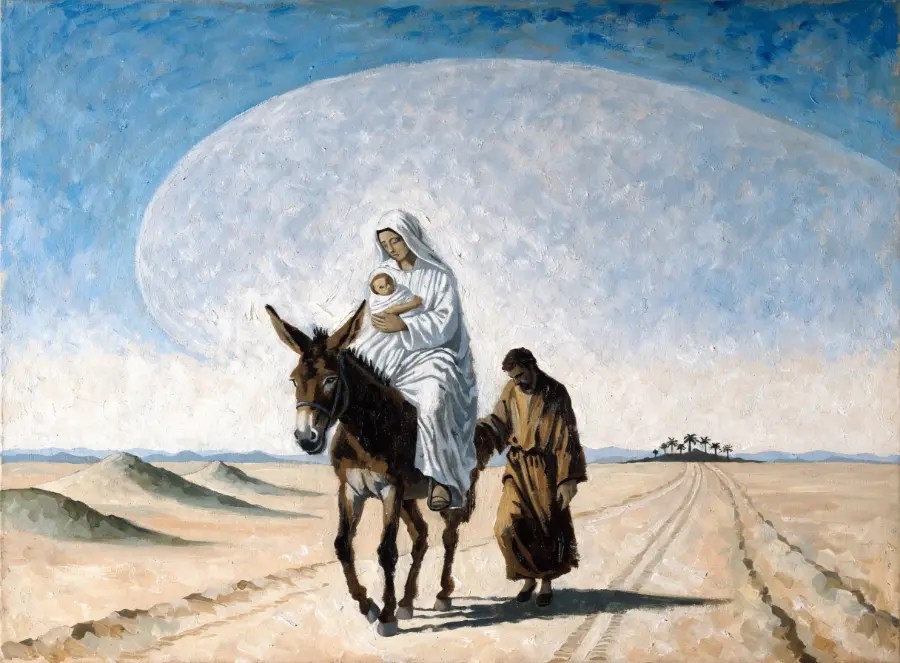
Psalmen 138:3
“Toen ik riep, antwoordde U mij; U gaf mij grote vrijmoedigheid.”
Reflectie: David praises God for his “unfailing love” and “faithfulness” (verse 2) before recalling this answered cry, even while verse 7 expects more trouble ahead. God often answers prayer by giving you new courage inside before the trouble ends.
Courage when you must stand up for your faith
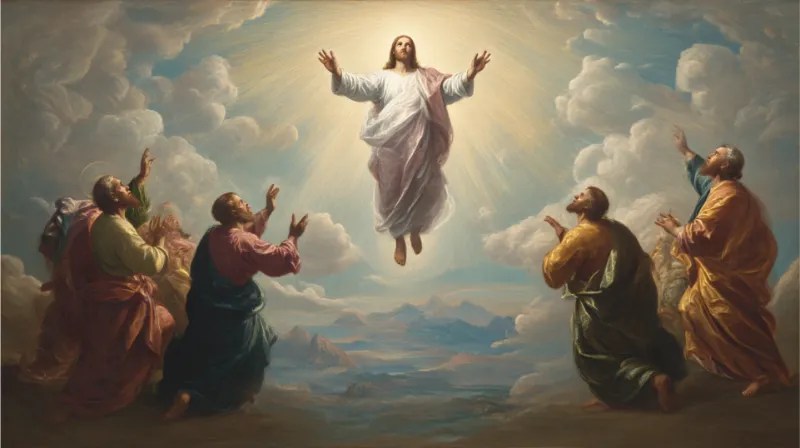
Esther 4:16
“Ga, verzamel alle Joden die in Susan zijn, en vast voor mij. Eet of drink drie dagen niet, nacht of dag. Ik en mijn bedienden zullen vasten zoals jullie doen. Als dit gedaan is, zal ik naar de koning gaan, ook al is het tegen de wet. En als ik omkom, dan kom ik om.”
Reflectie: Anyone who went to the king unsummoned faced death, and Esther had not been called for thirty days (verse 11). She asked her people to fast for three days, then went anyway. Courage names the risk, asks others to pray, and still takes the right step.
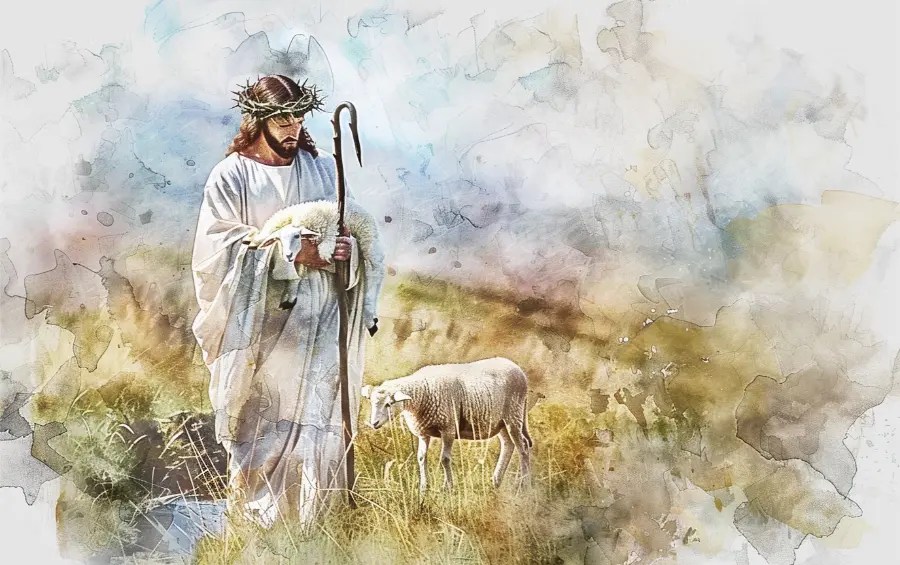
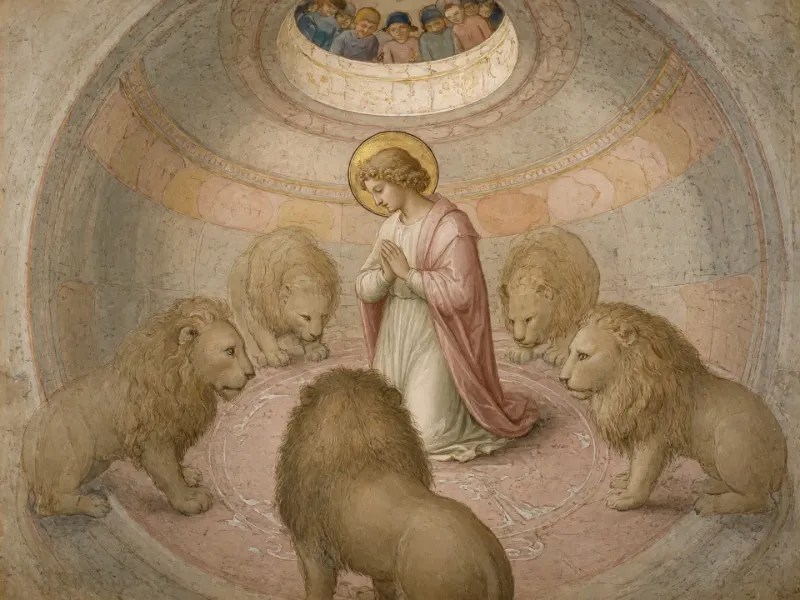
Daniël 3:17-18
“Als we in de brandende oven worden geworpen, is de God die wij dienen in staat ons eruit te redden, en Hij zal ons redden uit de hand van Uwe Majesteit. Maar zelfs als Hij dat niet doet, willen we dat u weet, Uwe Majesteit, dat wij uw goden niet zullen dienen of het gouden beeld zullen aanbidden dat u hebt opgericht.”
Reflectie: Nebuchadnezzar threatens Shadrach, Meshach and Abednego with the blazing furnace (verse 15). They trust that God can rescue them, yet refuse to bow “even if he does not.” Their answer sets a clear standard for days when you cannot control how others react to your faithfulness.
Handelingen 4:13
“Toen ze de moed van Petrus en Johannes zagen en beseften dat het ongeschoolde, gewone mannen waren, waren ze verbaasd en merkten ze op dat deze mannen bij Jezus waren geweest.”
Reflectie: Peter, “filled with the Holy Spirit” (verse 8), has spoken plainly before the council while the healed lame man stood beside them (verse 14). Boldness in Christian witness grows out of staying close to Jesus, even when you feel ordinary and untrained.
Handelingen 4:29
“Nu dan, HEER, sla acht op hun dreigementen en geef uw dienaren om met alle vrijmoedigheid uw woord te spreken.”
Reflectie: The early church brings the rulers’ threats straight to God and asks for boldness to keep speaking. Verse 31 reports what followed: “they were all filled with the Holy Spirit and spoke the word of God boldly.” Under pressure to stay quiet, you can pray these exact words.
Strength and courage in Paul’s letters
1 Corinthiërs 16:13
“Wees waakzaam; sta vast in het geloof; wees moedig; wees sterk.”
Reflectie: Paul places four brief commands near the close of his letter to Corinth, followed immediately by a fifth: “Do everything in love” (verse 14). Watchfulness and firmness belong beside love in your daily conduct.
1 Corinthiërs 15:58
“Daarom, mijn geliefde broeders en zusters, wees standvastig, onwankelbaar, altijd overvloedig in het werk van de Heere, in de wetenschap dat uw inspanning niet tevergeefs is in de Heere.”
Reflectie: After describing the resurrection, Paul tells the Corinthians why they can stand firm in their work. He looks ahead to the day when “Death has been swallowed up in victory” (verse 54) and thanks God for that victory through Jesus Christ (verse 57).
2 Timotheüs 1:7
“Want de Geest die God ons gegeven heeft, maakt ons niet timide, maar geeft ons kracht, liefde en zelfbeheersing.”
Reflectie: Paul writes while remembering Timothy’s tears (verse 4) and the faith of his grandmother Lois and mother Eunice (verse 5). Against what the King James Version calls “the spirit of fear,” the Spirit gives power, love and self-discipline. When fear makes you hesitate, you can rely on the steady self-control the Spirit supplies.
Efeziërs 6:10
“Ten slotte, wees sterk in de Heer en in de kracht van Zijn macht.”
Reflectie: This verse introduces the letter’s closing section on the armor of God, where Paul tells the church that “our struggle is not against flesh and blood” (verses 11-13). Standing firm begins by relying on the Lord’s mighty power each day.

Efeziërs 3:16
“Ik bid dat Hij u vanuit Zijn rijke heerlijkheid kracht geeft door Zijn Geest in uw innerlijk.”
Reflectie: Paul kneels before the Father (verse 14) and asks for strength in the inner person “so that Christ may dwell in your hearts through faith” (verse 17). Even when outside pressures remain, you can ask God to strengthen you from within.
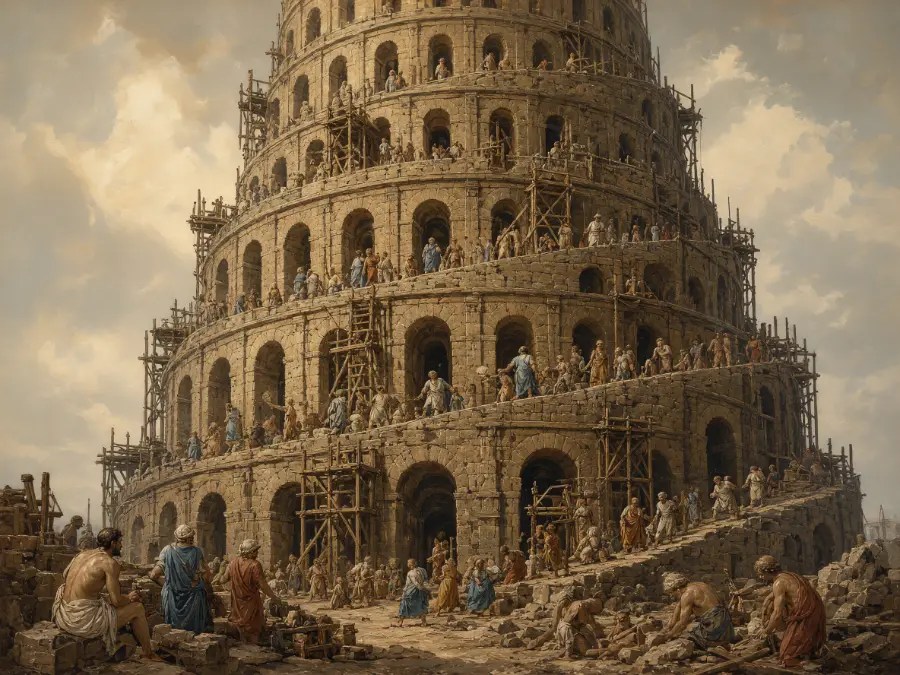
2 Timotheüs 2:1
“U dan, mijn kind, word gesterkt door de genade die in Christus Jezus is.”
Reflectie: Paul tells Timothy to be strengthened and points straight to the source: “the grace that is in Christ Jesus.” You receive the strength for faithful living as a gift in Christ.
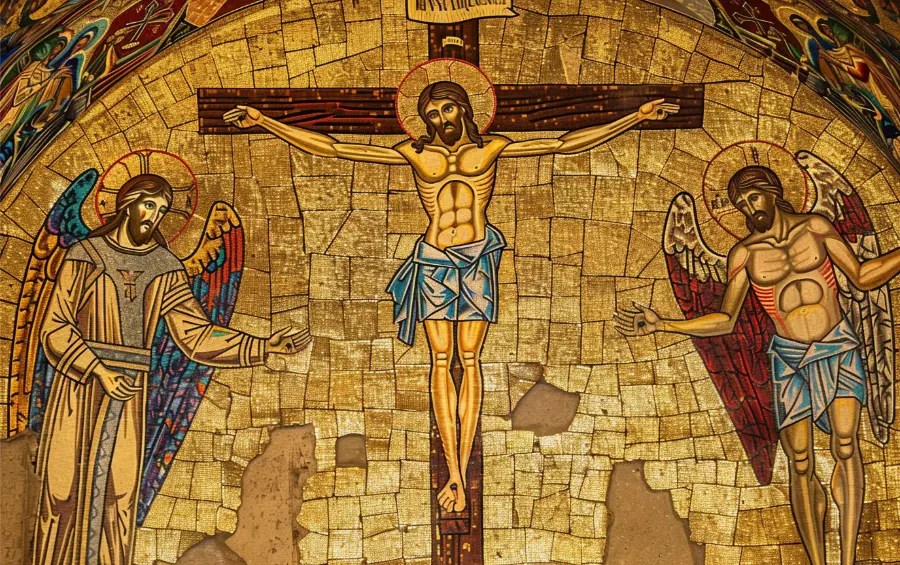
Colossenzen 1:11
“Moge u met alle kracht gesterkt worden, overeenkomstig Zijn heerlijke macht, tot alle volharding en geduld met blijdschap.”
Reflectie: Paul prays for strength “with all power” and names its fruit: endurance and patience with joy. In a slow, difficult season, God’s might often shows itself in steady, unhurried patience.
For Romans 8:37 and more passages aimed at hard times and comfort, see our collection of encouraging Bible verses for strength in hard times.
Strength that looks different from what you expect
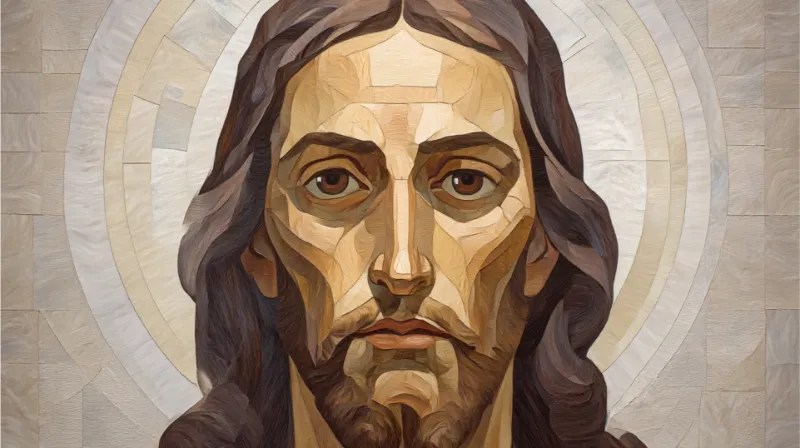
Jesaja 30:15
“In terugkeer en rust zult u gered worden; in stilheid en in vertrouwen zal uw kracht zijn.”
Reflectie: The rest of the verse adds, “But you were unwilling,” because in verse 16 the people chose to flee on horses instead. Whenever panic tempts you to rush for control, this verse calls you back to quiet trust.
Hebreeën 11:34
“…de kracht van het vuur gedoofd, aan de scherpte van het zwaard ontkomen, uit zwakheid krachtig geworden, machtig geworden in de oorlog.”
Reflectie: Right after these rescues, verses 35-37 list believers who were tortured, mocked, flogged, stoned and sawn in two, counting both groups as examples of faith. God makes weak people strong both in deliverance and in faithful suffering.
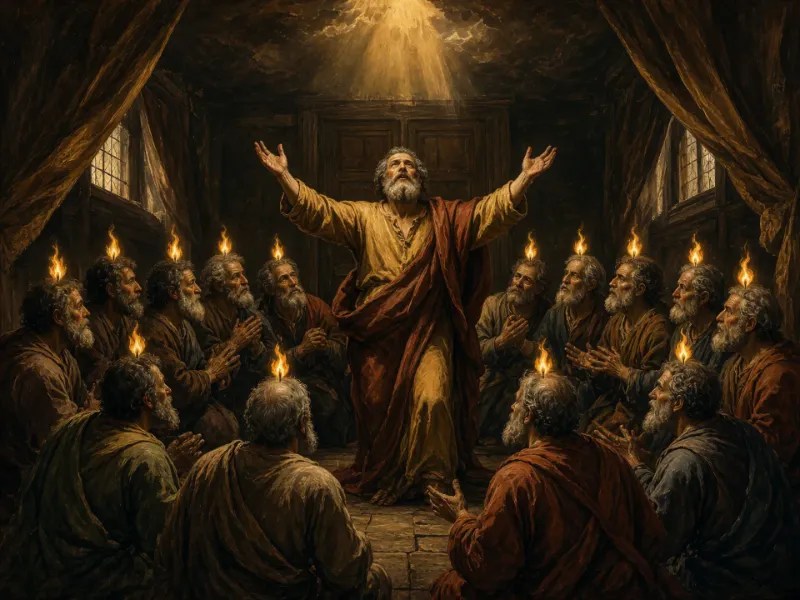
Joël 3:10
“Smeed uw ploegscharen om tot zwaarden en uw snoeimessen tot speren; laat de zwakke zeggen: ‘Ik ben een krijger.’”
Reflectie: This line reverses Isaiah 2:4 and Micah 4:3, where swords become plowshares. Joel is summoning the nations to the valley of judgment (3:12), and the boast is theirs. Reading the full verse keeps you from mistaking a warning to proud nations for the strength Isaiah 40 and 2 Corinthians 12 promise.
Using your strength to help someone else
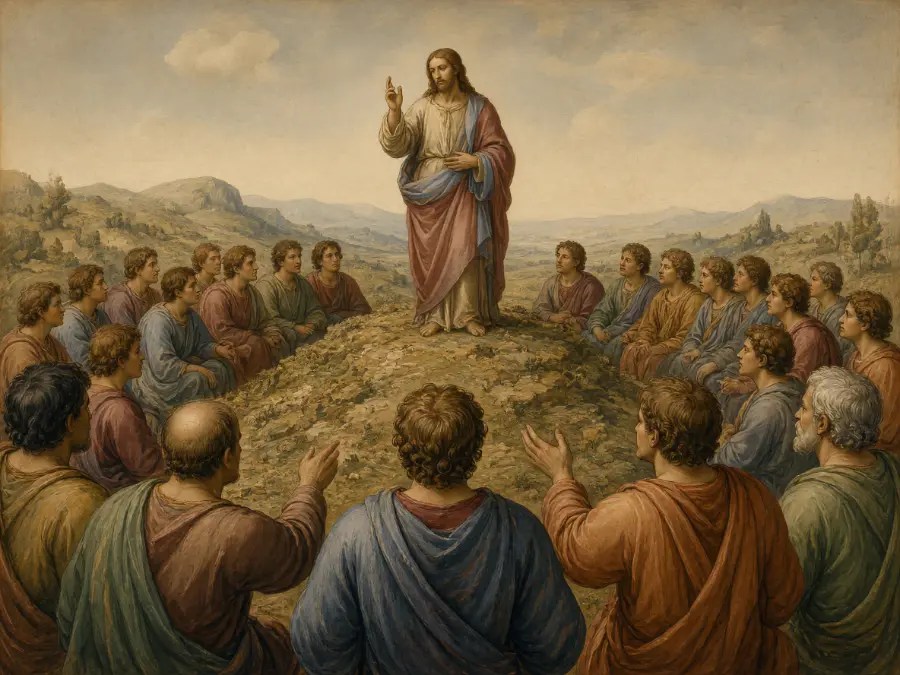
Romeinen 15:1
“Wij die sterk zijn, zijn verplicht de zwakheden van de zwakken te dragen en niet onszelf te behagen.”
Reflectie: Strength brings an obligation to carry the weak, and verse 2 adds, “Let each of us please his neighbor for his good.” On days when you feel steady, Scripture turns that strength outward toward whoever beside you is struggling.
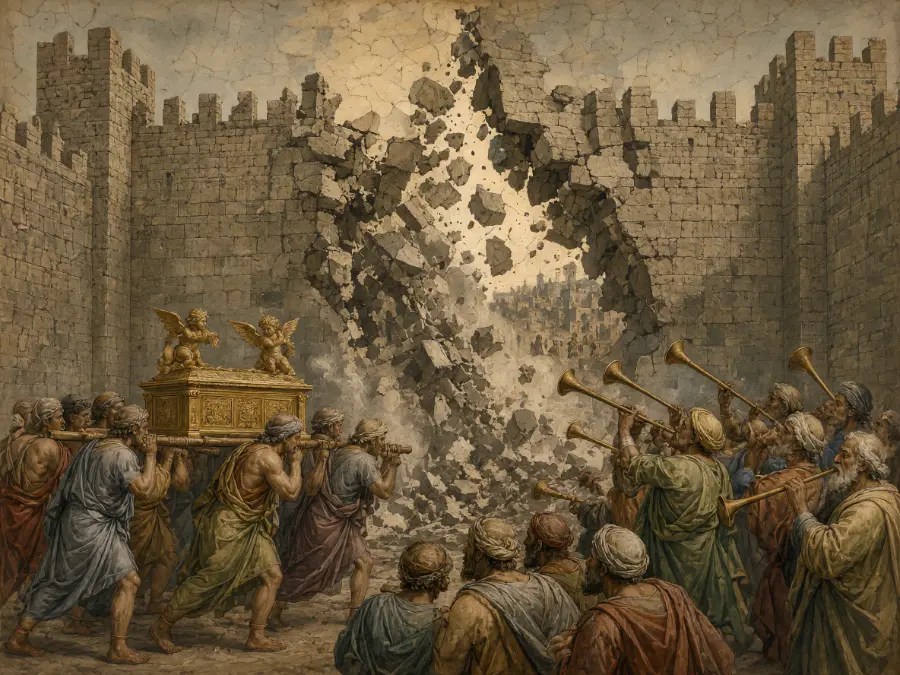
Prediker 4:9-10
“Twee zijn beter dan één, want zij hebben een goede beloning voor hun zwoegen: als zij vallen, kan de een de ander overeind helpen. Maar wee de eenzame die valt en geen tweede heeft om hem overeind te helpen!”
Reflectie: After describing a man who works alone, the writer pictures two companions working together. Either can lift the other after a fall, and the same pair can stand together against an attacker. As verse 12 puts it, “Though one may be overpowered, two can defend themselves.”
Spreuken 27:17
“IJzer scherpt ijzer, zo scherpt de ene mens de andere.”
Reflectie: Iron sharpens iron through contact and friction, and both pieces are changed by it. Staying close to trusted friends in the faith builds steadier strength than enduring alone.
Gerelateerde artikelen
- 21 Bijbelverzen over niet bang zijn — Scripture’s “fear not” promises from Genesis to Revelation, read in context.
- 16 Bijbelverzen over het doorstaan van moeilijke tijden, en wat volharding betekent — passages on steadfastness when trouble lasts longer than expected.
- Wat is de wapenrusting van God? De zes onderdelen uit Efeziërs 6 — a walkthrough of the full passage that begins with Ephesians 6:10.
- Gebeden tegen angst: voor paniek, ongerustheid, de nacht en de toekomst — written prayers to say aloud when fear and worry press in.
- 20 Bijbelverzen over geloof in moeilijke tijden — verses on holding fast to God when circumstances shake your confidence.
- Wat zegt de Bijbel over…? — browse more than 6,500 biblical topics with the verses and surrounding passages for each one.


Een reactie plaatsen