
 English
 Chinese
 Dutch
 Arabic
 Spanish
 Portuguese
 Russian
 French
 Italian
 German
 Japanese
The Bible tells people afraid of the future that God holds it, and tells them to live one day at a time and to make plans with ‘If it is the Lord’s will.’
Jesus says “do not worry about tomorrow” (Matthew 6:34), James says “you do not even know what will happen tomorrow” (James 4:14), and God tells exiles in Babylon that he has “plans to give you hope and a future” (Jeremiah 29:11).
Many of the commands not to be afraid below were spoken to people at the edge of something unknown: Joshua taking over after the death of Moses (Joshua 1:9), the disciples on the night Jesus told them he was leaving (John 14:27), and Israel, addressed as ‘my servant’ (Isaiah 41:8-10). Paul names the future outright among the things that cannot separate believers from the love of God (Romans 8:38-39).
Worry about tomorrow
Matthew 6:34
“Therefore do not worry about tomorrow, for tomorrow will worry about itself. Each day has enough trouble of its own.”
Reflection: Jesus closes a section of the Sermon on the Mount about food, drink and clothes with this sentence. Just before it he points to birds that do not store food in barns and flowers that do not spin, and asks, “Can any one of you by worrying add a single hour to your life?” (Matthew 6:27). The verse does not promise that tomorrow will be free of trouble; it says each day has enough of its own, and verse 33 tells the hearer what to seek first instead.

Philippians 4:6-7
“Do not be anxious about anything, but in every situation, by prayer and petition, with thanksgiving, present your requests to God. And the peace of God, which transcends all understanding, will guard your hearts and your minds in Christ Jesus.”
Reflection: Paul wrote Philippians in chains (Philippians 1:13), with his own future undecided. The verse before this one says “The Lord is near.” Anxiety is met with prayer, petition and thanksgiving, and the promise attached is peace guarding the heart and mind, not an answer on a set date. There is more on worry in Bible verses for anxiety.
1 Peter 5:7
“Cast all your anxiety on him because he cares for you.”
Reflection: Peter writes to believers who are suffering, and the sentence before tells them to humble themselves under God’s hand “that he may lift you up in due time.” Casting anxiety on God comes with a reason, “because he cares for you.” Psalm 55:22 gives a similar instruction: “Cast your cares on the Lord and he will sustain you.”
Making plans without knowing what comes next
James 4:13-15
“Now listen, you who say, ‘Today or tomorrow we will go to this or that city, spend a year there, carry on business and make money.’ Why, you do not even know what will happen tomorrow. What is your life? You are a mist that appears for a little while and then vanishes. Instead, you ought to say, ‘If it is the Lord’s will, we will live and do this or that.’”
Reflection: James addresses merchants who plan a year of trade in another city as if the year were already theirs. He does not forbid the plan; he corrects the way it is spoken, with “If it is the Lord’s will.” Proverbs 27:1 says the same in one line: “Do not boast about tomorrow, for you do not know what a day may bring.”
Proverbs 16:9
“In their hearts humans plan their course, but the Lord establishes their steps.”
Reflection: The chapter opens with the same pairing: “To humans belong the plans of the heart, but from the Lord comes the proper answer of the tongue” (Proverbs 16:1), and verse 3 says, “Commit to the Lord whatever you do, and he will establish your plans.” People are expected to plan; the outcome of each step rests with God.
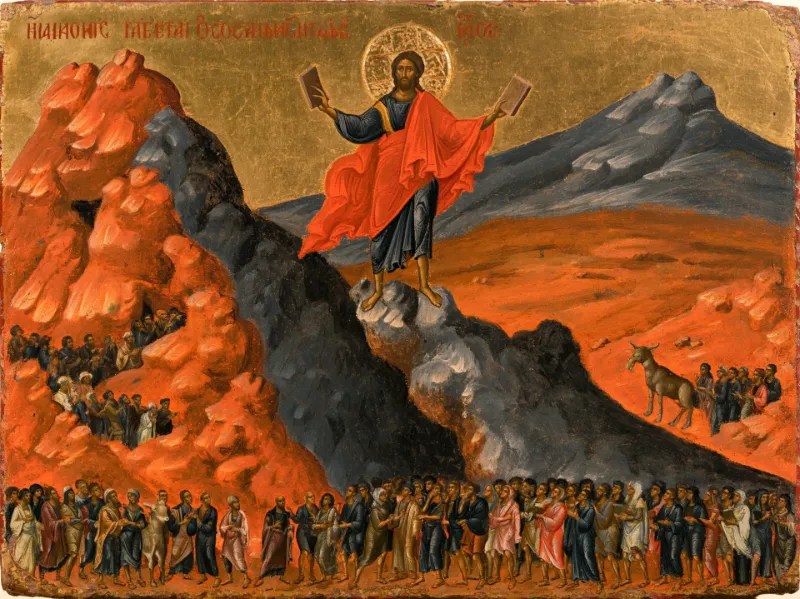
Proverbs 3:5-6
“Trust in the Lord with all your heart and lean not on your own understanding; in all your ways submit to him, and he will make your paths straight.”
Reflection: A father is teaching his son, and the chapter opens with a request not to forget his teaching. Trusting the Lord is set against leaning on one’s own understanding, and the next verse adds, “Do not be wise in your own eyes.” The promise is a straight path, not a view of where the path ends.
Told not to be afraid of what lies ahead
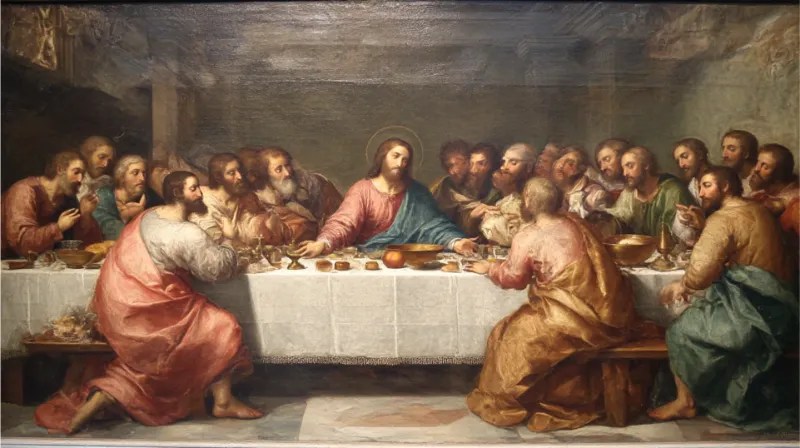
Joshua 1:9
“Have I not commanded you? Be strong and courageous. Do not be afraid; do not be discouraged, for the Lord your God will be with you wherever you go.”
Reflection: Moses has died, and Joshua is told to lead the people across the Jordan into land they have not yet taken. The command “Be strong and courageous” is given three times in Joshua 1:6-9, and Moses had said the same words to Joshua and the people in Deuteronomy 31:6-8. The reason given is presence: “the Lord your God will be with you wherever you go.”
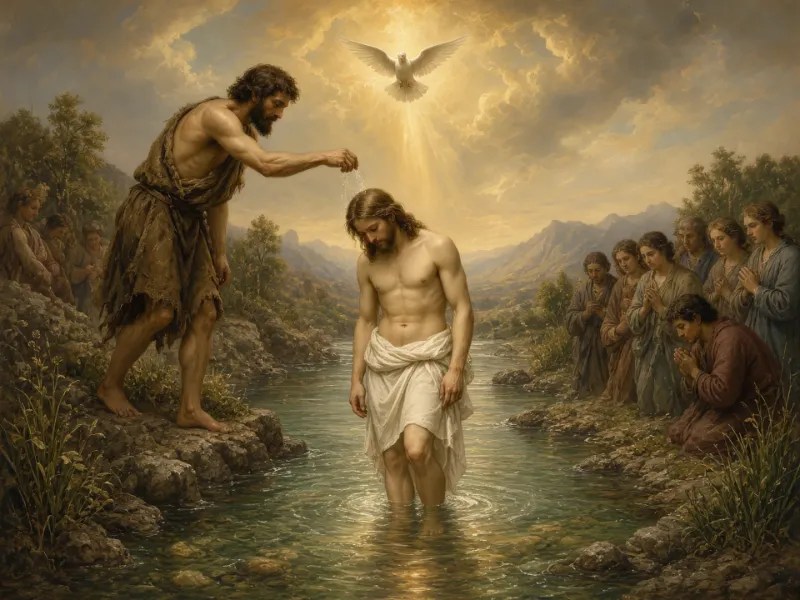
Isaiah 41:10
“So do not fear, for I am with you; do not be dismayed, for I am your God. I will strengthen you and help you; I will uphold you with my righteous right hand.”
Reflection: God speaks to Israel as “my servant, Jacob, whom I have chosen” (Isaiah 41:8). The verse gives a reason for each command: do not fear, “for I am with you”; do not be dismayed, “for I am your God.” Verse 13 repeats the picture of the right hand: “I am the Lord your God who takes hold of your right hand and says to you, Do not fear.”
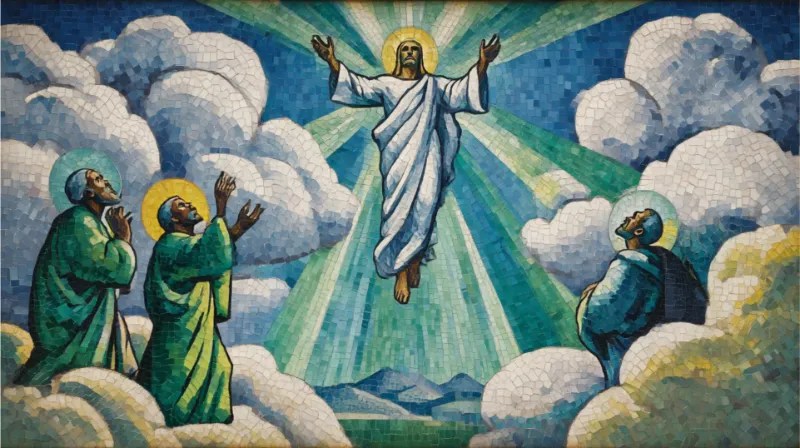
Isaiah 40:31
“But those who hope in the Lord will renew their strength. They will soar on wings like eagles; they will run and not grow weary, they will walk and not be faint.”
Reflection: This answers a complaint quoted four verses earlier: “My way is hidden from the Lord; my cause is disregarded by my God” (Isaiah 40:27). The reply is that the Creator “will not grow tired or weary.” Those who hope in the Lord, that is, who wait on him for what has not happened yet, are the ones promised renewed strength.

John 14:27
“Peace I leave with you; my peace I give you. I do not give to you as the world gives. Do not let your hearts be troubled and do not be afraid.”
Reflection: Jesus says this at the last supper, after telling the disciples he is going away (John 14:2-4). The chapter begins with the same words, “Do not let your hearts be troubled,” followed by the promise of a place prepared in his Father’s house. The peace he leaves is set apart from the world’s: “I do not give to you as the world gives.”
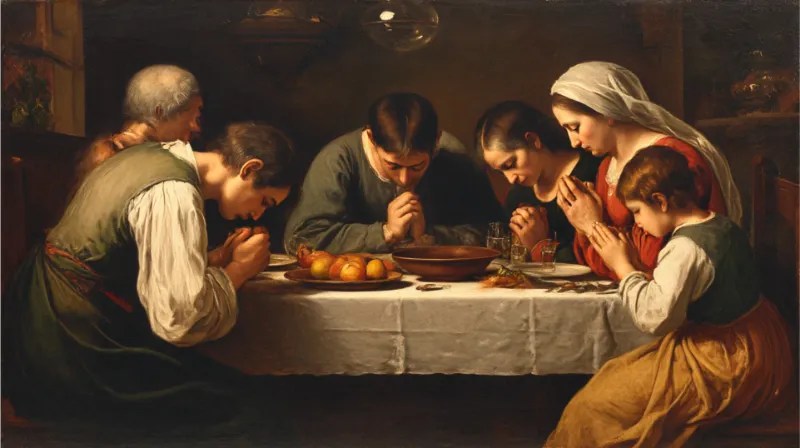
Psalm 23:4
“Even though I walk through the darkest valley, I will fear no evil, for you are with me; your rod and your staff, they comfort me.”
Reflection: In David’s psalm the speaker walks through the darkest valley. The reason for not fearing is “for you are with me,” and at this point the psalm turns from speaking about the Lord to speaking to him. The psalm ends looking ahead: “goodness and love will follow me all the days of my life.”
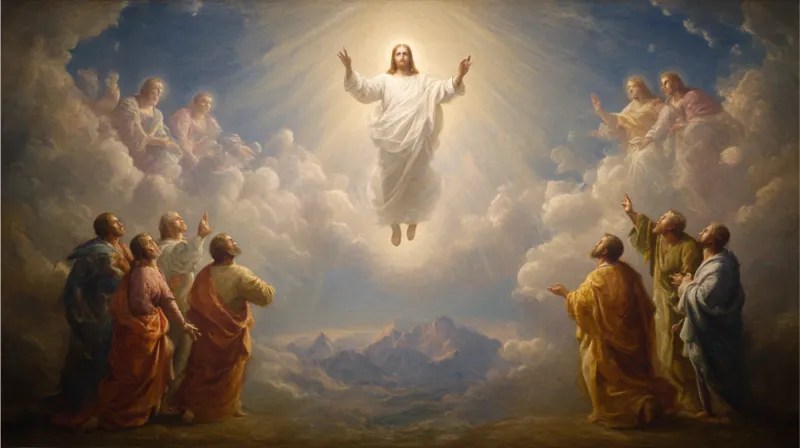
Psalm 46:1
“God is our refuge and strength, an ever-present help in trouble.”
Reflection: The next verse spells out what is being faced: “Therefore we will not fear, though the earth give way and the mountains fall into the heart of the sea.” The psalm describes nations in uproar and kingdoms falling, and twice repeats, “The Lord Almighty is with us; the God of Jacob is our fortress.” Verse 10 adds, “Be still, and know that I am God.”
What God has said about the future

Jeremiah 29:11
“For I know the plans I have for you,” declares the Lord, “plans to prosper you and not to harm you, plans to give you hope and a future.”
Reflection: Jeremiah sent this in a letter to the people carried into exile in Babylon (Jeremiah 29:1), and the letter sets the return seventy years away (29:10). Until then it tells the exiles to build houses, plant gardens and marry. The hope and future were promised to a people.
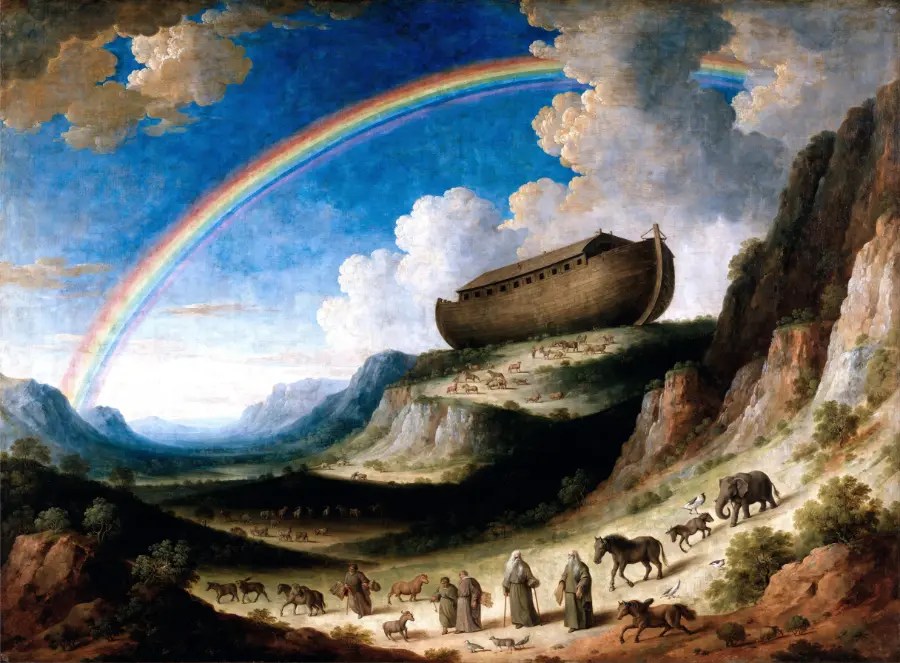
Romans 8:28
“And we know that in all things God works for the good of those who love him, who have been called according to his purpose.”
Reflection: Paul writes this after describing creation groaning and believers waiting “eagerly for our adoption to sonship, the redemption of our bodies” (Romans 8:23). The verse speaks of God working for good in all things, not of all things being good, and the following verses explain the purpose in view: to be “conformed to the image of his Son.”
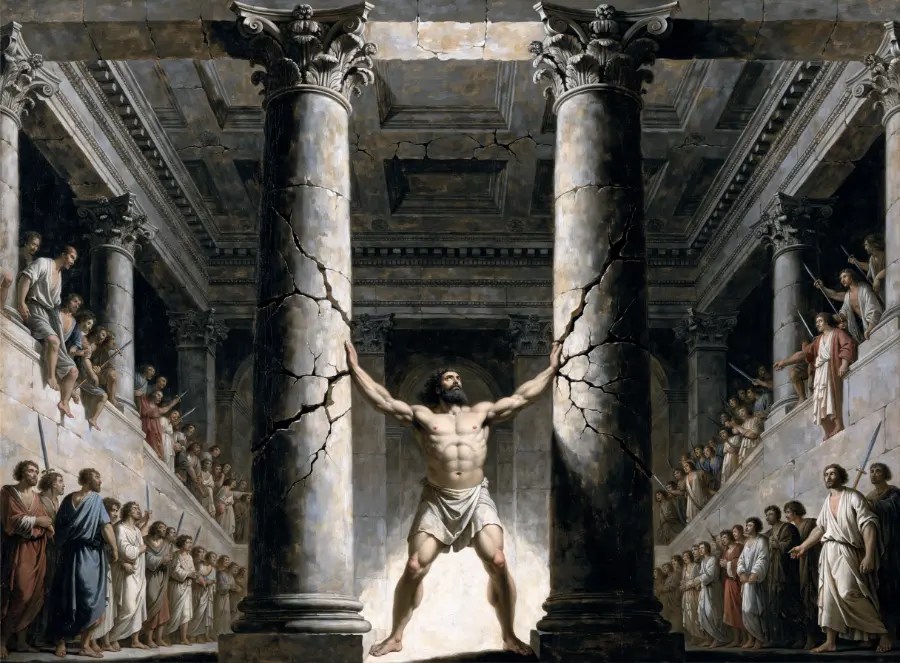
2 Corinthians 4:17-18
“For our light and momentary troubles are achieving for us an eternal glory that far outweighs them all. So we fix our eyes not on what is seen, but on what is unseen, since what is seen is temporary, but what is unseen is eternal.”
Reflection: Just before this Paul lists being “hard pressed on every side, but not crushed; perplexed, but not in despair” (2 Corinthians 4:8). He calls those troubles light and momentary only by setting them against an eternal glory. Fixing the eyes on what is unseen is a way of looking at the future rather than the present.
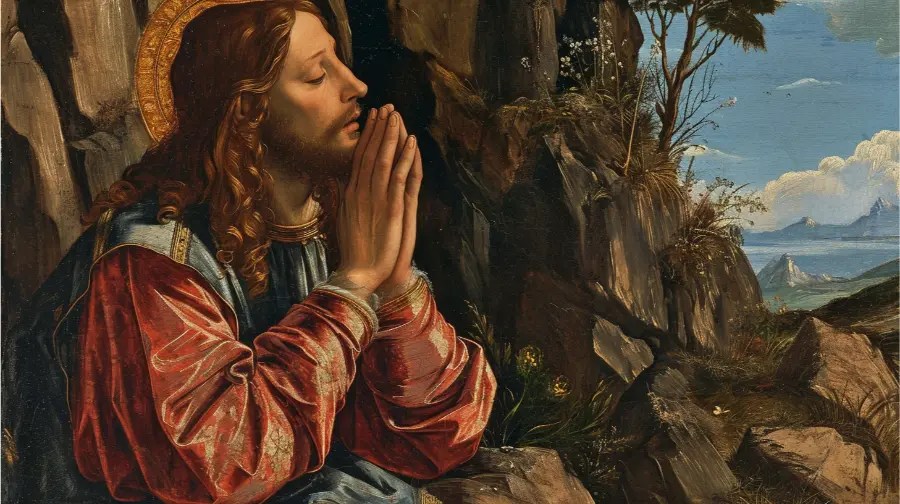
Philippians 3:13-14
“Brothers and sisters, I do not consider myself yet to have taken hold of it. But one thing I do: Forgetting what is behind and straining toward what is ahead, I press on toward the goal to win the prize for which God has called me heavenward in Christ Jesus.”
Reflection: Paul writes that he has not yet reached the goal, the resurrection from the dead he names in verse 11. He forgets what is behind and strains toward what is ahead, the image of a runner. The future in view is a prize God has called him to, which is why he presses toward it.
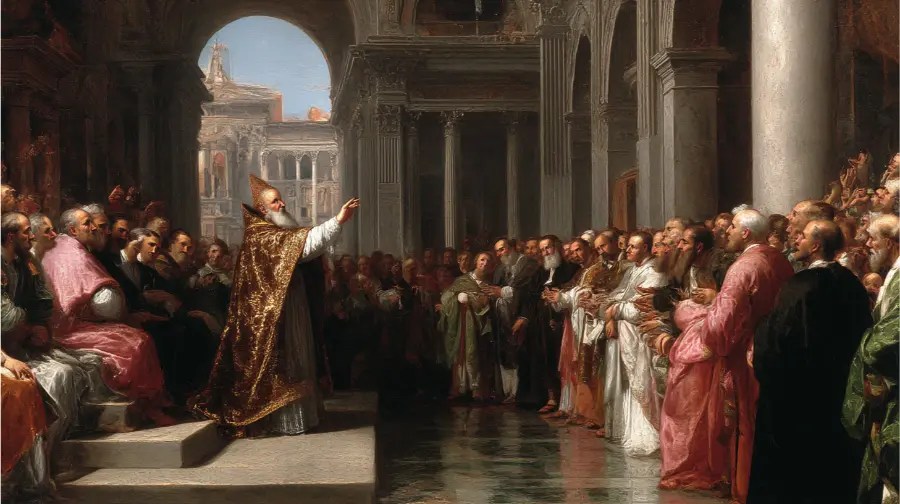
Romans 8:38-39
“For I am convinced that neither death nor life, neither angels nor demons, neither the present nor the future, nor any powers, neither height nor depth, nor anything else in all creation, will be able to separate us from the love of God that is in Christ Jesus our Lord.”
Reflection: This closes the chapter that also holds Romans 8:28. In the list of things that cannot separate believers from God’s love, “the present nor the future” stand beside death, life, angels and demons. Paul has just quoted Psalm 44, “For your sake we face death all day long,” so the list is written with real danger in view.
Using these verses
Philippians 4:6-7 tells the reader to bring requests to God, and James 4:15 gives words to use about any plan: “If it is the Lord’s will, we will live and do this or that.” Psalm 23:4 is addressed to God from “you are with me” onward and can be prayed as written. For the wider subject of time and its seasons, see Bible verses about time.


Leave a Reply