
 English
 Chinese
 Dutch
 Arabic
 Spanish
 Portuguese
 Russian
 French
 Italian
 German
 Japanese
Methodists believe what Christians have confessed since the creeds were written: one God in three persons, Jesus Christ truly God and truly man, a Bible that holds everything we need to be saved, and forgiveness that comes by faith in Christ and not by anything we have earned. What makes them Methodists is what they say God does in the human heart. They believe his grace reaches every person before that person ever looks for him, that anyone may accept it or turn away, that a believer can know he is forgiven, and that God means to fill the heart with love for him and for our neighbour in this life.
John Wesley, who led the first Methodists, wrote a short tract to say what a Methodist is, and he began with what a Methodist is not. “The distinguishing marks of a Methodist are not his opinions of any sort,” he wrote. He held to the things that make anyone a Christian, that “all Scripture is given by the inspiration of God” and that Christ is “the eternal, supreme God,” and on everything that does not “strike at the root of Christianity” he said, “we think and let think.” Then he told us what a Methodist is, in the words of Paul (Romans 5:5) and of Jesus’ great commandment: “A Methodist is one who has ‘the love of God shed abroad in his heart by the Holy Ghost given unto him;’ one who ‘loves the Lord his God with all his heart, and with all his soul, and with all his mind, and with all his strength.’” Nearly everything Methodists teach comes back to that heart.
The name was not their choice. It was “fixed upon them by way of reproach,” Wesley says, and was “first given to three or four young men at Oxford.” Today the World Methodist Council gathers 80 Methodist, Wesleyan and related churches “representing over 80 million members in 138 countries.” The United Methodist Church was formed in 1968, when the Methodists joined the Evangelical United Brethren, and it keeps a statement of faith from each, the Methodist Articles of Religion and the Brethren’s Confession of Faith.
In 2019 that church let its American congregations leave with their property “for reasons of conscience” related to homosexuality. UM News, the church’s own news service, counted “more than 7,600 U.S. churches” that went, a quarter of its churches in the country, and said most of them “supported the LGBTQ-related bans.” Many joined the Global Methodist Church. It was launched in 2022, “born out of a desire to reclaim the church’s Wesleyan heritage,” it says, and in May 2024 it spoke of “more than 4,501 churches.” Both churches keep the same Articles and the same Confession, so on most of what follows they speak with one voice, and where they part we will say who holds what. We will hear too from the Methodist Church in Britain, where Methodism began as “a movement within the Church of England.”
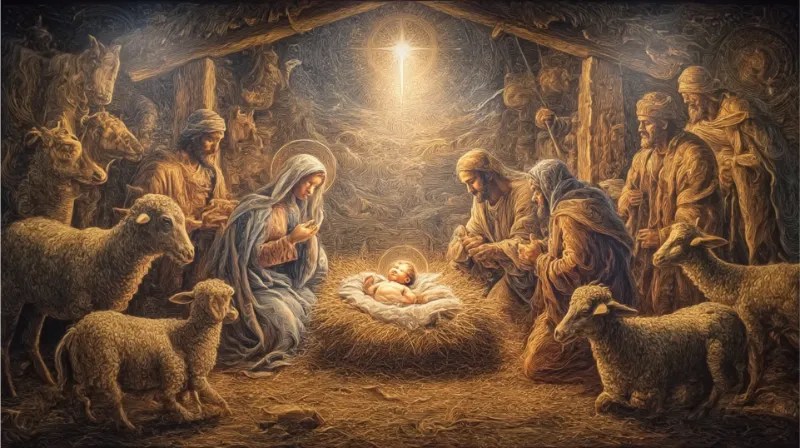
God and the Bible
The Trinity and the creeds
Both American churches confess the Trinity and the two natures of Christ in the words of the Articles and the Confession they share. “There is but one living and true God, everlasting, without body or parts, of infinite power, wisdom, and goodness,” the first Article begins, and “in unity of this Godhead there are three persons, of one substance, power, and eternity—the Father, the Son, and the Holy Ghost.” Of Jesus they say what the old councils said, that he is “truly God and truly man,” “born of the Virgin Mary by the power of the Holy Spirit.” The Global Methodists also name the Apostles’ Creed and the ancient creeds after it among their standards, and for them “Normative teaching is binding and obligatory.”
From The Articles of Religion of the Methodist Church, Article I
Scripture, tradition, reason and experience
Article V says what the Bible is for: “The Holy Scripture containeth all things necessary to salvation.” The United Methodist Discipline adds that three other things come in whenever we read it: “While we acknowledge the primacy of Scripture in theological reflection, our attempts to grasp its meaning always involve tradition, experience, and reason.” British Methodists call this the quadrilateral, “reading Scripture in the light of Reason, Tradition and Experience.” The four do not stand level, though. The Global Methodists call Scripture “the primary rule and authority for faith, morals, and service, against which all other authorities must be measured,” which is close to the Reformers’ rule of Scripture alone.
From Methodist vs Catholic: How John Wesley’s Heirs Differ From the Catholic Church
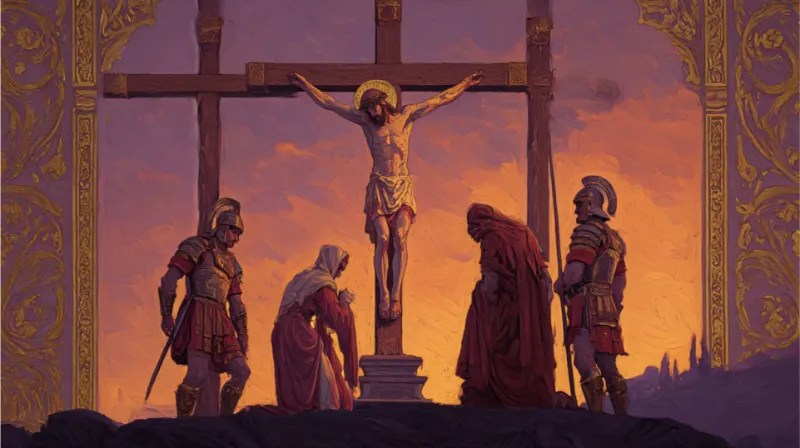
Grace that reaches everyone
Sin, and the grace that goes first
British Methodists sum up Wesley’s teaching in four short lines they call the Four Alls: “All need to be saved / All may be saved / All may know they are saved / All may be saved to the uttermost.” The first line is the old teaching on sin. Every one of us, the Articles say, is “of his own nature inclined to evil, and that continually,” and cannot even turn toward God “by his own natural strength and works.” Article VIII adds that we have no power to do the good that pleases God without “the grace of God by Christ preventing us, that we may have a good will.”
“Preventing” there has its old sense of going before. “Wesley called this prevenient grace, which simply means the grace that ‘comes before’ we know or love God,” the United Methodists explain, and their Discipline calls it “the divine love that surrounds all humanity and precedes any and all of our conscious impulses,” the grace behind “our first wish to please God.” So before anyone has prayed a word, God has been at work in that heart, and it is one grace all the way through: “it precedes salvation as ‘prevenient grace,’ continues in ‘justifying grace,’ and is brought to fruition in ‘sanctifying grace.’”
From Distinctive Wesleyan Emphases, The Book of Discipline of The United Methodist Church
Free will, and can it be lost?
Paul wrote that “the grace of God that bringeth salvation hath appeared to all men” (Titus 2:11) and that God “will have all men to be saved” (1 Timothy 2:4), and Methodists take “all” to mean all. “We do not believe that God predestines some to salvation and others to condemnation,” the United Methodists say, for “Christ’s death creates the possibility that all may be saved,” and “love does not compel people to accept it.” They add, carefully, “That does not mean we believe that all persons will be saved.” Whoever does turn to God is made right with him by faith, “not for our own works or deservings,” and Article IX calls justification by faith “a most wholesome doctrine, and very full of comfort.”
Grace that can be accepted can also be left. “After we have received the Holy Ghost, we may depart from grace given, and fall into sin, and, by the grace of God, rise again and amend our lives,” says Article XII, so Methodists do not teach that a person once saved is always saved. What they sing about is being found. Charles Wesley wrote “And can it be that I should gain” in 1738, in the days just after his own conversion, and two of its lines hold the whole of it: “’Tis mercy all, immense and free; / For, O my God, it found out me.”
From Methodist vs Presbyterian: Free Will or Predestination, Bishops or Elders
Knowing we are forgiven
The third of the Four Alls, that all may know they are saved, goes back to an evening in London on 24 May 1738. John Wesley went, he tells us, “very unwillingly to a society in Aldersgate Street, where one was reading Luther’s preface to the Epistle to the Romans,” and he wrote down what happened: “About a quarter before nine, while he was describing the change which God works in the heart through faith in Christ, I felt my heart strangely warmed. I felt I did trust in Christ, Christ alone, for salvation; and an assurance was given me that He had taken away my sins, even mine, and saved me from the law of sin and death.”
That is what Methodists mean by assurance, and the United Methodist Discipline grounds it in Paul’s promise that “The Spirit itself beareth witness with our spirit, that we are the children of God” (Romans 8:16). It does not ask for a night like Wesley’s, since the change “may be sudden and dramatic, or gradual and cumulative,” and even Wesley was troubled that night by the thought, “This cannot be faith; for where is thy joy?” He learned that feelings of joy are something “God sometimes giveth, sometimes withholdeth.” His brother Charles had come to faith three days earlier, and the hymn he wrote then tells it as a prisoner set free: “My chains fell off, my heart was free; / I rose, went forth and followed Thee.”
From The Journal of John Wesley, 24 May 1738
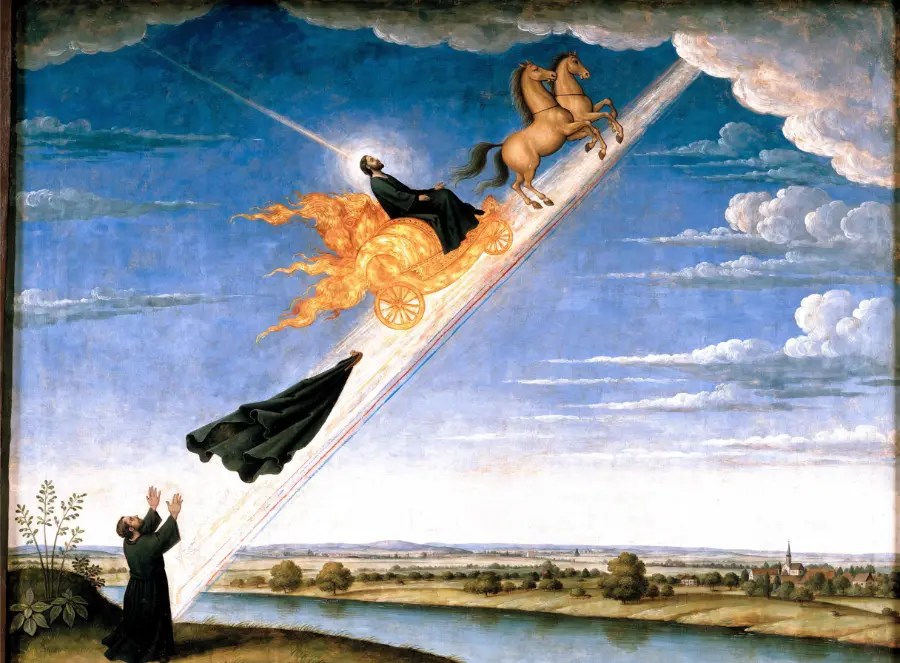
Holiness of heart and life
Christian perfection
The last of the Four Alls says that “All may be saved to the uttermost,” and for Wesley salvation meant far more than being let off. “By salvation he means holiness of heart and life,” he wrote of the Methodist. Grace keeps drawing us on, the United Methodist Discipline says, toward what Wesley called Christian perfection, a heart “habitually filled with the love of God and neighbor.” The Confession of Faith, which both churches keep, calls it “a state of perfect love, righteousness and true holiness which every regenerate believer may obtain,” and it “should be sought earnestly by every child of God.”
Perfect did not mean never putting a foot wrong. Wesley “never intended that to mean we would never make a mistake,” the United Methodists say; “Wesley taught that by God’s grace we would stop sinning intentionally when made perfect in both our love of God and neighbor.” Charles Wesley prayed for it in “Love divine, all loves excelling” (1747), whose last verse takes up Paul’s picture of believers “changed into the same image from glory to glory” (2 Corinthians 3:18): “Finish, then, thy new creation; / Pure and spotless let us be; / … / Changed from glory into glory / Till in Heav’n we take our place, / Till we cast our crowns before thee, / Lost in wonder, love, and praise!”
From Methodist vs Protestant: Methodists Are Protestants Who Follow John Wesley
The General Rules, and a glass of wine
For the first Methodists holiness was something they met every week to practise. “In the latter end of the year 1739 eight or ten persons came to Mr. Wesley, in London, who appeared to be deeply convinced of sin,” the General Rules begin, and soon they were in classes of “about twelve persons,” whose leader saw each of them “once a week at least” to “inquire how their souls prosper.” The one thing asked of anyone who joined was “a desire to flee from the wrath to come, and to be saved from their sins,” shown “By doing no harm,” “By doing good,” and “By attending upon all the ordinances of God.” Among the harms to avoid was “Slaveholding; buying or selling slaves.” Both American churches still keep the Rules, and the United Methodist Discipline says why holiness never stays private: “For Wesley there is no religion but social religion, no holiness but social holiness.”
The Rules also forbid “Drunkenness: buying or selling spirituous liquors, or drinking them, unless in cases of extreme necessity.” The Global Methodist Church prints that Rule word for word in its own Discipline. The United Methodist Church today speaks of “the historic United Methodist stance on abstinence,” and in its Social Principles it says, “we urge those who choose to consume alcoholic beverages, including wine and beer, to do so wisely and in moderation.”
From The General Rules of the Methodist Church
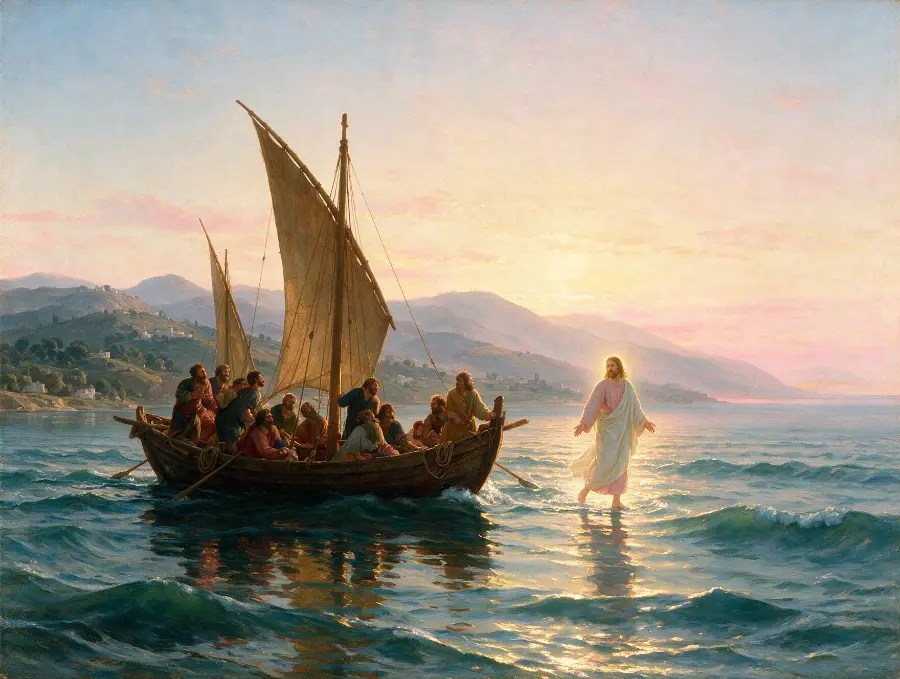
Baptism and an open table
Baptism, babies included
The Articles count “two Sacraments ordained of Christ our Lord in the Gospel; that is to say, Baptism and the Supper of the Lord.” Baptism is “a sign of regeneration or the new birth,” and “The Baptism of young children is to be retained in the Church,” so both the United Methodists and the Global Methodists are among the churches that baptize babies. The Global Methodists point to the households baptized in Acts, “which presumably would have included infants,” like the jailer at Philippi, who “was baptized, he and all his, straightway” (Acts 16:33), and they leave the timing to the family: “Parents will decide, in consultation with their pastor, when to baptize their children.”
The water may be given any of the ways Christians give it. “In United Methodist tradition, the water of baptism may be administered by sprinkling, pouring, or immersion,” says the church’s statement By Water and the Spirit, and the Global Methodists allow the same three ways.
From Why Do Methodists Sprinkle? Sprinkling vs Immersion in Methodist Baptism
Communion for all who love him
Methodists believe Christ truly meets us at his table, and the Articles are careful to say how: “The body of Christ is given, taken, and eaten in the Supper, only after a heavenly and spiritual manner. And the mean whereby the body of Christ is received and eaten in the Supper is faith.” The Global Methodists say the table invites us into fellowship with “the real, spiritual presence of Christ Jesus.”
In a United Methodist church the invitation runs, “Christ our Lord invites to his table all who love him, who earnestly repent of their sin, and seek to be at peace with one another.” The church says that “all baptized Christians, of any age (including infants) and any Christian denomination are welcome,” and even someone not yet baptized is not turned away, for “baptism is not required.” The Global Methodists offer the sacrament “to all who repent of sin and desire to draw near to God and lead a life of obedience to Christ.” The cup will often hold grape juice, and that is a Methodist story too: “Grape juice was originally invented by Thomas Welch, a Methodist, so Methodists and others would not need to use wine for communion.” The Global Methodists “encourage the use of nonalcoholic wine or juice for Holy Communion,” and where wine is used, juice must be offered too.
From What do I need to know about Holy Communion in The United Methodist Church? (Ask The UMC)
Bishops, preachers and hymns
Bishops, pastors and women in ministry
In both American churches a congregation does not hire its own pastor; the bishop sends one. “Clergy shall be appointed by the bishop,” says the United Methodist Discipline. The Global Methodist Discipline says the same thing in the same words. British Methodism is ordered another way. Its churches are bound together in what it calls the Connexion, where “No local church operates alone.” Its doctrine and policy are agreed at the yearly Methodist Conference, which representatives of every district attend, and the church calls its authority “fairly decentralised and democratic.”
The pastor who is sent may well be a woman. “Although women were ordained in the Methodist tradition as early as the late 1800s, it was the May 4, 1956 General Conference vote for full clergy rights that forever changed the face of ordained clergy,” the United Methodists say. The Global Methodists, who part from them on marriage, stand with them here. When their churches recommend people for ordained ministry, they affirm “the biblical and theological support of persons regardless of gender.”
From The Book of Discipline of The United Methodist Church, ¶425
A church that sings
“The singing of hymns has been an important part of the Methodist tradition,” says A Dictionary for United Methodists, and “Charles Wesley wrote a great many hymns that reflected the theology of the Wesleyan movement.” By Hymnary.org’s count he wrote “some sixty-five hundred hymns,” which came out in sixty-four volumes in his lifetime, the 1780 Collection of Hymns for the Use of the People called Methodists among them. They are known, the same note says, “for their frequent quotations and allusions from the Bible.”
From Anglican vs. Methodist Beliefs
Where Methodists have parted
Marriage and sexuality
The two churches tell their parting differently. UM News speaks of “debate and defiance over the place of LGBTQ people in the denomination.” The Global Methodists’ own history speaks of “differing theological ideas and views of biblical interpretation,” and of questions about “abortion, human sexuality, euthanasia, war, and other social issues.” At their General Conference in Charlotte in 2024, after the 2019 way out had closed, United Methodist delegates “voted to end decades-old bans on the ordination of ‘self-avowed practicing’ gay clergy and the officiation of same-sex weddings,” and the church’s Social Principles now say, “we affirm marriage as a sacred, lifelong covenant that brings two people of faith, an adult man and woman of consenting age, or two adult persons of consenting age into union with one another.”
The Global Methodist Church teaches that sexuality “is to be affirmed as it is exercised within the legal and spiritual covenant of a loving and monogamous marriage between one man and one woman.” In the next breath it says, “we welcome all to experience the redemptive grace of Jesus and are committed to being a safe place of refuge, hospitality, and healing for any who may have experienced brokenness in their sexual lives.” British Methodists took a third course, with “the decision in 2021 to acknowledge two understandings of marriage, allowing both to be practised in the Church.”
From Social Principles of The United Methodist Church (2024), The Social Community
Abortion
Here the two American churches start from the same words, “tragic conflicts,” and go different ways. The United Methodists say that “Our commitment to the sanctity of human life makes us reluctant to condone abortion,” and that “these and other tragic conflicts of life with life may justify decisions to terminate the life of a fetus. In these limited circumstances, we support the legal option of abortion.” The Global Methodists hold it “the particular duty of believers to protect those who may be powerless to protect themselves, including the unborn,” and say that “The sacredness of all life compels us to resist the practice of abortion except in the cases of tragic conflicts of life against life when the well-being of the mother and the child are at stake.” Both turn at once to the woman herself. “We pray for those facing unintended pregnancies,” the United Methodists say, and the Global Methodists ask Christians to “support those women facing unintended pregnancies without adequate care, counsel, or resources.”
From The Book of Doctrines and Discipline of the Global Methodist Church, ¶302

The saints, death and the last day
Mary, the saints and purgatory
Methodists confess with the creeds that Christ was “born of the Virgin Mary by the power of the Holy Spirit,” and their Articles speak bluntly about the rest: “The Romish doctrine concerning purgatory, pardon, worshiping, and adoration, as well of images as of relics, and also invocation of saints, is a fond thing, vainly invented, and grounded upon no warrant of Scripture, but repugnant to the Word of God.” The United Methodist Church still prints it, with a note pointing to a later resolution for “the contemporary interpretation of this and similar articles.”
From The Articles of Religion of the Methodist Church, Article XIV
Heaven, hell and the rapture
United Methodists draw no map of the time between death and the resurrection. “While we may want a clear cut answer, United Methodists do not provide one in our doctrinal statements,” they say. “Instead, we are called simply to trust God that we are in Christ’s care and keeping.” The end itself the Confession states plainly: “We believe in the resurrection of the dead; the righteous to life eternal and the wicked to endless condemnation.” What United Methodists do not teach is a rapture. “You will not find any teaching about the Rapture” among their doctrinal standards, they say.
From Which Denominations Believe in the Rapture?
Wesley closed his tract by saying that Methodists wished not to be set apart at all “from real Christians, of whatsoever denomination they be,” and he put his plea in words from a meeting on the road in the Second Book of Kings, “Is thine heart right, as my heart is with thy heart?” (2 Kings 10:15). “Is thy heart right, as my heart is with thine? I ask no farther question. If it be, give me thy hand. For opinions, or terms, let us not destroy the work of God.” He preached a whole sermon on that verse, and in it he asked, “Though we cannot think alike, may we not love alike? May we not be of one heart, though we are not of one opinion?”
How Methodists differ from their neighbours
- Methodist vs Baptist: Baptism, Salvation and Who Chooses the Pastor
- Methodist vs Catholic: How John Wesley’s Heirs Differ From the Catholic Church
- Methodist vs Presbyterian: Free Will or Predestination, Bishops or Elders
- Lutheran vs Methodist: Free Will, Baptism and Communion
- Anglican vs. Methodist Beliefs
- Pentecostal vs. Methodist Beliefs
- Church of the Nazarene Beliefs Compared With Methodist Beliefs
- Methodist vs Protestant: Methodists Are Protestants Who Follow John Wesley
See every answer for Methodists and compare with another church
More from this seriesDenominations ComparedSee all 150 articles

Leave a Reply