Изучение Библии: упоминаются ли койоты в Библии?


  • Coyotes are not mentioned by name in the Bible but share characteristics with animals like jackals, foxes, and wolves.
  • Biblical themes related to adaptability, resourcefulness, and community can be reflected through the behavior of coyotes.
  • Wild canines in biblical times were often viewed with fear and considered symbols of danger, yet they also represented deeper spiritual truths.
  • The early Church Fathers recognized the intrinsic value of all creatures, advocating for a respectful and harmonious relationship with nature.

Упоминаются ли койоты в Библии?

Изучая священные тексты, мы должны подходить к этому вопросу как с научной строгостью, так и с духовной открытостью. Простой ответ заключается в том, что койоты прямо не упоминаются в Библии по имени. Но это не означает, что мы не можем найти духовную мудрость, связанную с этими существами.

It’s important to understand that coyotes are native to North America, and the Bible was written in a different geographical context – primarily the Middle East. The authors of Scripture would not have been familiar with coyotes as we know them today. But the Bible does speak of various wild animals that share characteristics with coyotes, such as jackals, foxes, and wolves (Breier, 2018, pp. 657–672; Smith-Christopher, 2007).

While coyotes themselves are not named, we can reflect on how God’s creation, in all its diversity, reveals His glory. As Psalm 104:24 proclaims, “How many are your works, Lord! In wisdom you made them all; the earth is full of your creatures.” The coyote, with its adaptability and resilience, can be seen as a testament to the ingenuity of God’s design.

We can draw spiritual lessons from the coyote’s nature. Their ability to thrive in various environments reminds us of the importance of adaptability in our faith journey. As St. Paul wrote, “I have learned to be content whatever the circumstances” (Philippians 4:11). The coyote’s resourcefulness can inspire us to trust in God’s provision, even in challenging times.

In our contemplation of coyotes and the Bible, let us remember that all of creation speaks of God’s handiwork, whether explicitly named in Scripture or not. As we marvel at the diversity of life around us, including creatures like the coyote, may we be drawn into deeper worship of our Creator.

Какие животные в Библии могут быть похожи на койотов?

Beloved faithful, as we delve into the Scriptures to find animals similar to coyotes, we must remember that the Bible’s vast web of animal imagery often carries deep spiritual significance. While coyotes are not mentioned directly, several animals in the Bible share characteristics with these adaptable canines. For instance, the fox, often symbolizing cunning and resourcefulness, reflects traits similar to those of the coyote. Additionally, the wolf, with its pack mentality and adaptability, serves as another parallel in the biblical landscape. As we explore these connections, we might also seek out themes of the sea, turning our attention to библейские стихи о дельфинах, which remind us of the beauty and wonder of God’s creation in all its forms. Furthermore, we can draw interesting analogies with other creatures mentioned in the Scriptures, such as ящерицы в библейских стихах, which highlight the diversity of God’s creations and their unique roles in the biblical narrative. Each animal, including the lizard, serves as a reminder of the intricate balance within nature and the lessons that can be gleaned from their existence. Ultimately, whether we consider mammals like the coyote or reptiles like the lizard, each holds a place in the tapestry of life that reflects God’s wisdom and creativity.

We encounter the jackal, which appears multiple times in Scripture. Like coyotes, jackals are opportunistic predators and scavengers. In the Bible, jackals often symbolize desolation or divine judgment. For instance, Isaiah 34:13 speaks of jackals in abandoned places: “Thorns will overrun her citadels, nettles and brambles her strongholds. She will become a haunt for jackals, a home for owls.” This imagery reminds us of the consequences of turning away from God also of His power to restore (Breier, 2018, pp. 657–672).

Foxes are another biblical animal sharing similarities with coyotes. Both are known for their cunning and adaptability. Jesus himself refers to foxes in Luke 9:58: “Foxes have dens and birds have nests the Son of Man has no place to lay his head.” This poignant statement reminds us of Christ’s humility and sacrifice, challenging us to reflect on our own attachments and willingness to follow Him.

Wolves, too, bear resemblance to coyotes and feature prominently in Scripture. Often used as a metaphor for false prophets or dangerous influences, wolves remind us to be discerning in our spiritual lives. As Jesus warns in Matthew 7:15, “Watch out for false prophets. They come to you in sheep’s clothing inwardly they are ferocious wolves.”

Размышляя об этих животных, мы приглашены видеть нечто большее, чем просто биологическое сходство, и учитывать духовные уроки, которые они предлагают. Приспособляемость этих существ может вдохновить нас оставаться твердыми в вере среди меняющихся обстоятельств. Их хищная природа служит напоминанием о необходимости охранять наши сердца и умы от духовных опасностей.

Как дикие псовые воспринимались в библейские времена?

Исследуя восприятие диких псовых в библейские времена, мы должны подходить к этой теме как с историческим пониманием, так и с духовной проницательностью. Библия, как продукт своего времени и культуры, отражает сложные отношения между людьми и дикими животными, включая псовых, таких как волки, шакалы и лисы.

In biblical times, wild canines were often viewed with a mixture of fear, respect, and symbolic significance. They were seen as threats to livestock and human settlements, which is reflected in various passages. For instance, Jeremiah 5:6 warns, “Therefore a lion from the forest will attack them, a wolf from the desert will ravage them, a leopard will lie in wait near their towns to tear to pieces any who venture out, for their rebellion is great and their backslidings many” (Breier, 2018, pp. 657–672; Cozzarelli, 2018).

This negative portrayal of wild canines often symbolized danger, destruction, or divine judgment. But it’s crucial to understand that these representations were not merely literal but carried deeper spiritual meanings. They served as powerful metaphors for the consequences of straying from God’s path and the importance of remaining vigilant in one’s faith.

Interestingly, the Bible also acknowledges the natural behaviors of these animals without moral judgment. Psalm 104:20-21 states, “You bring darkness, it becomes night, and all the beasts of the forest prowl. The lions roar for their prey and seek their food from God.” This passage reminds us that all creatures, even those we might fear, have their place in God’s creation. Moreover, the scripture reflects on the intricate balance of nature, where each animal plays a role in the ecosystem ordained by the Creator. In this context, белые львы в Писании символизируют не только силу и величие, но и божественный порядок, существующий в дикой природе. Их роль как хищников и части естественного мира подчеркивает красоту и сложность жизни, которую спроектировал Бог.

Приспособляемость и навыки выживания диких псовых иногда вызывали восхищение. Притчи 30:24-28 хвалят малых существ за их мудрость, включая дамана, который, хотя и не является псовым, разделяет некоторые характеристики с приспособляемыми дикими собаками.

In our modern context, we can draw valuable lessons from these biblical perspectives. The wariness towards wild canines reminds us to be spiritually alert, as Peter advises: “Be alert and of sober mind. Your enemy the devil prowls around like a roaring lion looking for someone to devour” (1 Peter 5:8).

At the same time, recognizing these animals as part of God’s creation encourages us to approach all of nature with reverence and care. As stewards of creation, we are called to balance our needs with the preservation of wildlife, reflecting God’s love for all His creatures.

Давайте же подходить к миру природы, включая таких существ, как дикие псовые, с духом удивления, уважения и ответственного управления, всегда стремясь понять более глубокие духовные уроки, которые они могут предложить нам на нашем пути веры.

Какие символические значения могут иметь койоты в библейском контексте?

While coyotes are not explicitly mentioned in the Bible, as they are native to North America and were not known in biblical lands, we can consider their symbolic meaning through the lens of similar canine creatures mentioned in Scripture and by reflecting on coyote characteristics in light of biblical themes (Schokhenmayer, 2024; Yuxia & Stanislavovna, 2019). These biblical themes often include cunningness, survival, and adaptability, traits that can also be associated with coyotes. Just as Scripture frequently illustrates wisdom and shrewdness through other animals, such as foxes, we can draw parallels to the coyote’s clever nature. Moreover, in discussions of wild creatures, one might also explore библейские упоминания о рысях, что позволяет более широко понять, как разные животные воплощают различные духовные или моральные уроки в библейском контексте.

В библейском контексте койоты могли бы символизировать несколько духовных концепций:

  1. Adaptability and Resilience: Coyotes are known for their ability to thrive in diverse environments, from deserts to urban areas. This adaptability could symbolize the Christian’s call to be in the world but not of it (John 17:14-15), adapting to various life circumstances while maintaining faith.
  2. Хитрость и мудрость: Подобно лисам, упомянутым в Библии (Луки 13:32), койоты известны своим интеллектом. Это могло бы представлять мудрость, которую призваны искать верующие (Притчи 4:7), и змеиную мудрость, к которой призывал Иисус (Матфея 10:16).
  3. Общность и семья: Койоты часто живут семейными группами, что могло бы символизировать важность христианской общины и семейных уз (Псалом 132:1).
  4. Wilderness and Testing: As creatures often associated with wild places, coyotes could represent periods of spiritual wilderness or testing, reminiscent of Jesus’ time in the desert (Matthew 4:1-11).
  5. Stewardship of Creation: The presence of coyotes in ecosystems reminds us of our role as stewards of God’s creation (Genesis 1:28, Psalm 24:1-2) (Nawrot, 2023).
  6. Alertness and Watchfulness: The coyote’s keen senses could symbolize the Christian’s call to be spiritually alert (1 Peter 5:8).

In interpreting such symbolism, we must be cautious not to impose meanings that contradict Scripture. Instead, we should use these reflections to deepen our understanding of biblical principles and our relationship with God’s creation.

Есть ли библейские истории, которые могли бы относиться к койотам?

Хотя койоты прямо не упоминаются в Библии, несколько историй с участием похожих животных или тем могут быть связаны с койотами значимым образом для христианского размышления (Schokhenmayer, 2024; Yuxia & Stanislavovna, 2019):

  1. Daniel in the Lions’ Den (Daniel 6): This story of faith and divine protection amidst dangerous predators could relate to encounters with coyotes, symbolizing facing life’s challenges with trust in God.
  2. Samson and the Foxes (Judges 15:4-5): Samson’s use of foxes, which are related to coyotes, could prompt reflection on the consequences of using God’s creation for destructive purposes.
  3. Balaam’s Donkey (Numbers 22:21-39): This story of an animal perceiving spiritual realities invisible to humans could relate to the keen senses of coyotes, reminding us to be attentive to God’s messages in unexpected forms.
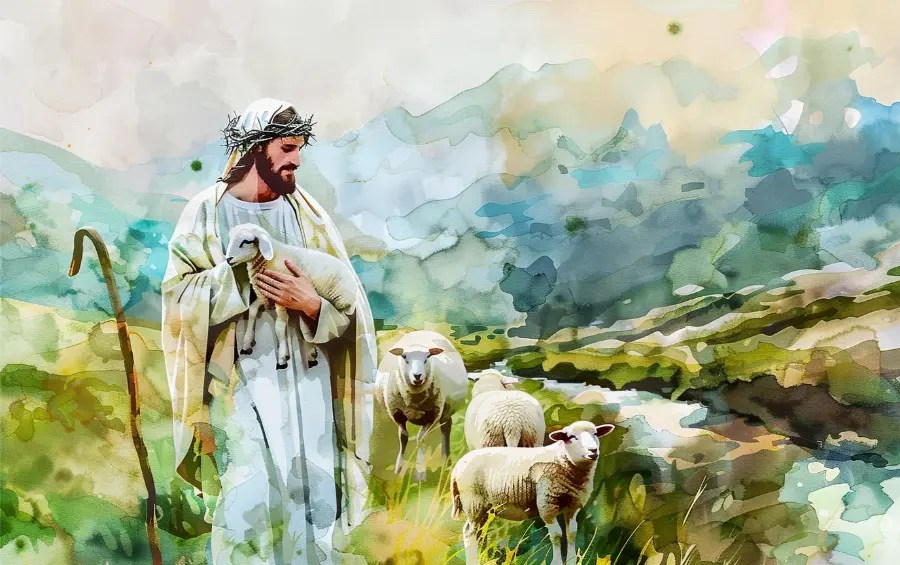
  4. The Good Shepherd (John 10:1-18): Jesus’ parable about protecting sheep from wolves could be applied to coyotes, emphasizing divine protection and the importance of staying close to the Shepherd.
  5. Creation Story (Genesis 1-2): While not specifically mentioning coyotes, this account establishes God’s care for all creatures and humanity’s role as stewards of creation (Kodom & Yeboah, 2020, pp. 1–20).
  6. Elijah Fed by Ravens (1 Kings 17:2-6): God’s use of wild creatures to care for His prophet could relate to the adaptability of coyotes, reminding us that God can use various means to provide for His people.
  7. Мирное Царство (Исаия 11:6-9): Это пророческое видение гармонии между всеми существами могло бы включать койотов, вдохновляя нас работать ради мира и экологического управления.

These stories, while not directly about coyotes, can provide a framework for reflecting on our relationship with these creatures and the natural world. They remind us of God’s sovereignty over all creation, the importance of respecting and caring for animals, and the spiritual lessons we can learn from observing nature.

How do coyotes fit into God’s creation according to the Bible?

While coyotes are not specifically mentioned in the Bible, as they are native to North America, we can understand their place in God’s creation through biblical principles and the broader context of Scripture’s teachings on animals and nature (Chrostowski, 2023; Nawrot, 2023).

  1. Part of God’s Good Creation: Genesis 1:25 states, “God made the wild animals according to their kinds… And God saw that it was good.” This includes all creatures, even those not explicitly named in the Bible. Coyotes, as part of the canine family, would be included in this divine affirmation of creation’s goodness.
  2. Под человеческим управлением: В Бытии 1:28 и 2:15 Бог дает людям ответственность заботиться о Его творении и управлять им. Этот мандат распространяется на всех существ, включая койотов. Мы призваны мудро управлять дикой природой, балансируя человеческие потребности с сохранением видов и экосистем.
  3. Displaying God’s Wisdom: Proverbs 30:24-28 speaks of small creatures that display God’s wisdom in their behavior. Coyotes, known for their adaptability and intelligence, can be seen as examples of God’s creative wisdom in design.
  4. Praising the Creator: Psalm 148 depicts all of creation, including “wild animals,” praising God. Coyotes, through their very existence and the role they play in ecosystems, bring glory to their Creator.
  5. Part of God’s Providence: Jesus speaks of God’s care for wild creatures in Matthew 6:26. This reminds us that God provides for all His creation, including coyotes, and that we can trust in His care for us as well.
  6. Illustrating Spiritual Truths: While not directly referencing coyotes, the Bible often uses animals to illustrate spiritual truths (e.g., “wise as serpents, innocent as doves” in Matthew 10:16). Coyotes’ characteristics could similarly be used to reflect on spiritual lessons.
  7. Eschatological Harmony: Isaiah’s vision of the peaceable kingdom (Isaiah 11:6-9) suggests a future harmony between all creatures. This could include species like coyotes, pointing to God’s ultimate plan for creation.

In considering coyotes’ place in God’s creation, we are reminded of our call to be responsible stewards, to learn from the diversity of creation, and to praise God for His wisdom displayed in nature. This perspective encourages us to approach wildlife conservation and human-animal interactions with reverence, wisdom, and care.

What can Christians learn from coyotes’ behavior?

As Christians, we are called to be attentive observers of God’s creation, for in it we can find powerful lessons that deepen our faith and understanding of the divine. While coyotes are not explicitly mentioned in the Bible, their behavior offers valuable insights that align with Christian teachings.

Coyotes demonstrate remarkable adaptability and resilience. In the face of changing environments and human encroachment, they have shown an extraordinary ability to survive and even thrive. This resilience reminds us of the importance of perseverance in our faith journey. As St. Paul writes in Romans 5:3-4, “We also glory in our sufferings, because we know that suffering produces perseverance; perseverance, character; and character, hope.” The coyote’s adaptability teaches us to remain steadfast in our faith, even when faced with challenges or changing circumstances.

Coyotes are known for their intelligence and problem-solving skills. This reminds us of the value of wisdom and discernment in our Christian walk. Proverbs 4:7 tells us, “The beginning of wisdom is this: Get wisdom. Though it cost all you have, get understanding.” Like the coyote, we should cultivate our God-given intelligence to navigate life’s challenges and grow in our faith.

Coyotes are social animals with strong family bonds. They live in packs and work together to raise their young and hunt for food. This behavior reflects the Christian emphasis on community and family. As Ecclesiastes 4:9-10 states, “Two are better than one, because they have a good return for their labor: If either of them falls down, one can help the other up.” The coyote’s social nature reminds us of the importance of fellowship and mutual support within the Christian community.

Lastly, coyotes play a crucial role in maintaining ecological balance. As predators, they help control populations of smaller animals, contributing to the overall health of ecosystems. This reminds us of our responsibility as stewards of God’s creation. Genesis 1:28 calls us to “rule over” the earth, which we should interpret as a mandate for responsible care and management of the natural world.

In observing coyotes, Christians can learn valuable lessons about resilience, wisdom, community, and stewardship – all of which are central to our faith and our role in God’s creation.

Как библейские принципы могут применяться к взаимодействию человека с койотами?

As Christians, our interactions with coyotes and all of God’s creatures should be guided by biblical principles of stewardship, compassion, and respect for the created order. Although the Bible does not specifically address coyotes, it provides a framework for how we should approach our relationship with wildlife.

We must remember that God is the creator of all living things, including coyotes. Genesis 1:25 tells us, “God made the wild animals according to their kinds, the livestock according to their kinds, and all the creatures that move along the ground according to their kinds. And God saw that it was good.” This affirmation of the goodness of creation should inspire us to approach coyotes with respect and wonder, recognizing them as part of God’s divine plan.

Принцип управления, вытекающий из Бытия 1:28 и 2:15, призывает нас быть ответственными попечителями земли и ее обитателей. В нашем взаимодействии с койотами это означает стремление к сосуществованию, а не к конфликту. Мы должны стремиться понять их экологическую роль и адаптировать свое поведение, чтобы минимизировать негативное воздействие на их популяции. Это может включать надлежащее управление отходами, чтобы не привлекать койотов в городские районы, или поддержку природоохранных усилий, сохраняющих их естественную среду обитания.

The biblical call to compassion, exemplified in Proverbs 12:10 – “The righteous care for the needs of their animals” – should extend to our treatment of wild animals like coyotes. Although we may need to take measures to protect livestock or pets, we should seek humane solutions that avoid unnecessary suffering. This aligns with the broader Christian ethic of valuing all life.

The concept of interconnectedness found in scriptures like Job 12:7-10 – “But ask the animals, and they will teach you, or the birds in the sky, and they will tell you; or speak to the earth, and it will teach you, or let the fish in the sea inform you. Which of all these does not know that the hand of the Lord has done this? In his hand is the life of every creature and the breath of all mankind.” – reminds us that our well-being is tied to the health of ecosystems, including predators like coyotes.

На практике применение этих библейских принципов может означать поддержку городского планирования, дружественного к дикой природе, просвещение себя и других о поведении койотов для уменьшения страха и конфликтов, а также отстаивание политики, защищающей как интересы людей, так и дикую природу. Это также включает в себя развитие отношения смирения, признание того, что мы являемся частью, а не чем-то отдельным от мира природы, который создал Бог.

Подходя к нашему взаимодействию с койотами через призму библейского управления, сострадания и уважения к творению, мы можем способствовать более гармоничным отношениям с этими существами и выполнить наш божественный мандат по заботе о земле.

Чему учили ранние отцы Церкви о таких животных, как койоты?

Хотя ранние отцы Церкви не говорили конкретно о койотах, поскольку эти животные не были коренными обитателями регионов, где они жили и писали, они предлагали важные учения о животных в целом, которые могут помочь нам понять таких существ, как койоты, с христианской точки зрения.

Many of the Church Fathers, influenced by both biblical teachings and Greek philosophy, saw animals as part of God’s good creation and worthy of moral consideration. St. Basil the Great (330-379 AD), in his Hexaemeron (homilies on the six days of creation), spoke eloquently about the wonder and diversity of animal life. He encouraged Christians to observe and learn from animals, seeing in their behaviors reflections of divine wisdom. This perspective could apply to the study of coyotes and their remarkable adaptability.

St. John Chrysostom (347-407 AD) emphasized the interconnectedness of all creation, teaching that animals were created not just for human use as part of the broader tapestry of God’s world. He wrote, “The creation is not for us only… but it is for all the animals.” This view encourages us to consider the intrinsic value of animals like coyotes, beyond their utility or impact on human interests.

St. Augustine of Hippo (354-430 AD), while maintaining the Christian view of human uniqueness, also acknowledged the inherent goodness of animals as part of God’s creation. He suggested that animals possess a form of wisdom, writing in his Confessions, “The beasts of the field and the birds of the air are wise in their own way.” This perspective invites us to approach animals like coyotes with humility and openness to learning from their God-given instincts and behaviors.

The Desert Fathers, early Christian hermits and monks, often had close relationships with wild animals. Stories abound of these ascetics living peacefully alongside predators, reflecting a belief in the potential for harmony between humans and wild creatures when both are aligned with God’s will. Although these accounts may be partly allegorical, they underscore an ideal of peaceful coexistence that could inform our approach to wildlife like coyotes.

St. Francis of Assisi (1181-1226 AD), though later than the early Church Fathers, famously extended Christian love and brotherhood to animals, referring to them as our “brothers and sisters.” His attitude of reverence and care for all creatures has had a lasting impact on Christian thought regarding animals.

In synthesizing these teachings, we can conclude that the early Church Fathers generally viewed animals as valuable parts of God’s creation, possessing their own forms of wisdom and worthy of moral consideration. They encouraged Christians to observe and learn from animals, to recognize the interconnectedness of all creation, and to strive for harmonious coexistence with the natural world.

Applying these principles to coyotes, we are called to approach these creatures with respect, to learn from their behaviors, to consider their place in the broader ecosystem, and to seek ways of coexisting that honor both human needs and the integrity of God’s creation.


Больше на Christian Pure

Оформите подписку, чтобы продолжить чтение и получить доступ к полному архиву.

Читать дальше

Поделиться...