圣经中明确提到『雾』这个词吗?
当我们深入研究圣经以探索雾的存在时,我们必须以学术上的精确性和精神开放性来处理这个探究。 经过仔细的检查,我可以和大家分享『雾』这个词没有明确出现在圣经的大多数英文译本中。 但是,这种确切术语的缺失并不意味着圣经中完全没有这个概念。
我们必须记住,圣经最初是用希伯来语,阿拉姆语和希腊语写成的,然后在几个世纪里翻译成各种语言。 我们现在称之为『雾』的自然现象可能是在这些古代文本中使用不同的术语或概念来描述的。 例如,像"雾","云"或"蒸汽"这样的词在不同的段落中被发现,有时可能指我们认为像雾一样的条件。
在创世记中,我们遇到了一个可以被解释为雾的描述: "但雾从地上升起,水整个地面"(创世记2:6)。 这种雾从地球上升起,与我们今天可能称之为地面雾的相似之处。 同样,在《约伯》一书中,我们发现了对大气现象的诗意描述,这些现象可能包括雾状条件: 他把水滴抽出来,蒸馏成雨水流。 雲彩倒下水分,雨水落在人類身上"(約伯記 36:27-28, NIV)。
虽然这些段落没有使用特定的单词『雾』,但它们描绘了空气中水分的图像,可以解释为包括雾状条件。 當我們反思這一點時,讓我們記住,沒有一個特定的詞並不會削弱聖經中描述的自然現象的龐大網絡。 相反,它邀请我们更深入地参与文本,考虑到在不同文化和语言中描绘和理解上帝的创造的各种方式。

圣经中有哪些自然现象可以解释为『雾』?
心爱的忠实信徒,当我们继续探索圣经中的雾状现象时,我们遇到了一个巨大的描述网络,虽然没有明确使用『雾』这个词,但画的生动的大气条件图片让人想起我们今天所说的雾。 这些描述不仅展示了上帝创造的美丽和奥秘,而且是灵性真理的有力隐喻。
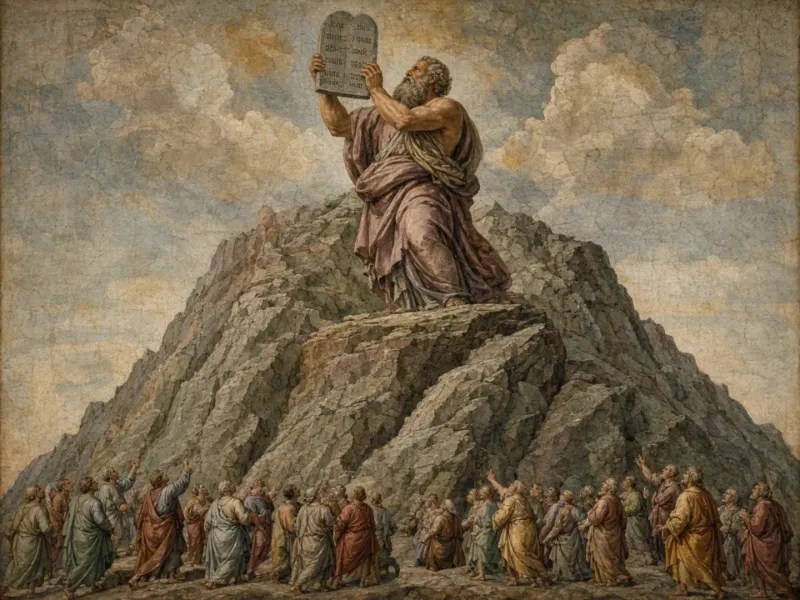
可以解释为雾的最突出的自然现象之一是『云』,它通常意味着上帝的存在。 在出埃及记13:21-22中,我们读到以色列人从埃及外出时白天引导的云柱。 这朵云,从天而降,笼罩着人们,与浓雾有相似之处。 同样,当摩西登上西奈山接受十诫时,我们被告知"山上被烟笼罩,因为耶和华在火中降下。 烟雾从火炉中冒出来,整个山都剧烈颤抖"(出埃及记19:18,NIV)。 这种覆盖山的烟雾的描述唤起了浓密的雾状大气的图像。
在《约伯》一书中,我们发现了对天气现象的诗意描述,这些现象可能包括雾状条件。 Job 37:11 神怎樣把厚厚的雲充滿水分。 云散布他的闪电。 这种含水云的图像很容易被解释为包括雾或雾。 诗篇18:11描述了上帝把自己包裹在"暗云"和"厚云"中,这可以理解为一个隐喻,涉及雾状的条件。
先知以赛亚在描述主的日子时也使用了类似的意象: 「看哪,上主有一個強大而堅強的人。 像冰雹的风暴,毁灭性的暴风雨,像强壮的风暴,溢出的水,他用手投到地上"(以赛亚书28:2)。 这种暴风雨的条件很可能包括类似雾的现象。

雾在圣经中可能有什么象征意义?
As we contemplate the symbolic meanings of fog in a biblical context, we must open our hearts and minds to the vast web of metaphors and spiritual truths woven throughout Scripture. While fog itself may not be explicitly mentioned, the concepts it evokes – obscurity, mystery, and the veiling of the divine – are deeply embedded in biblical narratives and teachings.
雾象征着上帝存在的奥秘。 正如雾遮蔽了我们的肉体视觉一样,人类理解的有限本质常常阻碍我们完全理解神的方式。 正如先知以赛亚提醒我们的那样,"因为我的思想不是你的思想,也不是我的方式,"耶和华说。 既然天比地高,我的道也高过你的道,我的思念也比你们的思想高"(以赛亚书55:8-9)。 上帝奥秘的迷雾般的品质邀请我们进入更深的信仰,鼓励我们相信,即使我们无法清楚地看到。
雾可以代表精神混乱或迷失方向的状态。 在懷疑或精神鬥爭的時代,我們可能會覺得好像我們正在穿越濃密的迷霧,不確定我們的方向。 诗篇抓住了这种情绪: 我的上帝,我的上帝,你为什么离弃我? 你为什么离我如此远,离我痛苦的呼喊还远呢?"(诗篇22:1)。 然而,往往是在这些雾般的时刻,我们被要求最依赖我们的信仰和圣灵的指导。
The lifting of fog can symbolize divine revelation and spiritual enlightenment. As fog dissipates, it reveals what was previously hidden, much like how God’s truth illuminates our understanding. The Apostle Paul speaks to this: “For now we see only a reflection as in a mirror; then we shall see face to face. Now I know in part; then I shall know fully, even as I am fully known” (1 Corinthians 13:12, NIV).
Lastly, fog can serve as a metaphor for the transient nature of earthly life and wisdom. James 4:14 reminds us, “Why, you do not even know what will happen tomorrow. What is your life? You are a mist that appears for a little while and then vanishes” (NIV). This fog-like quality of our existence encourages us to focus on eternal truths and to live with purpose and humility.

圣经作者如何使用与雾或雾相关的图像?
The biblical authors employ fog and mist imagery with powerful spiritual symbolism. This ethereal phenomenon serves as a powerful metaphor for the mysterious ways of God and the limitations of human understanding.
In the Old Testament, we encounter fog as a manifestation of divine presence. When Solomon dedicated the Temple, we read that “the priests could not perform their service because of the cloud, for the glory of the Lord filled the temple of God” (2 Chronicles 5:14). Here, the fog-like cloud represents God’s awesome and overwhelming presence(Spendlove & Spendlove, 2016). This imagery reminds us that while God desires to be close to us, His nature transcends full human comprehension.
The prophets often use mist to symbolize the transient nature of human life and worldly pursuits. Hosea declares, “Your love is like the morning mist, like the early dew that disappears” (Hosea 6:4), highlighting the fleeting quality of insincere devotion. James echoes this sentiment: “You are a mist that appears for a little while and then vanishes” (James 4:14). These passages call us to reflect on life’s brevity and prioritize eternal matters.
Fog also represents confusion, uncertainty, and spiritual blindness in Scripture. The apostle Peter warns against false teachers, describing them as “springs without water and mists driven by a storm” (2 Peter 2:17). This imagery conveys the emptiness and instability of false doctrines that can lead believers astray.
Yet, we must remember that God often works through what seems unclear to us. As Isaiah prophesies, “I will lead the blind by ways they have not known, along unfamiliar paths I will guide them; I will turn the darkness into light before them and make the rough places smooth” (Isaiah 42:16). Even when our path seems shrouded in fog, we can trust in God’s guidance.
Beloved faithful, let us embrace these biblical fog metaphors as invitations to deepen our faith, recognizing both the mystery of God and our need for His illumination in life’s uncertainties.

圣经中哪些属灵的教训或原则与雾有关?
The imagery of fog in the Holy Scriptures offers us powerful spiritual lessons that can guide our faith journey. Let us reflect on these principles with open hearts and minds.
Fog teaches us humility and dependence on God. Just as fog limits our physical vision, there are times when our spiritual understanding is clouded. The book of Proverbs reminds us, “Trust in the Lord with all your heart and lean not on your own understanding” (Proverbs 3:5). When we find ourselves in seasons of confusion or uncertainty – spiritual “fog,” if you will – we are called to rely not on our limited perception on God’s infinite wisdom and guidance.
Fog in the Bible often symbolizes the mystery of God’s presence. Remember how God appeared to Moses in a cloud on Mount Sinai (Exodus 24:15-18)(Spendlove & Spendlove, 2016). This teaches us that while God reveals Himself to us, there remains an element of divine mystery. As Saint Paul beautifully expresses, “For now we see only a reflection as in a mirror; then we shall see face to face” (1 Corinthians 13:12). This should inspire in us a sense of awe and reverence for the Almighty.
The transient nature of fog reminds us of life’s impermanence and the need to focus on eternal truths. As the psalmist prays, “Teach us to number our days, that we may gain a heart of wisdom” (Psalm 90:12). The fleeting mist of our earthly existence should motivate us to invest in what truly matters – our relationship with God and service to others.
Fog also teaches us patience and trust. In moments when the path ahead is unclear, we must learn to wait upon the Lord, as Isaiah encourages: “But those who hope in the Lord will renew their strength” (Isaiah 40:31). This patient trust allows God to work in ways we may not immediately understand.
Lastly, the lifting of fog in Scripture often signifies revelation and clarity. After periods of confusion or trial, God brings enlightenment. This reminds us that seasons of uncertainty are temporary, and God faithfully leads us into greater understanding of His will and purposes.
Let these spiritual lessons from the biblical imagery of fog deepen your faith and trust in our loving God, who guides us through all of life’s uncertainties.

是否有任何圣经人物或事件明显涉及雾?
My dear faithful, while fog or mist is not as prominently featured as other natural phenomena in the Bible, there are several major events and characters associated with fog-like manifestations that offer us powerful spiritual insights.
Perhaps the most iconic instance is the Exodus of the Israelites from Egypt. As they fled Pharaoh’s army, “the Lord went ahead of them in a pillar of cloud to guide them on their way during the day” (Exodus 13:21)(Spendlove & Spendlove, 2016). This cloud, reminiscent of a fog, symbolized God’s protective presence and guidance. It teaches us that even in our darkest moments, God is with us, leading the way, though His presence may sometimes seem mysterious or obscure.
We also see fog-like imagery in the story of Moses receiving the Ten Commandments. Exodus 24:15-16 tells us, “When Moses went up on the mountain, the cloud covered it, and the glory of the Lord settled on Mount Sinai. For six days the cloud covered the mountain.” This cloud represented the awesome presence of God, reminding us of the reverence and humility we should have in approaching our Creator.
In the New Testament, we encounter a fog-like cloud at the Transfiguration of Jesus. As Peter, James, and John witnessed Christ’s glory, “a bright cloud covered them, and a voice from the cloud said, ‘This is whom I love; with him I am well pleased. Listen to him!'” (Matthew 17:5). This cloud signified the Father’s presence and approval of the Son, teaching us to recognize and honor Christ’s divine authority.
The prophet Ezekiel’s visions often involved cloud imagery, symbolizing divine glory and mystery. In Ezekiel 1:4, he describes, “I looked, and I saw a windstorm coming out of the north—an immense cloud with flashing lightning and surrounded by brilliant light.” These vivid descriptions remind us of the awe-inspiring nature of God’s revelations.
While not explicitly described as fog, the “cloud of witnesses” mentioned in Hebrews 12:1 evokes a similar image. This metaphorical cloud represents the faithful who have gone before us, encouraging us in our spiritual journey.
These biblical events and characters associated with fog-like phenomena teach us valuable lessons about God’s guidance, presence, and glory. They remind us that even when our understanding is limited, like peering through a fog, we can trust in God’s unfailing love and wisdom to lead us through life’s journey.

教父们在圣经中教导雾的象征意义是什么?
The Church Fathers offer powerful insights into the symbolic meaning of fog in Scripture, though they did not extensively address this specific topic. We must approach their teachings with humility, recognizing that the Holy Spirit continues to illuminate God’s Word for us today.
The Fathers often interpreted natural phenomena like fog as having spiritual significance. St. Augustine, in his Confessions, uses fog as a metaphor for the confusion and uncertainty that precedes spiritual enlightenment. He writes of his own journey: “The mist of bodily images still prevented me from seeing the truth.” This suggests fog can represent our limited human understanding before God’s revelation breaks through.
奥利根在他的《出埃及记》中,将雾与神圣启示的奥秘联系起来。 在评论上帝出现在西奈山的云中时,他说: 上帝隐藏在黑暗和云中……因为神圣的本性是无法理解的。
St. Gregory of Nyssa, in his Life of Moses, interprets the fog and darkness on Sinai as representing the soul’s ascent into mystical contemplation. As Moses entered the cloud, Gregory sees this as the mind surpassing sensory perception to encounter God in “the darkness of unknowing.”
While not specifically addressing fog, many Fathers saw clouds as signifying God’s presence and glory, as well as His hiddenness. St. John Chrysostom states: “The cloud signifies the Father’s voice, the Spirit’s descent, the Son’s transfiguration.” We might extend this rich symbolism to fog as well.
教父教我们把自然现象看成是进入精神现实的窗口。 他们鼓励我们思考雾--在它模糊而又显露的品质中--如何加深我们对神的奥秘和信心之旅的理解。 让我们用这个圣事的异象来接近圣经,总是寻求更深层次的意义,使我们更接近基督。

圣经对雾的引用与其他古代近东文献中的使用相比如何?
当我们探索圣经对雾的使用与其他古代近东文学相比时,我们必须用学术严谨和灵性辨别来处理这个话题。 我们的目标是欣赏圣经的独特声音,同时理解其文化背景。
在古代美索不达米亚文学中,雾往往与神圣领域有关。 吉尔伽美什史诗描述了英雄前往雪松森林的旅程,在那里『雾笼罩在山面上』。 同样,在乌加里特神话中,巴勒神与云和风暴有关,这表明天气现象和神圣存在之间存在联系。
埃及文本有时将雾或雾描绘为原始混乱的一部分,从中产生创造。 金字塔文本提到创造者神阿图姆从原始水域『天空多云和黑暗时』上升。
相比之下,圣经中对雾的引用相对稀少,但在神学上是主要的。 先知何西亞用迷霧作為以色列信實的瞬間性質的比喻: "你的爱就像早晨的雾,就像早期的露水消失"(何西雅6:4)。 在这里,雾象征着无常,不像它在其他一些近东文本中与神圣的联系。
但圣经确实分享了古代近东的雾或云的概念,作为上帝存在的标志。 云柱引导以色列出埃及出埃及,荣耀的云彩填满所罗门的圣殿就是典型的例子。 然而,圣经强调的是上帝的积极指导和契约关系,而不是雾作为王国之间的边界。
圣经和其他近东文化的智慧文学都使用雾来说明人类的局限性。 传道书说:"你不知道风的路径,或身体是如何在母亲的子宫中形成的,所以你不能理解上帝的工作"(传道书11:5)。 这与埃及智慧文本中关于神圣行动之奥秘的主题相呼应。
虽然在雾的象征性使用方面有一些相似之处,但圣经的待遇在强调上帝与他的子民的个人参与和对忠实回应的呼召上是不同的。 作为基督徒,我们可以欣赏这些文化联系,同时认识到圣经中上帝性格和目的的独特启示。

现代基督教对雾在圣经中的意义有何解释?
现代基督徒在圣经中对雾的解释为我们提供了新的见解,同时又植根于我们丰富的信仰传统。 当我们探索这些观点时,让我们对圣灵如何通过古代和当代的理解对我们说话持开放态度。
许多现代口译员将雾视为基督徒生活中属灵不确定性或考验时期的有力隐喻。 正如雾会使我们身体迷失方向一样,怀疑或困惑的季节也会挑战我们的信仰。 然而,这些经历也可以加深我们对神的引导的信任。 正如诗篇所说:"你的话是我脚上的灯,是我路上的光"(诗篇119:105)。 有些人认为雾代表那些时候,我们必须依靠神的话语,即使我们的情况不清楚。
其他当代神学家强调雾模糊区别的能力,将其与上帝的奥秘和人类理解的局限性联系起来。 这与圣保罗的话相呼应: 现在,我们只看到镜子里的反射; 然后我们将面对面地看到。 现在我部分地知道了; 然后我将完全知道,即使我完全知道"(哥林多前书13:12)。 雾提醒我们谦卑地接近上帝,认识到他的方式高于我们的道路。
一些现代的解释将雾与极限的概念联系起来 - 过渡状态或介于状态之间。 在这种观点中,圣经中的雾事例可能意味着从一种精神状态转变为另一种精神状态的时刻。 这可以适用于个人成长或上帝在历史上的工作,如出埃及记述所示。
生态神学家已经提请注意雾等自然现象如何揭示上帝的荣耀,并邀请我们进行环境管理。 他们提醒我们:"天上宣告神的荣耀。 天空宣扬他手的工作"(诗篇19:1)。 雾,在其空虚的美丽中,可以唤醒我们创造的奇迹和我们照顾它的责任。
最后,一些当代学者将圣经中的雾视为对耐心耐力和希望的召唤。 随着雾最终升起,露出晴朗的天空,神的旨意也会在他的时代变得清晰。 这与先知以赛亚的保证一致: "因为我的思想不是你的思想,你的道也不是我的道,"耶和华宣告(以赛亚书55:8)。
在所有这些解释中,我们被邀请看到雾不仅仅是一种气象现象,作为我们精神旅程的丰富象征。 让我们接受挑战和它所代表的应许,即使我们的道路似乎不明朗,也相信上帝永无止境的存在。

哪些圣经经文或经文与理解雾在圣经思想和意象中的作用最相关?
当我们探索与理解圣经思想和意象中的雾最相关的经文时,让我们以对上帝的智慧敞开的心来研究。 虽然在圣经中没有经常提到雾的名字,但几个关键段落照亮了它的象征意义。
我们必须考虑出埃及记20:21,其中描述了摩西在西奈山接近上帝: "人们保持了一段距离,而摩西接近上帝所在的黑暗。"这里,"厚厚的黑暗"(一些译本被翻译为"浓密的云"或"浓雾")既代表了上帝的奥秘,也代表了他无法接近的圣洁。 这段经文邀请我们思考雾如何象征上帝强大的异物,同时也是祂选择显露自我的媒介。
约伯书在约伯记38:1-2中提供了另一个重要的参考: 然后耶和华从暴风雨中对约伯说话。 他说: "这是谁用没有知识的话遮蔽了我的计划?""虽然没有明确提到雾,但上帝从暴风雨中说话的图像唤起了神圣启示的想法,这些自然现象模糊了人类的视野。 这要求我们在神的智慧面前认识到我们有限的理解。
在新约中,彼得后书1:19提供了与雾图像的美丽对比: "我们也有预言的信息是完全可靠的,你会很好地关注它,关于在黑暗的地方闪耀的光,直到黎明和晨星升起在你的心中。" 在这里,"黑暗的地方"可以理解为包括雾般的混乱或不确定性,这是由上帝话语的光驱散的。
先知以赛亚书44:22提供了一个充满希望的视角: 我打扫了你们的进攻,就像
-