
 Arabic
 English
 Chinese
 Dutch
 Spanish
 Portuguese
 Russian
 French
 Italian
 German
 Japanese
The King James Bible calls skin black when a woman describes her own looks and when suffering or famine has darkened it. The woman says “I am black, but comely” (Song of Solomon 1:5); the sufferers are Job (Job 30:30) and the famished people of Lamentations 4:8. Jeremiah 13:23 asks whether “the Ethiopian” can change his skin.
Other passages concern the people the KJV calls Ethiopians: Moses’ wife (Numbers 12:1), Ebedmelech, who rescued Jeremiah from a dungeon (Jeremiah 38:7), and the treasurer Philip baptized (Acts 8:27). In the Old Testament verses, Ethiopia and Ethiopian translate the Hebrew Kush, Cush, Kushi, Cushite, and Kushith, Cushite woman. Genesis 10:6 names Cush as a son of Ham, beside Mizraim, Phut and Canaan. Genesis 9:25, Noah’s curse on Canaan, says nothing about skin, though it was used in defense of American slavery, as Frederick Douglass recorded in 1845.
God made every person and looks on the heart
التكوين 1:27
“So God created man in his own image, in the image of God created he him; male and female created he them.”
تأمل: God says in the verse before, “Let us make man in our image, after our likeness,” and gives man dominion “over all the earth.” This verse then names both sexes, “male and female created he them,” and says nothing of nation or color. Genesis 9:19 later says of Noah’s three sons, “of them was the whole earth overspread.”

اعمال الرسل 17:26
“And hath made of one blood all nations of men for to dwell on all the face of the earth, and hath determined the times before appointed, and the bounds of their habitation;”
تأمل: Paul is speaking on Mars’ hill to the “men of Athens” (17:22), whose altar “To The Unknown God” he has seen. He tells them that the God who “made the world and all things therein” also made every nation “of one blood” and set their times and borders. The next verse gives the purpose: “That they should seek the Lord, if haply they might feel after him, and find him.”

المزامير 139:14
“I will praise thee; for I am fearfully and wonderfully made: marvellous are thy works; and that my soul knoweth right well.”
تأمل: The psalmist praises God for making him before he was born. The verse before says “thou hast covered me in my mother’s womb,” and the verses after say he was “curiously wrought” when “made in secret,” and that all his members were written in God’s book “when as yet there was none of them” (139:15-16).
صموئيل الأول 16:7
“But the LORD said unto Samuel, Look not on his countenance, or on the height of his stature; because I have refused him: for the LORD seeth not as man seeth; for man looketh on the outward appearance, but the LORD looketh on the heart.”
تأمل: Samuel has come to Jesse’s sons to anoint a king, and on seeing the eldest, Eliab, he says, “Surely the LORD’s anointed is before him.” The LORD’s answer sets aside Eliab’s face and height and points to the heart. The same chapter describes David, the youngest son and the one chosen, as “ruddy, and withal of a beautiful countenance” (16:12), but the word about the heart comes before he is even sent for.
Where skin color is named
نشيد الأنشاد 1:5
“I am black, but comely, O ye daughters of Jerusalem, as the tents of Kedar, as the curtains of Solomon.”
تأمل: The woman of the Song speaks to the “daughters of Jerusalem” and compares herself to the tents of Kedar and the curtains of Solomon. The next verse gives her own account of her color: “Look not upon me, because I am black, because the sun hath looked upon me.” She adds that her mother’s children, angry with her, made her keeper of the vineyards.
إرميا 13:23
“Can the Ethiopian change his skin, or the leopard his spots? then may ye also do good, that are accustomed to do evil.”
تأمل: The verse follows the answer given in 13:22: “For the greatness of thine iniquity are thy skirts discovered.” The Hebrew for Ethiopian is Kushi, a Cushite. His skin and the leopard’s spots are set side by side as things that cannot be changed, and the comparison is aimed at the people “accustomed to do evil,” who are no more able to change their ways.
Skin darkened by grief and famine
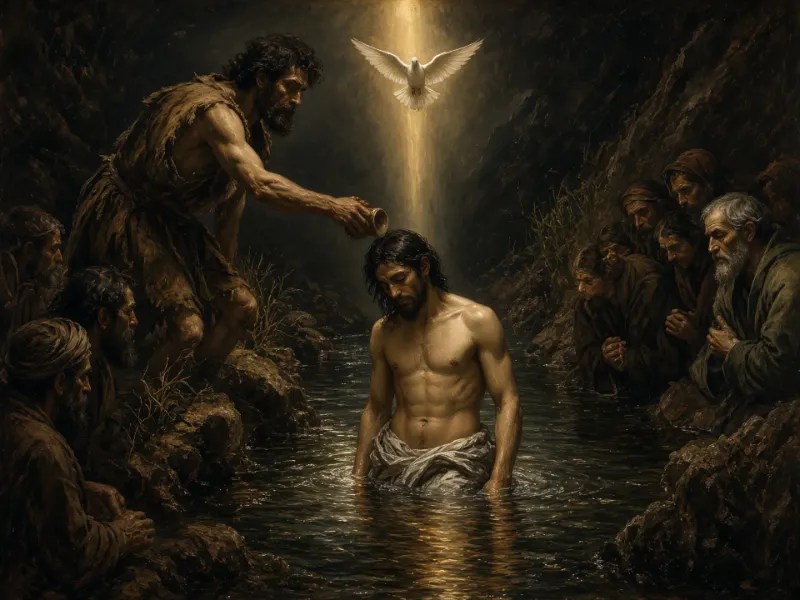
أيوب 30:30
“My skin is black upon me, and my bones are burned with heat.”
تأمل: Job is describing what affliction has done to him: “the days of affliction have taken hold upon me” (30:16), and “My bones are pierced in me in the night season” (30:17). In this verse the blackened skin stands beside bones “burned with heat.” Around it Job says he “went mourning without the sun” (30:28) and that his harp “is turned to mourning” (30:31).
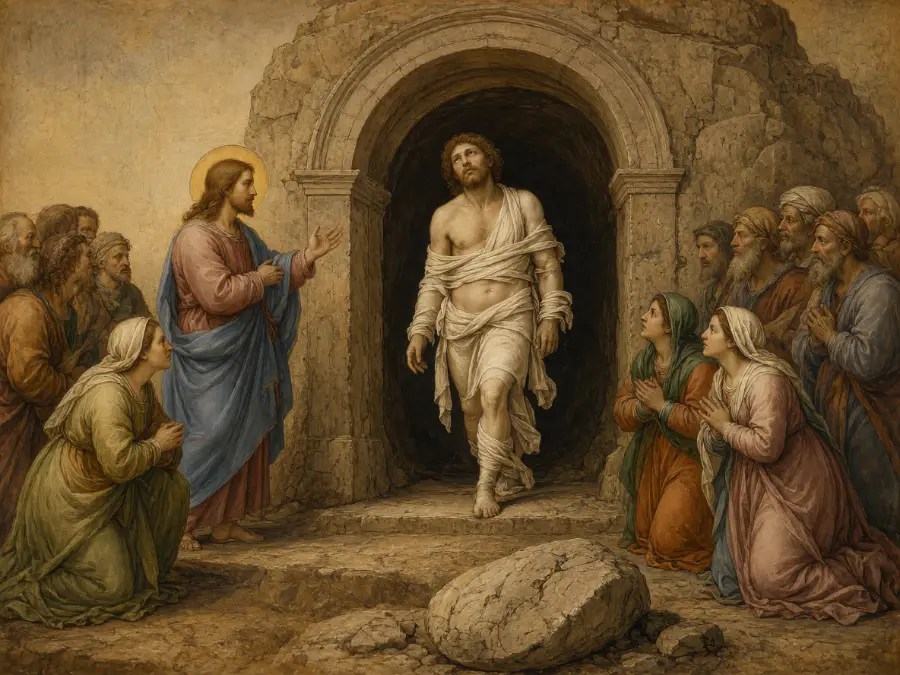
مراثي إرميا 4:8
“Their visage is blacker than a coal; they are not known in the streets: their skin cleaveth to their bones; it is withered, it is become like a stick.”
تأمل: The verse before says, “Her Nazarites were purer than snow, they were whiter than milk.” This verse says the same people now have faces “blacker than a coal” and skin cleaving to their bones, and no one knows them in the streets. Lamentations 5:10 gives the cause for the whole people: “Our skin was black like an oven because of the terrible famine.”
Cush and the Cushites in the Old Testament
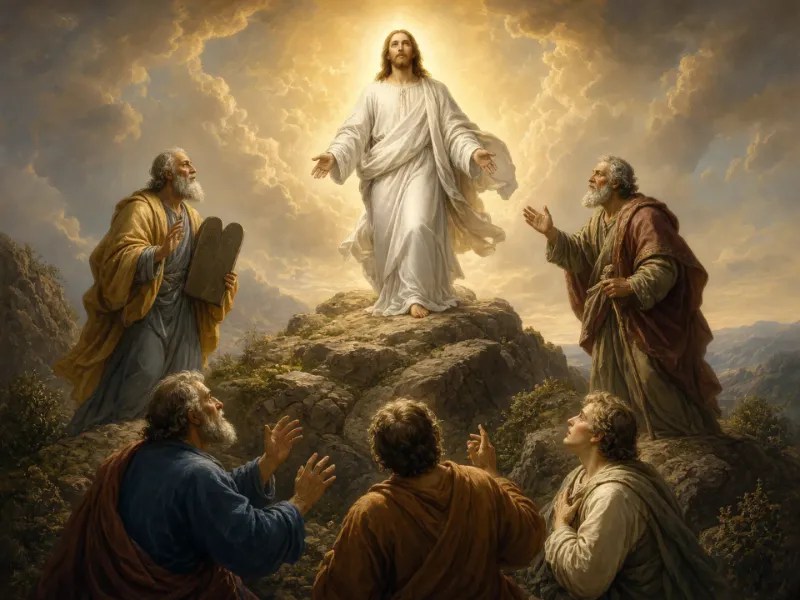
العدد 12:1
“And Miriam and Aaron spake against Moses because of the Ethiopian woman whom he had married: for he had married an Ethiopian woman.”
تأمل: Moses’ sister and brother speak against him over his marriage to a Cushite woman (Hebrew Kushith); the text does not give her name. Their complaint in the next verse is about Moses’ standing as a prophet: “Hath the LORD indeed spoken only by Moses?” The LORD defends Moses as “faithful in all mine house” (12:7), and Miriam becomes leprous, “white as snow” (12:10). Moses prays, “Heal her now, O God” (12:13), and she is shut out of the camp seven days before being received again.
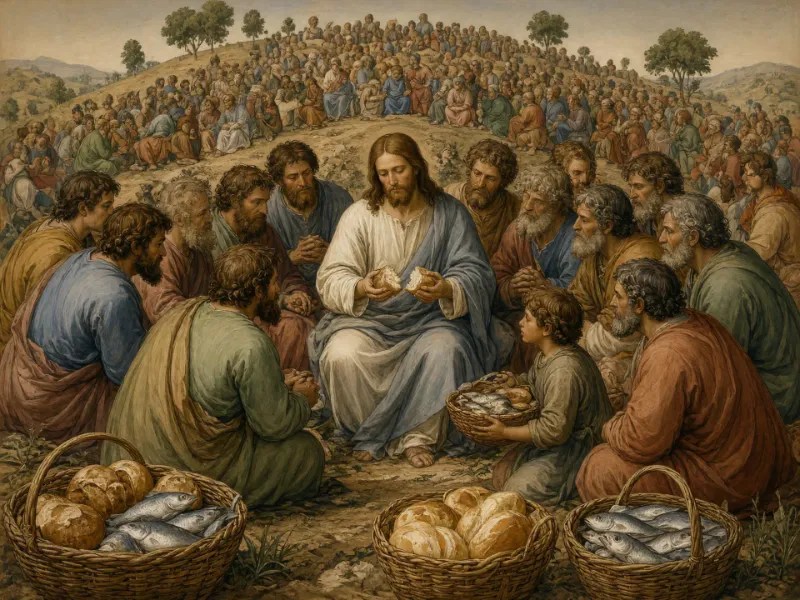
العدد 12:9-10
“And the anger of the Lord was kindled against them; and he departed. And the cloud departed from off the tabernacle; and, behold, Miriam became leprous, white as snow: and Aaron looked upon Miriam, and, behold, she was leprous.”
تأمل: Miriam and Aaron had spoken against Moses over his Ethiopian wife and questioned whether the Lord spoke only through him. At the tabernacle the Lord asks them in verse 8, “wherefore then were ye not afraid to speak against my servant Moses?” When the cloud lifts, Aaron sees the leprosy on Miriam and begs Moses to forgive them both.
إرميا 38:7
“Now when Ebedmelech the Ethiopian, one of the eunuchs which was in the king’s house, heard that they had put Jeremiah in the dungeon; the king then sitting in the gate of Benjamin;”
تأمل: Ebedmelech is a Cushite, one of the eunuchs in the king’s house. Hearing that Jeremiah has been put in the dungeon, he goes to the king at the gate of Benjamin and says the men who did it “have done evil” and that Jeremiah “is like to die for hunger” (38:9). With thirty men he lets old rags down by cords, tells Jeremiah to put them “under thine armholes under the cords,” and draws him out (38:10-13).
إرميا 39:16
“Go and speak to Ebedmelech the Ethiopian, saying, Thus saith the LORD of hosts, the God of Israel; Behold, I will bring my words upon this city for evil, and not for good; and they shall be accomplished in that day before thee.”
تأمل: The word comes to Jeremiah “while he was shut up in the court of the prison” (39:15), for the man who had pulled him out of the dungeon. The city will fall, but Ebedmelech will “not fall by the sword,” and the LORD gives his reason in 39:18: “because thou hast put thy trust in me.”
عاموس 9:7
“Are ye not as children of the Ethiopians unto me, O children of Israel? saith the LORD.”
تأمل: The LORD’s question likens Israel to the Cushites, and the rest of the verse sets Israel’s exodus from Egypt beside two other movements of peoples he brought about: the Philistines from Caphtor and the Syrians from Kir. The Hebrew for Ethiopians is the plural of Kushi, Cushite.
المزامير 68:31
“Princes shall come out of Egypt; Ethiopia shall soon stretch out her hands unto God.”
تأمل: Psalm 68 pictures kings bringing presents to God “Because of thy temple at Jerusalem” (68:29). This verse names two of the nations that come, Egypt and Cush, and the next verse calls on all “ye kingdoms of the earth” to sing to him.

صفنيا 3:10
“From beyond the rivers of Ethiopia my suppliants, even the daughter of my dispersed, shall bring mine offering.”
تأمل: The promise follows the LORD’s word in 3:9 that he will “turn to the people a pure language, that they may all call upon the name of the LORD, to serve him with one consent.” Worshippers he calls “my suppliants, even the daughter of my dispersed,” come from beyond the rivers of Cush to bring him offerings.
An Ethiopian and a man called Niger in Acts
اعمال الرسل 8:27
“And he arose and went: and, behold, a man of Ethiopia, an eunuch of great authority under Candace queen of the Ethiopians, who had the charge of all her treasure, and had come to Jerusalem for to worship,”
تأمل: An angel sends Philip to the desert road from Jerusalem to Gaza, where this man is riding home from worship in Jerusalem, reading Isaiah in his chariot. He is a eunuch in charge of the treasure of Candace, queen of the Ethiopians. Philip explains the passage he is reading, “He was led as a sheep to the slaughter,” as speaking of Jesus; the treasurer asks, “See, here is water; what doth hinder me to be baptized?” and Philip baptizes him (8:36-38).
اعمال الرسل 8:37-38
“And Philip said, If thou believest with all thine heart, thou mayest. And he answered and said, I believe that Jesus Christ is the Son of God. And he commanded the chariot to stand still: and they went down both into the water, both Philip and the eunuch; and he baptized him.”
تأمل: When the Ethiopian treasurer sees water beside the road, he asks Philip, “what doth hinder me to be baptized?” (verse 36). Philip asks whether he believes with all his heart. The treasurer answers that Jesus Christ is the Son of God and orders the chariot to stop so Philip can baptize him.
اعمال الرسل 13:1
“Now there were in the church that was at Antioch certain prophets and teachers; as Barnabas, and Simeon that was called Niger, and Lucius of Cyrene, and Manaen, which had been brought up with Herod the tetrarch, and Saul.”
تأمل: Five prophets and teachers are named in the church at Antioch. Niger, the second name of Simeon, is a Latin word meaning black, according to Strong’s Concordance; the verse does not say why Simeon had that name. Lucius came from Cyrene. While this group was fasting, the Holy Ghost told them to set apart Barnabas and Saul, and they laid hands on the two and sent them away (13:2-3).
شعب واحد في المسيح
غلاطية 3:28
“There is neither Jew nor Greek, there is neither bond nor free, there is neither male nor female: for ye are all one in Christ Jesus.”
تأمل: Paul is writing about those who “have been baptized into Christ” and “have put on Christ” (3:27). He names three pairs, Jew and Greek, bond and free, male and female, and says “ye are all one in Christ Jesus.” The next verse adds that all who are Christ’s are “Abraham’s seed, and heirs according to the promise.”
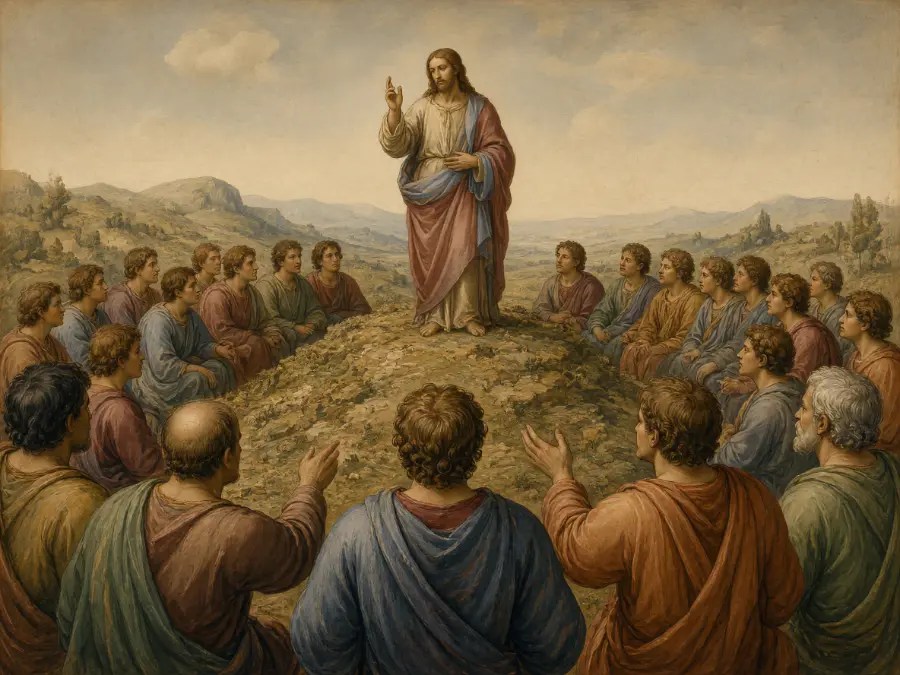
كولوسي 3:11
“Where there is neither Greek nor Jew, circumcision nor uncircumcision, Barbarian, Scythian, bond nor free: but Christ is all, and in all.”
تأمل: Paul is describing the “new man, which is renewed in knowledge after the image of him that created him” (3:10). His list runs across nation, religion and social rank: Greek and Jew, circumcised and uncircumcised, Barbarian, Scythian, slave and free.
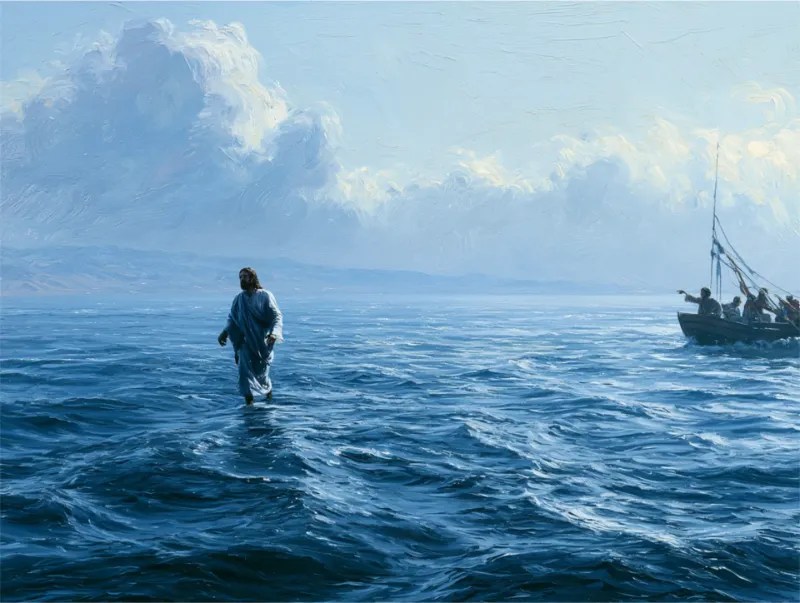
رؤيا يوحنا 7:9
“After this I beheld, and, lo, a great multitude, which no man could number, of all nations, and kindreds, and people, and tongues, stood before the throne, and before the Lamb, clothed with white robes, and palms in their hands;”
تأمل: John has just heard the number of those sealed “of all the tribes of the children of Israel,” 144,000 (7:4). Then he sees a multitude “which no man could number,” drawn from every nation, kindred, people and tongue, standing before the throne in white robes. Their cry in the next verse is “Salvation to our God which sitteth upon the throne, and unto the Lamb.”
The curse on Canaan
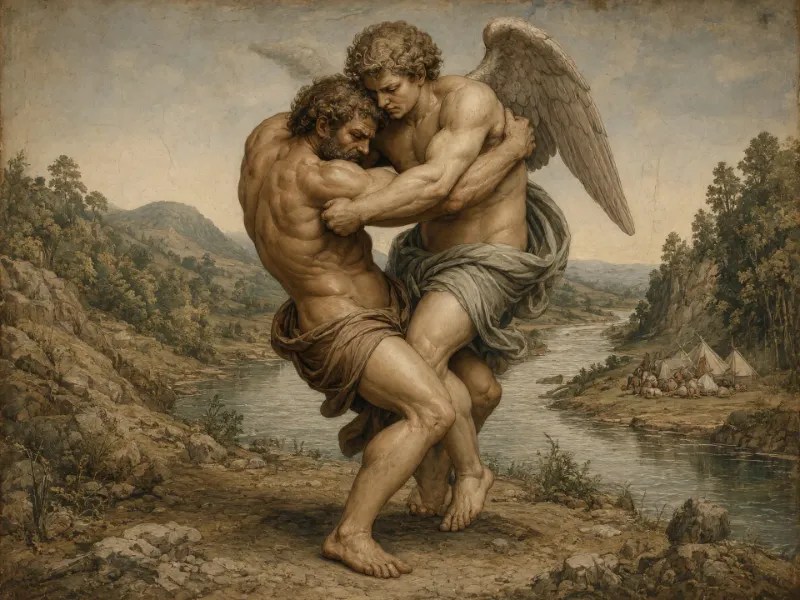
التكوين 9:25
“And he said, Cursed be Canaan; a servant of servants shall he be unto his brethren.”
تأمل: Noah speaks these words on waking from his drunkenness and learning what his younger son had done (9:24), which 9:22 gives in full: “And Ham, the father of Canaan, saw the nakedness of his father, and told his two brethren without.” The curse names Canaan, Ham’s son, not Ham, and its content is servitude to his brothers, repeated in 9:26-27: “Canaan shall be his servant.” The passage says nothing about skin; Genesis 10:6 lists Cush and Canaan as different sons of Ham, and Genesis 10:15-19 traces Canaan’s line to the Jebusite, the Amorite, the Hivite and “the families of the Canaanites.”
How Genesis 9:25 was used to defend slavery
Frederick Douglass, in his سرد of 1845, took up “the argument, that God cursed Ham, and therefore American slavery is right.” He answered it on its own terms: “If the lineal descendants of Ham are alone to be scripturally enslaved, it is certain that slavery at the south must soon become unscriptural,” because thousands born into slavery “owe their existence to white fathers, and those fathers most frequently their own masters.”
The Church of Jesus Christ of Latter-day Saints, in its essay “Race and the Priesthood,” describes a view whose holders “believed that God’s ‘curse’ on Cain was the mark of a dark skin,” and records that “Black servitude was sometimes viewed as a second curse placed upon Noah’s grandson Canaan as a result of Ham’s indiscretion toward his father.” The same essay states that the church today “disavows the theories advanced in the past that black skin is a sign of divine disfavor or curse.”


اترك تعليقاً