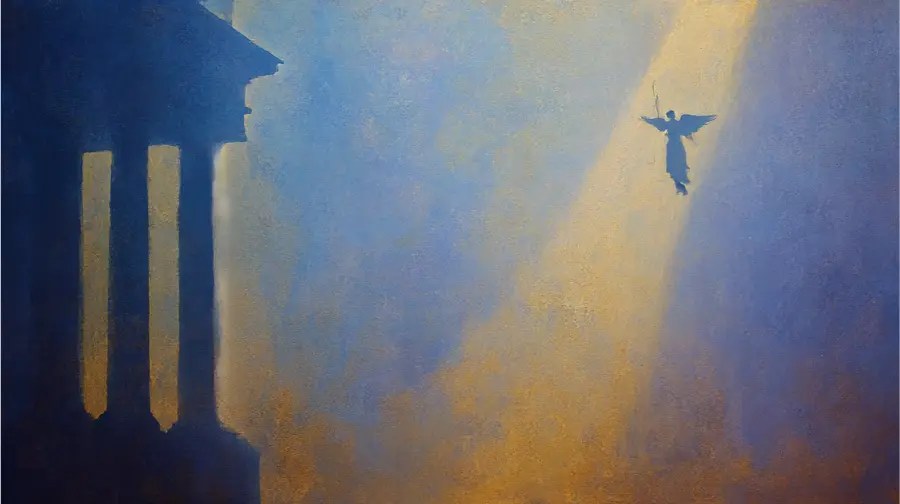
أسرار الكتاب المقدس: ما هي السماء كما هو الحال في الكتاب المقدس؟


  • تم وصف مظهر السماء رمزيًا في الكتاب المقدس: ويؤكد النص على أن أوصاف شوارع الذهب والبوابات اللؤلؤية، وما إلى ذلك، لا يقصد بها أن تؤخذ حرفيا. بدلاً من ذلك ، يستخدمون صورًا مألوفة للإشارة إلى الحقائق الروحية للشركة الكاملة مع الله ، والسلام الأبدي ، وتحقيق الشوق البشري.
  • فهمنا الأرضي يحد من قدرتنا على فهم السماء: نحن ملزمون بالزمان والمكان وحدود اللغة البشرية. السماء ، كمجال يتجاوز تجربتنا المادية الحالية ، من المحتمل أن تتجاوز هذه الفئات ، مما يجعل من الصعب فهمها بالكامل مع أطرنا المعرفية الحالية.
  • ركز يسوع على واقع ملكوت السماء الحالي: في حين اعترف يسوع بالسماء كرجاء في المستقبل، أكد أن ملكوت السماء هو أيضا حقيقة حالية، اقتحم عالمنا. استخدم الأمثال والاستعارات للتدريس حول قوتها التحويلية وقيمتها.
  • أبرز آباء الكنيسة الجوانب الروحية والطائفية للسماء: لقد شددوا على الرؤية البطيئة (رؤية الله وجهًا لوجه) ، والمجتمع المثالي للقديسين ، والتقدم الأبدي للاقتراب من الله. اعترفوا بقيود اللغة البشرية لوصف هذا الواقع بشكل كامل.

ماذا يقول الكتاب المقدس عن ظهور السماء؟

يقدم لنا الكتاب المقدس لمحات عن مظهر السماء يجب أن نقترب من هذه الأوصاف بكل من الإيمان والعقل. تستخدم النصوص المقدسة صورًا غنية لنقل الحقائق الروحية التي قد تتجاوز فهمنا الأرضي.

في العهد القديم، نجد رؤى للسماء تؤكد مجدها وعظمتها. يصف النبي إشعياء رؤية "الرب جالساً على عرش عالٍ ورفع" (إشعياء 6: 1). تنقل هذه الصورة سيادة الله وتفوقه ، بينما تقترح أيضًا عالمًا من روعة لا مثيل لها.

The New Testament provides more detailed descriptions, particularly in the book of Revelation. John’s vision presents heaven as a place of extraordinary beauty and radiance. He speaks of “a sea of glass, like crystal” (Revelation 4:6), suggesting a realm of pristine clarity and tranquility. The apostle also describes “a great multitude that no one could number, from every nation, from all tribes and peoples and languages, standing before the throne and before the Lamb” (Revelation 7:9), painting a picture of a diverse and unified heavenly community.

يجب أن أشير إلى أن هذه الأوصاف تتأثر بالسياقات الثقافية والأدبية لعصرها. غالبًا ما تعتمد الصور على عظمة المحاكم والمعابد الملكية القديمة ، باستخدام مفاهيم مألوفة لنقل مجد السماء غير المألوف.

Psychologically we can understand these vivid descriptions as attempts to express the inexpressible – to capture in human language the overwhelming experience of divine presence. The brilliant light, precious materials, and vast crowds all serve to convey a sense of awe, joy, and fulfillment that surpasses earthly experience.

Although these biblical descriptions provide us with inspiring images, we must remember the words of St. Paul: “What no eye has seen, nor ear heard, nor the heart of man imagined, what God has prepared for those who love him” (1 Corinthians 2:9). The true nature of heaven may well exceed our current capacity to comprehend or imagine.

I encourage you to meditate on these biblical images not as literal blueprints as invitations to deepen your relationship with God. The appearance of heaven, as described in scripture, should awaken in us a longing for divine presence and a commitment to live in ways that reflect the values of God’s kingdom here on earth.

كيف تصف السماء في سفر الرؤيا؟

يقدم لنا سفر الرؤيا لمحة قوية وبصيرة عن طبيعة السماء. بينما نستكشف هذه الأوصاف ، دعونا نقترب منها بكل من التبجيل لأهميتها الروحية وفهم سياقها التاريخي والأدبي.

John’s apocalyptic vision presents heaven as a realm of extraordinary splendor and divine presence. In Revelation 4, he describes a throne room scene of breathtaking majesty: “At once I was in the Spirit, and behold, a throne stood in heaven, with one seated on the throne. And he who sat there had the appearance of jasper and carnelian, and around the throne was a rainbow that had the appearance of an emerald” (Revelation 4:2-3). This imagery conveys the transcendent beauty and authority of God’s presence.

The vision continues with descriptions of celestial beings, elders, and a vast multitude worshipping before the throne. John speaks of “a sea of glass, like crystal” (Revelation 4:6) and “golden bowls full of incense, which are the prayers of the saints” (Revelation 5:8). These images suggest a realm of perfect purity and constant communion with God.

In chapters 21 and 22, John’s vision culminates in the description of the New Jerusalem, which represents the fullness of God’s presence among His people. He writes, “And I saw the holy city, new Jerusalem, coming down out of heaven from God, prepared as a bride adorned for her husband” (Revelation 21:2). This city is described in terms of extraordinary beauty and perfection, with walls of jasper, streets of gold, and gates of pearl.

I must note that these descriptions draw heavily on the imagery and symbolism of ancient Near Eastern literature and architecture. The precious stones, the cubic shape of the city, and the emphasis on light and purity all have parallels in the cultural context of John’s time. But John adapts and transforms these elements to convey a uniquely Christian vision of God’s eternal kingdom.

Psychologically we can understand these vivid descriptions as attempts to express the inexpressible – to capture in human language the overwhelming experience of divine presence and the fulfillment of all human longings. The emphasis on light, beauty, and worship speaks to our deepest needs for meaning, belonging, and transcendence.

As we contemplate these descriptions, let us remember that they are not meant to be taken as literal architectural plans. Rather, they are symbolic representations of spiritual realities that may well exceed our current capacity to fully comprehend. The book of Revelation uses this rich imagery to convey truths about God’s nature, His relationship with His people, and the ultimate destiny of creation.

I encourage you to approach these passages with a spirit of wonder and hope. Let them inspire you to live in ways that reflect the values of God’s kingdom here and now. The vision of heaven in Revelation is not just about a future state about the transformative power of God’s presence in our lives today.

ما هي السمات أو المعالم المادية المذكورة في الأوصاف التوراتية للسماء؟

One of the most prominent features mentioned is the throne of God. This appears in various passages, including Isaiah’s vision where he sees “the Lord sitting upon a throne, high and lifted up” (Isaiah 6:1). In Revelation, John describes a magnificent throne room scene, with the throne surrounded by a rainbow “like an emerald” (Revelation 4:3). This throne symbolizes God’s sovereignty and authority over all creation.

Water is another recurring element in heavenly descriptions. Ezekiel’s vision includes a river flowing from the temple (Ezekiel 47:1-12), while Revelation speaks of “a river of the water of life, bright as crystal, flowing from the throne of God and of the Lamb” (Revelation 22:1). This water symbolizes the life-giving presence of God and the purity of His kingdom.

يقدم كتاب الرؤيا الوصف الأكثر تفصيلا للمعالم السماوية ، وخاصة في تصويره للقدس الجديدة. توصف هذه المدينة السماوية بأنها:

  • جدران جاسبر مع اثني عشر بوابة مصنوعة من اللؤلؤ (رؤيا 21: 12، 21)
  • الأسس المزخرفة بالأحجار الكريمة (رؤيا 21: 19-20)
  • شوارع من الذهب الخالص ، شفافة مثل الزجاج (رؤيا 21:21)
  • شجرة الحياة تحمل اثني عشر نوعا من الفاكهة (رؤيا 22: 2)

I must note that these descriptions draw heavily on the imagery of ancient Near Eastern architecture and the symbolism of precious materials. The cubic shape of the New Jerusalem, for instance, echoes the Holy of Holies in Solomon’s temple, suggesting the all-encompassing presence of God.

Psychologically these physical features serve to convey abstract spiritual concepts in tangible forms. The precious materials speak to the incomparable value of God’s presence, Although the abundance of light and the absence of a temple (Revelation 21:22) suggest a realm of perfect communion with God.

As we contemplate these descriptions, let us remember that they are not meant to be blueprints for celestial geography. Rather, they are inspired attempts to express the inexpressible – the glory, beauty, and perfection of God’s eternal kingdom. The physical features mentioned in scripture serve as symbols of deeper spiritual realities.

I encourage you to meditate on these images not as literal depictions as invitations to deepen your relationship with God. The landmarks of heaven described in the Bible should awaken in us a longing for divine presence and a commitment to live in ways that reflect the values of God’s kingdom here on earth.

هل للسماء شوارع أو مباني أو هياكل أخرى مشابهة للأرض؟

يصف سفر الرؤيا ، على وجه الخصوص ، السماء باستخدام عناصر أرضية مألوفة. يتحدث يوحنا عن القدس الجديدة على أنها شوارع ذهبية (رؤيا 21: 21) ويصفها بأنها مدينة ذات جدران وبوابات وأسس (رؤيا 21: 12-14). قد تشير هذه الأوصاف إلى هياكل مماثلة لتلك الموجودة على الأرض يجب أن ننظر في معناها الرمزي الأعمق.

I must point out that these descriptions draw heavily on the urban imagery of the ancient world, particularly the idealized vision of a perfect city. The use of precious materials like gold for streets and jewels for foundations speaks more to the incomparable value and beauty of God’s dwelling place than to literal urban planning.

Psychologically we can understand these familiar elements as a way of making the concept of heaven more relatable and comprehensible to human minds. By using imagery of cities, streets, and buildings, the biblical authors provide tangible metaphors for the intangible realities of eternal life in God’s presence.

But we must also consider passages that suggest heaven may be quite different from our earthly experience. Jesus tells us that “In my Father’s house are many rooms” (John 14:2), which could be interpreted as suggesting some form of structures. Yet, Revelation also states that in the New Jerusalem, “I saw no temple in the city, for its temple is the Lord God the Almighty and the Lamb” (Revelation 21:22). This implies a realm where the divisions between sacred and secular spaces no longer exist, as all is suffused with God’s presence.

As we contemplate these descriptions, let us remember the words of St. Paul: “For now we see in a mirror dimly then face to face” (1 Corinthians 13:12). Our current understanding of heaven is limited by our earthly experience and language. The true nature of our eternal dwelling may well transcend our current capacity to imagine or describe.

I encourage you not to become too fixated on the physical details of heaven. Instead, focus on the spiritual realities these images represent – perfect communion with God, eternal peace, and the fulfillment of all our deepest longings. Whether heaven has literal streets of gold or buildings of pearl is less important than the promise of God’s eternal presence and love.

Let us approach this question with humility and wonder, trusting that God has prepared for us something beyond our current comprehension. The descriptions of heavenly structures in scripture should inspire us to build our lives on the foundation of faith, to walk the path of righteousness, and to open the gates of our hearts to God’s transforming love.

May our contemplation of heaven, whether it has familiar structures or not, deepen our longing for God’s presence and strengthen our commitment to live as citizens of His kingdom here on Earth.

كيف يفسر علماء الكتاب المقدس الصور الرمزية المستخدمة لوصف السماء؟

Biblical scholars generally agree that the imagery used to describe heaven is highly symbolic and should not be interpreted literally. They recognize that these descriptions draw on cultural, historical, and literary contexts to convey powerful spiritual truths about the nature of God’s presence and the ultimate destiny of creation.

ينظر العديد من العلماء إلى الصور السماوية من خلال عدسة الأدب المروع ، وهو نوع سائد في الكتابات اليهودية والمسيحية المبكرة. غالبًا ما يستخدم هذا النوع صورًا حية وأحيانًا خيالية للكشف عن حقائق خفية حول العالم الروحي وتويج التاريخ. في هذا السياق، لا يُنظر إلى أوصاف السماء على أنها تصوير حرفي كتمثيل رمزي للحقائق الروحية التي تتجاوز اللغة والخبرة البشرية.

For example, the precious materials mentioned in Revelation’s description of the New Jerusalem – gold, pearls, and jewels – are interpreted not as literal building materials as symbols of the incomparable value and beauty of life in God’s presence. The cubic shape of the city (Revelation 21:16) is often seen as a reference to the Holy of Holies in the Jerusalem Temple, symbolizing the all-encompassing presence of God.

I must note that scholars also consider the historical context of these descriptions. The imagery of thrones, crowns, and a heavenly court reflects the political structures of the ancient Near East, used to convey God’s supreme authority and the honor bestowed on His faithful ones.

ويدرك العلماء من الناحية النفسية أن هذه الأوصاف الرمزية تعمل على جعل مفهوم السماء أكثر ارتباطًا وعاطفيًا. إن صور النور والنقاء والانسجام تتحدث عن أعمق شوقنا للمعنى والانتماء والتفوق.

يؤكد العديد من العلماء على الجانب العلائقي للصور السماوية. يُنظر إلى وصف الله المسكن بين شعبه (رؤيا 21: 3) على أنه الإنجاز النهائي لعلاقة العهد ، وليس ترتيبًا معماريًا حرفيًا.

ونحن نعتبر هذه التفسيرات العلمية، دعونا نتذكر أنها لا تهدف إلى التقليل من قوة أو حقيقة الأوصاف الكتابية. بدلاً من ذلك ، فهي تساعدنا على الانخراط بعمق أكبر مع الحقائق الروحية التي تمثلها هذه الصور.

I encourage you to approach these symbolic descriptions of heaven with both your mind and your heart. Let the scholarly insights enrich your understanding also allow the imagery to speak to your soul, awakening a longing for God’s presence and a commitment to His kingdom values.

Let us be inspired by the words of St. Augustine, who wrote, “The entire life of a good Christian is a holy longing.” May our contemplation of heaven’s symbolic imagery deepen this holy longing within us, spurring us on to greater love for God and neighbor.

ماذا علّم يسوع عن طبيعة وظهور السماء؟

In the Gospels, we find Jesus frequently referring to the “Kingdom of Heaven” or the “Kingdom of God.” This kingdom, He taught, was not a distant realm but something breaking into our present reality. “The kingdom of God is in your midst,” He declared (Luke 17:21). I see in this teaching an invitation to recognize the divine presence in our everyday lives, to cultivate an awareness of the sacred within the ordinary.

When Jesus did speak of heaven’s nature, He often used parables and metaphors. He compared the kingdom of heaven to a mustard seed, a treasure hidden in a field, a pearl of great price, and a net cast into the sea (Matthew 13:31-50). These diverse images suggest that heaven’s reality is too rich and layered to be captured in a single description. They also emphasize heaven’s value and the transformative power of encountering it.

Historically, we must understand that Jesus was speaking to a Jewish audience with existing concepts of the afterlife and the world to come. He both built upon and radically reinterpreted these ideas. For instance, when questioned by the Sadducees about marriage in the resurrection, Jesus said, “At the resurrection people will neither marry nor be given in marriage; they will be like the angels in heaven” (Matthew 22:30). This suggests a transformed state of being, beyond our current understanding of human relationships.

Perhaps one of the most comforting images Jesus gave us of heaven is that of a home. “In my Father’s house are many rooms,” He told His disciples, “I am going there to prepare a place for you” (John 14:2). This evokes a sense of belonging, of being welcomed into an intimate family setting. I encourage you to reflect on the powerful implications of this image – heaven as a place where we are truly and fully at home with God.

Jesus also emphasized that heaven is not just a future hope but has present implications. The Beatitudes, for instance, speak of the kingdom of heaven belonging to the poor in spirit, and to those persecuted for righteousness’ sake (Matthew 5:3,10). This teaches us that heavenly values should shape our earthly lives.

While Jesus did not give us a detailed physical description of heaven, He did provide glimpses of its glory. The Transfiguration, where His appearance became dazzling white, offers a momentary revelation of heavenly splendor (Mark 9:2-3). And in His resurrected body, we see a preview of our own glorified state in heaven – recognizable yet transformed.

كيف وصف آباء الكنيسة أو تصوروا السماء في كتاباتهم؟

One of the most influential early descriptions comes from St. Augustine of Hippo. In his monumental work “City of God,” Augustine envisions heaven as the perfect community, the “City of God” in contrast to the earthly city. For Augustine, heaven is characterized by perfect peace, order, and love. He writes, “There we shall rest and see, see and love, love and praise.” I am struck by how Augustine captures the deepest longings of the human heart – for rest, for understanding, for love, and for the ability to express gratitude and worship.

St. John Chrysostom, known for his eloquence, often spoke of heaven in terms of its incomparable beauty and joy. He emphasized that the greatest aspect of heaven is the direct vision of God, what theologians call the “beatific vision.” Chrysostom writes, “What do you suppose is the radiant beauty of those who continually behold the glory of God?” This reminds us that heaven’s true splendor lies not in physical adornments in the transformative presence of the Divine.

Historically, we see a development in how the Fathers conceptualized heaven. Early writers like Justin Martyr and Irenaeus of Lyon, influenced by Jewish apocalyptic literature, sometimes described heaven in more concrete, earthly terms – as a renewed paradise or a celestial city. Later Fathers, particularly those influenced by Neo-Platonism, tended to emphasize the spiritual and immaterial aspects of heaven.

St. Gregory of Nyssa, for instance, speaks of heaven as an eternal progress into the infinite nature of God. He writes of the soul in heaven “going from glory to glory,” always growing in its knowledge and love of God. This dynamic view of heaven as continuous growth and discovery is particularly compelling to our modern minds, accustomed as we are to ideas of progress and evolution.

The Cappadocian Fathers – Basil the Great, Gregory of Nazianzus, and Gregory of Nyssa – all emphasized the communal aspect of heaven. They saw it not as a place of isolated, individual bliss as a perfect communion of saints with each other and with God. This vision resonates deeply with our understanding of the human person as inherently relational.

Although the Fathers often used vivid imagery to describe heaven, they also recognized its ultimate ineffability. St. Cyril of Jerusalem reminds us, “We speak of the things of heaven only in the way that we are able.” This humility before the mystery of heaven is something we would do well to emulate.

The Fathers also consistently taught that our experience of heaven begins, in a sense, here on earth. Origen writes, “The kingdom of heaven is within you… Whoever has Christ in his mind so that he understands and knows Him… already has the kingdom of heaven within himself.” I encourage you to reflect on how this understanding might transform your daily life.

In all their reflections, the Church Fathers sought to inspire hope and encourage holy living. They saw heaven not as an escape from the world as the fulfillment of God’s purposes for creation. St. Irenaeus beautifully expresses this: “The glory of God is a living man; and the life of man consists in beholding God.”

هل سيكون للناس أجساد مادية في السماء وفقًا للكتاب المقدس؟

Central to our Christian hope is the doctrine of the resurrection of the body. This is not a mere afterthought in Scripture a cornerstone of our faith. The Apostle Paul, in his first letter to the Corinthians, devotes an entire chapter to defending and explaining this truth (1 Corinthians 15). He emphatically declares, “The body that is sown is perishable, it is raised imperishable” (1 Corinthians 15:42).

هذا التعليم متجذر في قيامة يسوع المسيح نفسه. الأناجيل واضحة أن يسوع لم يقم كروح غير مجسدة بجسد مادي متحول. كان يمكن أن يلمس، أكل مع تلاميذه، لكنه ظهر أيضا في غرف مغلقة (يوحنا 20: 19-29). يتم تقديم هذا الجسد القائم من المسيح كنموذج أولي لأجسام القيامة الخاصة بنا.

أنا مندهش من وجهة النظر الشمولية للشخص البشري الذي يقدمه هذا المذهب. نحن لسنا أرواح محاصرة في أجساد، في انتظار أن يتم تحريرها. بدلا من ذلك، فإن أجسادنا هي جزء لا يتجزأ من ما نحن عليه، ومقدرة للفداء والتحول. هذا الفهم يمكن أن يكون له آثار قوية على كيفية رؤية ورعاية أجسادنا في هذه الحياة.

The nature of these resurrection bodies is described in Scripture as somehow different from our current physical bodies. Paul uses the analogy of a seed and the plant it becomes: “What you sow does not come to life unless it dies. When you sow, you do not plant the body that will be just a seed” (1 Corinthians 15:36-37). This suggests both continuity and radical transformation.

Historically, we see that the early Church strongly defended the reality of bodily resurrection against various forms of Gnosticism that denigrated the physical. The Apostles’ Creed, one of our earliest statements of faith, explicitly affirms belief in “the resurrection of the body.”

Yet, we must be careful not to conceive of these resurrection bodies in overly materialistic terms. Paul also tells us that “flesh and blood cannot inherit the kingdom of God” (1 Corinthians 15:50). He speaks of a “spiritual body” (1 Corinthians 15:44), a concept that challenges our categories of physical and spiritual.

كتاب الرؤيا ، في لغته الرمزية الحية ، يصور الفداء في السماء في شكل جسدي. إنهم يقفون ويغنون ويلبسون ثوبًا أبيضًا (رؤيا 7: 9-10). على الرغم من أننا يجب أن نكون حذرين حول تفسير الصور الرهيبة أيضا حرفيا، وهذا يعزز فكرة الوجود المتجسد في السماء.

غالبًا ما يتحدث الكتاب المقدس عن مرحلتين في وجودنا السماوي. هناك حالة وسيطة مباشرة بعد الموت ، ثم الحالة النهائية بعد القيامة العامة. طبيعة وجودنا في الدولة الوسيطة أقل وضوحًا في الكتاب المقدس ، مما أدى إلى تكهنات لاهوتية مختلفة عبر تاريخ الكنيسة.

What we can say with confidence is that our final destiny, according to Scripture, is not a disembodied spiritual existence a renewed and transformed physical life. This is intimately connected with the promise of “a new heaven and a new earth” (Revelation 21:1). Our bodily resurrection is part of the larger hope for the renewal of all creation.

أشجعكم على التفكير في الكرامة القوية التي تمنحها هذه العقيدة لوجودنا المادي. إنه يتحدانا أن نرى أجسادنا ليس كقذائف مؤقتة كجزء أساسي من هويتنا، متجهة إلى المجد الأبدي. دع هذا الأمل يشكل كيف تعيش وتعتني بجسمك اليوم ، وكيف تتوقع الحياة القادمة.

ما هي الألوان أو العناصر المرئية المرتبطة بالسماء في الكتاب المقدس؟

Perhaps the most prominent color associated with heaven in Scripture is white. This color appears repeatedly in heavenly visions, symbolizing purity, holiness, and victory. In the book of Revelation, we read of the redeemed wearing white robes (Revelation 7:9), and of Christ himself appearing on a white horse (Revelation 19:11). The brilliance of this heavenly white is emphasized; Daniel describes the Ancient of Days with clothing “as white as snow” (Daniel 7:9).

أنا مندهش من قوة هذه الصور. الأبيض ، في العديد من الثقافات ، يمثل النظافة والبدايات الجديدة. في سياق السماء، يتحدث إلى التنقية الكاملة من الخطيئة والحياة الجديدة التي نتلقاها في المسيح. يمكن أن يكون هذا مصدرًا قويًا للأمل والراحة لأولئك الذين يعانون من الشعور بالذنب أو العار.

الذهب هو لون آخر يرتبط في كثير من الأحيان مع السماء في الكتاب المقدس. تم وصف القدس الجديدة بأنها مصنوعة من "الذهب الخالص ، واضحة مثل الزجاج" (رؤيا 21:18). هذا المعدن الثمين ، الذي يقدر على مر التاريخ البشري ، بمثابة رمز مناسب للقيمة التي لا تقدر بثمن من السماء. ومع ذلك ، من المثير للاهتمام ، في هذا السياق السماوي ، يوصف الذهب بأنه شفاف ، وربما يشير إلى تحول حتى لموادنا الأرضية الأكثر قيمة.

العنصر البصري للضوء أمر بالغ الأهمية في الأوصاف التوراتية للسماء. يوصف الله نفسه بأنه يسكن في "نور لا يمكن تقاربه" (1 تيموثاوس 6: 16). في الوحي ، قيل لنا أن أورشليم الجديدة ليست بحاجة إلى الشمس أو القمر ، "لأن مجد الله يعطيها النور ، والخروف هو مصباحها" (رؤيا 21:23). هذا التركيز على النور يذكرنا بكلمات يسوع، "أنا نور العالم" (يوحنا 8: 12)، ويدعونا إلى التفكير في كيف يمكننا أن نصبح حاملين لهذا النور الإلهي في عالمنا الحالي.

تتميز الأحجار الكريمة بشكل بارز في الرؤى الكتابية للسماء. تزين أسس القدس الجديدة بالجاسبر والياقوت والزمرد والأحجار الكريمة الأخرى (رؤيا 21: 19-20). قوس قزح، وصفت بأنها تبدو مثل الزمرد، تطوق عرش الله (رؤيا 4:3). هذه المجموعة من الألوان والطبيعة الدائمة لهذه الحجارة تتحدث عن جمال وديمومة بيتنا السماوي.

الماء هو عنصر بصري رئيسي آخر. نقرأ عن "نهر ماء الحياة ، واضح مثل الكريستال ، الذي يتدفق من عرش الله والخروف" (رؤيا 22: 1). هذه الصورة تستحضر أفكار الطهارة والحياة والوفرة، وتذكرنا بوعد يسوع "الماء الحي" (يوحنا 4: 10).

تاريخياً، أثرت هذه الصور التوراتية تأثيراً عميقاً على الفن المسيحي والهندسة المعمارية. من الفسيفساء الذهبية اللامعة للكنائس البيزنطية إلى الزجاج الملون المضيء للكاتدرائيات القوطية ، سعى الفنانون لالتقاط شيء من هذا الروعة السماوية.

من المهم أن نتذكر أن هذه الأوصاف رمزية وليست حرفية. إنهم يستخدمون أثمن وأجمل عناصر تجربتنا الأرضية للإشارة إلى واقع يتجاوز في نهاية المطاف قدرتنا على الفهم الكامل أو التصوير.

أنا أشجعكم على التأمل في هذه الصور ليس كمخطط حرفي للسماء كدعوات للتفكير في مجد ونقاء وفرح الحياة الأبدية مع الله. دعهم يلهمونك للبحث عن ما هو فوق، حيث يجلس المسيح على يمين الله (كولوسي 3: 1). ولنتذكر أن الجمال الحقيقي للسماء لا يكمن في مظهرها المادي في الشركة الكاملة التي سنستمتع بها مع الله ومع بعضنا البعض.

كيف ترتبط التفسيرات التوراتية لعامي 616 و666 بمفاهيم السماء؟

استكشاف مفاهيم الجنة، فهم المعاني الكتابية 616666 يكشف عن أهمية روحية أعمق. الاختلافات في هذه الأرقام ترمز إلى مسارات مختلفة للحقيقة الإلهية. من خلال دراسة تفسيراتهم ، يمكن للمرء أن يجد رؤى في الخلاص والأمل ، ويسلط الضوء على القوة التحويلية للإيمان في السعي إلى الحياة الأبدية.

كيف يمكن أن يحد فهمنا الأرضي من قدرتنا على فهم المظهر الحقيقي للسماء؟

يجب أن نعترف بأن تصورنا للواقع يتشكل بشكل أساسي من خلال تجاربنا الأرضية. الرسول بولس يذكرنا: "الآن نحن لا نرى سوى انعكاس كما في المرآة. ثم سنرى وجها لوجه. الآن أنا أعرف جزئيا; ثم أَعْرفُ تمامًا، كما أنا معروفٌ تمامًا" (1كورنثوس 13: 12). هذه الاستعارة الجميلة تتحدث عن الطبيعة الجزئية لفهمنا الحالي.

أنا على دراية تامة كيف أن أطرنا المعرفية ، التي تم تطويرها من خلال تفاعلاتنا مع العالم المادي ، يمكن أن تمكن وتقيد تفكيرنا. يتم ربط أدمغتنا بمعالجة المعلومات بناءً على تجاربنا الحسية في هذا العالم. قد تتجاوز السماء ، كونها عالمًا يتجاوز واقعنا المادي الحالي ، الفئات والمفاهيم التي نستخدمها لفهم بيئتنا.

ولنتأمل، على سبيل المثال، فهمنا للزمان والمكان. في وجودنا الأرضي ، هذه جوانب أساسية لكيفية إدراكنا للعالم وتفاعلنا معه. ومع ذلك ، يشير الكتاب المقدس إلى حقيقة في السماء قد تعمل خارج هذه القيود. الطبيعة الأبدية للسماء تتحدى تفكيرنا المحدد بالزمان ، على الرغم من أن وجود الله الشامل يمتد مفاهيمنا المكانية إلى حدودها.

Historically, we see how human attempts to envision heaven have often been shaped by the cultural and technological contexts of their times. From the agrarian paradise of early societies to the crystal cities of the industrial age, our images of heaven have evolved, reflecting our changing worldviews and aspirations. This should remind us of the need for humility in our speculations about heaven’s appearance.

قد تكون لغتنا نفسها ، المتجذرة في تجربتنا الأرضية ، غير كافية لالتقاط حقيقة السماء بالكامل. عندما يتحدث الكتاب المقدس عن شوارع من الذهب أو البوابات اللؤلؤية ، يجب أن نعترف بها كمحاولات لنقل الحقائق المتسامية من خلال الصور المألوفة. حدود اللغة البشرية في وصف الحقائق الإلهية هي موضوع نجده في الكتاب المقدس والكتابات الصوفية.

قد تؤدي طبيعتنا الساقطة وآثار الخطيئة على فكرنا وخيالنا إلى الحد من قدرتنا على تصور كمال السماء. كما لاحظ القديس أوغسطين بحكمة ، فإن قلوبنا لا تهدأ حتى ترتاح في الله. هذا القلق يمكن أن يجعل من الصعب علينا تصور حالة من السلام الكامل والوفاء.

The very concept of physicality in heaven challenges our understanding. While Scripture affirms the resurrection of the body, it also speaks of a transformation so powerful that it stretches our current categories of physical and spiritual. Paul’s concept of a “spiritual body” (1 Corinthians 15:44) is one that continues to provoke theological reflection


اكتشف المزيد من Christian Pure

←الآن خلاصة عام في ~ ~________

متابعة القراءة

مشاركة إلى...