
 Spanish
  English
  Chinese
  Dutch
Dutch  Arabic
  Portuguese
  Russian
  French
  Italian
  German
  Japanese
 La Biblia dice que el resultado de una batalla pertenece a Dios. David le dice a Goliat “de Jehová es la batalla” (1 Samuel 17:47), y un levita le dice al rey Josafat “no es vuestra la guerra, sino de Dios” (2 Crónicas 20:15).
Varios de los pasajes del Antiguo Testamento fueron pronunciados en vísperas de combates reales: en el Mar Rojo mientras se acercaba el ejército del Faraón (Éxodo 14:14), a Israel antes de cruzar el Jordán (Deuteronomio 31:6), y a Goliat (1 Samuel 17:47). En el Nuevo Testamento, Pablo usa el mismo lenguaje para una lucha “no contra sangre y carne” (Efesios 6:12), y cerca del final de su vida escribe que ha “peleado la buena batalla” (2 Timoteo 4:7).
Cuando Dios pelea por Israel
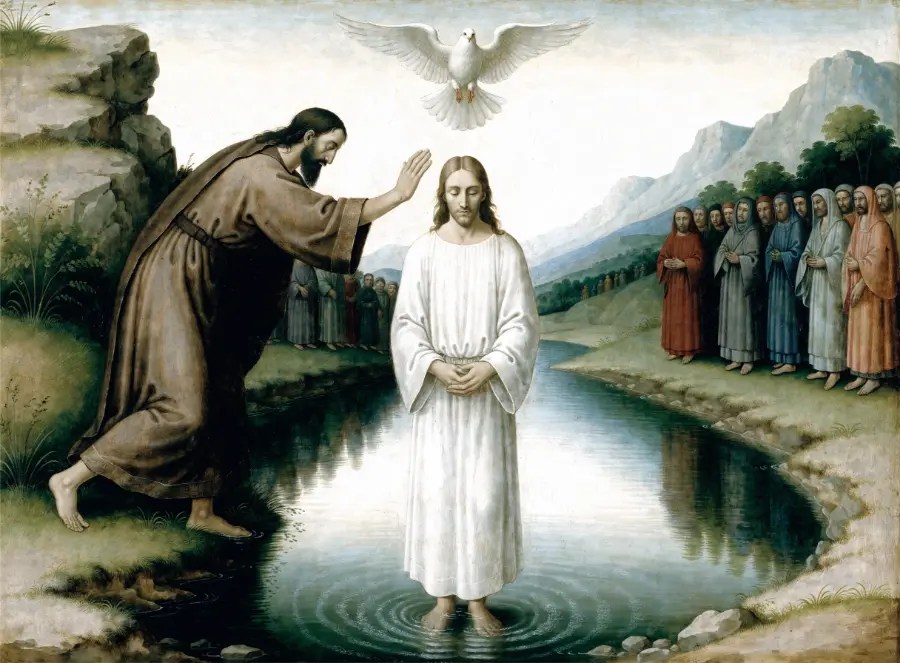
Éxodo 14:14
“El Señor peleará por ustedes; solo necesitan estar tranquilos.”
Reflexión: Moisés dice esto a la orilla del mar, mientras el ejército del Faraón se acerca y los israelitas se quejan de que habrían preferido quedarse como esclavos en Egipto. El versículo anterior les dice que “estén firmes” y vean la liberación que el Señor traerá. El siguiente versículo añade una orden de Dios a Moisés: “Di a los hijos de Israel que marchen”, y el mar más tarde se cierra sobre “todo el ejército del Faraón” (Éxodo 14:28).
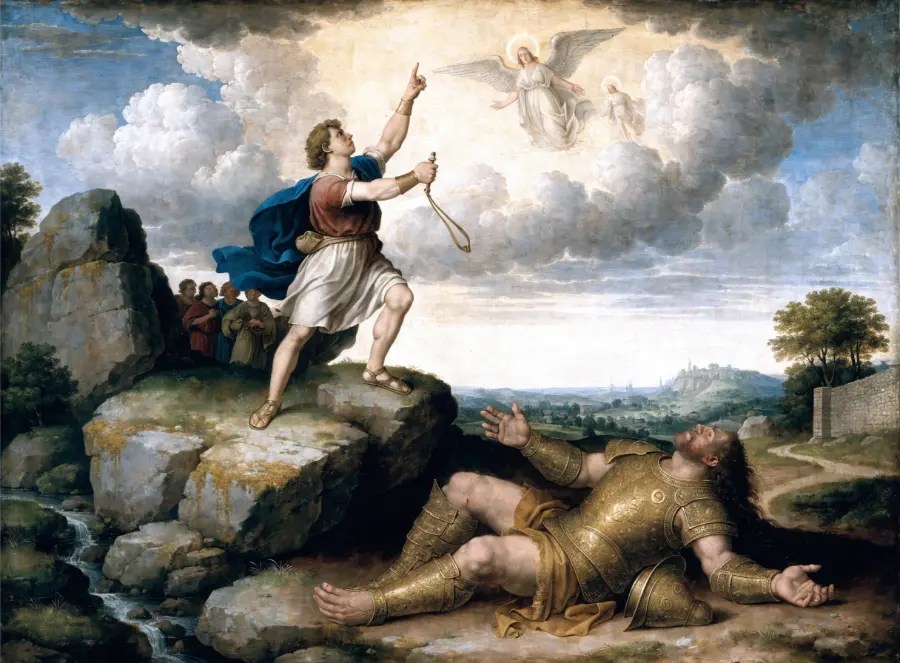
Deuteronomio 20:4
“Porque el SEÑOR tu Dios es quien va contigo para luchar por ti contra tus enemigos y darte la victoria.”
Reflexión: Estas son las palabras que un sacerdote debía decir al ejército de Israel justo antes de una batalla, bajo las leyes de guerra en Deuteronomio 20. El versículo 1 establece el escenario: un enemigo con “caballos y carros, un pueblo mayor que tú”. Después de que el sacerdote habla, los oficiales envían a casa a cualquier hombre que haya construido una casa nueva, plantado una viña o se haya comprometido, y a cualquiera que tenga miedo, “no sea que el corazón de sus hermanos desmaye como el corazón suyo” (Deuteronomio 20:8).

Deuteronomio 31:6
“Esfuérzate y sé valiente. No temas ni te intimides ante ellos, porque el SEÑOR tu Dios va contigo; nunca te dejará ni te abandonará”.
Reflexión: Moisés, ahora de ciento veinte años y a quien se le ha dicho que no cruzará el Jordán, habla a todo Israel antes de que crucen para tomar la tierra. Los “ellos” del versículo son las naciones que el Señor destruirá delante de Israel, como hizo con los reyes amorreos Sehón y Og. Moisés repite el encargo a Josué delante de todos (31:7-8), y Dios se lo da a Josué de nuevo en Josué 1:9: “Esfuérzate y sé valiente. No temas”.
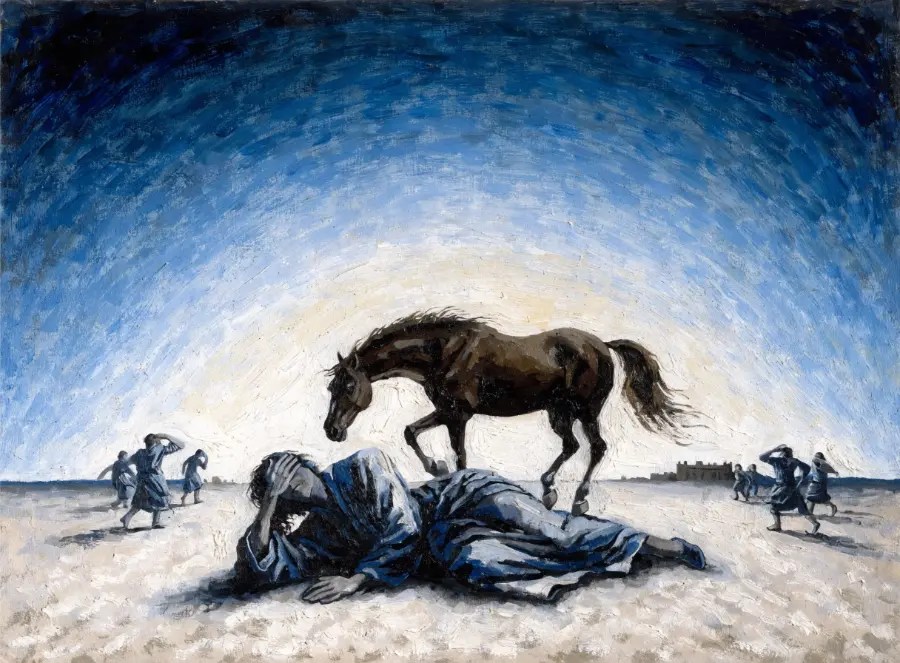
1 Samuel 17:47
“Y sabrá toda esta congregación que Jehová no salva con espada y con lanza; porque de Jehová es la batalla, y él os entregará en nuestras manos.”
Reflexión: David le dice esto a Goliat, quien ha salido contra él con espada, lanza y jabalina. Dice que los ejércitos que observan aprenderán que el Señor no salva “con espada ni con lanza”, y da la razón: la batalla es del Señor. El narrador registra entonces que David ganó con una honda y una piedra, “sin llevar espada en su mano” (1 Samuel 17:50).
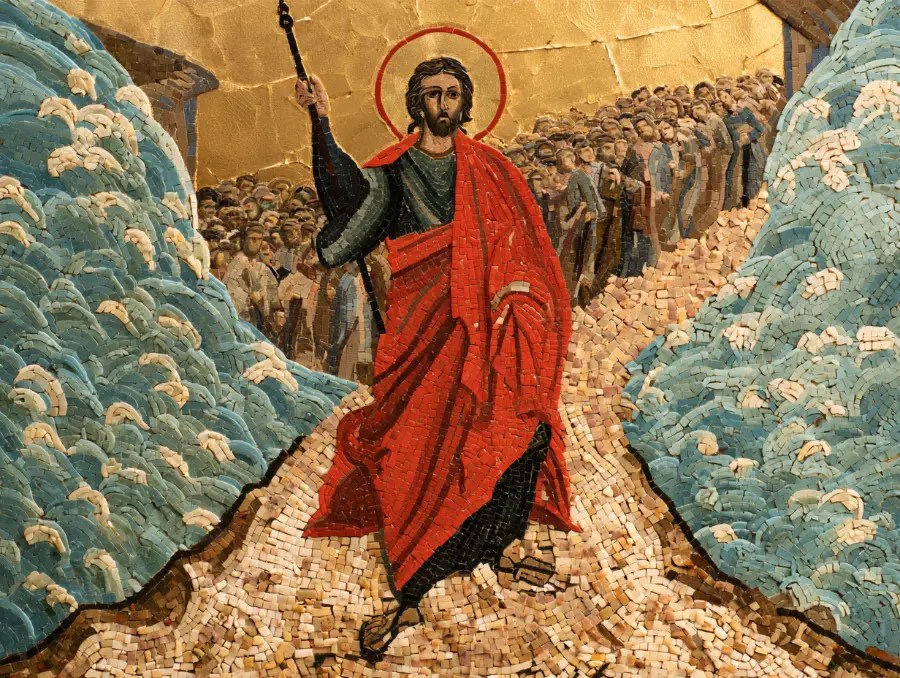
2 Crónicas 20:15
“No temáis ni os amedrentéis delante de esta multitud tan grande, porque no es vuestra la guerra, sino de Dios.”
Reflexión: Moabitas, amonitas y meunitas habían venido a hacer la guerra a Judá, y el rey Josafat proclamó ayuno y oró: “No sabemos qué hacer, y a ti volvemos nuestros ojos” (20:12). La respuesta llega a través de Jahaziel, un levita, quien dice al pueblo que “no habrá para qué peleéis vosotros en este caso” y, sin embargo, deben salir y tomar sus posiciones. Mientras los cantores al frente del ejército comenzaban a alabar, el Señor puso emboscadas contra los invasores (20:22).
El papel del soldado y el de Dios
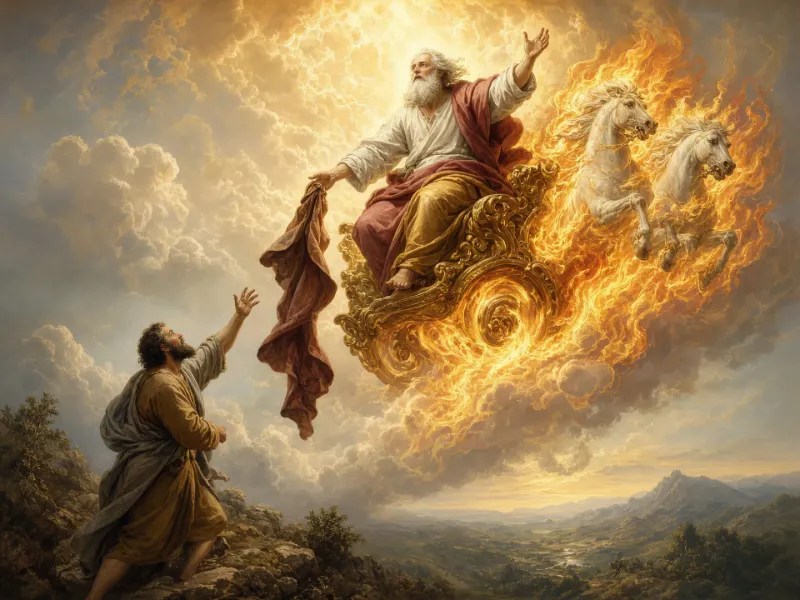
Psalm 144:1
“¡Bendito sea el SEÑOR, mi Roca, que adiestra mis manos para la guerra, mis dedos para la batalla!”
Reflexión: El que ora en este salmo es un guerrero, y agradece a Dios por entrenarlo: “mis manos a la batalla, mis dedos a la guerra”. Donde Éxodo 14:14 dice al pueblo que esté quieto, este salmo atribuye a Dios la habilidad del soldado. Más adelante en el salmo, Dios es quien “da la victoria a los reyes, que libra a su siervo David” de “la espada maligna” (144:10-11).
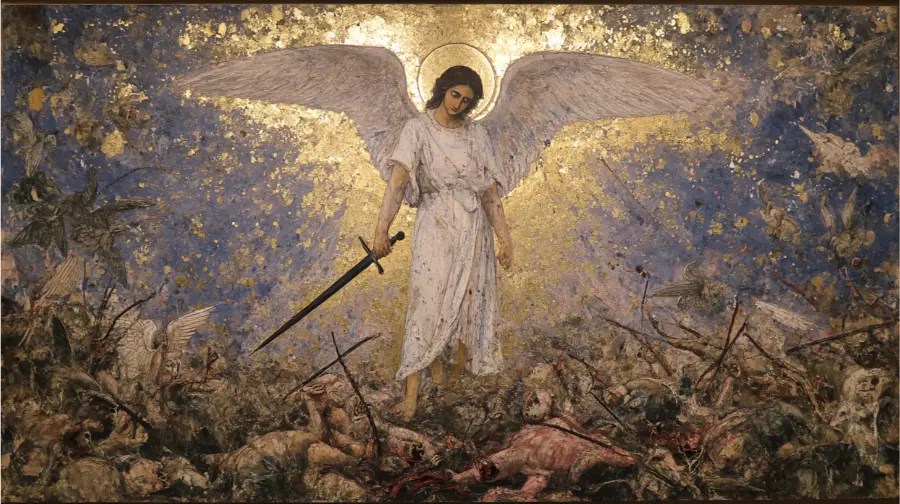
Proverbios 21:31
“El caballo se prepara para el día de la batalla, pero la victoria depende del SEÑOR.”
Reflexión: Ambas mitades del proverbio se mantienen: el caballo se alista, y la victoria depende del Señor. El versículo anterior hace una afirmación relacionada sobre los planes: “No hay sabiduría, ni inteligencia, ni consejo, contra Jehová” (21:30).
Cuando los enemigos atacan
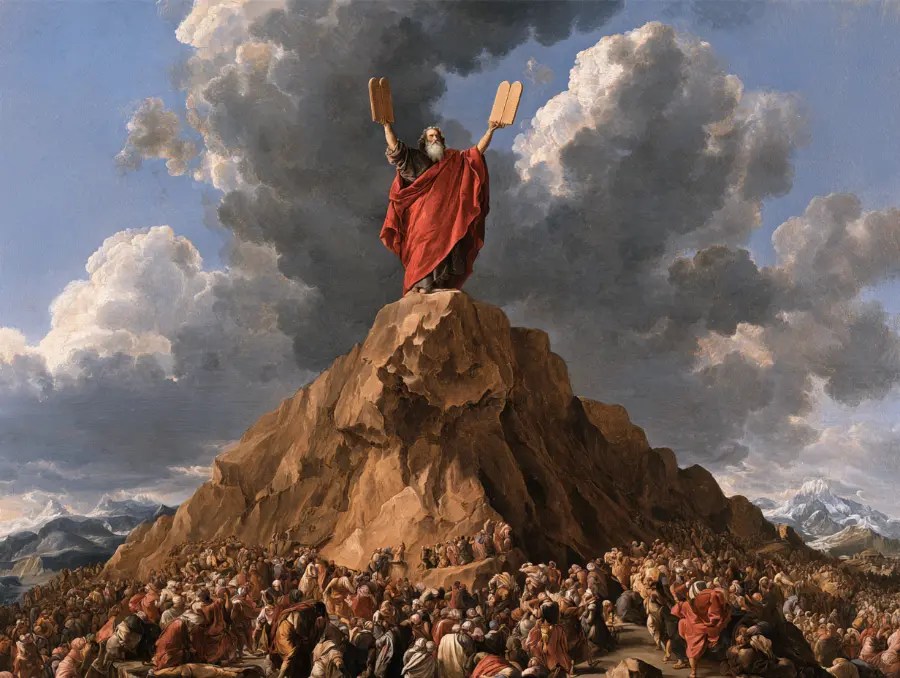
Salmo 27:1
“El SEÑOR es mi luz y mi salvación; ¿de quién temeré? El SEÑOR es la fortaleza de mi vida; ¿de quién he de atemorizarme?”
Reflexión: El salmo nombra el peligro dos versículos después: “Aunque un ejército acampe contra mí, no temerá mi corazón; aunque contra mí se levante guerra, yo estaré confiado”. El primer versículo responde a cada miedo con un título para el Señor: luz, salvación y fortaleza. No se describe ninguna batalla, y el salmo termina diciendo al lector que “espera a Jehová” (27:14).
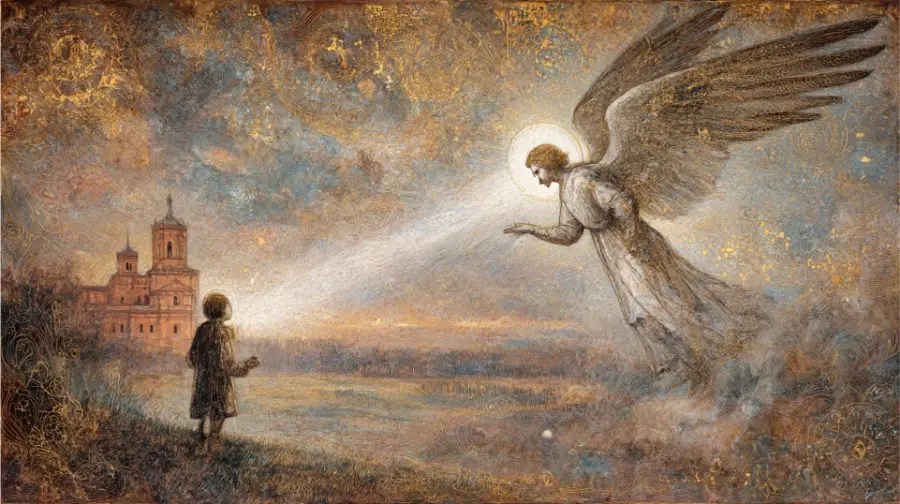
Salmo 46:1
“Dios es nuestro amparo y fortaleza, nuestro pronto auxilio en las tribulaciones.”
Reflexión: El salmo pasa del desastre natural, la tierra cediendo y las montañas cayendo al mar, a las naciones en tumulto, y luego a Dios terminando la guerra misma: “Que hace cesar las guerras hasta los fines de la tierra. Que quiebra el arco, y corta la lanza” (46:9). La línea “Estad quietos, y conoced que yo soy Dios” viene en el siguiente versículo, después de que las armas son destruidas.
Isaías 41:10
“Así que no temas, porque yo estoy contigo; no te angusties, porque yo soy tu Dios. Te fortaleceré y te ayudaré; te sostendré con mi diestra victoriosa.”
Reflexión: La promesa de fortalecer y sostener es seguida inmediatamente por lo que sucede a los oponentes de Israel: “Los que contra ti pelean, serán como nada” (41:12). La mano derecha regresa en el versículo 13, donde el Señor “toma tu mano derecha” y repite: “No temas; yo te ayudaré”.
Isaías 54:17
“ninguna arma forjada contra ti prosperará, y condenarás toda lengua que se levante contra ti en juicio. Esta es la herencia de los siervos de Jehová, y su salvación de mí vendrá, dijo Jehová.”
Reflexión: El versículo cierra una promesa que comienza en el versículo 14: “Si alguno conspirare contra ti, lo hará sin mí; el que contra ti conspirare, delante de ti caerá”. Antes de decir que ninguna arma prevalecerá, Dios dice que creó tanto al herrero que forja un arma como al “destructor para destruir” (54:16). La promesa cubre tanto las palabras como las armas, ya que toda lengua que se levante en juicio será condenada.
La lucha contra el mal en el Nuevo Testamento
Efesios 6:11
“Pónganse toda la armadura de Dios, para que puedan hacer frente a las artimañas del diablo.”
Reflexión: Cerca del final de la carta, Pablo describe el equipo de un soldado, del versículo 11 al 17: un cinturón de verdad, una coraza de justicia, pies calzados con “el evangelio de la paz”, el escudo de la fe, el casco de la salvación y la espada del Espíritu. El mandato en este versículo es vestirse de toda la armadura, para que el lector pueda “estar firme”; la palabra firme vuelve a aparecer tres veces más en los versículos 13 y 14. El enemigo que este versículo nombra es el diablo, con sus “asechanzas”.

Efesios 6:12
“Porque nuestra lucha no es contra sangre y carne, sino contra los gobernantes, contra las autoridades, contra los poderes de este mundo oscuro y contra las fuerzas espirituales del mal en los reinos celestiales.”
Reflexión: El versículo dice contra quién es la lucha y contra quién no lo es. “Sangre y carne” significa oponentes humanos; la lista que sigue, principados, potestades, gobernadores y huestes espirituales de maldad, se coloca “en las regiones celestes”. El siguiente versículo comienza con “Por tanto” y repite la orden de vestirse de toda la armadura de Dios, “para que podáis resistir en el día malo, y habiendo acabado todo, estar firmes”.
Ephesians 6:17
“Y tomad el yelmo de la salvación, y la espada del Espíritu, que es la palabra de Dios.”
Reflexión: De las piezas que Pablo enumera, la espada es la que se usa para atacar, y la llama “la palabra de Dios”. El siguiente versículo añade la oración, “orando en todo tiempo con toda oración y súplica”, sin convertirla en una pieza de armadura.
2 Corintios 10:3-4
“Pues aunque vivimos en el mundo, no libramos guerras como lo hace el mundo. Las armas con las que luchamos no son las armas del mundo. Por el contrario, tienen poder divino para demoler fortalezas”.
Reflexión: Pablo dice cuáles son las fortalezas en el siguiente versículo: “argumentos y toda altivez que se levanta contra el conocimiento de Dios”. La lucha en este pasaje es sobre lo que la gente piensa, y su objetivo es “llevar cautivo todo pensamiento a la obediencia a Cristo” (10:5).
Romans 7:23
“pero veo otra ley en mis miembros, que se rebela contra la ley de mi mente, y que me lleva cautivo a la ley del pecado que está en mis miembros.”
Reflexión: La guerra en este versículo tiene lugar dentro de una persona. Pablo se deleita en la ley de Dios “según el hombre interior” y encuentra otra ley trabajando en él luchando contra ella, hasta que exclama: “¡Miserable de mí! ¿quién me librará de este cuerpo de muerte?”. La respuesta sigue en el siguiente versículo: “¡Gracias doy a Dios, por Jesucristo Señor nuestro!”

Santiago 4:7
“Sométanse, pues, a Dios. Resistan al diablo, y él huirá de ustedes.”
Reflexión: Santiago abre el capítulo con una guerra diferente: “¿De dónde vienen las guerras y los pleitos entre vosotros? ¿No es de vuestras pasiones, las cuales combaten en vuestros miembros?” (4:1). Su respuesta a esas disputas es someterse a Dios, quien “da mayor gracia” (4:6), y resistir al diablo.
1 Pedro 5:8
“Sed sobrios, y velad; porque vuestro adversario el diablo, como león rugiente, anda alrededor buscando a quien devorar.”
Reflexión: Pedro describe al diablo como un león que busca a quién devorar, y en el versículo siguiente pide resistencia, “firmes en la fe”. La razón que da allí mira hacia afuera: “la misma clase de sufrimientos se va cumpliendo en vuestros hermanos en todo el mundo” (5:9).
La victoria y una batalla terminada
Romanos 8:37
“Antes, en todas estas cosas somos más que vencedores por medio de aquel que nos amó.”
Reflexión: La lista de peligros en el versículo 35 termina con “peligro o espada”, y Pablo cita entonces el Salmo 44:22: “Por causa de ti somos muertos todo el tiempo; somos contados como ovejas de matadero”. Él proclama la victoria “en todas estas cosas” y se la atribuye a “aquel que nos amó”.
2 Timoteo 4:7
“He peleado la buena batalla, he acabado la carrera, he guardado la fe.”
Reflexión: Pablo escribe esto esperando morir pronto: “Porque yo ya estoy para ser sacrificado, y el tiempo de mi partida está cercano” (4:6). En 1 Timoteo 6:12, la misma frase es un encargo a Timoteo: “Pelea la buena batalla de la fe”; aquí Pablo la usa para sí mismo. La lucha termina con “la corona de justicia”, que Pablo dice que también es para “todos los que aman su venida” (4:8).
Apocalipsis 12:11
“Ellos lo han vencido por medio de la sangre del Cordero y por la palabra del testimonio de ellos, y no amaron sus vidas tanto como para temer a la muerte”.
Reflexión: El versículo proviene de una visión de guerra en el cielo, en la que Miguel y sus ángeles luchan contra el dragón, “la serpiente antigua, que se llama diablo y Satanás”, y es arrojado a la tierra. Una gran voz dice entonces cómo los creyentes derrotan al mismo enemigo, llamado “el acusador de nuestros hermanos”: por la sangre del Cordero, por el testimonio de ellos y por no amar sus vidas.
Leer las batallas de Israel junto a las de Pablo
Éxodo 14, Deuteronomio 20 y 31, 1 Samuel 17 y 2 Crónicas 20 fueron pronunciados antes de batallas con ejércitos reales: en el Mar Rojo, antes del cruce del Jordán, contra Goliat y contra los invasores de Judá. Pablo usa el mismo lenguaje para algo distinto. Escribe que “aunque andamos en la carne, no militamos según la carne” (2 Corintios 10:3) y que “nuestra lucha no es contra sangre y carne” (Efesios 6:12).
El Salmo 27 pasa de la confianza a la oración en el versículo 7: “Oye, oh Jehová, mi voz con que a ti clamo”, y el Salmo 144 pasa de la alabanza en el versículo 1 a una oración de rescate “de la espada destructora” (144:11); ambos están en primera persona y pueden ser orados tal como están escritos. El Salmo 46 habla por toda una comunidad: “Jehová de los ejércitos está con nosotros”.


Deja una respuesta