
 Italian
  English
  Chinese
  Dutch
Dutch  Arabic
  Spanish
  Portuguese
  Russian
  French
  German
  Japanese
 Category 1: The Abundant and Everlasting Nature of God’s Mercy
This group of verses explores mercy not as a fleeting action, but as a core, inexhaustible part of God’s very character.
Lamentazioni 3:22-23
“È una grazia del Signore che non siamo stati completamente distrutti, perché le sue compassioni non sono esaurite. Si rinnovano ogni mattina; grande è la tua fedeltà.”
Riflessione: This verse is a lifeline for the soul caught in a cycle of despair or self-condemnation. It speaks to the profound human need for a clean slate, a chance to breathe anew. To know that mercy isn’t a finite resource we can deplete, but a fresh, living reality available each day, meets our deepest anxieties about ‘being too far gone.’ It reframes our mornings not as a continuation of yesterday’s failures, but as a new invitation into a relationship of resilient grace.

Exodus 34:6-7
“The Lord, the Lord, the compassionate and gracious God, slow to anger, abounding in love and faithfulness, maintaining love to thousands, and forgiving wickedness, rebellion and sin.”
Riflessione: This is one of the most profound self-disclosures of God in scripture. It anchors our understanding of His identity. The repetition of “The Lord” emphasizes the weight of what follows. He leads not with power or justice, but with compassion and graciousness. This shapes our entire attachment to Him; we are loved by a being whose primary disposition towards us is tender, patient, and overflowing with a desire to forgive and restore.

Efesini 2:4-5
“Ma Dio, che è ricco in misericordia, per il grande amore con cui ci ha amati, anche quando eravamo morti nei peccati, ci ha vivificati con Cristo (è per grazia che siete stati salvati).”
Riflessione: This passage beautifully connects mercy to love and life. It addresses the inner state of feeling ‘dead’—whether from shame, apathy, or hopelessness. Mercy isn’t just a pardon; it is a creative, life-giving force. The richness of His mercy isn’t just a quantity; it’s a potency that can reach into the deepest places of our brokenness and bring forth vitality, connection, and purpose where we felt none existed.

Salmo 136:1
“Give thanks to the Lord, for he is good. His mercy endures forever.”
Riflessione: The repetitive nature of this refrain throughout Psalm 136 acts as a powerful therapeutic and spiritual affirmation. It is meant to be drilled into our consciousness. In moments of doubt, when our feelings tell us we are abandoned or unforgivable, this truth acts as an anchor. It bypasses our fluctuating emotional states and declares a foundational reality: God’s mercy is not a mood, it is an eternal, unwavering constant.
Salmo 103:8
“Il Signore è misericordioso e pietoso, lento all'ira e grande nell'amore.”
Riflessione: This verse offers a portrait of a secure and safe divine presence. For anyone who has experienced caregivers who were quick to anger or emotionally volatile, this description is profoundly healing. It tells us that God’s emotional posture towards us is one of safety. His compassion creates a space where we can bring our fears, failures, and vulnerability without the terror of a harsh or impulsive reaction.

Psalm 145:8-9
“Il Signore è misericordioso e pietoso, lento all'ira e grande nell'amore. Il Signore è buono verso tutti, la sua tenerezza si espande su tutte le creature.”
Riflessione: This expands our emotional and moral imagination. Mercy isn’t just for a select few or for those who ‘get it right.’ It is a universal principle flowing from the Creator to all of creation. This challenges our tendencies toward tribalism and judgment, inviting us to see every person as a recipient of God’s compassionate gaze. It fosters a sense of shared dignity and grounds our ability to feel empathy for others.
Category 2: Mercy as Forgiveness and Redemption
These verses highlight mercy’s function in wiping away sin, guilt, and shame, offering a path to restoration and a renewed conscience.

Michea 7:18-19
“Chi è un Dio come te, che perdona l'iniquità e passa sopra la trasgressione del resto della sua eredità? Egli non serba l'ira per sempre, perché si compiace di usare misericordia. Egli avrà di nuovo compassione di noi, calpesterà le nostre iniquità e getterà tutti i nostri peccati nelle profondità del mare.”
Riflessione: The imagery here is intensely therapeutic for a conscience burdened by guilt. It’s not just forgiveness, it’s obliteration. The act of ‘treading sins underfoot’ and ‘hurling them into the sea’ provides a powerful, concrete metaphor for letting go. It counters the obsessive, ruminating mind that wants to constantly revisit past failures. It gives us permission to believe that what is forgiven is truly gone, allowing for genuine psychological and spiritual peace.

Salmo 51:1
“Abbi pietà di me, o Dio, secondo la tua bontà; nella tua grande compassione cancella i miei misfatti.”
Riflessione: This is the cry of a heart that is utterly broken and aware of its deep wrongdoing. There are no excuses, no rationalizations—only a raw appeal to mercy. It teaches us the healthiest response to our own moral failure: not denial or despair, but a vulnerable turning towards the one source of compassion that can truly cleanse us. This posture of honest need is the very thing that opens the door to healing and restoration of the self.
Tito 3:5
“He saved us, not because of righteous things we had done, but because of his mercy.”
Riflessione: This verse directly confronts the exhausting and anxious human project of trying to earn love and acceptance through performance. It deconstructs the toxic belief that our worth is based on our righteousness. To internalize this truth is to find a profound rest for the soul. It means our core identity is secure, not in the shifting sands of our efforts, but in the bedrock of His merciful character. This is the foundation of genuine self-worth.
1 Pietro 1:3
“Benedetto sia il Dio e Padre del nostro Signore Gesù Cristo, che nella sua grande misericordia ci ha fatti rinascere a una speranza viva mediante la risurrezione di Gesù Cristo dai morti.”
Riflessione: Mercy isn’t just about subtracting a negative (sin); it’s about adding a profound positive (new birth, living hope). This addresses the feeling of being stuck or defined by our past. The concept of ‘new birth’ is one of radical renewal—a chance to develop a new identity, a new life-narrative, that is not chained to former wounds or mistakes. It provides the hope that is essential for all forward movement and growth.

Daniel 9:9
“Al Signore, nostro Dio, appartengono la misericordia e il perdono, perché ci siamo ribellati contro di lui.”
Riflessione: This verse holds in tension two deep truths: our capacity for rebellion and God’s capacity for mercy. It validates the reality of our destructive choices while simultaneously declaring they are not the final word. For the person trapped in shame, this is crucial. It acknowledges the wrong without condemning the person, creating a space where one can own their failure and still turn toward a future defined by forgiveness rather than rebellion.

Ebrei 4:16
“Accostiamoci dunque con piena fiducia al trono della grazia, per ricevere misericordia e trovare grazia ed essere soccorsi al momento opportuno.”
Riflessione: This verse reframes our inner posture toward God. Many of us, due to life experiences, instinctively approach authority with fear and hesitation. This verse transforms that image from a throne of judgment to a “throne of grace.” It encourages a bold, confident vulnerability. The invitation to ‘approach with confidence’ is a powerful antidote to shame and fear, assuring us that what we will find in our moment of need is not condemnation, but mercy and help.
Category 3: Mercy as Compassion in Our Suffering
This set of verses shows mercy as God’s tender response to our pain, weakness, and human frailty, offering comfort and solidarity.
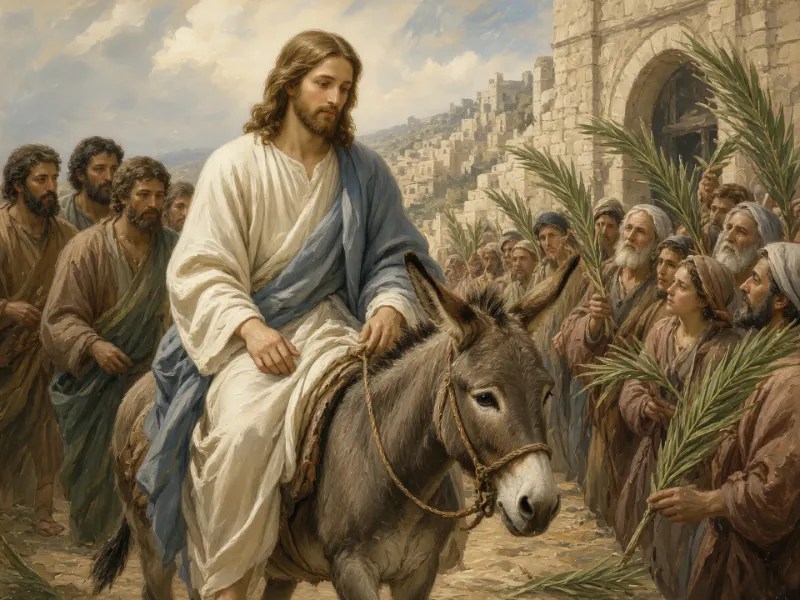
2 Corinzi 1:3-4
“Benedetto sia Dio, Padre del Signore nostro Gesù Cristo, Padre misericordioso e Dio di ogni consolazione, il quale ci consola in ogni nostra tribolazione, affinché possiamo consolare quelli che si trovano in qualsiasi genere di afflizione con la consolazione con cui siamo noi stessi consolati da Dio.”
Riflessione: This passage presents a beautiful, virtuous cycle of compassion. God’s comfort is not a dead-end street; it is meant to flow through us to others. This gives our suffering a potential for meaning. It addresses the feeling of isolation in pain by connecting our experience to a larger community of care. To receive comfort and then to become a source of comfort for another is one of the most profound ways we heal and integrate our own painful experiences.

Salmo 103:13-14
“Come un padre ha compassione dei suoi figli, così il Signore ha compassione di quelli che lo temono; perché egli sa di che siamo formati, egli ricorda che siamo polvere.”
Riflessione: This is a verse of profound empathy. It tells us that God’s mercy is rooted in His intimate understanding of our fragility. He isn’t surprised or disappointed by our limitations; He built them into our design. This can radically reduce our own harsh self-judgment. To know that the Creator sees our ‘dust-ness’ not as a flaw but as our fundamental nature, and responds with paternal compassion, allows us to be more gentle and accepting with ourselves.
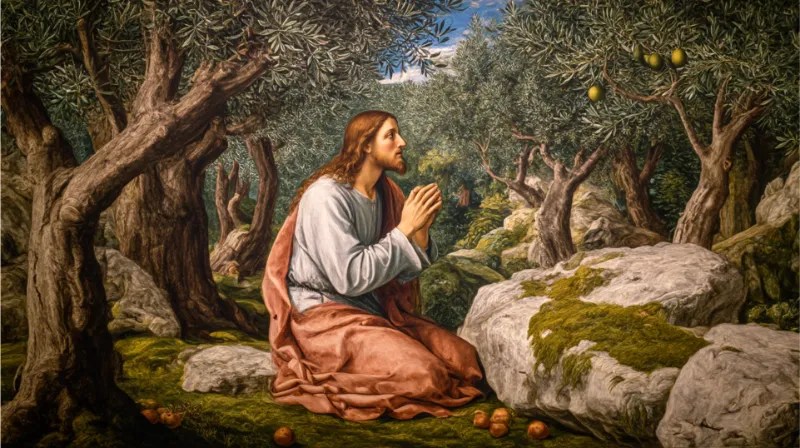
Isaia 54:10
“‘Anche se i monti si allontanassero e i colli fossero rimossi, il mio amore non si allontanerà da te, né il mio patto di pace sarà rimosso’, dice il Signore, che ha compassione di te.”
Riflessione: This verse speaks directly to the experience of a life turned upside down by chaos and trauma. When the very foundations of our world feel like they are crumbling, we crave an anchor. This passage offers an emotional and spiritual anchor of ultimate stability. God’s compassionate love is presented as more permanent than the mountains. Clinging to this truth can provide a sense of profound security and peace in the midst of life’s most terrifying storms.

Salmo 23,6
“Surely your goodness and mercy shall follow me all the days of my life, and I will dwell in the house of the Lord forever.”
Riflessione: Many people feel pursued by anxiety, failure, or a sense of dread. This verse beautifully reframes that feeling of being ‘followed.’ It replaces the menacing shadow with two benevolent companions: goodness and mercy. This is not a passive state, but an active, persistent pursuit Fornendo grace. To internalize this is to walk through life with a deep sense of being accompanied, cared for, and benevolently guided toward a place of ultimate belonging.

Isaiah 49:13
“Shout for joy, you heavens; rejoice, you earth; burst into song, you mountains! For the Lord comforts his people and will have compassion on his afflicted ones.”
Riflessione: This verse connects God’s compassion directly to the experience of affliction and the emotional response of joy. It suggests that the deepest joy isn’t found in the absence of trouble, but in the experience of being met with compassion all'interno our trouble. The comfort of God is presented as such a powerful, world-altering event that all of creation should celebrate it. It validates the pain of the afflicted and gives them a central place in the cosmic story of joy.

Salmo 86:15
“Ma tu, Signore, sei un Dio misericordioso e pietoso, lento all'ira e grande nell'amore e nella fedeltà.”
Riflessione: The simple, direct address—”But you, Lord”—is deeply personal. It’s often prayed from a place of distress, contrasting the chaos of one’s circumstances with the steady character of God. It is an act of re-centering the self. In the face of betrayal, anxiety, or pain, this verse is a deliberate choice to focus on the reliable, compassionate nature of God. It is a declaration of trust that calms the heart and reorients the mind toward hope.
Category 4: Receiving and Extending Mercy
This final group shows that mercy is not just a gift to be received, but a quality to be cultivated and extended to others, creating a cycle of grace.

Matteo 5:7
“Beati i misericordiosi, perché troveranno misericordia.”
Riflessione: Here we see the beautiful, sacred loop of mercy. To be merciful is to participate in the very character of God, which in turn sensitizes our own hearts to receive the mercy we so desperately need. It suggests that a hardened, unmerciful heart becomes emotionally and spiritually calloused, unable to feel the gentle touch of divine compassion. By extending mercy, we keep our own souls tender and open, creating the very conditions in which we can experience the blessing of being held mercifully ourselves.

Luca 6:36
“Siate misericordiosi, come è misericordioso il Padre vostro.”
Riflessione: This is a simple but profound command for moral and emotional formation. We are called to model our interior life and our behavior on the ultimate standard of compassion. This isn’t a call to a weak or permissive attitude, but to a strong, intentional empathy that mirrors the divine. It challenges us to look at every person—especially those who have wronged us—not just through the lens of their actions, but through the compassionate lens of our Heavenly Father.

Giacomo 2:13
“…because judgment without mercy will be shown to anyone who has not been merciful. Mercy triumphs over judgment!”
Riflessione: This presents a stark choice between two dispositions of the heart: one oriented toward judgment, the other toward mercy. A life dominated by judgment—of self and others—is emotionally constricting and breeds fear. The declaration that “mercy triumphs over judgment” is a liberating rally cry. It suggests that in the final analysis of our lives and relationships, compassion is a more powerful, more healing, and more divine force than condemnation.

Proverbi 28:13
“Chi copre le sue trasgressioni non prospererà, ma chi le confessa e le abbandona otterrà misericordia.”
Riflessione: This verse reveals the deep psychological truth that concealment and secrecy are toxic to the soul. Hiding our faults creates a heavy, isolating burden. The path to flourishing (‘prospering’) and finding mercy requires the courage of confession and the integrity of turning away (‘renouncing’). This is the foundation of authentic living. Mercy isn’t found in pretending we are perfect, but in having the courage to be honest about our imperfections.
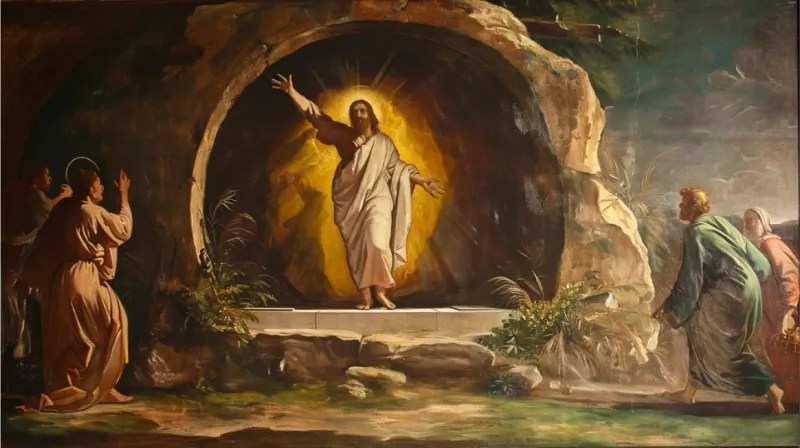
Colossesi 3:12-13
“Therefore, as God’s chosen people, holy and dearly loved, clothe yourselves with compassion, kindness, humility, gentleness and patience. Bear with each other and forgive one another… Forgive as the Lord forgave you.”
Riflessione: This passage frames mercy as a deliberate choice, an action. We are to “clothe” ourselves with compassion. This is a beautiful metaphor for our daily intention. Just as we choose our clothes, we can choose our emotional and relational posture. It begins with an affirmation of our core identity—chosen, holy, and loved. It is out of that secure sense of self that we find the capacity to be patient, to bear with others, and to offer the same forgiveness we have so gratefully received.

Giuda 1:21
“…keep yourselves in God’s love as you wait for the mercy of our Lord Jesus Christ to bring you to eternal life.”
Riflessione: This offers a beautiful picture of the lifelong dynamic of faith. Our job is to remain in the sphere of God’s love—like staying in the warmth of a fire. This isn’t a striving, but an active resting and remaining. As we do this, we wait with hopeful expectation for the ultimate expression of mercy: the final resolution of all things in eternal life. It blends our present responsibility with a future hope, providing both stability for today and a profound sense of purpose for tomorrow.

