
 Italian
 English
 Chinese
 Dutch
 Arabic
 Spanish
 Portuguese
 Russian
 French
 German
 Japanese
In the Bible, standing firm means holding one’s ground when fear, false teaching, persecution or the devil pushes a person to give way. Moses gives the command at the Red Sea (Exodus 14:13), Isaiah to King Ahaz (Isaiah 7:9), Paul to the churches (1 Corinthians 16:13), and Ephesians 6:13-14 to anyone putting on the armor of God.
Several passages also say who does the holding: “it is God who makes both us and you stand firm in Christ” (2 Corinthians 1:21). In six of the verses from Paul’s letters (1 Corinthians 16:13, Galatians 5:1, Philippians 1:27 and 4:1, 1 Thessalonians 3:8, 2 Thessalonians 2:15), “stand firm” translates the Greek verb stēkō, which Thayer’s lexicon defines as “to persist, persevere.” In Isaiah 7:9 the Hebrew plays on one verb, aman, used both for believing and for being made firm.
When God fights and his people stand
Esodo 14:13
“Moses answered the people, ‘Do not be afraid. Stand firm and you will see the deliverance the LORD will bring you today. The Egyptians you see today you will never see again.’”
Riflessione: With Pharaoh’s army marching after them, the Israelites have just told Moses, “It would have been better for us to serve the Egyptians than to die in the desert!” (14:12). Moses answers “Do not be afraid,” and the next verse gives the reason for standing still: “The LORD will fight for you; you need only to be still.” In verses 15-16 the LORD tells Moses, “Tell the Israelites to move on,” and to divide the sea so that they “can go through the sea on dry ground.”
2 Cronache 20:17
“Non dovrete combattere questa battaglia. Prendete posizione; state fermi e vedete la liberazione che il SIGNORE vi darà, Giuda e Gerusalemme. Non abbiate paura; non scoraggiatevi. Uscite ad affrontarli domani, e il SIGNORE sarà con voi.”
Riflessione: A Levite named Jahaziel, descended from Asaph, speaks these words by the Spirit of the LORD when a vast army is coming against King Jehoshaphat and Judah. The command is close to Moses’ at the Red Sea (Exodus 14:13), and so is the promise: “You will not have to fight this battle.” Judah goes out with singers at the head of the army, and verse 22 says that as they began to sing and praise, “the LORD set ambushes” against the invaders.
Isaia 7:9b
“If you do not stand firm in your faith, you will not stand at all.”
Riflessione: Isaiah carries this message to King Ahaz of Judah after the kings of Aram and Israel have joined forces against Jerusalem, when “the hearts of Ahaz and his people were shaken, as the trees of the forest are shaken by the wind” (7:2). The LORD says their plan “will not take place.” The closing line plays on the Hebrew verb aman, used for believing and for being made firm, and the lexicon renders it “if ye believe not (have not firm confidence) ye will not be confirmed.” Jehoshaphat uses the same pair in 2 Chronicles 20:20: “Have faith in the LORD your God and you will be upheld.”
Holding to the faith Paul taught

1 Corinzi 16:13
"Vegliate, state saldi nella fede, comportatevi da uomini, siate forti."
Riflessione: Near the end of 1 Corinthians, after travel plans for Timothy and Apollos, Paul gives four short commands together, and verse 14 adds a fifth: “Do everything in love.” The verb for stand firm is stēkō, and the ground named is “the faith.”
1 Corinzi 15:58
“Perciò, fratelli miei carissimi, state saldi, incrollabili, sempre abbondanti nell'opera del Signore, sapendo che la vostra fatica non è vana nel Signore.”
Riflessione: The “therefore” closes Paul’s teaching on the resurrection of the dead in 1 Corinthians 15. Just before it he quotes “Death has been swallowed up in victory” and thanks God, who “gives us the victory through our Lord Jesus Christ” (15:54, 57). The reason Paul gives for standing firm and working is that labor “in the Lord is not in vain.”
Colossesi 1:23
“…if you continue in your faith, established and firm, and do not move from the hope held out in the gospel. This is the gospel that you heard and that has been proclaimed to every creature under heaven, and of which I, Paul, have become a servant.”
Riflessione: The sentence starts in verse 22, which says the Colossians have been reconciled “by Christ’s physical body through death to present you holy in his sight.” Verse 23 adds the condition, “if you continue in your faith, established and firm,” and names what they are not to move from: “the hope held out in the gospel.” Paul ends by calling himself a servant of that gospel.
2 Tessalonicesi 2:15
“So then, brothers and sisters, stand firm and hold fast to the teachings we passed on to you, whether by word of mouth or by letter.”
Riflessione: Earlier in the chapter Paul warns the church not to be “unsettled or alarmed” by teaching “allegedly from us—whether by a prophecy or by word of mouth or by letter—asserting that the day of the Lord has already come” (2:2). Verse 15 names the same channels, word of mouth and letter, for the teaching they are to hold. Standing firm here means keeping what Paul and his companions taught against a claim made in their name.
Galati 5:1
“È per la libertà che Cristo ci ha resi liberi. State dunque saldi e non lasciatevi sottoporre di nuovo al giogo della schiavitù.”
Riflessione: The yoke is named in the verses that follow: letting oneself be circumcised in order to be “justified by the law,” which Paul says would make Christ “of no value to you at all” (5:2-4). Paul has already asked the Galatians, who were formerly slaves to “those who by nature are not gods,” whether they wish “to be enslaved by them all over again” (4:8-9). Verse 6 says what counts instead: “faith expressing itself through love.”
A church standing together
Filippesi 1:27
“Qualunque cosa accada, comportatevi in modo degno del vangelo di Cristo. Allora, sia che io venga a vedervi o che senta parlare di voi in mia assenza, saprò che state saldi in un solo Spirito, lottando insieme come uno solo per la fede del vangelo.”
Riflessione: Paul expects to hear of it “whether I come and see you or only hear about you in my absence.” The standing is done together, “in the one Spirit, striving together as one for the faith of the gospel,” and “without being frightened in any way by those who oppose you” (1:28). Verse 29 says suffering for Christ “has been granted to you,” and verse 30 calls it “the same struggle you saw I had.”

Filippesi 4:1
“Perciò, fratelli miei cari e desideratissimi, mia gioia e mia corona, state saldi nel Signore in questo modo, carissimi!”
Riflessione: Paul calls the Philippians “you whom I love and long for, my joy and crown” before giving the command. The next verse names two women, Euodia and Syntyche, and pleads with them “to be of the same mind in the Lord.” Both had “contended at my side in the cause of the gospel,” and Paul asks a “true companion” to help them.
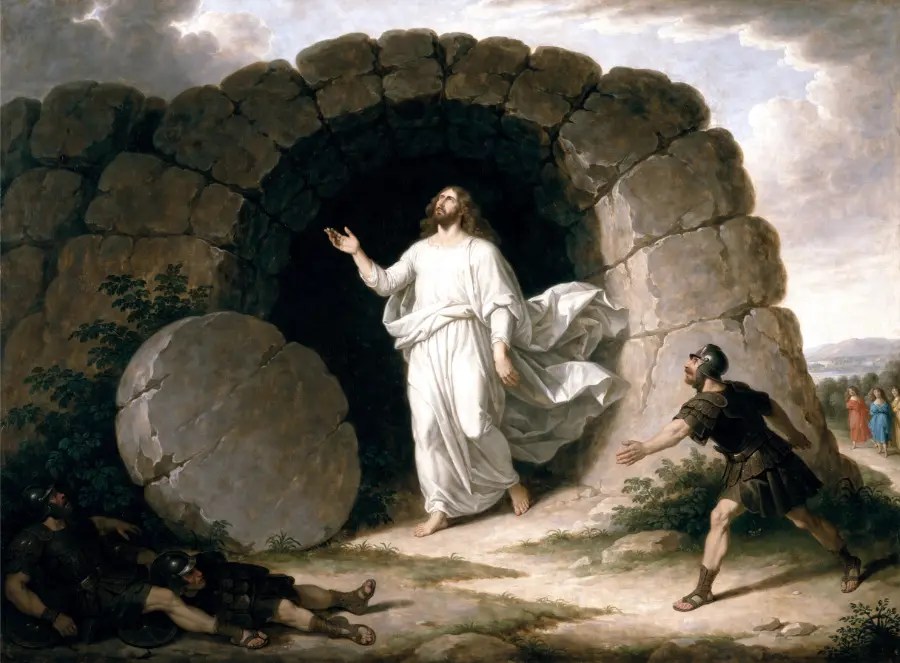
1 Tessalonicesi 3:8
“For now we really live, since you are standing firm in the Lord.”
Riflessione: Paul had sent Timothy from Athens to strengthen the Thessalonians “so that no one would be unsettled by these trials,” because he was afraid “the tempter had tempted you” (3:2-5). Timothy came back with good news of their faith and love. Paul says their standing firm in the Lord is what makes him “really live,” in the middle of “all our distress and persecution.”
Ebrei 10:23
“Manteniamo senza vacillare la professione della nostra speranza, perché fedele è colui che ha promesso.”
Riflessione: The writer urges the congregation to hold on to its hope because God keeps his promise. Verses 24 and 25 turn to what the believers can do for each other: keep meeting together and encourage one another in love and good deeds.
Resistere al diavolo
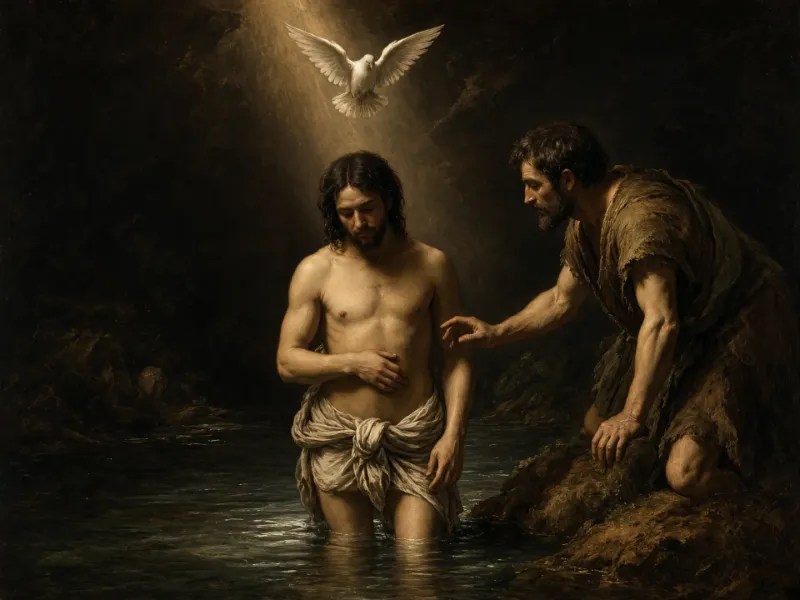
Efesini 6:13
"Perciò prendete l'armatura di Dio, affinché possiate resistere nel giorno malvagio e restare saldi dopo aver compiuto tutto il vostro dovere."
Riflessione: The command repeats verse 11, “Put on the full armor of God, so that you can take your stand against the devil’s schemes,” after verse 12 names the opponents as “the spiritual forces of evil in the heavenly realms.” It adds a time, “when the day of evil comes,” and an end point: “after you have done everything, to stand.”
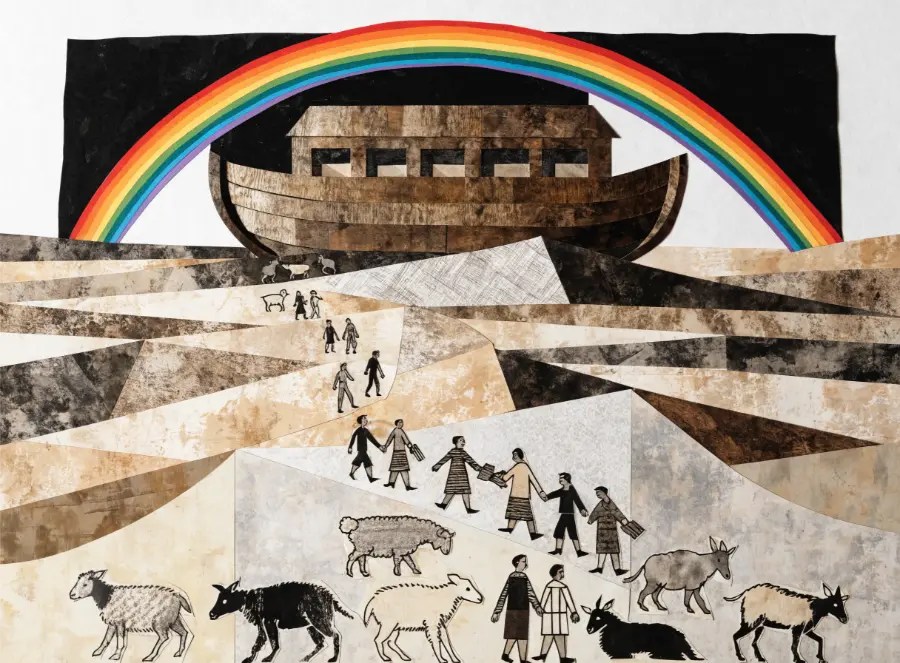
Efesini 6:14
“State dunque saldi, con le reni cinte di verità cintate, con la corazza della giustizia al suo posto,”
Riflessione: The armor is listed under the command to stand firm: the belt of truth, the breastplate of righteousness, feet fitted with “the readiness that comes from the gospel of peace,” then the shield of faith, the helmet of salvation and “the sword of the Spirit, which is the word of God” (6:14-17). The passage opens in verse 10 with where the strength comes from: “be strong in the Lord and in his mighty power.”

1 Pietro 5:8-9
“Siate sobri, vegliate; il vostro avversario, il diavolo, va attorno come un leone ruggente cercando chi possa divorare. Resistetegli stando fermi nella fede, sapendo che le medesime sofferenze sono imposte ai vostri fratelli sparsi per il mondo.”
Riflessione: Peter describes the devil as “a roaring lion looking for someone to devour,” and the response he asks for is resistance while “standing firm in the faith.” The reason given is that “the family of believers throughout the world is undergoing the same kind of sufferings.” In verse 10 the firmness becomes God’s work: after “a little while,” the God of all grace “will himself restore you and make you strong, firm and steadfast.”
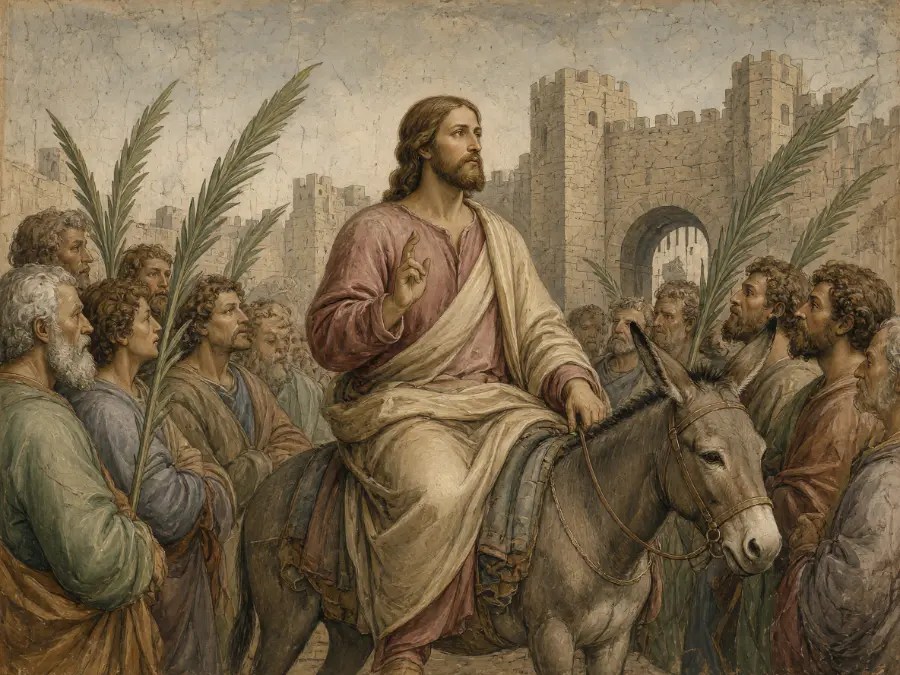
Giacomo 4:7
“Sottomettetevi dunque a Dio. Resistete al diavolo, ed egli fuggirà da voi.”
Riflessione: James has just told his readers that God “shows favor to the humble” (verse 6). He pairs submission to God with resistance to the devil. Verse 8 follows the promise that the devil will flee with a promise that God will come near to those who come near to him.
Holding on under trial and persecution
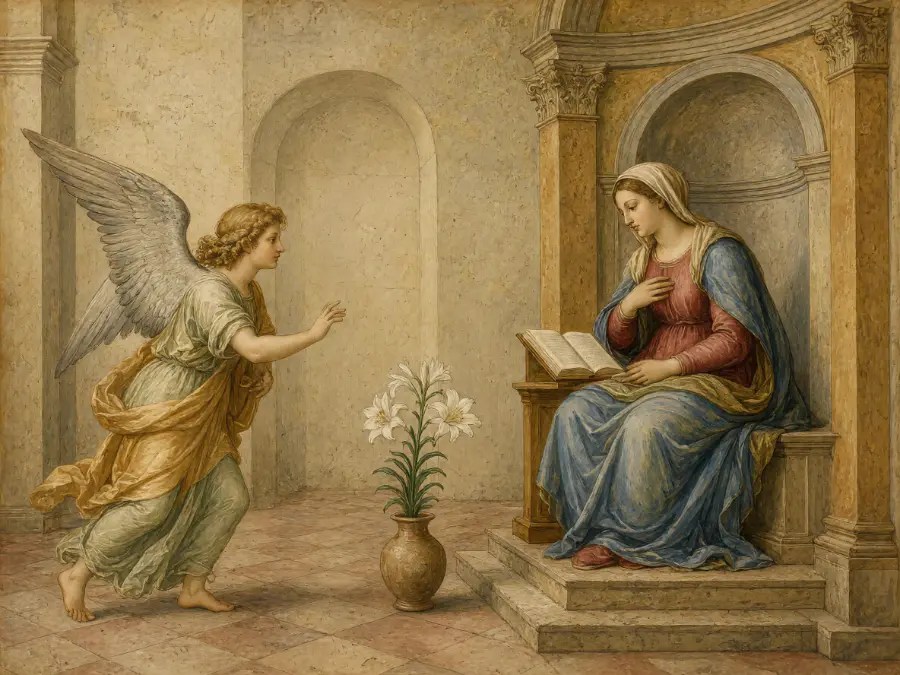
Luca 21:19
“Con la vostra perseveranza salverete la vostra vita.”
Riflessione: The disciples have been admiring the temple, and Jesus has told them that “not one stone will be left on another” (21:6). Before the wars and signs he describes, they will be arrested, put in prison and betrayed “even by parents, brothers and sisters, relatives and friends.” Verse 16 says “they will put some of you to death,” and verse 18 says “not a hair of your head will perish,” just before the command. In Mark’s account the line reads, “the one who stands firm to the end will be saved” (Mark 13:13).
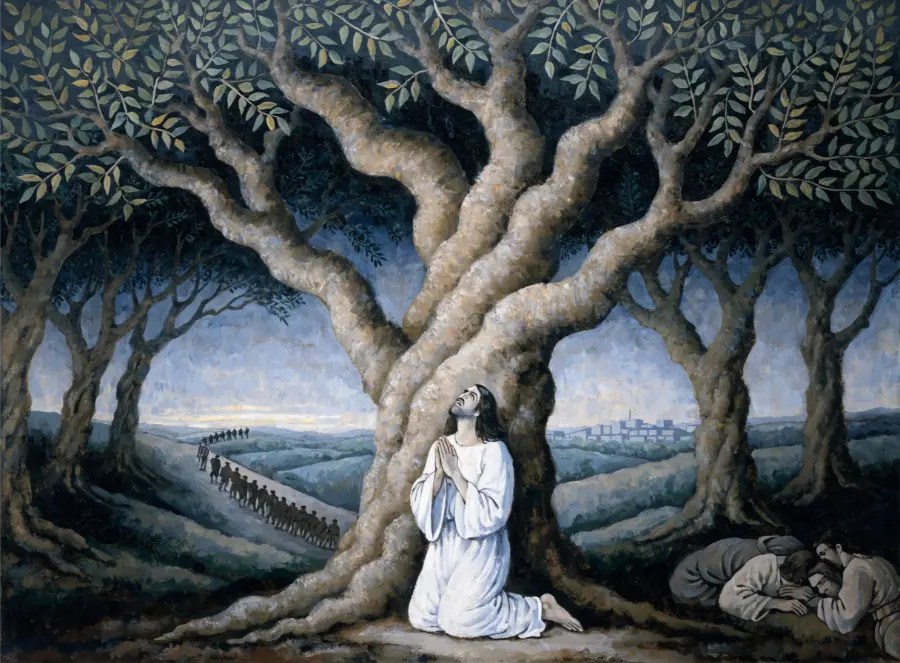
Giacomo 1:12
“Beato l'uomo che sopporta la prova; perché, dopo essere stato approvato, riceverà la corona della vita, che il Signore ha promessa a quelli che lo amano.”
Riflessione: The letter of James opens with trials, saying “the testing of your faith produces perseverance” (1:3). Verse 6 describes someone who asks God for wisdom and doubts, “like a wave of the sea, blown and tossed by the wind.” The one who has “stood the test” receives “the crown of life,” promised “to those who love him.”
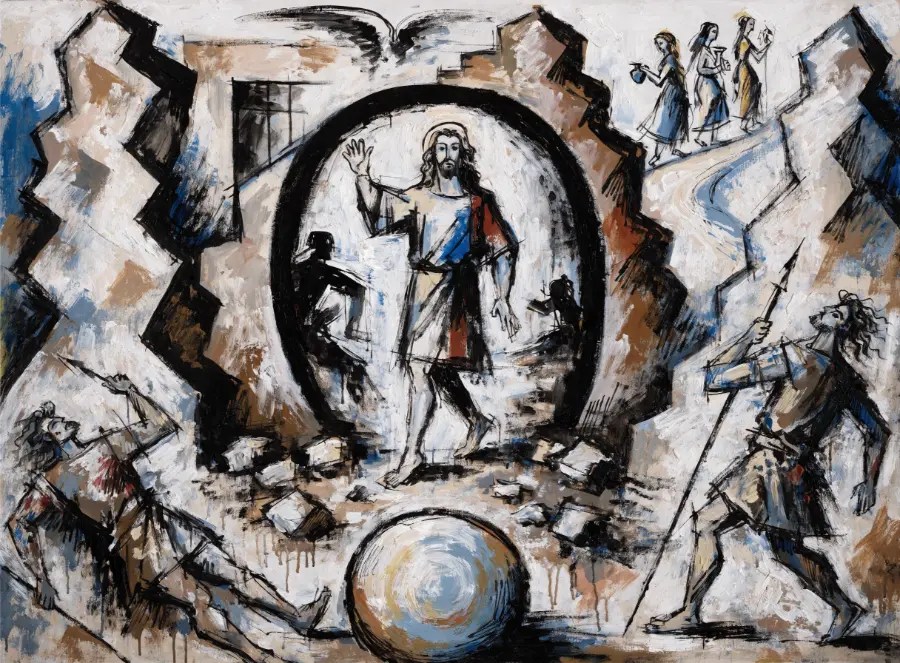
Ebrei 12:1
“Perciò, anche noi, poiché siamo circondati da una così grande schiera di testimoni, deponiamo ogni peso e il peccato che così facilmente ci avvolge, e corriamo con perseveranza la gara che ci è proposta,”
Riflessione: The writer compares perseverance to running a race and names sin as something that can trip a runner. Verse 2 directs the runners’ attention to Jesus, who endured the cross. Verse 3 tells them to consider the opposition he endured when they are in danger of losing heart.
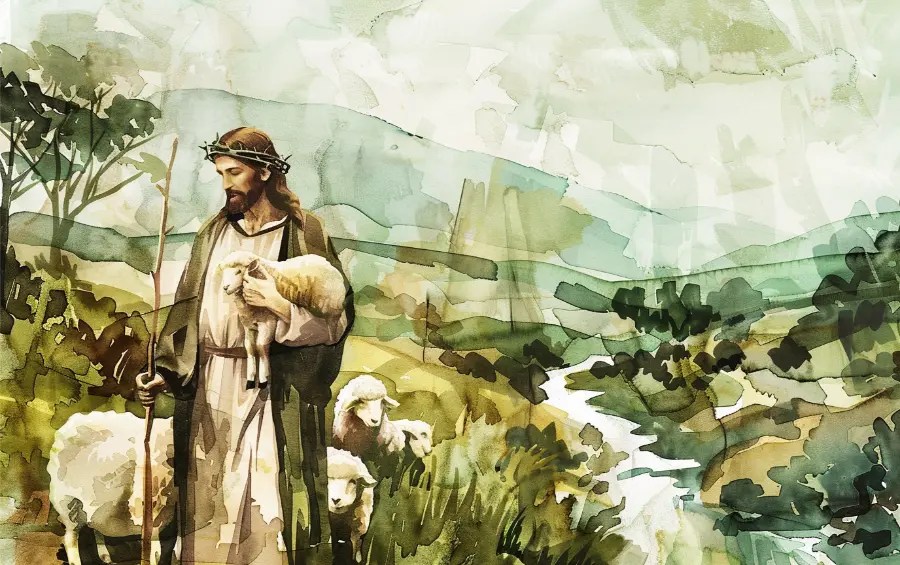
Apocalisse 2:10
“Non temere ciò che stai per soffrire. Ecco, il diavolo sta per gettare alcuni di voi in prigione, per mettervi alla prova, e avrete una tribolazione per dieci giorni. Sii fedele fino alla morte e io ti darò la corona della vita.”
Riflessione: The risen Christ, “who died and came to life again” (2:8), addresses the church in Smyrna, which already knows affliction, poverty and slander. He tells them the devil will put some of them in prison and that they “will suffer persecution for ten days.” Verse 11 adds that the one who is victorious “will not be hurt at all by the second death.”
What keeps a person standing

Salmi 112:7-8
“They will have no fear of bad news; their hearts are steadfast, trusting in the LORD. Their hearts are secure, they will have no fear; in the end they will look in triumph on their foes.”
Riflessione: Psalm 112 describes “those who fear the LORD” (112:1) and says of them, “Surely the righteous will never be shaken” (112:6). Verses 7 and 8 describe the heart of such a person as “steadfast” and “secure,” and name what it rests on: “trusting in the LORD.” The same psalm describes this person as generous, one who lends freely and has “freely scattered their gifts to the poor” (112:9).
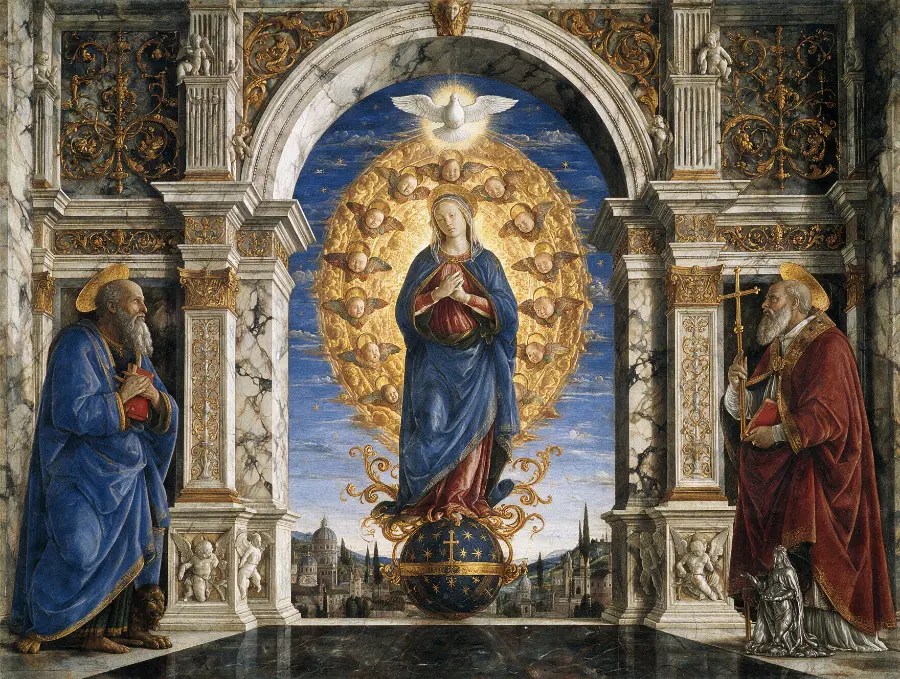
Matteo 7:24-25
“Perciò chiunque ascolta queste mie parole e le mette in pratica sarà paragonato a un uomo avveduto che ha costruito la sua casa sopra la roccia. La pioggia è caduta, sono venuti i torrenti, i venti hanno soffiato e hanno investito quella casa; essa però non è caduta, perché era fondata sulla roccia.”
Riflessione: Both builders in the parable face the same rain, streams and wind; the house on the rock stands, and the house of the one who hears and “does not put them into practice” falls “with a great crash” (7:26-27). The verses before it warn that not everyone who says “Lord, Lord” will enter the kingdom, “but only the one who does the will of my Father who is in heaven.” The parable ends the teaching after which, Matthew says, “the crowds were amazed at his teaching” (7:28).

2 Corinzi 1:21-22
“Ora colui che ci conferma insieme a voi in Cristo e ci ha unti è Dio, il quale ci ha anche segnati con il suo sigillo e ha dato la caparra dello Spirito nei nostri cuori, a garanzia di ciò che verrà.”
Riflessione: Paul is explaining why he did not return to Corinth (1:23), and he ties his own reliability to God’s: “as surely as God is faithful, our message to you is not ‘Yes’ and ‘No’” (1:18). He then names God as the one who makes “both us and you” stand firm, by anointing them, setting his seal of ownership on them and giving the Spirit “as a deposit.” Two verses later he says, “it is by faith you stand firm” (1:24).

1 Corinzi 10:12
“Perciò, chi pensa di stare in piedi, guardi di non cadere!”
Riflessione: The warning follows Paul’s list of Israel’s failures in the wilderness: idolatry, sexual immorality, testing Christ and grumbling (10:7-10). Those Israelites had “all passed through the sea” and eaten “the same spiritual food,” yet “God was not pleased with most of them.” Verse 13 pairs the warning with a promise: God “will not let you be tempted beyond what you can bear” and “will also provide a way out so that you can endure it.”
Asking for others to stand firm
Colossians 4:12 describes Epaphras, “one of you,” as “always wrestling in prayer for you, that you may stand firm in all the will of God, mature and fully assured.” Ephesians 6:18 ends the armor passage with prayer “for all the Lord’s people,” and 2 Thessalonians 2:16-17 follows its command to stand firm by asking that “our Lord Jesus Christ himself and God our Father” would “encourage your hearts and strengthen you in every good deed and word.”


Lascia un commento