
 Dutch
 English
 Chinese
 Arabic
 Spanish
 Portuguese
 Russian
 French
 Italian
 German
 Japanese
In the Bible, standing firm means holding one’s ground when fear, false teaching, persecution or the devil pushes a person to give way. Moses gives the command at the Red Sea (Exodus 14:13), Isaiah to King Ahaz (Isaiah 7:9), Paul to the churches (1 Corinthians 16:13), and Ephesians 6:13-14 to anyone putting on the armor of God.
Several passages also say who does the holding: “it is God who makes both us and you stand firm in Christ” (2 Corinthians 1:21). In six of the verses from Paul’s letters (1 Corinthians 16:13, Galatians 5:1, Philippians 1:27 and 4:1, 1 Thessalonians 3:8, 2 Thessalonians 2:15), “stand firm” translates the Greek verb stēkō, which Thayer’s lexicon defines as “to persist, persevere.” In Isaiah 7:9 the Hebrew plays on one verb, aman, used both for believing and for being made firm.
When God fights and his people stand
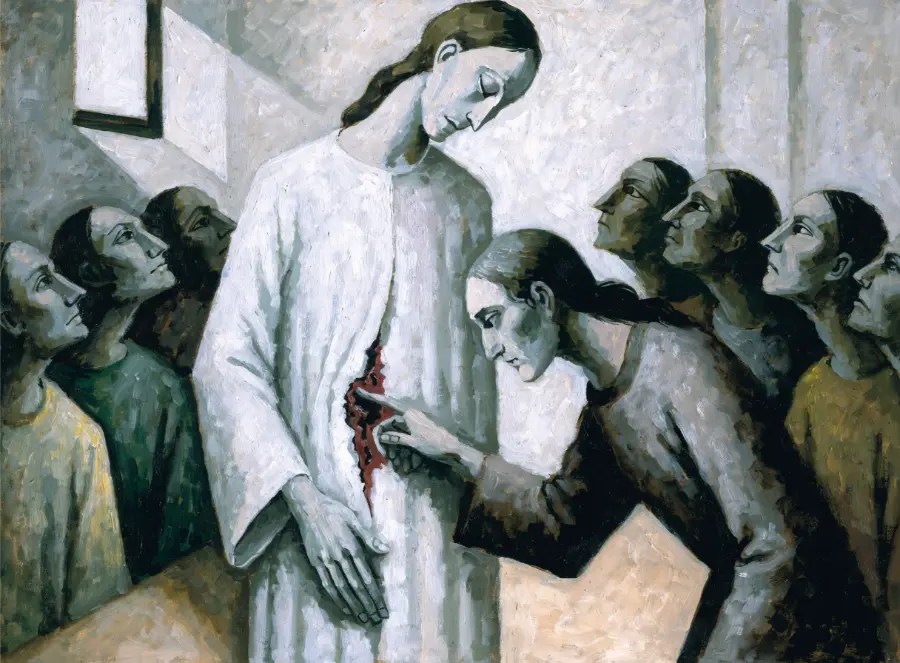
Exodus 14:13
“Moses answered the people, ‘Do not be afraid. Stand firm and you will see the deliverance the LORD will bring you today. The Egyptians you see today you will never see again.’”
Reflectie: With Pharaoh’s army marching after them, the Israelites have just told Moses, “It would have been better for us to serve the Egyptians than to die in the desert!” (14:12). Moses answers “Do not be afraid,” and the next verse gives the reason for standing still: “The LORD will fight for you; you need only to be still.” In verses 15-16 the LORD tells Moses, “Tell the Israelites to move on,” and to divide the sea so that they “can go through the sea on dry ground.”
2 Kronieken 20:17
“U zult niet hoeven te vechten in deze strijd. Neem uw posities in; blijf standvastig en zie de verlossing die de HEER u zal geven, Juda en Jeruzalem. Wees niet bang; wees niet ontmoedigd. Trek er morgen op uit om hen tegemoet te treden, en de HEER zal met u zijn.”
Reflectie: A Levite named Jahaziel, descended from Asaph, speaks these words by the Spirit of the LORD when a vast army is coming against King Jehoshaphat and Judah. The command is close to Moses’ at the Red Sea (Exodus 14:13), and so is the promise: “You will not have to fight this battle.” Judah goes out with singers at the head of the army, and verse 22 says that as they began to sing and praise, “the LORD set ambushes” against the invaders.
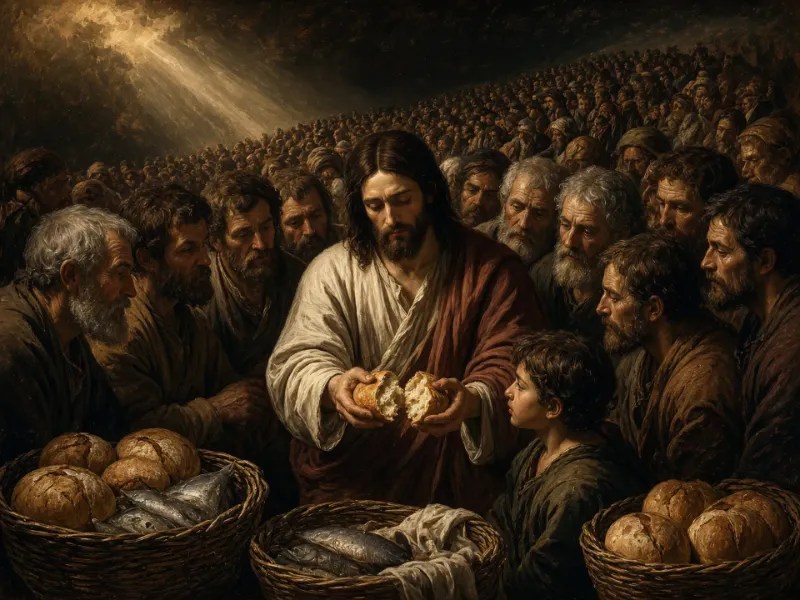
Jesaja 7:9b
“If you do not stand firm in your faith, you will not stand at all.”
Reflectie: Isaiah carries this message to King Ahaz of Judah after the kings of Aram and Israel have joined forces against Jerusalem, when “the hearts of Ahaz and his people were shaken, as the trees of the forest are shaken by the wind” (7:2). The LORD says their plan “will not take place.” The closing line plays on the Hebrew verb aman, used for believing and for being made firm, and the lexicon renders it “if ye believe not (have not firm confidence) ye will not be confirmed.” Jehoshaphat uses the same pair in 2 Chronicles 20:20: “Have faith in the LORD your God and you will be upheld.”
Holding to the faith Paul taught

1 Corinthiërs 16:13
“Wees waakzaam; sta vast in het geloof; wees moedig; wees sterk.”
Reflectie: Near the end of 1 Corinthians, after travel plans for Timothy and Apollos, Paul gives four short commands together, and verse 14 adds a fifth: “Do everything in love.” The verb for stand firm is stēkō, and the ground named is “the faith.”
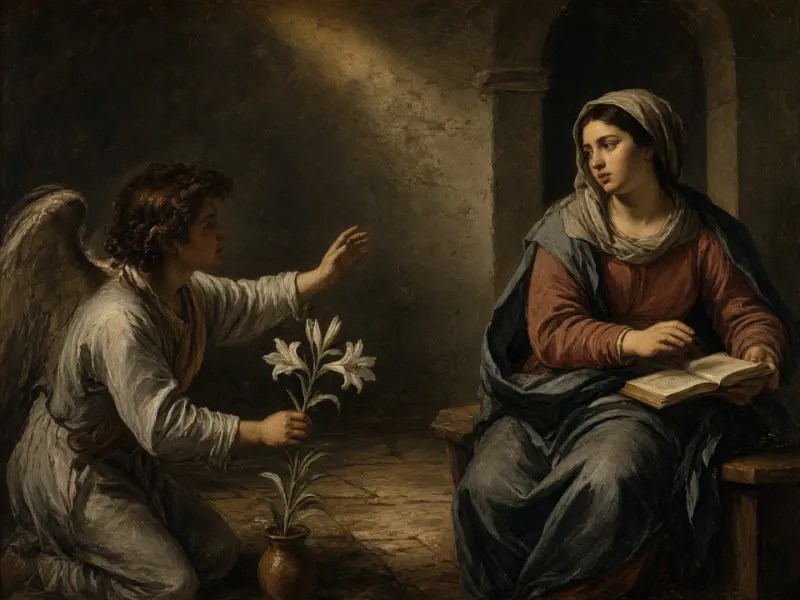
1 Corinthiërs 15:58
“Daarom, mijn geliefde broeders en zusters, wees standvastig, onwankelbaar, altijd overvloedig in het werk van de Heere, in de wetenschap dat uw inspanning niet tevergeefs is in de Heere.”
Reflectie: The “therefore” closes Paul’s teaching on the resurrection of the dead in 1 Corinthians 15. Just before it he quotes “Death has been swallowed up in victory” and thanks God, who “gives us the victory through our Lord Jesus Christ” (15:54, 57). The reason Paul gives for standing firm and working is that labor “in the Lord is not in vain.”
Colossenzen 1:23
“…if you continue in your faith, established and firm, and do not move from the hope held out in the gospel. This is the gospel that you heard and that has been proclaimed to every creature under heaven, and of which I, Paul, have become a servant.”
Reflectie: The sentence starts in verse 22, which says the Colossians have been reconciled “by Christ’s physical body through death to present you holy in his sight.” Verse 23 adds the condition, “if you continue in your faith, established and firm,” and names what they are not to move from: “the hope held out in the gospel.” Paul ends by calling himself a servant of that gospel.
2 Thessalonicenzen 2:15
“So then, brothers and sisters, stand firm and hold fast to the teachings we passed on to you, whether by word of mouth or by letter.”
Reflectie: Earlier in the chapter Paul warns the church not to be “unsettled or alarmed” by teaching “allegedly from us—whether by a prophecy or by word of mouth or by letter—asserting that the day of the Lord has already come” (2:2). Verse 15 names the same channels, word of mouth and letter, for the teaching they are to hold. Standing firm here means keeping what Paul and his companions taught against a claim made in their name.
Galaten 5:1
“Christus heeft ons bevrijd opdat wij in vrijheid zouden leven. Houd dus stand en laat je niet opnieuw een slavenjuk opleggen.”
Reflectie: The yoke is named in the verses that follow: letting oneself be circumcised in order to be “justified by the law,” which Paul says would make Christ “of no value to you at all” (5:2-4). Paul has already asked the Galatians, who were formerly slaves to “those who by nature are not gods,” whether they wish “to be enslaved by them all over again” (4:8-9). Verse 6 says what counts instead: “faith expressing itself through love.”
A church standing together
Filippenzen 1:27
“Leef in elk geval op een manier die het evangelie van Christus waardig is. Dan zal ik, of ik nu kom en u zie of dat ik in mijn afwezigheid over u hoor, weten dat u standvastig bent in één geest en zij aan zij strijdt voor het geloof in het evangelie.”
Reflectie: Paul expects to hear of it “whether I come and see you or only hear about you in my absence.” The standing is done together, “in the one Spirit, striving together as one for the faith of the gospel,” and “without being frightened in any way by those who oppose you” (1:28). Verse 29 says suffering for Christ “has been granted to you,” and verse 30 calls it “the same struggle you saw I had.”

Filippenzen 4:1
“Daarom, mijn broeders en zusters, jullie van wie ik houd en naar wie ik verlang, mijn vreugde en kroon, sta op deze manier vast in de Heer, geliefde vrienden!”
Reflectie: Paul calls the Philippians “you whom I love and long for, my joy and crown” before giving the command. The next verse names two women, Euodia and Syntyche, and pleads with them “to be of the same mind in the Lord.” Both had “contended at my side in the cause of the gospel,” and Paul asks a “true companion” to help them.
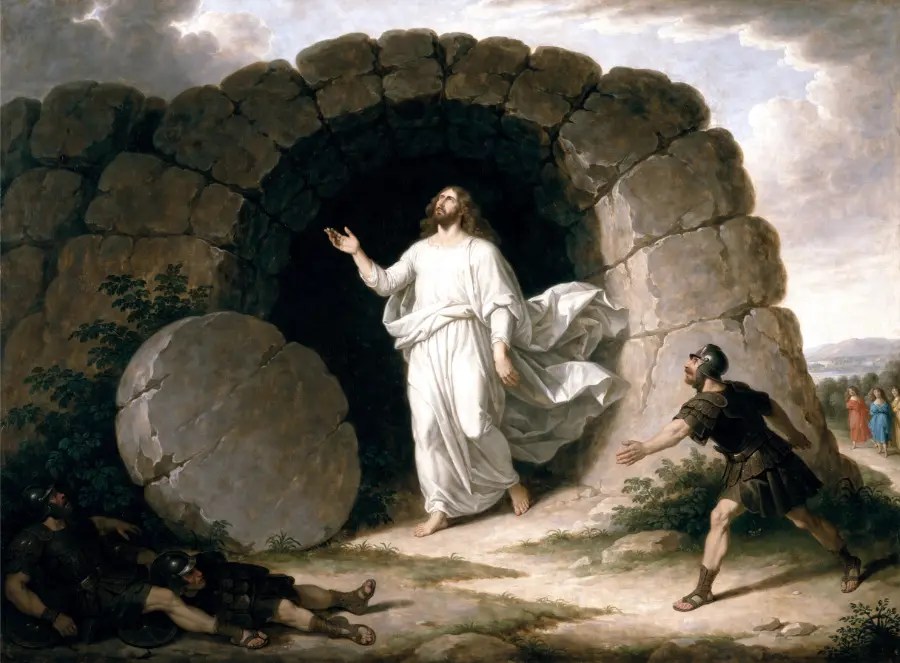
1 Thessalonicenzen 3:8
“For now we really live, since you are standing firm in the Lord.”
Reflectie: Paul had sent Timothy from Athens to strengthen the Thessalonians “so that no one would be unsettled by these trials,” because he was afraid “the tempter had tempted you” (3:2-5). Timothy came back with good news of their faith and love. Paul says their standing firm in the Lord is what makes him “really live,” in the middle of “all our distress and persecution.”
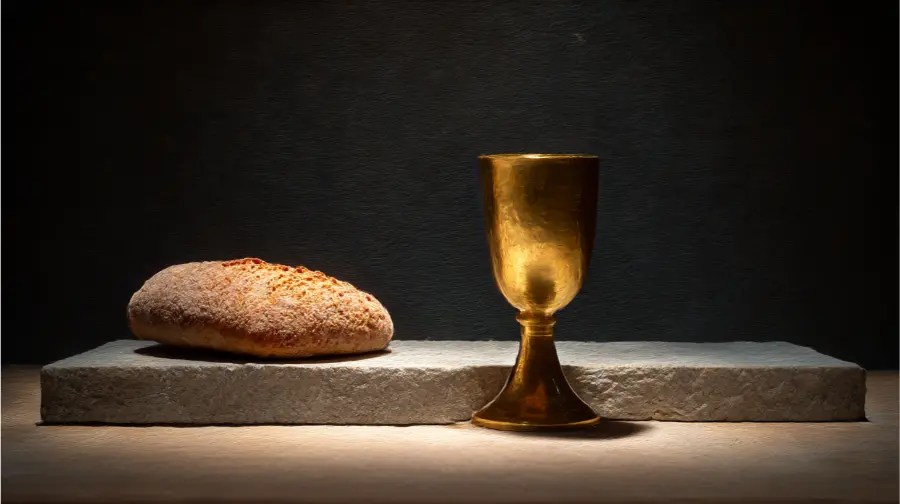
Hebreeën 10:23
“Laten we onwankelbaar vasthouden aan de hoop die we belijden, want Hij die de belofte deed, is trouw.”
Reflectie: The writer urges the congregation to hold on to its hope because God keeps his promise. Verses 24 and 25 turn to what the believers can do for each other: keep meeting together and encourage one another in love and good deeds.
Weerstand bieden aan de duivel
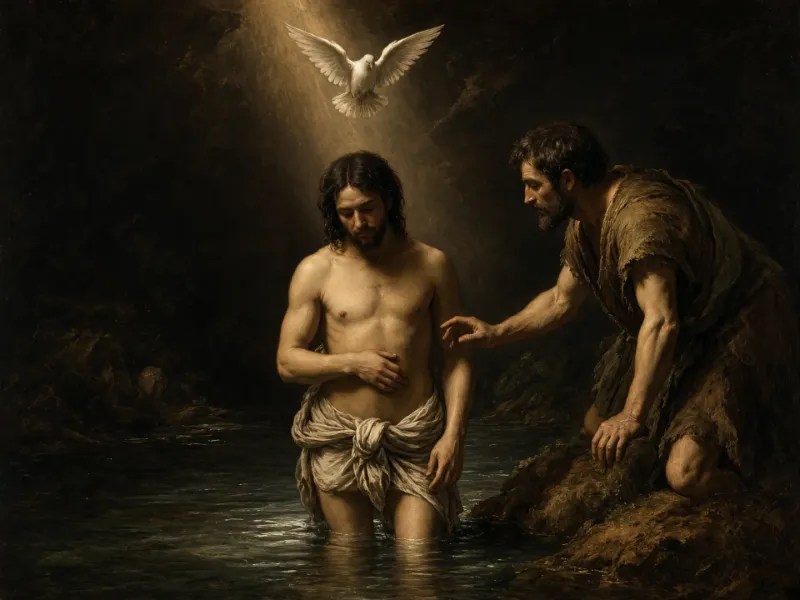
Efeziërs 6:13
“Trek daarom de volledige wapenrusting van God aan, zodat u weerstand kunt bieden op de dag van het kwaad, en na alles gedaan te hebben, stand kunt houden.”
Reflectie: The command repeats verse 11, “Put on the full armor of God, so that you can take your stand against the devil’s schemes,” after verse 12 names the opponents as “the spiritual forces of evil in the heavenly realms.” It adds a time, “when the day of evil comes,” and an end point: “after you have done everything, to stand.”
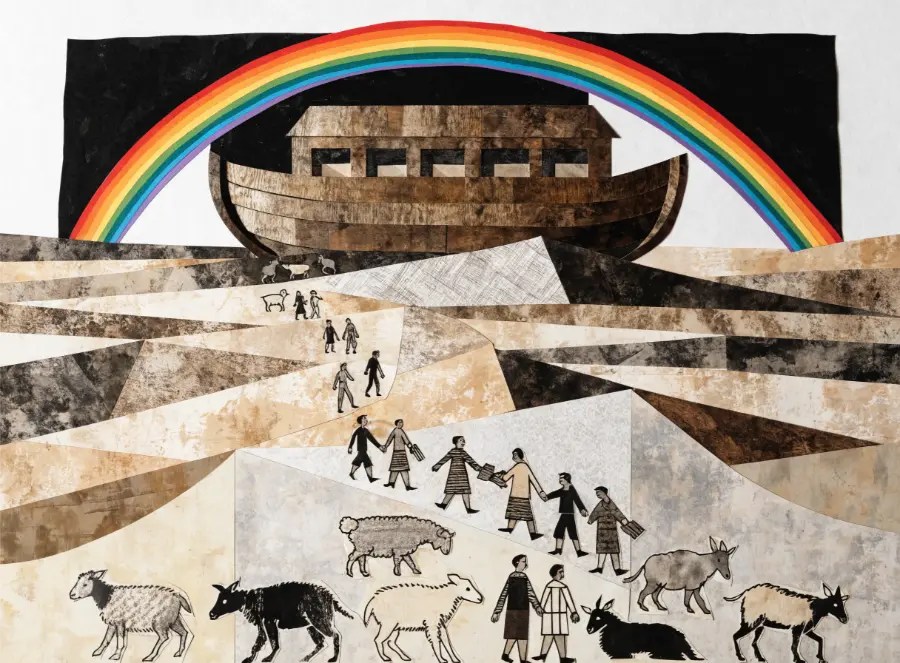
Efeziërs 6:14
“Houd dan stand, met de waarheid als gordel om uw middel en de gerechtigheid als harnas om uw borst,”
Reflectie: The armor is listed under the command to stand firm: the belt of truth, the breastplate of righteousness, feet fitted with “the readiness that comes from the gospel of peace,” then the shield of faith, the helmet of salvation and “the sword of the Spirit, which is the word of God” (6:14-17). The passage opens in verse 10 with where the strength comes from: “be strong in the Lord and in his mighty power.”

1 Petrus 5:8-9
“Wees nuchter en waakzaam. Uw tegenstander, de duivel, gaat rond als een brullende leeuw, zoekend wie hij zal verslinden. Bied weerstand aan hem, vast in het geloof, in de wetenschap dat dezelfde lijden worden opgelegd aan uw broederschap in de wereld.”
Reflectie: Peter describes the devil as “a roaring lion looking for someone to devour,” and the response he asks for is resistance while “standing firm in the faith.” The reason given is that “the family of believers throughout the world is undergoing the same kind of sufferings.” In verse 10 the firmness becomes God’s work: after “a little while,” the God of all grace “will himself restore you and make you strong, firm and steadfast.”
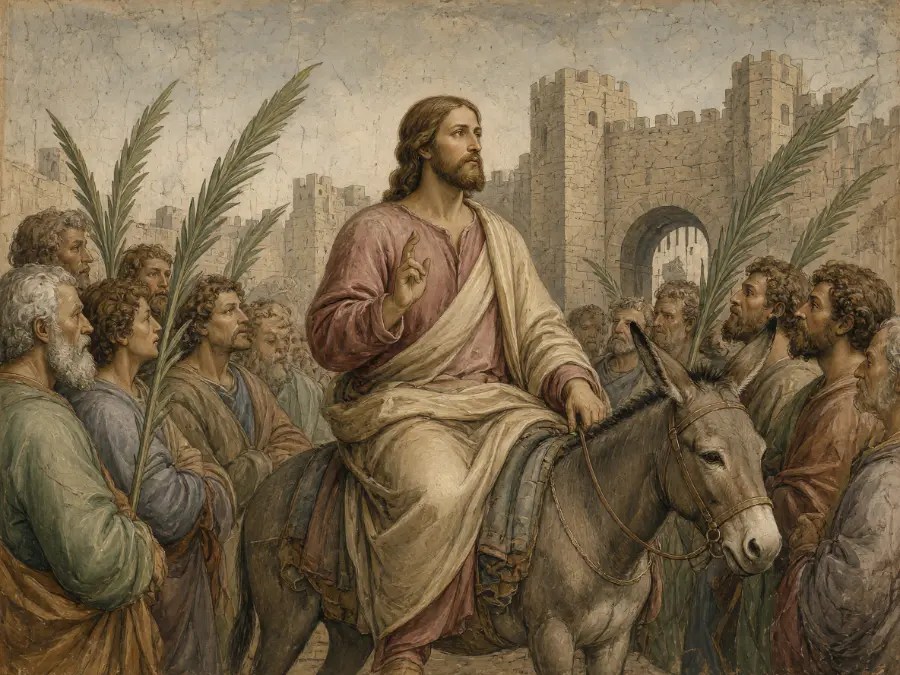
Jakobus 4:7
“Onderwerp u dan aan God. Bied weerstand aan de duivel en hij zal van u wegvluchten.”
Reflectie: James has just told his readers that God “shows favor to the humble” (verse 6). He pairs submission to God with resistance to the devil. Verse 8 follows the promise that the devil will flee with a promise that God will come near to those who come near to him.
Holding on under trial and persecution
Lukas 21:19
“Houd stand, en u zult het leven winnen.”
Reflectie: The disciples have been admiring the temple, and Jesus has told them that “not one stone will be left on another” (21:6). Before the wars and signs he describes, they will be arrested, put in prison and betrayed “even by parents, brothers and sisters, relatives and friends.” Verse 16 says “they will put some of you to death,” and verse 18 says “not a hair of your head will perish,” just before the command. In Mark’s account the line reads, “the one who stands firm to the end will be saved” (Mark 13:13).
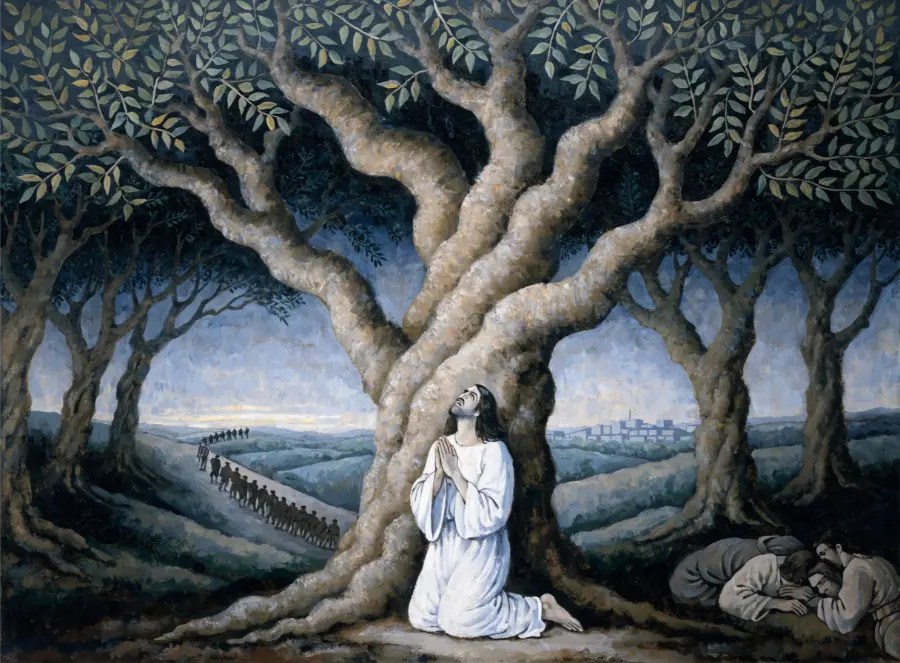
Jakobus 1:12
“Zalig is de mens die volhardt in de beproeving, want na de beproeving doorstaan te hebben, zal hij de kroon van het leven ontvangen die de Heer beloofd heeft aan wie Hem liefhebben.”
Reflectie: The letter of James opens with trials, saying “the testing of your faith produces perseverance” (1:3). Verse 6 describes someone who asks God for wisdom and doubts, “like a wave of the sea, blown and tossed by the wind.” The one who has “stood the test” receives “the crown of life,” promised “to those who love him.”
Hebreeën 12:1
“Laten wij daarom, nu wij omringd worden door zo’n grote wolk van getuigen, alles afleggen wat ons hindert en de zonde die ons zo gemakkelijk verstrikt. Laten wij de wedloop die voor ons ligt volharden,”
Reflectie: The writer compares perseverance to running a race and names sin as something that can trip a runner. Verse 2 directs the runners’ attention to Jesus, who endured the cross. Verse 3 tells them to consider the opposition he endured when they are in danger of losing heart.
Openbaring 2:10
“Wees niet bevreesd voor wat u lijden zult. Zie, de duivel zal sommigen van u in de gevangenis werpen, opdat u beproefd zult worden, en u zult een verdrukking hebben van tien dagen. Wees getrouw tot in de dood, en Ik zal u de levenskrans geven.”
Reflectie: The risen Christ, “who died and came to life again” (2:8), addresses the church in Smyrna, which already knows affliction, poverty and slander. He tells them the devil will put some of them in prison and that they “will suffer persecution for ten days.” Verse 11 adds that the one who is victorious “will not be hurt at all by the second death.”
What keeps a person standing

Psalmen 112:7-8
“They will have no fear of bad news; their hearts are steadfast, trusting in the LORD. Their hearts are secure, they will have no fear; in the end they will look in triumph on their foes.”
Reflectie: Psalm 112 describes “those who fear the LORD” (112:1) and says of them, “Surely the righteous will never be shaken” (112:6). Verses 7 and 8 describe the heart of such a person as “steadfast” and “secure,” and name what it rests on: “trusting in the LORD.” The same psalm describes this person as generous, one who lends freely and has “freely scattered their gifts to the poor” (112:9).
Mattheüs 7:24-25
“Ieder dan die deze woorden van Mij hoort en ze doet, die zal Ik vergelijken met een verstandig man, die zijn huis op de rots gebouwd heeft. De regen viel neer en de stromen kwamen en de winden waaiden en stortten zich op dat huis, maar het stortte niet in, want het was op de rots gefundeerd.”
Reflectie: Both builders in the parable face the same rain, streams and wind; the house on the rock stands, and the house of the one who hears and “does not put them into practice” falls “with a great crash” (7:26-27). The verses before it warn that not everyone who says “Lord, Lord” will enter the kingdom, “but only the one who does the will of my Father who is in heaven.” The parable ends the teaching after which, Matthew says, “the crowds were amazed at his teaching” (7:28).

2 Korinthiërs 1:21-22
"Hij nu die ons met u bevestigt in Christus en ons heeft gezalfd, is God, die ook zijn zegel op ons heeft gedrukt en het onderpand van de Geest in onze harten heeft gegeven, als garantie voor wat komen gaat."
Reflectie: Paul is explaining why he did not return to Corinth (1:23), and he ties his own reliability to God’s: “as surely as God is faithful, our message to you is not ‘Yes’ and ‘No’” (1:18). He then names God as the one who makes “both us and you” stand firm, by anointing them, setting his seal of ownership on them and giving the Spirit “as a deposit.” Two verses later he says, “it is by faith you stand firm” (1:24).

1 Corinthiërs 10:12
“Laat daarom wie denkt te staan, oppassen dat hij niet valt!”
Reflectie: The warning follows Paul’s list of Israel’s failures in the wilderness: idolatry, sexual immorality, testing Christ and grumbling (10:7-10). Those Israelites had “all passed through the sea” and eaten “the same spiritual food,” yet “God was not pleased with most of them.” Verse 13 pairs the warning with a promise: God “will not let you be tempted beyond what you can bear” and “will also provide a way out so that you can endure it.”
Asking for others to stand firm
Colossians 4:12 describes Epaphras, “one of you,” as “always wrestling in prayer for you, that you may stand firm in all the will of God, mature and fully assured.” Ephesians 6:18 ends the armor passage with prayer “for all the Lord’s people,” and 2 Thessalonians 2:16-17 follows its command to stand firm by asking that “our Lord Jesus Christ himself and God our Father” would “encourage your hearts and strengthen you in every good deed and word.”


Een reactie plaatsen