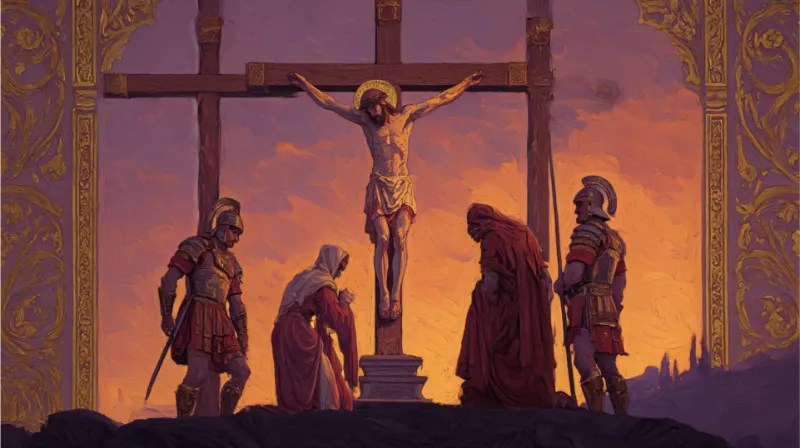
Is Easter related to the goddess Ishtar?
To address the commonly circulated notion that Easter has its roots in the worship of the Babylonian and Assyrian goddess Ishtar, it is crucial to examine the historical and theological evidence with great precision. Such assertions often originate from superficial linguistic similarities and a misunderstanding of cultural contexts. While it is true that Ishtar was a significant deity in ancient Mesopotamian religious traditions, associated with fertility and sexuality, this does not substantiate any concrete link between her worship and the Christian celebration of Easter.
Ishtar, known for her association with fertility and symbolized by eggs, might seem, at first glance, to have a thematic resemblance to the symbols of rebirth and renewal seen in Easter. However, this superficial similarity overlooks the distinct and independent origins of these traditions. Easter, from a Christian theological perspective, commemorates the resurrection of Jesus Christ, an event that is pivotal to the Christian faith and finds its foundations within the Judaic Passover traditions, rather than any pagan rituals.
Furthermore, historical records and scholarly research delineate clearly that the Easter traditions, including the name “Easter” itself, are more convincingly linked to Eostre, a pre-Christian Anglo-Saxon goddess whose festival marked the beginning of spring. This connection to Eostre, despite being of European origin, does not equate Easter with Ishtar, who belonged to a completely different cultural and religious milieu in Mesopotamia. No credible historical sources substantiate the theory that early Christians adopted and transformed the worship practices of Ishtar into their own resurrection celebration.
It is essential, therefore, to differentiate between coincidental linguistic resemblances and actual historical connections. The notion that Easter is derived from Ishtar is a modern myth, lacking any substantial evidence. Scholars today affirm that the two have no historical connection, and to conflate them is to misunderstand both the rich, nuanced traditions of ancient Mesopotamia and the profound theological significance of the Christian Easter.
Sintesi:
- Ishtar was a Mesopotamian goddess associated with fertility but is not connected to the Christian celebration of Easter.
- Easter commemorates the resurrection of Jesus Christ and is rooted in Judaic Passover traditions, not pagan rituals.
- The linguistic resemblance between Ishtar and Easter is superficial and not indicative of any historical link.
- Scholars affirm that no credible evidence supports a connection between Ishtar and Easter.

Did Easter originate from pagan traditions?
The question of whether Easter originated from pagan traditions has long intrigued scholars, theologians, and the faithful alike, often leading to debates that straddle the realms of history, linguistics, and religious studies. It is imperative to emphasize that the celebration of Easter as commemorated by Christians worldwide is fundamentally rooted in the resurrection of Jesus Christ, an event that predates speculations of pagan connections. This sacred observance is deeply embedded in Christian theology and liturgy, tracing back to the early church, long before any formal association with pagan festivities could be insinuated.
Looking at historical claims, one often encounters the argument that Easter traditions were co-opted from pre-existing pagan customs, particularly those related to fertility and springtime. This assertion, however, lacks substantial evidence. Most notably, Alexander Hislop’s nineteenth-century polemic work, “The Two Babylons,” perpetuated the idea that Easter was a pagan festival adapted by Christians. Nevertheless, contemporary scholarship and historical analysis debunk much of Hislop’s claims, revealing that his assertions were largely conjectural and not grounded in concrete historical data.
Furthermore, while it is true that various cultural symbols associated with Easter, such as eggs and bunnies, are traditional symbols of fertility and rebirth, their integration into Christian practices does not inherently translate to a synchronism of pagan and Christian beliefs. Rather, these symbols have been reinterpreted within a Christian framework to represent themes of new life and resurrection. For instance, the egg, which inherently signifies new life, is an apt metaphor for Jesus’ resurrection from the tomb, aligning closely with the theological essence of Easter.
Even the linguistic connection often cited, linking Easter to the Anglo-Saxon goddess Eostre, is tenuous at best. The Venerable Bede, an eighth-century monk, is one of the few sources to mention such a connection, and his accounts have not been universally corroborated by other historical evidence. Modern etymology and historical linguistics suggest that the name “Easter” in English and its Germanic variant “Ostern” are anomalies, as most other languages refer to the celebration as some form of “Pascha,” derived from the Jewish Passover, maintaining the festival’s strong ties to its Judeo-Christian roots.
In synthesis, while it is appealing to some to draw a linear connection between Easter and pagan traditions, the historical and theological evidence robustly supports the conclusion that Easter is intrinsically a Christian observance, celebrating the cornerstone event of the Christian faith: the resurrection of Jesus Christ.
- There is substantial historical and theological evidence that Easter is rooted in Christian traditions, celebrating the resurrection of Jesus Christ.
- The linkage between Easter and pagan fertility symbols, such as eggs and bunnies, has been reinterpreted within a Christian context.
- Historical claims, particularly those by Alexander Hislop, that Easter derived from pagan customs are widely debunked by modern scholars.
- The linguistic connection to a pagan goddess named Eostre is weak and speculative, with limited historical corroboration.

What are the origins of Easter?
commemorating the resurrection of Jesus Christ, are both deeply rooted in theological tradition and enshrouded in centuries of cultural evolution. Theologically, the genesis of Easter is inseparable from the narrative of Jesus’ crucifixion and subsequent resurrection, events which are pivotal to Christian belief and doctrine. These events are detailed in the New Testament, notably in the Gospels of Matthew, Mark, Luke, and John, providing a sacred foundation upon which the festival is built.
Historically, Easter’s timeline aligns with the Jewish festival of Passover—commemorating the Israelites’ exodus from Egypt—which makes clear the influence of Jewish traditions on early Christian practices. The term “Pascha,” from which many languages derive their word for Easter, is itself a direct reference to Passover, further underscoring this deep connection. Early Christians, many of whom were of Jewish origin, naturally aligned the celebration of Jesus’ resurrection with Passover, as both festivals signify themes of liberation and renewal.
In exploring the ecclesiastical history, one observes that the Council of Nicaea in A.D. 325 played a crucial role in formalizing the date of Easter. The Council decreed that Easter would be celebrated on the first Sunday following the first full moon after the vernal equinox, distinguishing it from the Jewish calendar yet maintaining a liturgical link to the Passover season. This decision has embedded a cyclical dynamism within Christian liturgy, marking a seasonal rhythm that continues to be observed by millions worldwide.
Overlaying these theological and historical elements is the confluence of various cultural traditions, which have imbued Easter with a rich tapestry of customs. Symbolic practices such as the Easter egg, signifying the empty tomb and new life, and the Easter Bunny, rooted in fertility symbolism from ancient Germanic traditions, illustrate the amalgamation of Christian and pre-Christian motifs. This cultural synthesis demonstrates the adaptive and expansive nature of human celebration, transforming seasonal symbols into emblems of faith and festivity.
- Theologically, Easter commemorates the resurrection of Jesus Christ as described in the New Testament.
- Historically, Easter aligns with the Jewish festival of Passover, indicating early Christian-Jewish connections.
- The Council of Nicaea in A.D. 325 formalized the date of Easter in relation to the vernal equinox and the full moon.
- Cultural traditions such as Easter eggs and the Easter Bunny have merged with Christian symbolism.

Who was the goddess Ishtar?
Ishtar, known in ancient Mesopotamia as a multifaceted deity of fertility, love, war, and resurrection, played a significant role in the pantheon of gods and goddesses worshipped by the Sumerians, Akkadians, Babylonians, and Assyrians. She was often conflated with other deities, such as the Canaanite Astarte, due to her similar attributes and the syncretic nature of ancient Near Eastern religions. Ishtar’s symbology, encompassing the lion, the eight-pointed star, and the egg, represented her dominion over various aspects of vita e morte, reflecting an intricate tapestry of beliefs surrounding creation, destruction, and rebirth.
Theologically, Ishtar’s worship is grounded in her association with erotic passion and fertility rituals, illustrating a cultural juxtaposition of life’s generative forces with the visceral realities of warfare. Her mythological narratives, particularly her descent into the Underworld to confront her sister Ereshkigal, epitomize the themes of death and resurrection. This particular myth, wherein Ishtar is killed and subsequently revived after three days, underscores her integral role as a deity who embodies the cyclical nature of life, death, and renewal.
Moreover, the title “Queen of Heaven,” frequently attributed to her, finds resonance in testi antichi such as the Book of Jeremiah (44:15-17), highlighting the prophet Jeremiah’s condemnation of the Israelites’ worship practices that included offerings to this goddess. Ishtar’s portrayal in these scripts symbolizes the tension between monotheistic traditions and the polytheistic worship practices of neighboring cultures. Her cultural and theological significance offers a window into the ancient civilization’s understanding of divine femininity, power, and the existential themes that continue to resonate through time.
- Ishtar: A Mesopotamian goddess of fertility, love, war, and resurrection.
- Symbols: Lion, eight-pointed star, and egg representing her powers over various life aspects.
- Mythology: Known for her death and resurrection after three days in the Underworld.
- Title: “Queen of Heaven,” notably referenced in the Book of Jeremiah.
- Theological Significance: Embodies themes of erotic passion, generative forces, and the juxtaposition of life and death.

Are there similarities between Easter and Ishtar celebrations?
The lingering curiosity about the potential overlaps between Easter and Ishtar celebrations has sparked much debate, yet a close examination reveals that while there are superficial similarities, deeper connections are tenuous at best. The claim that Easter is derived from or directly connected to Ishtar celebrations primarily hinges upon speculative interpretations and etymological coincidences rather than substantive historical evidence. For instance, Ishtar, an important deity in the Assyro-Babylonian pantheon, was revered as the goddess of love, fertility, and war—a multifaceted figure whose narrative includes elements of descent to the underworld and subsequent return. This myth bears only a vague resemblance to the resurrection theme central to Easter, where Christians commemorate the resurrection of Jesus Christ after His crucifixion, a cornerstone of Christian theology and soteriology.
One point of comparison often mentioned relates to the symbolic use of eggs. It is true that eggs were used in ancient springtime fertility rituals; however, the Tradizione cristiana of Easter eggs has distinct origins. The egg, as a symbol, is far more universal and has been adapted into various cultures for different reasons. Historically in Christianity, eggs were prohibited during Lent, the 40-day period of fasting preceding Easter, and were therefore often boilded or preserved to prevent spoilage. Consequently, they became a favored treat and a symbol of the end of Lent, representing life and rebirth, themes that resonate deeply within Christian doctrine.
The notion of Easter’s alignment with themes of spring renewal and fertility, often associated with Ishtar, tends to be more coincidental rather than indicative of direct pagan influence. Spring, a season emblematic of rebirth and growth, naturally lends itself to religious celebrations centered on themes of resurrection and renewal. Thus, while the timing of Easter intersects with ancient spring festivals, the theological foundations and liturgical expressions within Christianity remain distinct and separate from the mythos of Ishtar.
- Superficial similarities between Easter and Ishtar celebrations are often overstated.
- Ishtar’s mythology does not align closely with Christian resurrection narratives.
- Easter eggs have Christian origins linked to Lent, not Ishtar fertility rituals.
- Springtime festivals share common themes of renewal, but Easter’s theological aspects are uniquely Christian.

How did Easter get its name?
La nomenclatura della Pasqua è un argomento intriso di intrighi storici e linguistici, che traccia le sue origini attraverso un labirinto di intersezioni culturali e significato teologico. La parola inglese “Easter” è spesso attribuita a Eostre, una dea anglosassone della primavera e della fertilità, la cui festa coincideva con l'equinozio di primavera. Questa associazione fu notata per la prima volta dal Venerabile Beda, un monaco e studioso dell'VIII secolo, il quale sostenne che il mese di aprile, o “Eosturmonath”, prendesse il nome da Eostre. Tuttavia, il consenso accademico su questa etimologia rimane dibattuto, poiché le prove concrete del culto di Eostre sono scarse oltre ai resoconti di Beda.
Al contrario, la maggior parte delle lingue europee deriva il proprio termine per la Pasqua dalla parola greca “Pascha”, che a sua volta affonda le radici nell'ebraico “Pesach”, che significa Pasqua ebraica. Questo percorso etimologico sottolinea la profonda connessione tra la celebrazione cristiana della risurrezione di Cristo e l'osservanza ebraica della Pasqua, riflettendo la profonda narrazione teologica di Gesù come l'Agnello Pasquale il cui sacrificio porta liberazione e rinnovamento. La Chiesa occidentale di lingua latina adottò “Pascha”, che si è evoluto in “Pasch” in francese, “Pasqua” in italiano e “Pascua” in spagnolo, mantenendo un legame simbolico indissolubile con la Pasqua biblica.
Inoltre, l'integrazione di elementi pagani come il coniglietto pasquale e le uova di Pasqua ha ulteriormente complicato l'appellativo della festività. Questi simboli di fertilità e nuova vita, originariamente legati ai festeggiamenti primaverili, sono stati perfettamente intrecciati nel tessuto cristiano della Pasqua, allineandosi con il tema della risurrezione e del rinnovamento. Pertanto, la parola “Easter” nei contesti anglofoni incarna una miscela sincretica di antiche usanze e profonde dottrine teologiche, che incarna la convergenza di storia, cultura e fede in un unico arazzo celebrativo.
- La parola inglese “Easter” è legata a Eostre, una dea anglosassone della primavera.
- La maggior parte delle lingue europee usa varianti della parola “Pascha”, derivata dall'ebraico “Pesach” (Pasqua ebraica).
- L'adozione di “Pascha” da parte della Chiesa sottolinea la connessione tra la risurrezione di Gesù e la Pasqua ebraica.
- Le tradizioni pasquali come il coniglietto e le uova simboleggiano fertilità e rinascita, intrecciate con i temi cristiani della risurrezione.

What is the Catholic Church’s stance on the connection between Easter and Ishtar?
La posizione ufficiale della Chiesa Cattolica sulla connessione tra la Pasqua e Ishtar è radicata in un approfondito esame storico e teologico, respingendo inequivocabilmente qualsiasi asserzione secondo cui la celebrazione cristiana della Pasqua abbia origini nel culto dell'antica dea mesopotamica Ishtar. Questa posizione è solidamente fondata sull'insegnamento dottrinale e sulla documentazione storica. La Chiesa riconosce che la Pasqua, pietra angolare della fede cristiana che commemora la risurrezione di Gesù Cristo, trae la sua sostanza dalle tradizioni giudaiche, specificamente la Pasqua ebraica, piuttosto che da qualsiasi festa pagana. Il Concilio di Nicea nel 325 d.C., sotto la direttiva dell'imperatore Costantino, formalizzò la celebrazione della Pasqua affinché coincidesse con la prima domenica successiva alla prima luna piena che si verifica durante o dopo l'equinozio di primavera: una decisione che sottolinea la sua dissociazione da qualsiasi osservanza pagana.
Inoltre, le pratiche liturgiche e le esposizioni teologiche della Chiesa operano una chiara demarcazione tra i giorni santi cristiani e le feste delle antiche divinità. Il riferimento a Ishtar deriva in gran parte da idee sbagliate moderne e miti di internet, senza alcuna prova sostanziale o evidenza storica credibile. La confusione nasce spesso dalla somiglianza tra i nomi “Easter” e “Ishtar”. Tuttavia, studiosi di linguistica e teologi hanno costantemente sottolineato che, nonostante la somiglianza fonetica, questi termini hanno radici etimologiche completamente diverse e significati culturali.
È anche degno di nota che la chiesa cattolica distingue tra gli adattamenti culturali e gli approcci integrativi che ha storicamente impiegato rispetto all'adozione totale di pratiche pagane. Sebbene i primi cristiani possano aver contestualizzato le loro celebrazioni all'interno del più ampio ambiente culturale del loro tempo, lo hanno fatto con l'intento di trasmettere il messaggio del Vangelo piuttosto che assorbire il culto pagano. Pertanto, qualsiasi presunta connessione tra la Pasqua e Ishtar non è solo storicamente infondata, ma è anche teologicamente incoerente con gli insegnamenti e le tradizioni sostenuti dalla Chiesa.
- La Chiesa Cattolica nega fermamente qualsiasi connessione tra la Pasqua e Ishtar.
- Le prove storiche e teologiche supportano le radici della Pasqua nelle tradizioni giudaiche, specificamente la Pasqua ebraica.
- Il Concilio di Nicea stabilì la data della Pasqua, separandola dalle feste pagane.
- Le somiglianze nei nomi tra Pasqua e Ishtar non indicano un'origine condivisa.
- La Chiesa sottolinea fondamenti teologici distinti per le celebrazioni cristiane e pagane.

Is there evidence linking Easter to ancient Mesopotamian festivals?
L'affermazione che la celebrazione cristiana della Pasqua possa essere fatta risalire ad antiche feste mesopotamiche, in particolare quelle in onore della dea Ishtar, manca di prove sostanziali. Sebbene sia vero che Ishtar fosse una divinità significativa nel pantheon delle mitologie assira e babilonese, rinomata per le sue associazioni con la fertilità, l'amore e la guerra, non esiste alcun legame storico concreto tra il suo culto e la festa di Pasqua osservata dai cristiani. La ricerca accademica evidenzia che le origini della Pasqua sono molto più probabilmente collegate alla Pasqua ebraica, data la tempistica e i legami tematici con la liberazione e la risurrezione.
Inoltre, la somiglianza linguistica tra “Easter” e “Ishtar” è puramente casuale piuttosto che indicativa di qualsiasi scambio culturale o religioso. Si ritiene ampiamente che il nome della festa cristiana derivi da “Eostre”, una dea anglosassone della primavera, che veniva celebrata durante la stessa stagione. Questa connessione a una tradizione europea, piuttosto che mesopotamica, indebolisce ulteriormente l'argomentazione di un legame Ishtar-Pasqua.
L'approccio cristiano alla Pasqua è profondamente radicato nella vita, nella morte e nella risurrezione di Gesù Cristo, come documentato nel Nuovo Testamento. I primi cristiani adottarono e adattarono simboli e motivi esistenti per esprimere la loro nuova fede, eppure questi adattamenti nacquero da riflessioni teologiche ed esegesi scritturali piuttosto che da prestiti diretti da riti pagani. Quando si considerano i simboli della Pasqua, come le uova e i conigli, questi elementi hanno assunto nel tempo significati nuovi e distintamente cristiani, simboleggiando nuova vita e risurrezione, piuttosto che qualsiasi antica pratica di fertilità mesopotamica.
- Nessuna prova sostanziale collega la Pasqua alle feste mesopotamiche o alla dea Ishtar.
- Le origini della Pasqua sono più strettamente legate alla Pasqua ebraica e alla teologia cristiana.
- La somiglianza tra “Easter” e “Ishtar” è casuale e non indicativa di un prestito culturale.
- I simboli cristiani della Pasqua sono stati reinterpretati all'interno di un quadro cristiano.

How did early Christians adopt Easter traditions?
da parte dei primi cristiani è un'affascinante esplorazione della fede, dell'adattamento e dell'integrazione culturale. Mentre i seguaci di Cristo cercavano di commemorare la Sua risurrezione, non stavano creando una festa interamente nuova dal nulla; piuttosto, stavano infondendo le celebrazioni stagionali esistenti con nuovi significati profondi. Entro il II secolo d.C., leader ecclesiastici come Policarpo e Aniceto erano già impegnati in dibattiti sulla data appropriata per osservare la Pasqua, riflettendo l'importanza e la complessità di questa santa celebrazione. Eusebio di Cesarea, uno storico della chiesa primitiva, documentò queste dispute, indicando che intorno al 190 d.C. erano emerse pratiche divergenti sulla tempistica di questa significativa osservanza all'interno della comunità cristiana.
Nell'intrecciare nuovi messaggi cristiani con simboli più antichi, tradizioni come l'uso delle uova arrivarono a simboleggiare la risurrezione stessa. L'uovo, un antico simbolo di fertilità e nuova vita, fu prontamente adottato nelle usanze cristiane per rappresentare la tomba vuota e, quindi, la nuova vita portata dal trionfo di Cristo sulla morte. Questi interpretazioni teologiche conferivano un ricco potere illustrativo agli atti fisici di decorazione e donazione delle uova, tradizioni che si diffusero attraverso culture e secoli.
Inoltre, il ragionamento alla base dell'utilizzo di questi simboli era profondamente radicato nella comprensione cristiana del rinnovamento e della rinascita, concetti centrali nella narrazione pasquale. Mentre i primi cristiani celebravano questo evento cruciale, incorporarono pratiche culturali familiari che avrebbero risuonato sia con i convertiti gentili che con i seguaci ebrei di Cristo. In questo modo, la celebrazione della Pasqua divenne un intricato arazzo di credenze profondamente radicate e simboli universalmente compresi, sancito dal nuovo panorama teologico creato da pensatori e leader cristiani.
In sintesi:
- I primi cristiani adottarono e trasformarono i simboli stagionali esistenti per commemorare la risurrezione di Gesù.
- I dibattiti sulla data corretta per la Pasqua emersero già nel II secolo d.C., evidenziandone l'importanza.
- Il simbolismo delle uova, che rappresenta la nuova vita, è stato perfettamente integrato nelle tradizioni pasquali cristiane.
- Le tradizioni pasquali riflettono la miscela di pratiche culturali e teologia cristiana incentrata sul rinnovamento e sulla rinascita.

How do modern scholars view the connection between Ishtar and Easter?
Gli studiosi moderni, indipendentemente dal loro background teologico, concordano in modo schiacciante sul fatto che non vi sia alcuna prova storica o fattuale per collegare la celebrazione della Pasqua al culto della dea mesopotamica Ishtar. Questa asserzione è spesso propagata attraverso i social media e varie piattaforme online, eppure non trova alcuna base negli annali dei documenti storici verificati o nella ricerca accademica. Per cominciare, Ishtar era effettivamente una figura significativa nell'antica religione mesopotamica, conosciuta principalmente come la dea della fertilità, dell'amore e della guerra. Tuttavia, il suo culto era in gran parte confinato alle regioni dell'Assiria e della Babilonia, e non vi è alcuna prova credibile che suggerisca che la sua venerazione si sia estesa alle prime tradizioni cristiane o abbia influenzato la formazione della Pasqua.
È anche importante evidenziare una distinzione fondamentale: Ishtar e Easter sono omofoni, parole che suonano allo stesso modo ma che hanno significati e origini completamente distinti. Questa somiglianza fonetica ha scatenato gran parte della confusione e della disinformazione che circonda la loro presunta connessione. Gli esami accademici dei documenti storici, gli studi linguistici e la documentazione teologica sottolineano costantemente che questi due termini non condividono una discendenza comune.
Le origini della Pasqua stessa sono rintracciabili nella prima commemorazione cristiana della risurrezione di Gesù Cristo, un evento fondamentale nella teologia cristiana. Questa celebrazione precede lo stabilimento istituzionale di molte tradizioni pagane nelle regioni in cui si diffuse il cristianesimo. Inoltre, i primi teologi e storici della chiesa, come Eusebio di Cesarea, hanno cronacato l'osservanza di questo evento indipendentemente da qualsiasi rituale pagano, contrassegnandolo invece come un'occasione cristiana fondamentale e unica.
Inoltre, gli scritti di Alexander Hislop, in particolare nel suo libro “Le due Babilonie”, sono stati influenti nel perpetuare l'idea che la Pasqua abbia radici pagane collegate a Ishtar. Tuttavia, le teorie di Hislop sono state ampiamente screditate dagli studiosi contemporanei per la loro natura speculativa e la mancanza di convalida empirica. Il lavoro di Hislop, sebbene storicamente toccante nella sua critica all'adattamento da parte della Chiesa Cattolica di alcune date festive, si basa in gran parte su congetture senza un solido supporto archeologico o storico.
Alla luce di queste osservazioni, il consenso tra gli studiosi moderni oggi è chiaro: l'asserzione che la Pasqua derivi dal culto di Ishtar è infondata. La celebrazione della Pasqua, nella sua essenza e pratica, rimane fondamentalmente radicata nella tradizione cristiana, celebrando la risurrezione di Cristo, senza alcun legame sostanziale verificato con le antiche divinità mesopotamiche o i loro rituali associati.
- Gli studiosi concordano sul fatto che non vi siano prove che colleghino la Pasqua a Ishtar.
- Ishtar era una dea mesopotamica distinta dalle tradizioni cristiane.
- La somiglianza fonetica tra Ishtar e Easter alimenta malintesi.
- Le prove supportano l'origine della Pasqua nelle prime pratiche cristiane.
- Le affermazioni di Hislop sono considerate speculative e non supportate dalla borsa di studio contemporanea.

Fatti e statistiche
La Pasqua è la festa cristiana più importante, superando il Natale
Si ritiene che il nome “Easter” derivi da Eostre, una dea pagana della primavera e della fertilità
La festa di Ishtar veniva celebrata intorno al periodo dell'equinozio di primavera
La parola “Easter” appare solo una volta nella Bibbia di Re Giacomo
Ishtar era venerata nell'antica Mesopotamia come dea dell'amore, della guerra e della fertilità