
 English
 Chinese
 Dutch
 Arabic
 Spanish
 Portuguese
 Russian
 French
 Italian
 German
 Japanese
The Bible does not use the word unconditional, but it describes God’s love as steadfast, given before anyone deserved it, and unbreakable by anything in creation.
The Old Testament word most often behind it is hesed, translated steadfast love, unfailing love or kindness: a love of loyalty within a covenant. The New Testament says “God is love” (1 John 4:8, 16) and points to the timing: “While we were still sinners, Christ died for us” (Romans 5:8). The eighteen verses below cover what John says God is, the Hebrew word, what the love did and when, what it does to fear, and what it asks in return.
The sentence the subject rests on

1 John 4:8
“Whoever does not love does not know God, because God is love.”
Reflection: John says God is love in the same sentence that says whoever does not love does not know God. The statement about God comes with a test for people.

1 John 4:16
“And so we know and rely on the love God has for us. God is love. Whoever lives in love lives in God, and God in them.”
Reflection: John says believers have come to know the love and to rely on it. He repeats “God is love” and adds that whoever lives in love lives in God.
1 John 4:19
“We love because he first loved us.”
Reflection: John puts God’s love first and ours second. Our love is described as a response to his.
The old word underneath it
Lamentations 3:22-23
“Because of the Lord’s great love we are not consumed, for his compassions never fail. They are new every morning; great is your faithfulness.”
Reflection: Great love here translates the plural of hesed. Lamentations was written after the fall of Jerusalem, and this passage sits in the middle of its grief.
Psalm 86:15
“But you, Lord, are a compassionate and gracious God, slow to anger, abounding in love and faithfulness.”
Reflection: The psalmist is quoting God’s description of himself to Moses after the golden calf (Exodus 34:6). The same words recur in Psalm 103:8, Joel 2:13 and Jonah 4:2.
Isaiah 54:10
“Though the mountains be shaken and the hills be removed, yet my unfailing love for you will not be shaken nor my covenant of peace be removed.”
Reflection: Mountains and hills stand for what seems most permanent, and God’s unfailing love is said to outlast them. The next verse is addressed to an “afflicted city, lashed by storms and not comforted” (54:11).
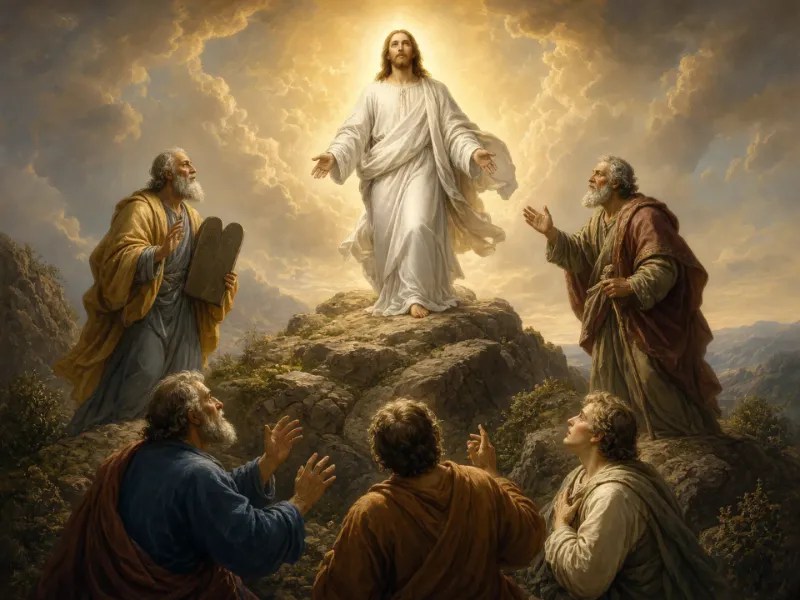
Jeremiah 31:3
“I have loved you with an everlasting love; I have drawn you with unfailing kindness.”
Reflection: Jeremiah 30 and 31 promise restoration after the exile. The love is called everlasting, and the word behind unfailing kindness is hesed.
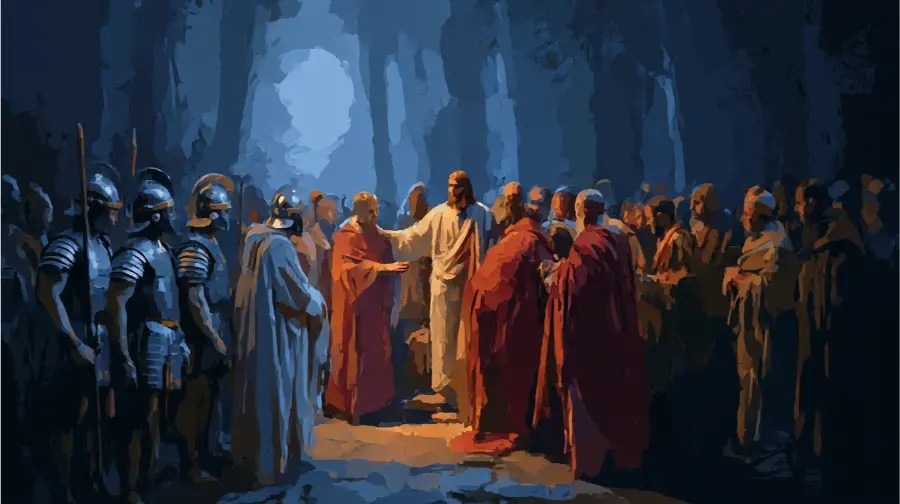
Deuteronomy 7:9
“Know therefore that the Lord your God is God; he is the faithful God, keeping his covenant of love to a thousand generations of those who love him.”
Reflection: The same contrast appears in the Ten Commandments: punishment “to the third and fourth generation” of those who hate God, and love “to a thousand generations” of those who love him (5:9-10).
What the love did, and when
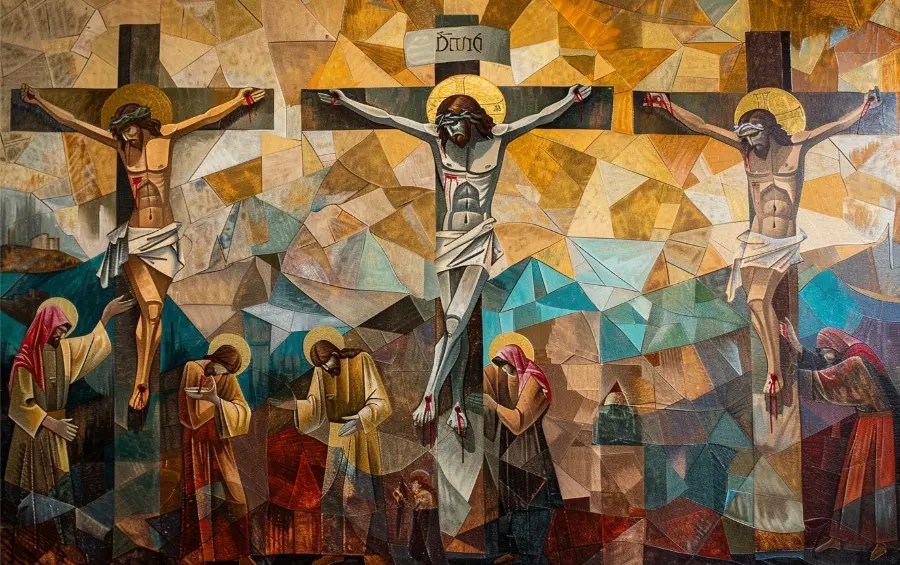
Romans 5:8
“But God demonstrates his own love for us in this: While we were still sinners, Christ died for us.”
Reflection: Paul makes the point about timing three times in five verses: while we were powerless, while we were sinners, while we were God’s enemies (5:6, 8, 10).

Ephesians 2:4-5
“But because of his great love for us, God, who is rich in mercy, made us alive with Christ even when we were dead in transgressions.”
Reflection: Paul describes his readers as having been dead in their transgressions (2:1), and he says God made them alive with Christ because of his great love.
Luke 15:20
“So he got up and went to his father. But while he was still a long way off, his father saw him and was filled with compassion for him; he ran to his son.”
Reflection: The father sees his son while he is still far off and runs to him before the son has said a word. When the son begins his rehearsed speech, the father interrupts it with orders for a robe, a ring and sandals (15:21-22).
What it does to fear

1 John 4:18
“There is no fear in love. But perfect love drives out fear, because fear has to do with punishment.”
Reflection: John names the fear he means: fear that “has to do with punishment.” The verse does not promise to remove every kind of anxiety.
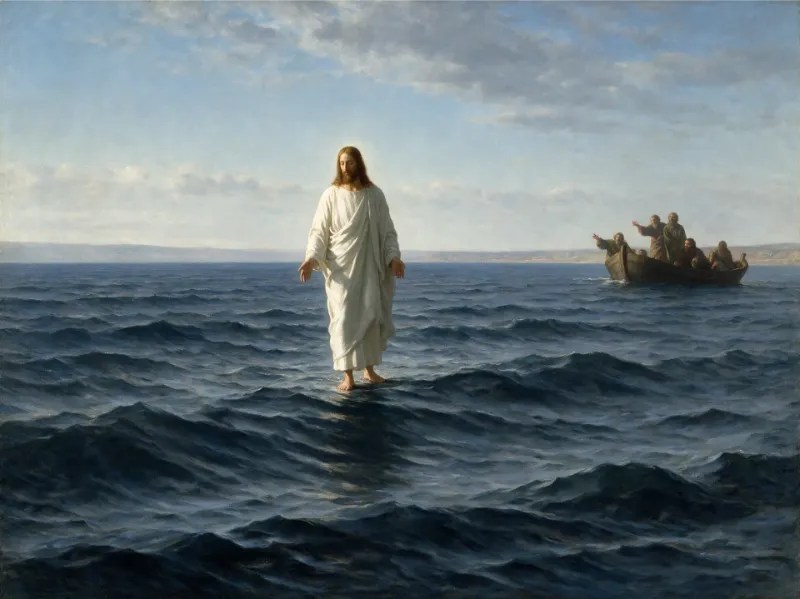
Romans 8:38-39
“For I am convinced that neither death nor life, neither angels nor demons, neither the present nor the future, nor any powers, neither height nor depth, nor anything else in all creation, will be able to separate us from the love of God that is in Christ Jesus our Lord.”
Reflection: Paul lists opposites, death and life, present and future, height and depth, and then adds “anything else in all creation.” The list is built to leave nothing out.

Zephaniah 3:17
“The Lord your God is with you, the Mighty Warrior who saves. He will take great delight in you; in his love he will no longer rebuke you, but will rejoice over you with singing.”
Reflection: Zephaniah’s short book is mostly about judgment, and it closes with God rejoicing over his people with singing.
What it asks afterwards
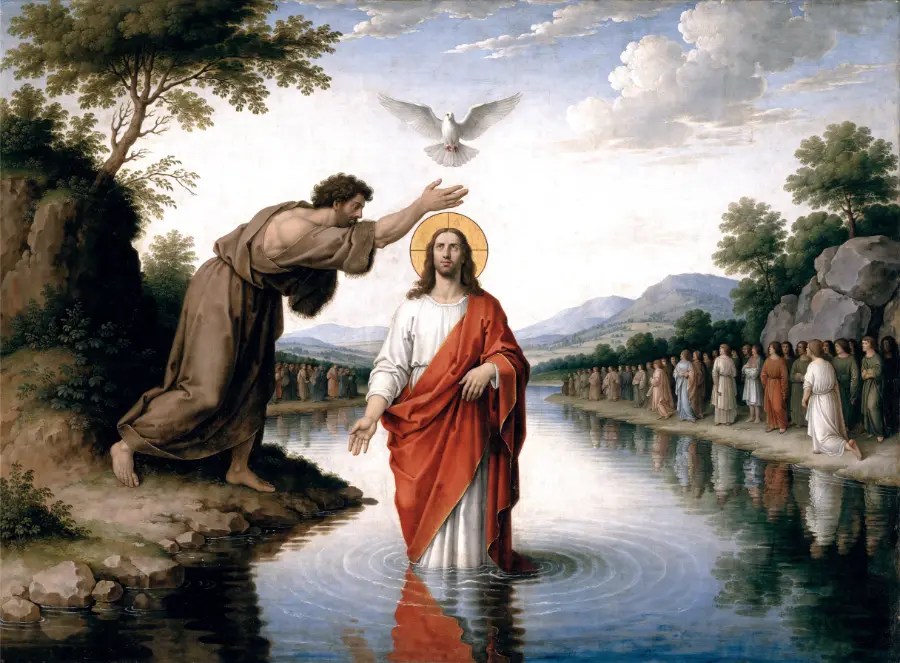
John 15:9
“As the Father has loved me, so have I loved you. Now remain in my love.”
Reflection: Jesus says this on the night before his death. The instruction is to remain, the same word he uses throughout the passage about the vine and the branches (15:4-7).
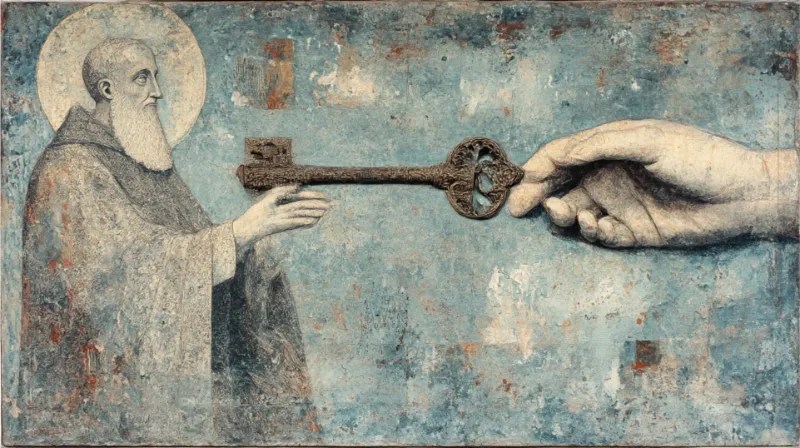
2 Corinthians 5:14
“For Christ’s love compels us, because we are convinced that one died for all, and therefore all died.”
Reflection: The verb translated compels means to press in or hold on every side; Luke uses it for a city hemmed in by enemies (Luke 19:43). Paul says this love drives what he does.
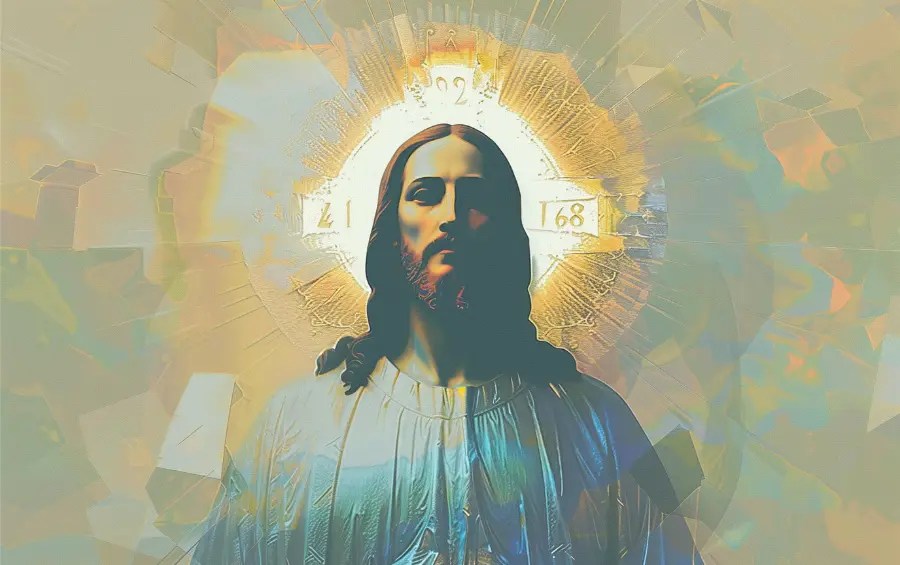
Ephesians 3:17-19
“…so that Christ may dwell in your hearts through faith. And I pray that you, being rooted and established in love, may have power, together with all the Lord’s holy people, to grasp how wide and long and high and deep is the love of Christ, and to know this love that surpasses knowledge.”
Reflection: Paul prays that his readers will grasp the love of Christ and then calls it a love “that surpasses knowledge.” The four dimensions are his way of describing something larger than measurement.
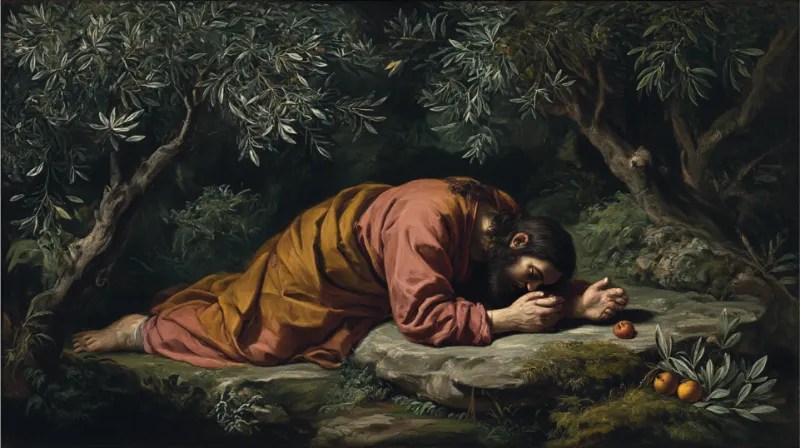
Romans 12:9
“Love must be sincere. Hate what is evil; cling to what is good.”
Reflection: The word translated sincere means without hypocrisy; the Greek word for a hypocrite first meant an actor. Paul puts it first in a list of practical instructions.
What unconditional does and does not mean
Taken together, these verses say that God’s love comes first and cannot be broken: Christ died while we were still sinners, the father ran to his son before the son said a word, and the covenant love runs to a thousand generations. Paul says nothing in all creation can separate us from it.
The same passages also expect a response. John writes that “whoever does not love does not know God,” and Jesus tells his disciples to remain in his love. Hesed is a covenant word, and a covenant binds both sides. For more verses, see Bible verses about love.


Leave a Reply