
 English
  Chinese
  Dutch
Dutch  Arabic
  Spanish
  Portuguese
  Russian
  French
  Italian
  German
  Japanese
 The Bible records grief over the dead openly and answers it with God’s nearness and the promise that the dead will be raised.
David wept for his dying son (2 Samuel 12:23), Jesus wept on the way to the tomb of Lazarus (John 11:35), and Paul told the church at Thessalonica to grieve with hope, because Jesus died and rose again (1 Thessalonians 4:13-14).
Mourning the dead
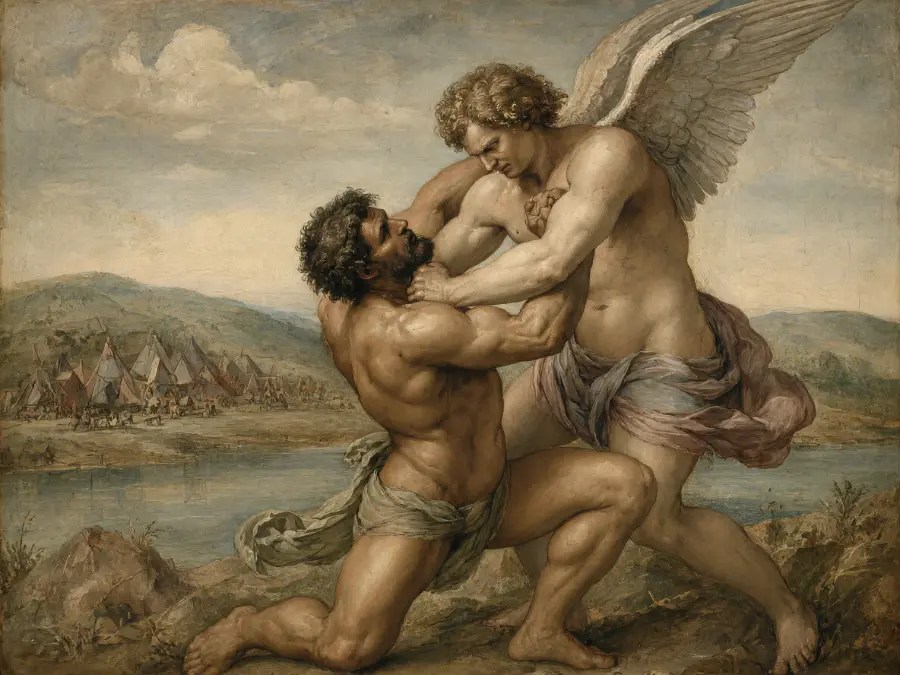
Ecclesiastes 3:1-4
“There is a time for everything, and a season for every activity under the heavens: a time to be born and a time to die, a time to plant and a time to uproot, a time to kill and a time to heal, a time to tear down and a time to build, a time to weep and a time to laugh, a time to mourn and a time to dance.”
Reflection: The Teacher’s poem is built from paired opposites, and its first pair is birth and death. Weeping and mourning come in the fourth verse, each set beside its opposite, laughing and dancing. The poem gives mourning a time of its own among the ordinary seasons of a life.
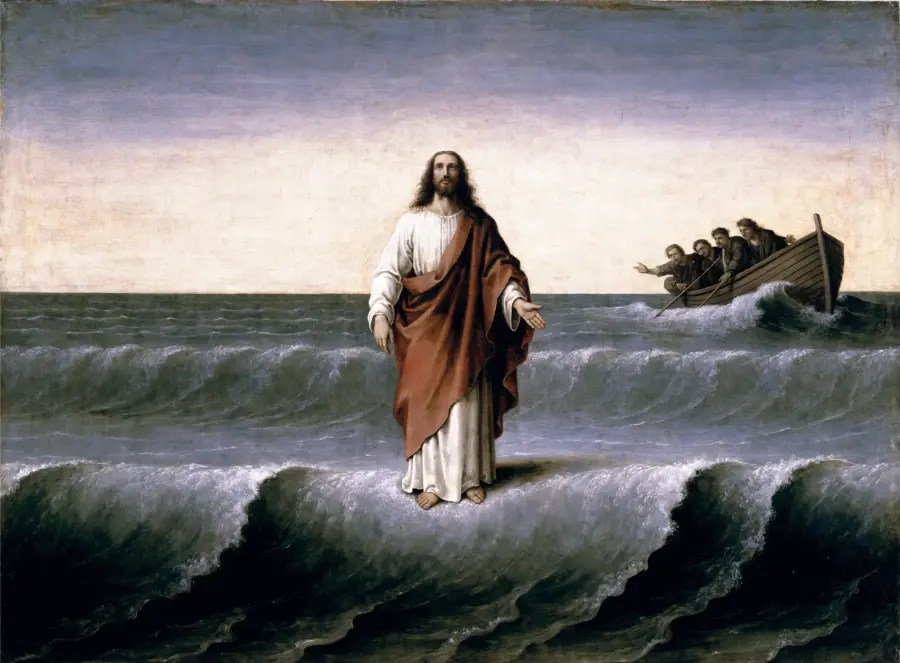
Genesis 50:10
“When they reached the threshing floor of Atad, near the Jordan, they lamented loudly and bitterly; and there Joseph observed a seven-day period of mourning for his father.”
Reflection: When Joseph’s father Israel died, Joseph “threw himself on his father and wept over him and kissed him” (Genesis 50:1). The Egyptians mourned Israel seventy days, and then a very large company, Pharaoh’s officials among them, went up with Joseph to bury him in Canaan as his father had made him swear. At the threshing floor of Atad they stopped for seven more days of loud lament, and the Canaanites who saw it called the place Abel Mizraim (50:11).
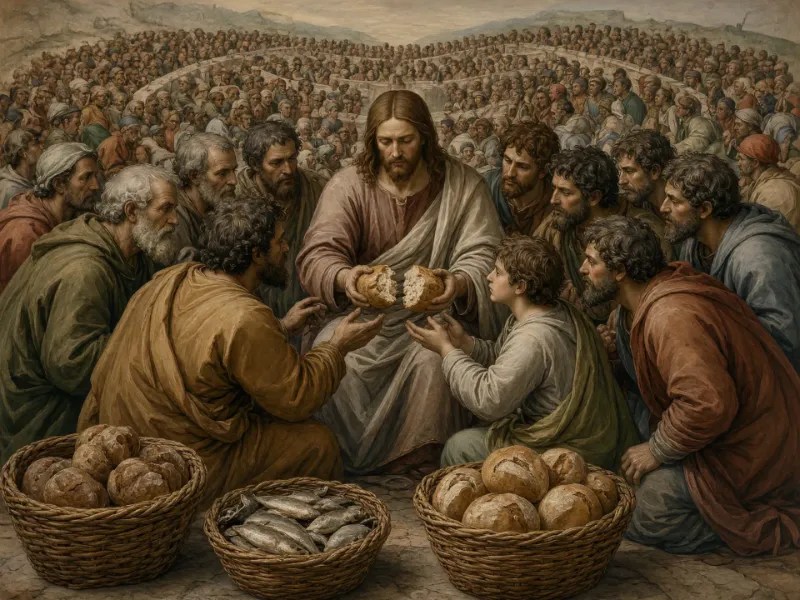
2 Samuel 12:23
“But now that he is dead, why should I go on fasting? Can I bring him back again? I will go to him, but he will not return to me.”
Reflection: Nathan had told David that the son Bathsheba bore him would die. While the child was ill, David pleaded with God, fasted and spent the nights lying in sackcloth on the ground, and “On the seventh day the child died” (2 Samuel 12:18). He then got up, washed, worshiped and ate, and when his attendants asked why, he said he had fasted and wept while the Lord might still let the child live. The verse does not say where David expected to go to his son.
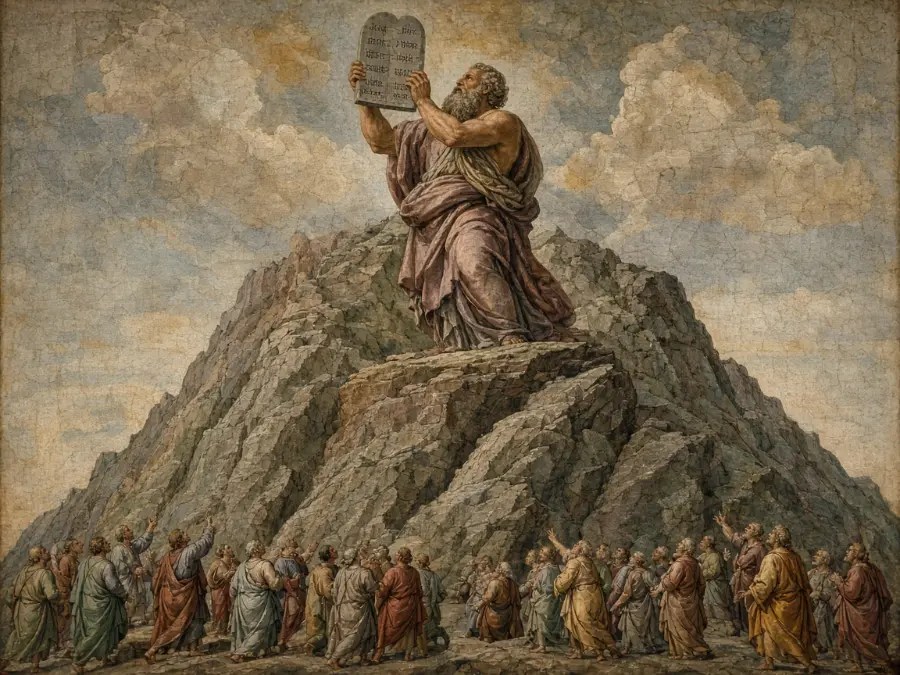
2 Samuel 18:33
“The king was shaken. He went up to the room over the gateway and wept. As he went, he said: ‘O my son Absalom! My son, my son Absalom! If only I had died instead of you—O Absalom, my son, my son!’”
Reflection: A Cushite messenger brought David news of victory over “all who rose up against you,” and David’s first question was whether “the young man Absalom” was safe. The answer, “May the enemies of my lord the king and all who rise up to harm you be like that young man,” counted his son among his enemies and told him the young man was dead. David wept and wished he had died in his son’s place, and the next chapter says that for the whole army “the victory that day was turned into mourning” (2 Samuel 19:2).
Jesus and the grieving
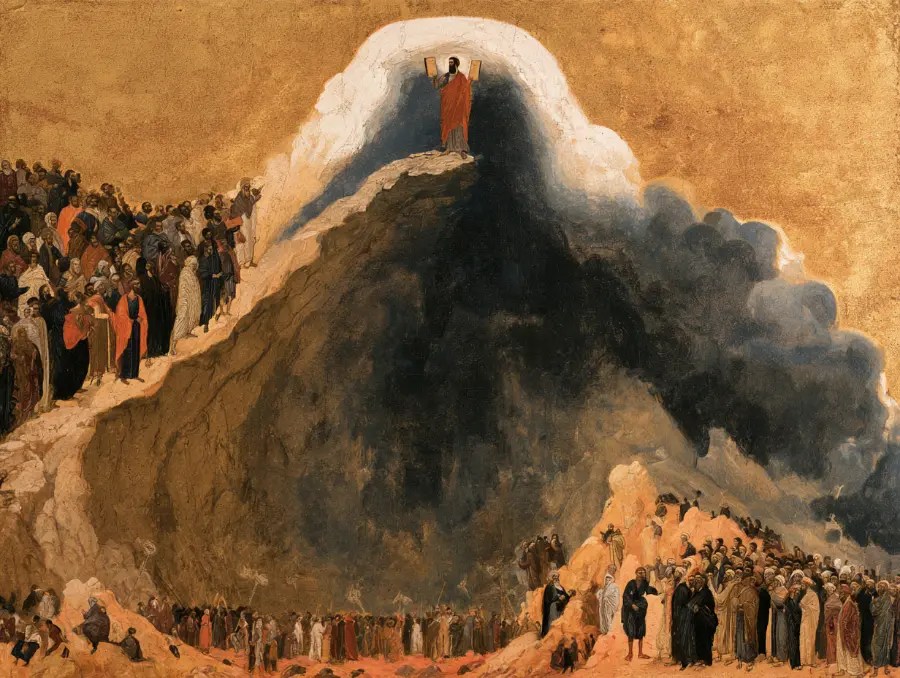
Luke 7:12-13
“As he approached the town gate, a dead person was being carried out—the only son of his mother, and she was a widow. And a large crowd from the town was with her. When the Lord saw her, his heart went out to her and he said, ‘Don’t cry.’”
Reflection: At the gate of Nain the dead man being carried out was a widow’s only son, and a large crowd from the town walked with her. When Jesus saw her, his heart went out to her, and his first words were to her: “Don’t cry.” He then touched the bier, told the young man to get up, and “gave him back to his mother” (Luke 7:14-15).

John 11:35
“Jesus wept.”
Reflection: Mary had fallen at Jesus’ feet with the words her sister had used, “Lord, if you had been here, my brother would not have died.” Seeing her and the mourners with her weeping, Jesus “was deeply moved in spirit and troubled” and asked where Lazarus had been laid. He wept after they answered “Come and see, Lord,” before he came to the tomb (John 11:38). The onlookers read his tears as love: “See how he loved him!”

Matthew 5:4
“Blessed are those who mourn, for they will be comforted.”
Reflection: The saying is the second of the Beatitudes that open the Sermon on the Mount, between the poor in spirit and the meek. Jesus calls mourners blessed and gives the reason in the future tense: they will be comforted. He does not say who or what they mourn.
God near the grieving
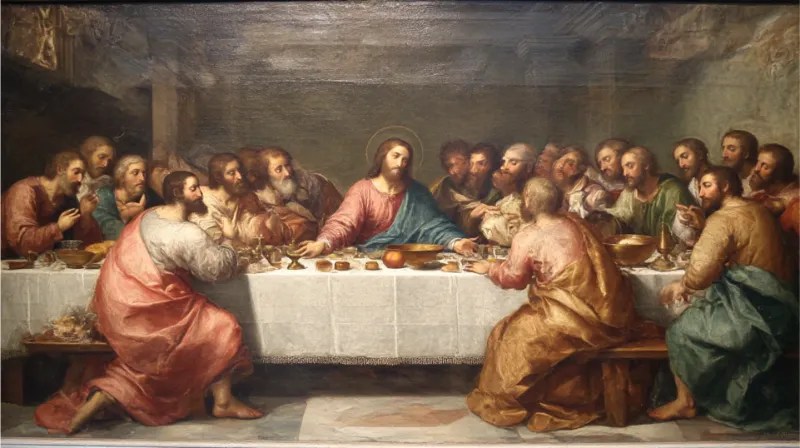
Psalm 34:18
“The Lord is close to the brokenhearted and saves those who are crushed in spirit.”
Reflection: The verse before it says “The righteous cry out, and the Lord hears them.” The psalmist places the Lord close to people whose hearts are broken and whose spirits are crushed, and the next verse admits that “The righteous person may have many troubles” before promising deliverance from them all.

Psalm 147:3
“He heals the brokenhearted and binds up their wounds.”
Reflection: The psalm is a hymn of praise. The verse before says the Lord “builds up Jerusalem” and “gathers the exiles of Israel,” and the verse after says he “determines the number of the stars and calls them each by name.”
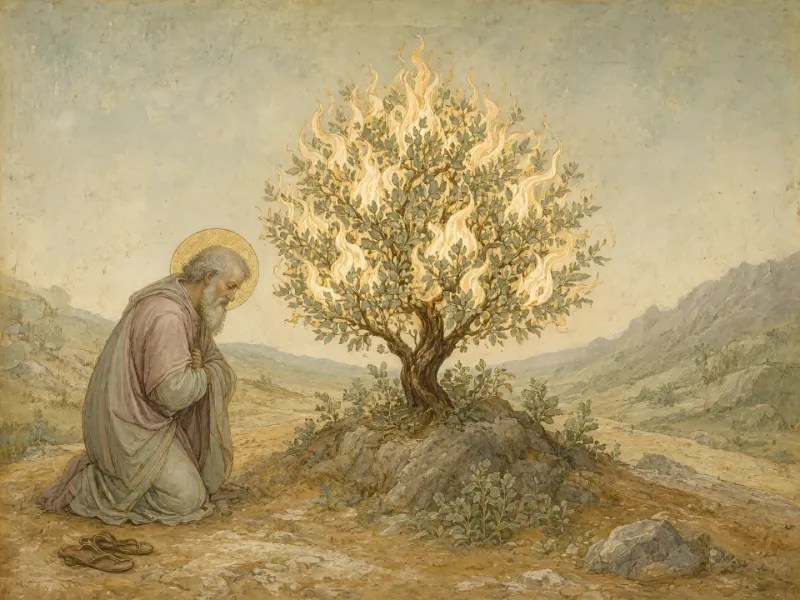
Psalm 23:4
“Even though I walk through the darkest valley, I will fear no evil, for you are with me; your rod and your staff, they comfort me.”
Reflection: Up to this verse David speaks about the Lord as his shepherd; here he turns to address him directly: “you are with me.” He speaks of walking through the darkest valley, and of fearing no evil there. The rod and staff are a shepherd’s tools, and the psalm ends with the hope to “dwell in the house of the Lord forever.”
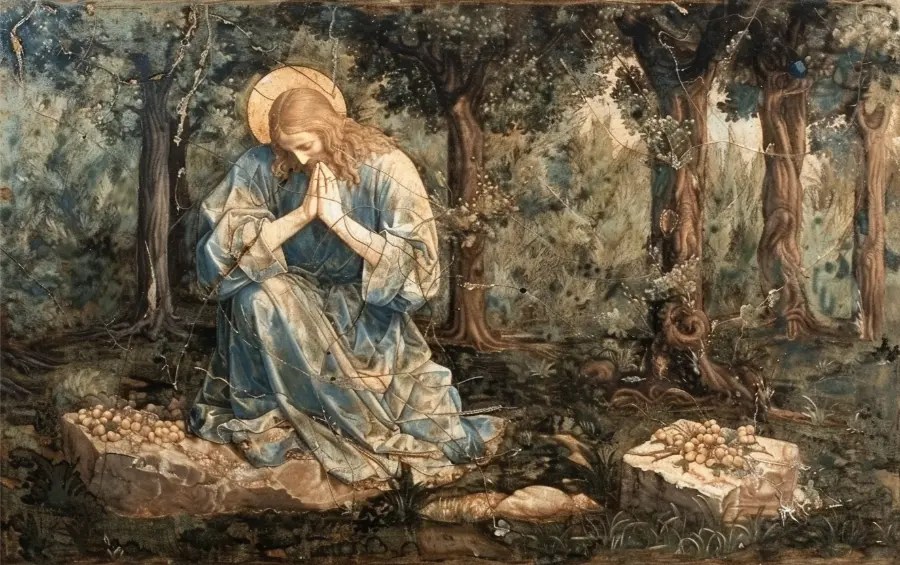
Psalm 73:26
“My flesh and my heart may fail, but God is the strength of my heart and my portion forever.”
Reflection: The psalmist has just admitted, “When my heart was grieved and my spirit embittered, I was senseless and ignorant; I was a brute beast before you” (Psalm 73:21-22). He does not deny that his flesh and heart may fail. He names God as his strength and his “portion,” the share of an inheritance, and two verses later concludes, “it is good to be near God.”
Tears and lament spoken to God

Psalm 56:8
“Record my misery; list my tears on your scroll—are they not in your record?”
Reflection: The heading places this psalm when the Philistines had seized David in Gath, so the tears here come from being hunted by enemies rather than from a death. David asks God to write his misery down and keep his tears on a scroll, confident that they are already in God’s record. The next verse moves from the record to an answer: “Then my enemies will turn back when I call for help.”
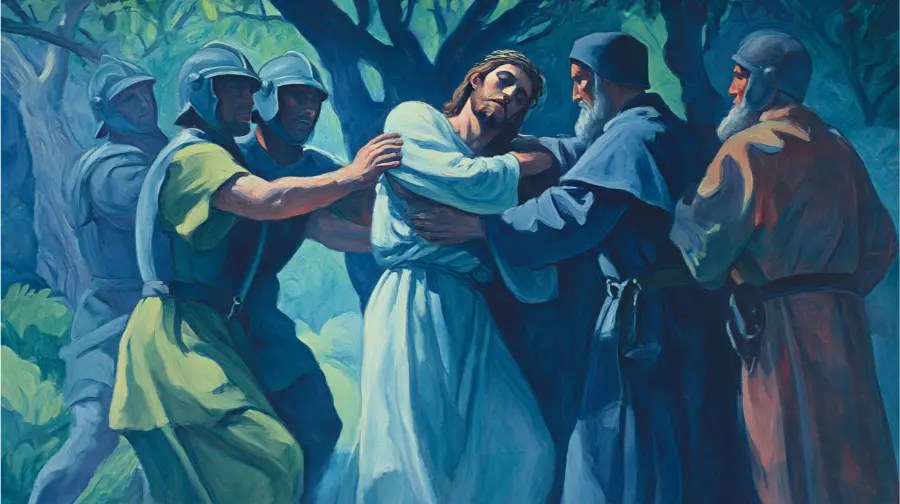
Lamentations 3:22-23
“Because of the Lord’s great love we are not consumed, for his compassions never fail. They are new every morning; great is your faithfulness.”
Reflection: The lines come in the middle of a lament. Four verses earlier the writer says, “My splendor is gone and all that I had hoped from the Lord” (Lamentations 3:18), and just before them, “Yet this I call to mind and therefore I have hope” (3:21). The verse after them turns that hope into waiting: “The Lord is my portion; therefore I will wait for him.”

Lamentations 3:32-33
“Though he brings grief, he will show compassion, so great is his unfailing love. For he does not willingly bring affliction or grief to anyone.”
Reflection: Lamentations mourns Jerusalem, which its opening verse pictures “like a widow” (Lamentations 1:1). The verse before these says “no one is cast off by the Lord forever.” The writer says the Lord brings grief, that compassion follows because his love is unfailing, and that he “does not willingly bring affliction or grief to anyone.”
The hope of resurrection

John 11:25-26
“Jesus said to her, ‘I am the resurrection and the life. The one who believes in me will live, even though they die; and whoever lives by believing in me will never die. Do you believe this?’”
Reflection: Lazarus had been in the tomb four days, and Martha met Jesus with “if you had been here, my brother would not have died.” When Jesus said her brother would rise again, she answered that she knew he would rise “at the last day.” Jesus answered, “I am the resurrection and the life,” and asked whether she believed it. She replies, “I believe that you are the Messiah, the Son of God.”
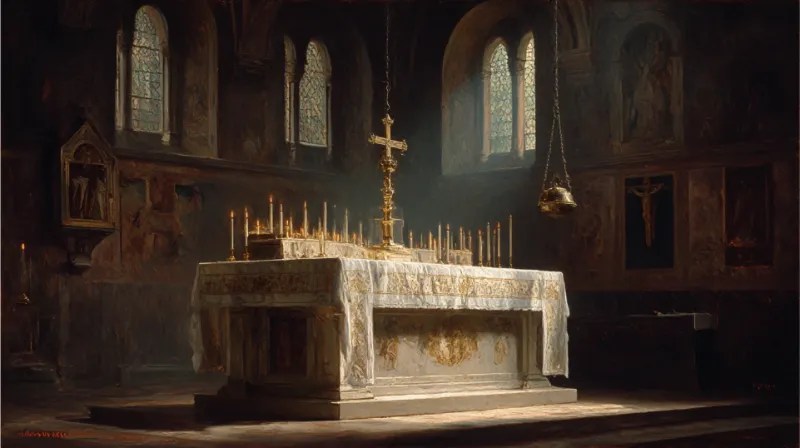
1 Thessalonians 4:13-14
“Brothers and sisters, we do not want you to be uninformed about those who sleep in death, so that you do not grieve like the rest of mankind, who have no hope. For we believe that Jesus died and rose again, and so we believe that God will bring with Jesus those who have fallen asleep in him.”
Reflection: Paul is writing to a church whose members had died, and he calls the dead “those who sleep in death.” He tells the living not to grieve “like the rest of mankind, who have no hope,” and gives the reason: Jesus died and rose again, and God will bring with Jesus “those who have fallen asleep in him.” After describing the Lord’s coming, he ends the passage: “Therefore encourage one another with these words” (1 Thessalonians 4:18).

John 14:1-3
“Do not let your hearts be troubled. You believe in God; believe also in me. My Father’s house has many rooms; if that were not so, would I have told you that I am going there to prepare a place for you? And if I go and prepare a place for you, I will come back and take you to be with me that you also may be where I am.”
Reflection: Jesus had just told his disciples, “Where I am going, you cannot come” (John 13:33), and told Peter, “you will follow later” (13:36). Here he says where he is going: to his Father’s house, to prepare a place for them. The promise is that he will come back and take them “to be with me.”

1 Corinthians 15:54-55
“When the perishable has been clothed with the imperishable, and the mortal with immortality, then the saying that is written will come true: ‘Death has been swallowed up in victory.’ ‘Where, O death, is your victory? Where, O death, is your sting?’”
Reflection: Paul writes these lines near the end of his chapter on the resurrection of the dead, after saying that at the last trumpet “the dead will be raised imperishable” (1 Corinthians 15:52). He introduces both lines as “the saying that is written.” He follows them with “The sting of death is sin” and “thanks be to God! He gives us the victory through our Lord Jesus Christ” (15:56-57).

Romans 8:38-39
“For I am convinced that neither death nor life, neither angels nor demons, neither the present nor the future, nor any powers, neither height nor depth, nor anything else in all creation, will be able to separate us from the love of God that is in Christ Jesus our Lord.”
Reflection: Death heads Paul’s list of things that cannot separate believers from the love of God in Christ. A few verses earlier he asks, “Who shall separate us from the love of Christ?” and quotes Scripture: “For your sake we face death all day long” (Romans 8:36). His answer is “in all these things we are more than conquerors through him who loved us.”

Revelation 21:4
“‘He will wipe every tear from their eyes. There will be no more death’ or mourning or crying or pain, for the old order of things has passed away.”
Reflection: John hears a loud voice from the throne announcing that “God’s dwelling place is now among the people.” The verse names death, mourning, crying and pain as things that will end. The reason given is that “the old order of things has passed away,” and the one on the throne adds, “I am making everything new!”
Mourning turned to gladness
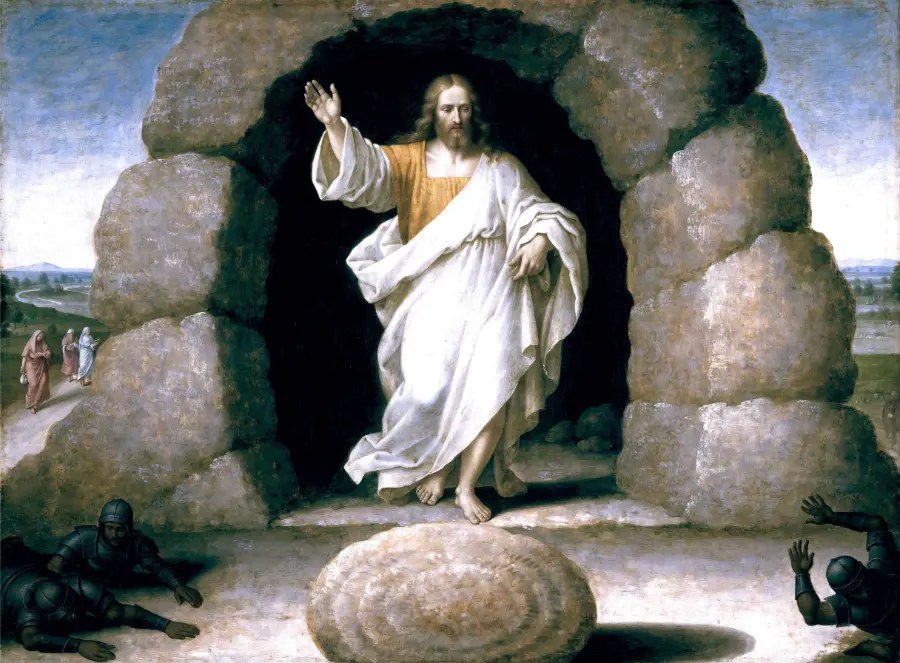
Jeremiah 31:13
“Then young women will dance and be glad, young men and old as well. I will turn their mourning into gladness; I will give them comfort and joy instead of sorrow.”
Reflection: The promise is made to Israel in exile: the Lord who scattered them “will gather them.” Two verses later comes “Rachel weeping for her children and refusing to be comforted, because they are no more,” and the Lord answers her, “Your children will return to their own land” (Jeremiah 31:15-17). Matthew 2:18 quotes the lines about Rachel after Herod killed the boys of Bethlehem.
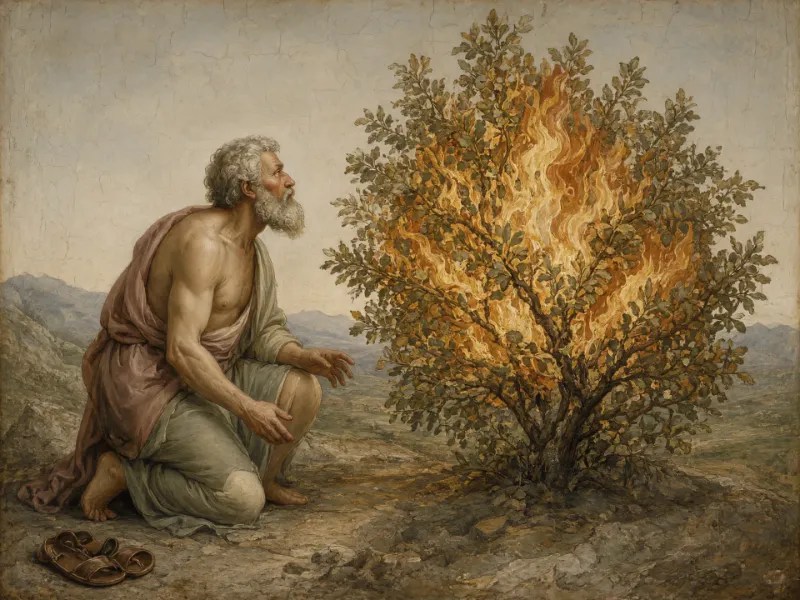
Isaiah 61:1-3
“The Spirit of the Sovereign Lord is on me, because the Lord has anointed me to proclaim good news to the poor. He has sent me to bind up the brokenhearted, to proclaim freedom for the captives and release from darkness for the prisoners, to proclaim the year of the Lord’s favor and the day of vengeance of our God, to comfort all who mourn, and provide for those who grieve in Zion—to bestow on them a crown of beauty instead of ashes, the oil of joy instead of mourning, and a garment of praise instead of a spirit of despair. They will be called oaks of righteousness, a planting of the Lord for the display of his splendor.”
Reflection: The speaker, anointed by the Spirit, is sent to the poor, the brokenhearted and the captives, and to “comfort all who mourn” in Zion. The exchanges are specific: a crown instead of ashes, oil of joy instead of mourning, a garment of praise instead of despair. When Jesus read from Isaiah in the synagogue at Nazareth, Luke’s wording differs from this passage, with “recovery of sight for the blind” and no line about the brokenhearted, and the reading stops at “the year of the Lord’s favor,” before the lines about mourners (Luke 4:18-19).
Comforting those who grieve

2 Corinthians 1:3-4
“Praise be to the God and Father of our Lord Jesus Christ, the Father of compassion and the God of all comfort, who comforts us in all our troubles, so that we can comfort those in any trouble with the comfort we ourselves receive from God.”
Reflection: Paul opens the letter by praising “the God of all comfort” and says the comfort he receives is meant to be passed on to others in trouble. A few verses later he explains what he had been through in the province of Asia: “we despaired of life itself” (2 Corinthians 1:8).

Romans 12:15
“Rejoice with those who rejoice; mourn with those who mourn.”
Reflection: The verse is one of a run of short instructions that begins “Love must be sincere” (Romans 12:9). Paul pairs rejoicing with those who rejoice and mourning with those who mourn, and follows it with “Live in harmony with one another.”

